



720x720_q85.jpg)
_e58557720x720_q85.jpg)
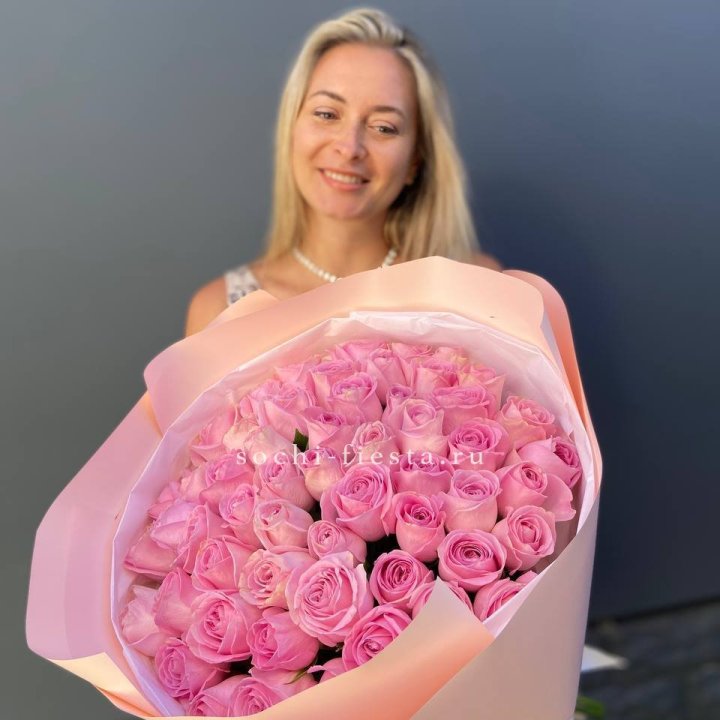
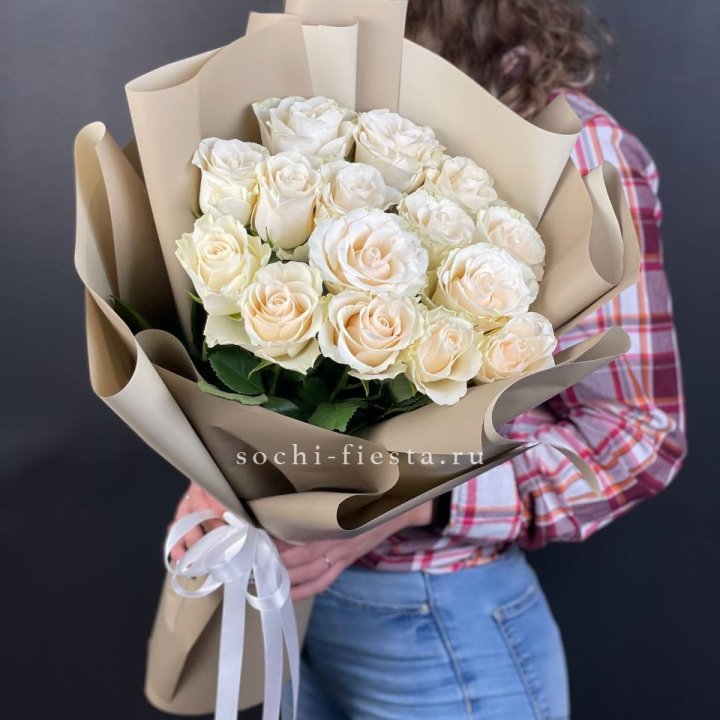
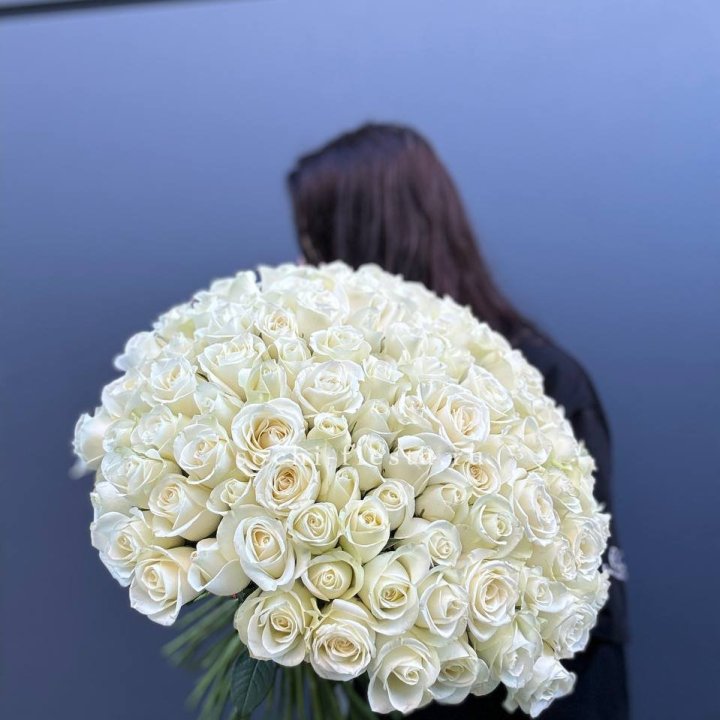
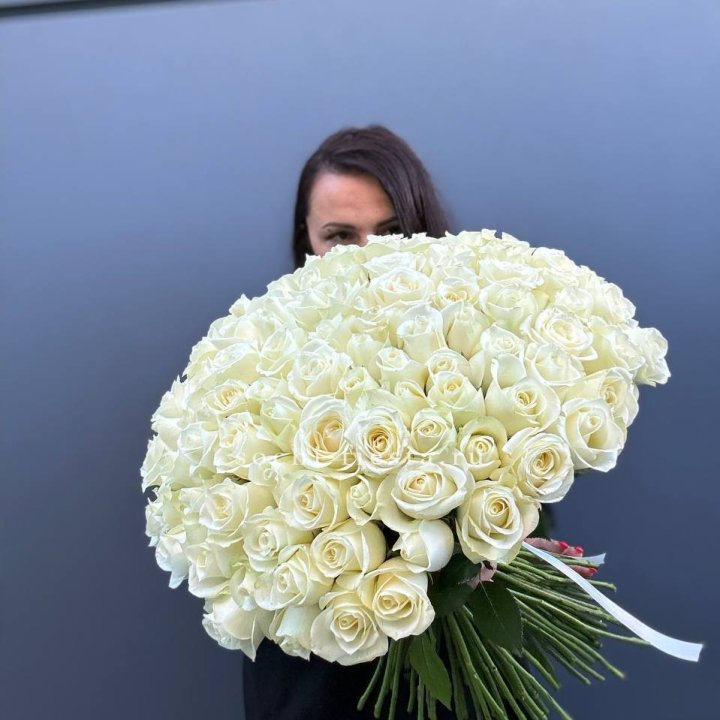
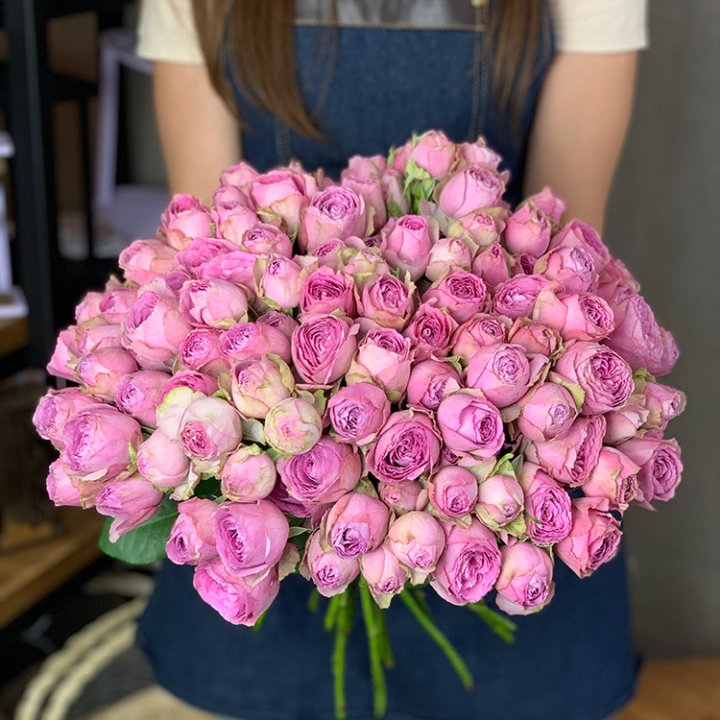
Roses delivered to Antalya: varieties, packaging and freshness from the cut
The rose remains the most in-demand flower in any international city — and Antalya is no exception. Behind its recognizable shape and delicate fragrance lies intricate floristry work: selecting the right variety for the occasion, controlling freshness from plantation to recipient, and precise packaging suited to the climate.
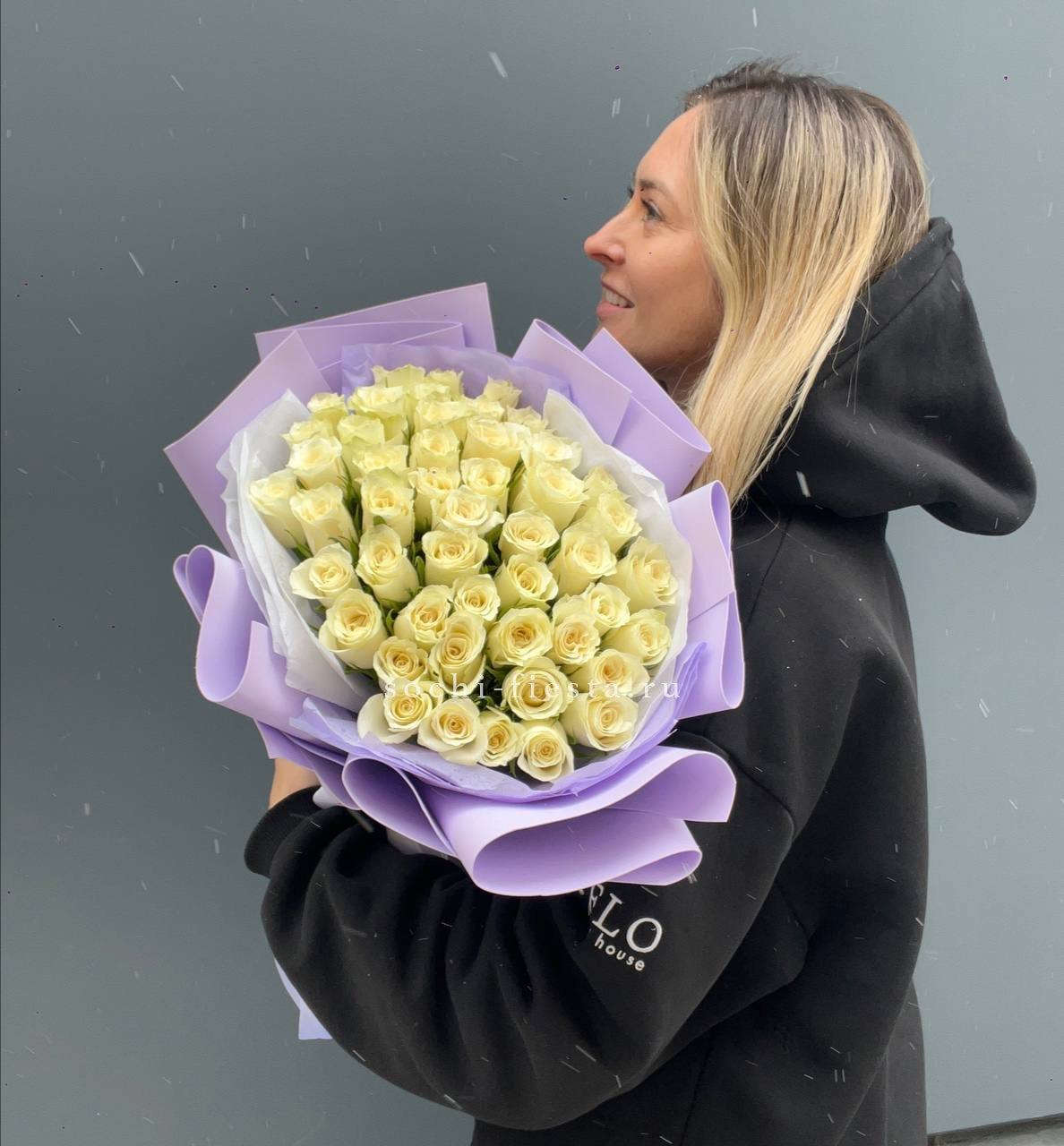
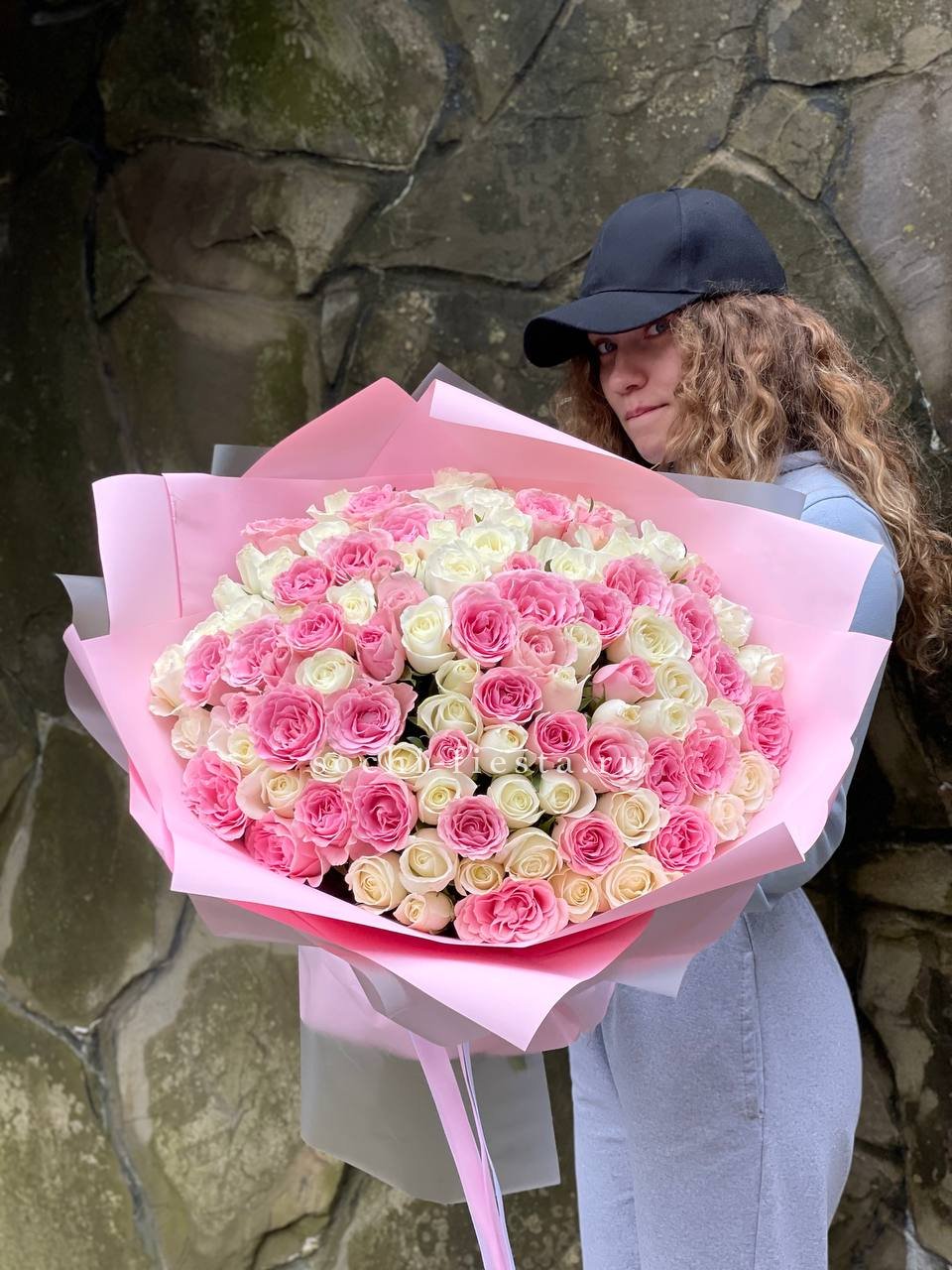
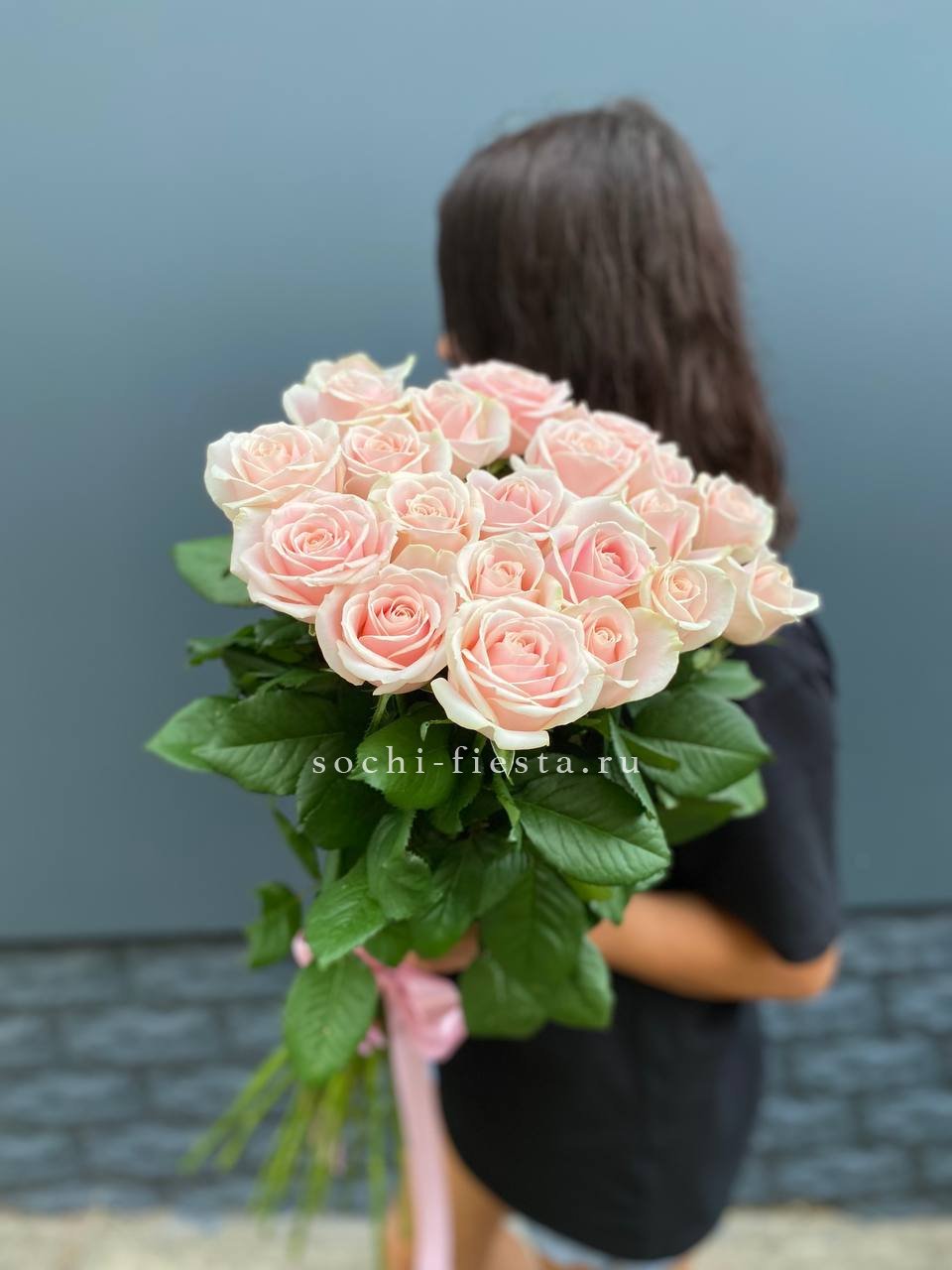
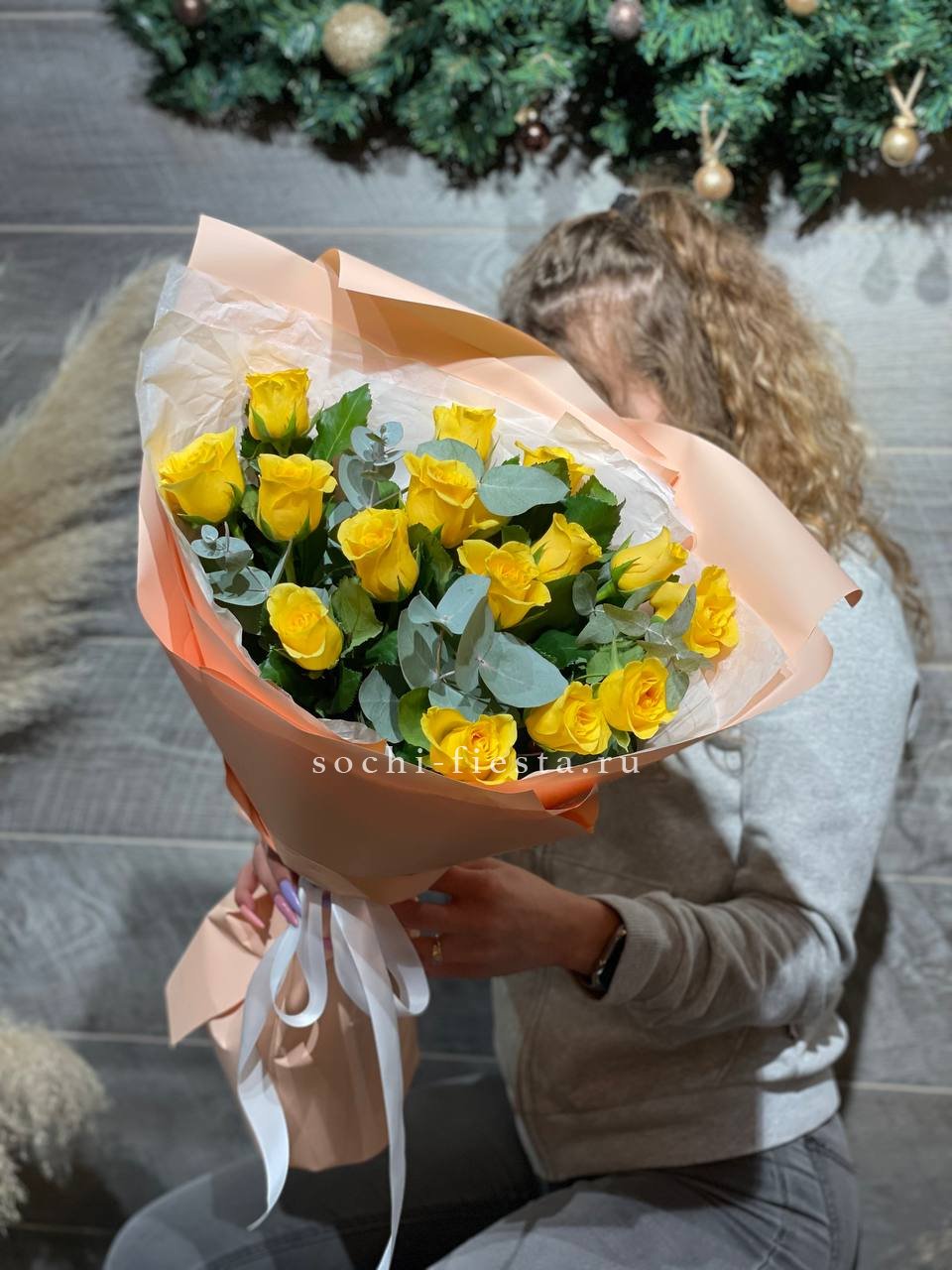
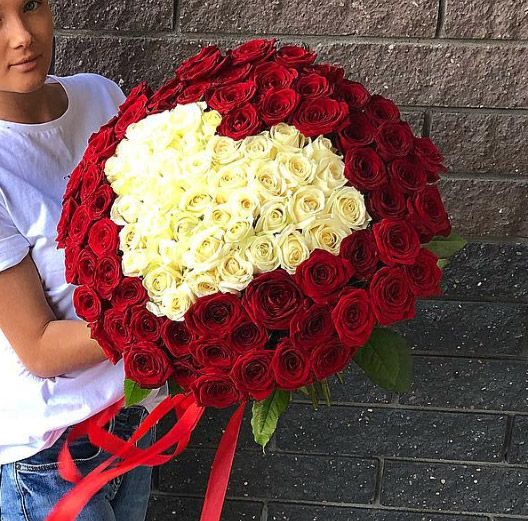
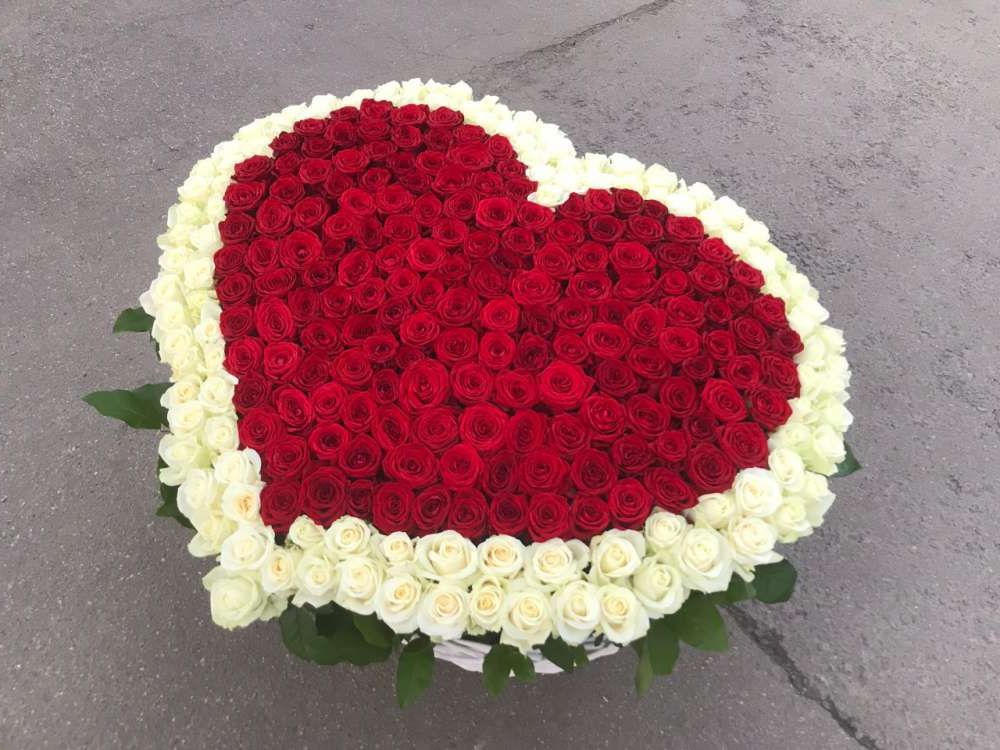
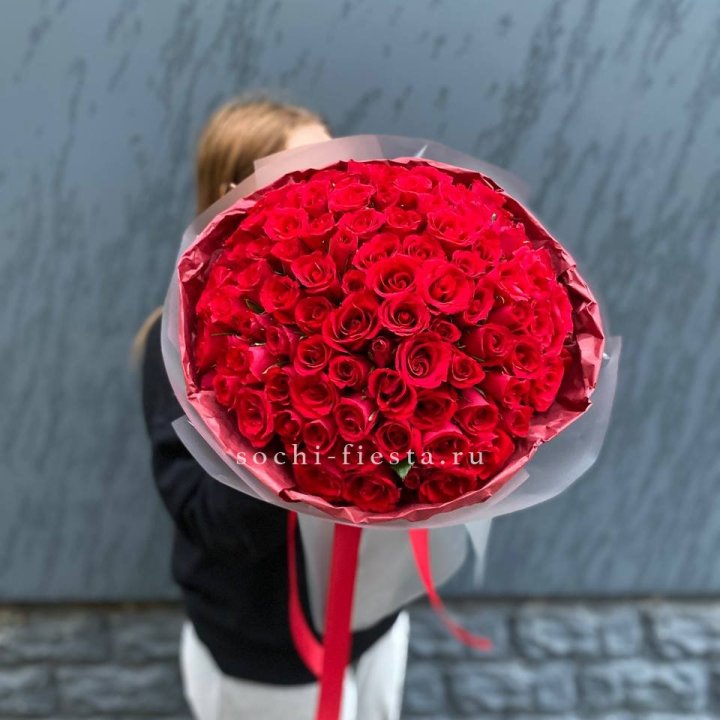
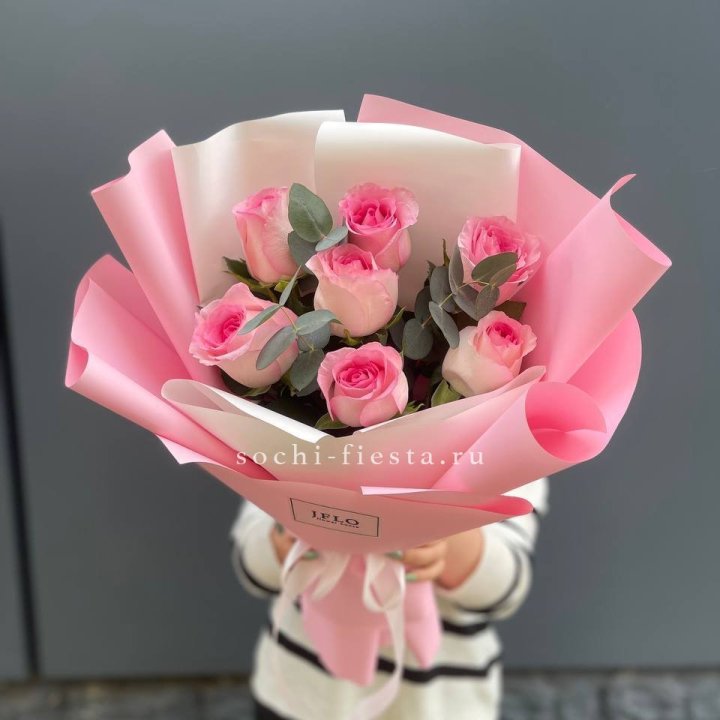
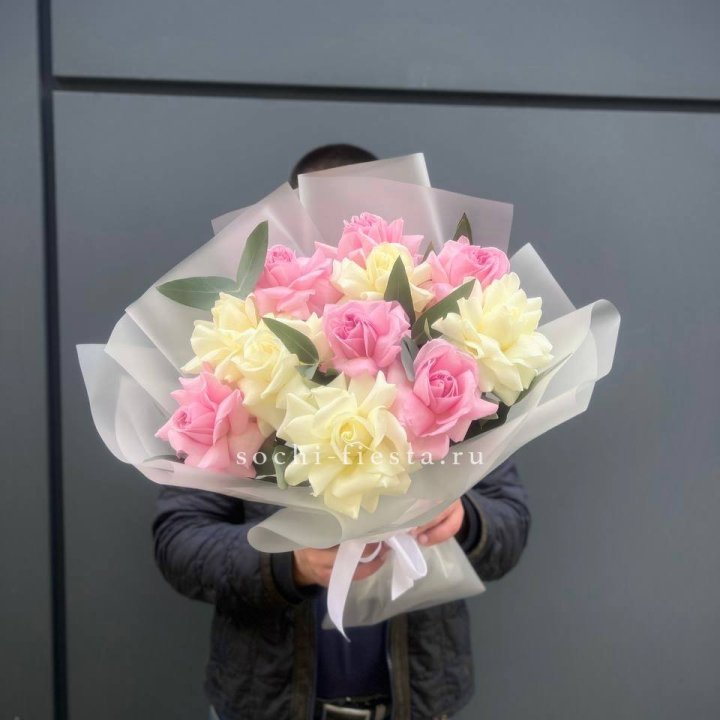
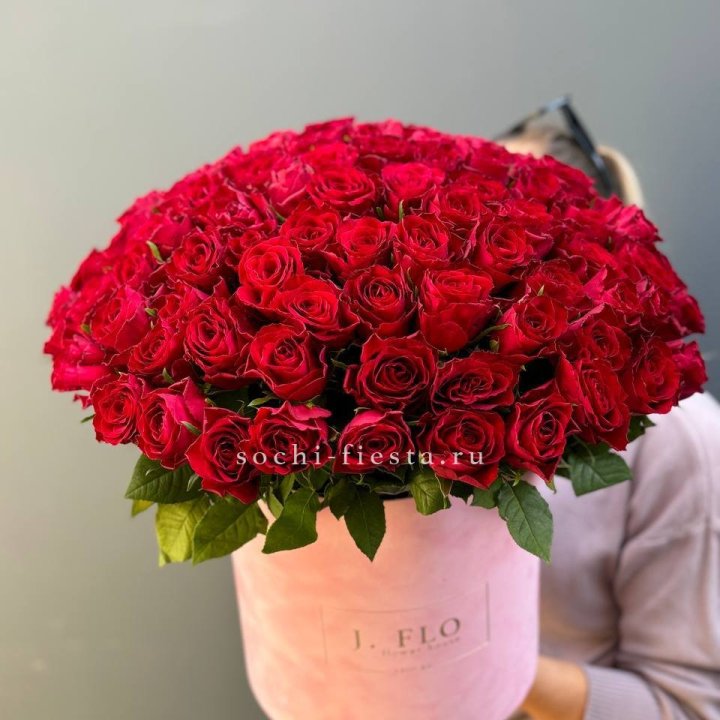
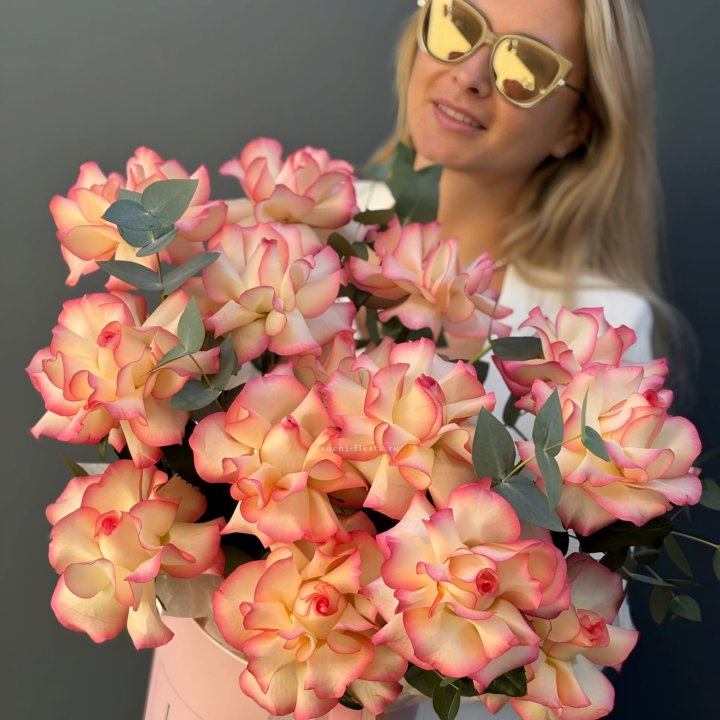
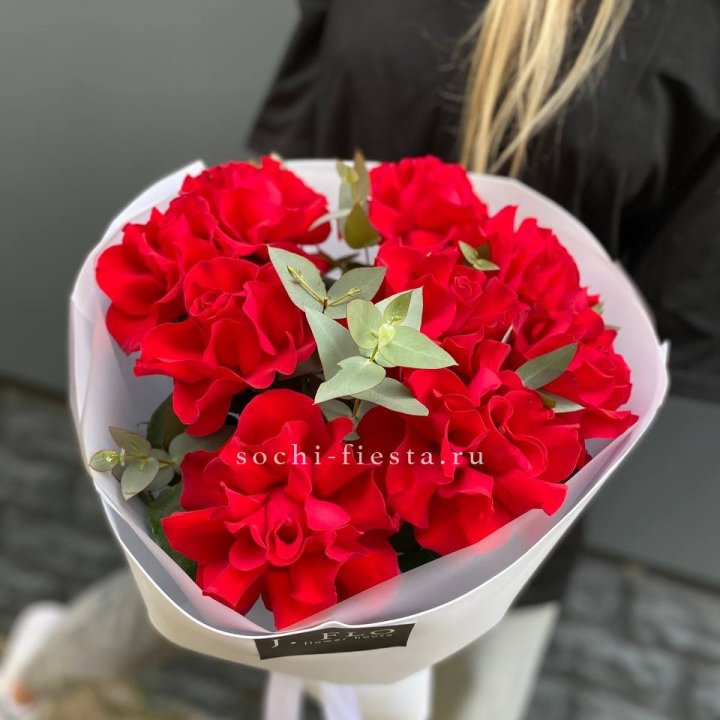
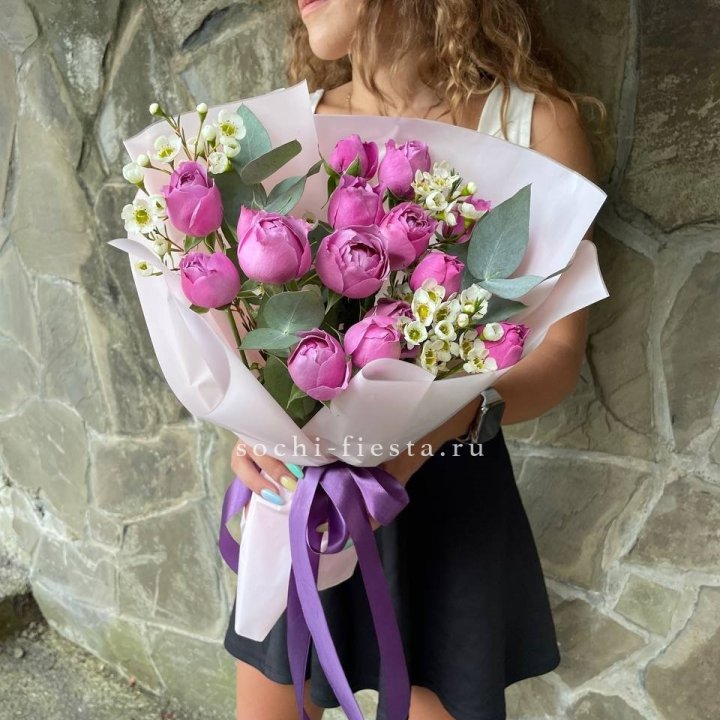
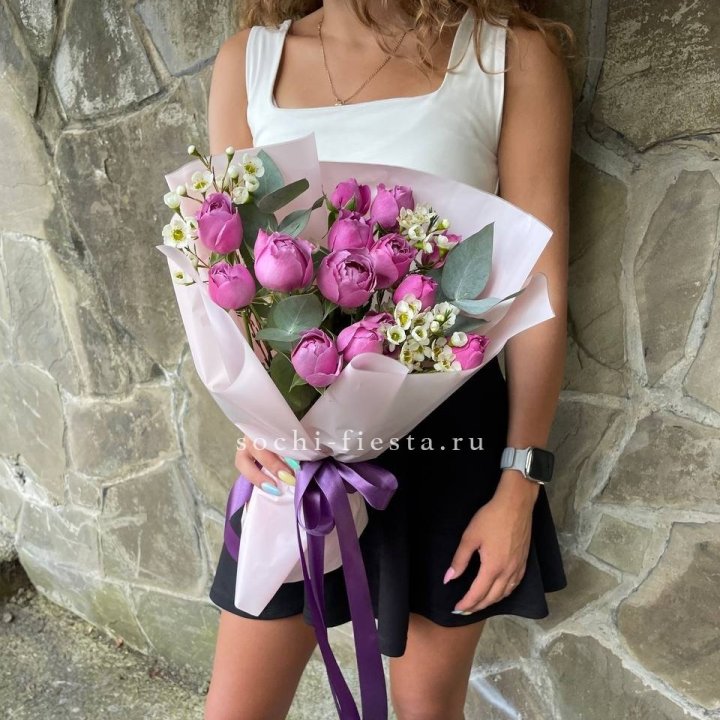
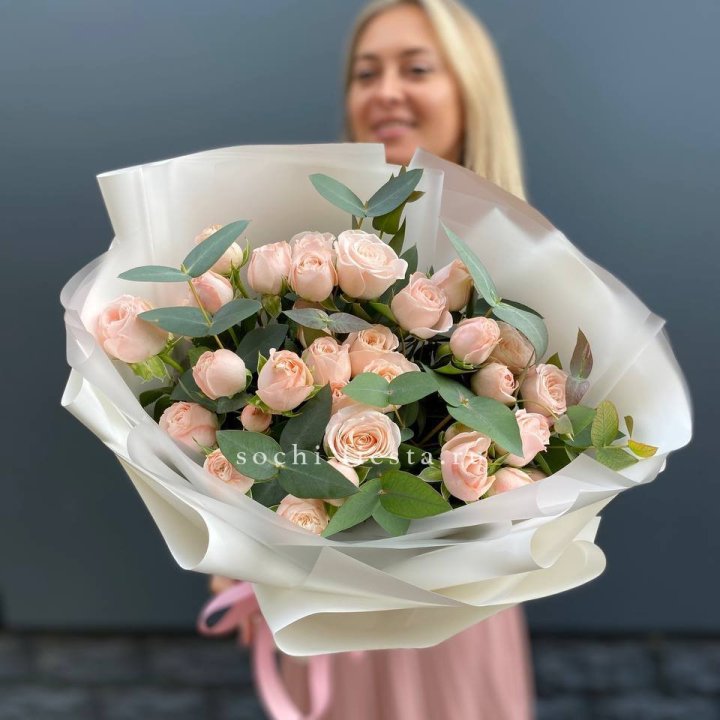
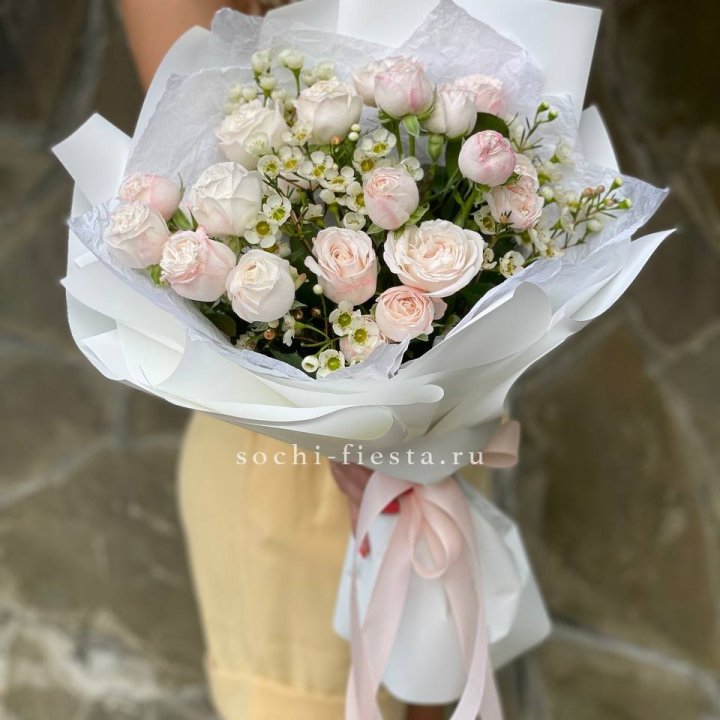
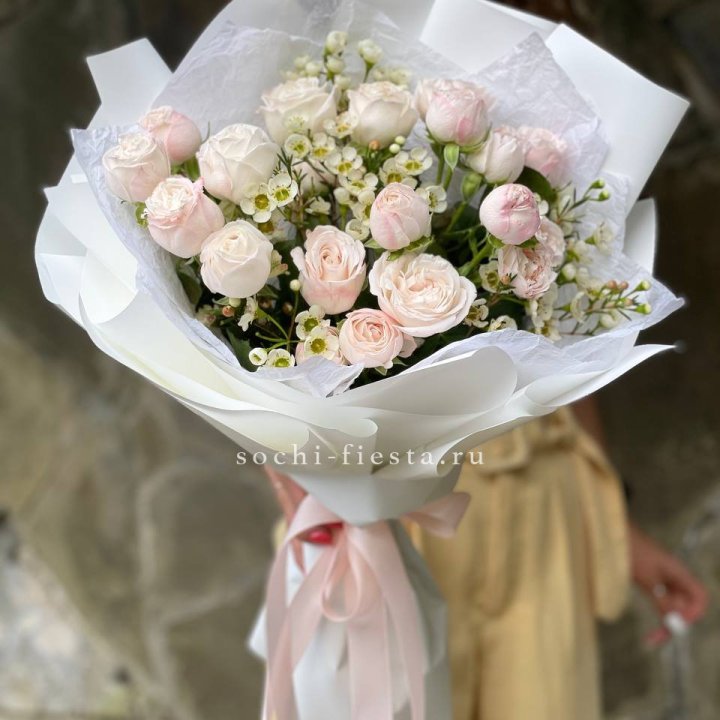
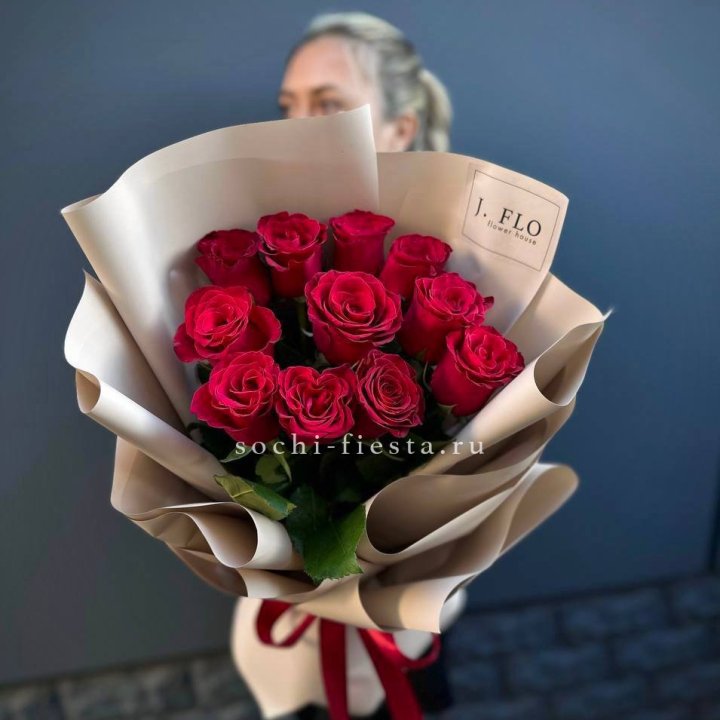
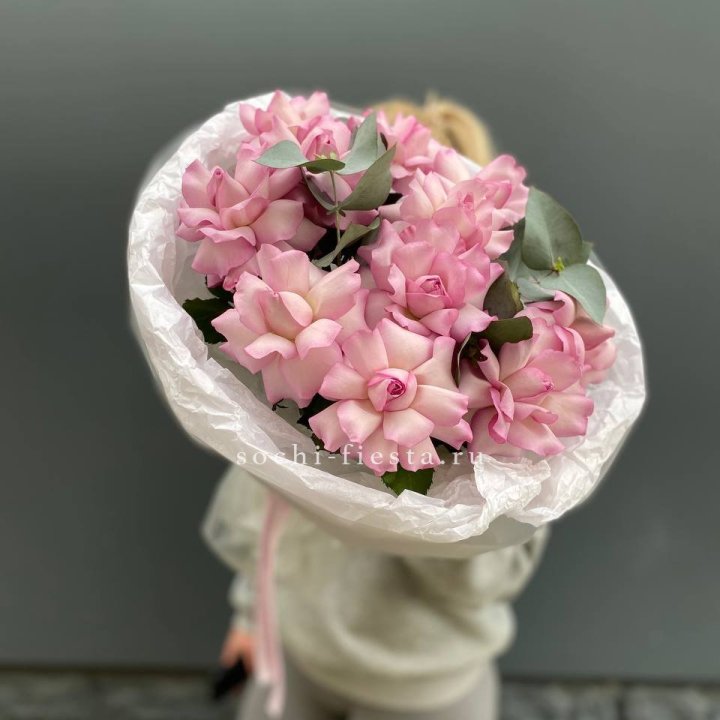
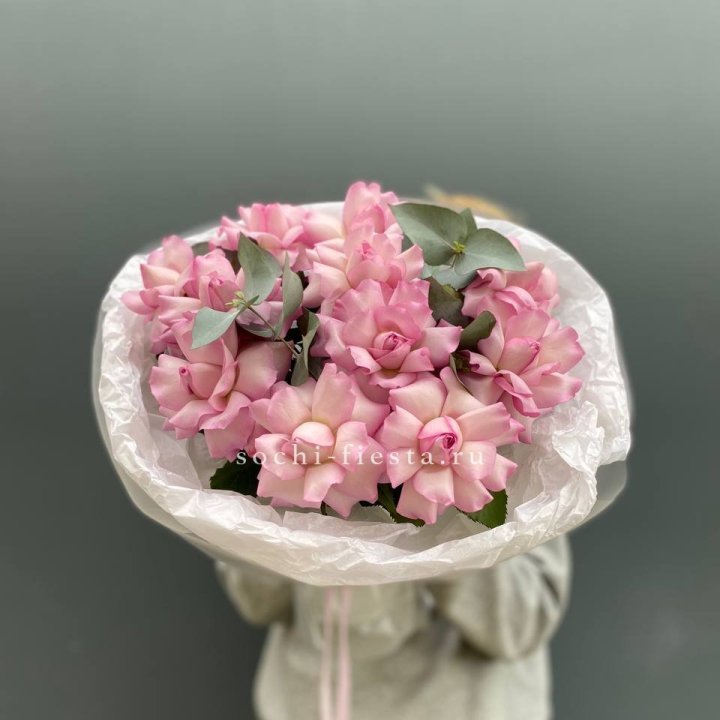
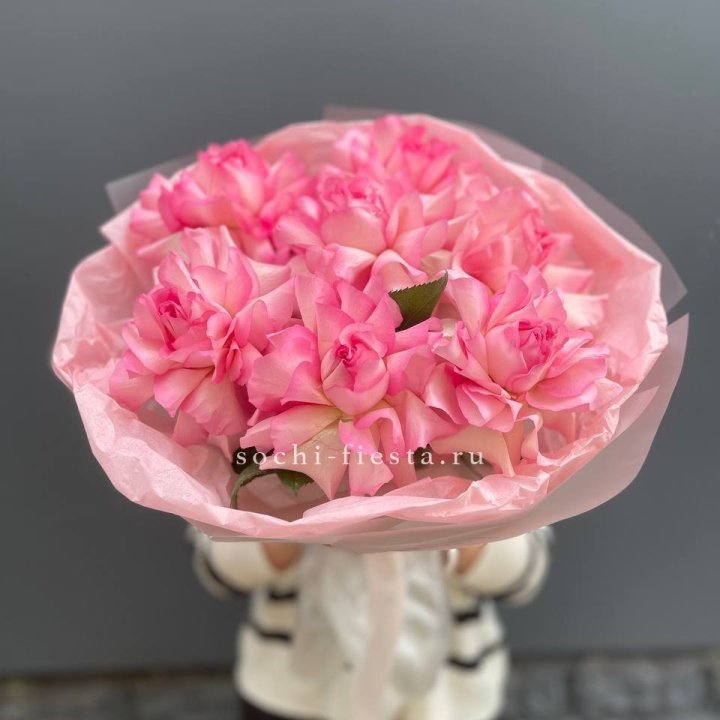
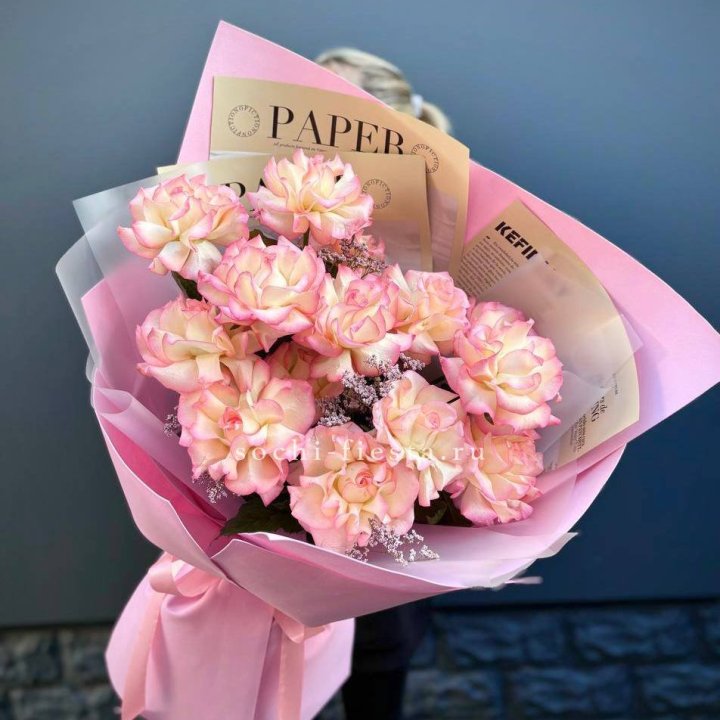
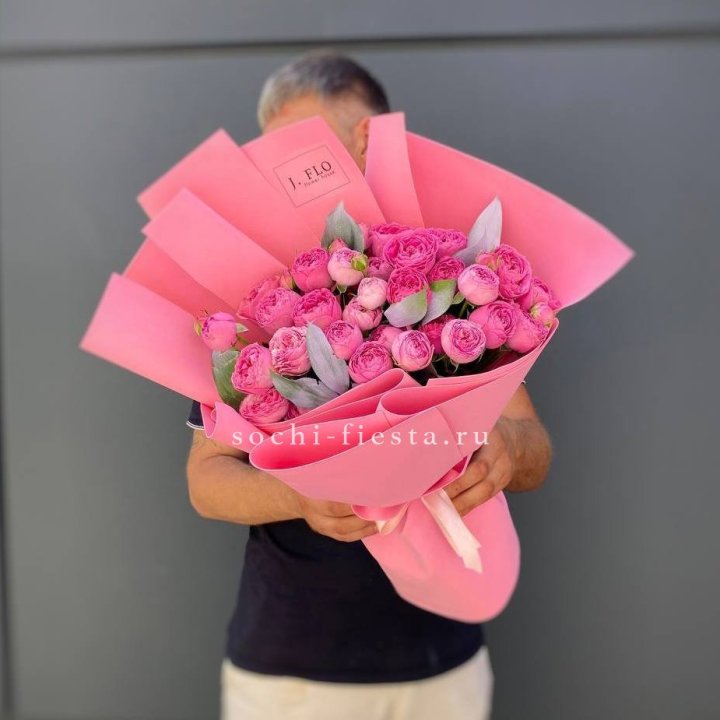
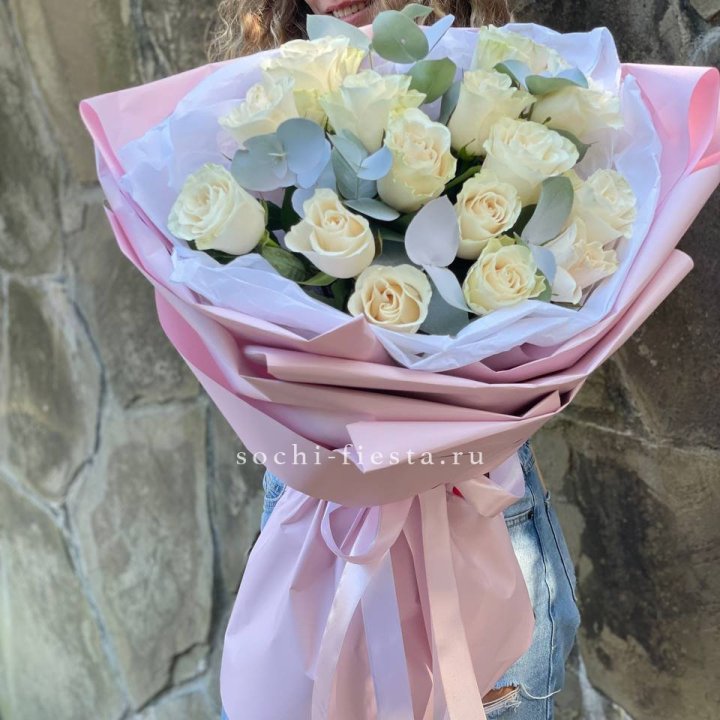
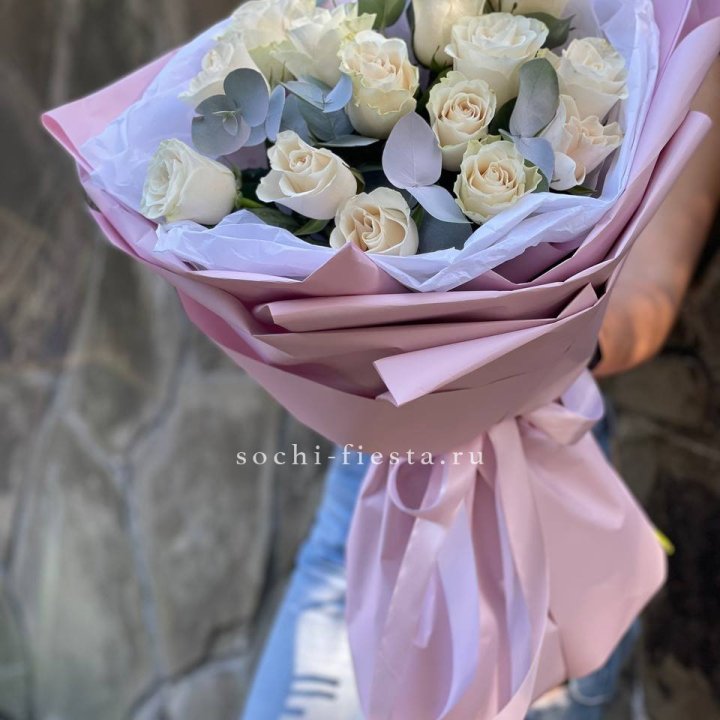
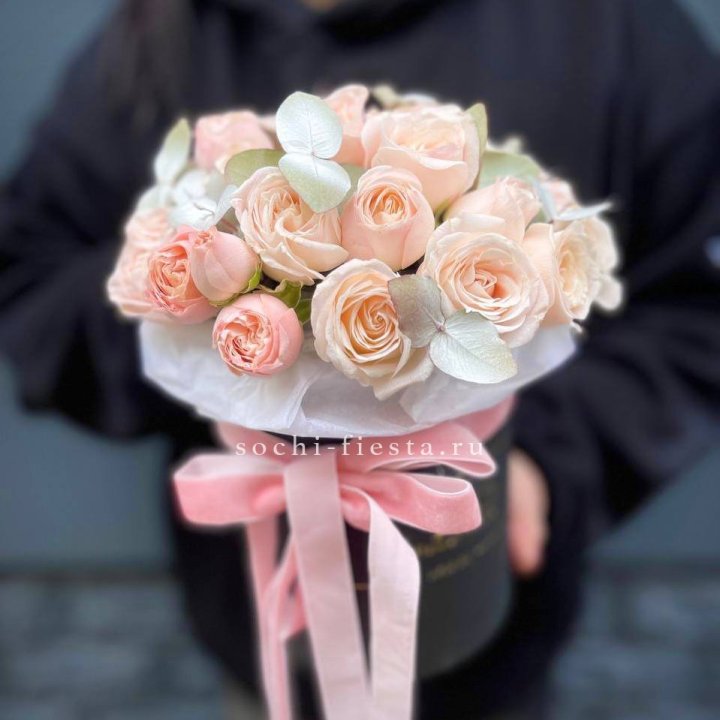
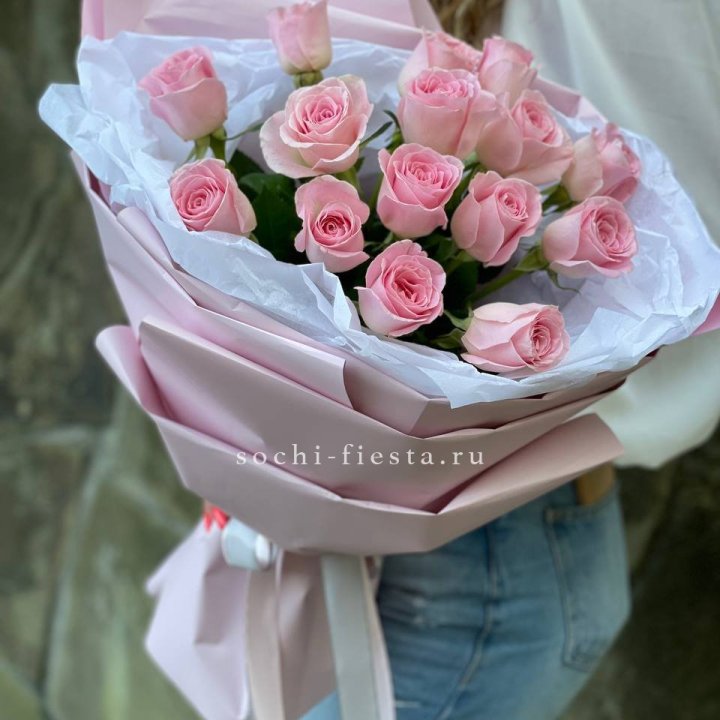
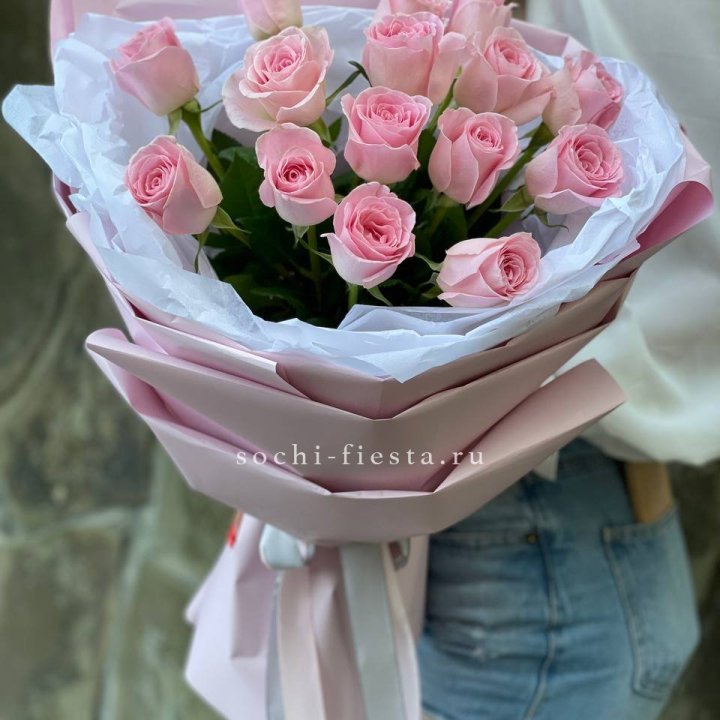
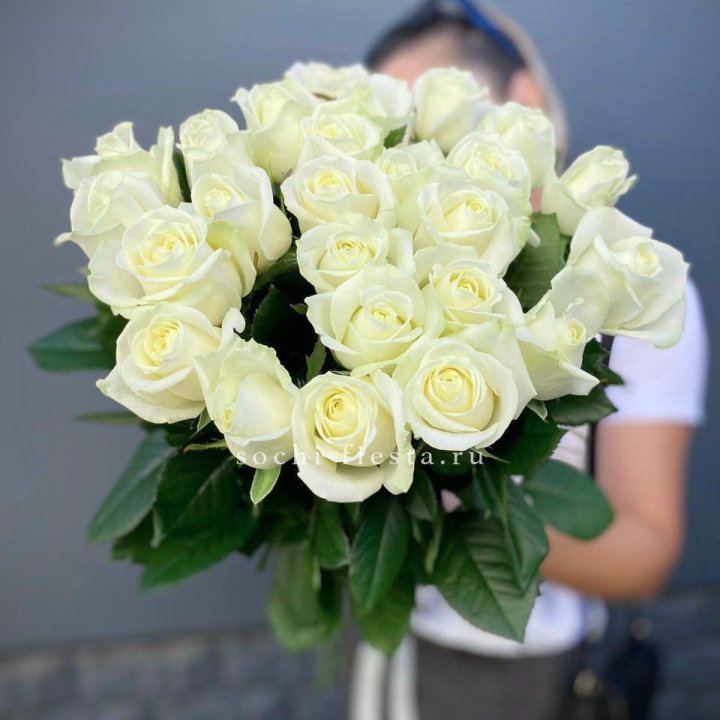
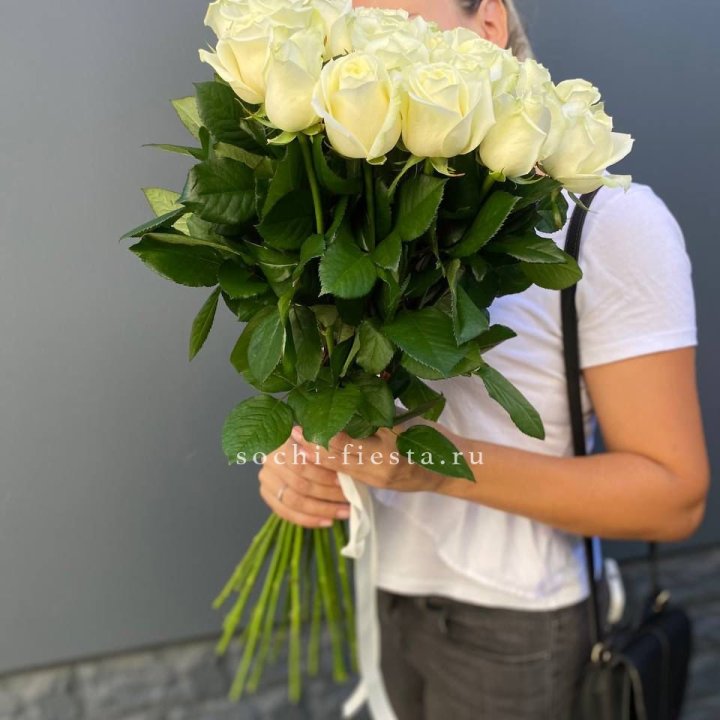
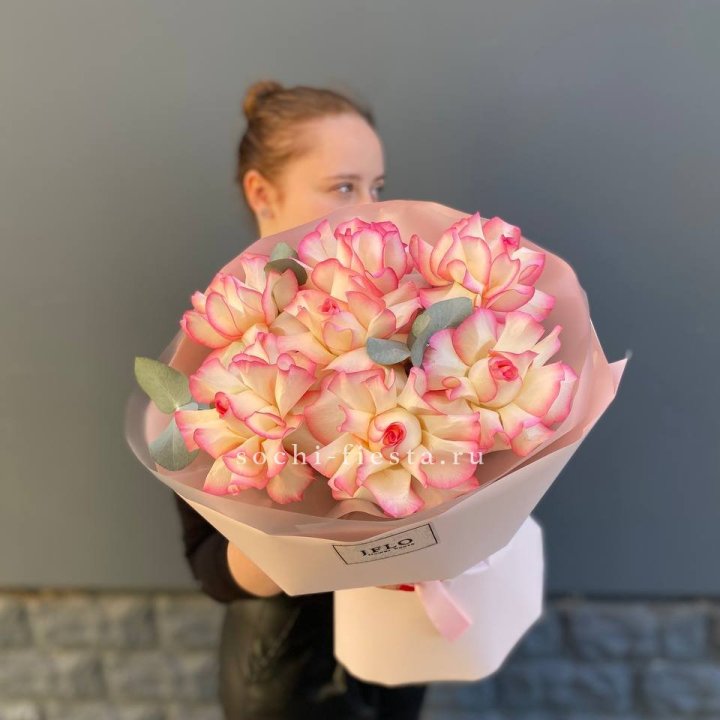
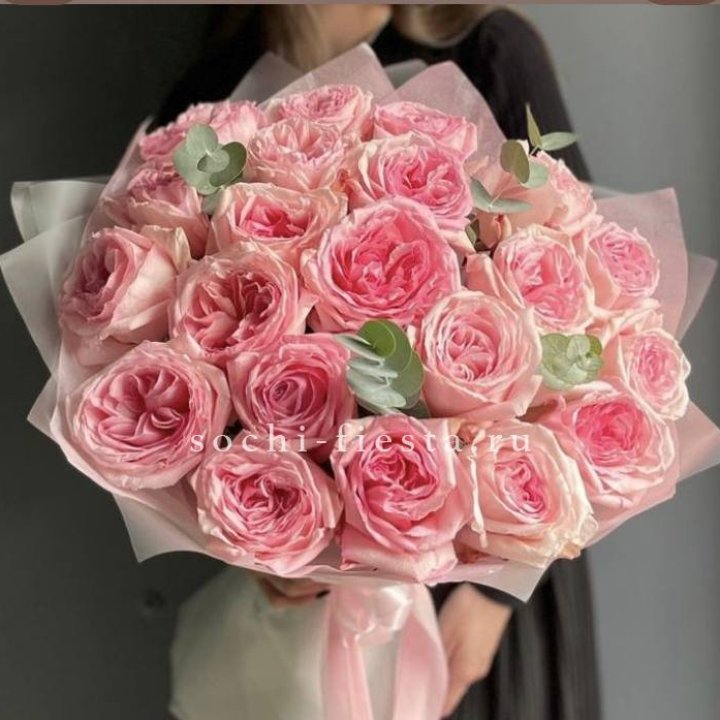
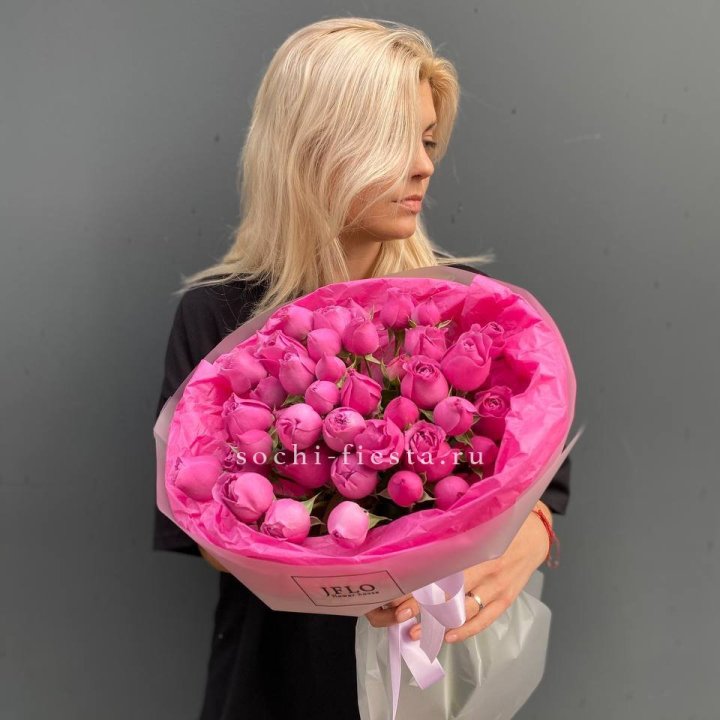
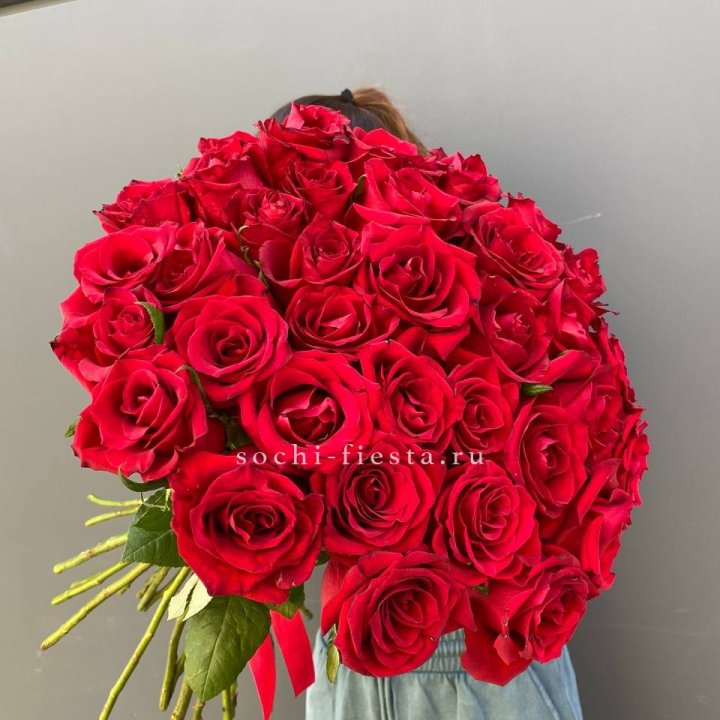
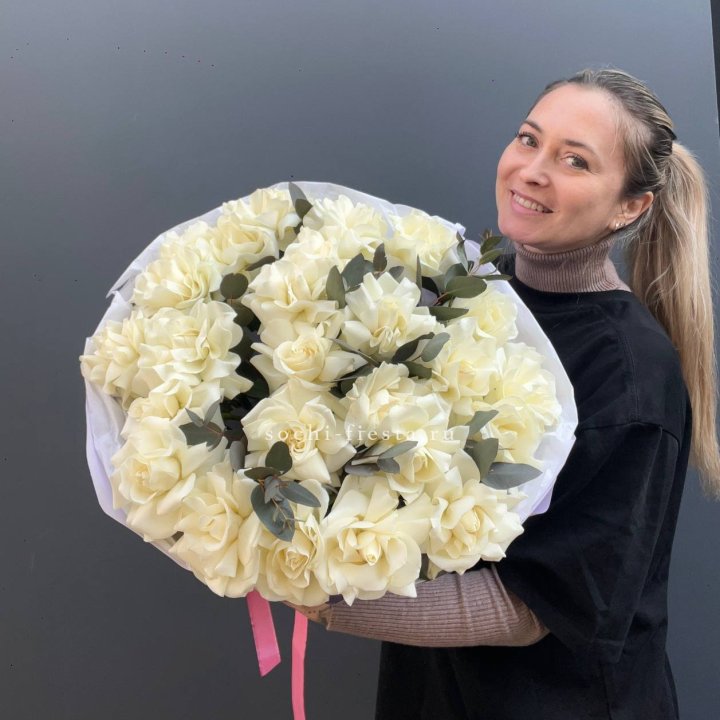
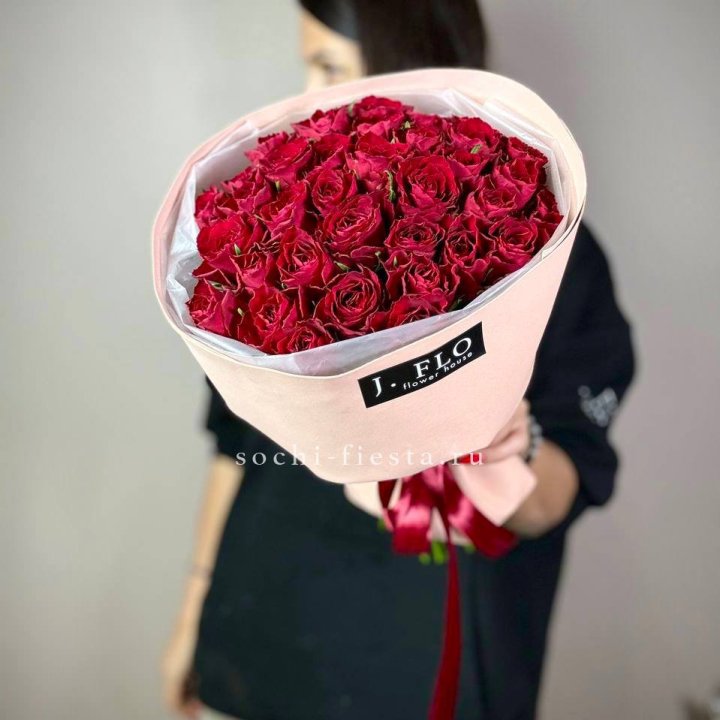
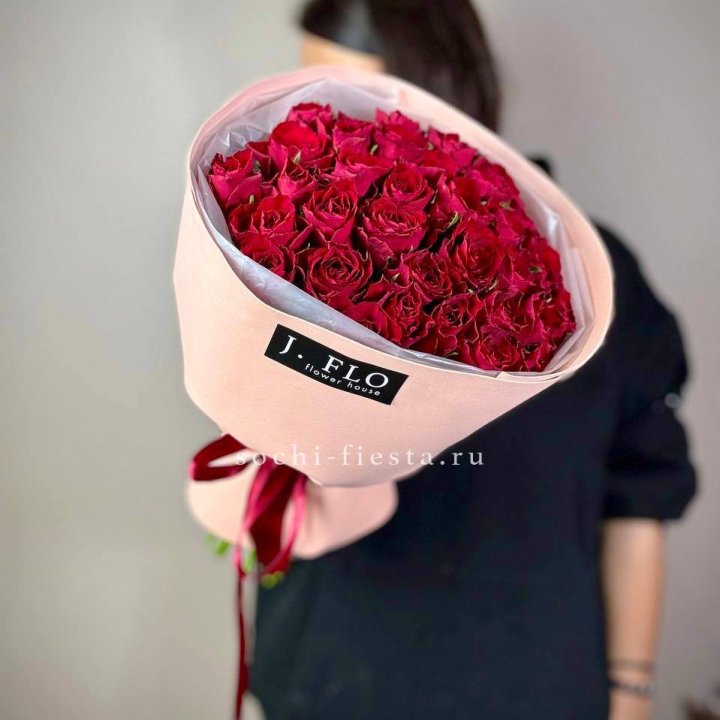
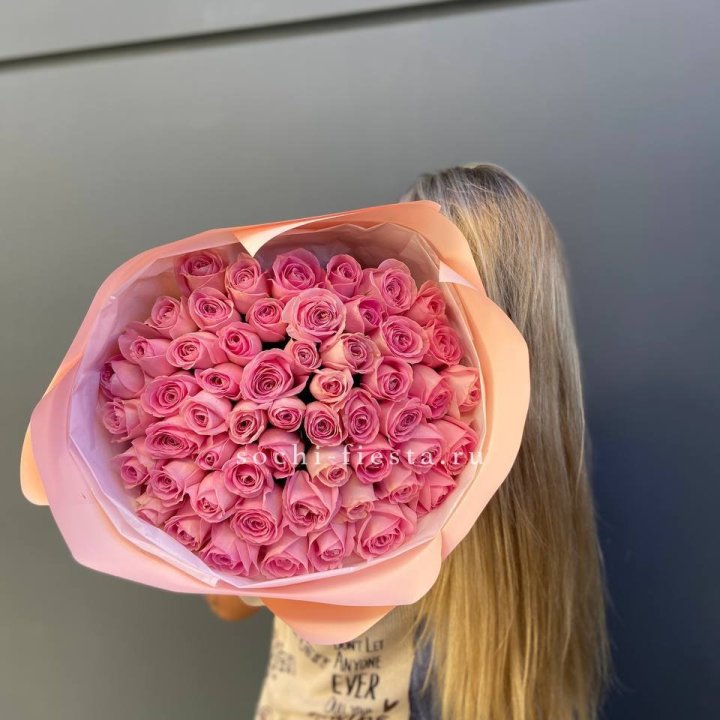
This category brings together mono bouquets, mixed compositions and single stems for a gift "just because." It also includes boxes, baskets and large bunches of 25, 51 and 101 stems — a format that often speaks as loudly as the variety itself when it comes to gifting.
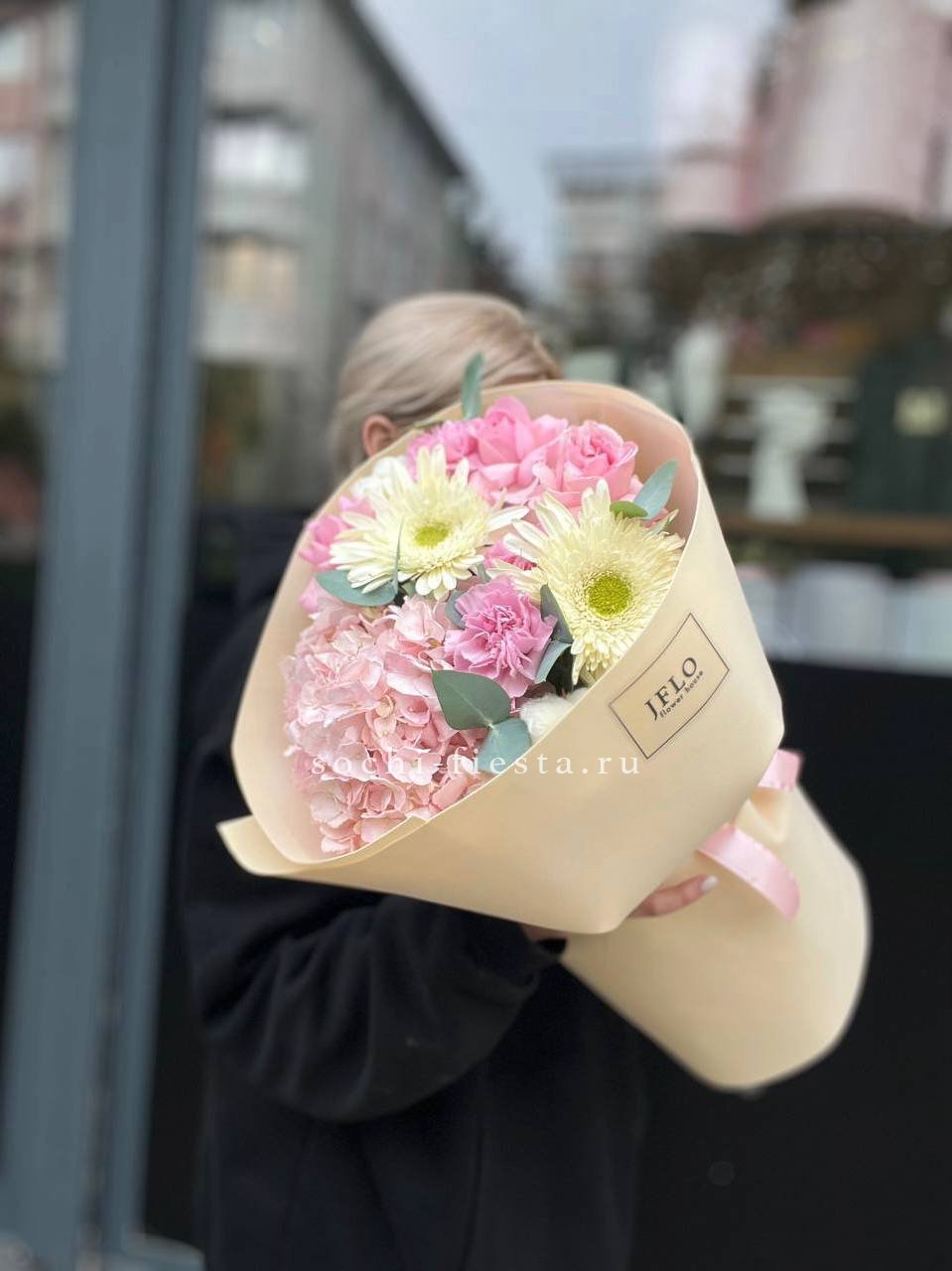
Which varieties to choose
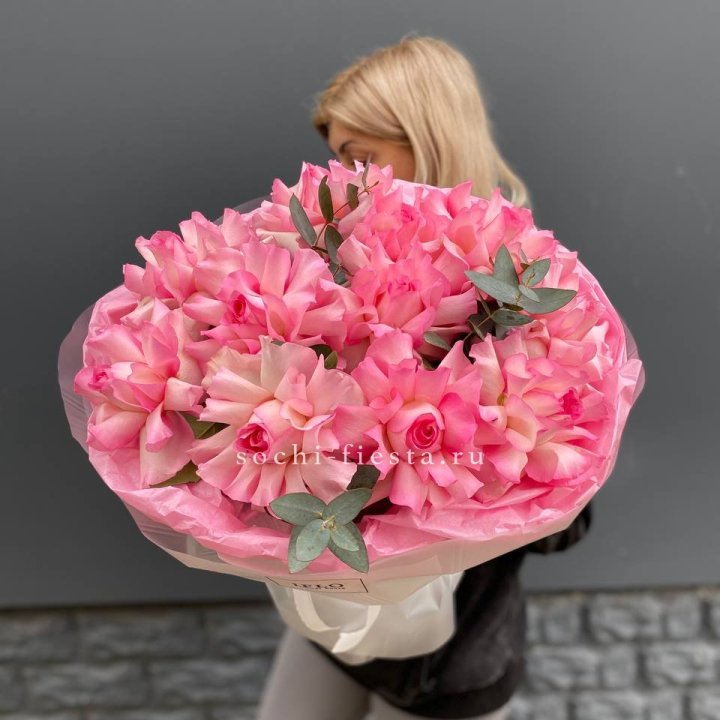
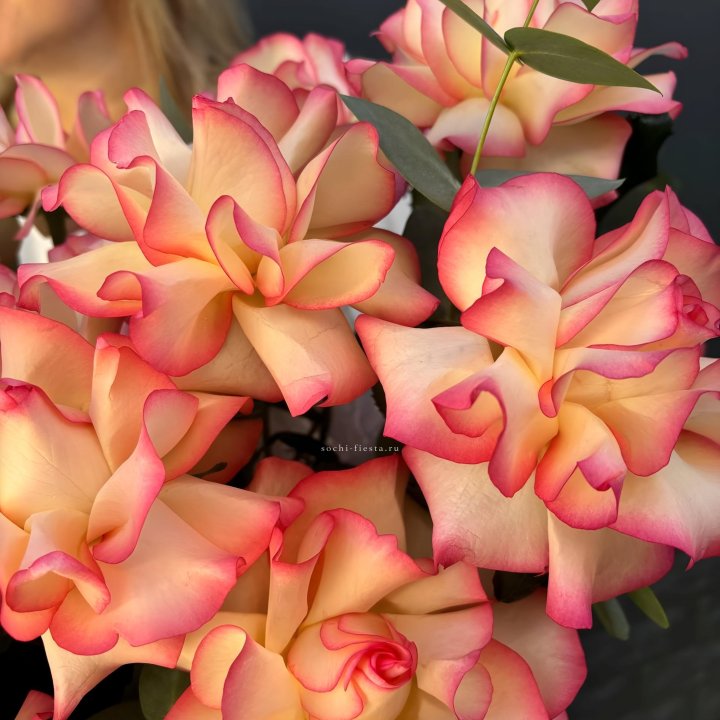
On our shelves you will find three key groups: large-headed Ecuadorian, classic Dutch and English David Austin peony roses. Each serves its own purpose — from a grand presentation for an anniversary to an intimate bouquet for a romantic gesture.
- Freedom, Explorer, Mondial — Ecuadorian flagships. Long stems 70–90 cm, tight bud, 10–14 days of longevity with proper care.
- Avalanche+, Red Naomi, Vendela — Dutch classics. Medium buds 5–7 cm, a rich selection of shades, an excellent "workhorse" option.
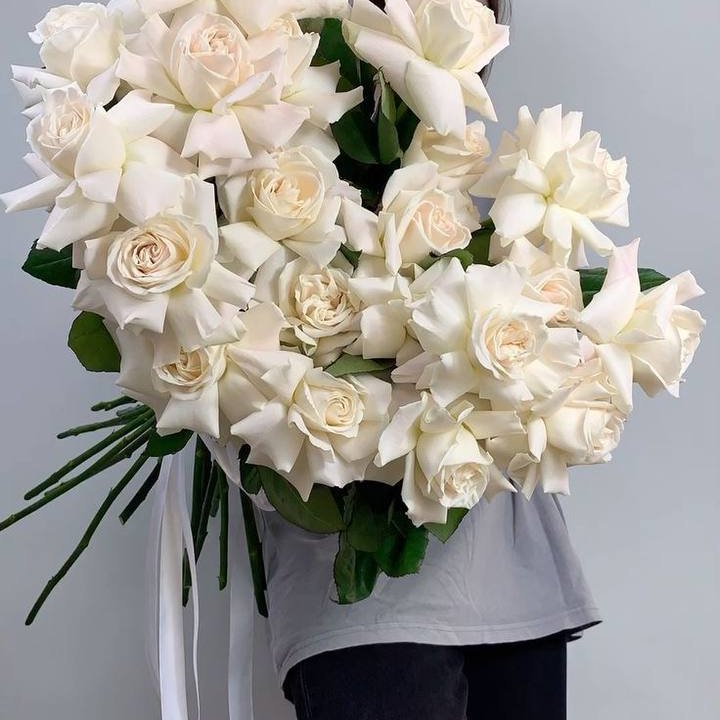
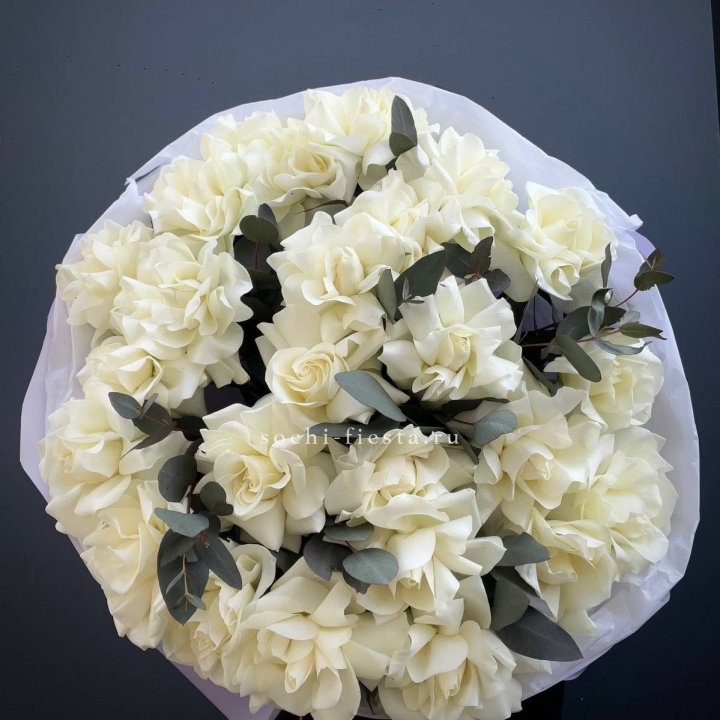
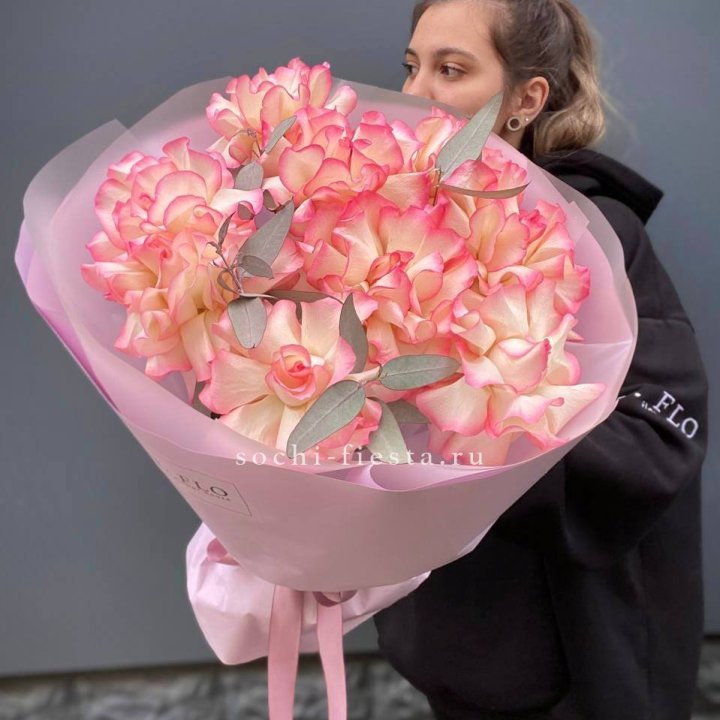
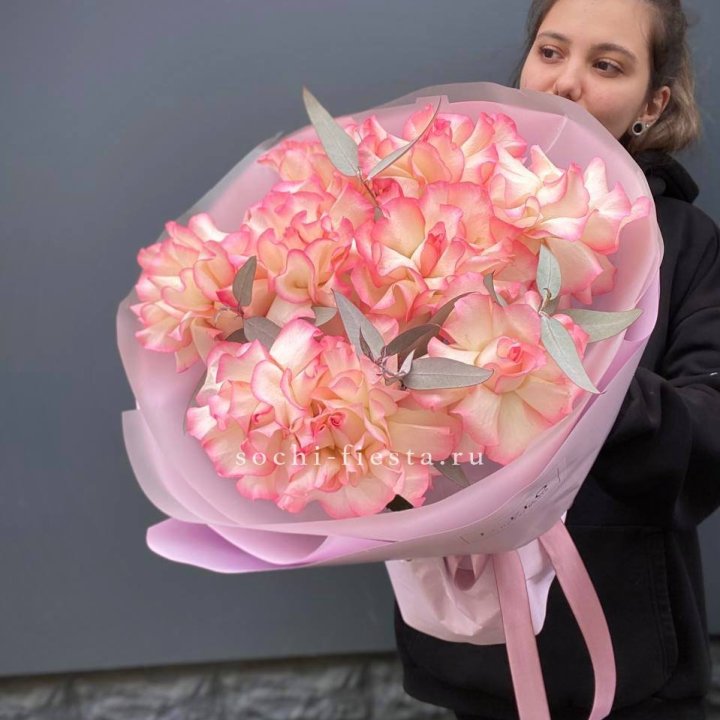
- Patience, Juliet, Constance — English peony Austin roses. Double-petal form, delicate fragrance, ideal for bridal bouquets.
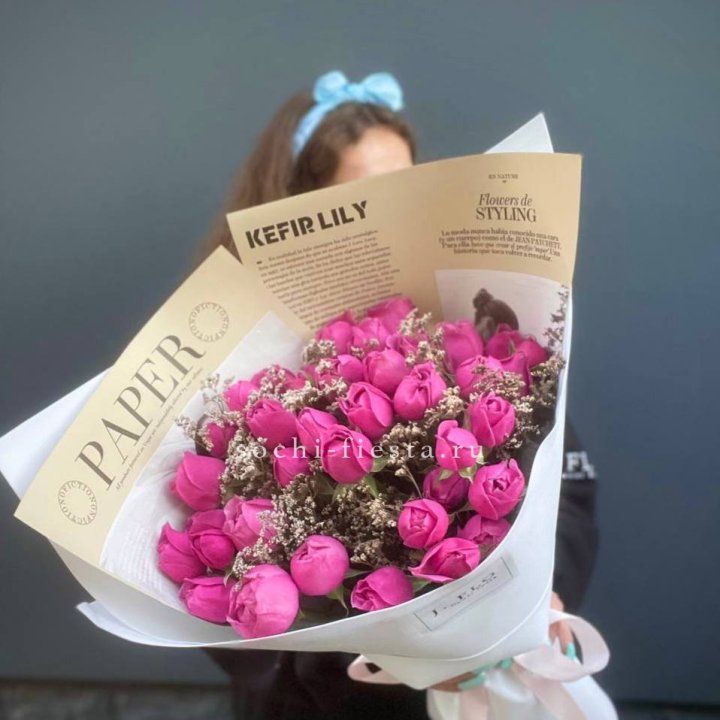
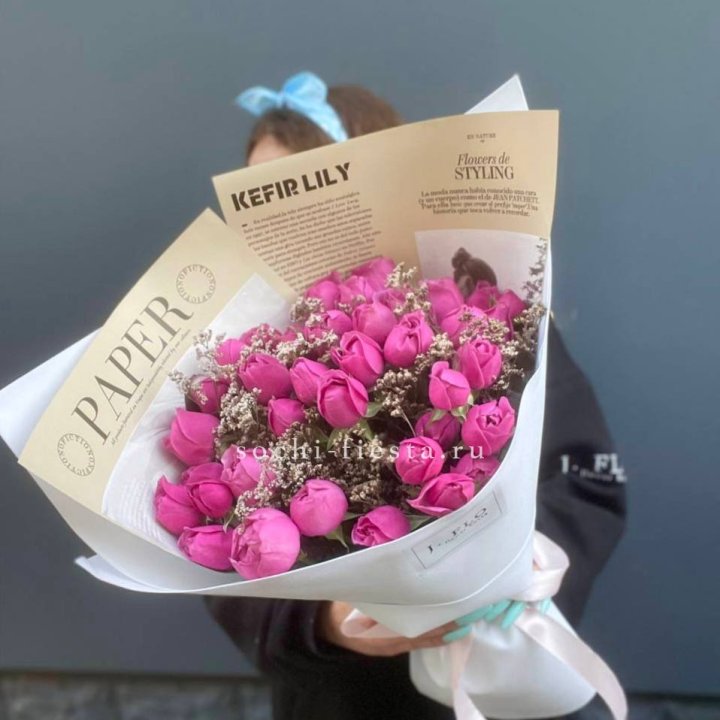
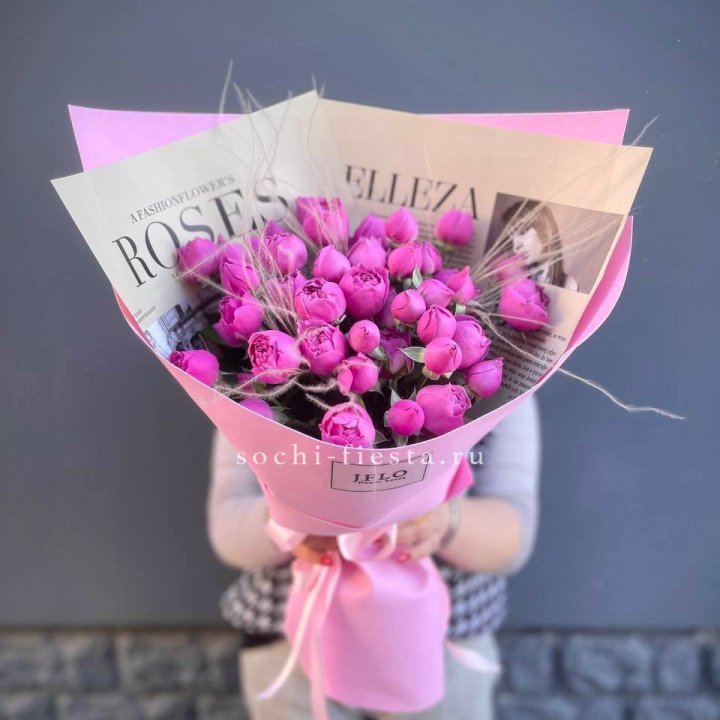
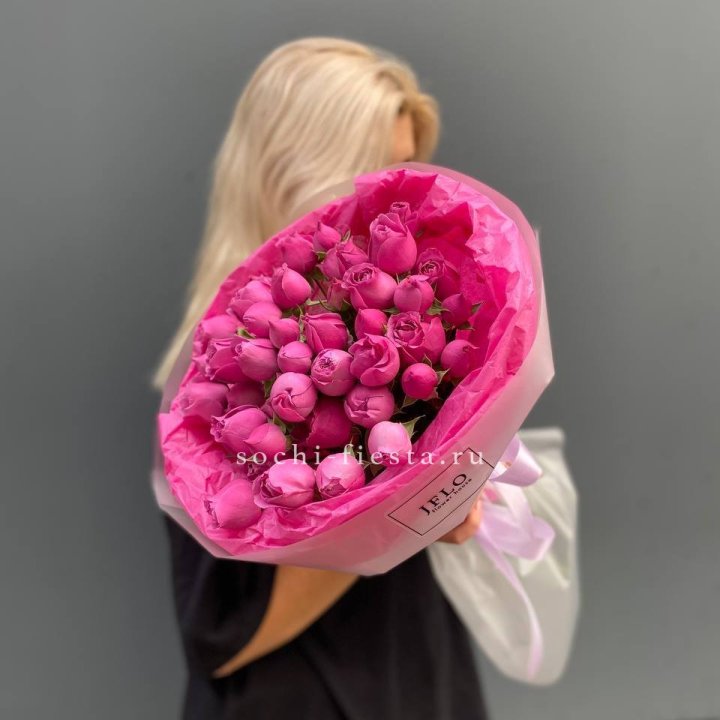
- Spray roses (bush) — multiple buds per stem, for airy compositions and smaller gifts.
Occasions and stem counts
One flower — a gentle gesture of attention. Three — a friendly "thank you." Seven and nine — a romantic gift. Twenty-five — a "grand declaration," 51 and 101 — serious gestures for anniversaries, engagements and milestone celebrations.
In the warm climate of Antalya it is important to consider the format: a kraft-wrapped bouquet handles daytime sun better than an open-basket arrangement. For longer deliveries we pack roses with a hydro box — stems stay in water right up to the moment of handing them over.
Freshness and logistics
Ecuadorian roses arrive by charter from plantations at 2,800 meters above sea level — where roses grow slowly and build bud density. From cut to customer handover, a well-organized logistics chain takes 6–8 days, leaving the bouquet another 10–14 days in a vase.
Every batch is inspected at the half-open "marshmallow" stage: the flower is soft but already colored. This is the sweet spot between transport density and readiness to bloom for the recipient.
"The most common buyer mistake is choosing a rose by price rather than by arrival date. A fresh local or European greenhouse bouquet in sensible packaging will often outlast a tired premium Ecuadorian rose. Always ask your florist for the batch date."
— Darya Kotova, florist with 12 years of experience
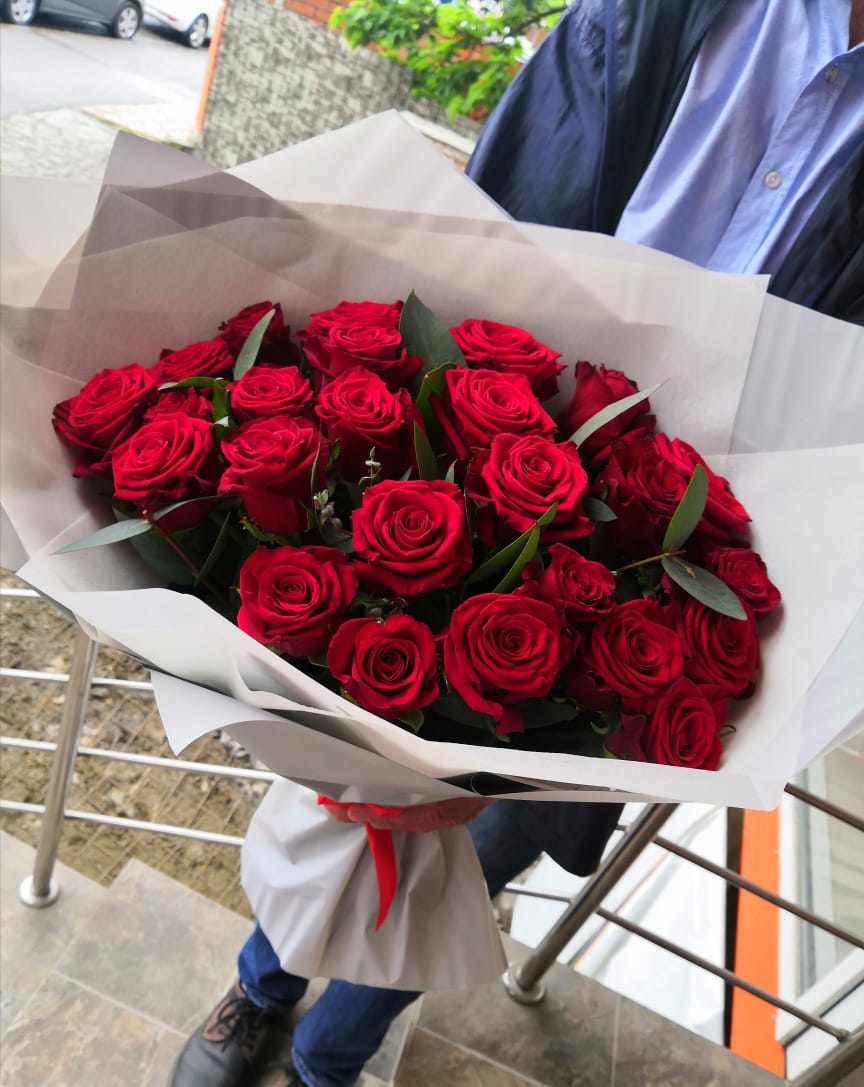
Home care
After delivery, recut the stems at a 45° angle, remove leaves below the water line and place in a clean vase with cool water. Change the water every two days, add chrysal or a pinch of sugar. Keep away from radiators, direct sunlight and ripe fruit — ethylene shortens cut-flower life by a third.
On hot days in Antalya, place the bouquet overnight in the coolest room or in the refrigerator if indoor temperatures exceed +25 °C. This metabolic pause adds 3–5 extra days to the bouquet's life with no chemical additives whatsoever.
Roses are a versatile category: perfect for a colleague's birthday, wedding anniversary, bridal bouquet, or a hospital-discharge gift. We help you select the variety, color and format for your specific occasion — message a manager and we will put together a composition that hits the mark.