
720x720_q85.jpg)
720x720_q85.jpg)
720x720_q85.jpg)
720x720_q85.jpg)
720x720_q85.jpg)
720x720_q85.jpg)
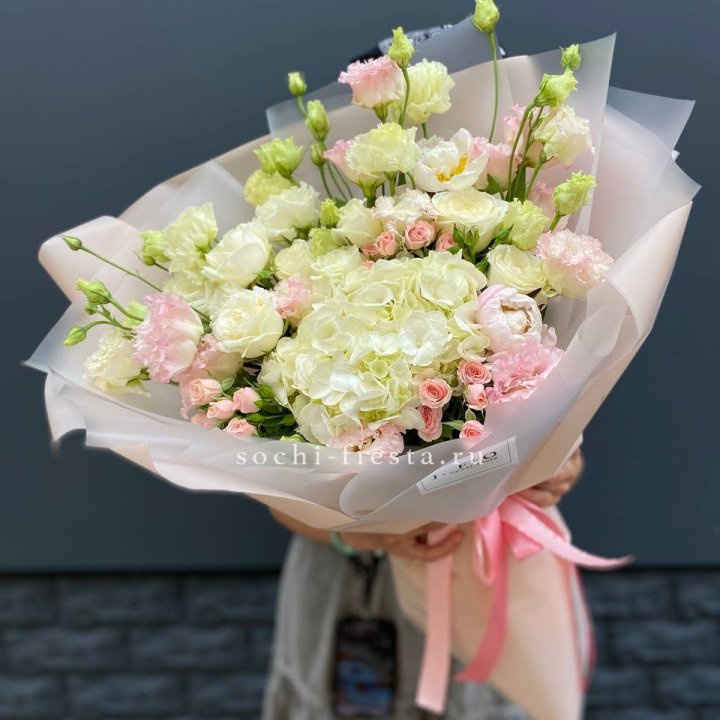
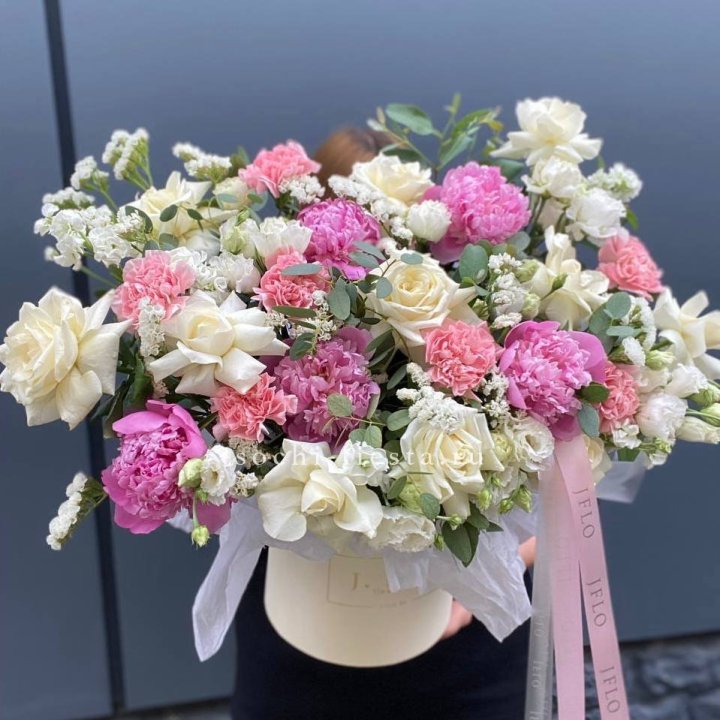
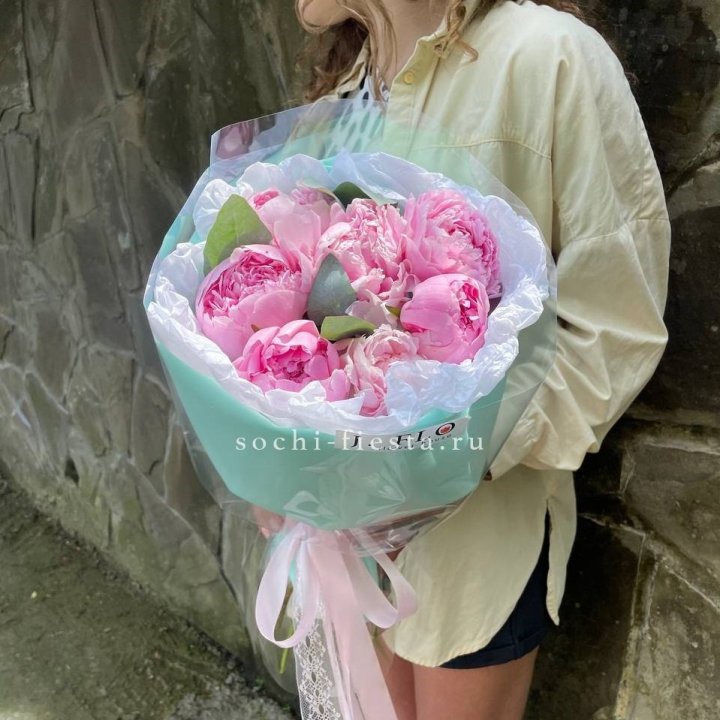
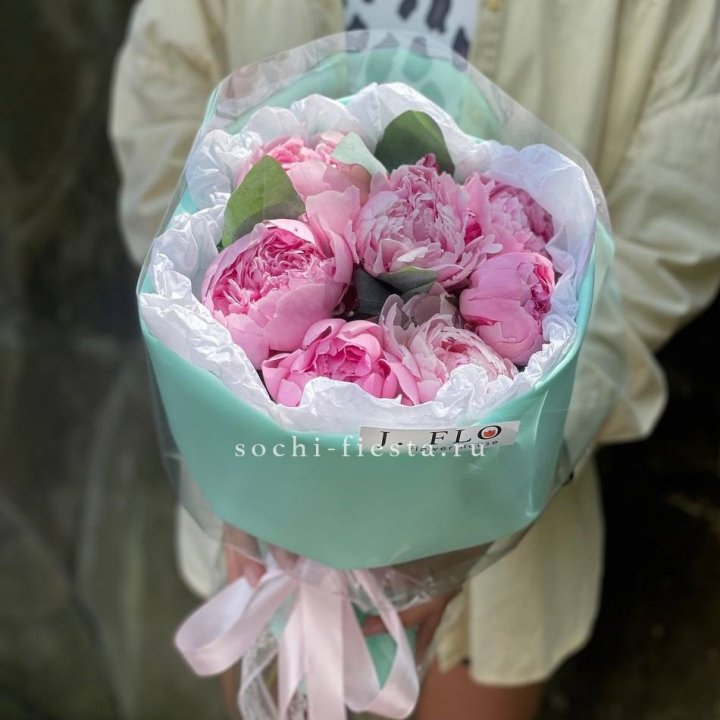
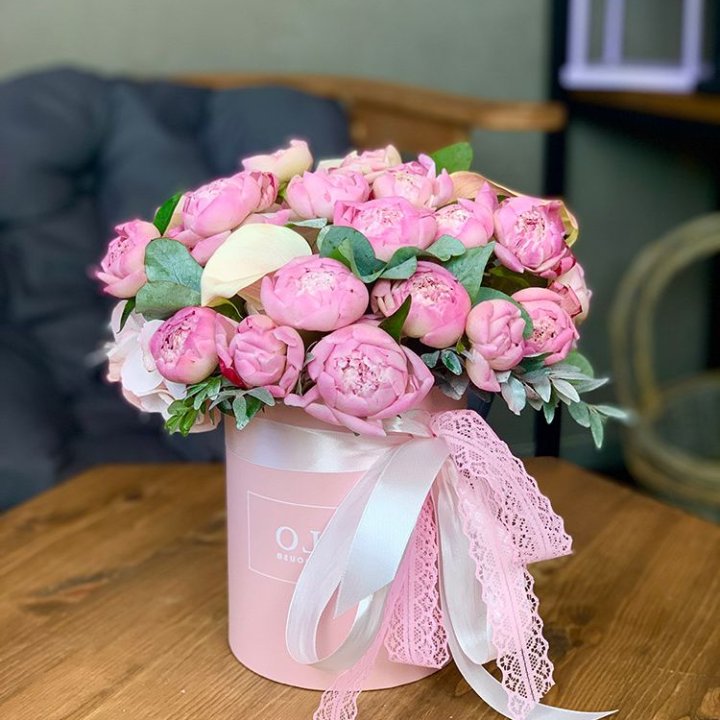

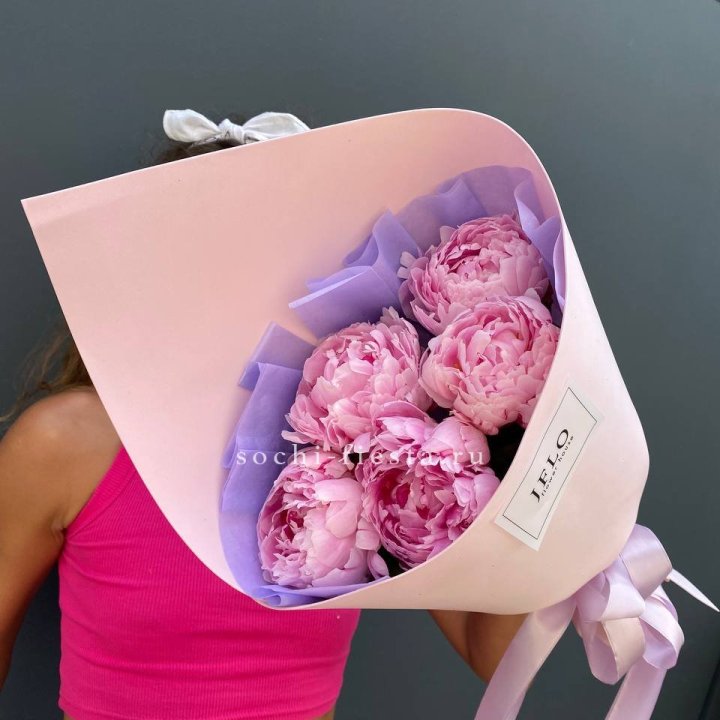

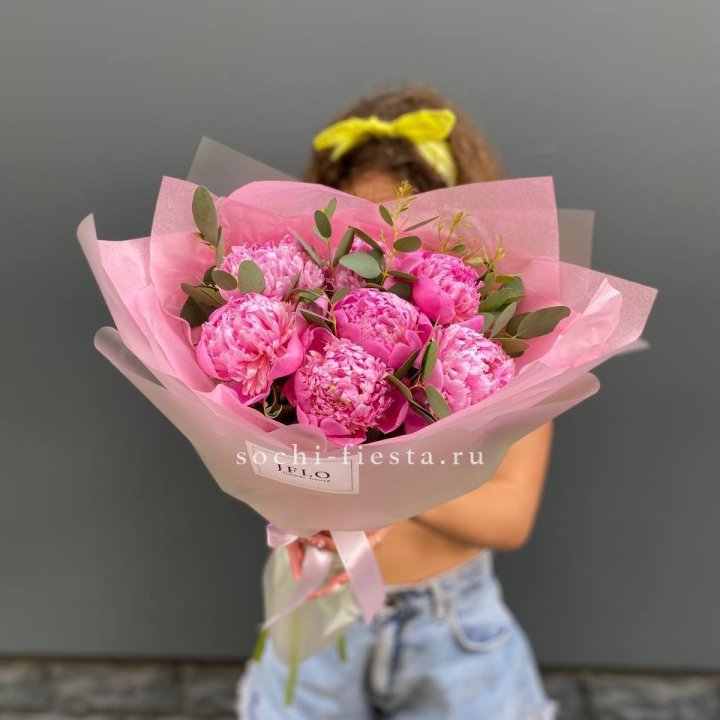
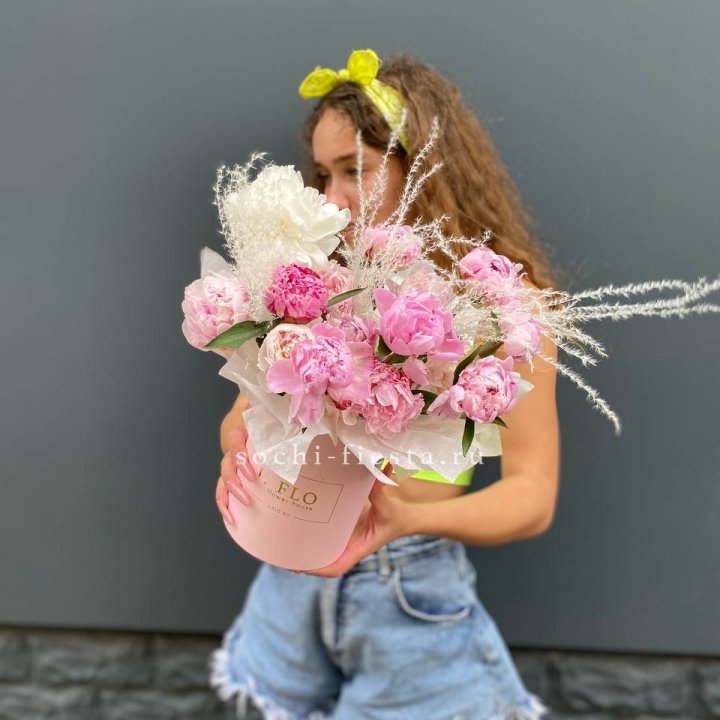
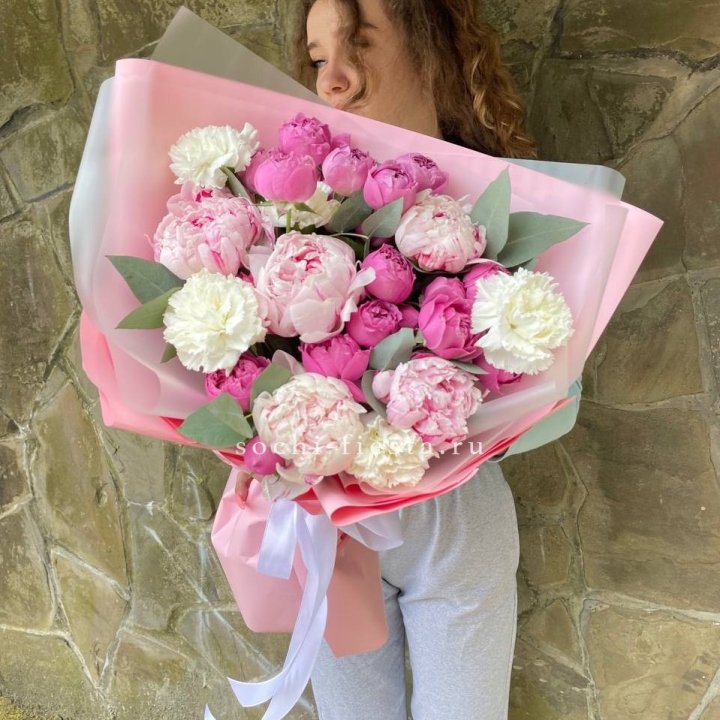
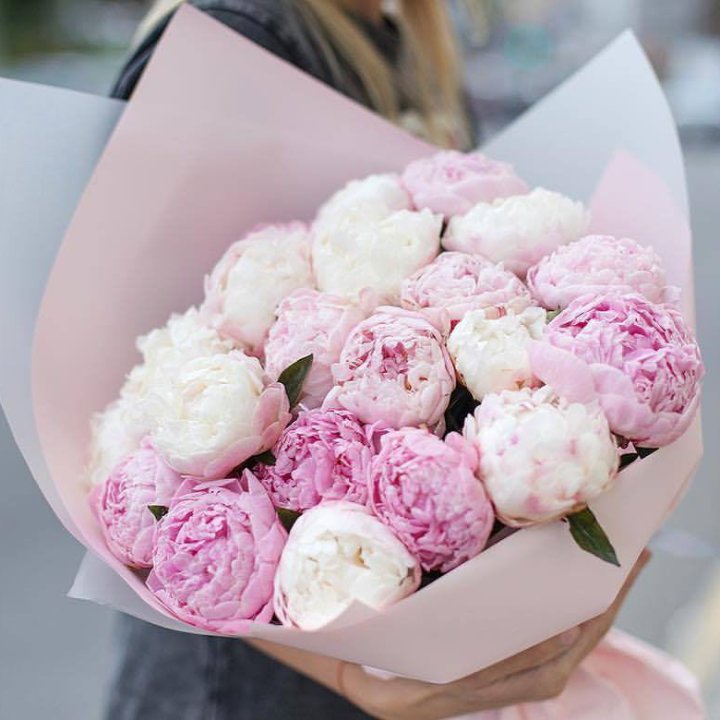
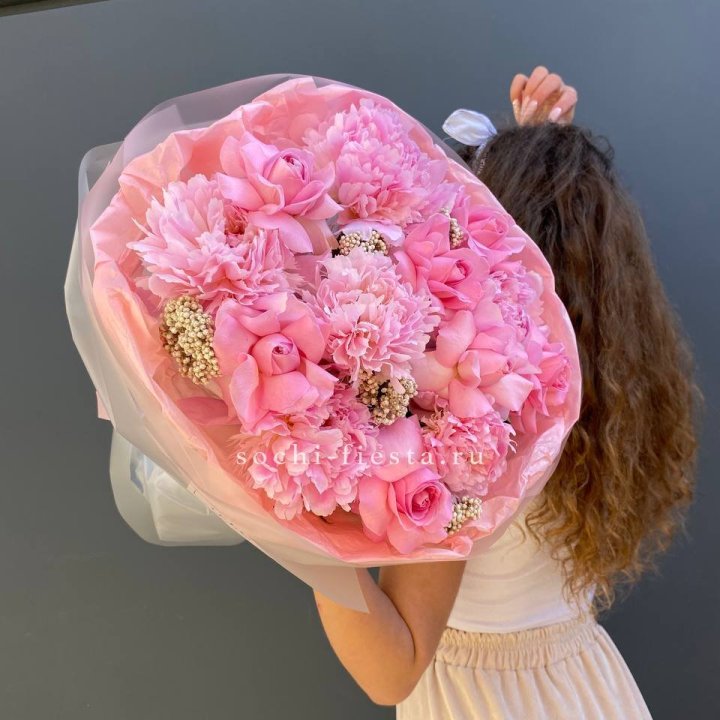
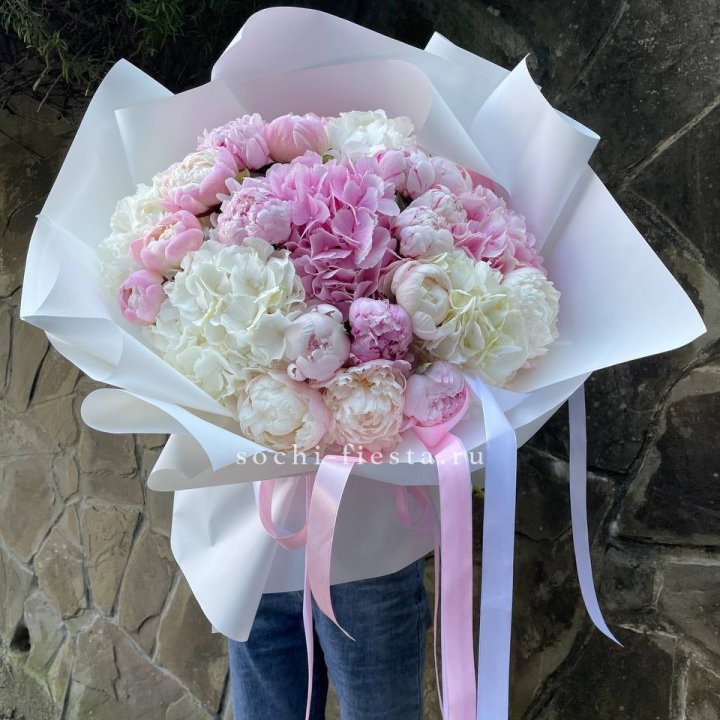
720x720_q85.jpg)
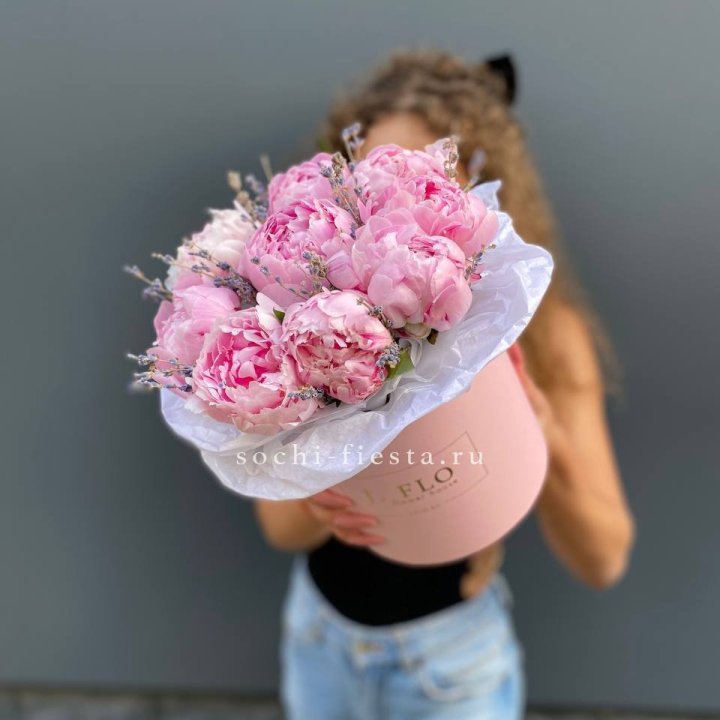
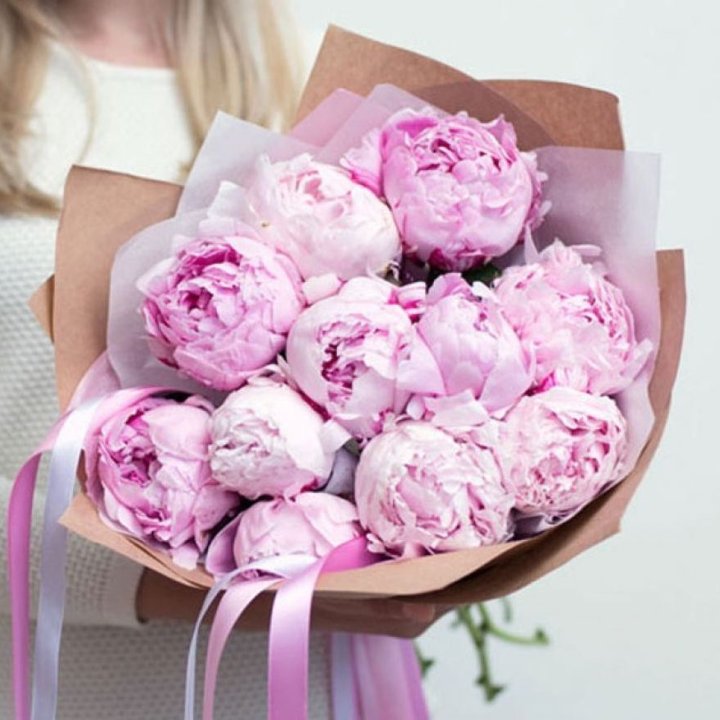
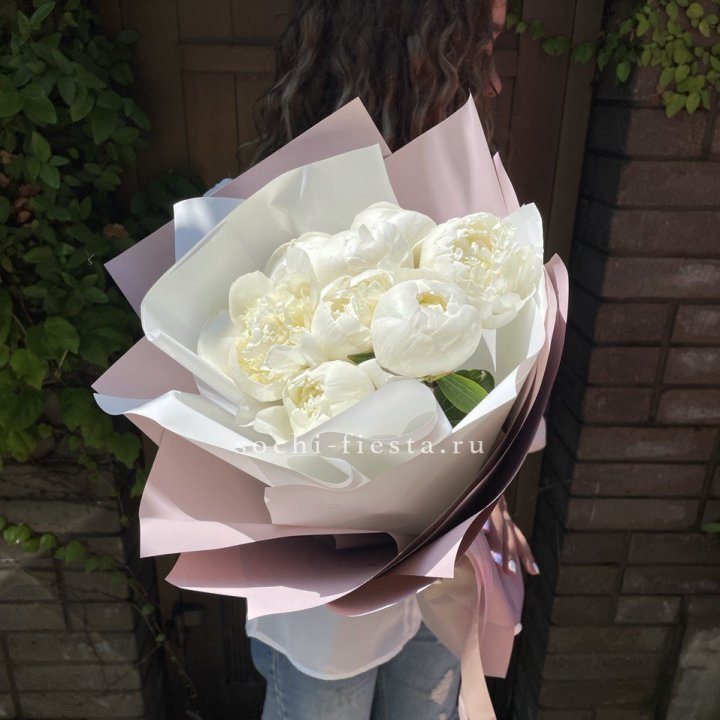
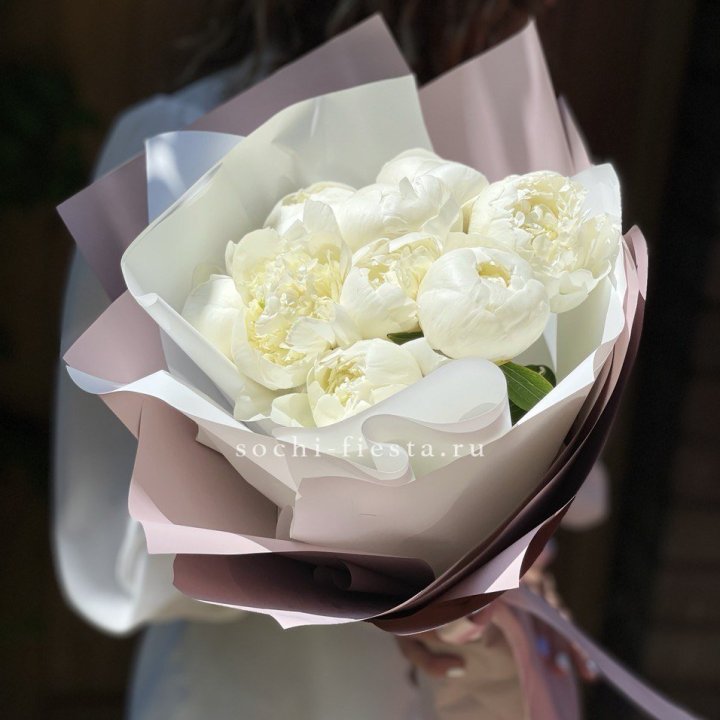
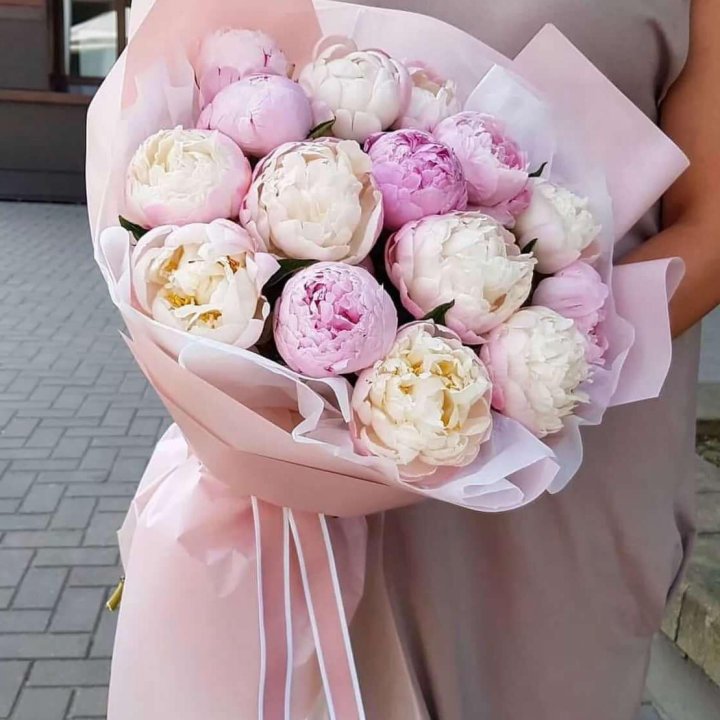
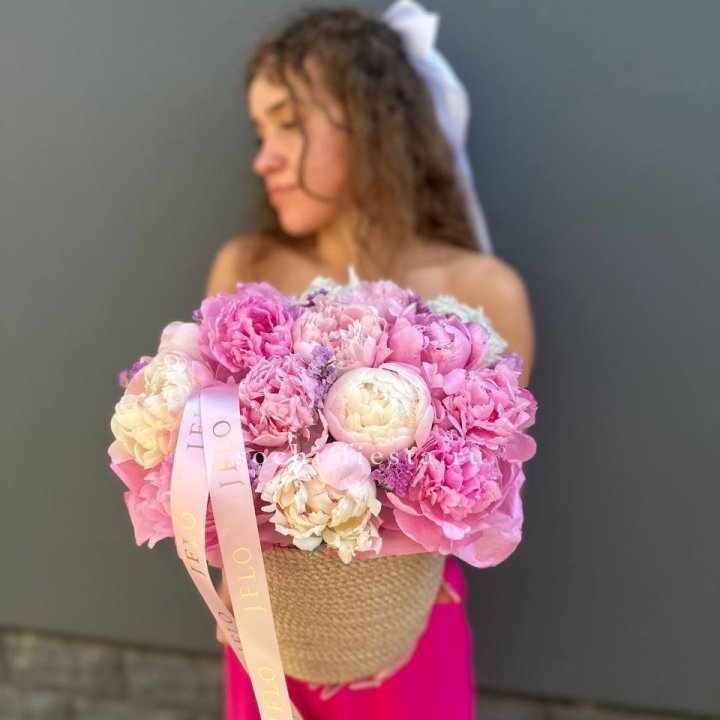
Peonies delivered to Seychelles: varieties, season and cut stage
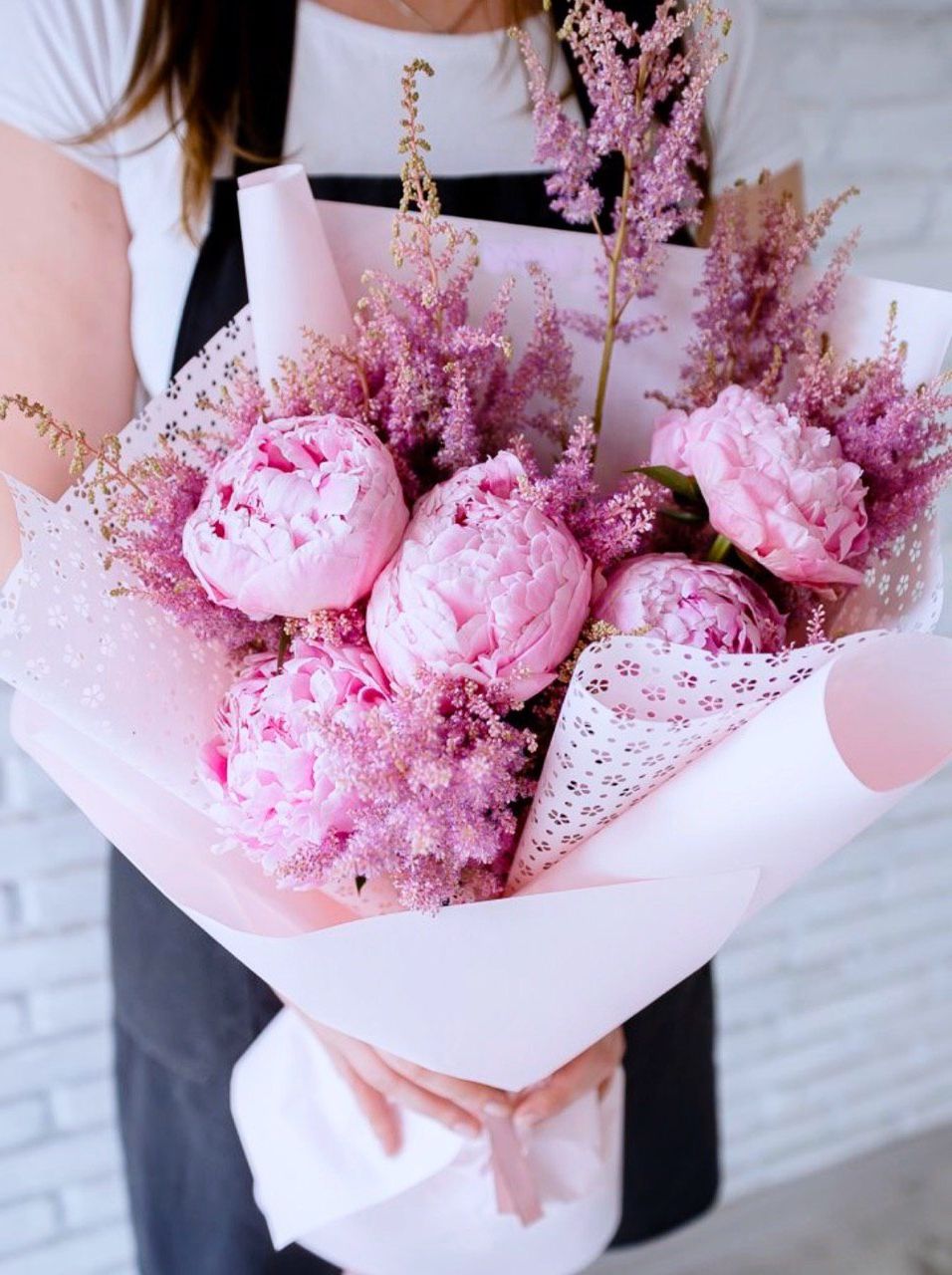
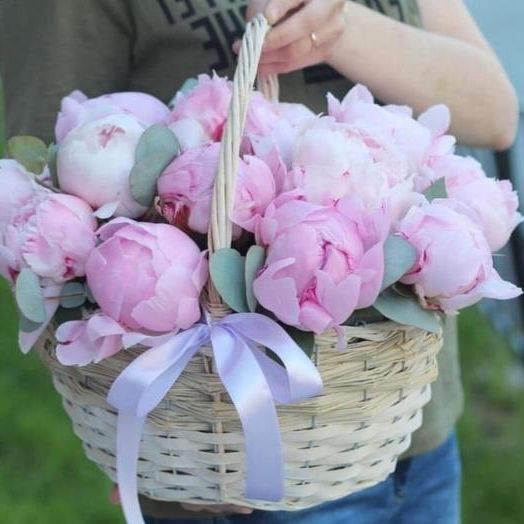
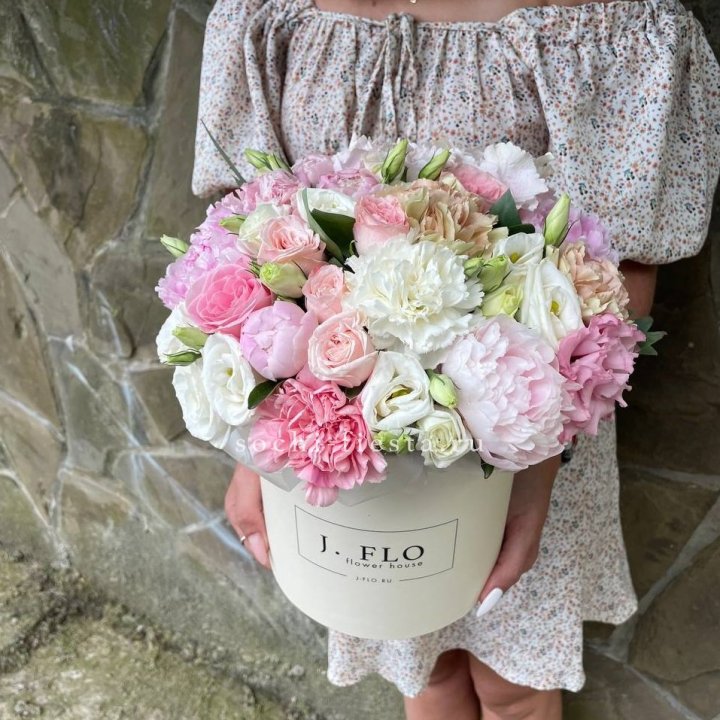
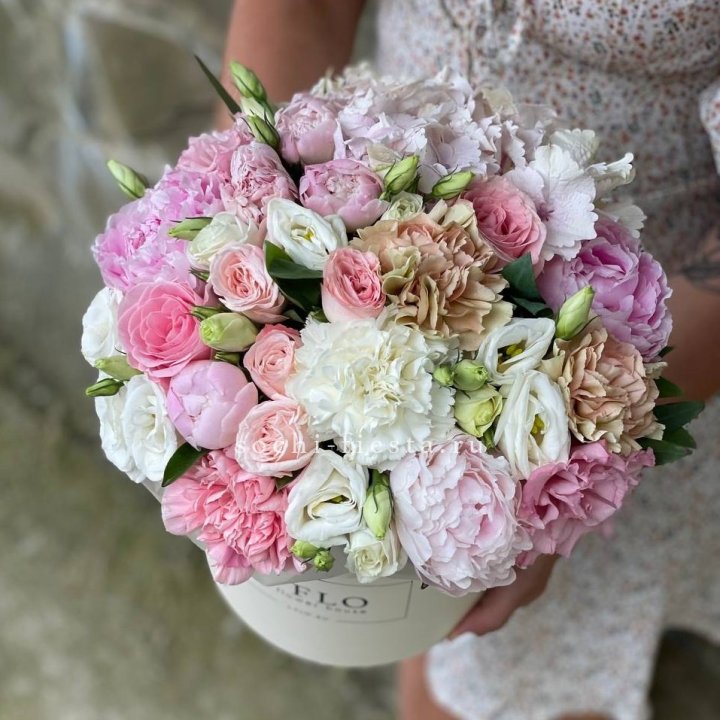
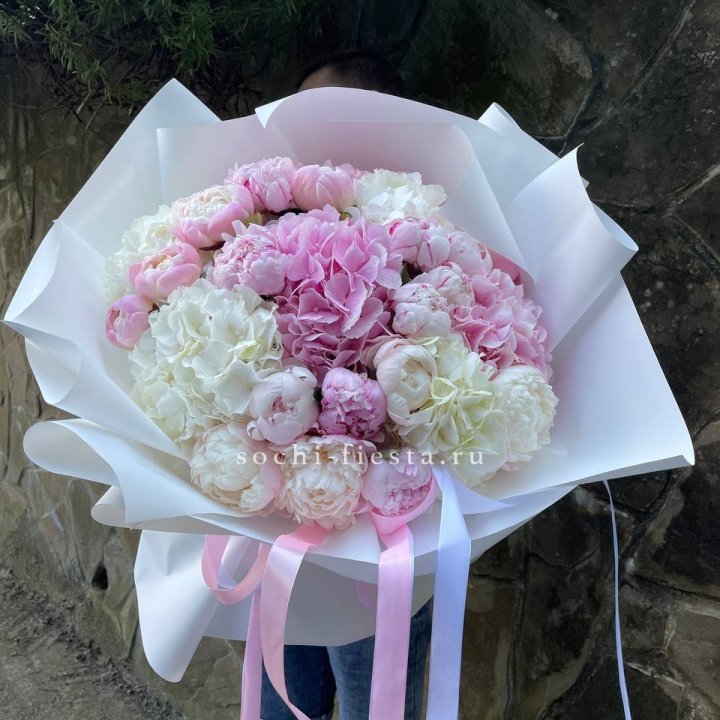
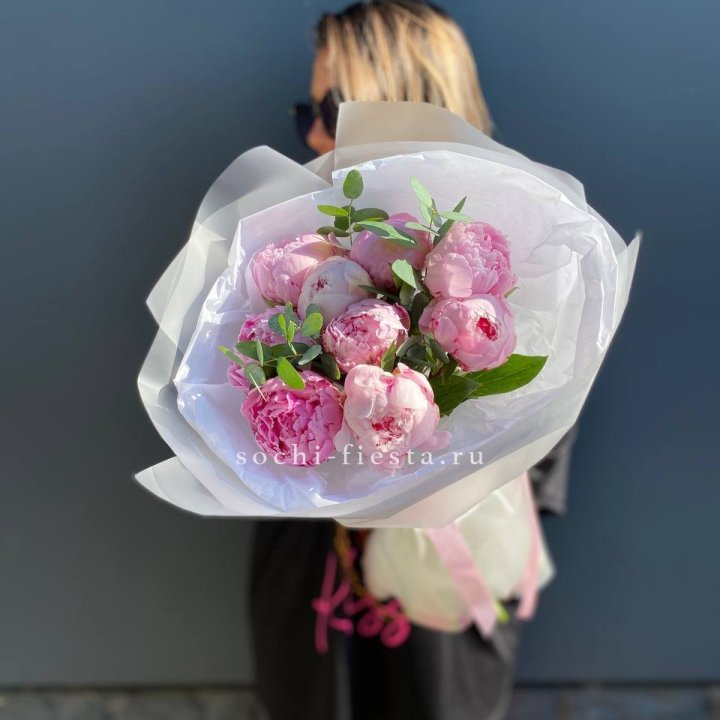
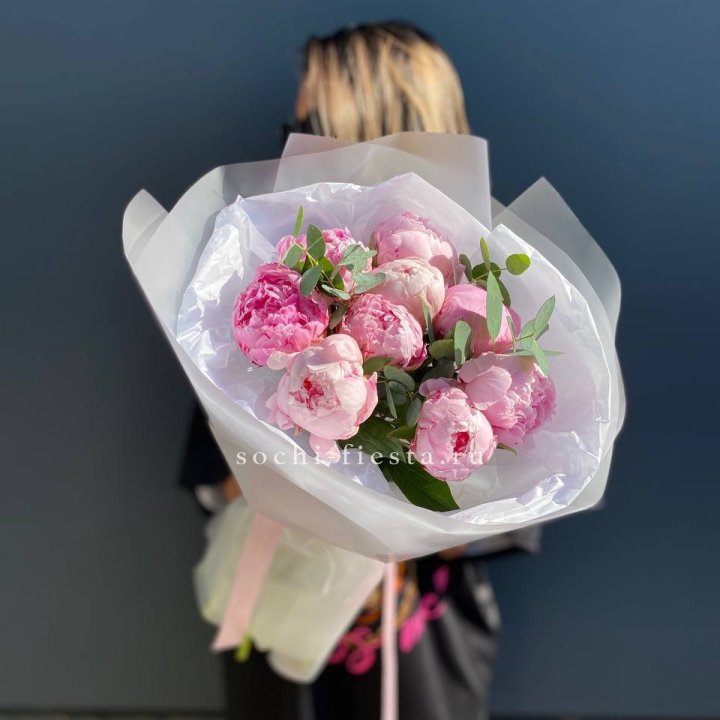
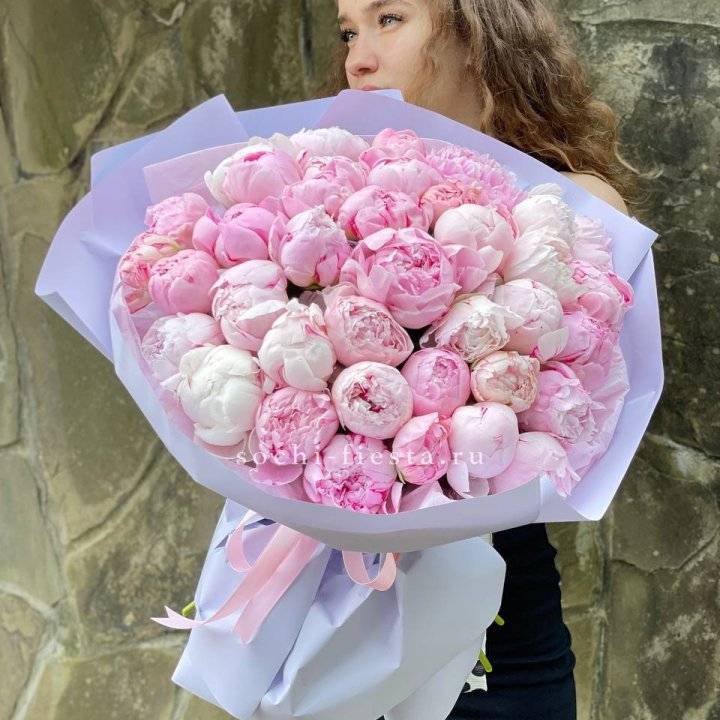
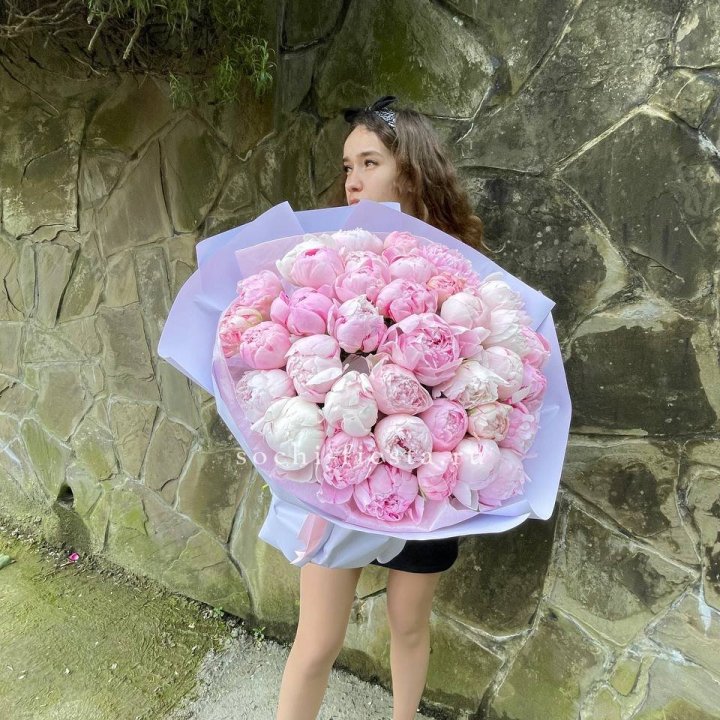
The peony is one of the most emotionally expressive flowers in modern floristry. A voluminous spherical bud, a light honey fragrance and dense layers of petals create an effect that is hard to replicate with roses or ranunculus. It is the go-to flower for weddings, anniversaries and large emotional gifts.
This category covers herbaceous, tree and ITO hybrid peonies of various cultivars. Supplies come from European greenhouses, Chilean and New Zealand plantations — allowing us to keep peonies in the catalogue almost year-round, not just during the traditional May–June "peony season."
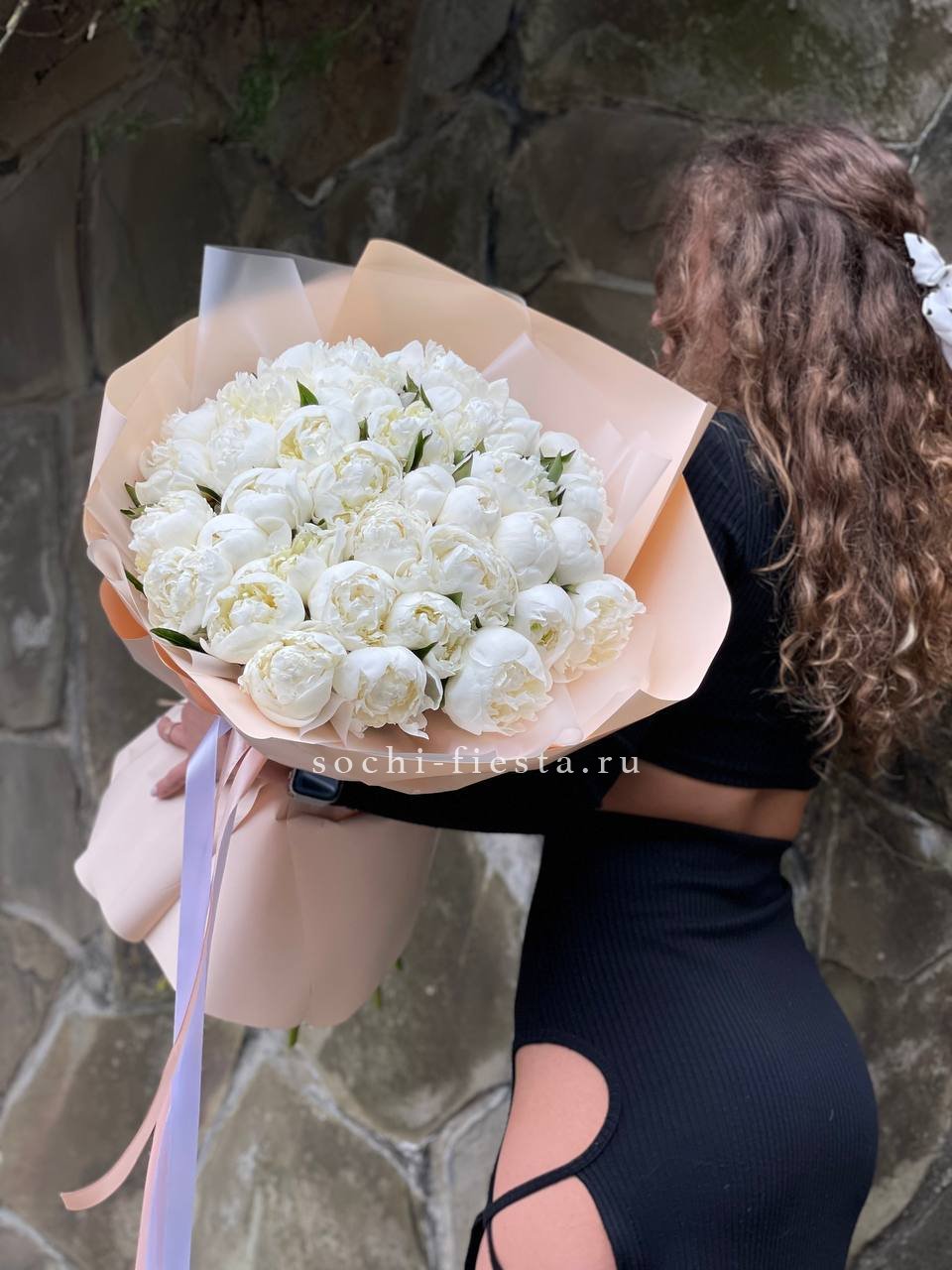
Key varieties in the catalogue
Every peony variety serves its own purpose — from a classic romantic bouquet to an elaborate wedding arrangement. They differ in bud shape, color palette, fragrance and vase life.
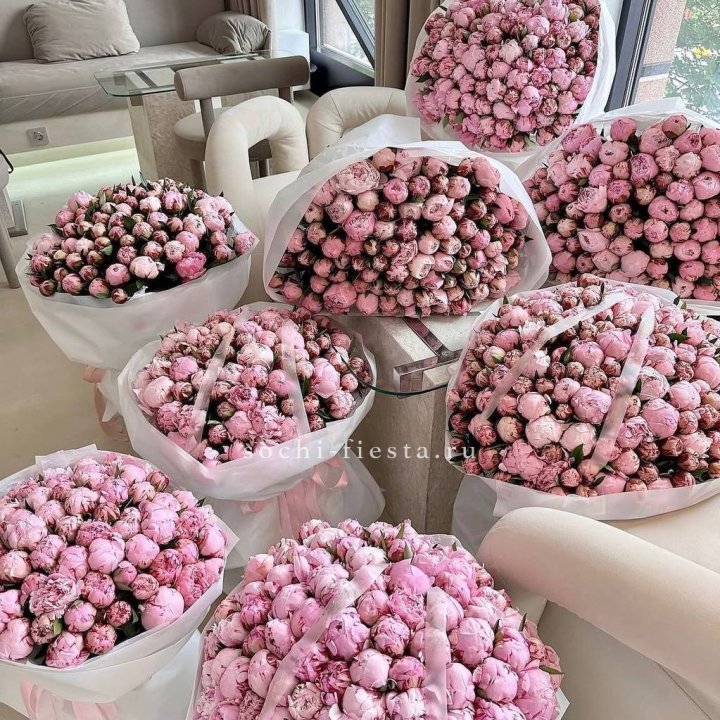
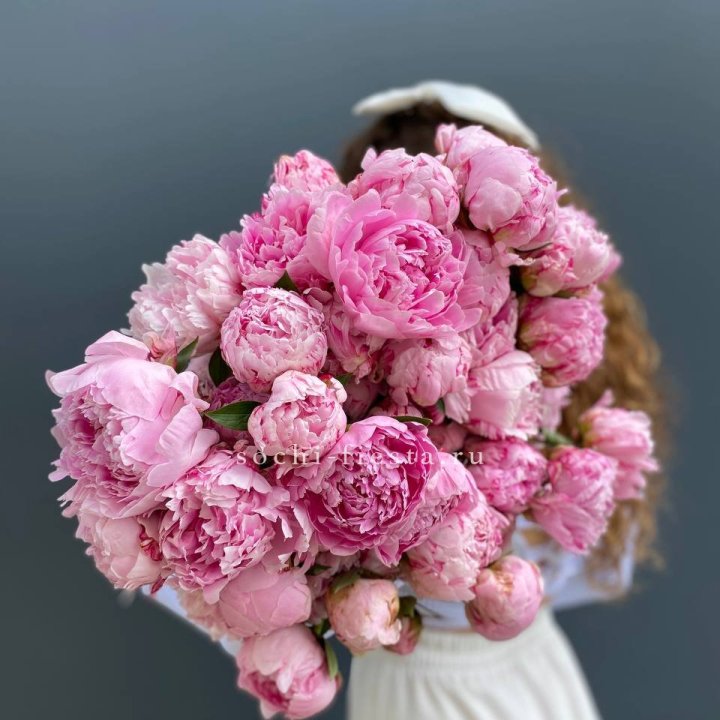
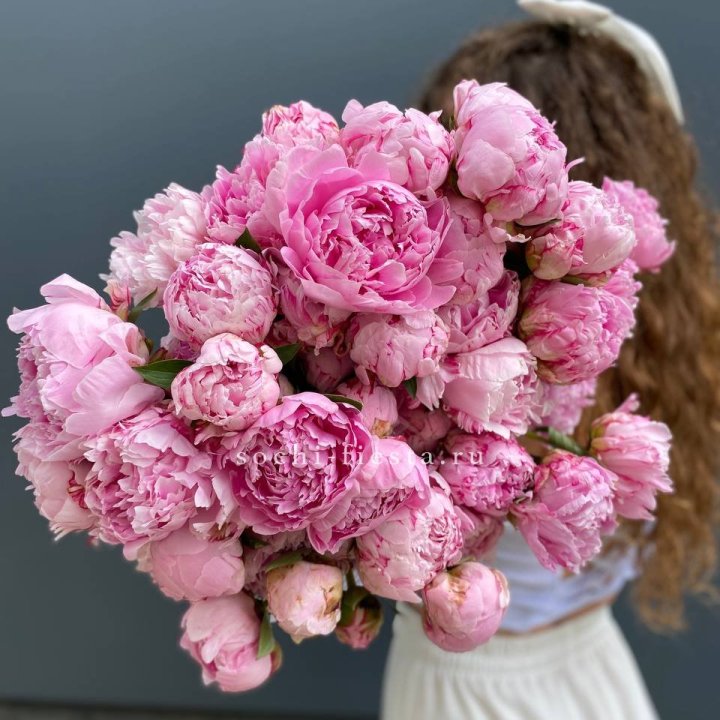
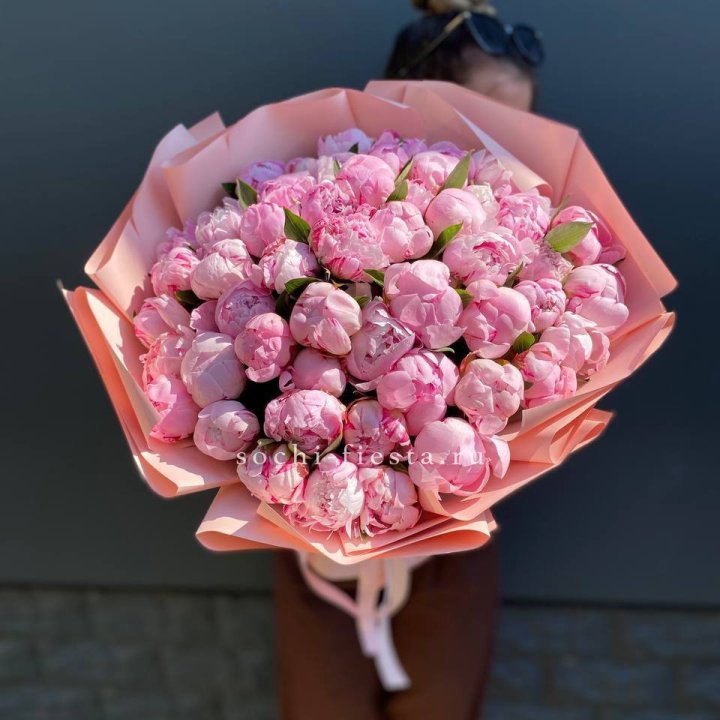
- Sarah Bernhardt — a 1906 classic, pale-pink double bud up to 18 cm with honey fragrance. A safe, universal choice for weddings and anniversaries.
- Karl Rosenfield — a deep-red dense peony. Ideal for dramatic wine-toned palettes and autumn bouquets.
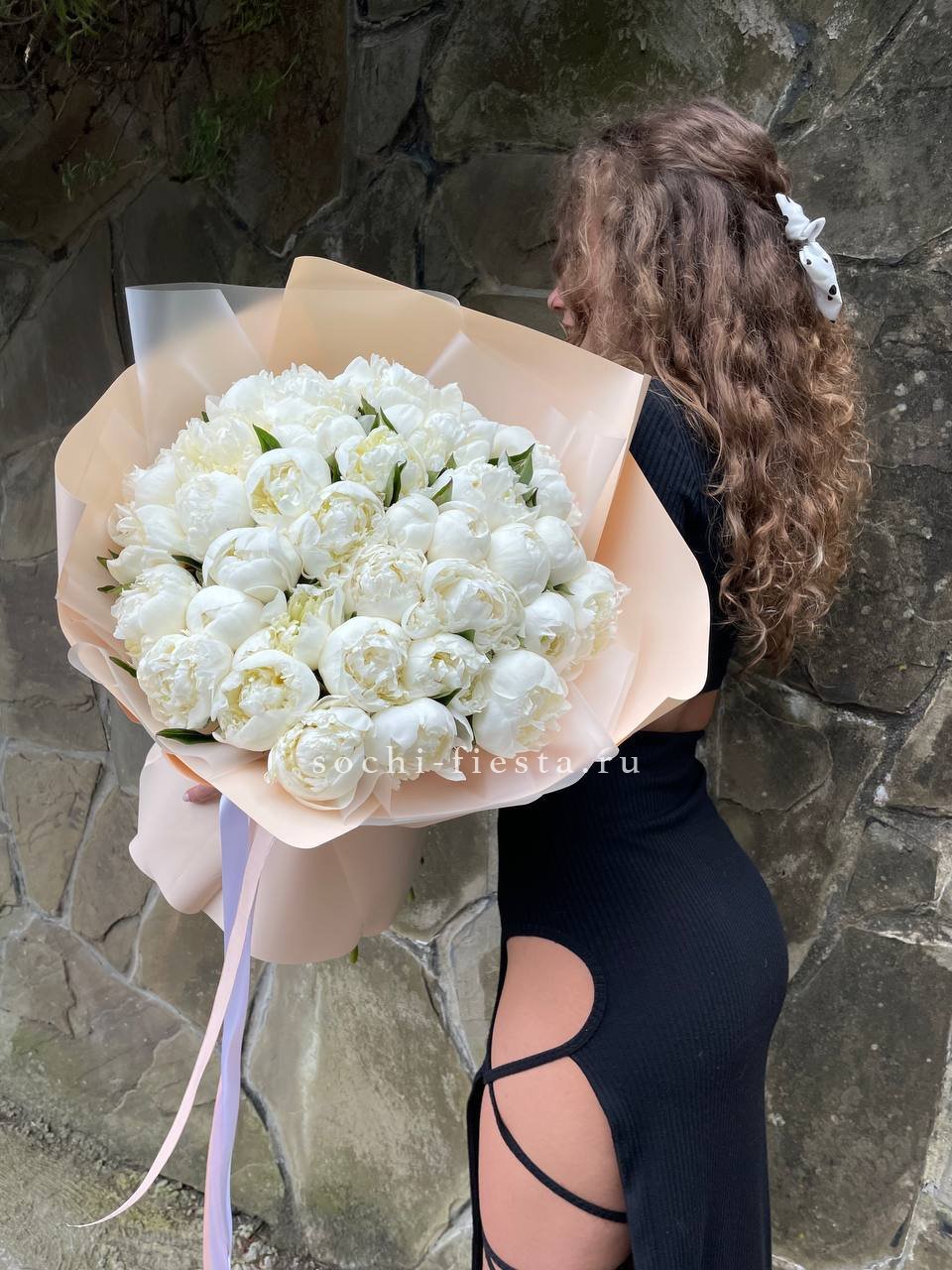
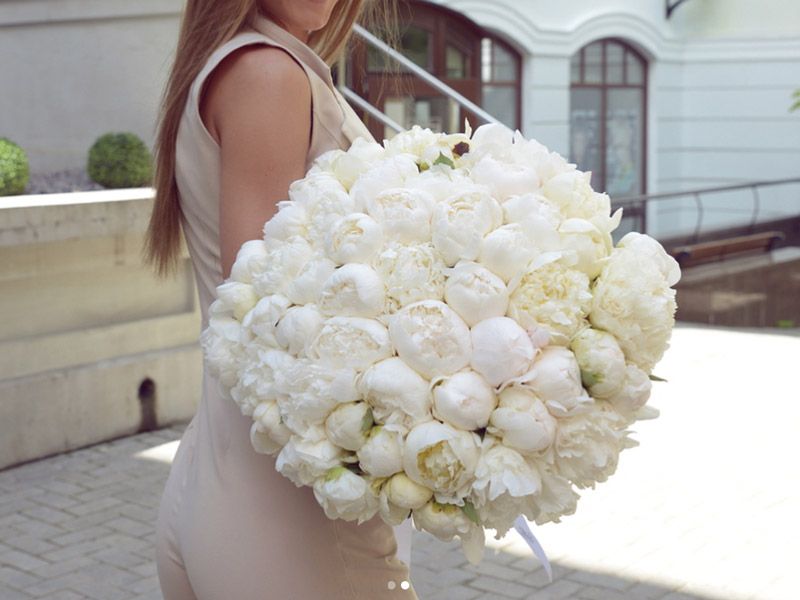
- Festiva Maxima — white with a raspberry "splash" at the center. The most photogenic white peony, a wedding floristry classic.
- Coral Charm — shifts from coral-peach to creamy-yellow as it opens. One of the most fashionable varieties of the 2020s.
- Duchesse de Nemours — soft white with a creamy center. Light vanilla fragrance, romantic presentation.
- ITO hybrids (Bartzella, Cora Louise) — a cross between herbaceous and tree peonies, they bloom longer and larger than standard varieties.
Cut stage and why it matters
The golden rule when buying peonies is the "marshmallow" stage: colored but still soft to the touch. If a squeezed peony bounces back like marshmallow, it will open in 1–2 days and last 7–9 days. If the bud is hard and green, it may never open at all. If already fully open, it will last at most 2–3 days.
Every batch is hand-inspected by our florists against this criterion. Only "marshmallow" buds of the right density ship out — giving the recipient in Seychelles the full bloom cycle, not a final fading stage.
Seasonality and logistics
The natural peony season in the Northern Hemisphere runs from late May to mid-June. At peak local bloom prices are lowest and variety selection is widest. From July through February, supplies come from the Southern Hemisphere — Chile, New Zealand and Australia. Off-season prices are 2–3× higher, but quality and longevity remain excellent.
For Seychelles we coordinate delivery dates with the bloom-opening window. This is especially important for weddings and anniversaries: the peony should "open up" by the right hour, not the day after the celebration.
"Peonies forgive no rush. If you want to impress someone with peonies, order 3–4 days ahead. Give the bud time to open in the recipient's room. A freshly delivered closed peony is an investment in a moment — not the moment itself."
— Victoria Malysheva, head florist at a wedding floristry boutique, 15 years in the profession
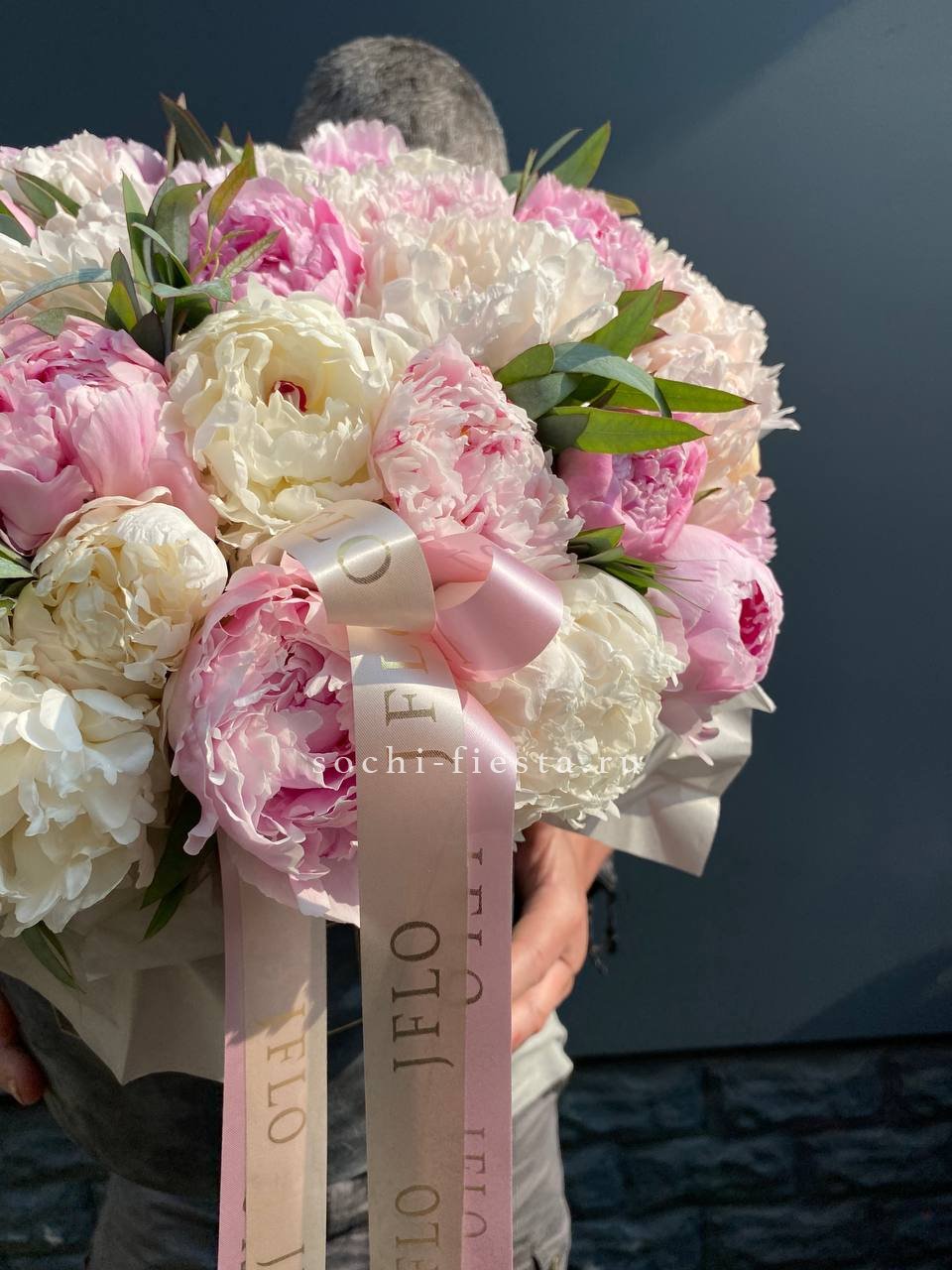
Compositions and occasions
The peony has been the premier wedding flower for the past decade. Bridal bouquet, groomsmen buttonholes, arch and table styling — it works everywhere. Second comes anniversaries: 25th, 30th and 35th wedding milestones are typically celebrated with peonies. Third are large corporate gifts: to partners, business anniversaries and project openings.
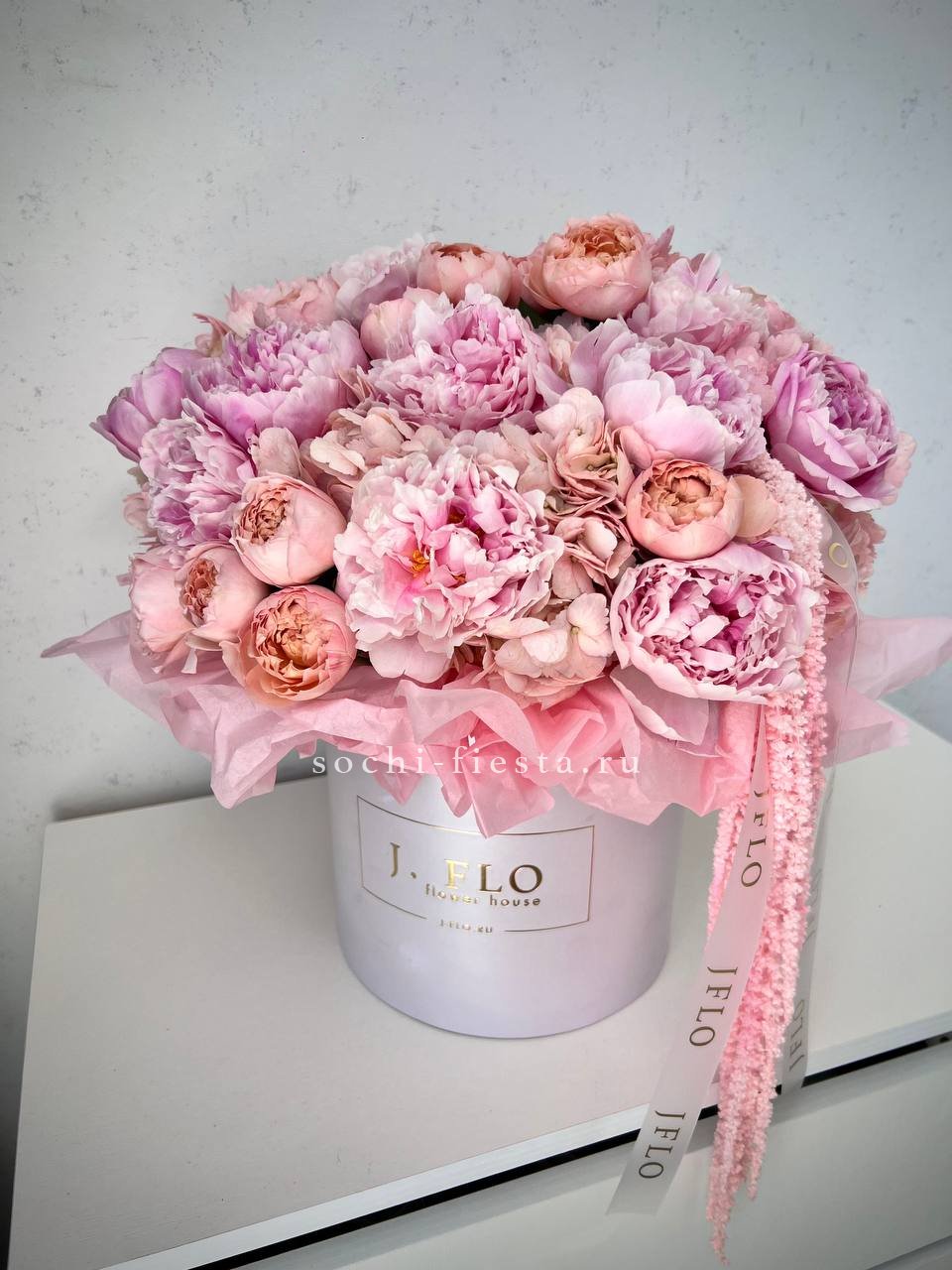
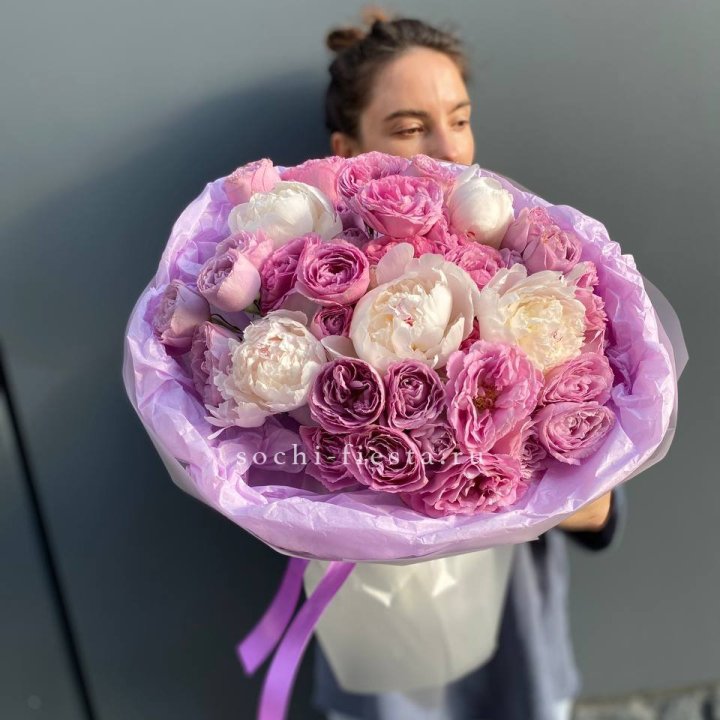
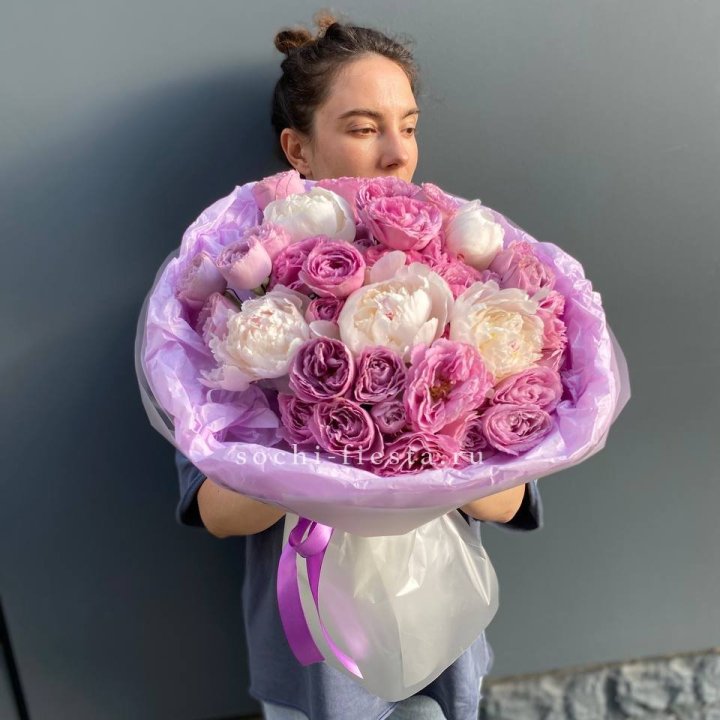
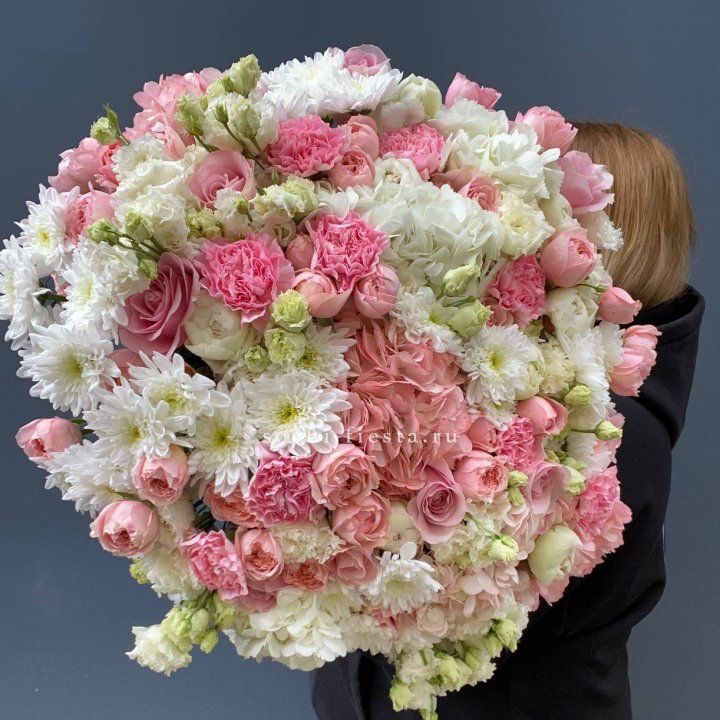
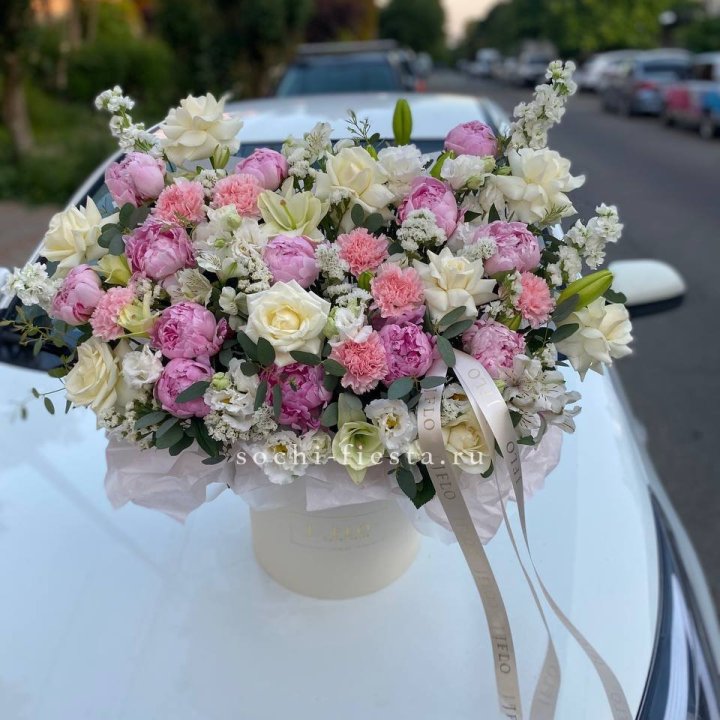
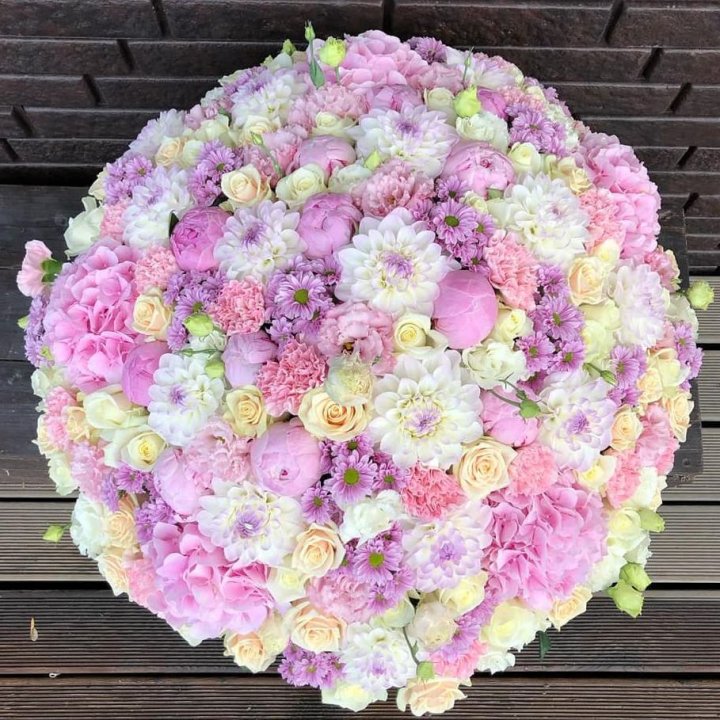
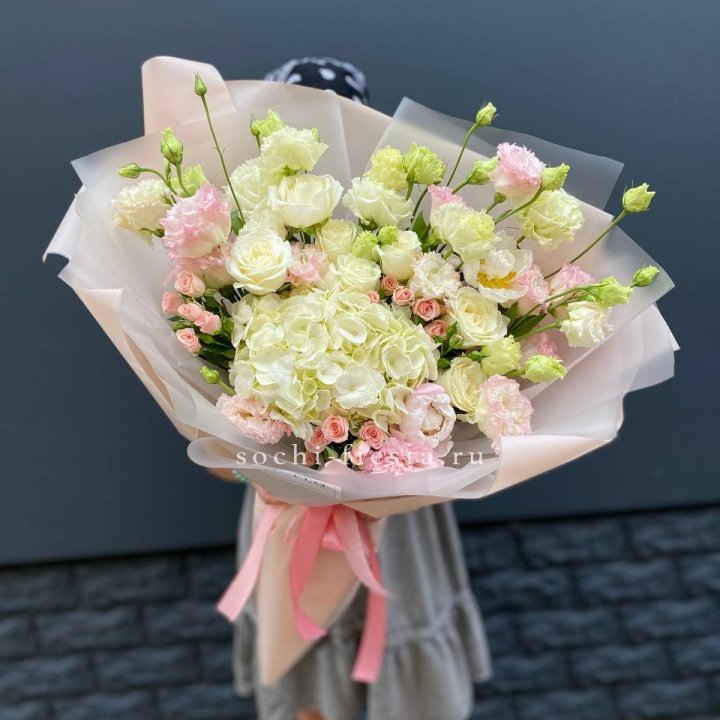
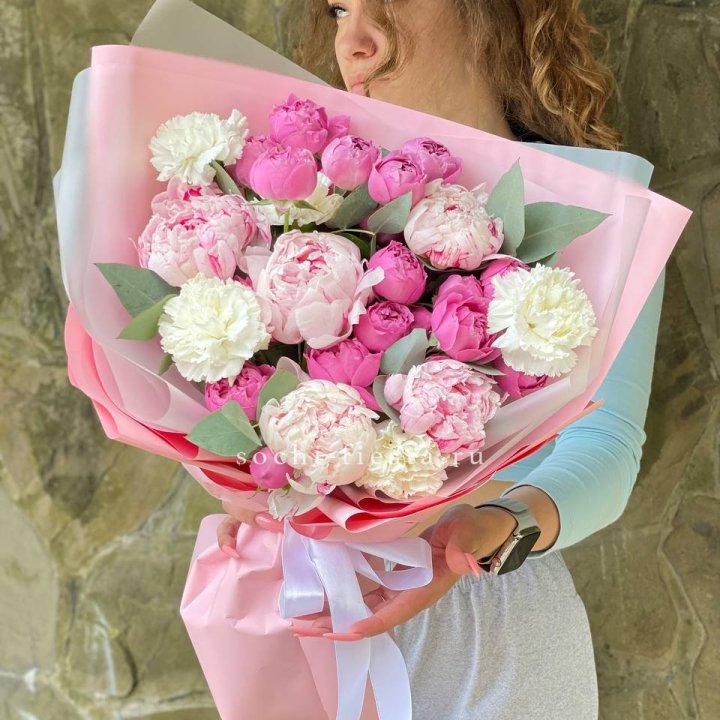
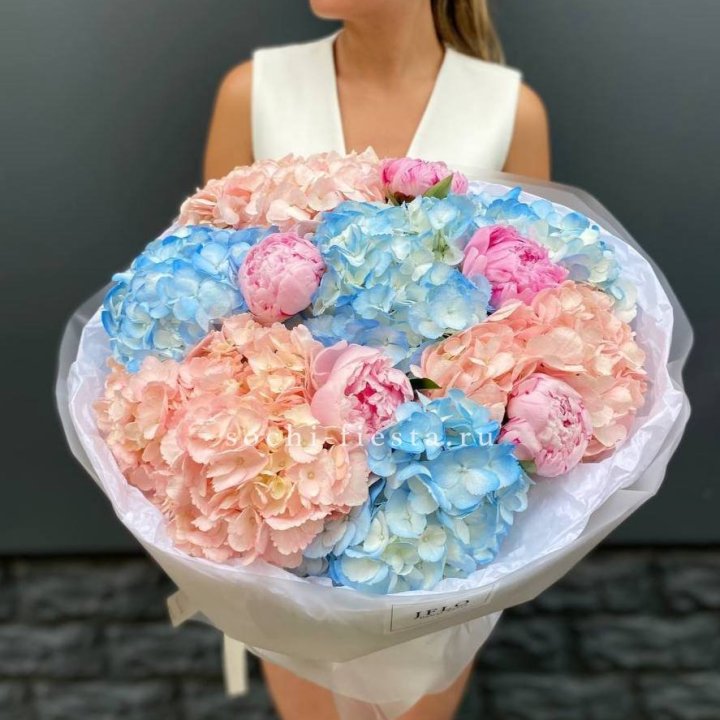
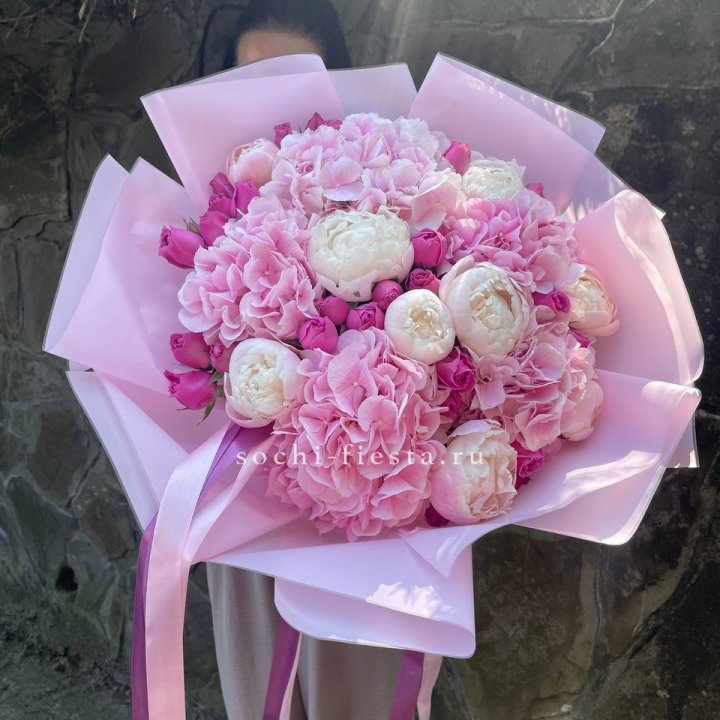
Mixed bouquets of peonies and David Austin roses form a class of their own. These two flowers are close in shape and texture, complementing each other in color palette and longevity. Our managers will advise on proportions and the optimal stem count for your budget.
Home care
After delivery, recut the stems at a 45° angle, remove all leaves below the water line and place in a tall vase with cool water. Change the water every 2 days. Do not place near fruit or radiators — ethylene and heat halve a peony's lifespan.
In the warm climate of Seychelles, place the bouquet overnight in the refrigerator or a cool room if temperatures exceed +24 °C. This metabolic pause gives peonies an extra 2–3 days of bloom.