





Flowers in Bangkok: orchid country, the night market and delivery by zone
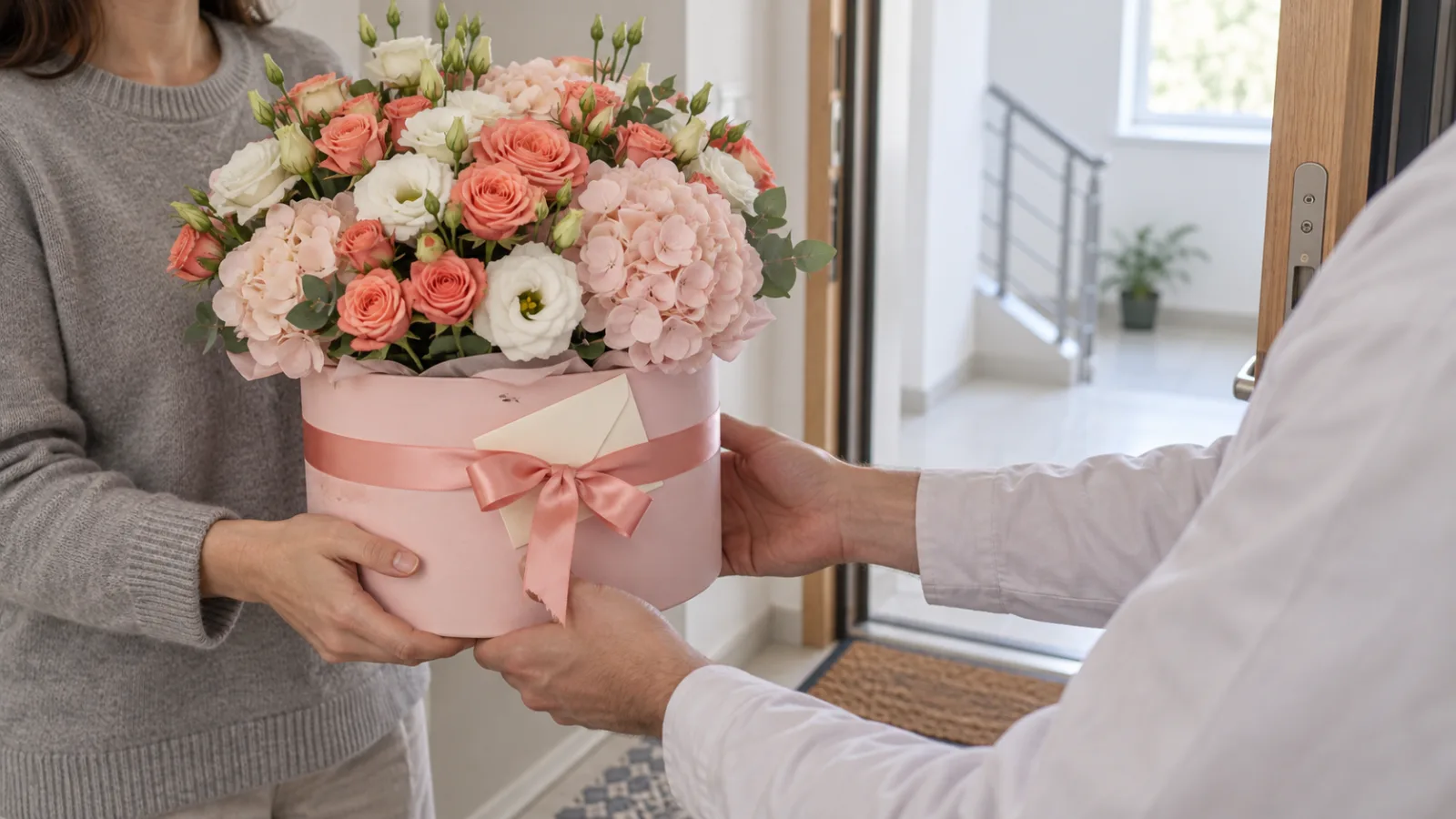
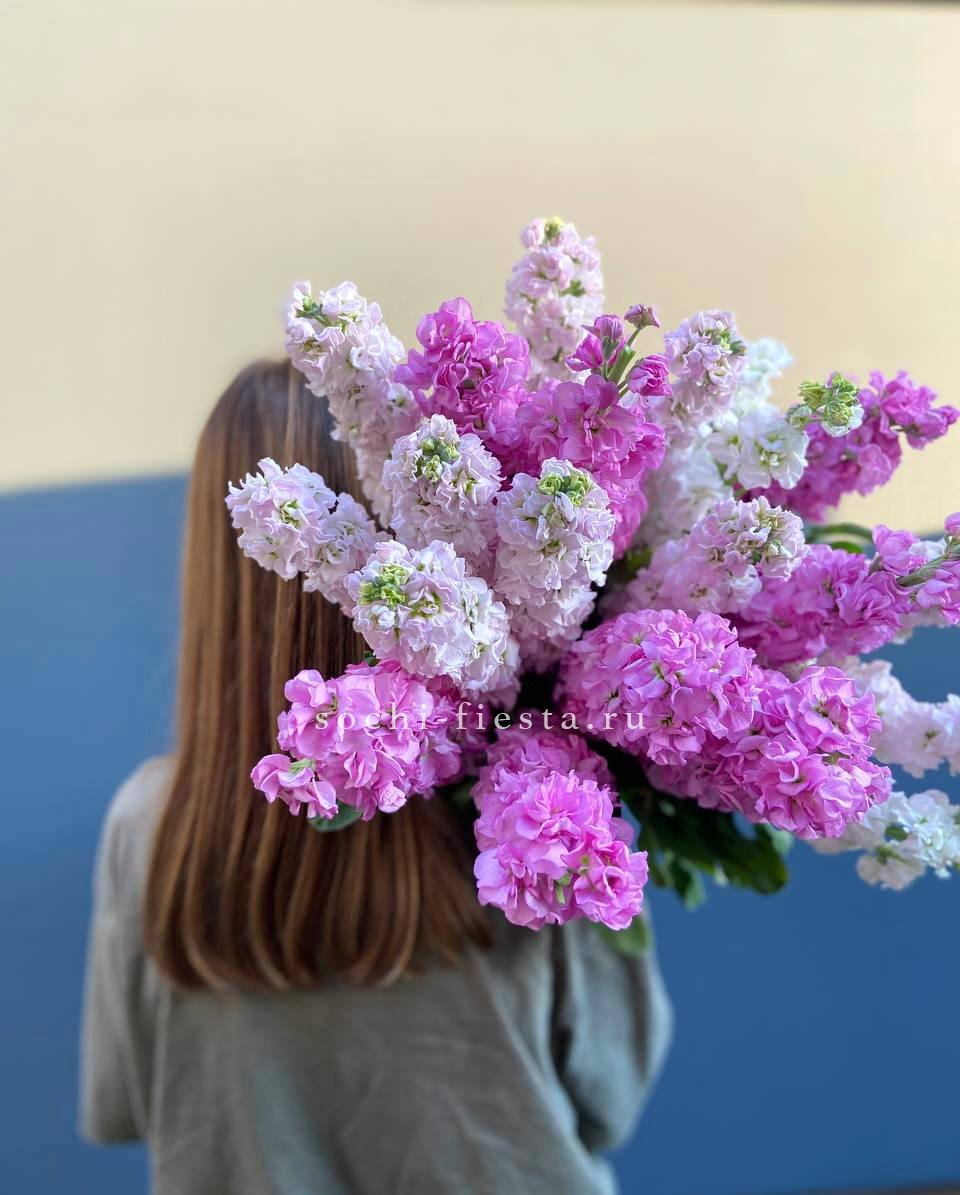
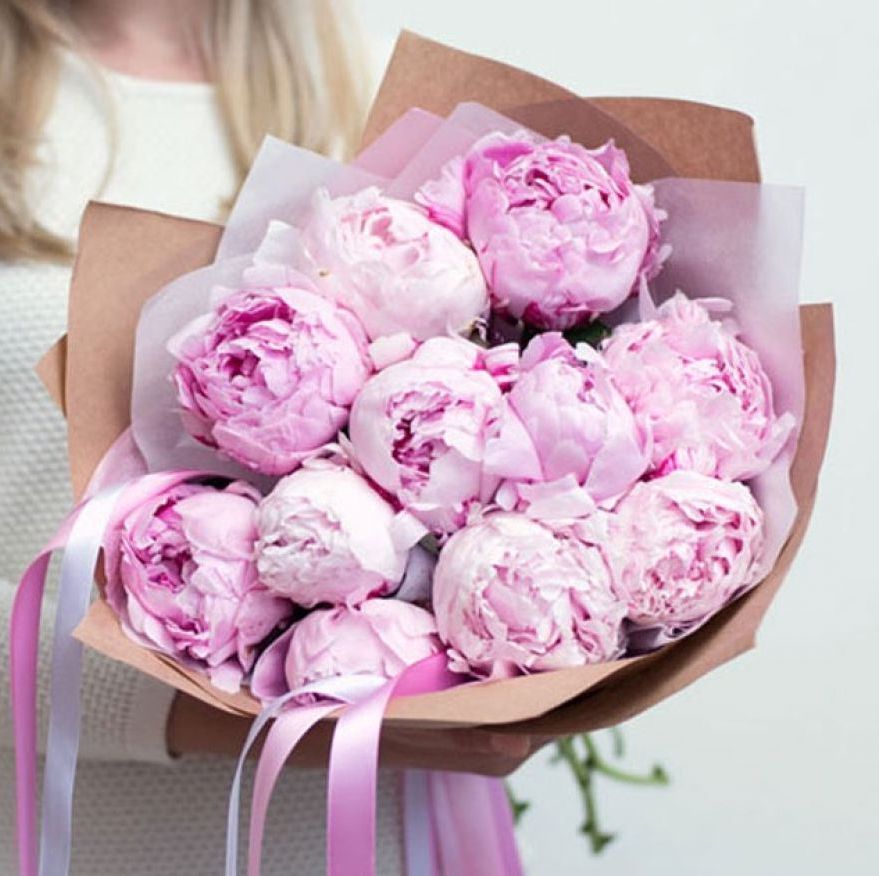
Thailand has about 2,000 orchid growers, and Nakhon Pathom province alone holds almost half the country's orchid area. Flowers in Bangkok are chosen less by what grows in the provinces than by address, season and occasion, and the catalogue here runs on roses, lilies, hydrangea and lisianthus rather than on orchids.
Flower delivery in Bangkok: the Old Town is not the free centre
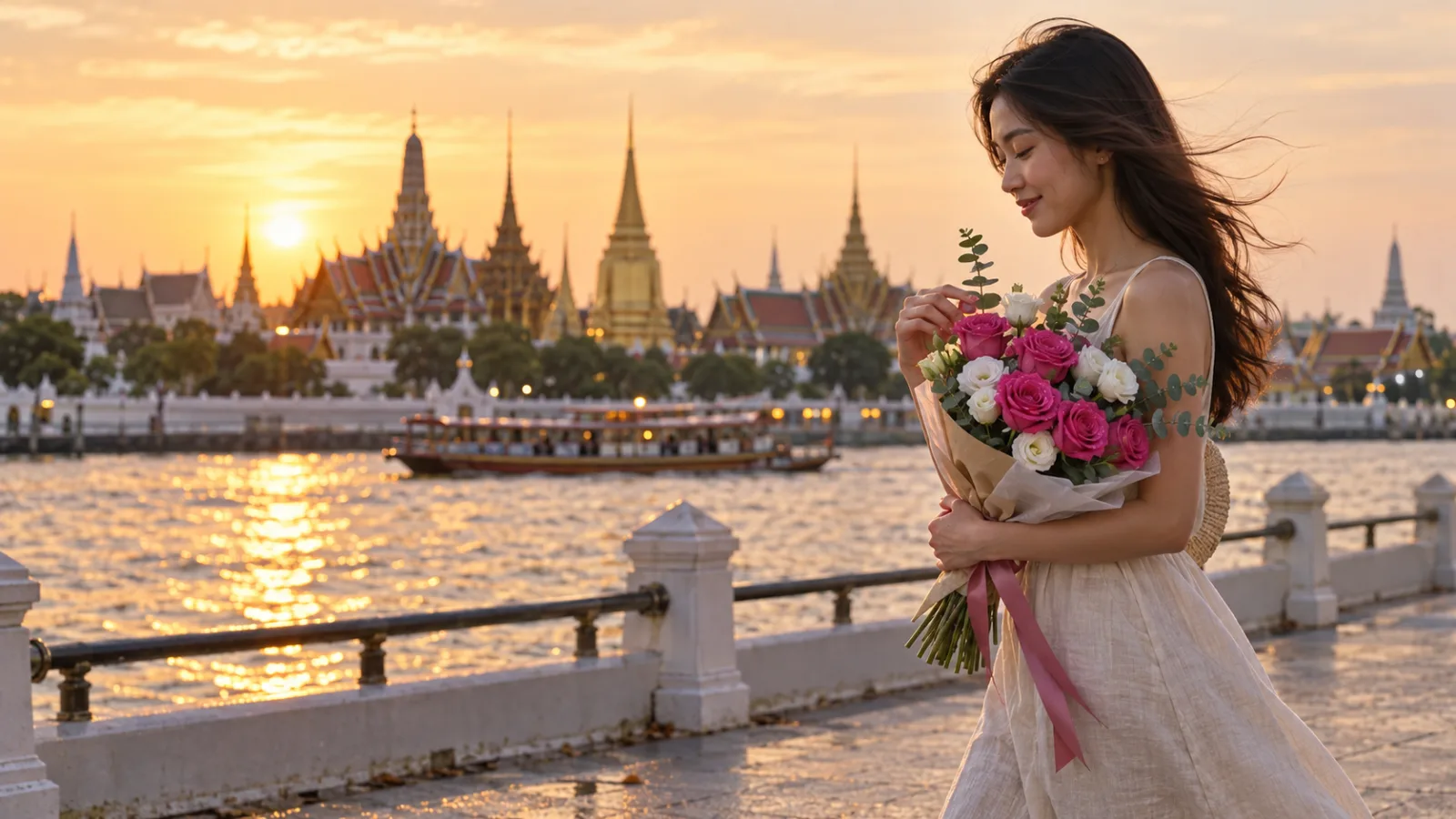
Free flower delivery in Bangkok covers only the city centre, and the Old Town does not count as that centre. Phra Nakhon, home to the island of Rattanakosin and the Grand Palace, sits in the paid inner zone instead, alongside Phaya Thai, Dusit and Pom Prap Sattru Phai.
- City centre — free, 7am to 11pm; the bouquet card shows whether an express order is possible.
- Inner zone (Phra Nakhon, Phaya Thai, Dusit, Pom Prap Sattru Phai) — a paid zone; the bouquet card shows the fee and the time.
- Outer zone (Phra Khanong, Bang Na, Bang Khun Thian, Chom Thong, Samut Prakan, Bang Phli) — also paid, further from the centre; the fee and the time show on the bouquet card.
- Night, 11pm to 7am — by arrangement, with the fare set separately.
The far suburbs work the same way: the fee is confirmed before payment rather than shown on the page.
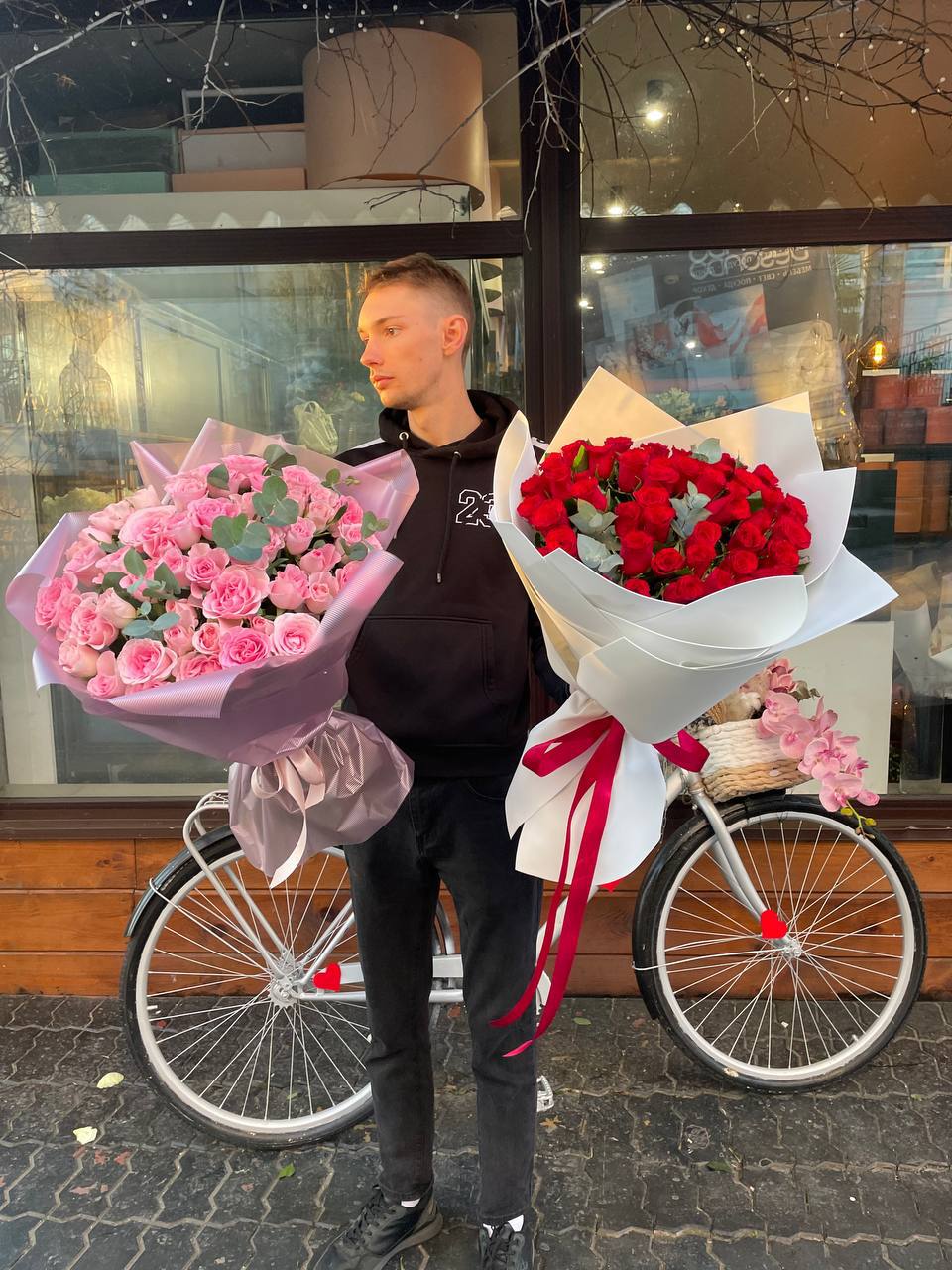
The florist sends a photo of the finished bouquet before the courier sets off, whichever zone the address sits in, and delivery usually lands the same day the order goes in. The full flower delivery zones and timings are listed on the delivery page.
Silom and Sathon, the towers of the business district, want a company name and a floor number. Buildings that run a pass system route the box through reception, and the sender later learns who signed for it. Hotels ask for the guest's surname exactly as given at check-in; the room number helps if you have it, and the hotel decides itself whether the bouquet goes up or waits at the desk.
A hospital is worth checking beforehand, since not every ward in Bangkok accepts fresh flowers. If a ward turns flowers away, the bouquet goes to the nurses' station instead, or waits for the day the patient is discharged. Suvarnabhumi, about 30 kilometres east in Bang Phli, and Don Mueang to the north are served by request only, and a courier meeting a flight waits at arrivals with a sign rather than at a fixed counter.
Ordering from abroad takes little more than the recipient's phone number, and the address itself is confirmed by phone if it is missing. Payment runs on Visa or Mastercard before the florist buys the flowers, and the card-issuing bank converts the charge at its own rate, with no fee added on top.
Pak Khlong Talat by night, orchids from Nakhon Pathom
Pak Khlong Talat is the country's largest wholesale flower market and never really closes, though the real trade happens between 2am and 6am, when trucks and boats bring in stems from the provinces. A floating market stood on the site under Rama I, and it only became a flower market towards the end of the 1950s.
Beyond Nakhon Pathom, orchids are grown around Samut Sakhon, Ratchaburi and Nonthaburi, and within Bangkok itself. Roses sold in the city often come down from the hills around Chiang Mai, and many roses also arrive by cold chain from Kunming. None of this fixes what lands in a bouquet: the online catalogue draws on far more than what the market has that night, and each order is put together to fit it.
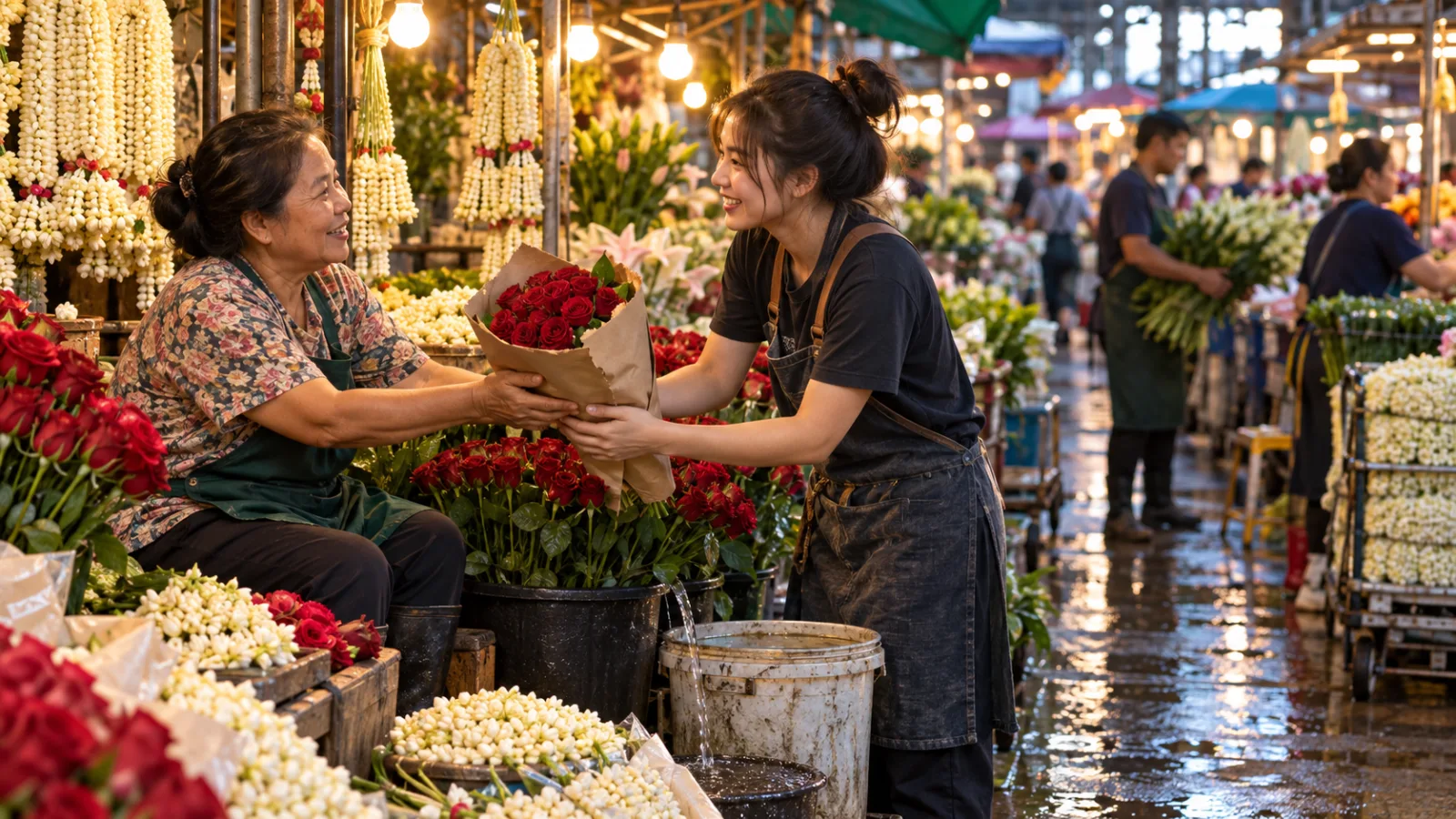
12 August is Mother's Day, a public holiday whose symbol is jasmine, worn and given as malai garlands. The holiday was marked for the first time since the death of Queen Mother Sirikit, and the day off itself was kept. 14 February is not a day off work, though it is widely marked with flowers all the same. Songkran runs from 13 to 15 April, and the New Year holiday spans 31 December to 2 January.
Around 14 February and Mother's Day, delivery windows in Bangkok widen and couriers stop promising a precise minute, so an order placed a few days early has more room to land on time. A gift is handed over with the right hand and, as a rule, not opened while the giver is still there. Tuberose belongs to funerals, not to bouquets, and lotus is kept for temples rather than given as a romantic gesture. In Thai flower tradition the orchid stands for friendship rather than romance.
From the street to the air-con: bouquets in Bangkok's three seasons
Bangkok runs through three seasons rather than four: a hot stretch from March to May, when April sits around 36 degrees. A rainy season follows from mid-May into October and peaks in September, then a cooler, drier spell runs from November to February. Humidity holds at 70 to 80 per cent through most of the year, so a bouquet crosses from air-conditioned indoors to thick outside air and back again on its way to the recipient.
The water in the vase is worth changing daily rather than every few days, and the bouquet is best kept away from direct sun and from a closed window that traps heat. A boxed arrangement, its stems set in soaked floral foam, tolerates that back-and-forth better than paper-wrapped stems carried by hand.