





Mono bouquets in Batumi: one flower, and how to choose it well
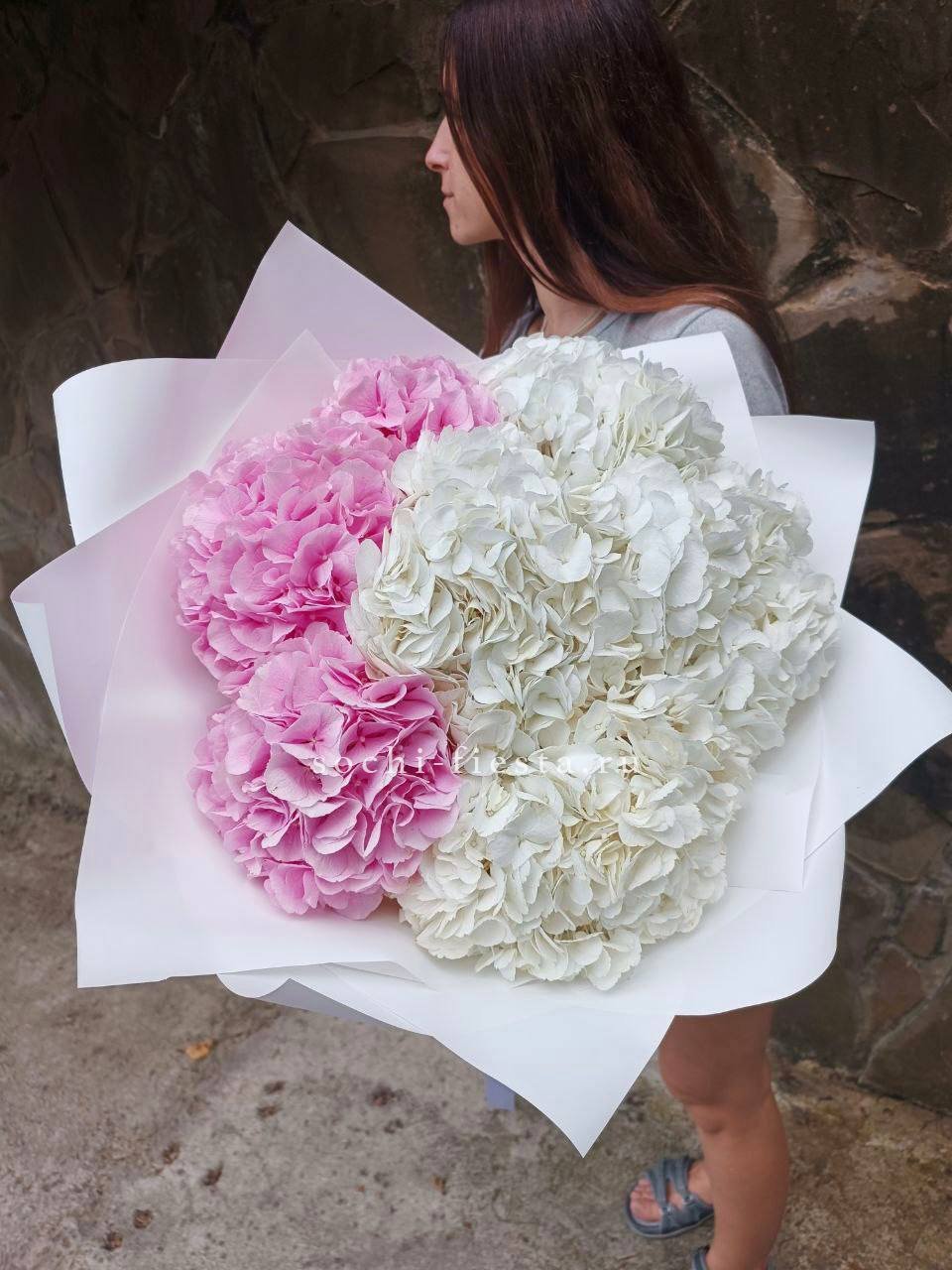
Linnaeus named the hydrangea "water vessel" in 1753, after the shape of its seed pods. Florists take the name literally: a cut hydrangea drinks more than almost any other flower and takes up water through its petals as well as its stem. In a mixed bouquet a habit like that hides among the other stems, but in a mono bouquet, a bouquet of a single variety, it is the whole story. That is why mono bouquets in Batumi are best chosen by what the flower does after the courier leaves: how long it lasts, whether it is in season and how it opens.
What a mono bouquet is, and why one variety says more than a mix
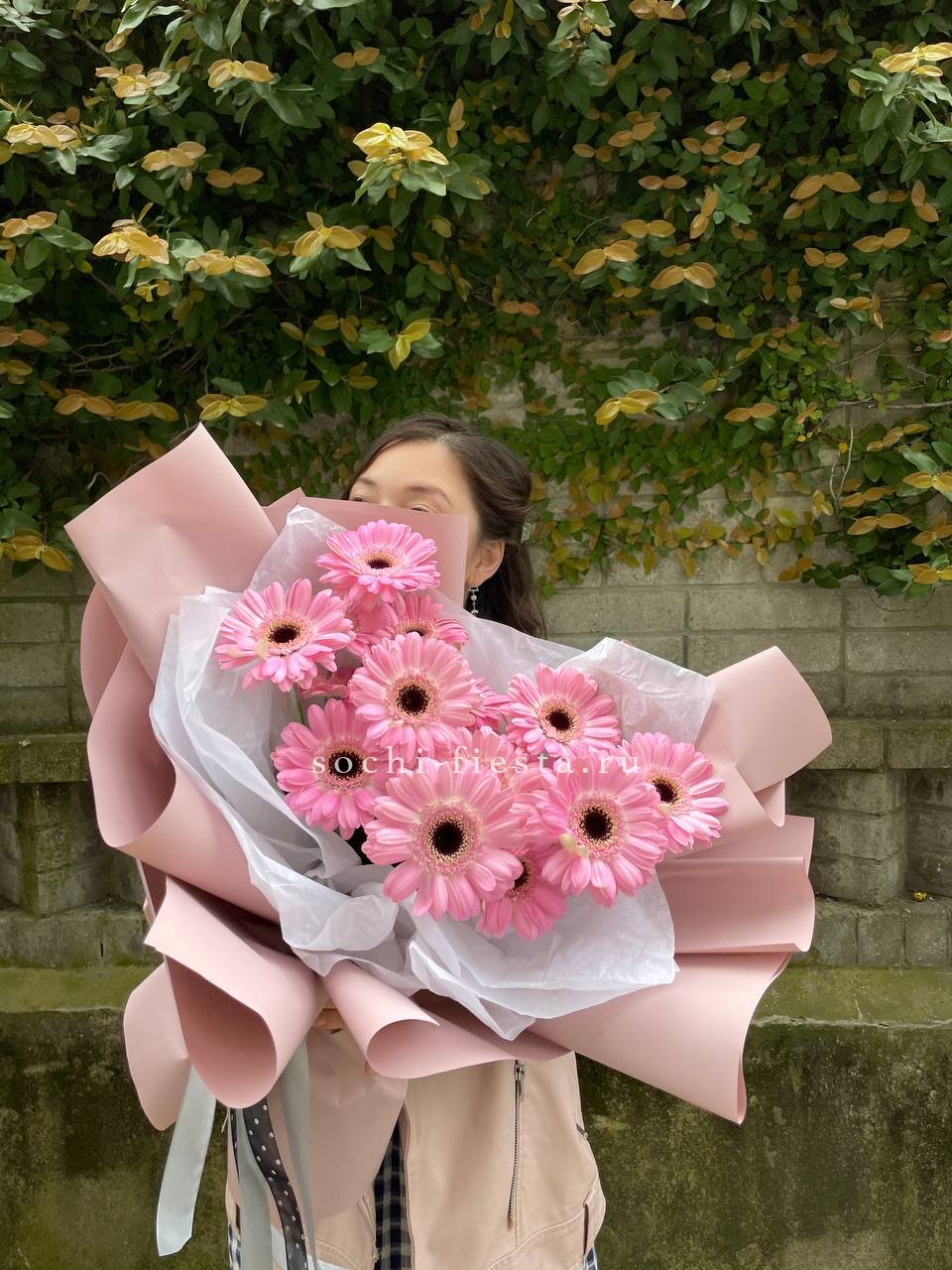
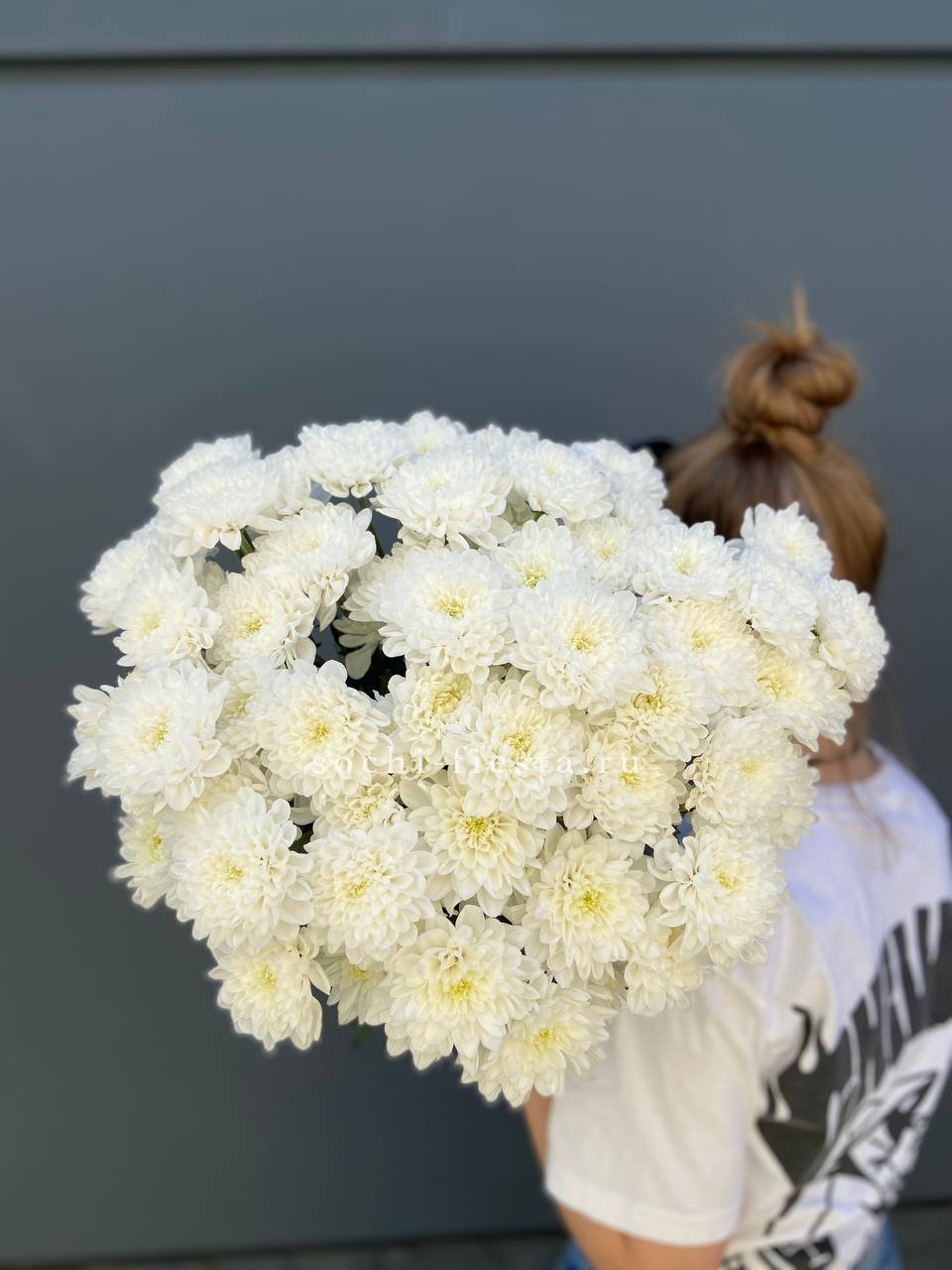
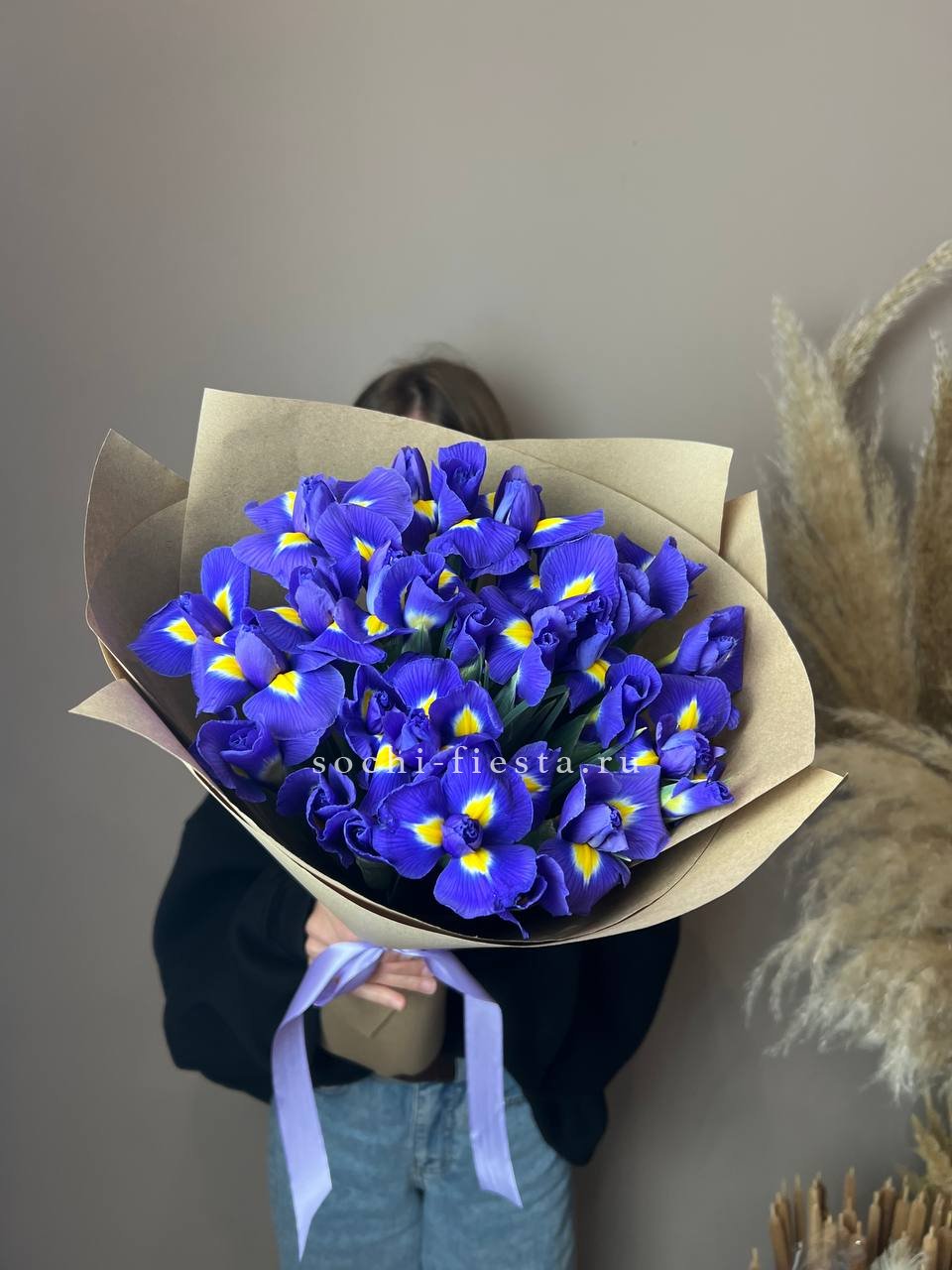
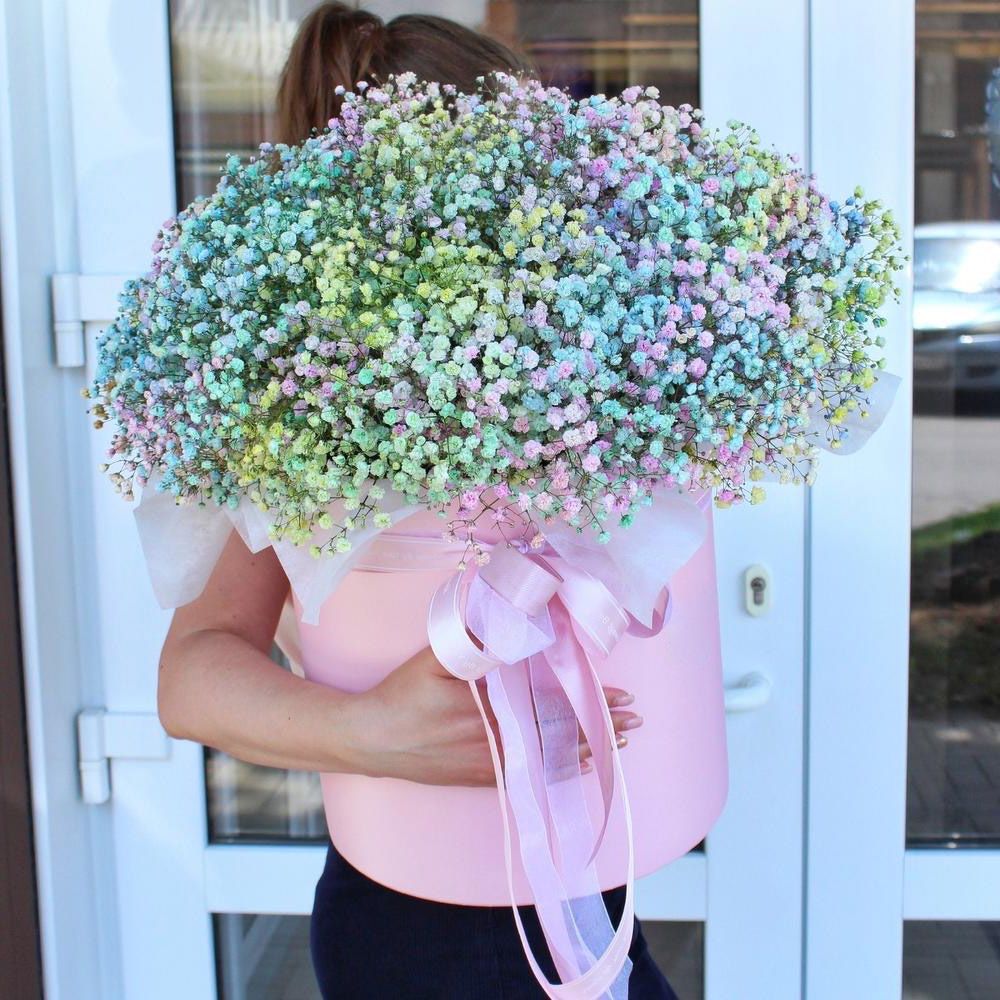
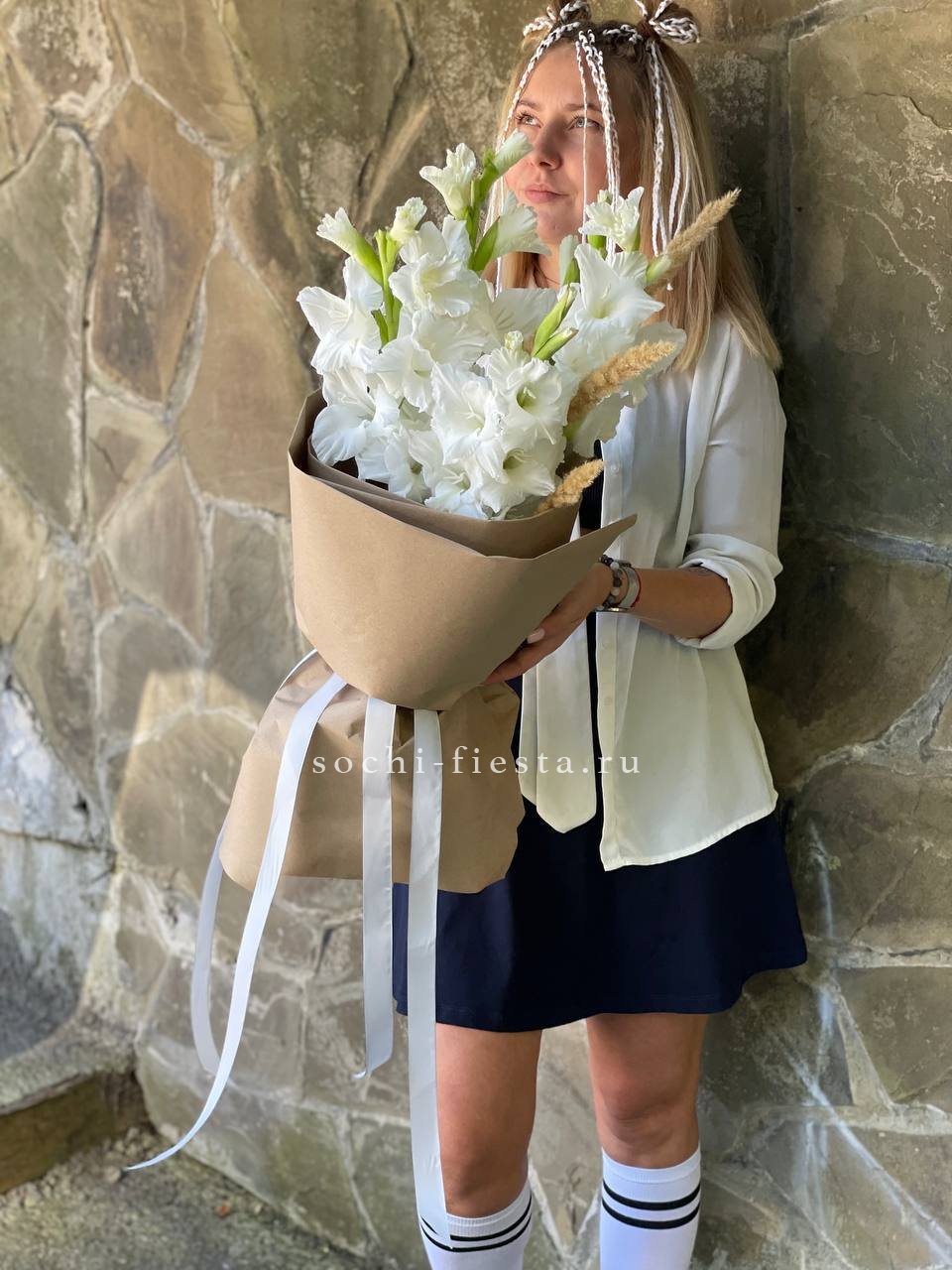
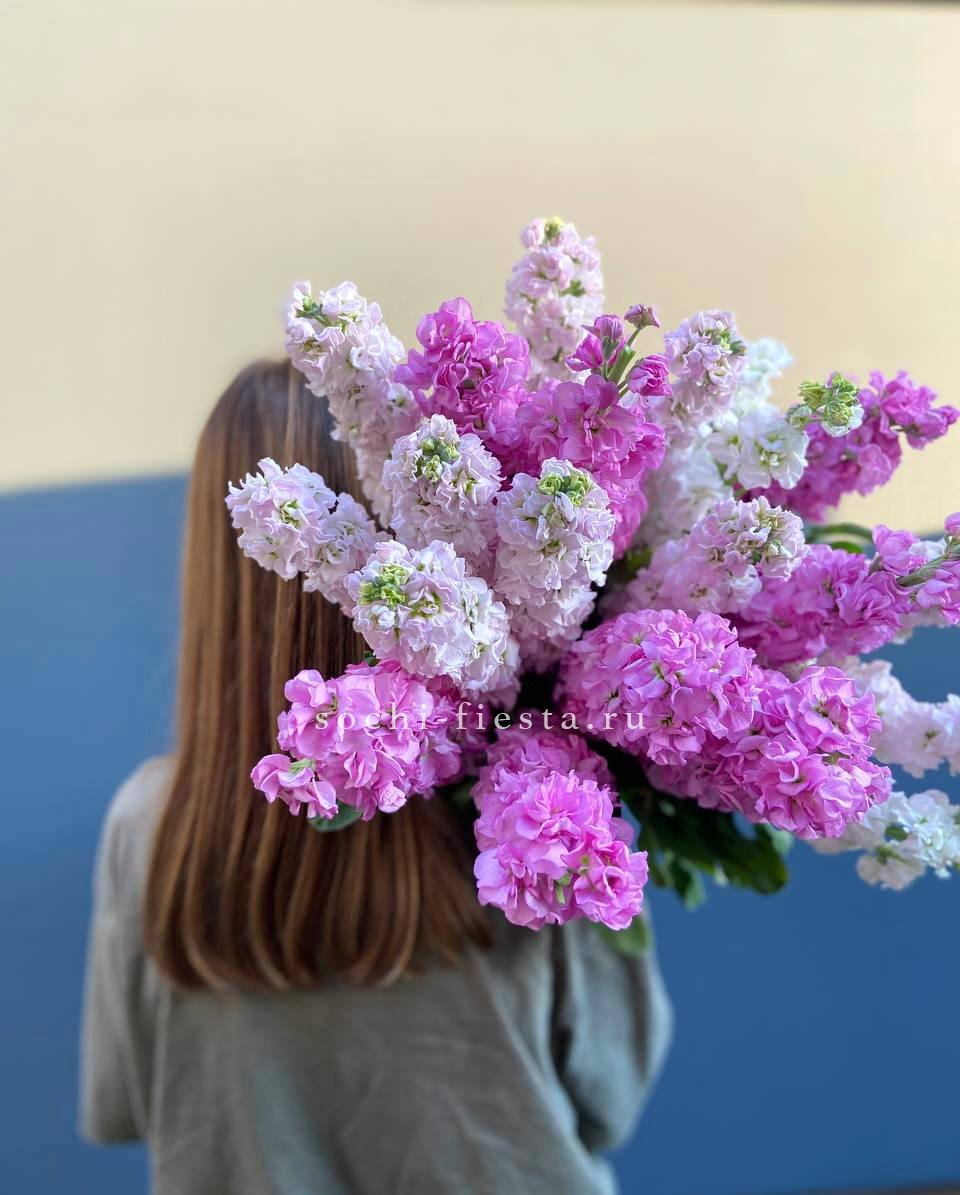
A mono bouquet is made from one kind of flower only: twenty-five tulips, eleven chrysanthemums, five hydrangea heads, an armful of gerberas. The eye reads a mixed bouquet piece by piece, contrast by contrast. A single variety lands all at once, as one block of colour, so the gesture is clearer. An apology, a thank-you or a first date all call for a message with no second reading, and a single variety reads that way.
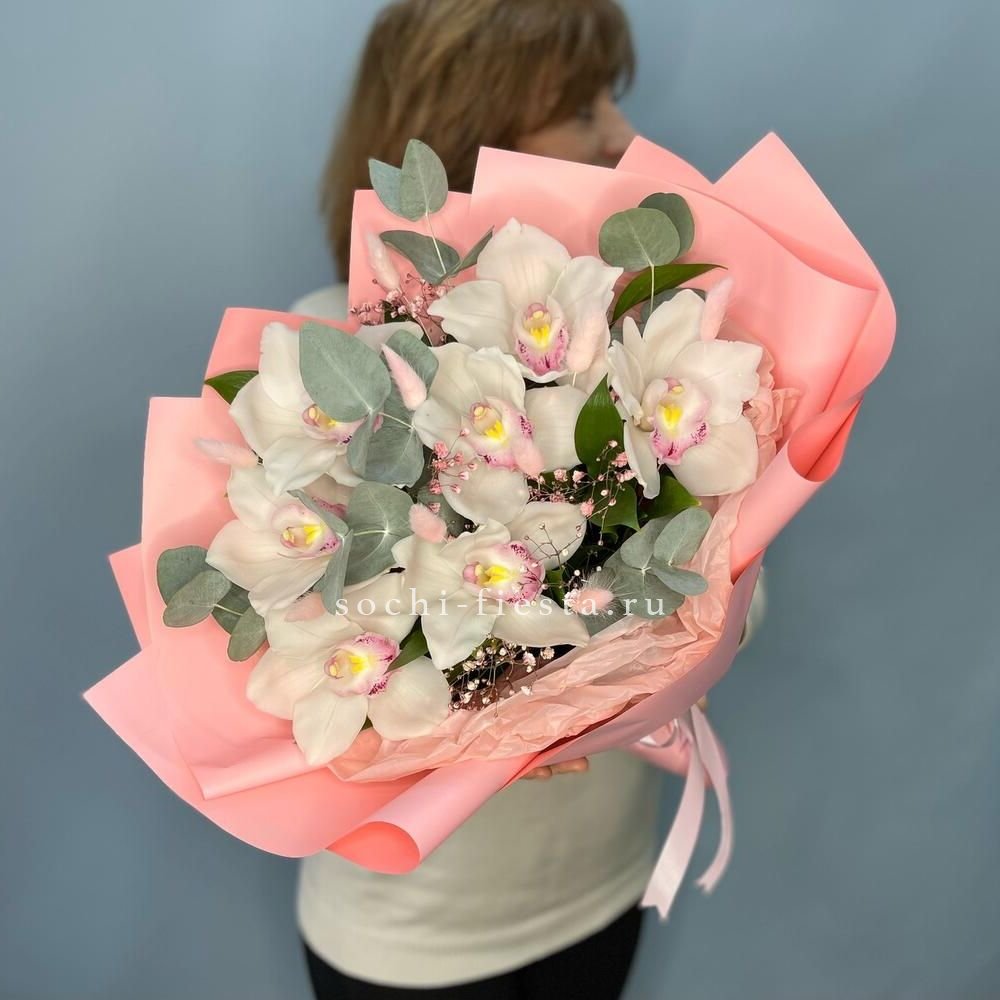
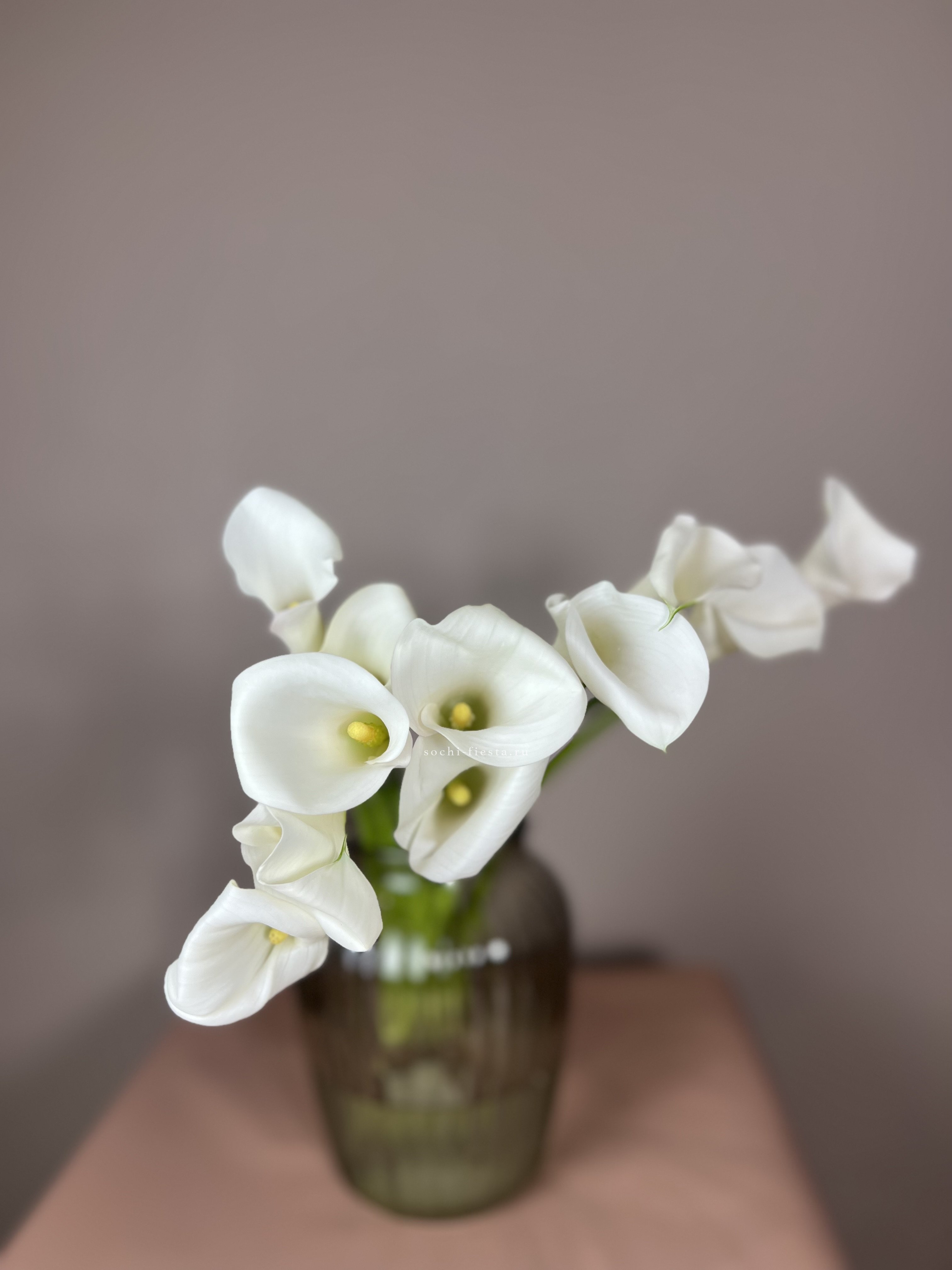
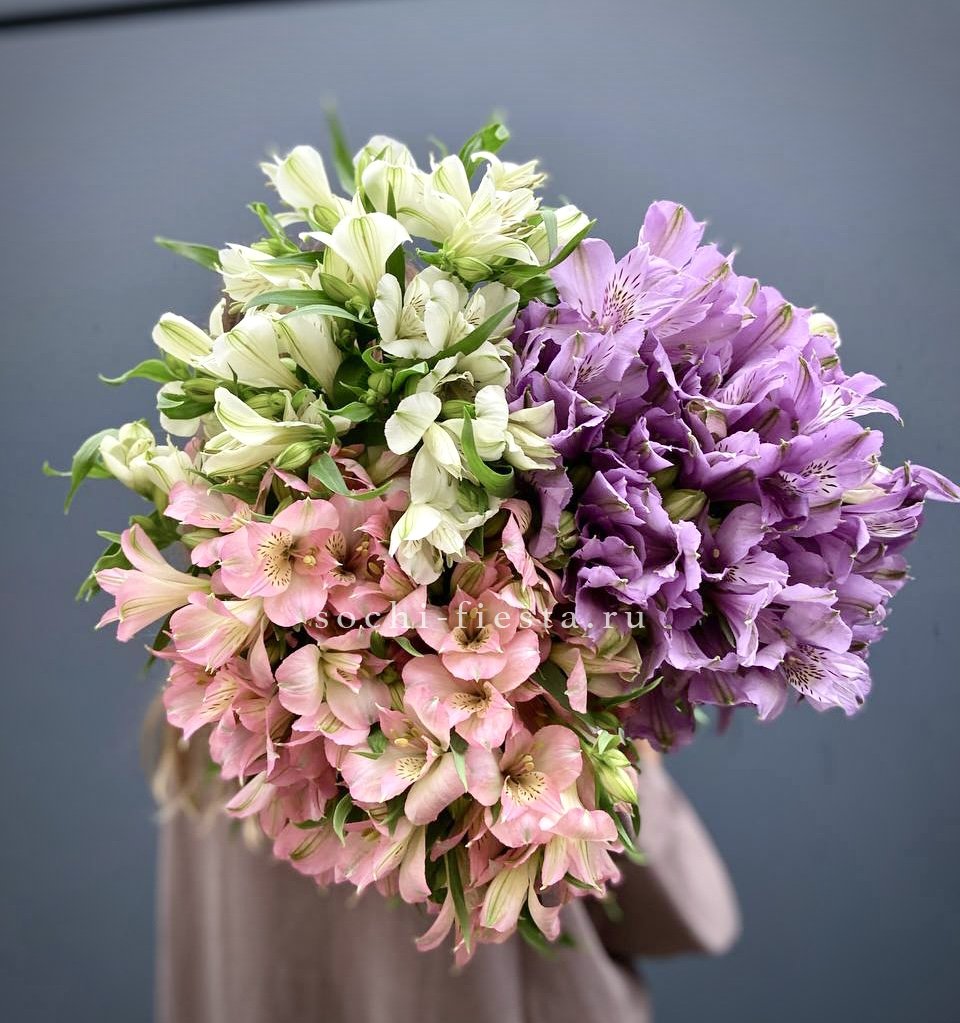
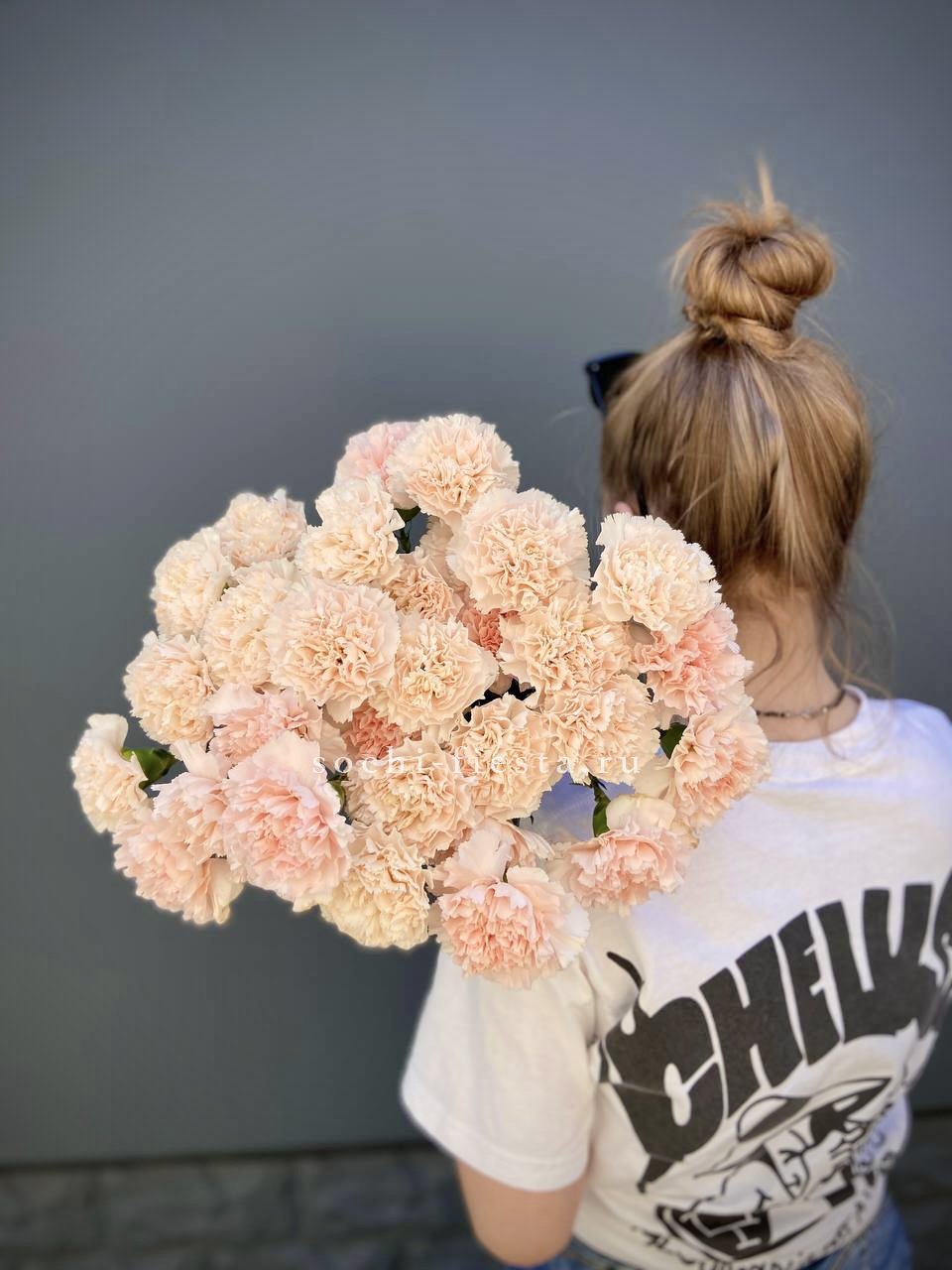
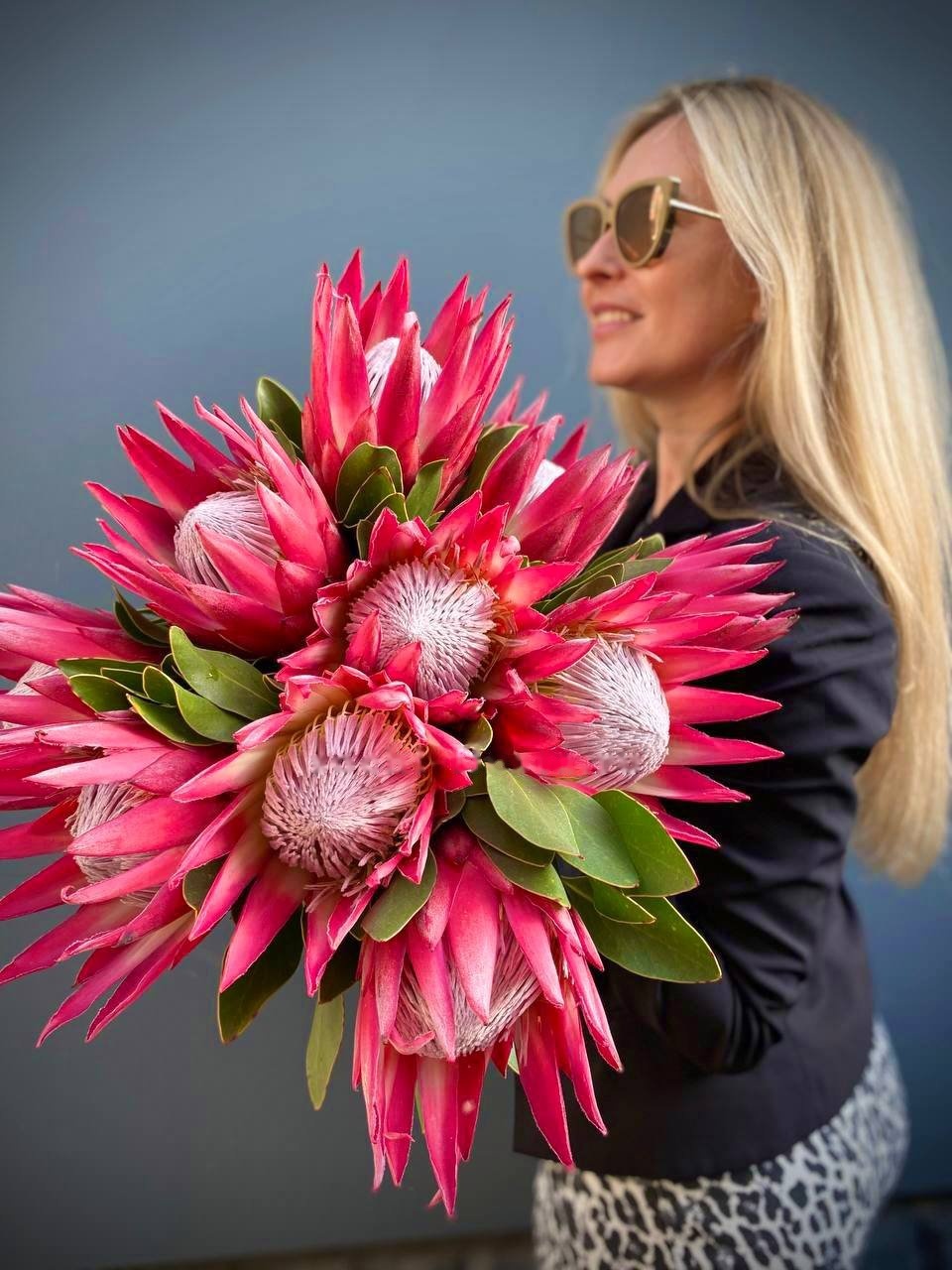
For the florist it is the harder format, not the easier one. There is nothing to hide a weak stem behind, so every head has to match in size and in opening stage, and every stem in length. A single open bloom among tight buds looks like a sorting error rather than variety. At JFLOO each mono bouquet is gathered to order and photographed before the courier sets off, so the match is visible in advance. The catalogue keeps roses in a section of their own; this one covers the rest: chrysanthemums, tulips, hydrangeas, lilies, lisianthus, protea and mimosa.

Most of this section is greenhouse-grown and on sale in any month. That covers chrysanthemums, gerberas, alstroemeria, lilies, lisianthus and carnations, so any of them can be ordered for a fixed date without checking the calendar.
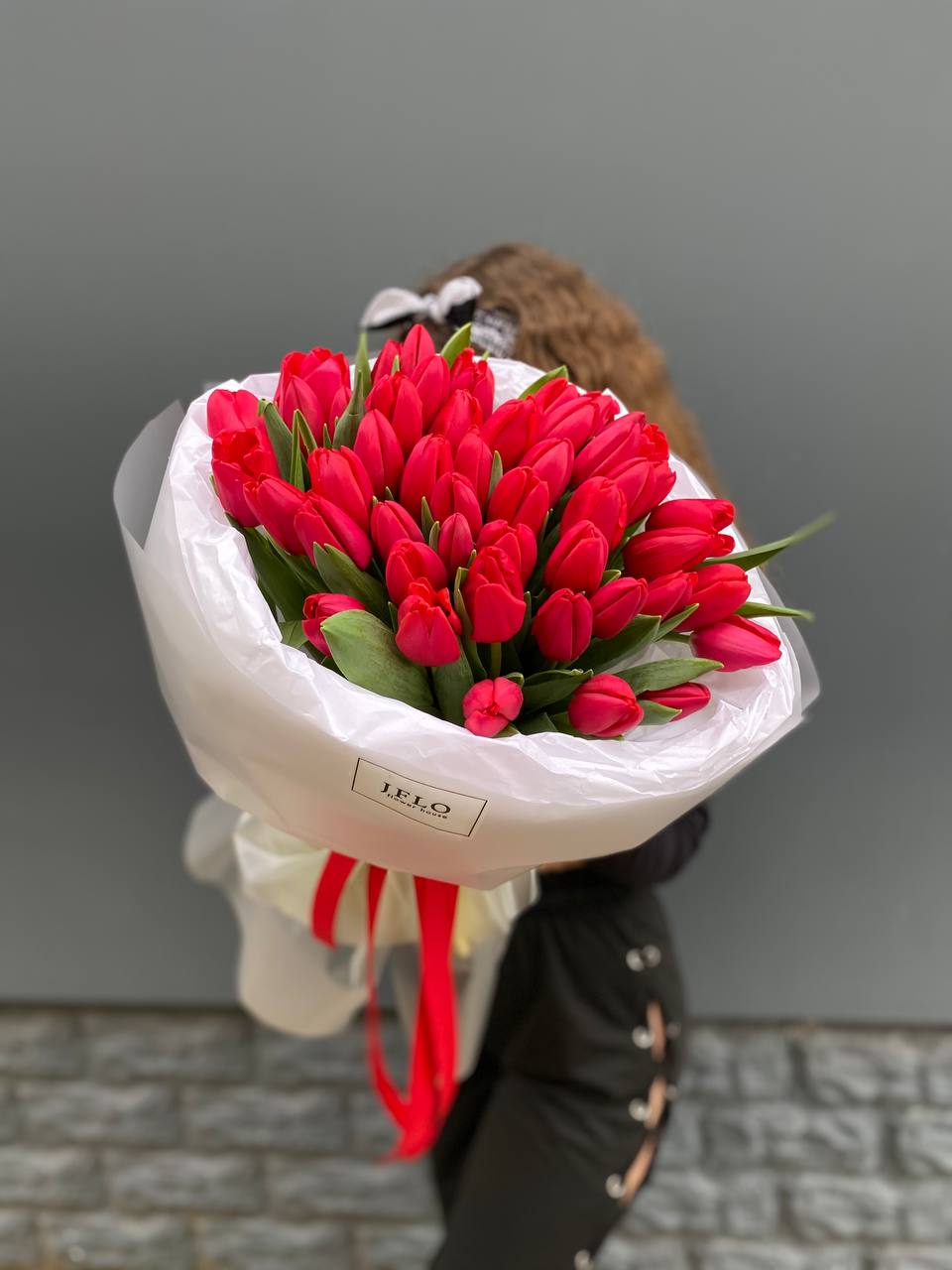
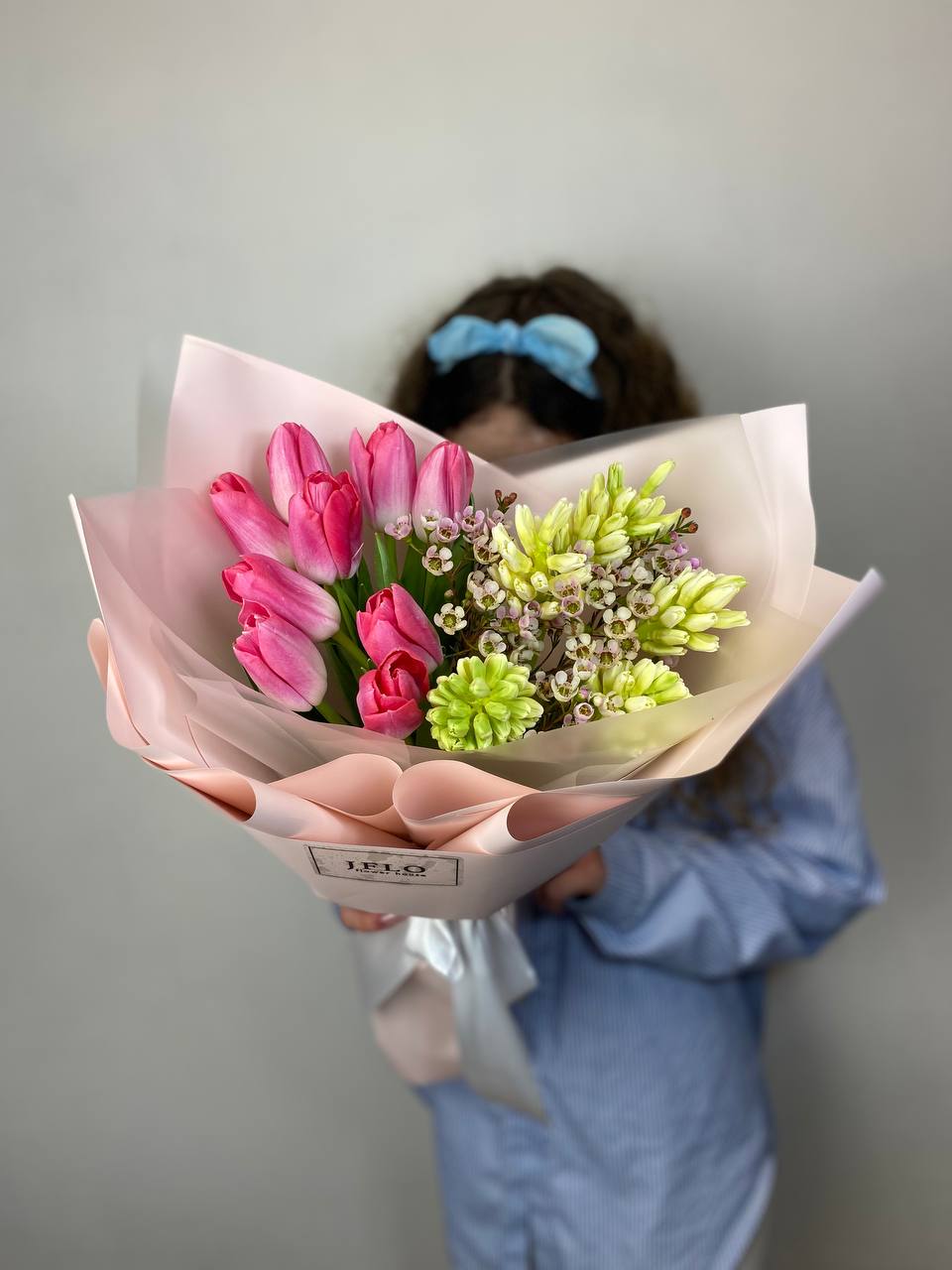
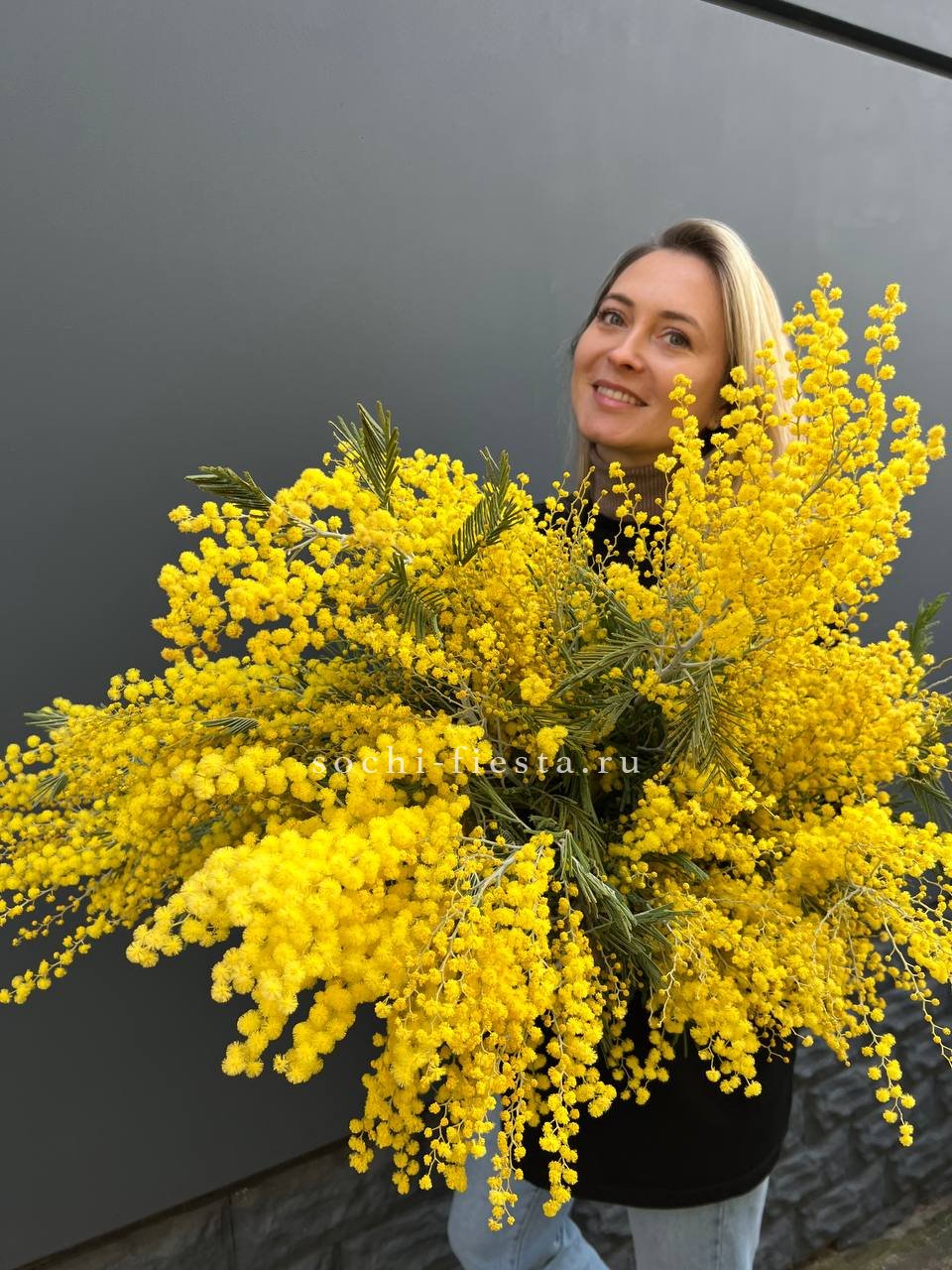
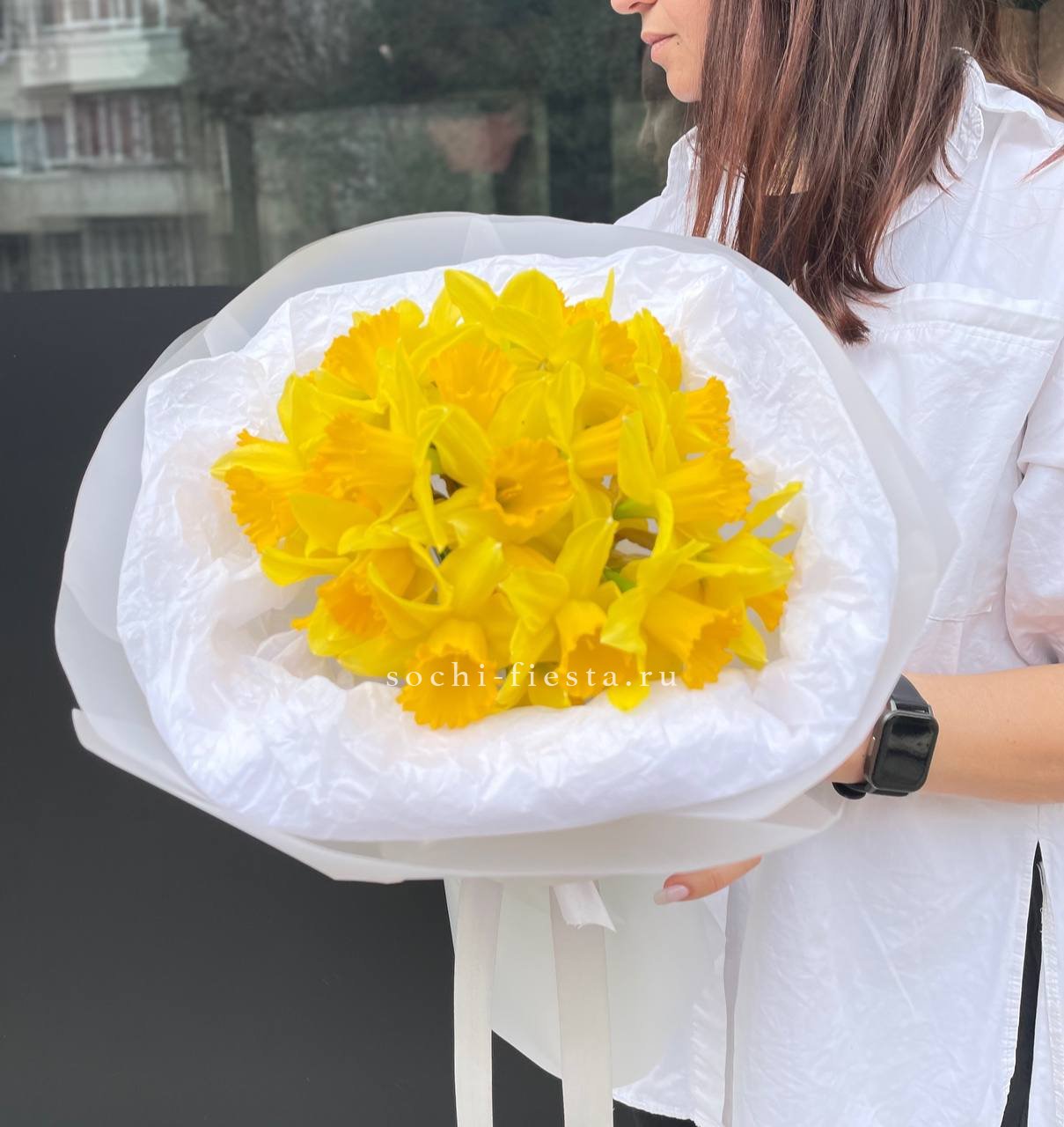
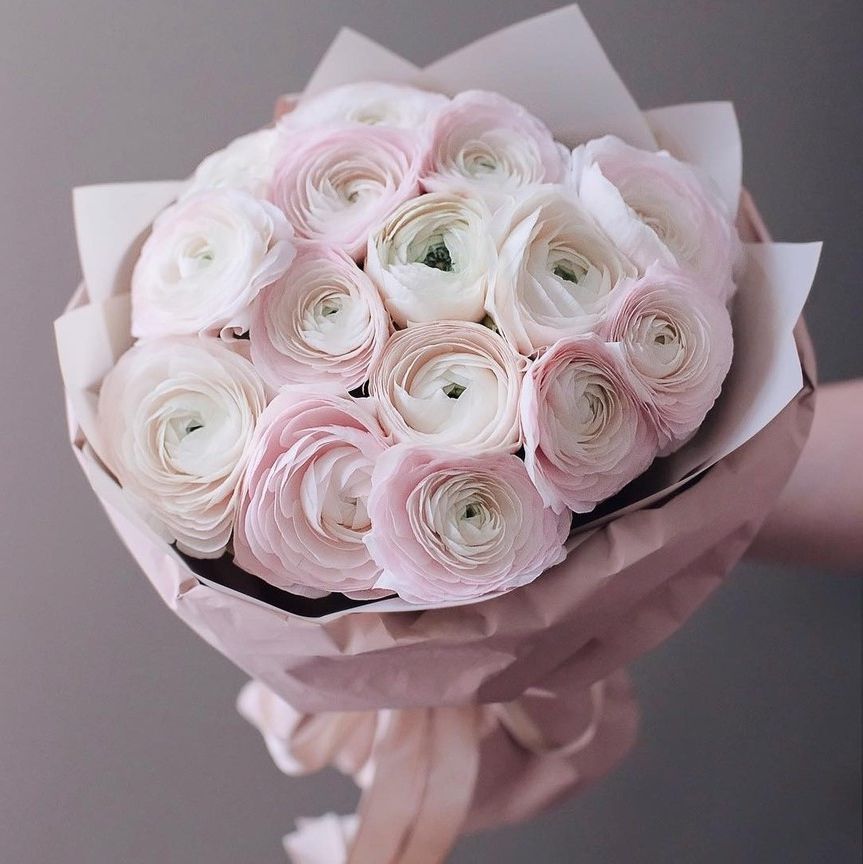
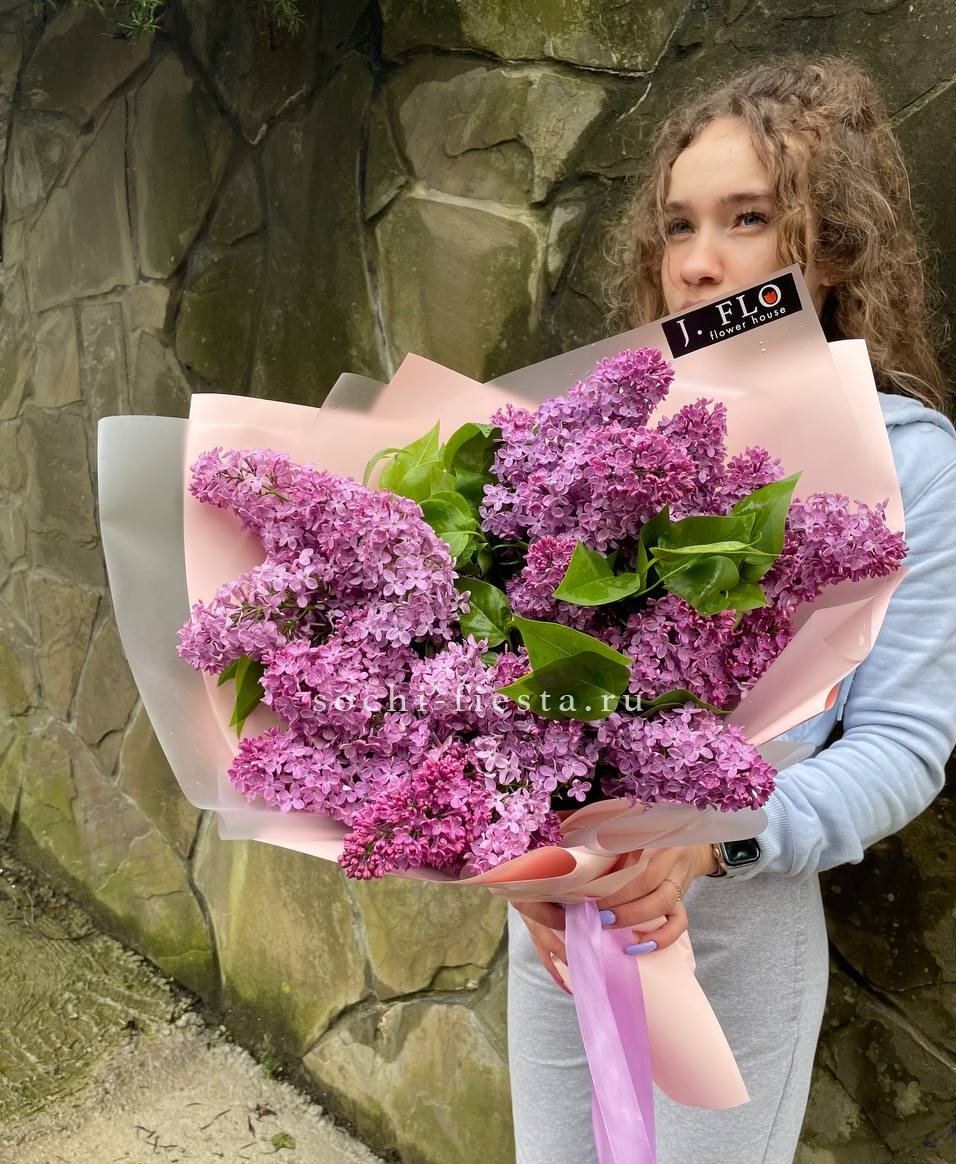
Seasonal flowers follow the northern-hemisphere calendar. Tulips from Dutch greenhouses are cut from December to May: the bulbs are given an artificial winter in cold storage and then forced under glass, so the first stems arrive in December. Narcissus, hyacinths and ranunculus arrive with spring, lilac belongs to May, and mimosa flowers from January to March and remains the flower of 8 March. Summer brings hydrangeas and sunflowers, late summer brings dahlias, and autumn belongs to the chrysanthemum, though the greenhouse version is sold all year. Out of season these flowers are not always available, and usually cost more.
How many stems to order, and how open they should arrive
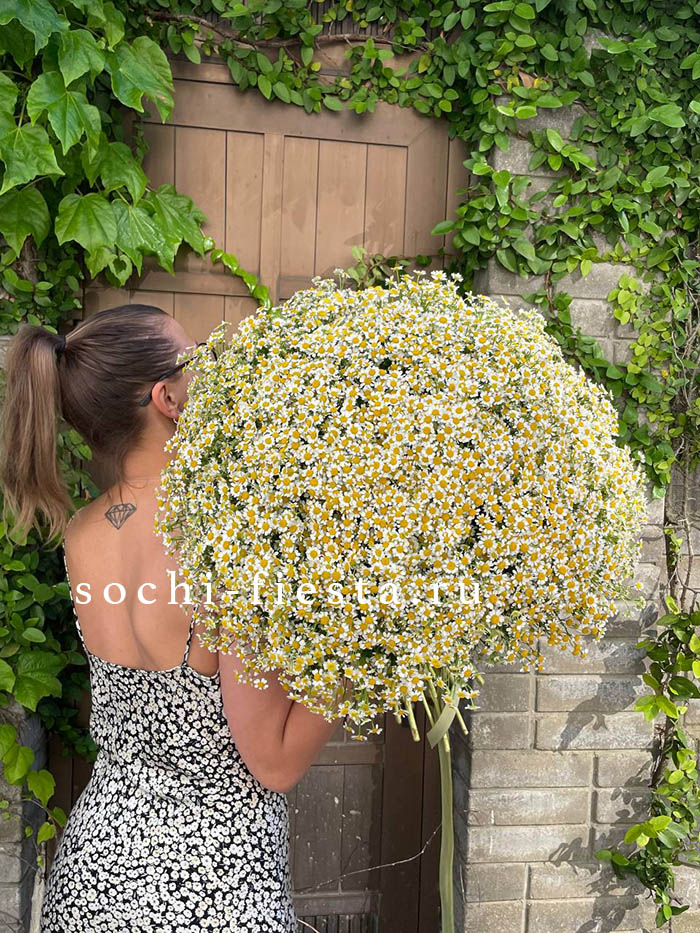
Head size sets the stem count, not the budget. Large-headed flowers such as hydrangea, lilies and sunflowers reach the limit quickly: three to five hydrangea heads already fill a vase, and ten make an armful that is awkward to carry and hard to place. Small-headed flowers work the other way round: seven alstroemeria or daisies look modest, and the dense field of one colour that people want from the format starts at about twenty stems. The bigger the flower, the fewer stems are needed, and the more any difference in size between them shows.
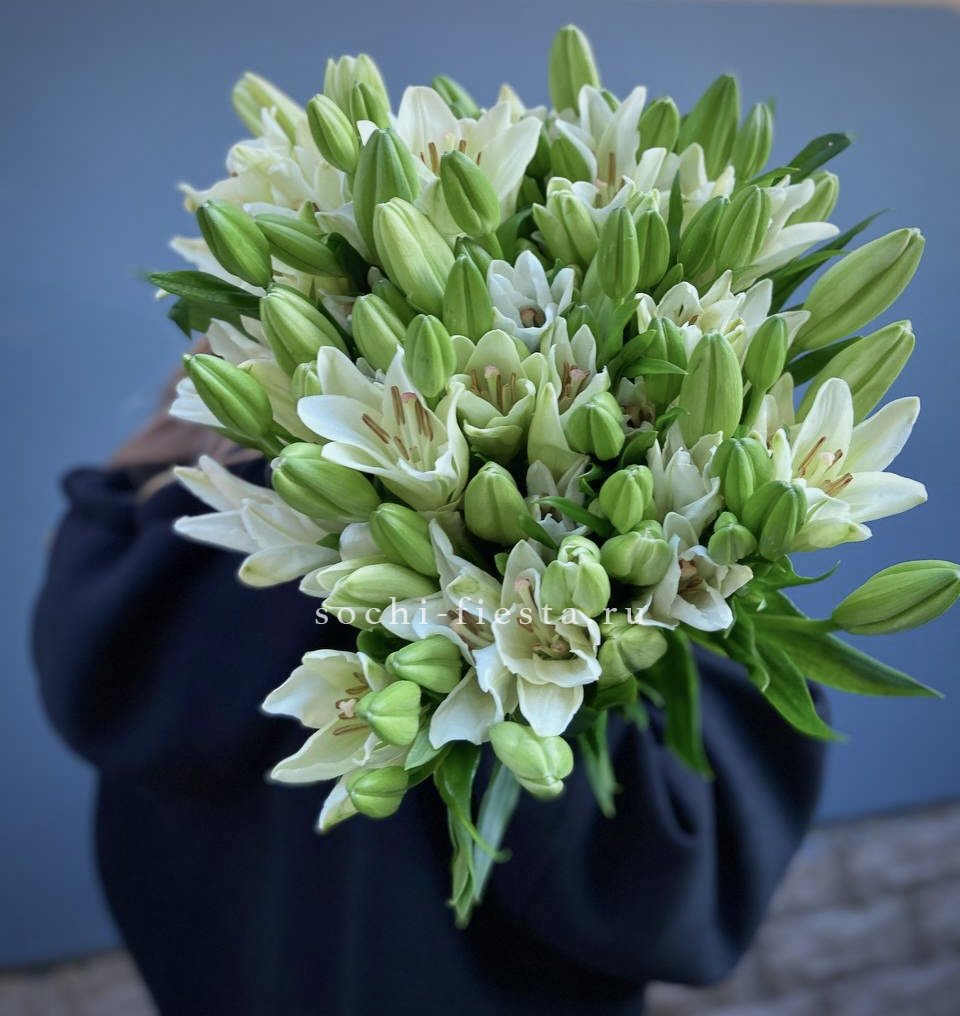
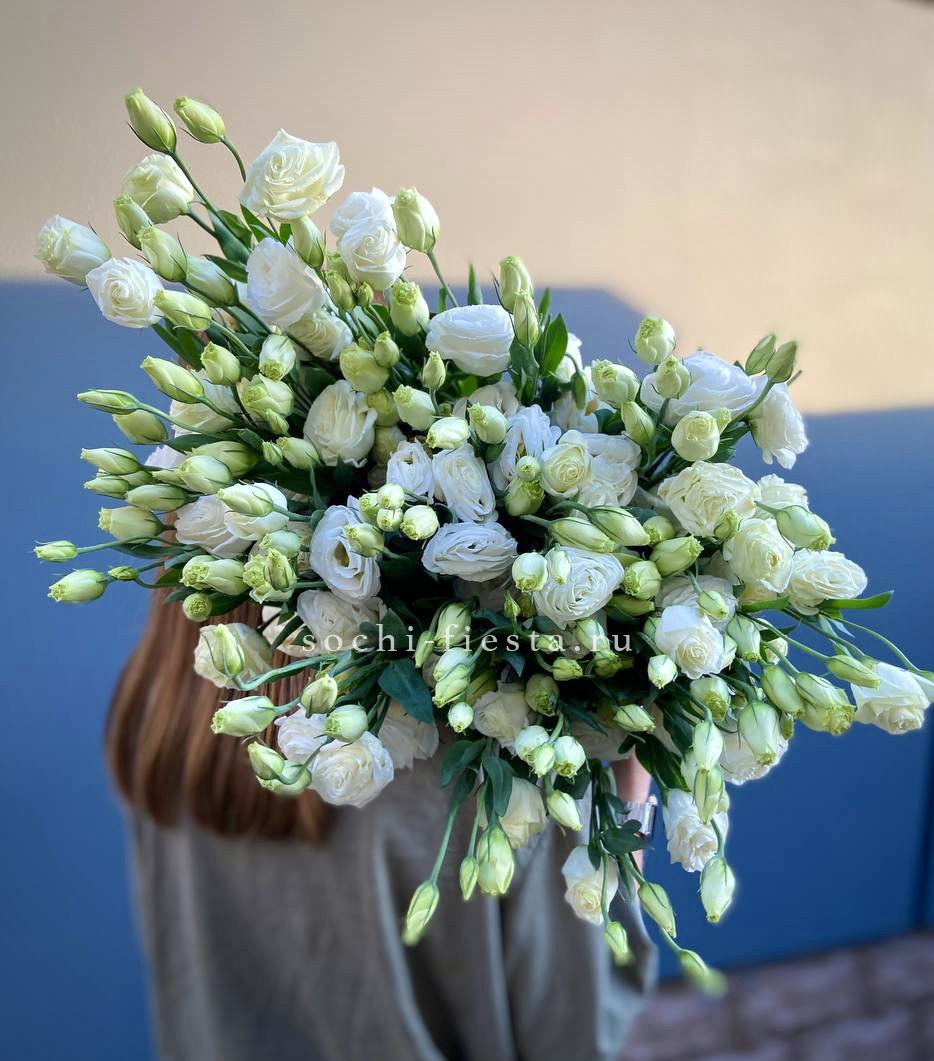
Opening stage matters more in a single variety than in a mix, because every head is at the same point in its life and there is nothing to average it out. Tight lisianthus or lily buds look restrained on the day of delivery and come into their own a few days later; fully open flowers look their best straight away and fade sooner. A bouquet that has to look festive at the moment of handover is ordered open, one that has to stand in an office for a week half-open. If the recipient grew up in Russia or a neighbouring country, keep the count odd: there, odd numbers are given to the living and even numbers are brought in remembrance, and the rule is taken seriously. Elsewhere nobody counts, so an odd number costs nothing.
Choosing a mono bouquet for a birthday, an office or a first date
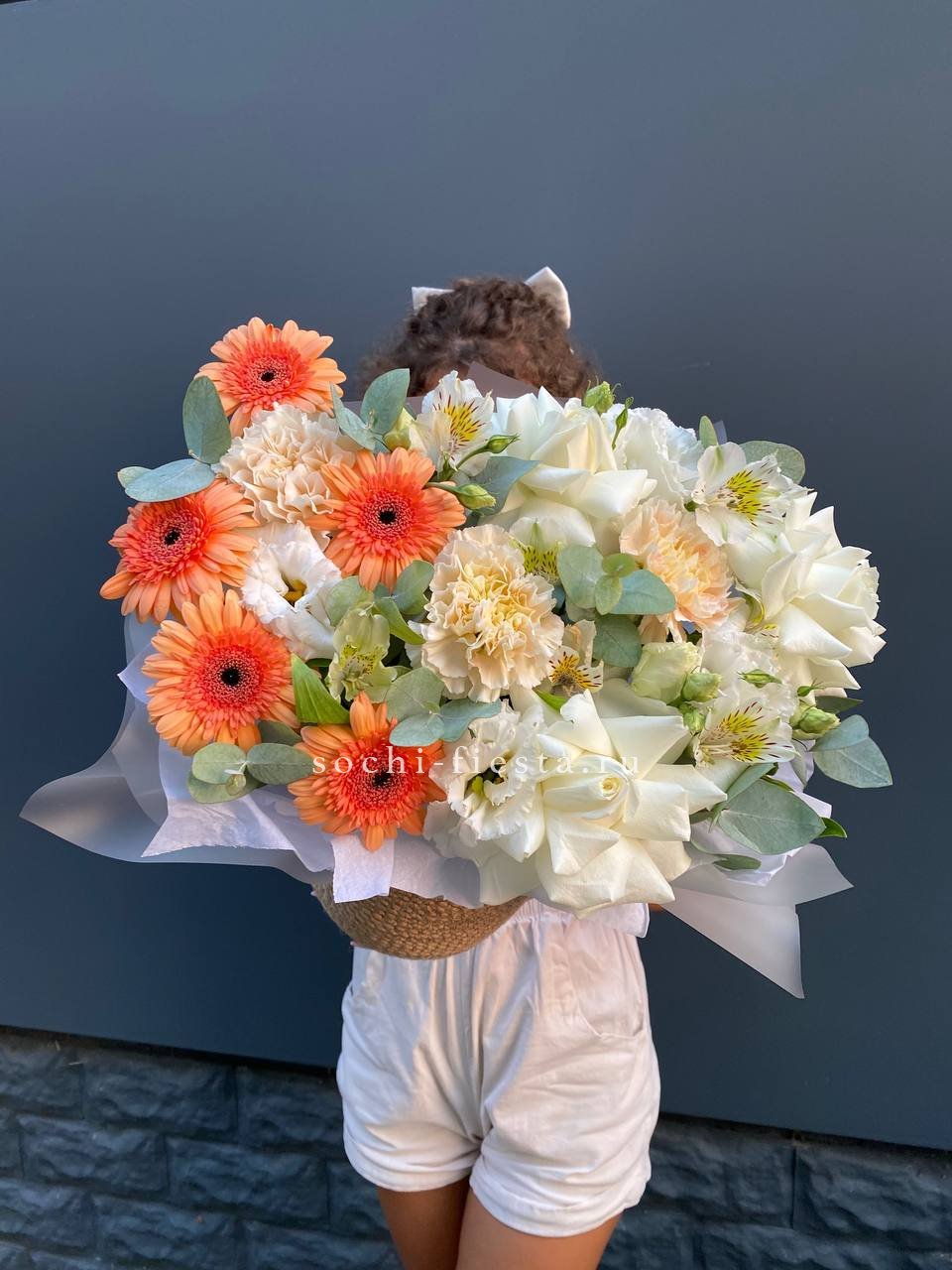
The flower sets the tone. Gerberas and sunflowers are open cheerfulness and suit a birthday, a new baby or a colleague's promotion. Lilies bring formality and a strong scent, but they must not go to a home with a cat: every part of a lily, the pollen and the vase water included, is toxic to cats. A hydrangea bouquet is one for the home, since one head is already an arrangement and three to five fill the vase on a dining table. Tulips and ranunculus read as spring whatever the occasion, and lisianthus with its rose-like buds is the choice when roses feel too obvious. Chrysanthemums and alstroemeria are picked for stamina: an office, a hospital, someone who is leaving in a week.
Chrysanthemums come with one caveat about the country rather than the flower. In France, Belgium, Italy, Spain, Poland and Hungary the large-headed varieties are taken to graves and funerals, and a bouquet of them reads as mourning. In Japan, by contrast, the chrysanthemum is the flower of the imperial house, and in China a symbol of long life. For a recipient from one of those countries, gerberas or lisianthus are the safer choice. For a romantic occasion a mono bouquet is the simplest format: one flower, one mood, and nothing for the recipient to decode.
What decides the price of a mono bouquet in Batumi
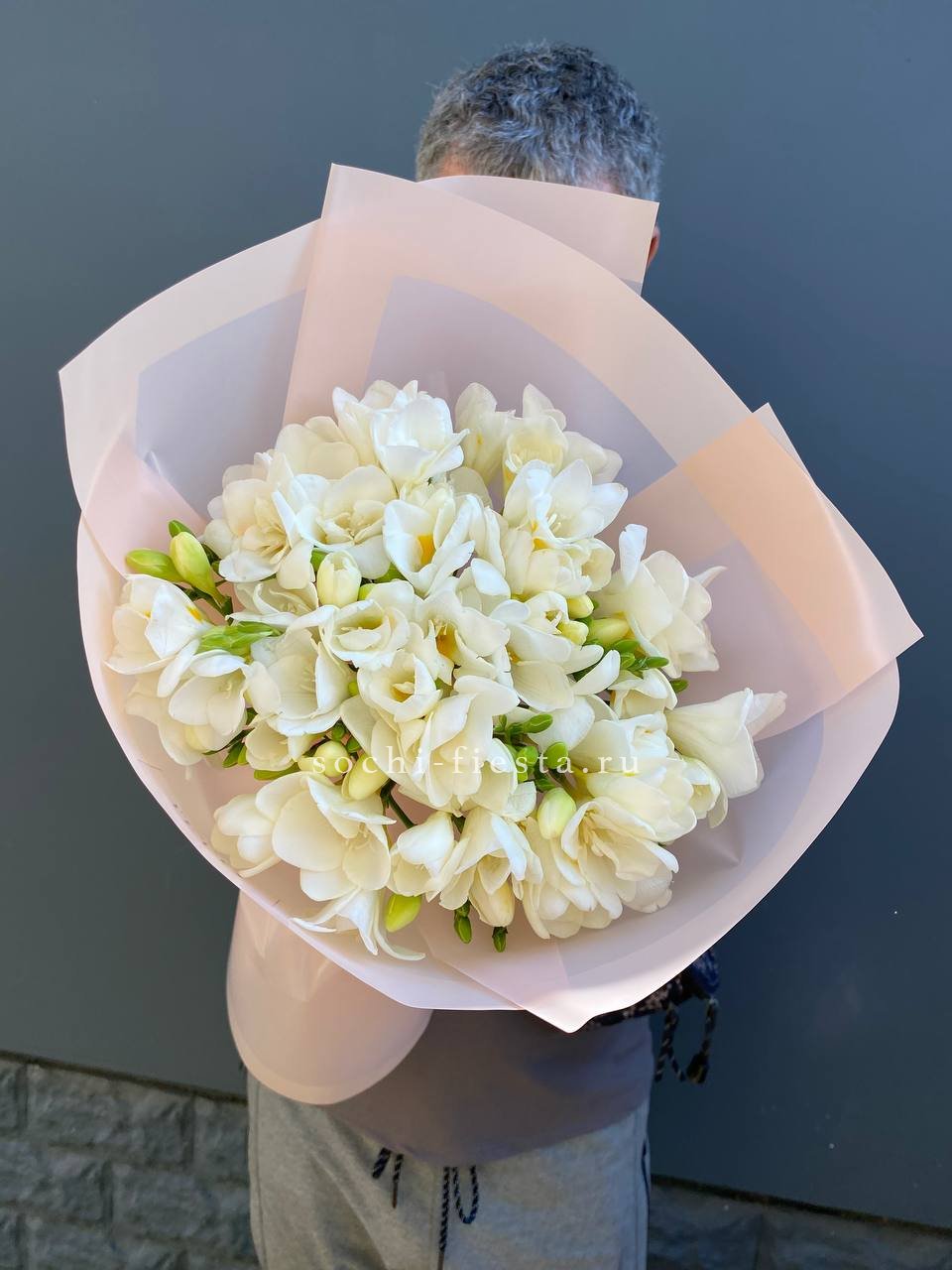
Prices in Batumi are shown in the local currency, and the total in the cart is final: bouquet, extras and delivery, with nothing added after payment. Four things account for the wide spread within the section. The first is the flower itself: greenhouse chrysanthemums, gerberas and alstroemeria cost less than calla lilies, orchids or freesias. The second is season: a tulip in March and a tulip in September are different flowers as far as price goes. Before 14 February, 8 March and Mother's Day order volumes climb several times over, and the convenient delivery slots go days in advance.
The third is count and stem length: an armful of fifty tulips and a bouquet of nine are priced apart, and a long stem of the same variety costs more than a short one. The fourth is format: a box or basket adds the container and the floral foam, so the same stems cost more than they do in paper. To buy a mono bouquet in Batumi at a good price, follow the season. A flower at its peak, with the florist free to swap the shade for a close one, costs less than a specific variety chased in the wrong month.
Vase life and care: tulips that keep growing, lilies and their pollen
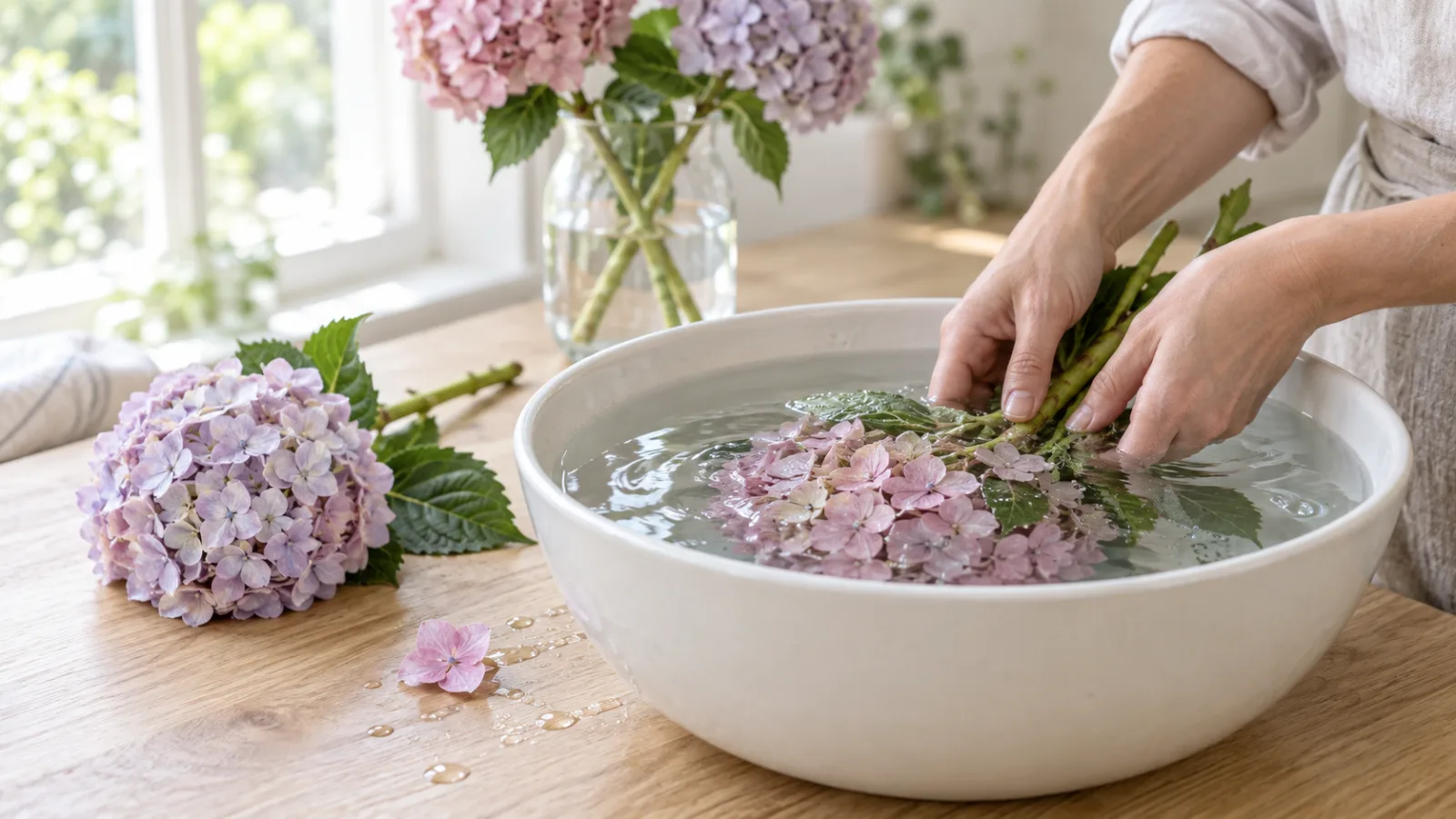
The life of a mono bouquet is the life of one flower, and the range is wider than with a mix. Chrysanthemums, carnations, alstroemeria and orchids stand for two to three weeks; roses last about a week, sometimes ten days. Cut tulips carry on growing in the vase, a centimetre or two a day, and lean towards the light, so the vase is turned now and then and the longest stems are trimmed back. A hydrangea needs its water level watched, and a head that has drooped comes back after an hour or two submerged whole in cool water.
Mono bouquet delivery in Batumi: photo first, then the courier
Mono bouquet delivery in Batumi starts with a photograph. The florist gathers the bouquet and sends a picture before the courier leaves, and anything the sender wants changed is put right before departure. Delivery in the city centre is free, and every other district shows its price in the cart before checkout. The bouquet card shows the delivery time, including for an urgent order if the bouquet is in stock with the florist. Most orders are delivered on the day they are placed, and the zones and rates for Batumi are listed on the delivery page.
Nobody calls the recipient ahead of time unless the sender asks; the one exception is a building that cannot be entered without a call, in which case the courier rings from the door. The courier knows the recipient's name and address and nothing else, the sender's contacts are never passed on, and the card can be signed or left blank. Without an address, a phone number is enough: a manager finds out where to bring the flowers without naming the sender or the occasion. Payment is by Visa or Mastercard on a secure page, there is nothing to pay the courier, and orders are taken around the clock. At a hotel, an office or a hospital the bouquet is handed over by the rules of the place: at reception, at the nurses' station or through security.
