
_633646720x720_q85.jpg?v=1787135615)
_8c5da0720x720_q85.jpg?v=1787130505)
_baafc1720x720_q85.jpg?v=1787135615)


720x720_q85.jpg?v=1787131158)


_076f68720x720_q85.jpg?v=1787130506)


Rose delivery in Boston: Andean imports, the Miami pipeline and a classic New England palette
Boston has no rose fields of its own — the New England winter sees to that. What it has is a fast, well-worn supply line. The overwhelming majority of cut roses sold in the United States are grown on the high plains of Colombia and Ecuador, flown into Miami, and moved north up the I-95 corridor under refrigeration. By the time a bouquet reaches a Boston doorstep, it has usually been out of the ground only a few days.
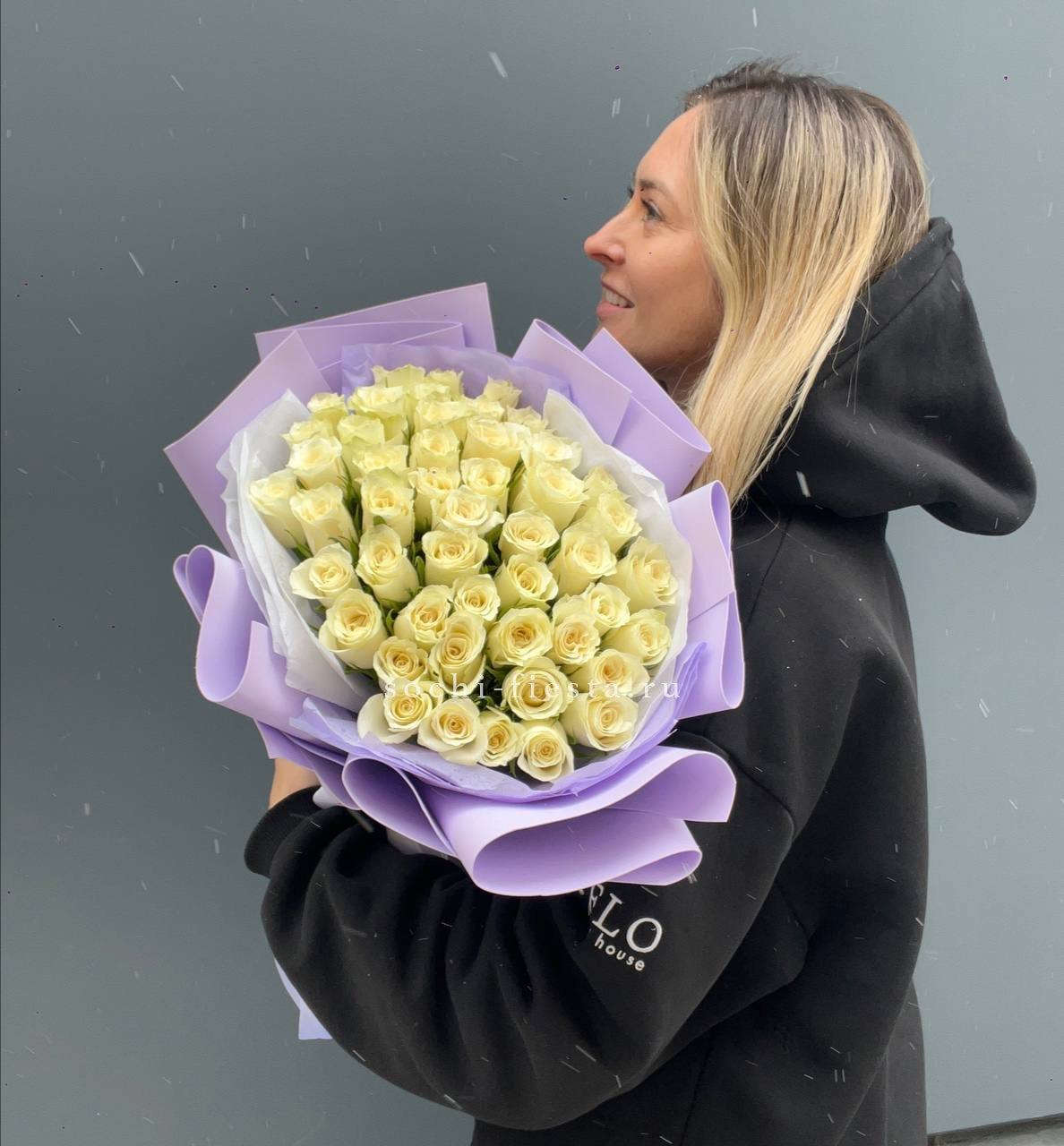
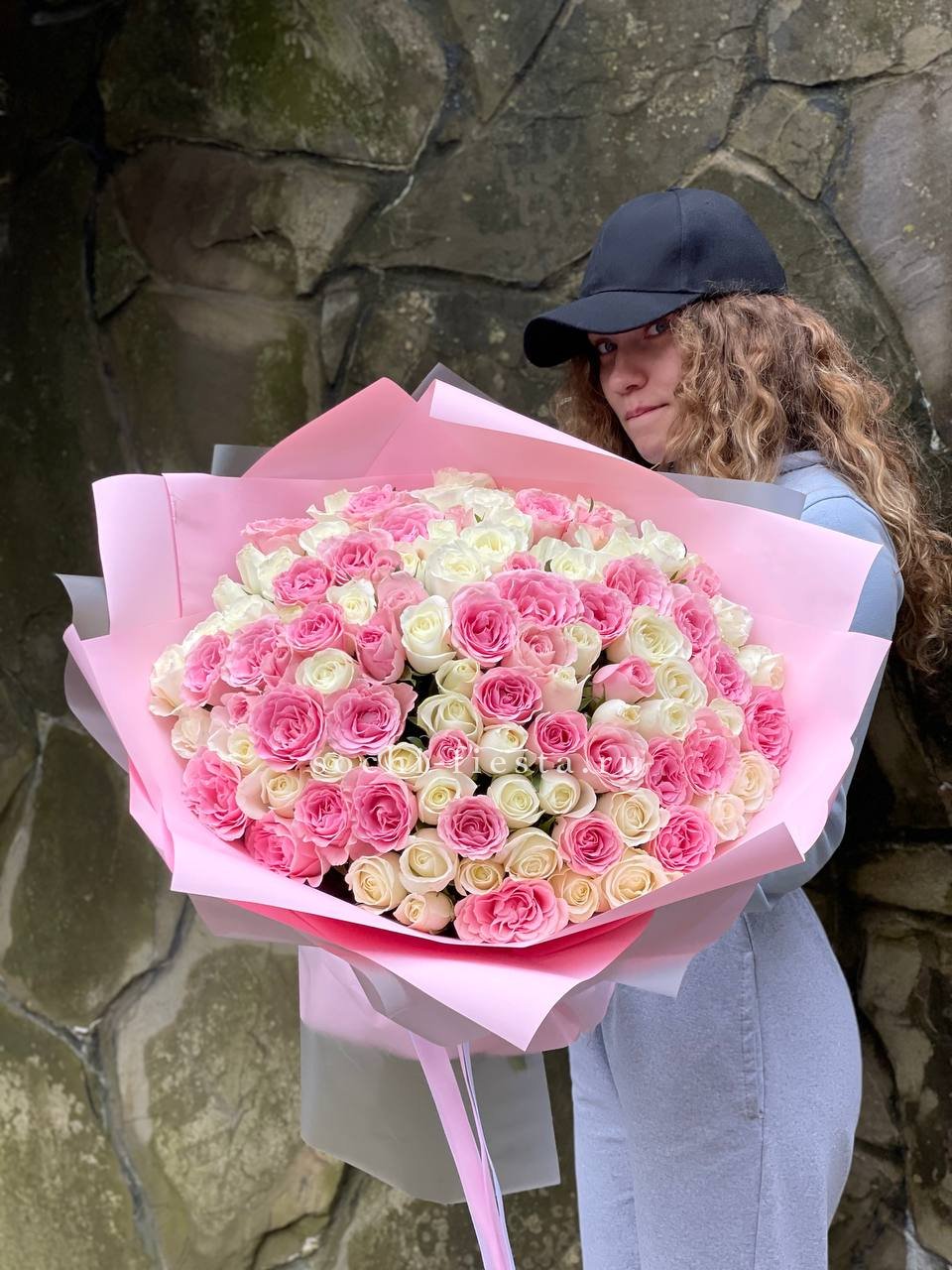
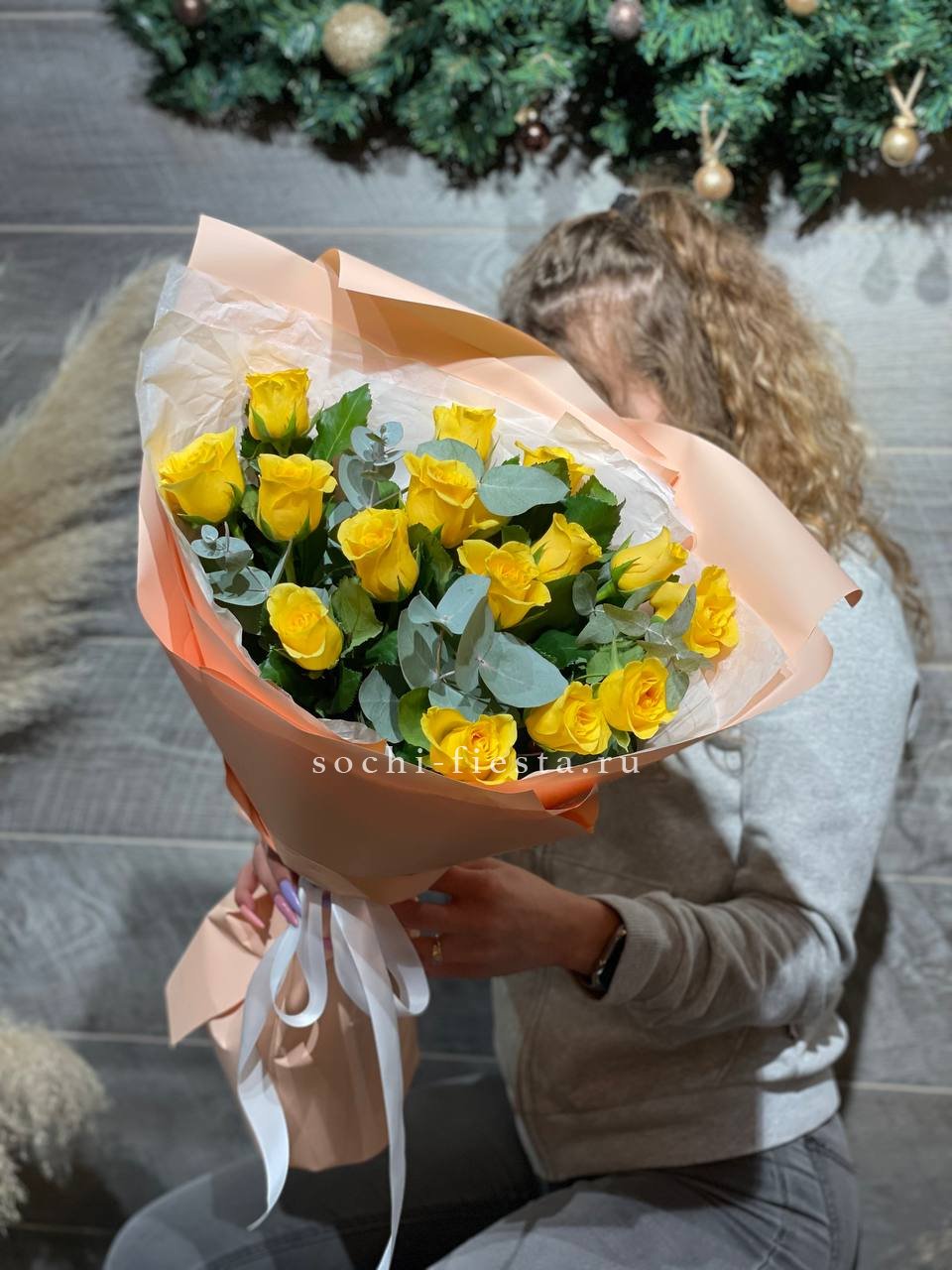
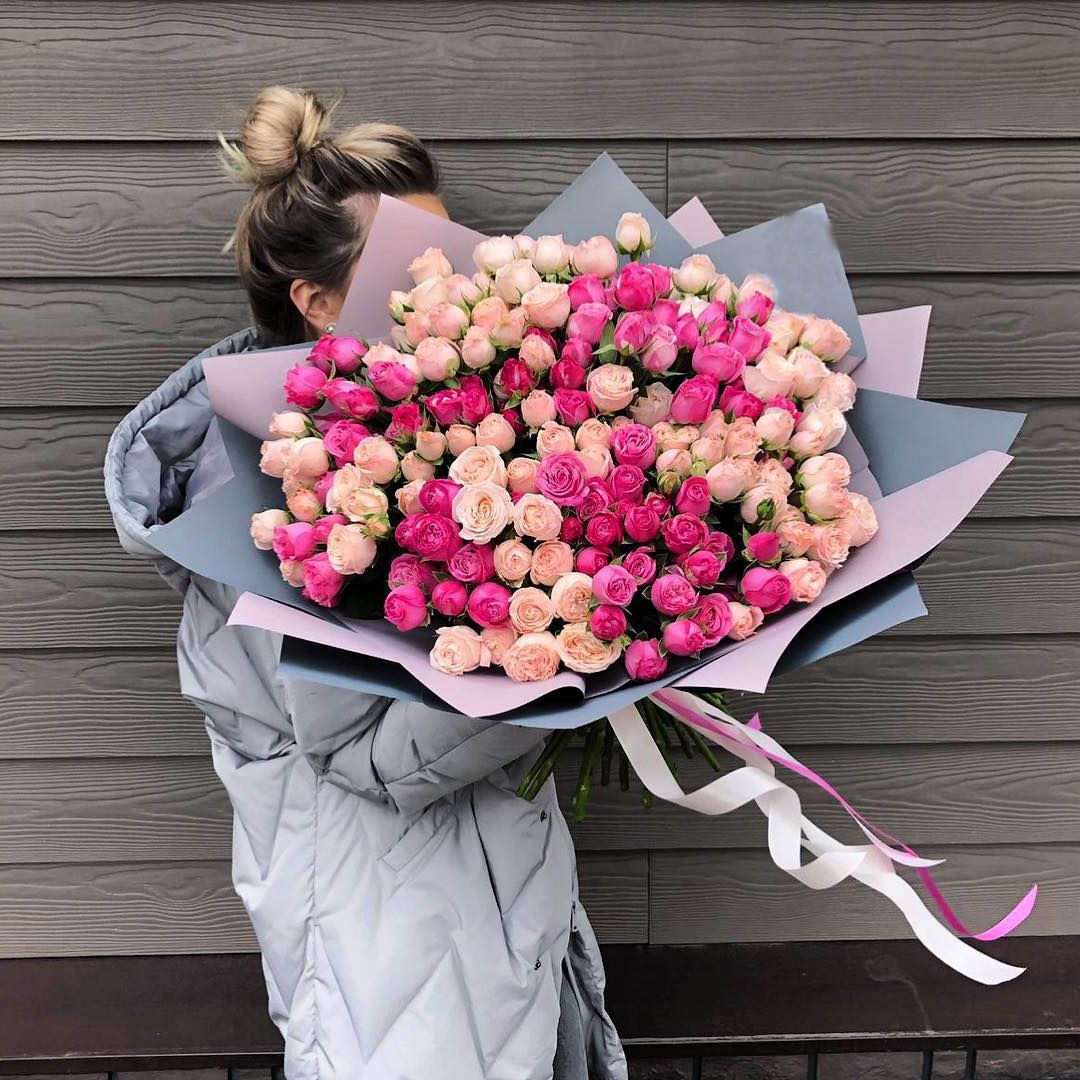
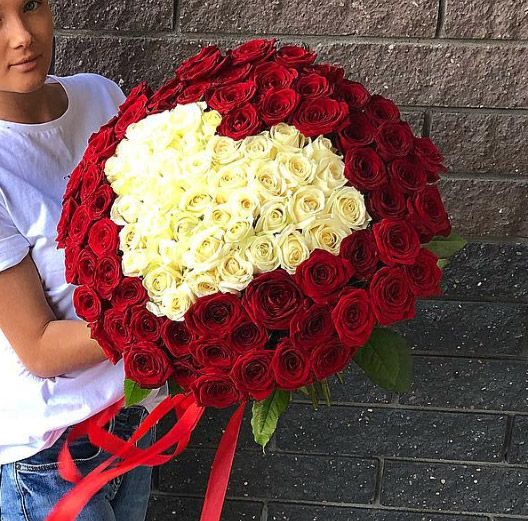
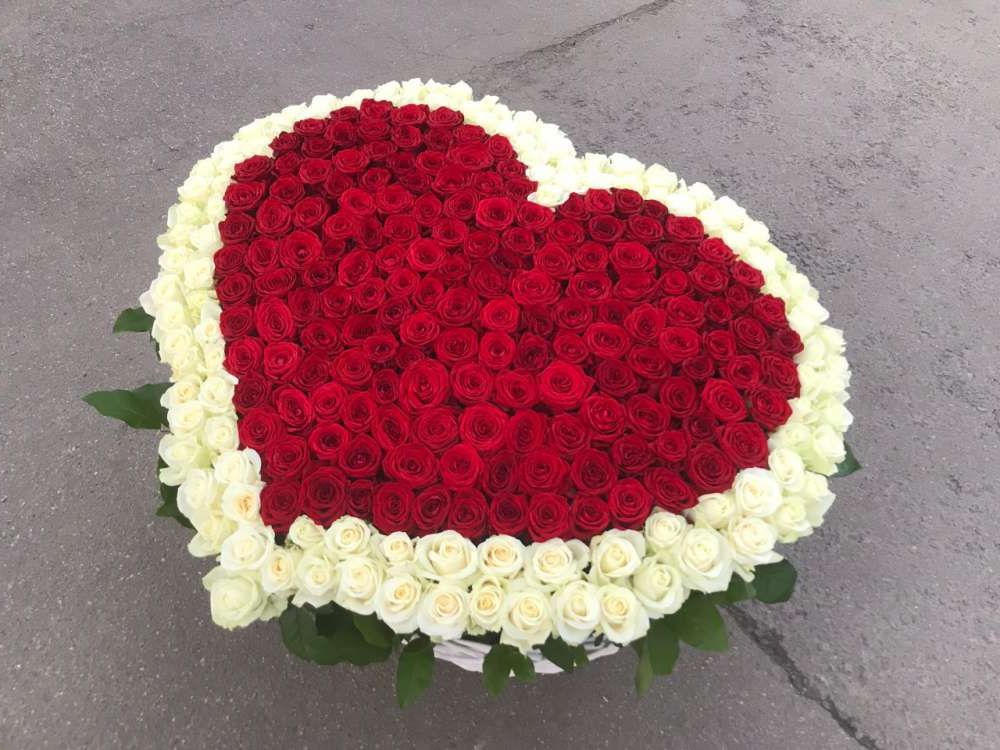
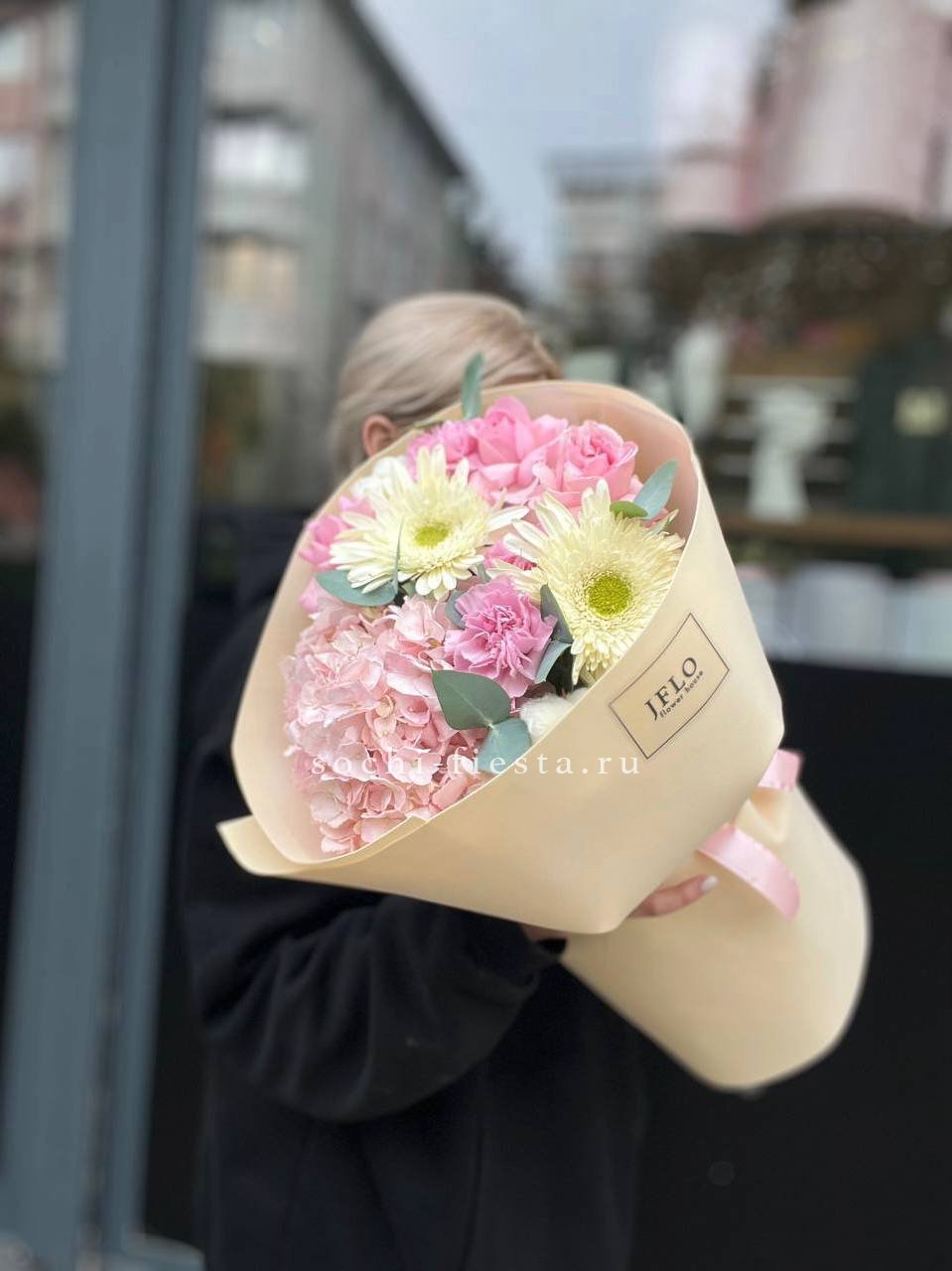
This category covers single-variety bouquets, mixed arrangements, unwrapped market-style bunches, hat boxes and baskets. Larger orders — a dozen, two dozen, or the grand fifty- and hundred-stem statements — suit the steady run of anniversaries and engagements in Boston. Spray roses cover compact everyday gifts, while peony-form garden roses increasingly anchor the wedding work happening everywhere from Beacon Hill to the Seaport.
Which varieties to choose
Almost everything reaching Boston comes from the Andes — large-headed classics and modern garden hybrids, plus longer-stemmed Ecuadorian roses grown at altitude. Here is the working breakdown.
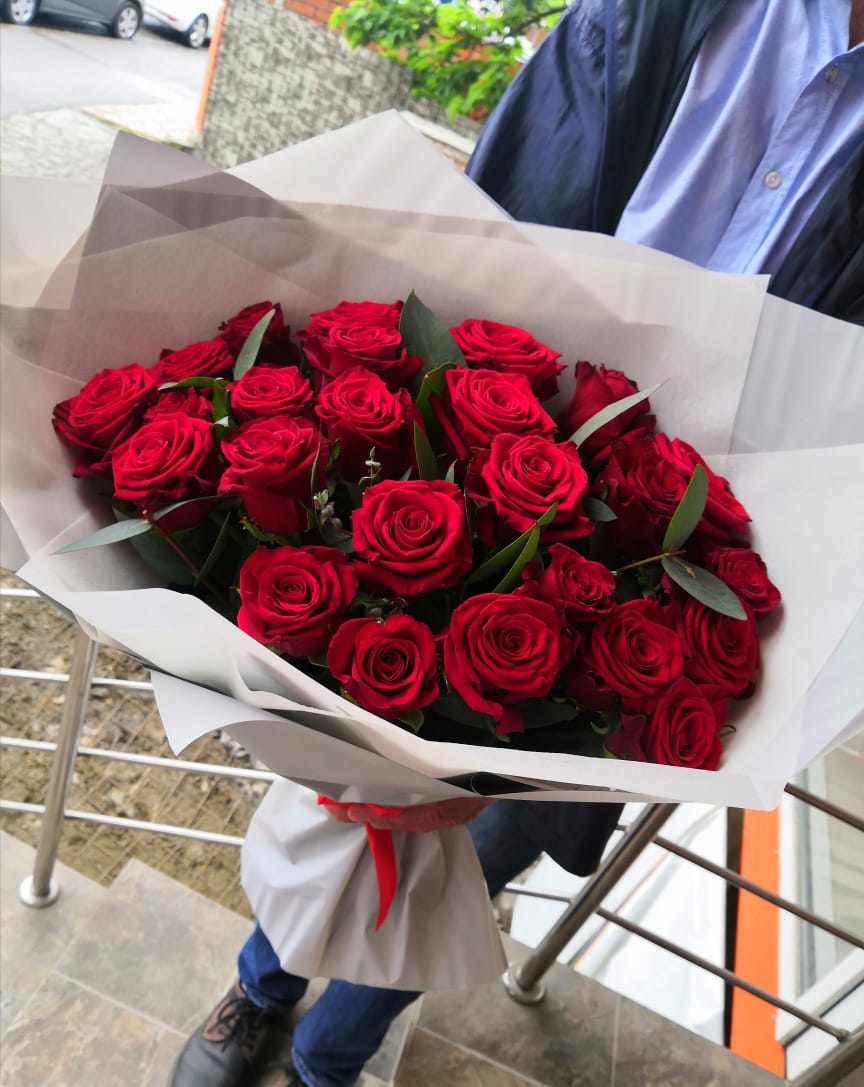
- Freedom, Red Naomi — the red anchors. Freedom is a deep, dependable crimson with a dense head; Red Naomi runs darker and more velvety. Both are the go-to for anniversaries and Valentine's Day.
- Vendela, Mondial, Playa Blanca — white and cream classics. A neutral base for mixed work and the default for Boston's busy wedding calendar.
- Juliet, Kahala, Princess — garden roses with a cupped, ruffled bud and soft scent. Close to a David Austin look without the premium. Ideal for bridal bouquets and milestone birthdays.
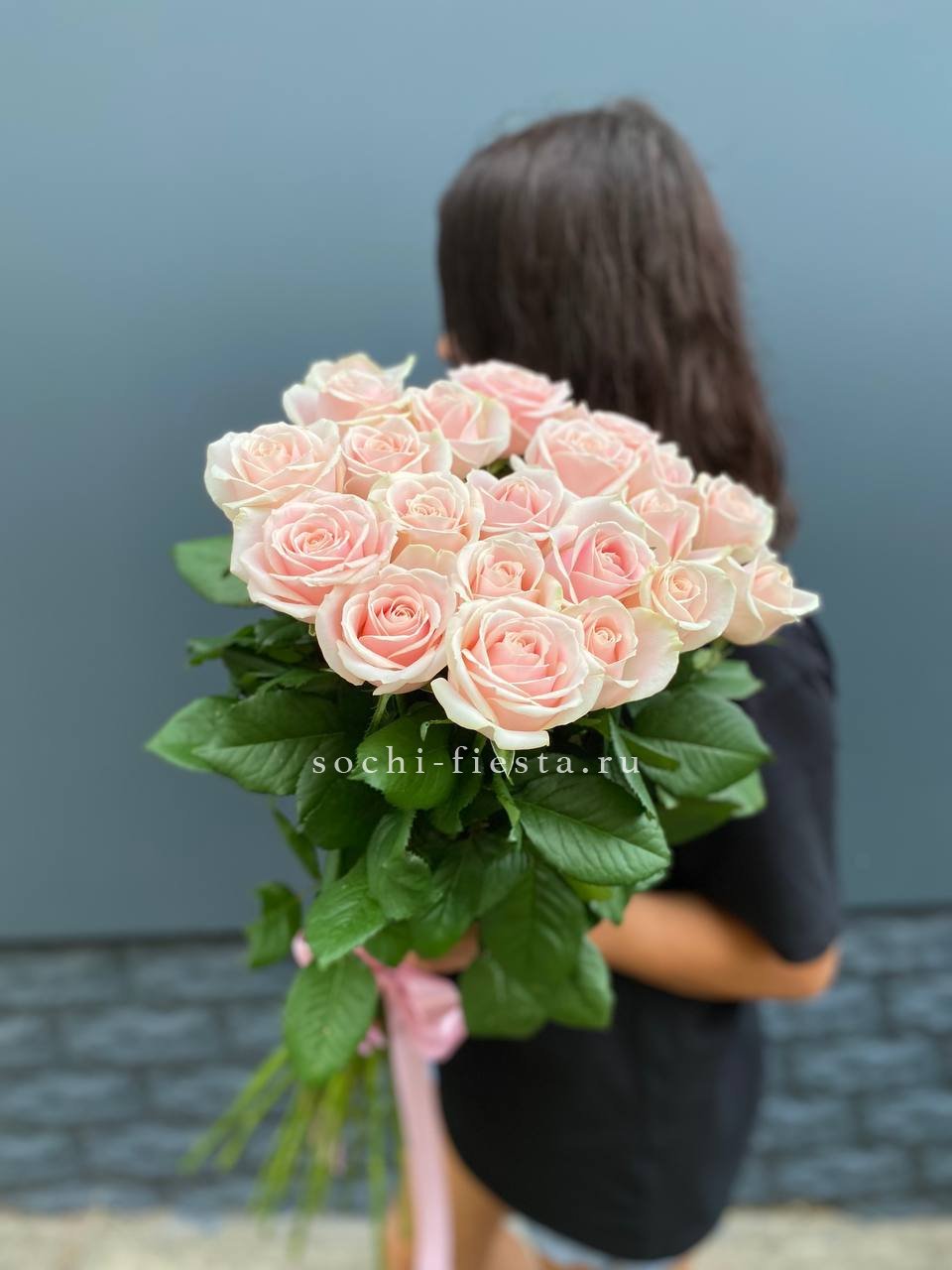
- Nena, Shimmer, Mondial Pink — pink and soft-peach shades that read warm rather than formal. Easy gifts for a friend or a graduation.
- Explorer, Hot Explorer — long-stemmed Ecuadorian reds (60–90 cm) for large display bouquets and corporate gifts.
- Spray roses — several buds per stem, lighter and airier. Good for everyday bunches and as accents in larger arrangements.
Occasions and stem counts
Boston leans classic but not rigid. Red still owns Valentine's Day, but the city's restrained, old-money aesthetic means cream, blush and peach often outsell scarlet the rest of the year. A single stem is a quiet, knowing gesture. A dozen is the standard romantic gift; two dozen says you meant it; fifty or a hundred are saved for engagements, big anniversaries and proposals.
Neighborhood matters. The townhouses of Beacon Hill and Back Bay lean toward soft, tonal arrangements that suit their period interiors, while the lofts of the Seaport and the triple-deckers of Somerville and Jamaica Plain take happily to bolder color. We can match either.
Freshness and logistics
Colombian roses are cut, graded and cold-packed within a day, flown to Miami overnight, and trucked north under refrigeration. From farm to a Boston vase is typically three to five days; cared for well, the roses then last another seven to twelve. The single biggest threat to that timeline is a break in the cold chain — which is why a careful florist keeps the flowers chilled right up to dispatch.
Ecuadorian long-stemmed varieties travel the same air route but command a premium for their extraordinary stem length and bud size, both gifts of the equatorial high-altitude climate. They are worth it for a statement bouquet.
"In Boston the calendar runs the shop. February is all red roses; May and June are weddings and graduations back to back. The smartest customers book their Valentine's and Mother's Day stems a week out — that's when the freshest grades go first."
— Daniel Brennan, florist, 12 years in the trade, Boston
Delivery specifics in Boston
Boston has a humid continental climate with real extremes. Winters run cold — often 20–35 °F (−6 to 2 °C), with nor'easters and weeks of snow from December into March. Summers are warm and humid, 80–90 °F (27–32 °C). That range calls for seasonal care: in winter bouquets travel in insulated sleeves, in high summer with cool packs. Spring and fall are the easy seasons. We cover Beacon Hill, Back Bay, the South End, the North End, Charlestown, the Seaport, Dorchester and Jamaica Plain, plus Cambridge, Somerville and Brookline. Prices are in US dollars ($, USD).
Peak dates to plan around: Valentine's Day (14 February), Mother's Day (second Sunday in May), and the long graduation season (May–June), when a city of roughly a quarter-million college students throws its caps in the air. Order three to five days ahead for these, and allow extra time around rush hour, Marathon Monday and big game days — downtown streets are narrow and slow.
Home care
On arrival, re-cut the stems at an angle — ideally under water — and strip any leaves that would sit below the waterline. Use a clean vase, cool water and a sachet of flower food, and change the water every couple of days.
Boston apartments run hot in winter thanks to old steam radiators, which is hard on roses; keep the vase in the coolest room and well away from the heat. In summer, move it out of direct sun and, on the hottest days, give it a cold spell overnight. Keep roses away from the fruit bowl — apples, bananas and pears give off ethylene, which ages petals fast.
Roses suit almost any occasion in Boston: a birthday, a wedding, a new baby, an apology, an opening night. Message our team and we'll match the variety, color and stem count to your occasion and budget.

