




Mono bouquets in Brooklyn: lilac in May, tulips from December
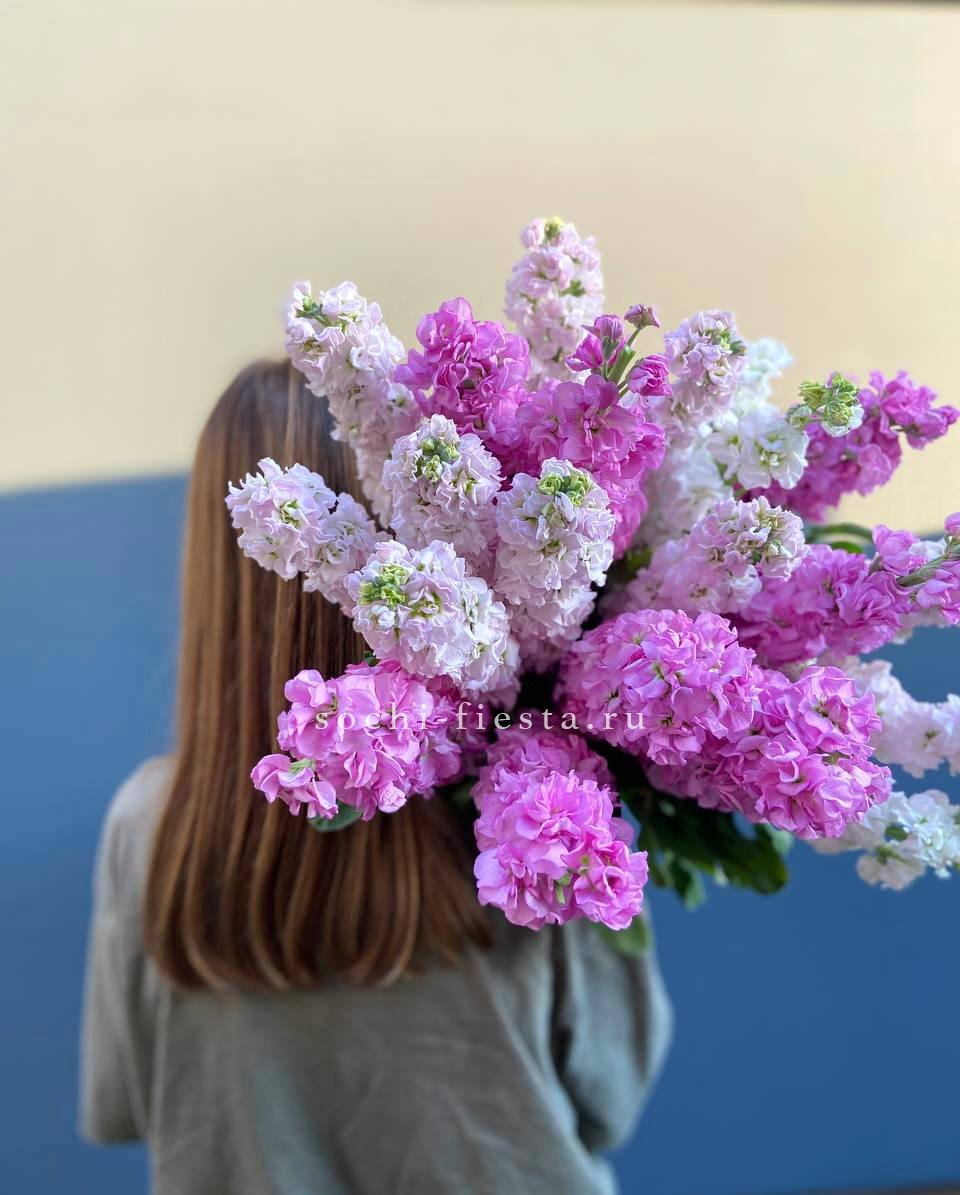
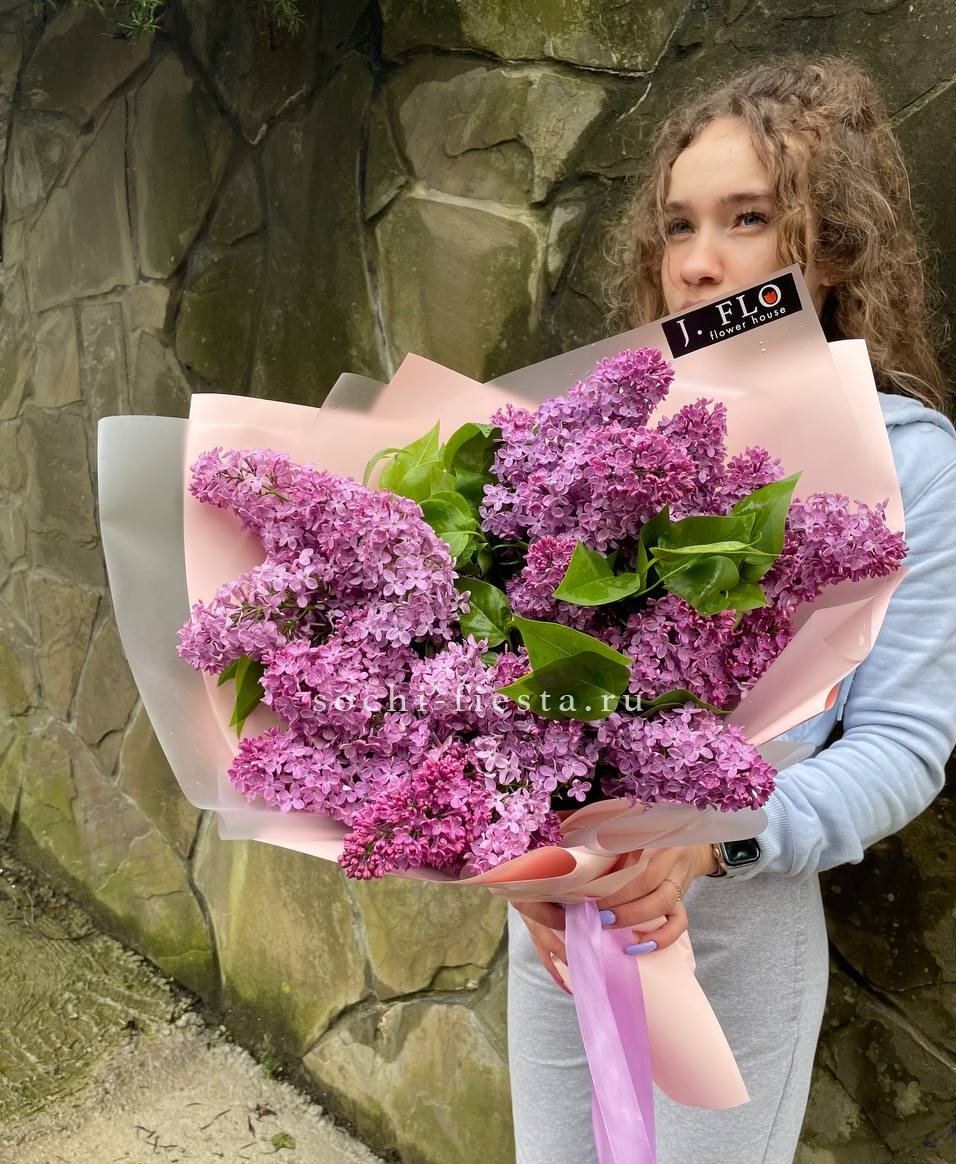
Each spring, lilac flowers at Brooklyn Botanic Garden beside its azaleas and the cherries of the Cherry Esplanade, and cut lilac, a flower of May, is one of the mono bouquets in Brooklyn built from a single variety. A mono bouquet holds one kind of flower, so the choice starts with the month and only then with the colour.
Tulips for a Brooklyn winter, forced under Dutch glass
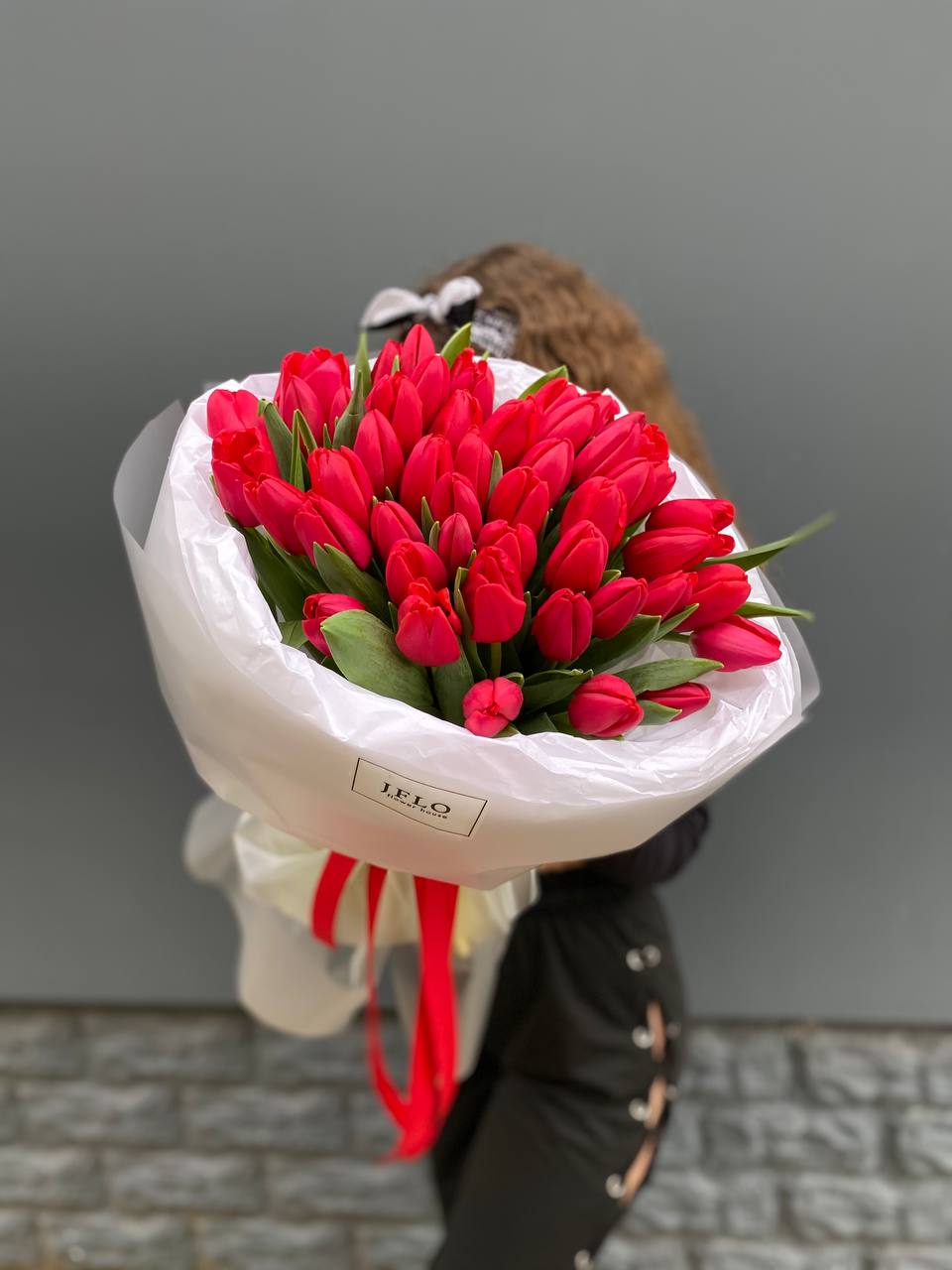
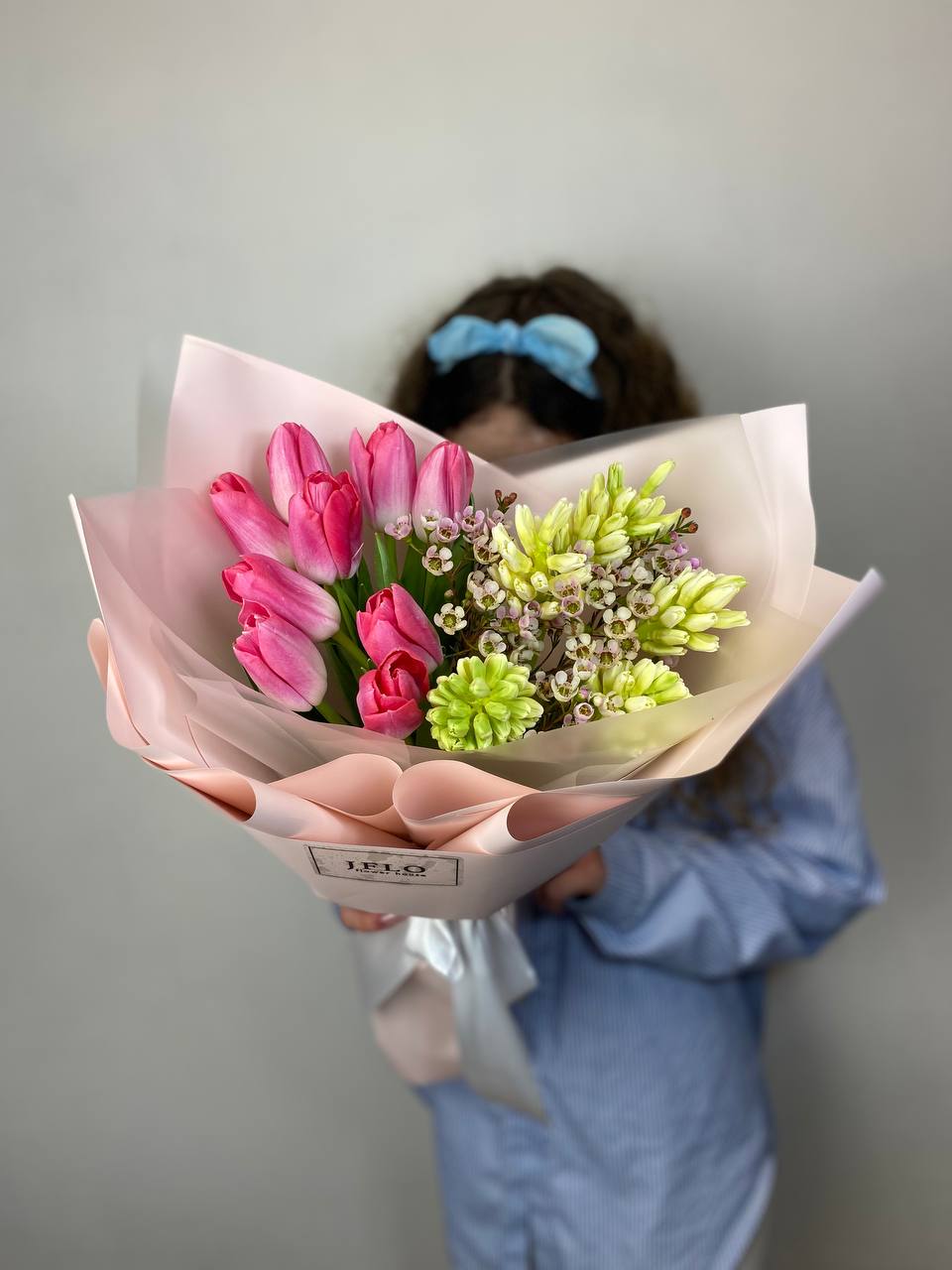
Most cut tulips sold here are greenhouse flowers. Dutch bulbs go through an artificial winter in cold storage, then florists force them under glass, and the cut runs from December to May, covering Brooklyn's coldest stretch. A single-variety bunch of tulips is available throughout those months.
Kept to one colour, a bunch of tulips reads as a single block: a deep red, a soft coral or a plain white, with nothing else competing for the eye. That simplicity is the point of a mono bouquet.
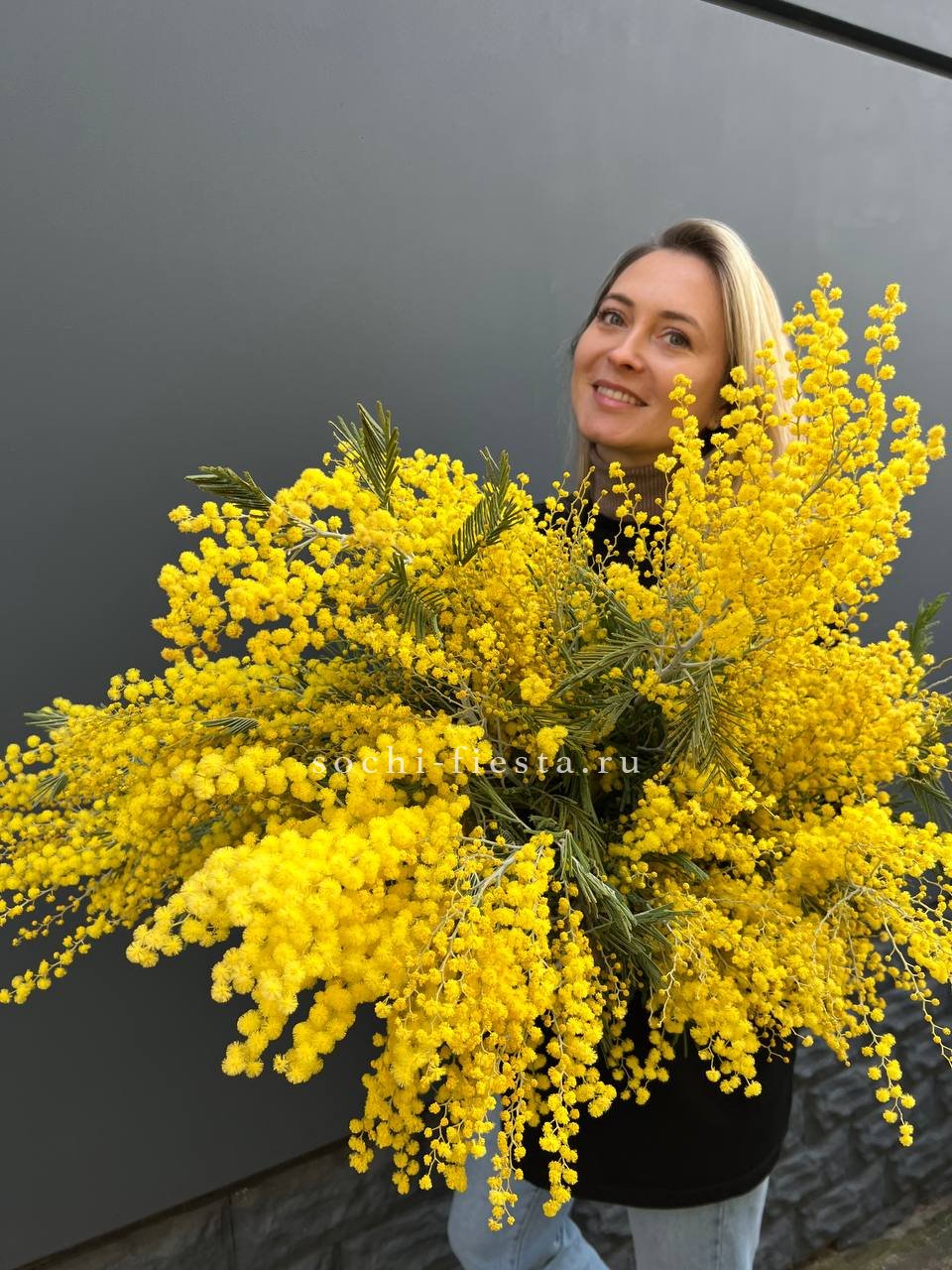
In early March, Russian-speaking recipients mark International Women's Day, and tulips are the flower most often given for it, even though the date is not a public holiday in the United States. Brighton Beach, known as Little Odessa, holds the largest concentration of Russian-speaking immigrants anywhere in the country. Mimosa, in flower from January to March, is the other traditional choice for the day. Through winter a bunch is best carried wrapped from door to door, and what a Brooklyn winter asks of a bouquet is worth a look before you order.

Lilac, hyacinth and narcissus in the Botanic Garden's weeks
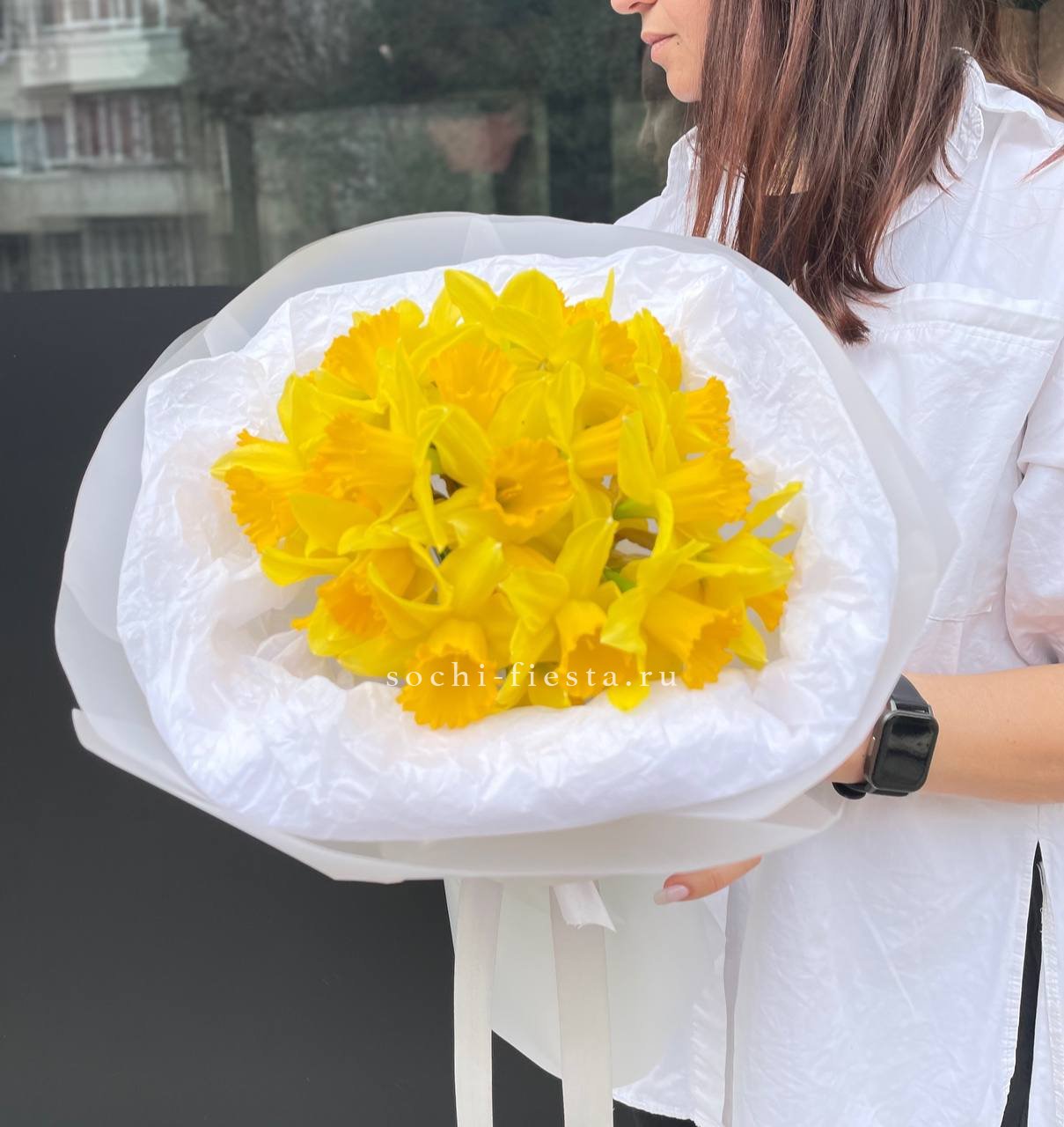
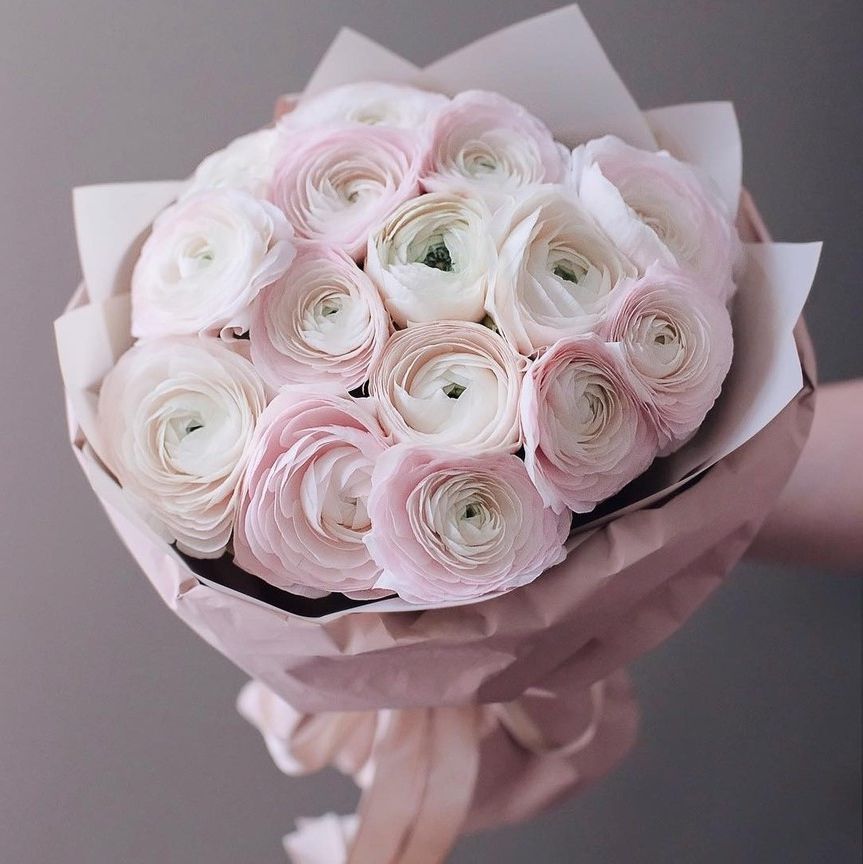
By April more than two hundred cherry trees are in flower along the Cherry Esplanade, and lilac and azaleas open around the same weeks elsewhere in the garden. Lilac itself belongs to May: it follows the bulbs that open spring cutting, tulip, narcissus and hyacinth, along with ranunculus.
That sequence has a practical side. A lilac mono bouquet is a seasonal order, not a year-round one, so May is worth planning for ahead of time rather than deciding on the day. Hyacinth and narcissus, each with its own place among the mono bouquets, belong to the same spring stretch; past that, their season is the useful fact, not any claim about how long they last.
One point is worth knowing before you choose a narcissus bunch: narcissus sap shortens the life of other flowers sharing its water, which matters in a mixed vase but not at all in a mono bouquet, where narcissus stands in its own water regardless.

Summer hydrangea, then chrysanthemums for the rest of the year
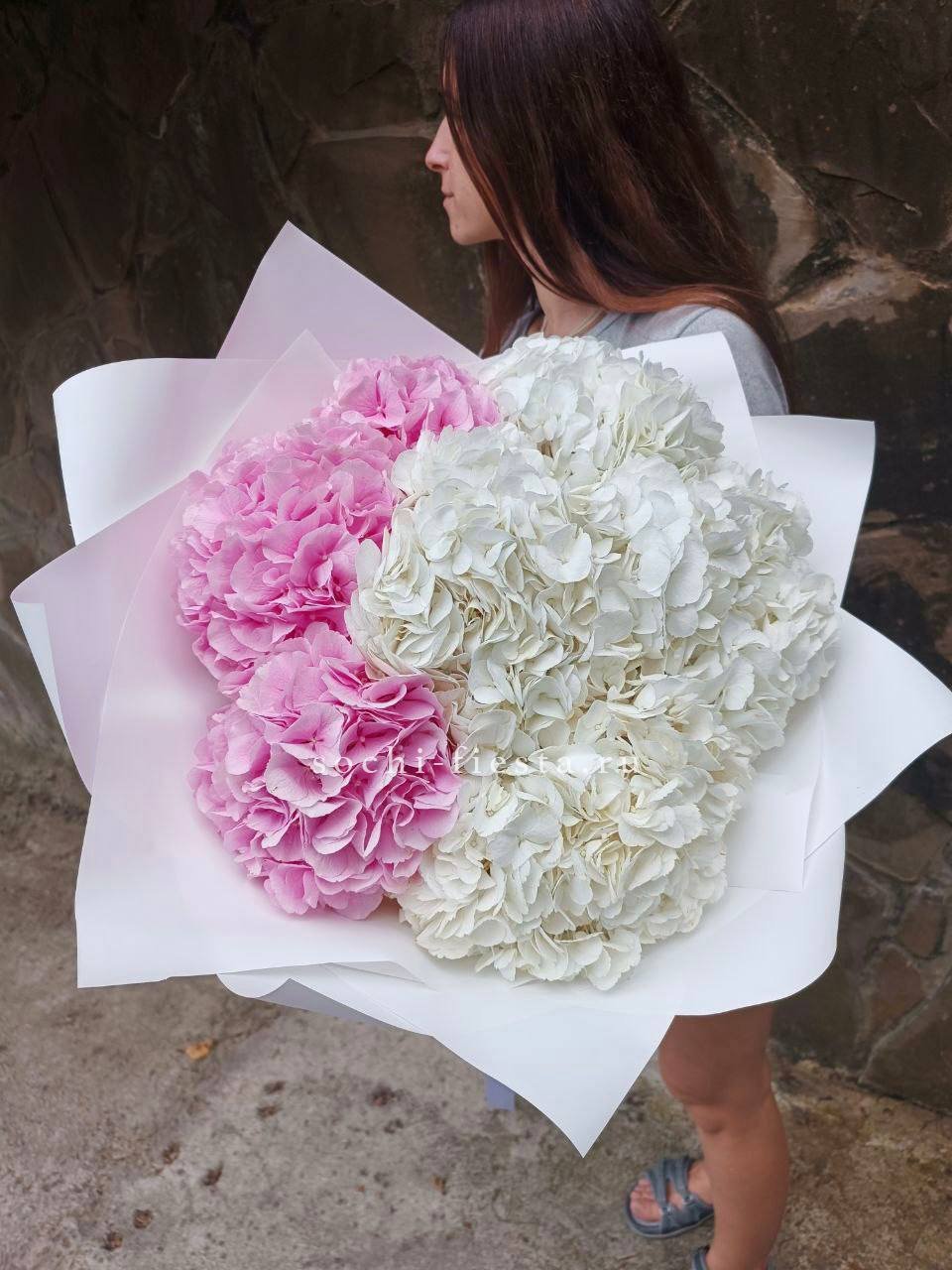
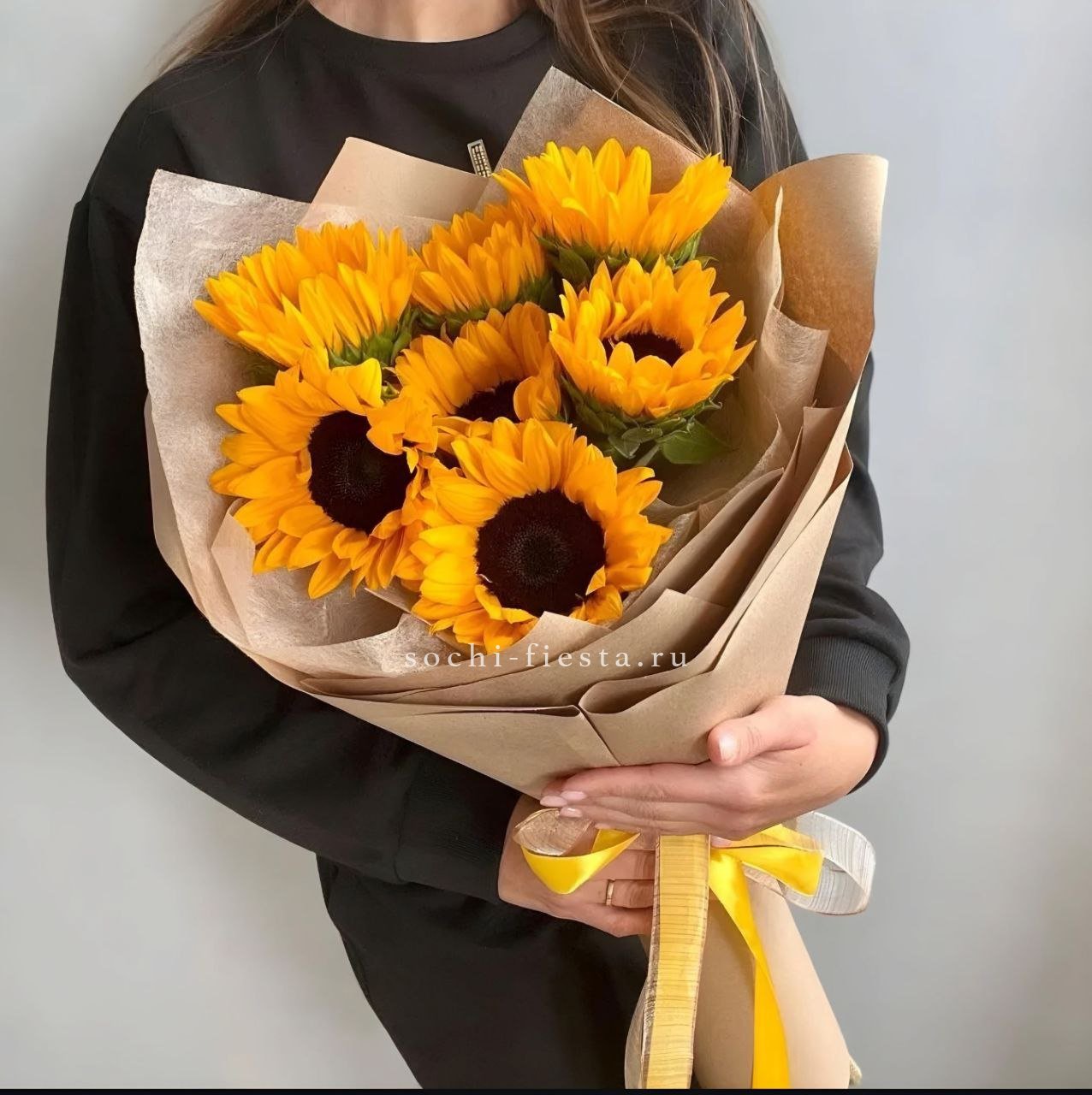
Peony opens the summer, followed by hydrangea and sunflower; dahlia and chrysanthemum take over as summer turns to autumn. A hydrangea head is large enough that a handful of stems already makes a full bunch, which is part of why a hydrangea mono bouquet looks so generous for its size.
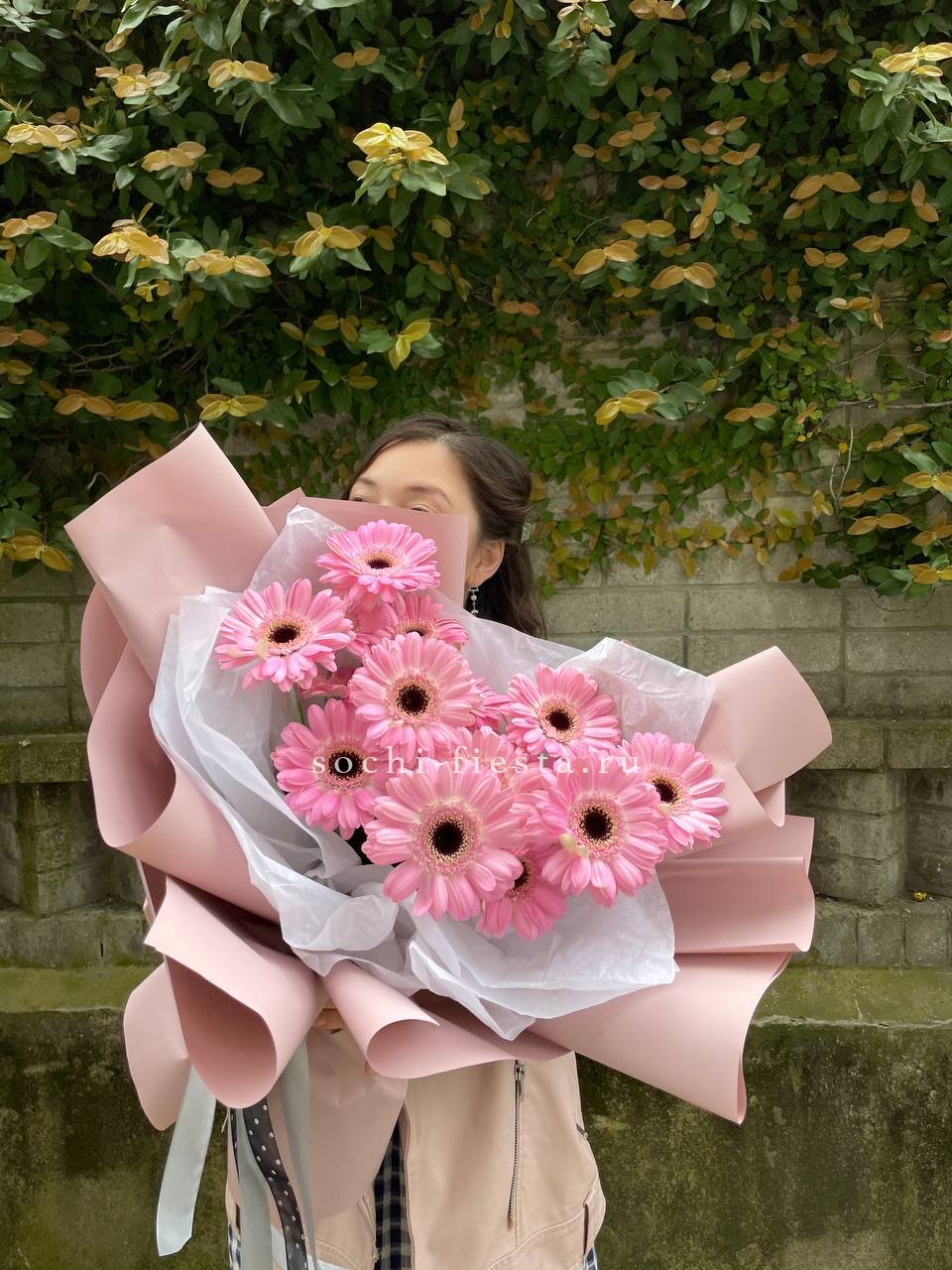
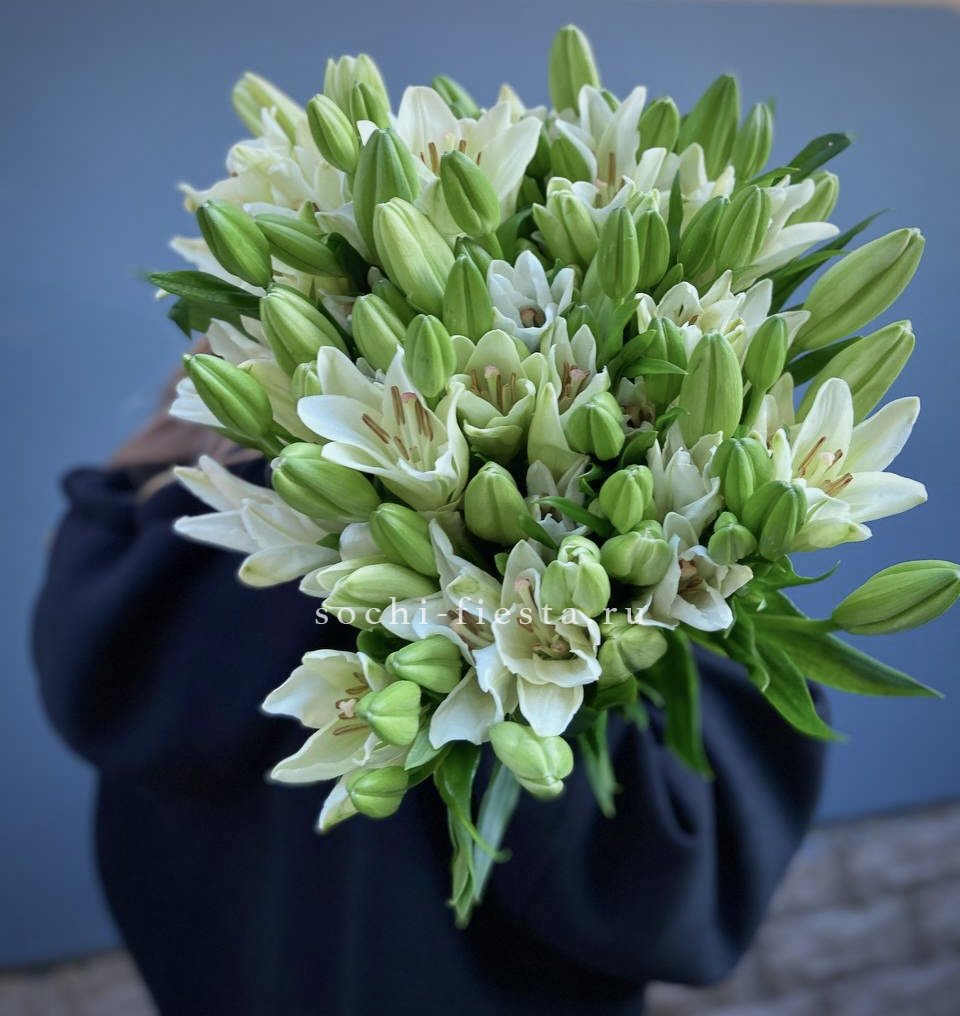
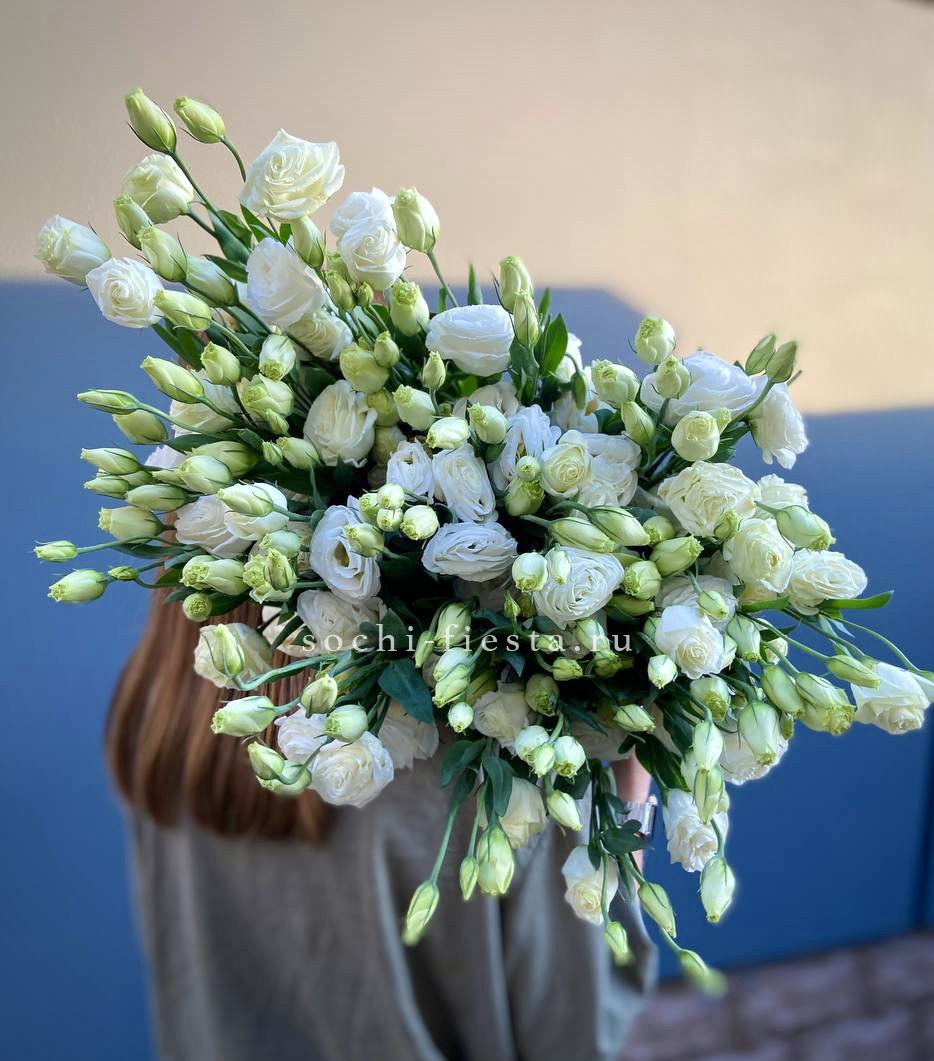
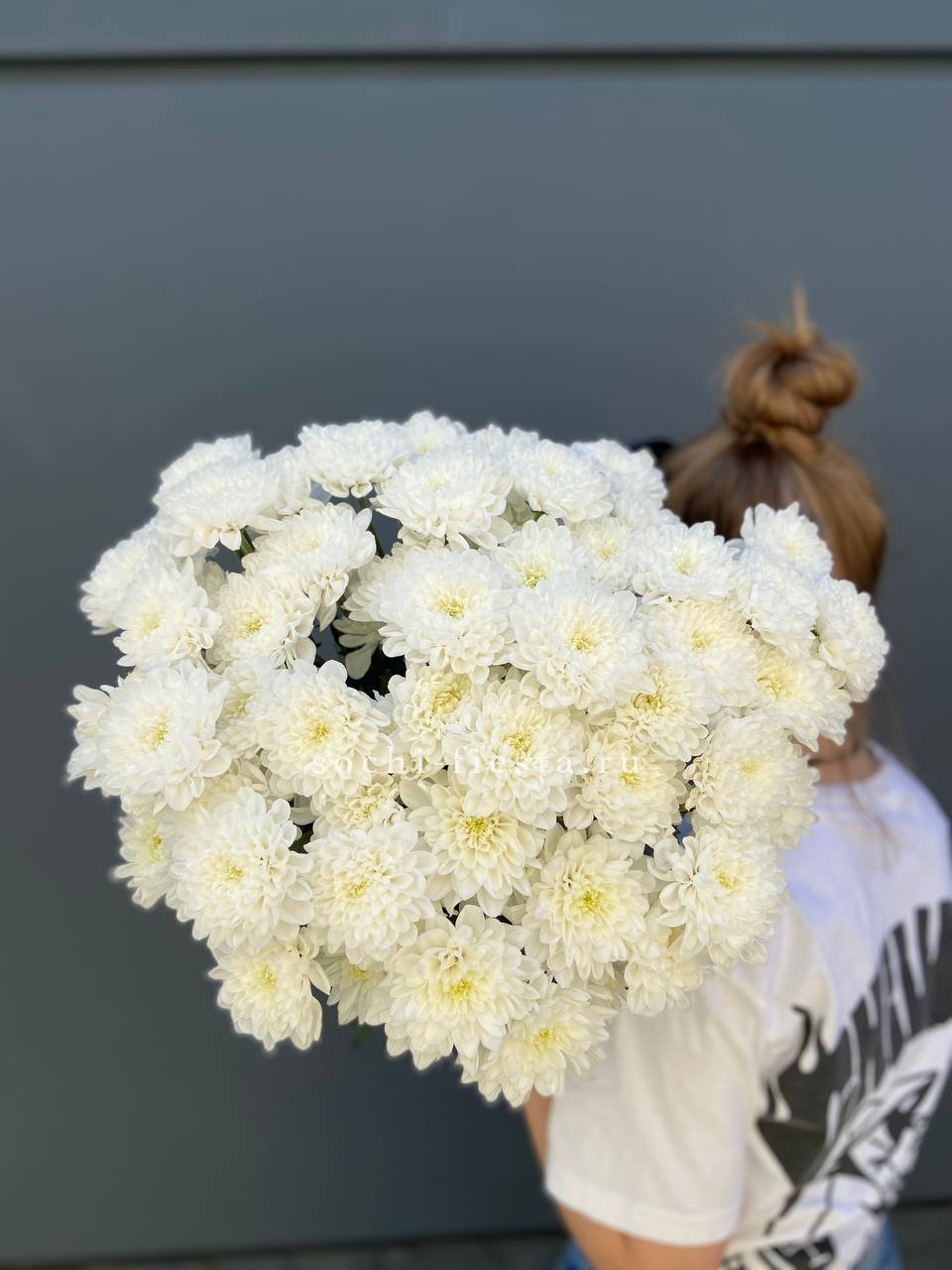
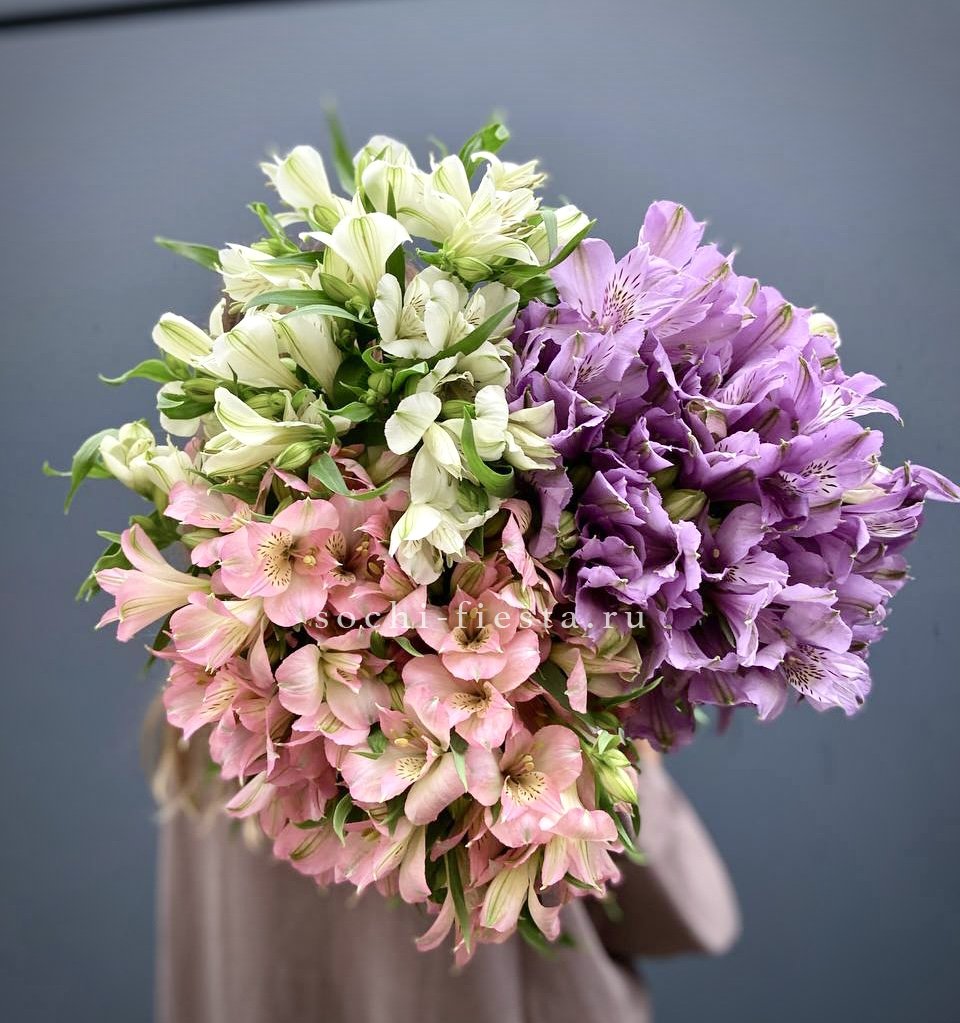
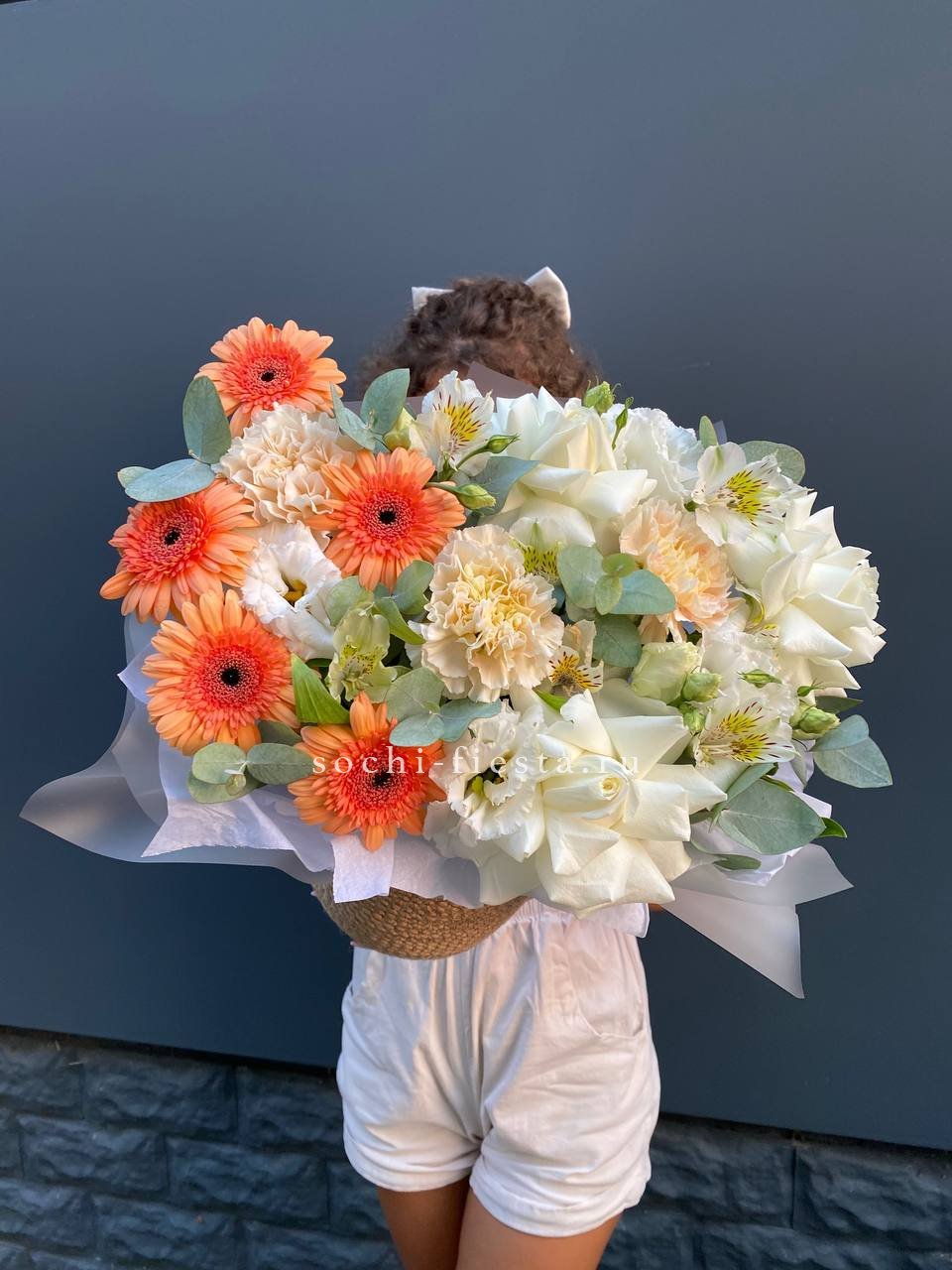
Past that run of seasonal flowers, chrysanthemums, gerbera, alstroemeria, lily, lisianthus and dianthus are greenhouse flowers, grown under cover and available to order in any month. They are the ones to reach for when the calendar offers nothing else in season.
Almost four-fifths of the cut flowers sold in the United States are imported, more than half of that from Colombia and about a quarter from Ecuador, and almost nine in ten imported stems clear customs through Miami. California accounts for most of the flowers the country grows itself. None of that changes what is in season in Brooklyn in a given month, but it explains why a greenhouse variety is reliably there.
Mono bouquet delivery in Brooklyn is free in the centre, and the rest of the borough is charged by zone; the delivery zones page lists them. A florist photographs the finished bouquet before the courier sets off, and most orders are delivered on the day they are placed, with the exact timing shown on the bouquet's own page. For a first choice among the mono bouquets, tulips suit the colder months, lilac is the one to book ahead for May, and chrysanthemums cover whatever month falls in between.