




720x720_q85.jpg?v=1787130511)


_e58557720x720_q85.jpg?v=1787130512)


720x720_q85.jpg?v=1787130516)
720x720_q85.jpg?v=1787130516)
_0406c4720x720_q85.jpg?v=1787130516)
Rose Delivery in Hamburg: Dutch Varieties, Port Freshness and the Romance of HafenCity
Hamburg is Germany's largest port city and one of the key flower distribution hubs in Northern Europe. Refrigerated trucks from the Netherlands cross into Germany via Rotterdam and the A1 motorway — a journey of seven to eight hours. Roses cut yesterday morning at the Aalsmeer auction in Amsterdam arrive at Hamburg's wholesale flower market by early the next day. In practical terms, that supply chain puts Hamburg on par with Berlin for freshness, and well ahead of cities that rely on slower inland logistics.
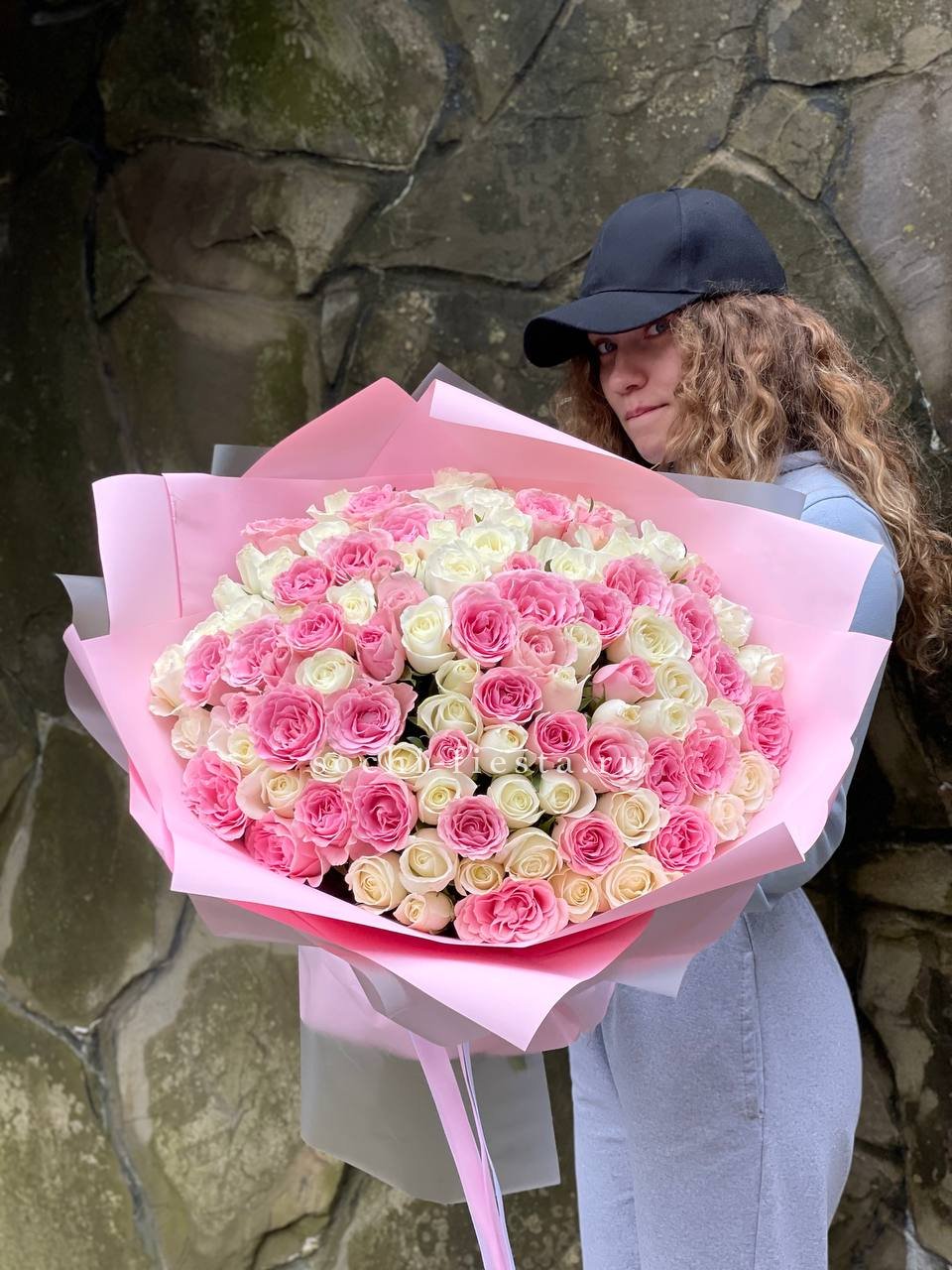
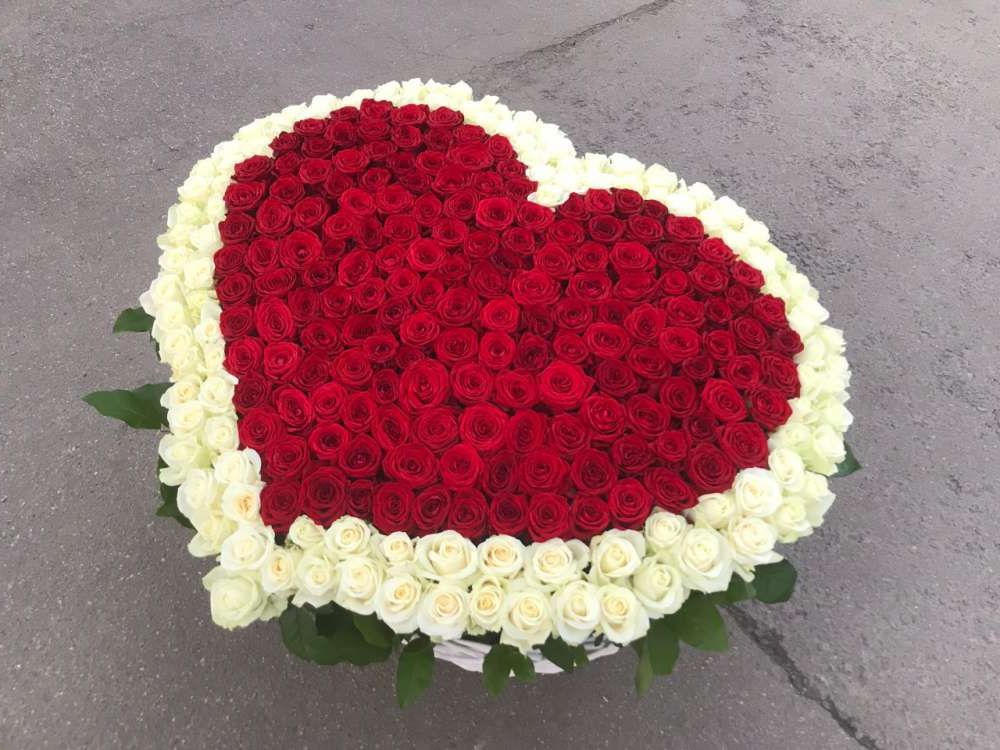
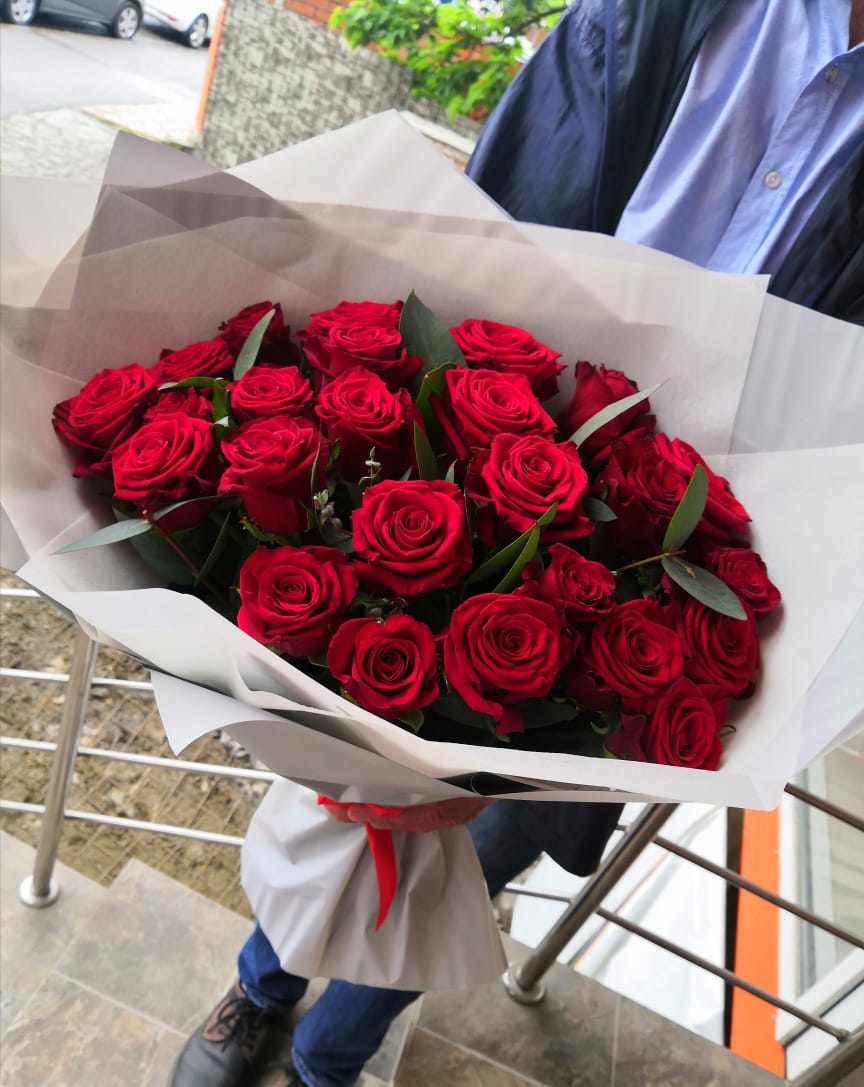
This category brings together single-variety bouquets, mixed arrangements, gift boxes and large statement bundles of 25, 51 and 101 stems. Suitable for birthdays, anniversaries, corporate gifting and the kind of spontaneous gesture that needs no explanation. Hamburg buyers show particular interest in large-headed Ecuadorian varieties for business gifts and peony-shaped garden roses for weddings in Blankenese mansions or evening events at the Elbphilharmonie.
Which Varieties to Choose
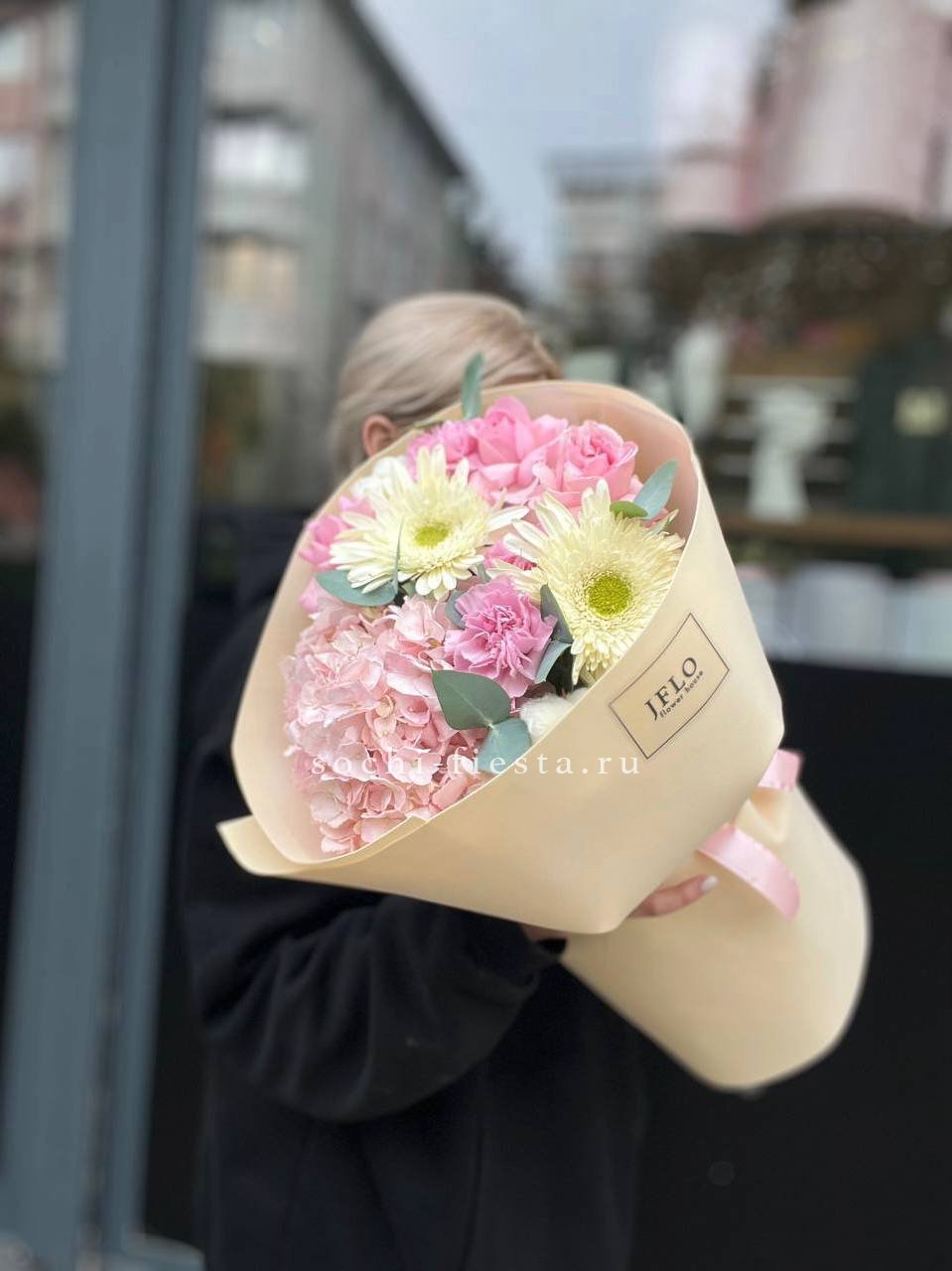
The catalogue is built around three groups: large-headed Ecuadorian, classic Dutch and garden-style peony roses. Each group serves a different purpose — from milestone bouquets to intimate romantic gestures.
- Freedom — deep red, 70–80 cm stem, compact bud 7–8 cm across, vase life 12–14 days. The go-to choice for Valentine's Day and anniversaries.
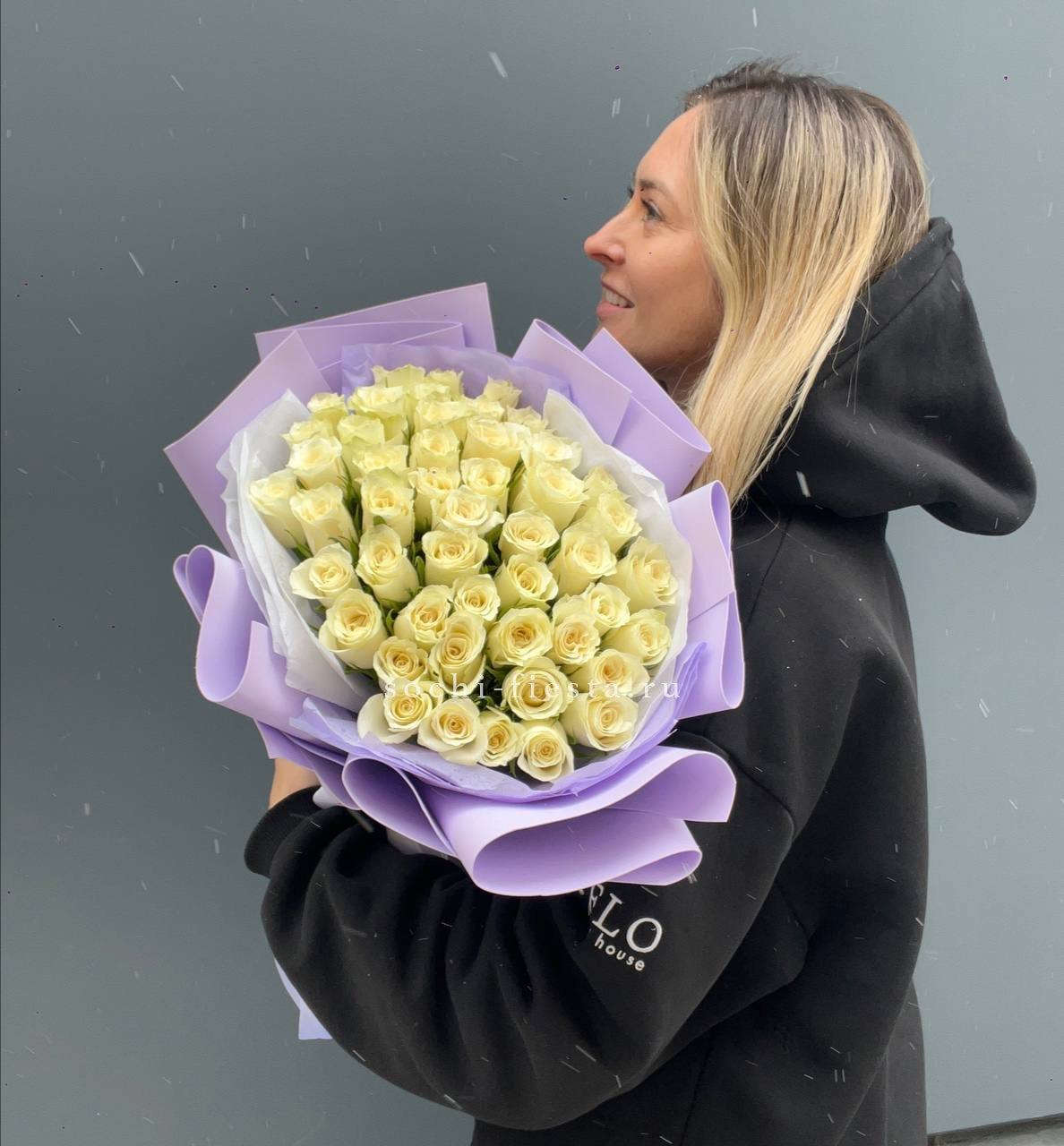
- Avalanche+ — soft white Dutch classic, works with any colour scheme. A favourite for corporate gift boxes and neutral arrangements.
- Red Naomi — velvety bordeaux-red, denser petals than Freedom, subtler scent. Popular with florists in Altona and Eimsbüttel.
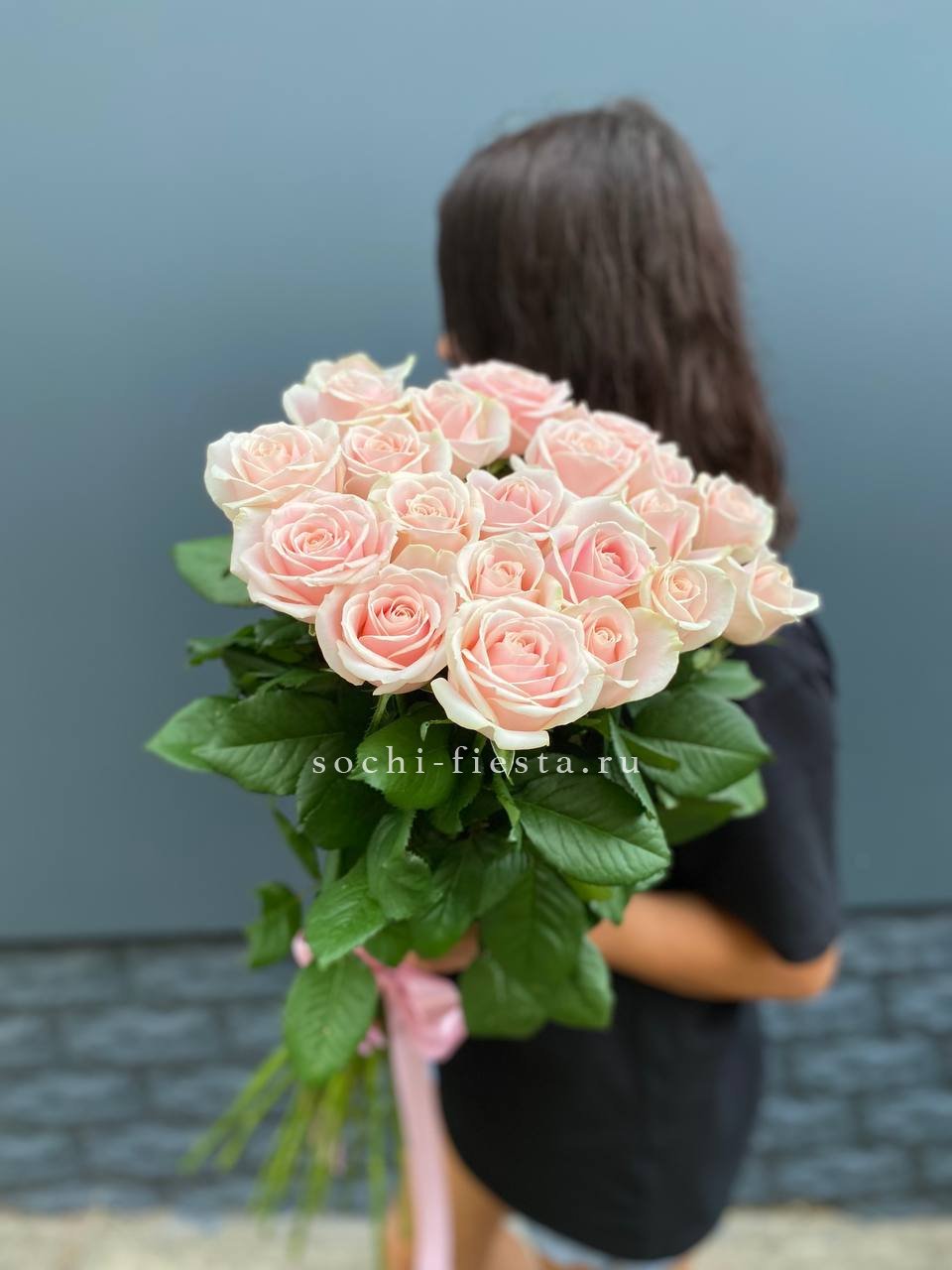
- Mondial — creamy blush, rounded cup-shaped bud, an understated romantic option that suits mixed bouquets equally well.
- Juliet (David Austin) — peony-shaped, peachy apricot, fruity fragrance. The most requested variety for bridal bouquets in Hamburg. Seasonal availability, handle with care.
- Spray roses — multiple buds per stem, light and airy, ideal for filling out arrangements or as a low-key standalone gift.
Occasions and Stem Count
A single stem is an understatement that says a great deal. Three is a friendly thank-you. Seven or nine reads as romantic without being overwhelming. Twenty-five makes a statement at a birthday. Fifty-one and 101 are reserved for anniversaries, proposals and landmark celebrations.
Hamburg has strong seasonal peaks in flower demand: Easter (Ostern), Mother's Day (second Sunday in May, Muttertag), Christmas (Weihnachten), Valentine's Day and the three annual rounds of the Hamburger Dom folk festival on the Heiligengeistfeld. During the Dom, the city is in a festive mood and orders arrive in clusters — place yours two to three days ahead.
Freshness and Logistics
Dutch roses from the Aalsmeer auction reach Hamburg in seven to eight hours by refrigerated truck along the A1. Some suppliers route via Rotterdam, shaving the journey to around six hours. At the Hamburg wholesale market the batch goes through temperature checks before distribution to florists' cold rooms. From cut to recipient in Winterhude or Eppendorf: two to three days total.
Ecuadorian varieties — Freedom and other large-headed roses — fly in through Frankfurt or Amsterdam, taking four to six days from plantation to Hamburg. Grown at altitude above 2,800 m, they compensate for the longer journey with an impressively extended vase life of 12–14 days when cared for correctly. We track cold chain temperature at every handoff: wholesale warehouse, florist workroom and courier vehicle.
"Hamburg buyers pay attention to how a bouquet is wrapped — more so than in most German cities. It's a port city: people are used to evaluating goods carefully. A crushed petal or a careless cut gets noticed immediately. That's why every stem goes through water before trimming and every bud is checked before it goes into the box."
— Anna Krüger, floral technologist, Hamburg, 10 years in the industry
Delivery Specifics in Hamburg
Hamburg sits in a maritime-continental climate zone strongly influenced by the North Sea and the nearby Wadden Sea. Winters are mild and damp — temperatures hover between −2 and +5 °C from November through March, with frequent fog and drizzle rolling in from the coast. Summers are pleasant but rarely hot: +18 to +22 °C, and rain can arrive in July just as easily as in November. For deliveries this means thermal packaging in winter and careful vehicle management in summer to avoid heat build-up in closed courier cars.
We deliver across all central and outlying districts: HafenCity, Altona, Eimsbüttel, Eppendorf, Blankenese, Winterhude, Barmbek, Harburg, St. Pauli and Rotherbaum. Prices in the catalogue are in euros (€, EUR). Payment by card online or on delivery. For Muttertag, Ostern, Weihnachten and Valentine's Day we scale up capacity — order two to three days in advance, and a full week ahead for Valentine's Day.
Home Care
As soon as the bouquet arrives, re-cut the stems at a 45° angle under running water to prevent air from entering the vascular tissue. Strip leaves below the waterline, place in a clean vase with cool water. Change the water every two days; add a sachet of Chrysal or a pinch of sugar with a few drops of lemon juice. Keep the bouquet away from radiators, direct sunlight and ripening fruit — ethylene from a nearby apple or banana shortens vase life by up to a third.
Hamburg's older apartments in Eimsbüttel and Eppendorf tend to run warm and dry in winter. In these conditions roses last noticeably longer in a bedroom or hallway than in a kitchen next to the stove. In summer, when room temperature climbs above 24 °C, place the vase in the coolest spot available and move it to the fridge overnight — this reliably adds two to three extra days of bloom.

