
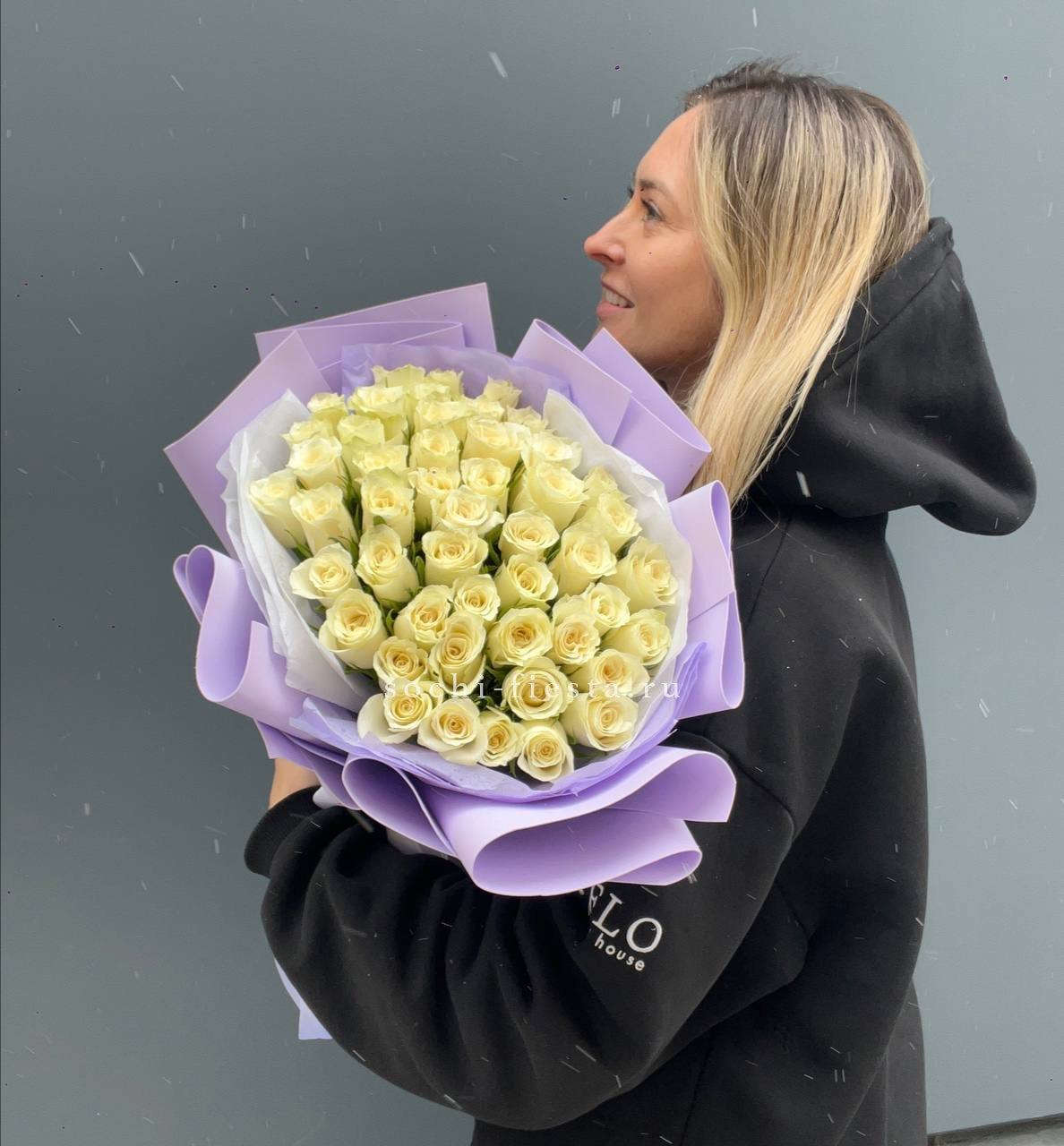
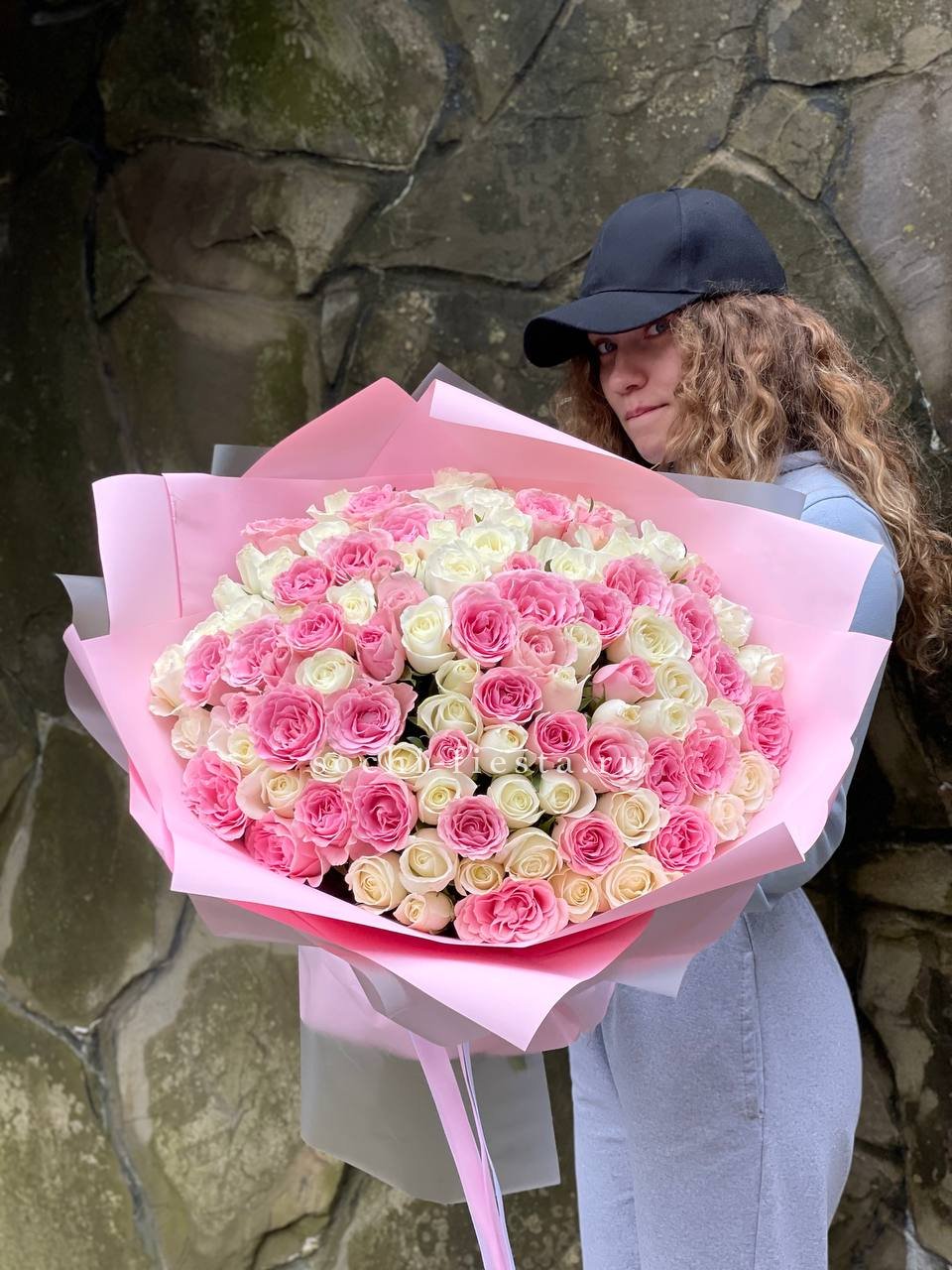
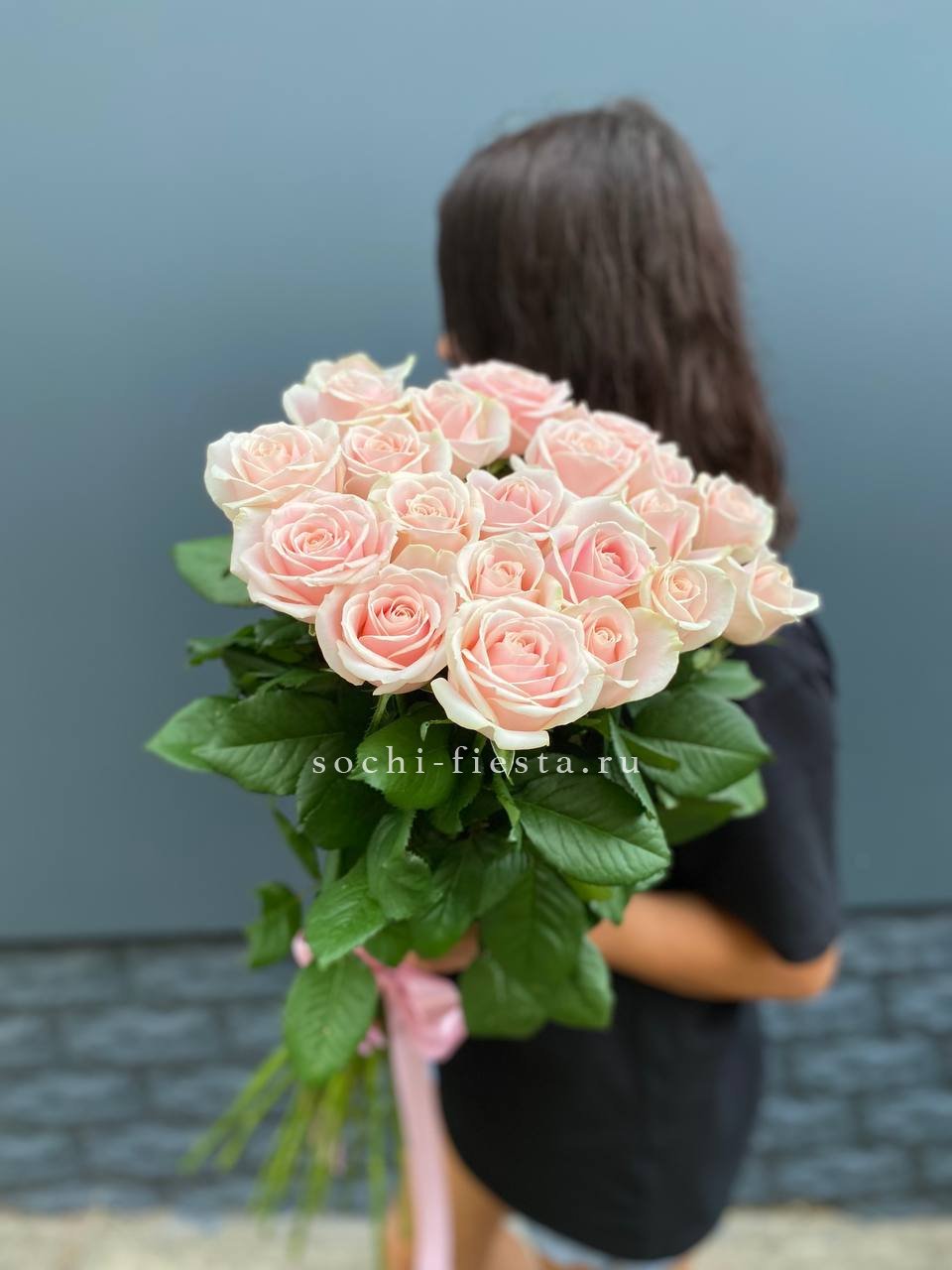
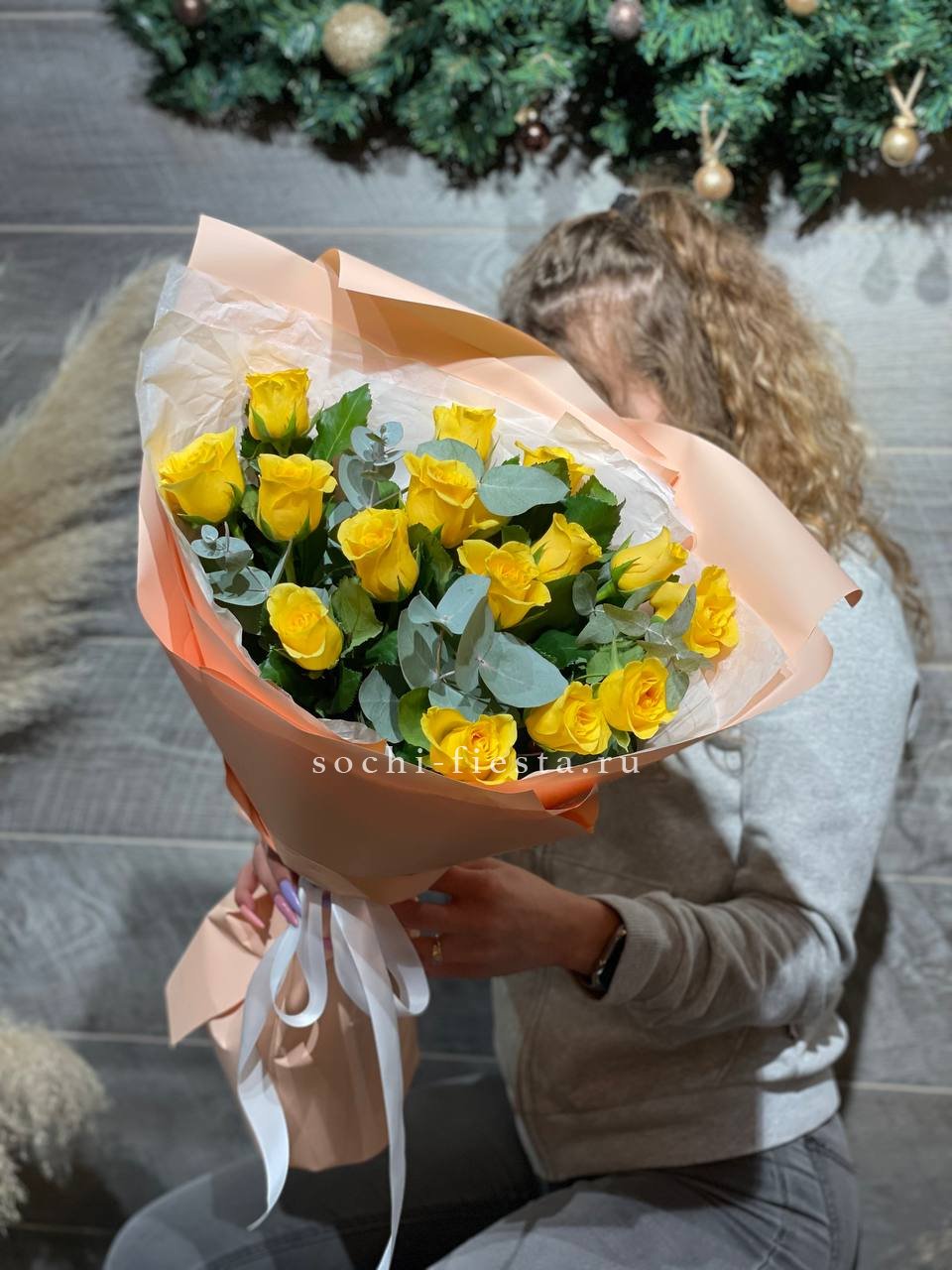


720x720_q85.jpg?v=1787130511)


_e58557720x720_q85.jpg?v=1787130512)


720x720_q85.jpg?v=1787130516)
720x720_q85.jpg?v=1787130516)
_0406c4720x720_q85.jpg?v=1787130516)
Roses with delivery in Hong Kong: varieties, Hong Kong occasions, and freshness from the Mong Kok market
Hong Kong lives vertically and fast, but it pays close attention to flowers. Chinese tradition meets an international palate here: for some, a rose signals luck and prosperity; for others, it's a European romantic gesture. Buyers study the bud's freshness, the firmness of the stem, and a colour that mustn't clash with the meaning of the occasion. We built the catalogue with that double perspective in mind.
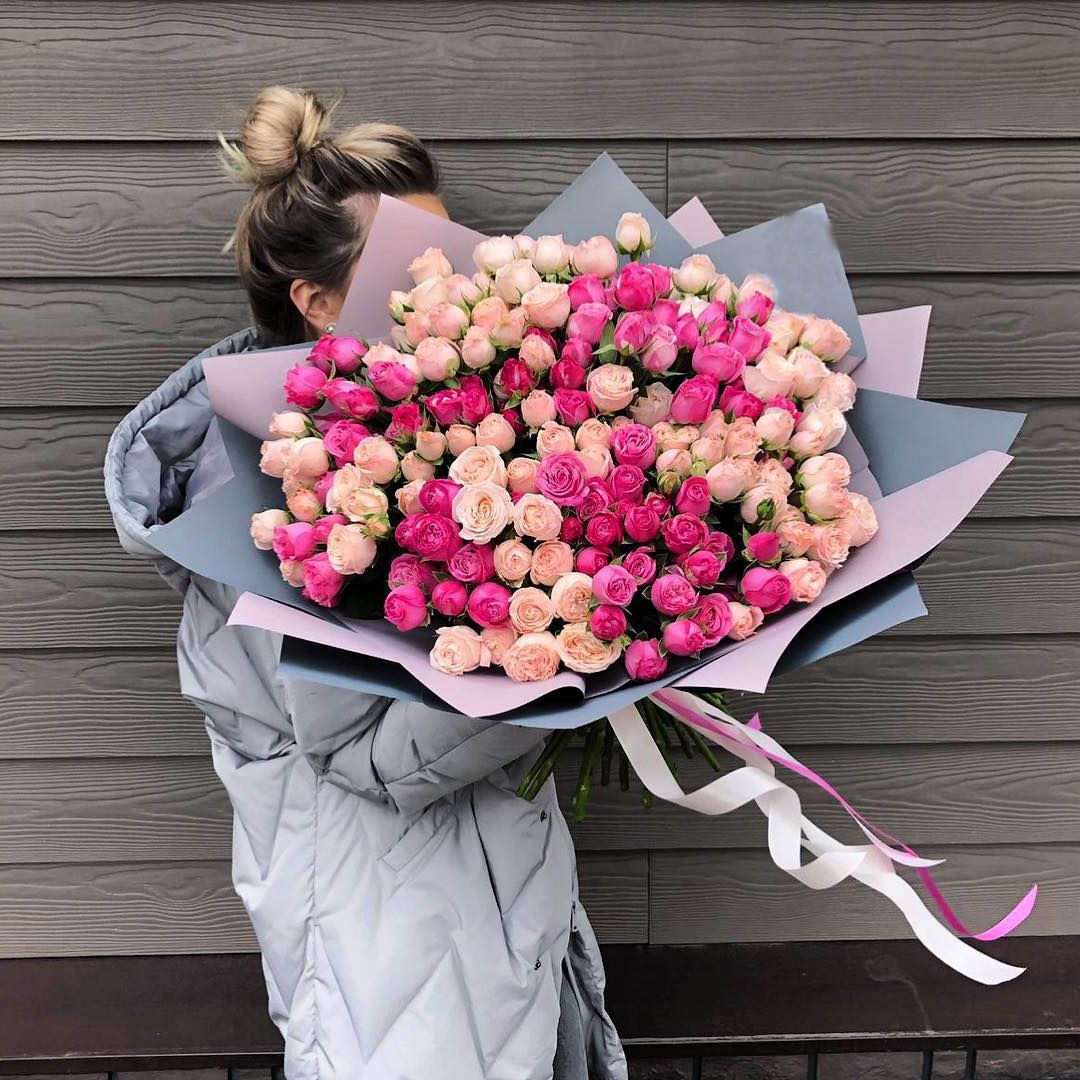
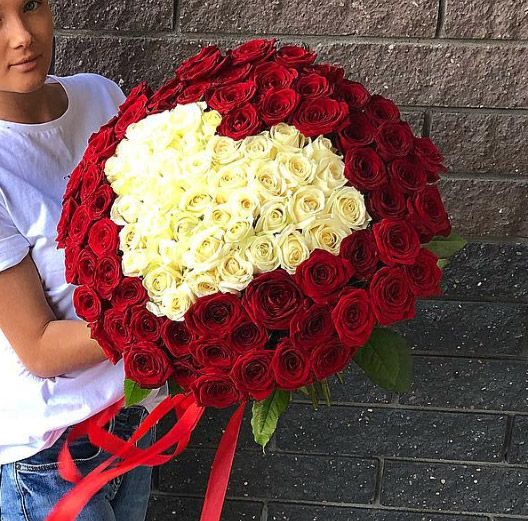
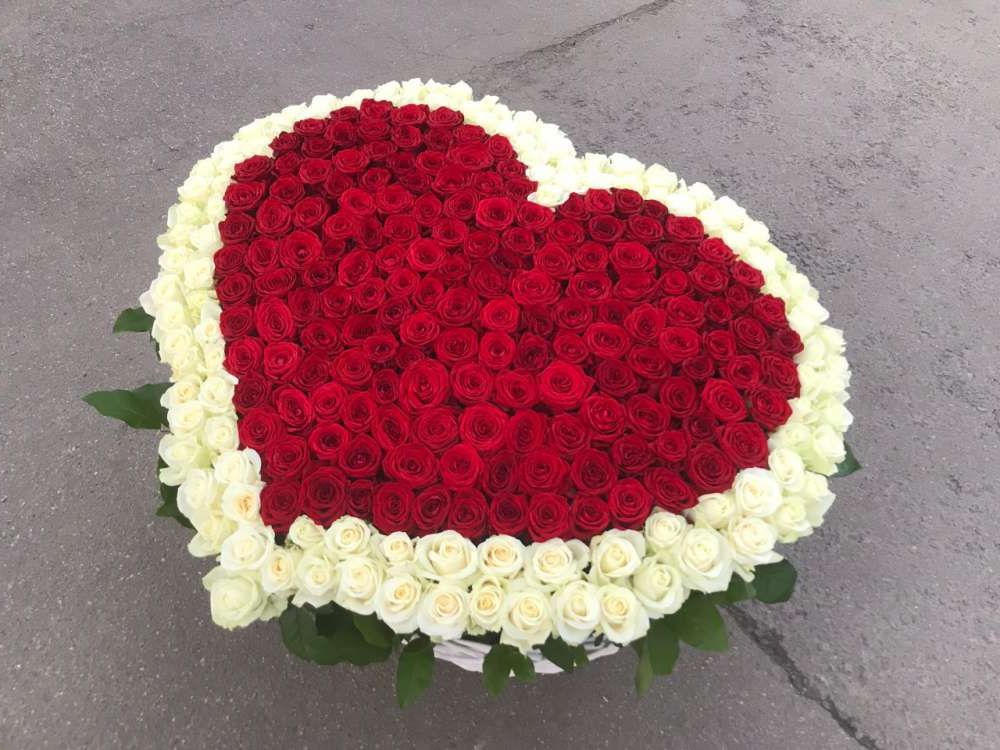
The category covers single-variety bouquets, mixed arrangements, and single stems. Sizes range from a compact 9-rose bouquet to a formal 99 or 101-stem presentation. For offices in Central and shops in Causeway Bay, boxes, hatboxes, and congratulatory opening flower baskets are popular — the latter a firmly local Hong Kong custom for new businesses.
Which varieties to choose
We work with four sources: Chinese roses from Yunnan, Ecuadorian large-headed roses, Dutch classics, and English garden roses by David Austin. Each group has its natural occasion — from a bold statement to a quiet gesture.
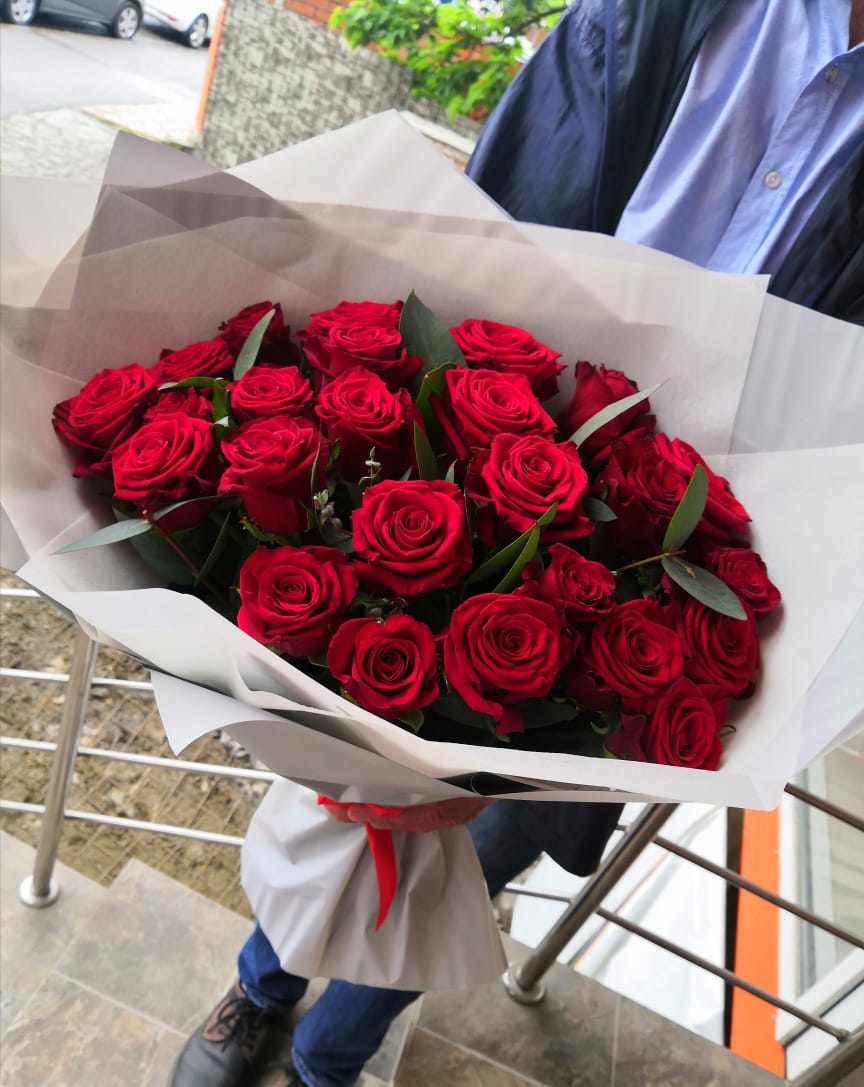
- Freedom — deep red, bud 6–7 cm, stem 70–80 cm. A vase life of up to 14 days. The benchmark red rose for anniversaries and Valentine's orders.
- Yunnan reds — Chinese roses grown near Kunming. They arrive fresh and fast, a strong value-to-durability choice for everyday bouquets.
- Avalanche+ — pure white, large dense bud. A neutral anchor for mixed work and weddings — though white roses are given with care, see the note on colour below.
- Red Naomi — dark burgundy-red with velvet-textured petals. Photogenic and dramatic, often requested for receptions and Tsim Sha Tsui hotels.
- Juliet, Patience — David Austin garden roses. Cup-shaped, densely petalled, with a myrrh and apricot scent. A natural choice for bridal bouquets and gifts meant to please.
- Sweet Unique — lilac-pink tones, mid-sized bud. For those who want to step beyond red.
Occasions and stem count
In Hong Kong the number of stems is read in Cantonese. Fours are avoided: "四" sounds like the word for death, and a bouquet of 4 roses is never given. Eight ("發") ties to prosperity, nine ("久") to longevity and constancy, so 99 roses read as a wish for lasting love. Keep this in mind when choosing a size.
Roses have several peaks here. The biggest is Valentine's Day (情人節, 14 February), when red roses sell out within a couple of days. Summer adds Qixi (七夕), the Chinese Valentine's. For Mother's Day, on the second Sunday of May, buyers take roses alongside carnations. Around Lunar New Year demand shifts toward peonies, orchids, and peach blossom, but the red rose as a symbol of luck stays in demand. Mind the colour: in Chinese tradition white and yellow flowers are linked to mourning, so red and pink tones are chosen for romantic or festive occasions.
Freshness and logistics
Hong Kong grows almost no cut flowers — they're imported. Chinese roses come from Yunnan, through the Dounan market near Kunming, Asia's largest flower hub, by air and by refrigerated truck across the border at Shenzhen (around 1,400 km). Ecuador, Kenya, and the Netherlands arrive by air freight through Chek Lap Kok Airport (HKG), one of the busiest cargo airports in the world.
Thanks to Yunnan's proximity, Chinese roses reach the recipient 2–4 days from the cut. Ecuadorian and Dutch stems take longer but arrive with a margin of durability. Until assembly, bouquets are held in cold storage at +4…+6°C. With proper care, Dutch and Ecuadorian varieties last 10–14 days, David Austin garden roses 7–10.
"The rose's main enemy in Hong Kong isn't heat itself — it's humidity. At 90% humidity and warmth, the bud easily catches grey mould. We keep the flower in dry cold until the last moment and assemble the bouquet right before dispatch. And always ask the florist when the batch arrived — that's more honest than any advertising."
— Vanessa Chan, florist, Hong Kong (Mong Kok), 11 years in the trade
Delivery specifics in Hong Kong
Hong Kong has a humid subtropical climate. Summer (May to September) is hot and very humid, +28…+33°C with humidity up to 90%, and it is typhoon season: when Signal No. 8 or higher is hoisted, delivery is suspended until the warning is lifted. Winter (December–February) is mild and dry, +15…+20°C, occasionally down to +10°C. Autumn is the easiest season for flowers. In summer we move bouquets in cooled insulated bags with moisture control; in winter, almost no extra measures are needed.
We deliver roses across all districts of Hong Kong: Central, Admiralty, Wan Chai, Causeway Bay, and Sheung Wan on Hong Kong Island; Tsim Sha Tsui, Mong Kok, Jordan, and Kowloon Tong in Kowloon; Sha Tin, Tsuen Wan, and Sai Kung in the New Territories. Payment is in Hong Kong dollars (HK$, HKD), by card online. For Valentine's Day and Lunar New Year, order 5–7 days ahead — these are the hottest dates of the year.
Care at home
On arrival, cut the stems at a 45° angle, remove any leaves below the waterline, and place them in a clean vase with cool water. Change the water every two days; add a Chrysal sachet or a pinch of sugar. Keep the bouquet away from direct sun, fruit, and hot air — ethylene from apples and bananas shortens vase life by roughly a third.
A Hong Kong specific: air conditioning. It dries the air, so don't place the vase directly under a split-unit's airflow — the petal edges wilt quickly. On hot, humid days keep the bouquet in the coolest room, and overnight, when the room exceeds +26°C, move it to the refrigerator to add 2–3 days. Roses suit almost any occasion: message our manager and we'll help match the variety, colour, and stem count to the task and budget.

