


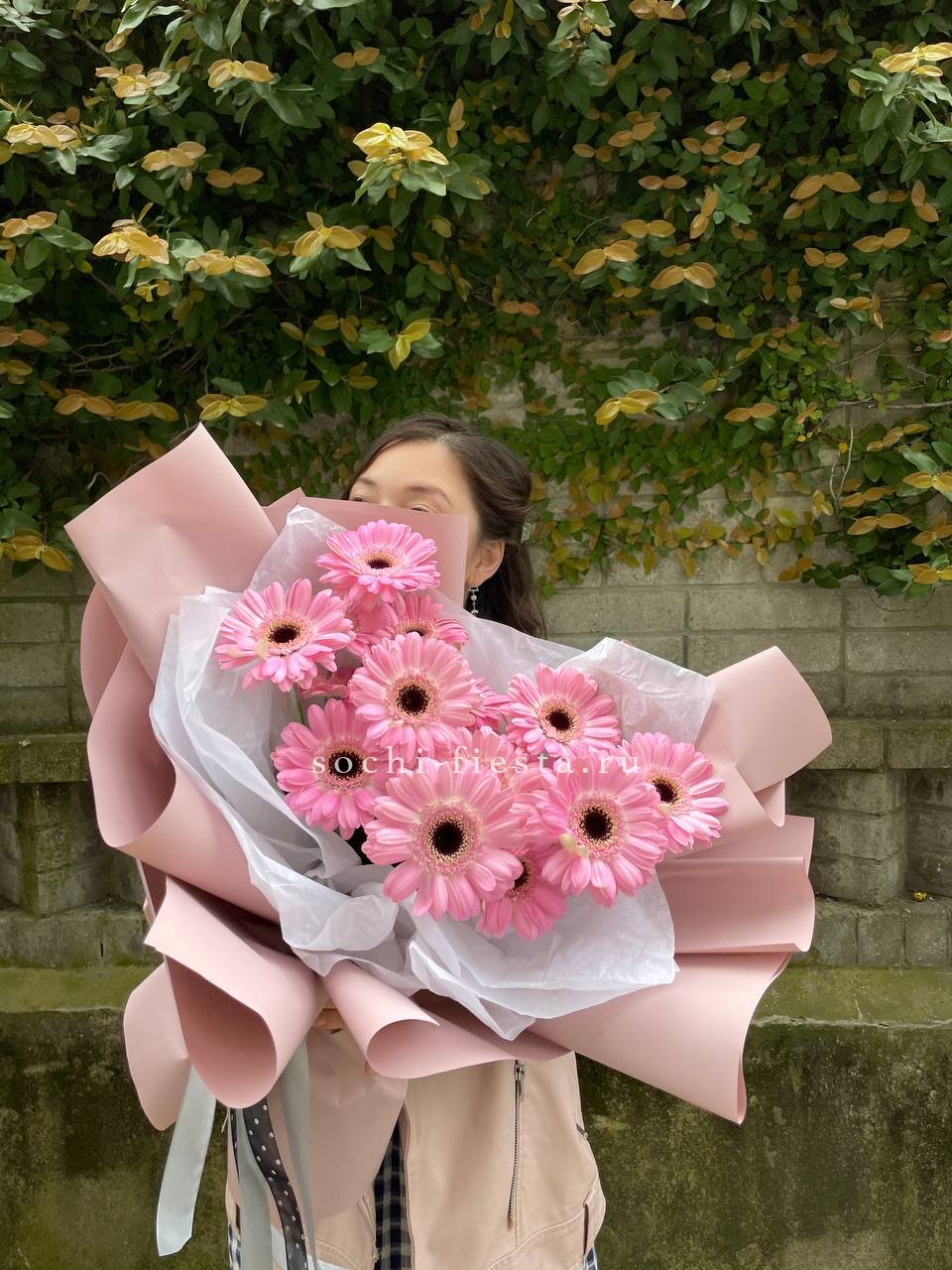
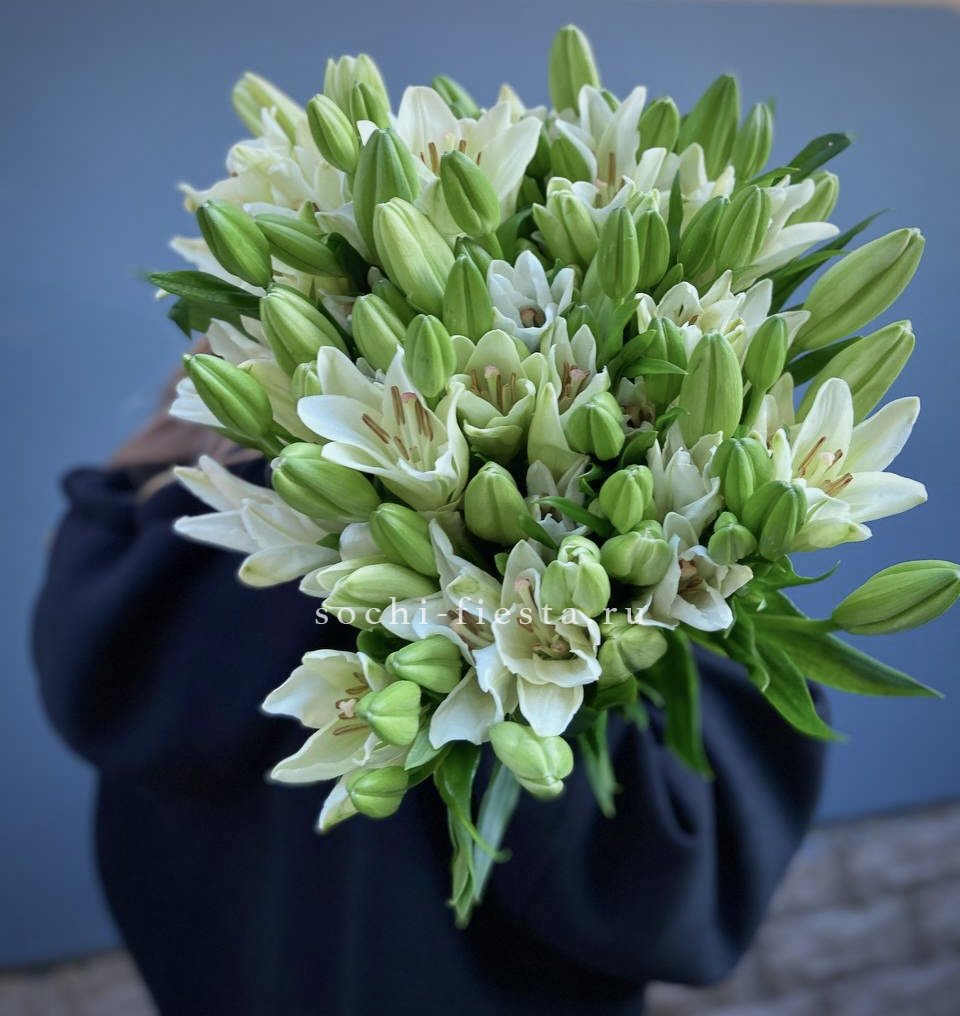
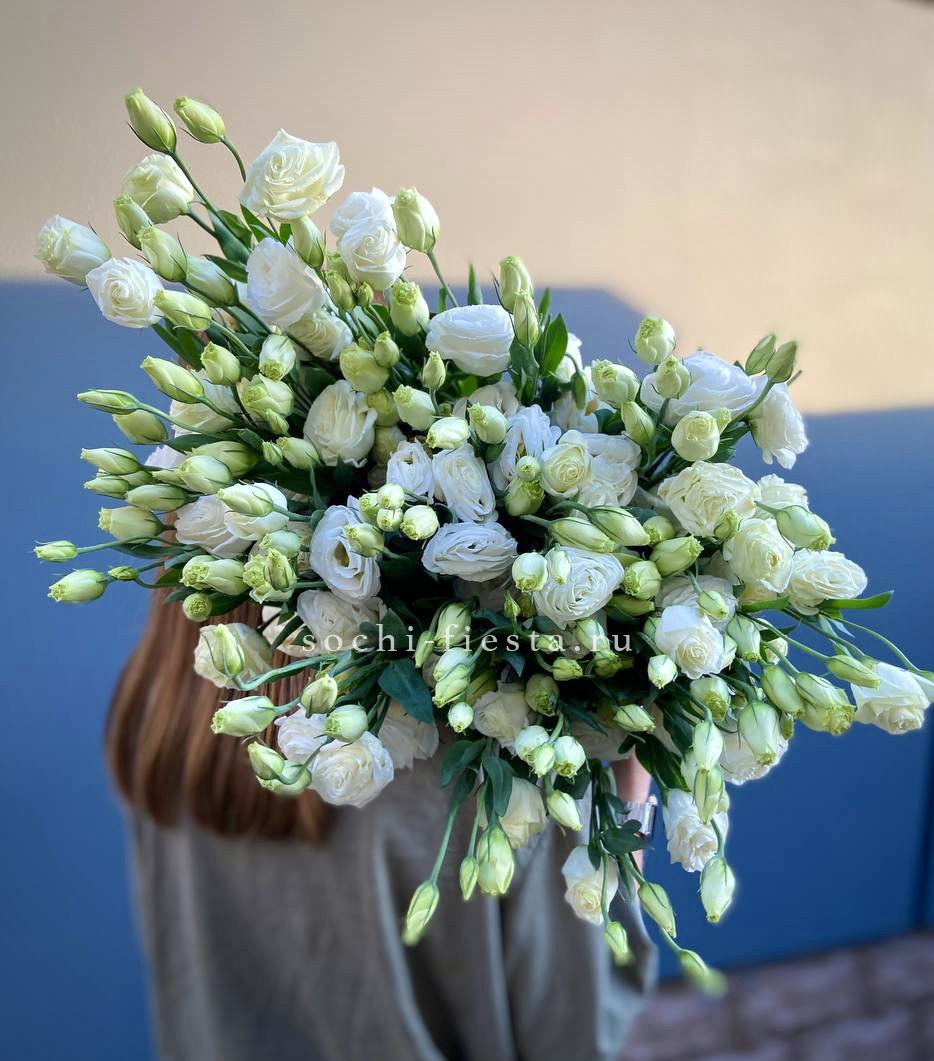


Mono bouquets in Manchester, from Cornish daffodils to May lilac
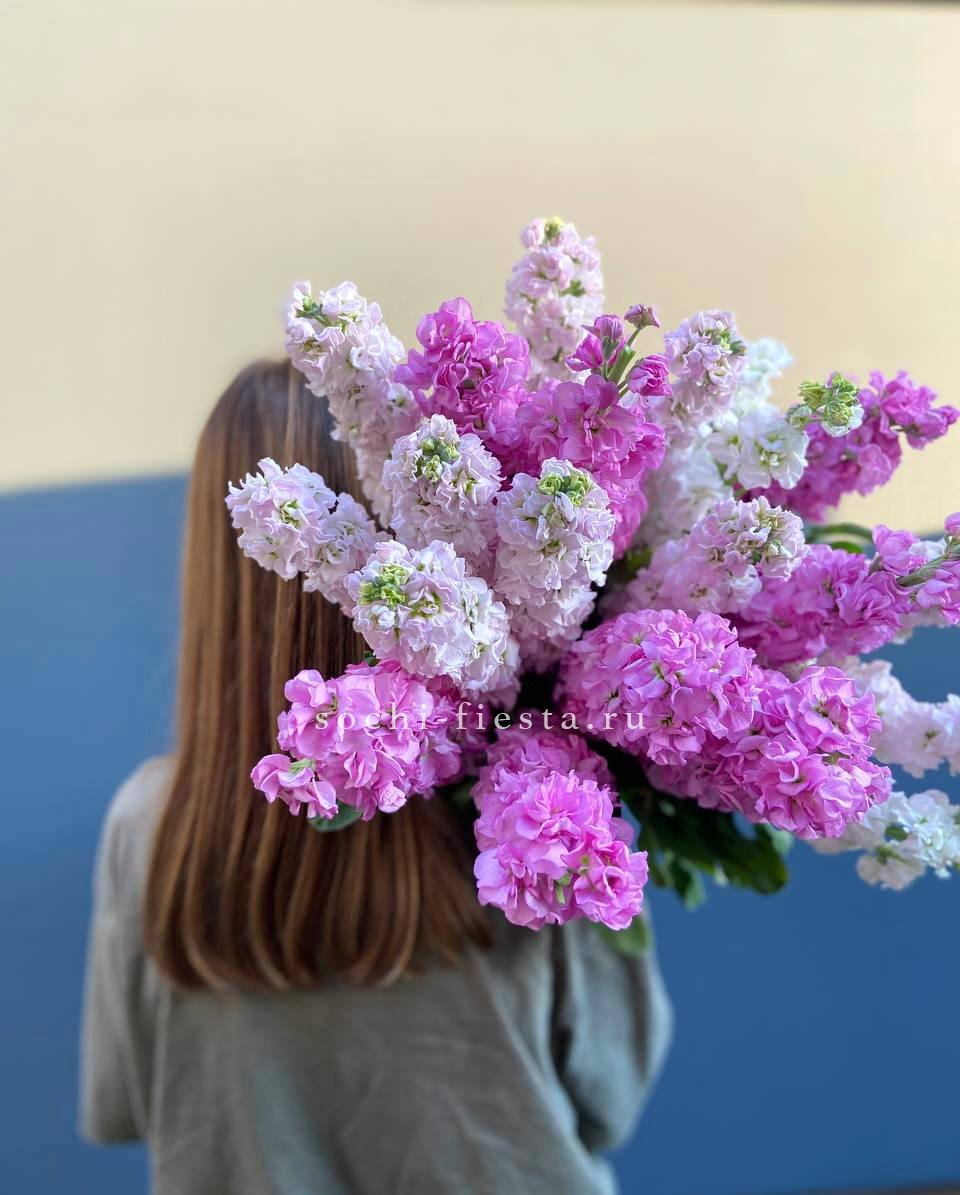
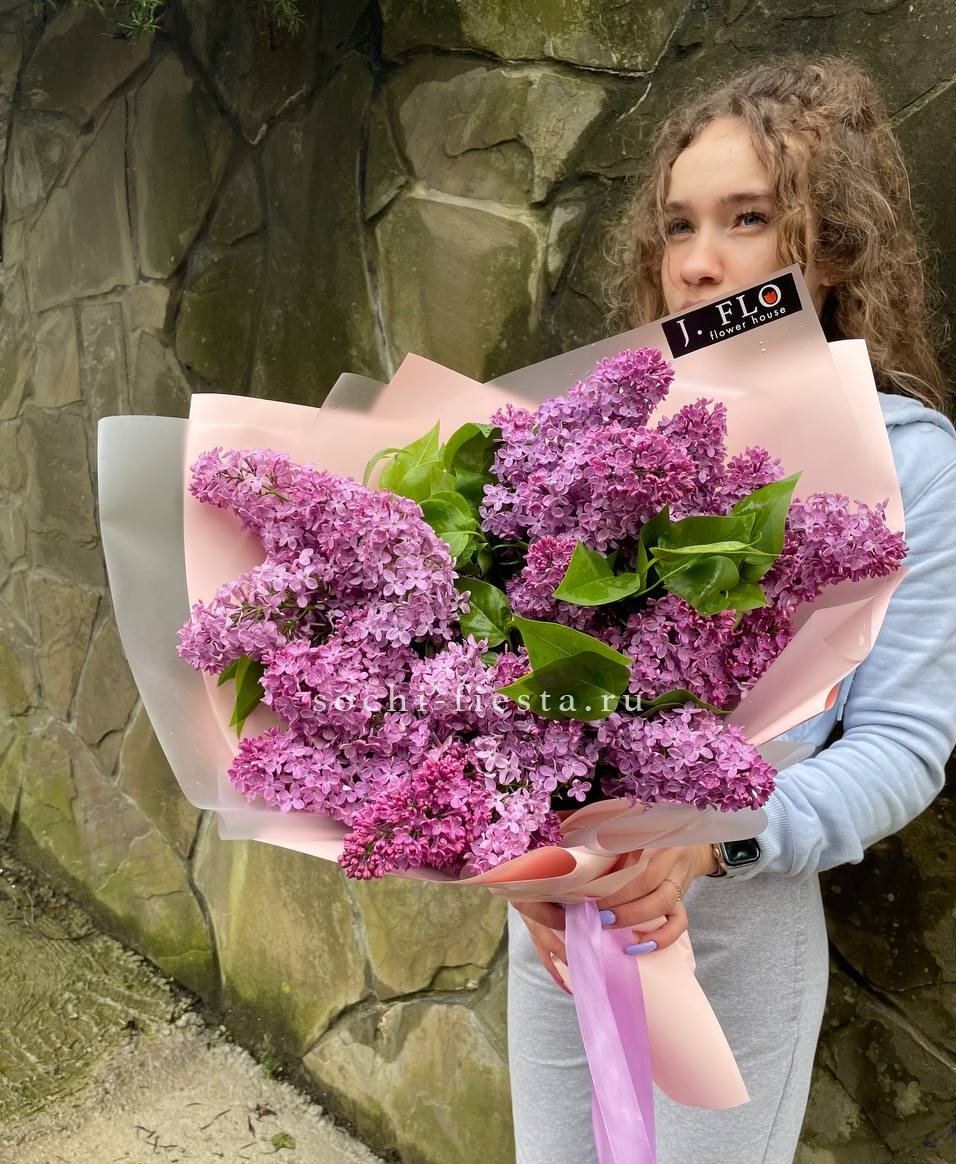
On the May bank holiday weekend, Manchester Flower Festival lines St Ann's Square, King Street and Exchange Street with a flower trail and florists' stalls. May is lilac's own month, when it turns up as a bouquet on its own rather than mixed in with anything else. Mono bouquets in Manchester are chosen by month and by how long they need to stand, which matters more than it sounds once you're picking between a vase that has to last a fortnight and one that only needs to get through a dinner.
From Cornish daffodils to May lilac: spring one variety at a time
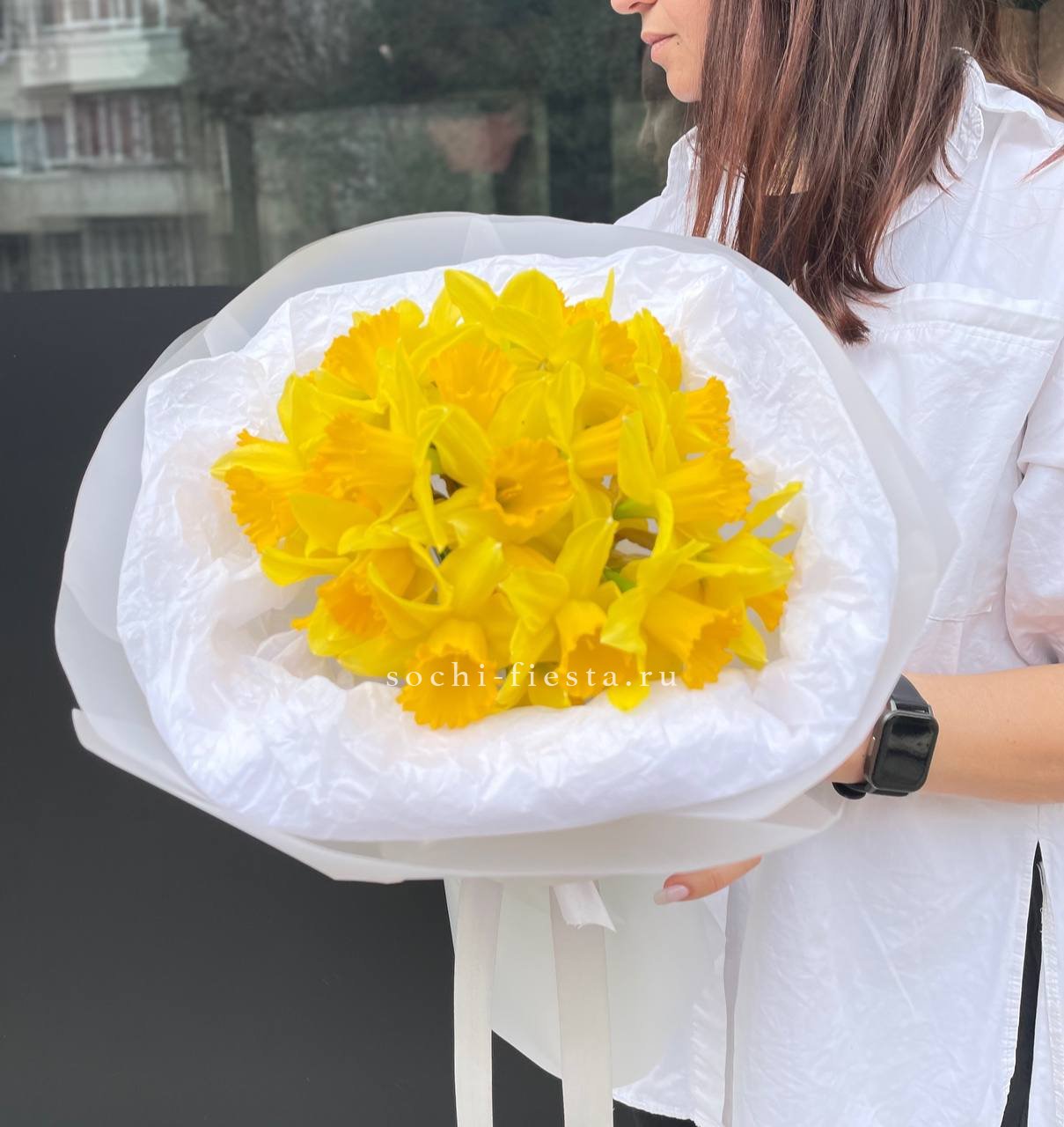
Cornwall grows the country's earliest daffodils and cuts them from January through to April, which is why they're the flower to reach for in that window. Mothering Sunday falls on the fourth Sunday of Lent, and together with Easter it drives most of the demand for them; both dates sit on Manchester's flower calendar.
A single-variety narcissus bouquet is happiest kept on its own. Mixing daffodils into a shared vase works better if you give them a day alone in their own water first and then leave the stems as they are. A fresh cut lets out sap that shortens the life of whatever else is sharing the water.
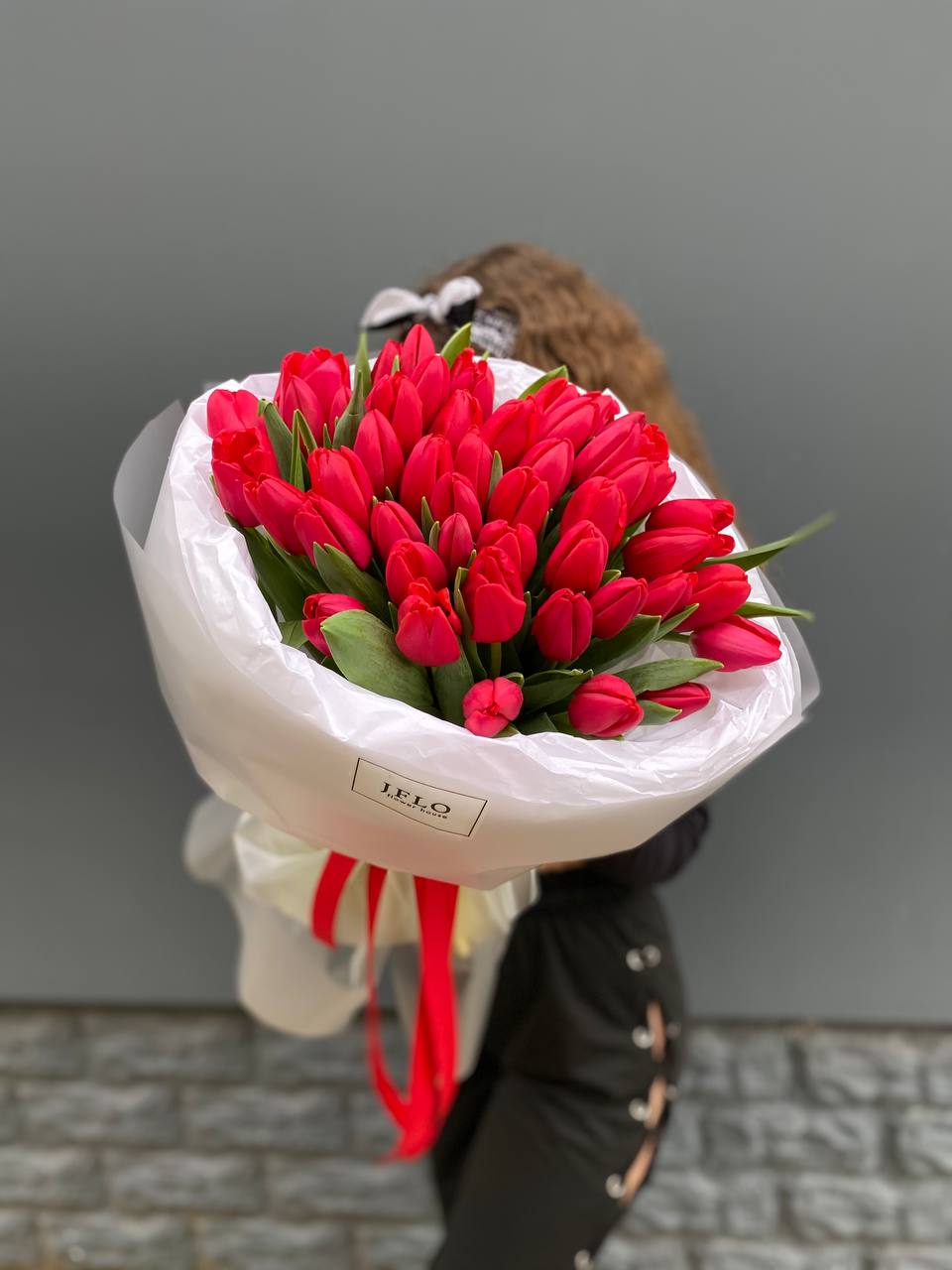
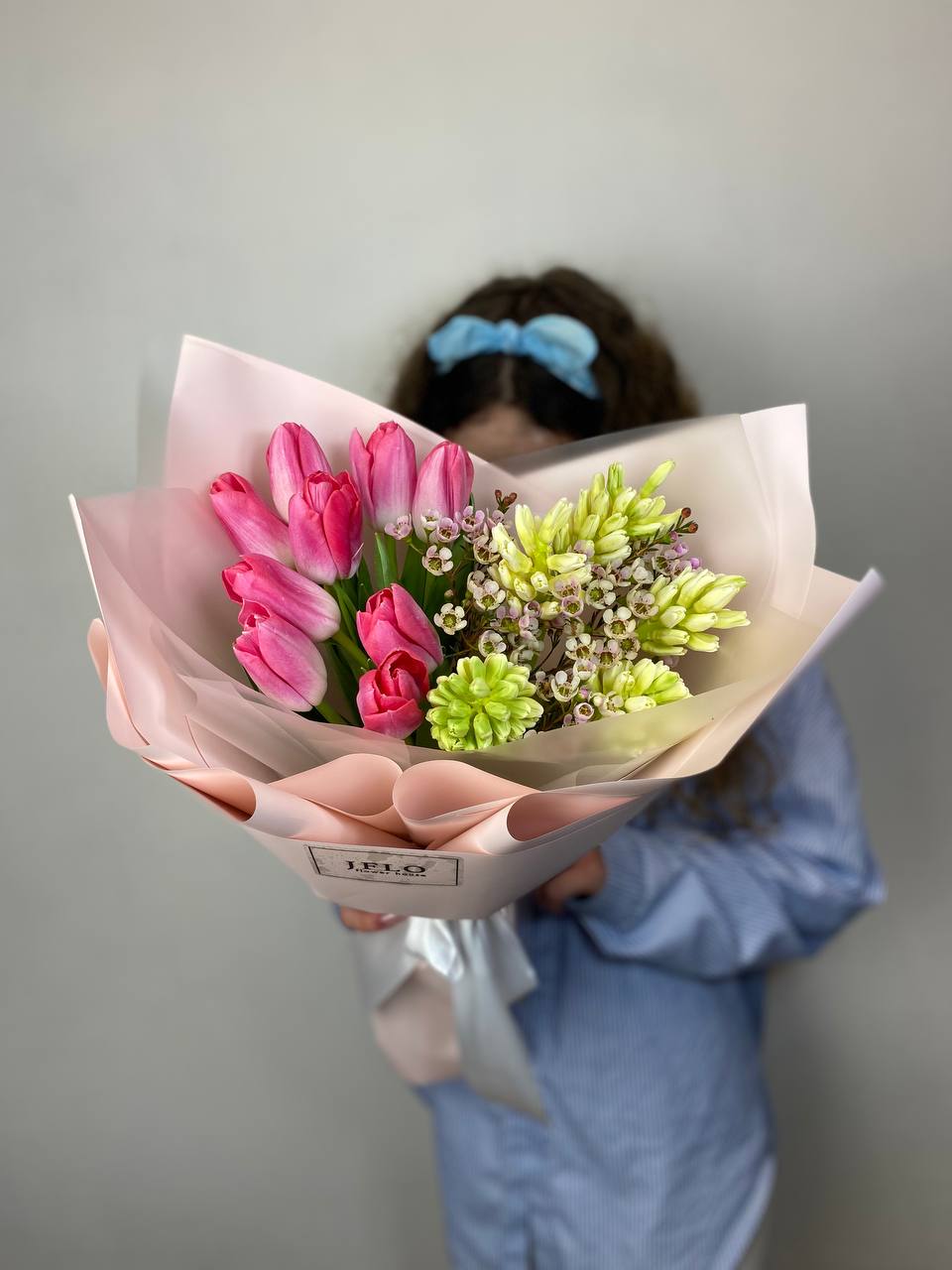
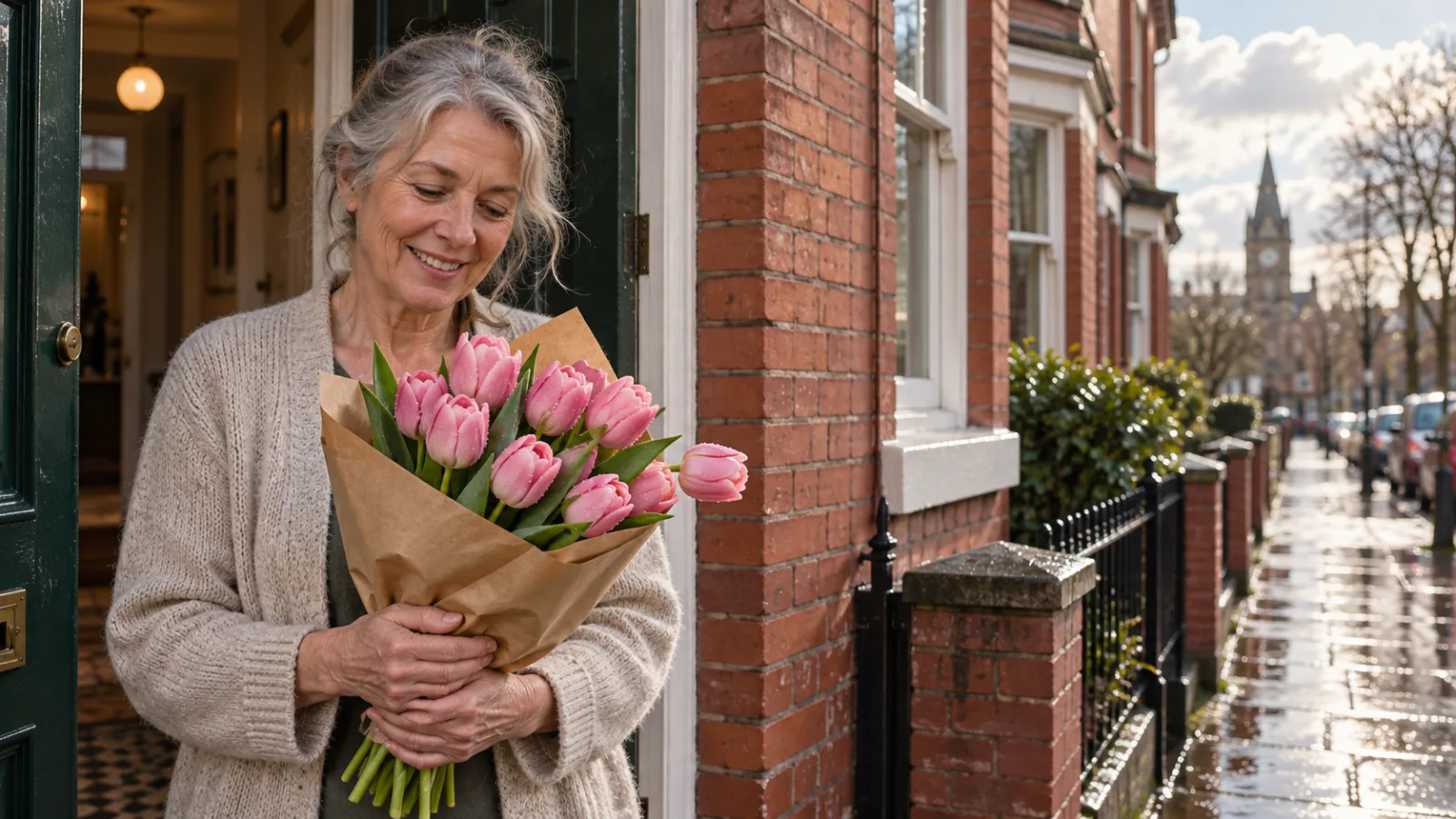
Tulips sold before May are greenhouse-grown in the Netherlands, which is how they're on sale in Manchester long before anything flowers outdoors here. Tulips carry on growing after they're cut and lean toward whatever light is in the room, so stand them in cold water filling about a third of the vase and turn the vase now and then if you want the stems to stay straight.
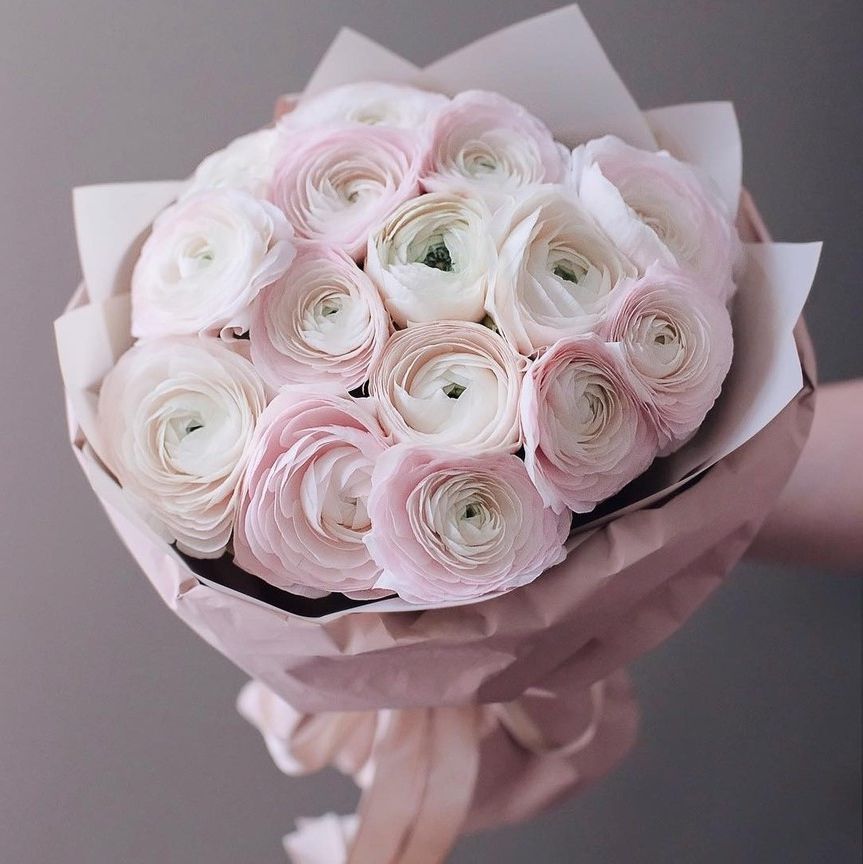
Hyacinth and ranunculus fill out the rest of the spring bunches, and lilac takes over in May as a single-variety bouquet of its own, cut for that one short stretch of the year.
Summer by the head: hydrangea, sunflower and a late dahlia
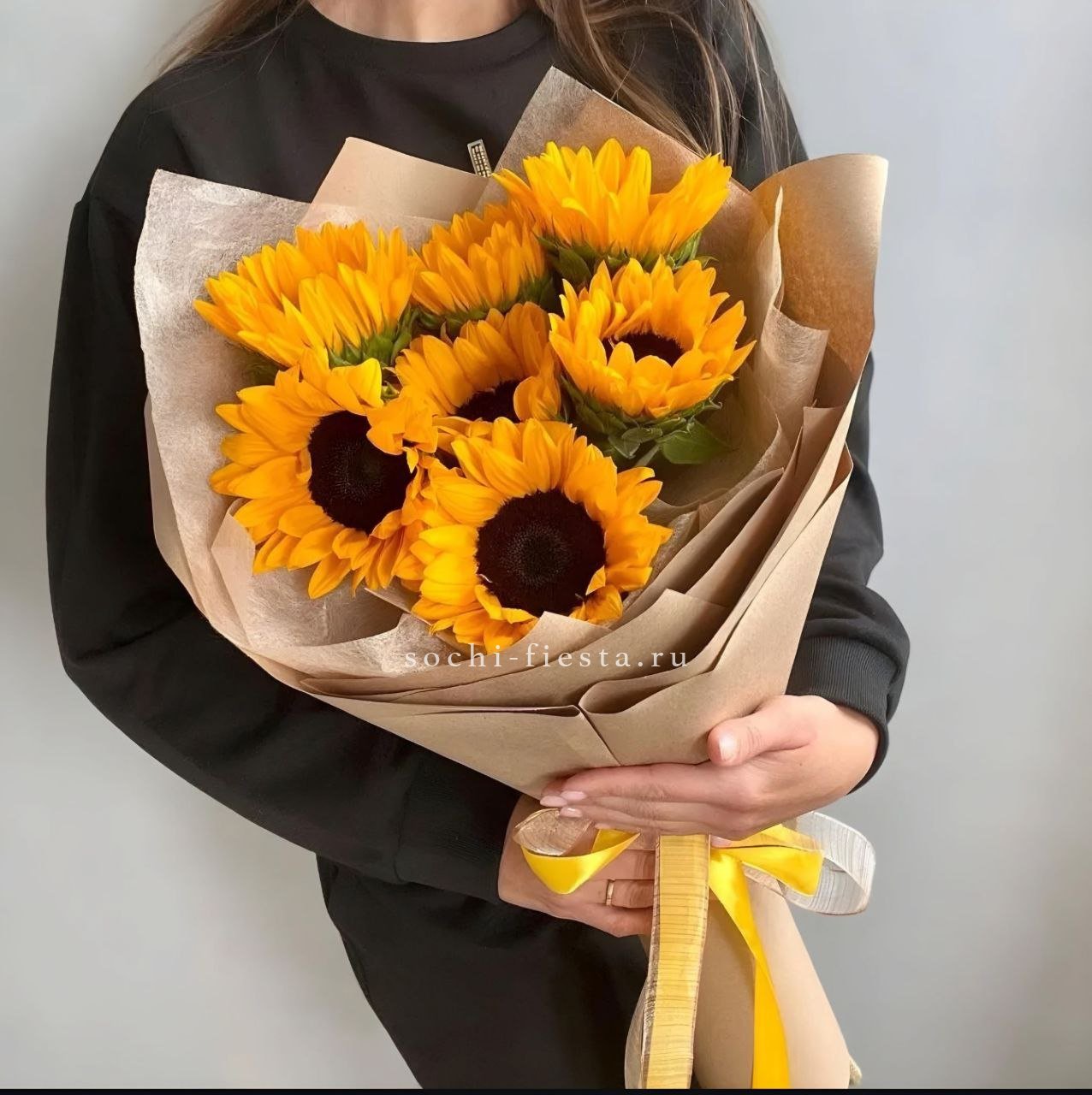
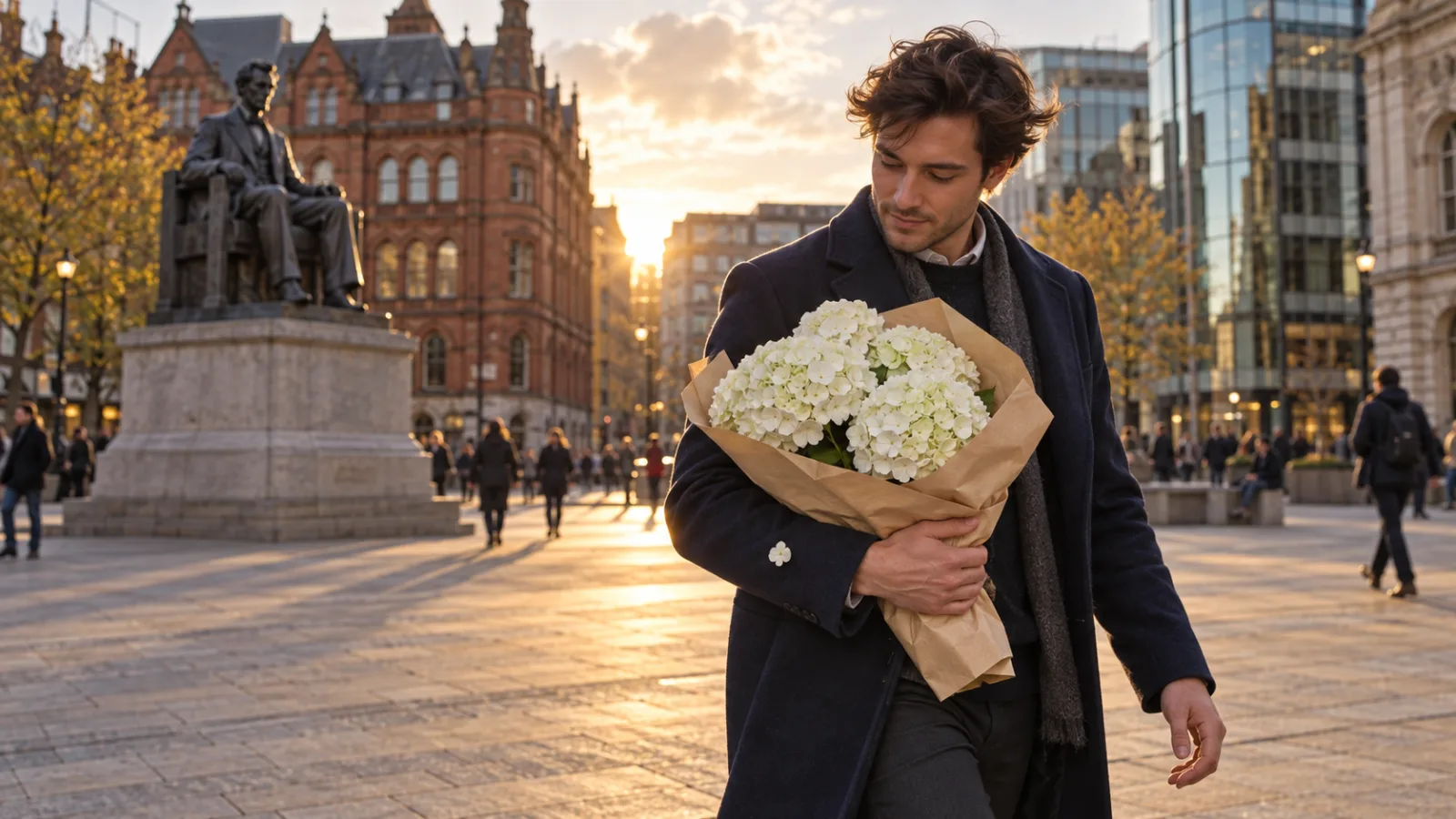
British-grown peonies are cut from late April through June, and once that run tails off, hydrangea and sunflowers carry the single-variety bunches through the summer, with dahlia taking over as the days start to shorten.
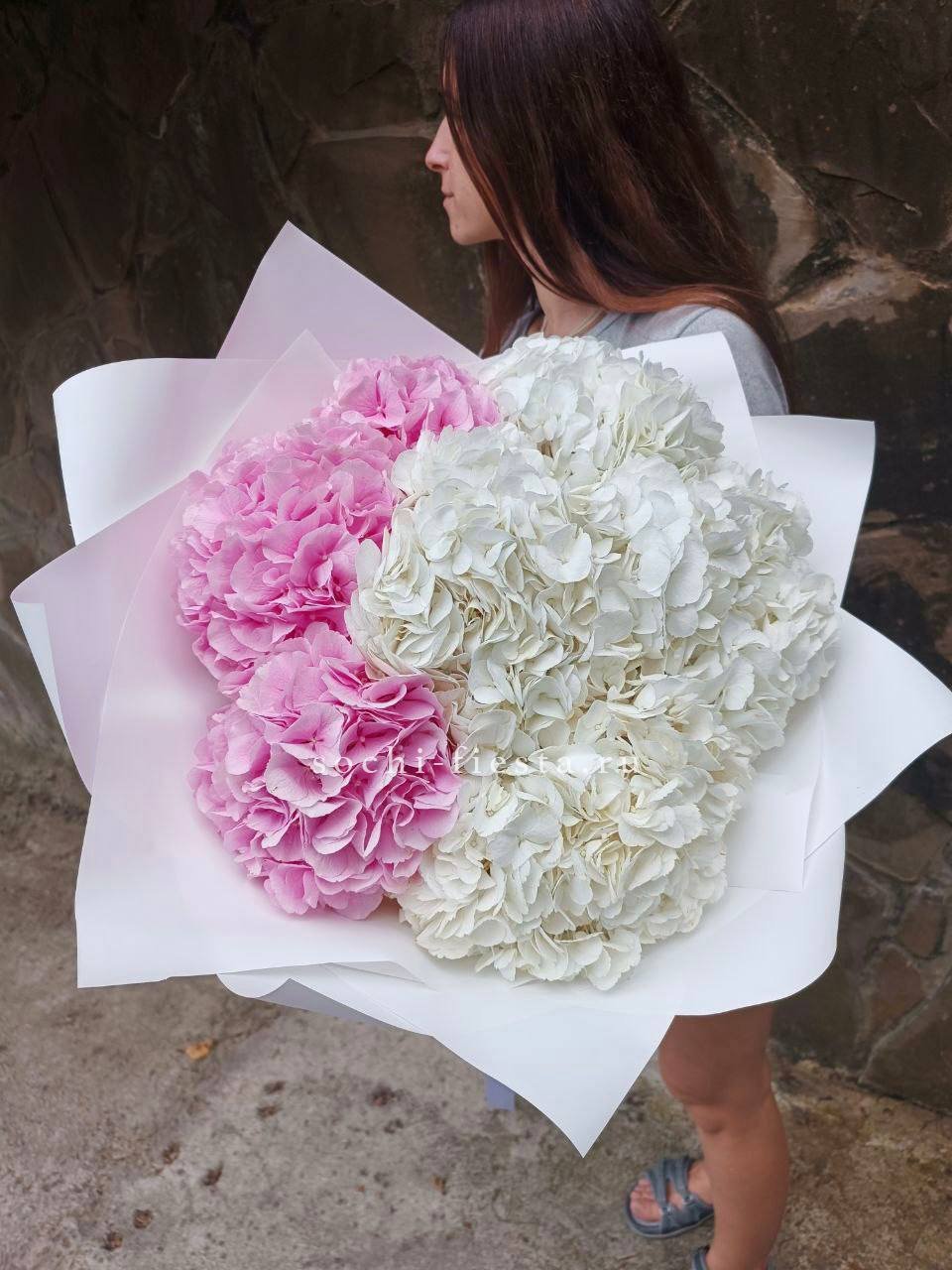
Hydrangea heads are large, so a handful of stems already makes a full bouquet, which is a guide rather than a fixed rule, since head size varies from stem to stem. Ask for a bunch of pink hydrangea, or hydrangea wrapped on its own, and you'll need fewer stems than most flowers to fill an arm.
Hydrangea also drinks more than most cut flowers and takes in water through its petals as well as its stems. A head that's gone limp usually comes back after an hour or two stood in cool water up to the flowers themselves, not just the stems.
Chrysanthemums, alstroemeria and dianthus for weeks, not days
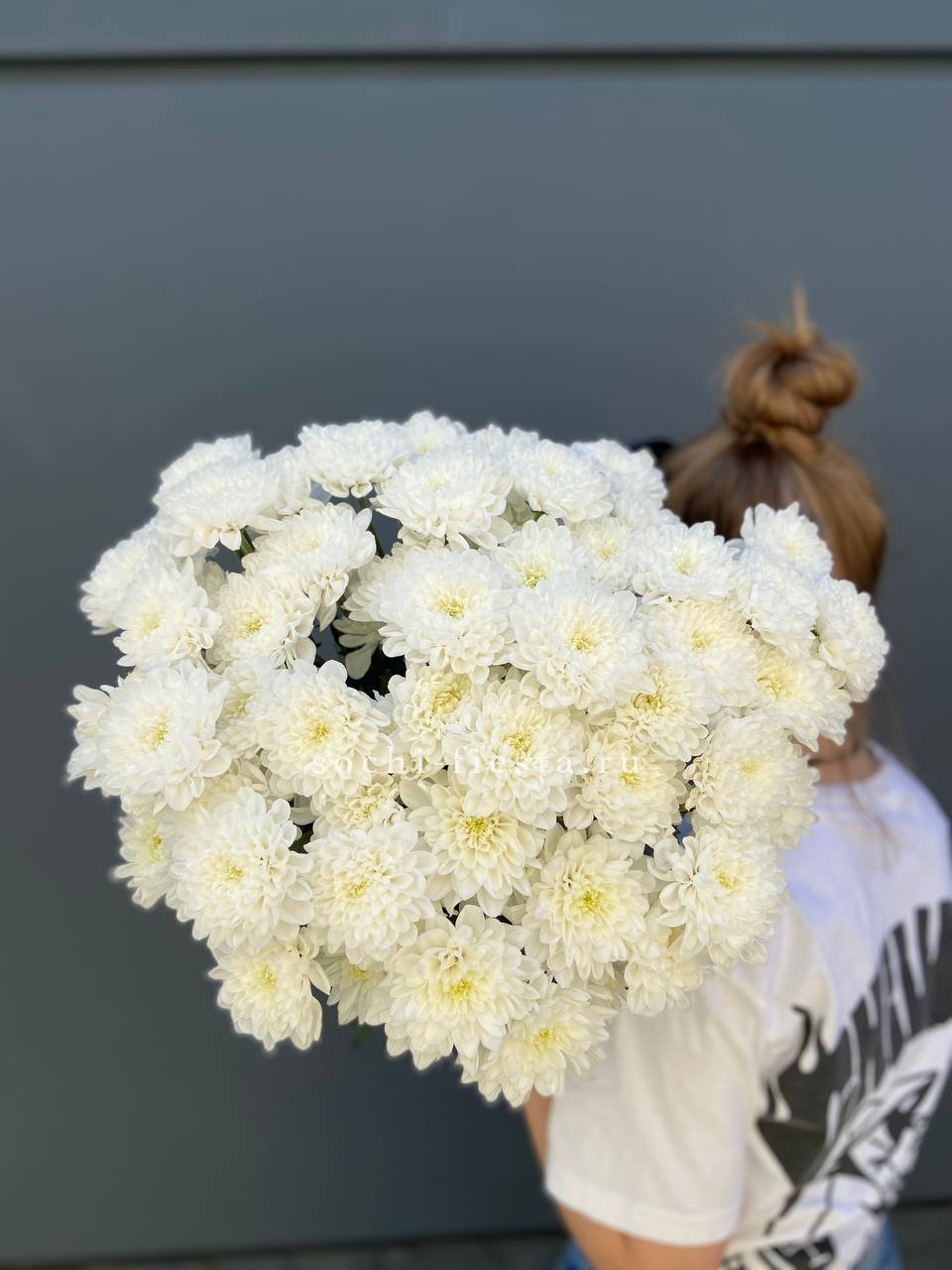
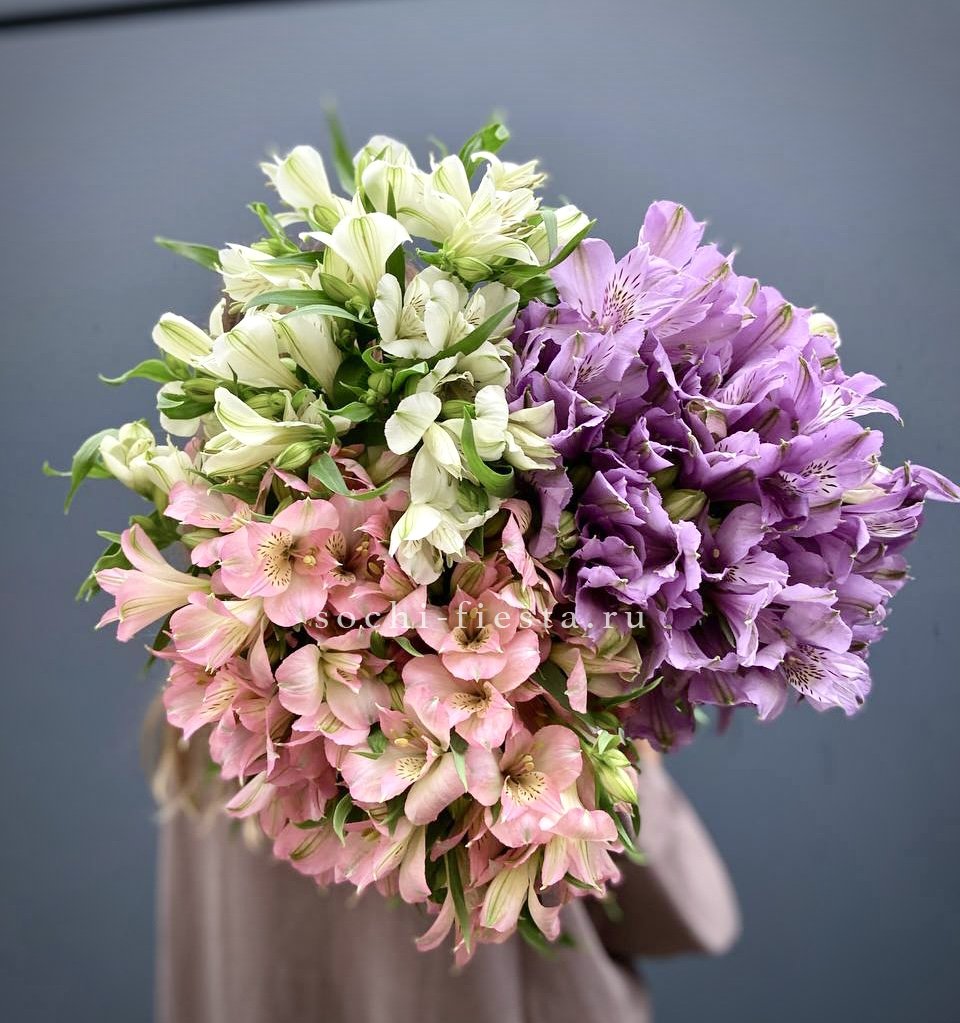
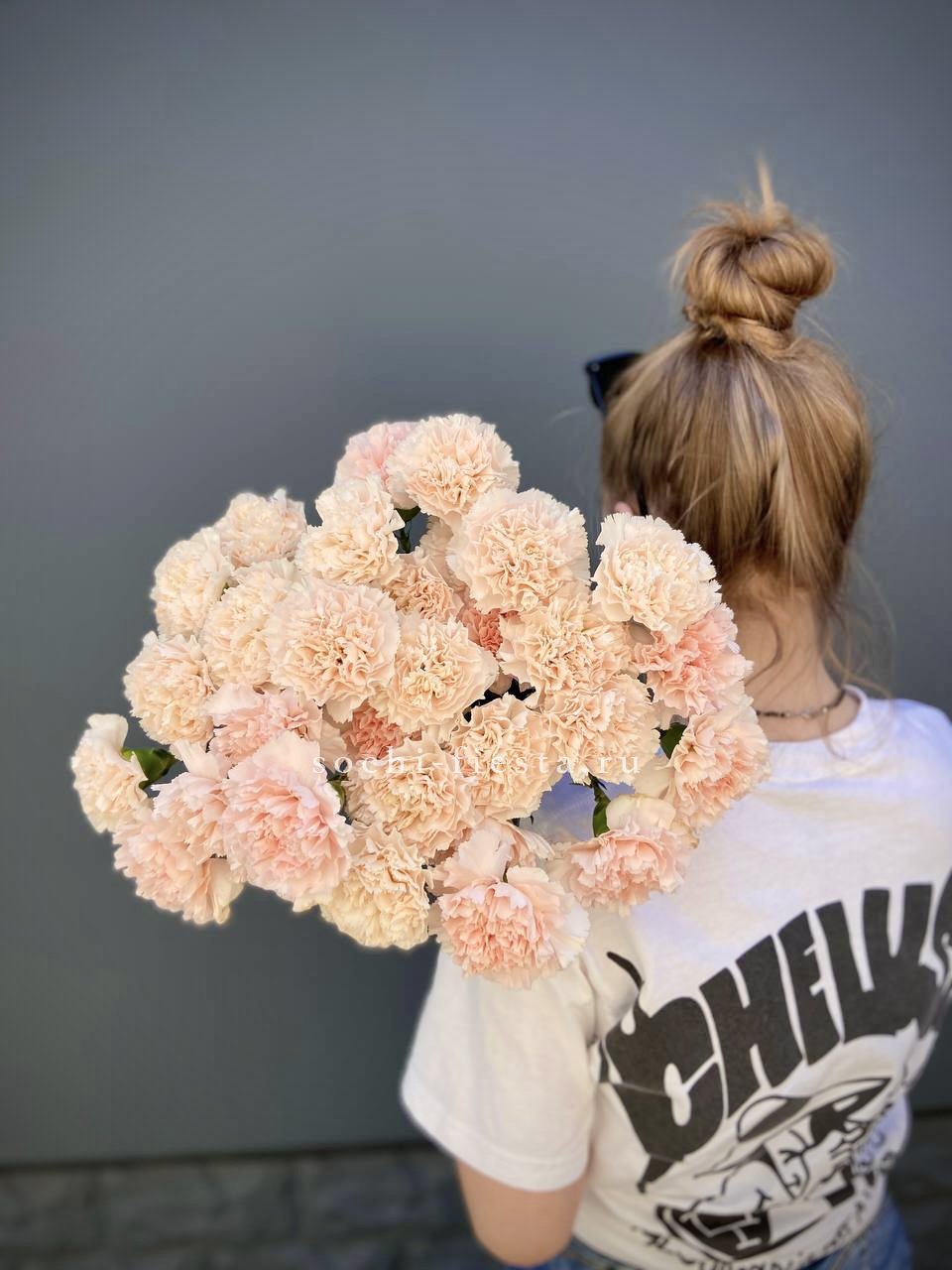
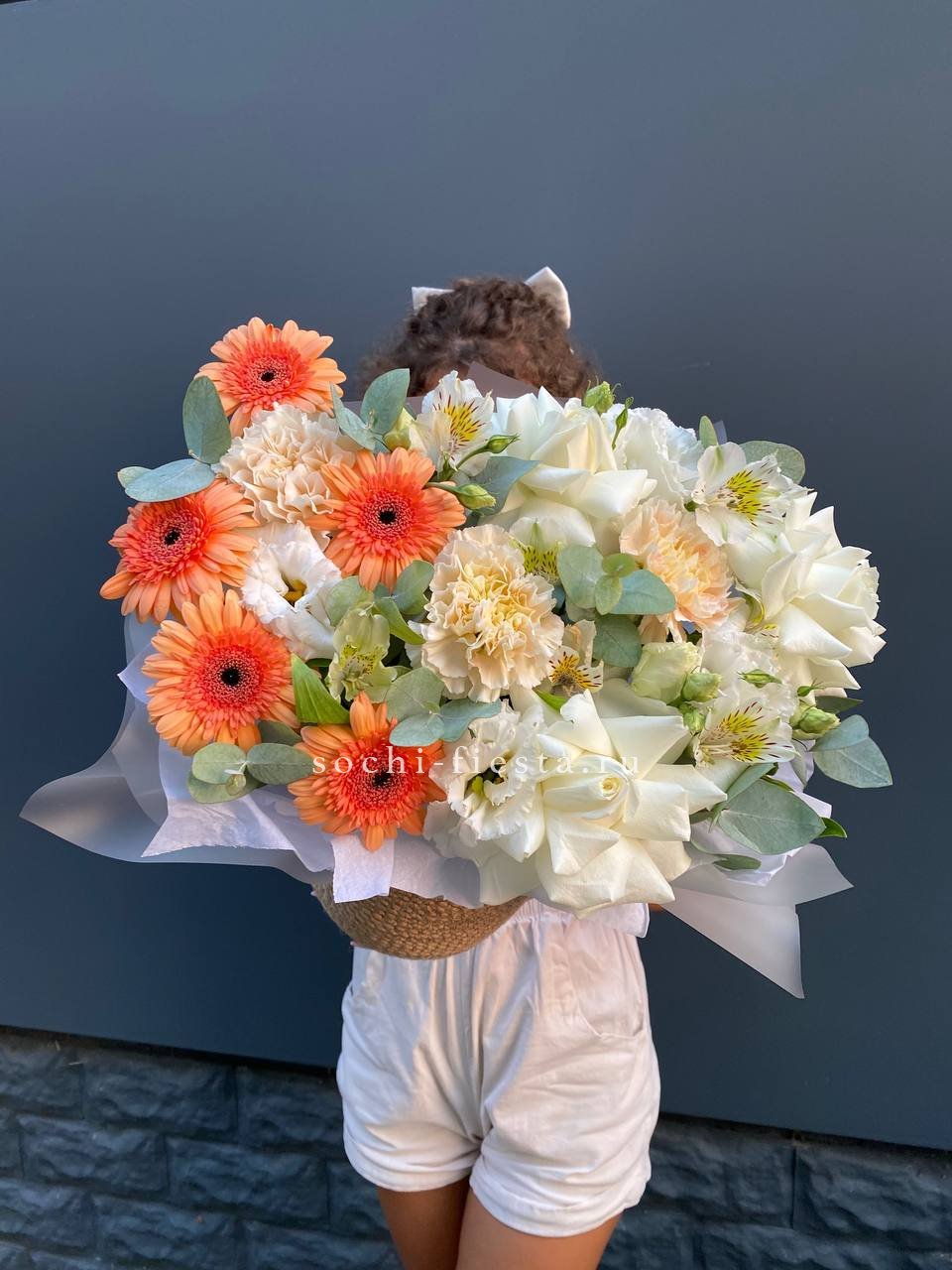
Chrysanthemums, dianthus (the carnation) and alstroemeria are greenhouse flowers, grown year-round alongside lily, and the first three of those typically hold for two to three weeks once they're in a vase. A chrysanthemum's leaves tend to yellow before the flower does, so stripping them off as they turn keeps the rest of the bunch looking fresh for longer.
Between November and February, when nothing in the British fields is flowering, that staying power is exactly why a single-variety bunch of one of these three suits a home vase that needs to go the distance. Central heating dries the air indoors over winter, so the one thing worth remembering is to keep the vase away from a radiator.
For mono bouquet delivery in Manchester, the florist puts each bouquet together to order and photographs it before the courier sets off. Most orders are handed over the day they're placed, and the exact window is shown on the bouquet's own page, with full zones and times on delivery terms.
Where to start with mono bouquets in Manchester depends on the month: lilac in May, hydrangea through the summer, or chrysanthemums once the days draw in and a bouquet needs to outlast a short visit.