


720x720_q85.jpg?v=1787130511)


_e58557720x720_q85.jpg?v=1787130512)


720x720_q85.jpg?v=1787130516)
720x720_q85.jpg?v=1787130516)
_0406c4720x720_q85.jpg?v=1787130516)
Roses delivered in Melbourne: varieties, local farms, and farm-fresh freshness
In Melbourne the rose rests on two supply lines at once. Part of the crop is grown by farms across Victoria — a short transport leg and the freshest possible bud in season. The rest arrives by air from Kenya, Colombia, and Ecuador via Tullamarine Airport, clears mandatory biosecurity, and lands at the wholesale Melbourne Flower Market in Epping. Together they keep the catalogue steady year-round.
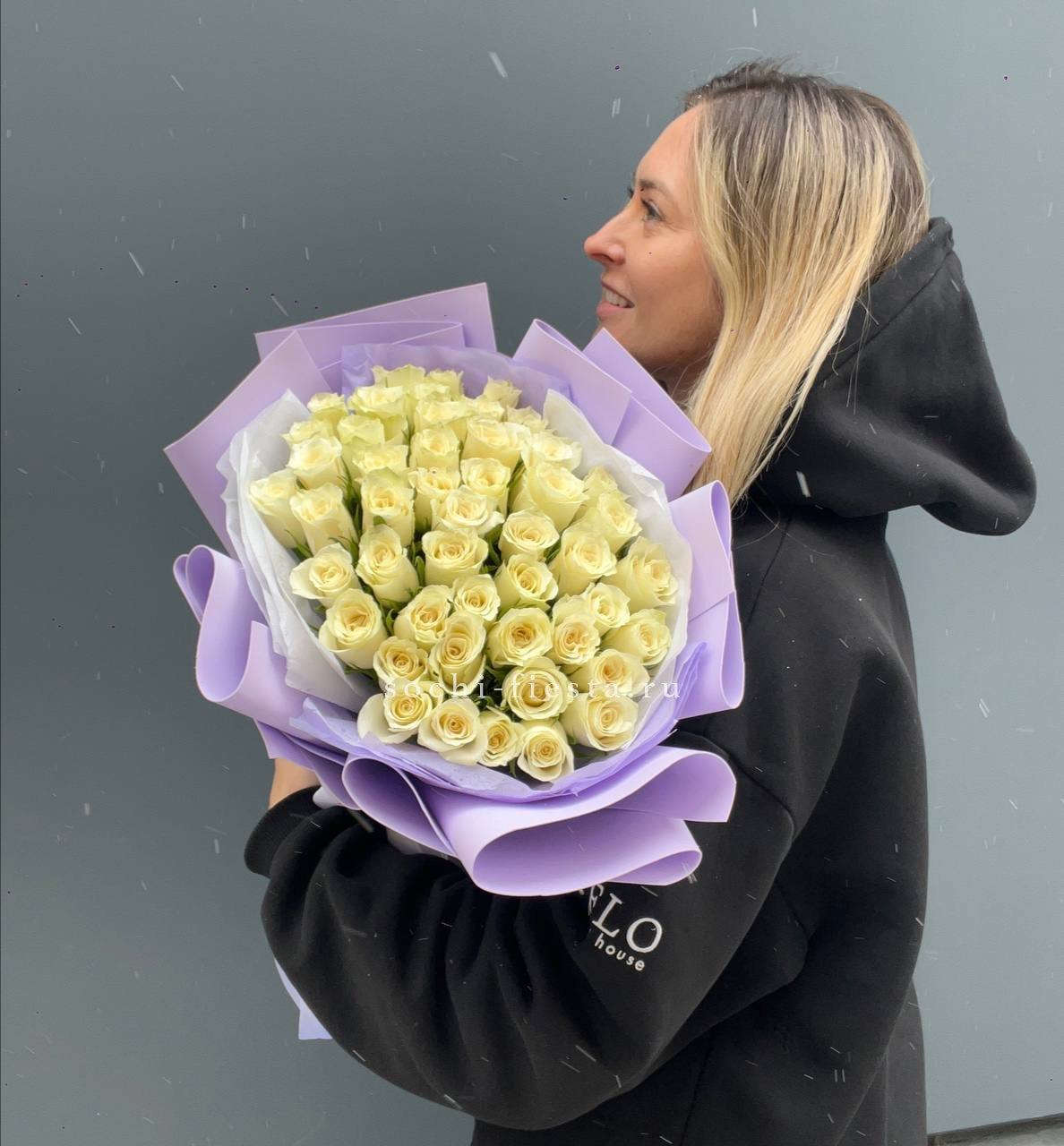
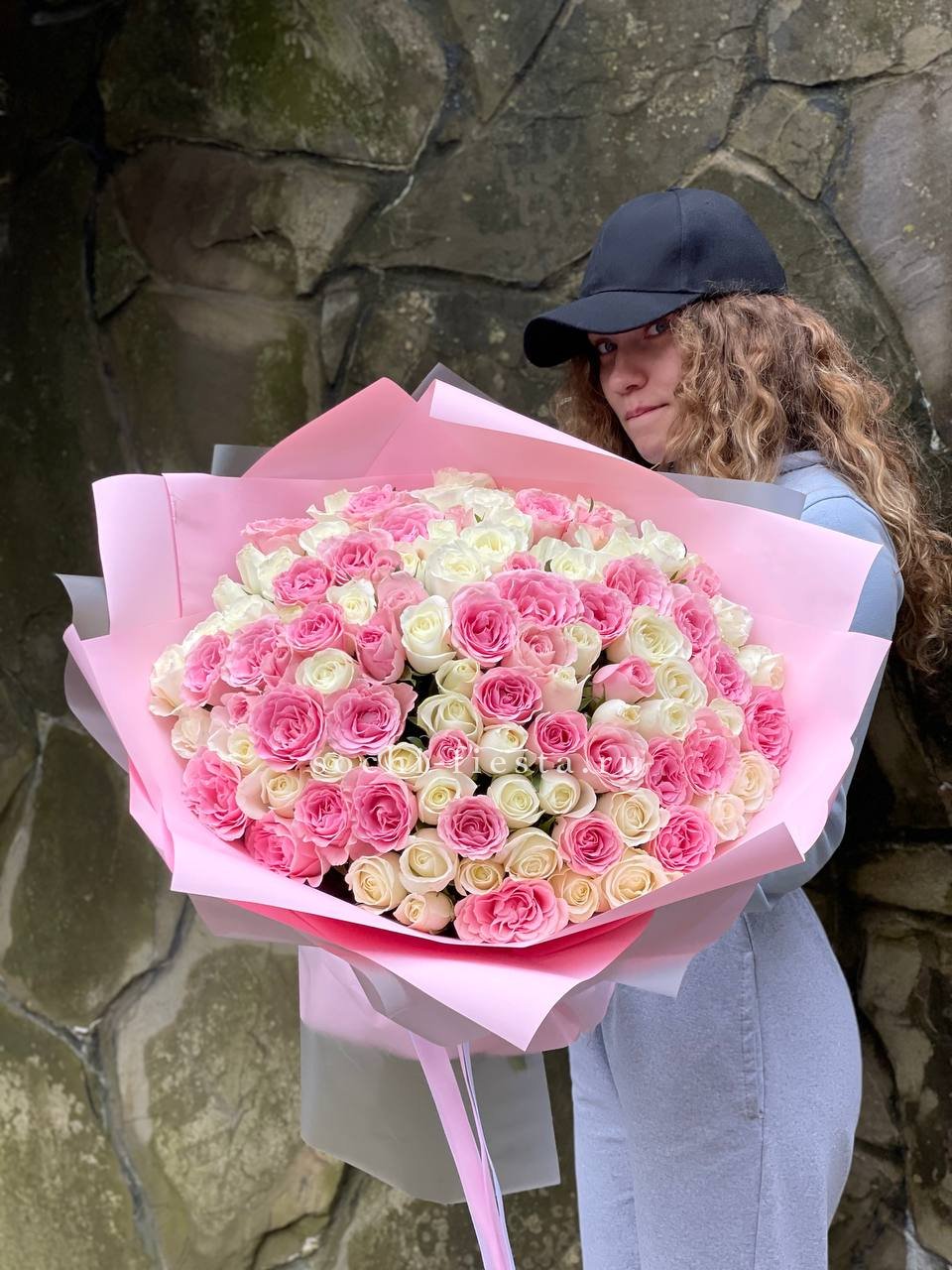
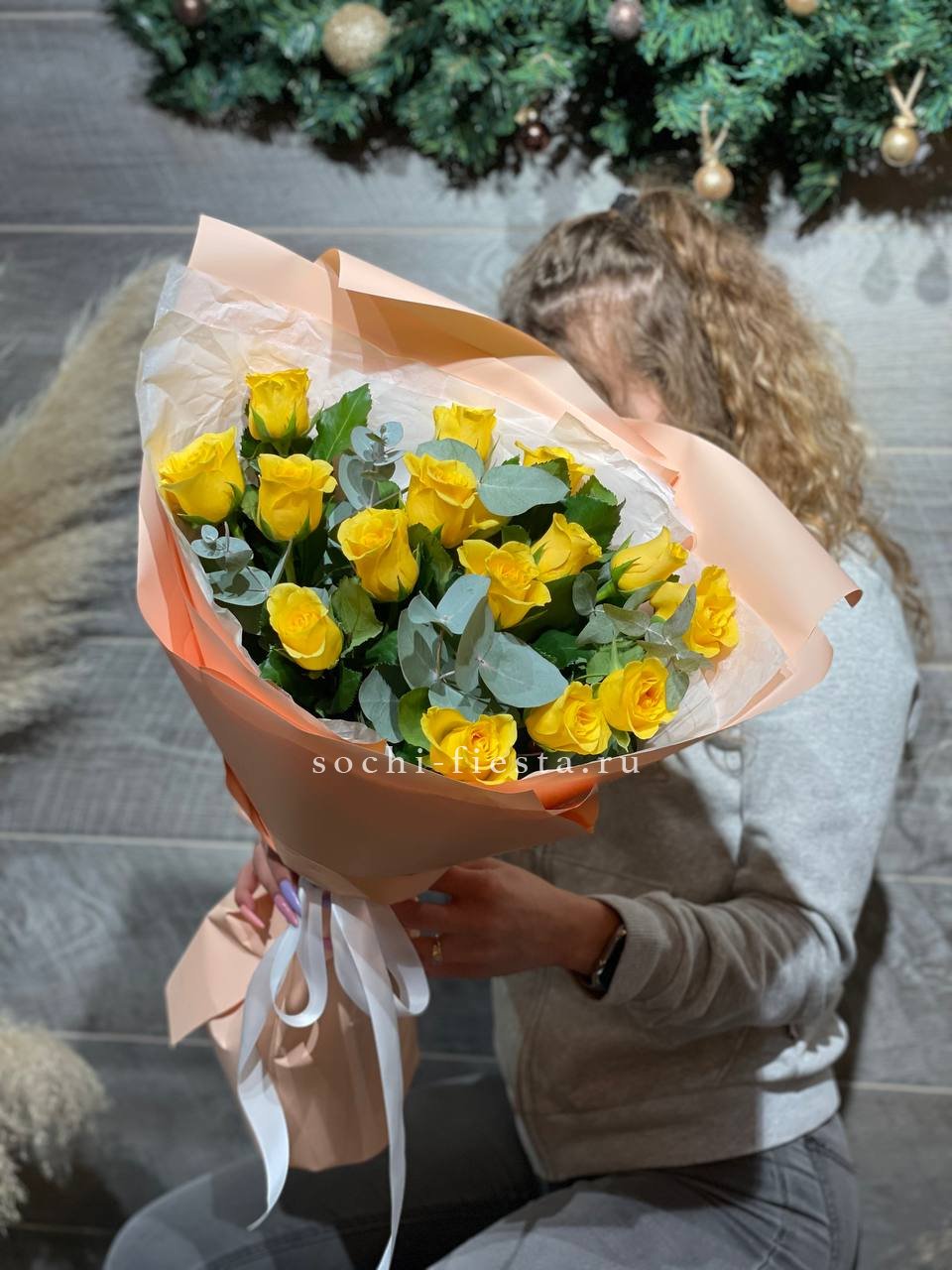
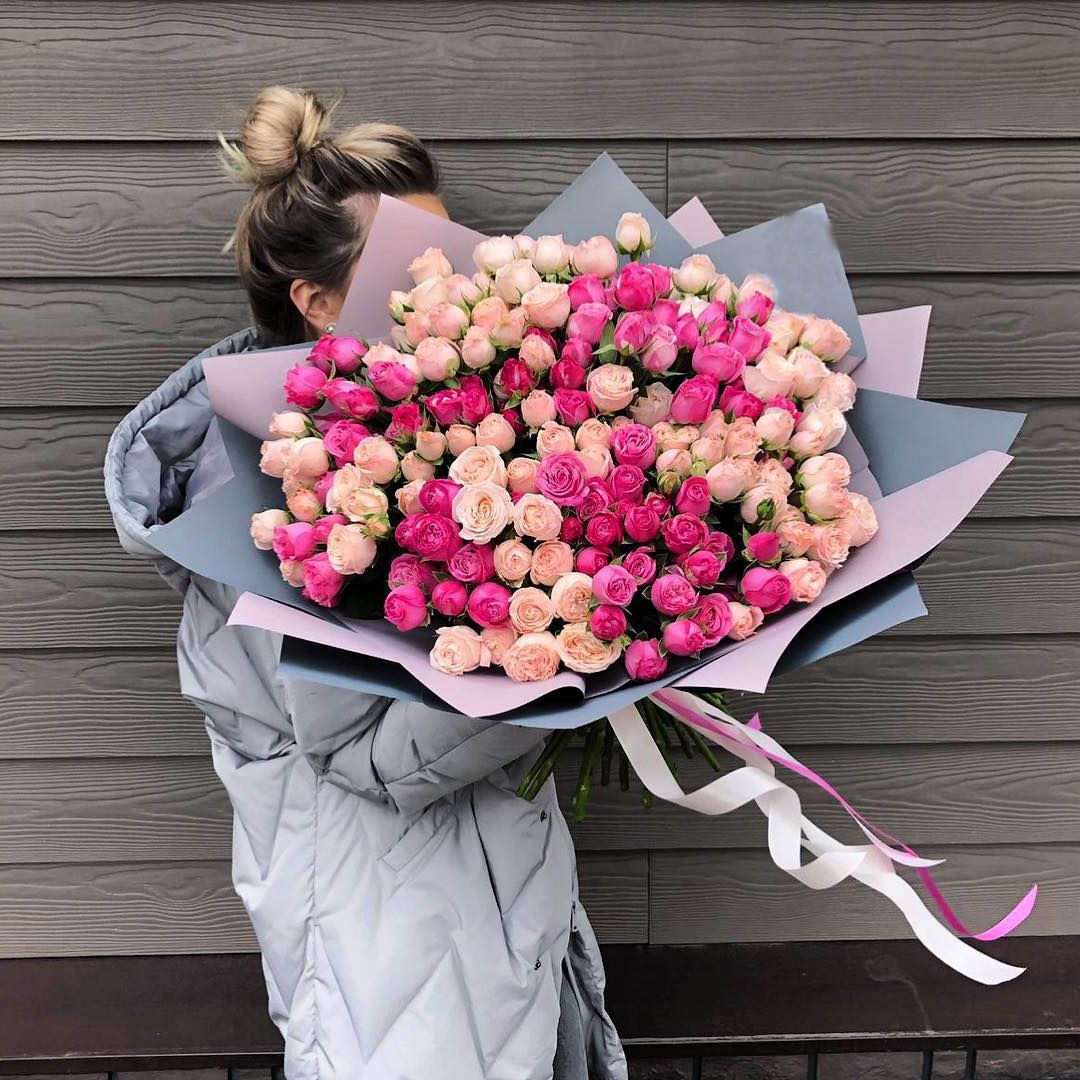
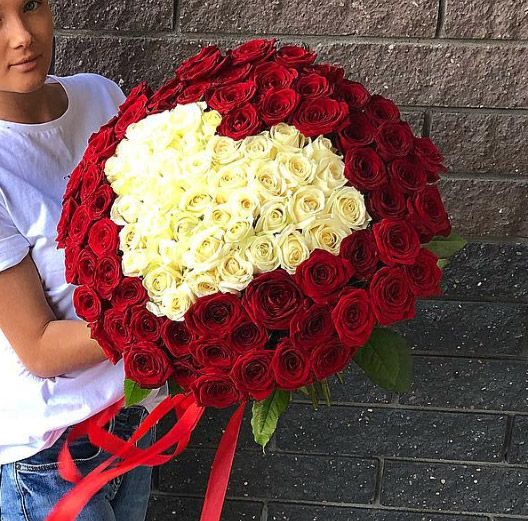
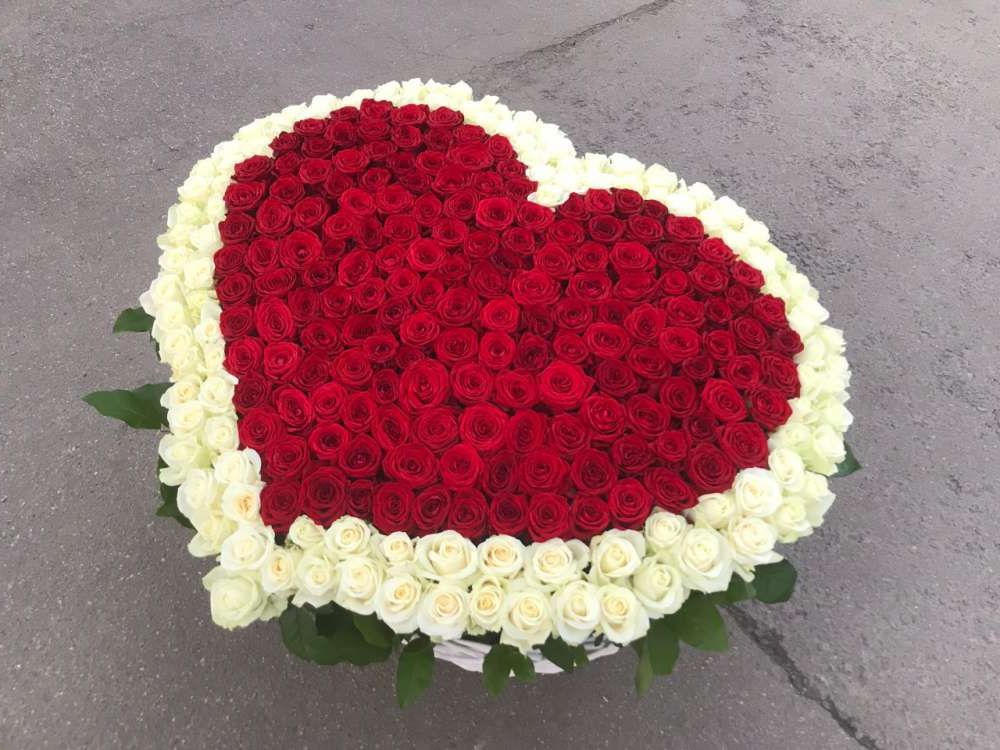
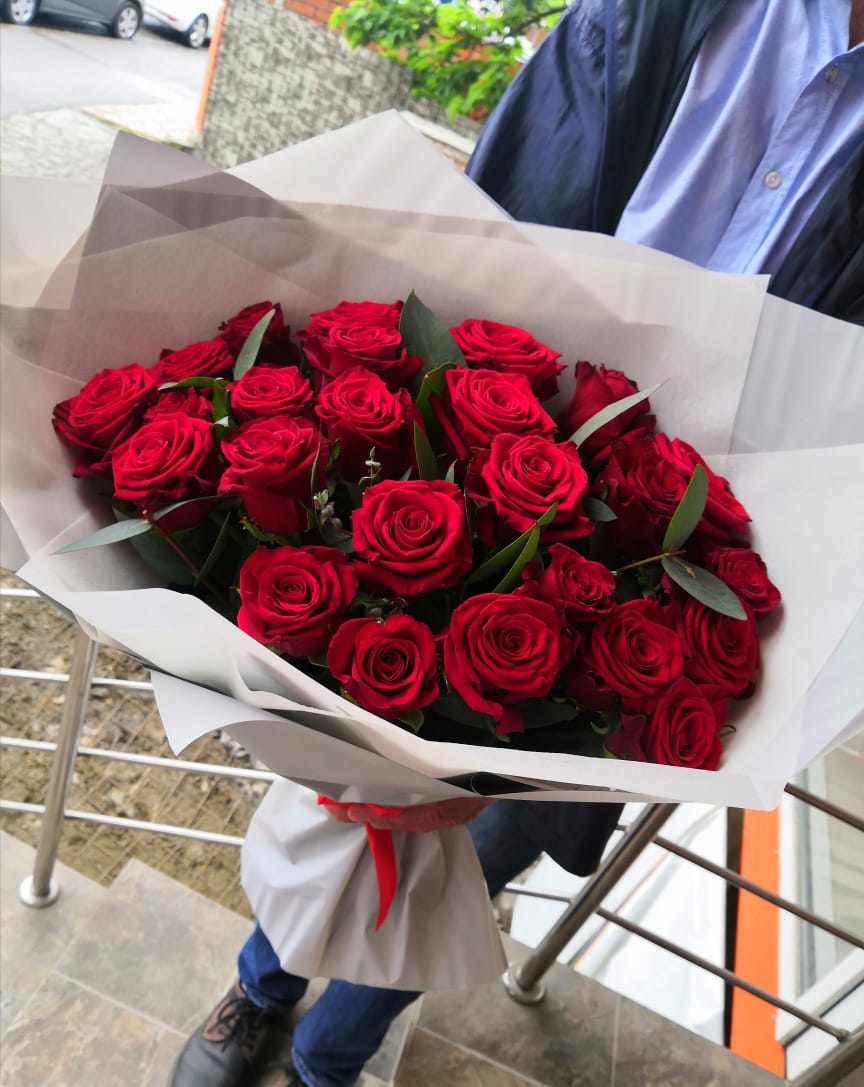
This category covers single-variety bouquets, mixed compositions, and individual stems for a no-occasion gift. It also includes hat boxes, baskets, and large bunches of 25, 51, and 101 stems — a format that often matters as much as the variety itself.
Which varieties to choose
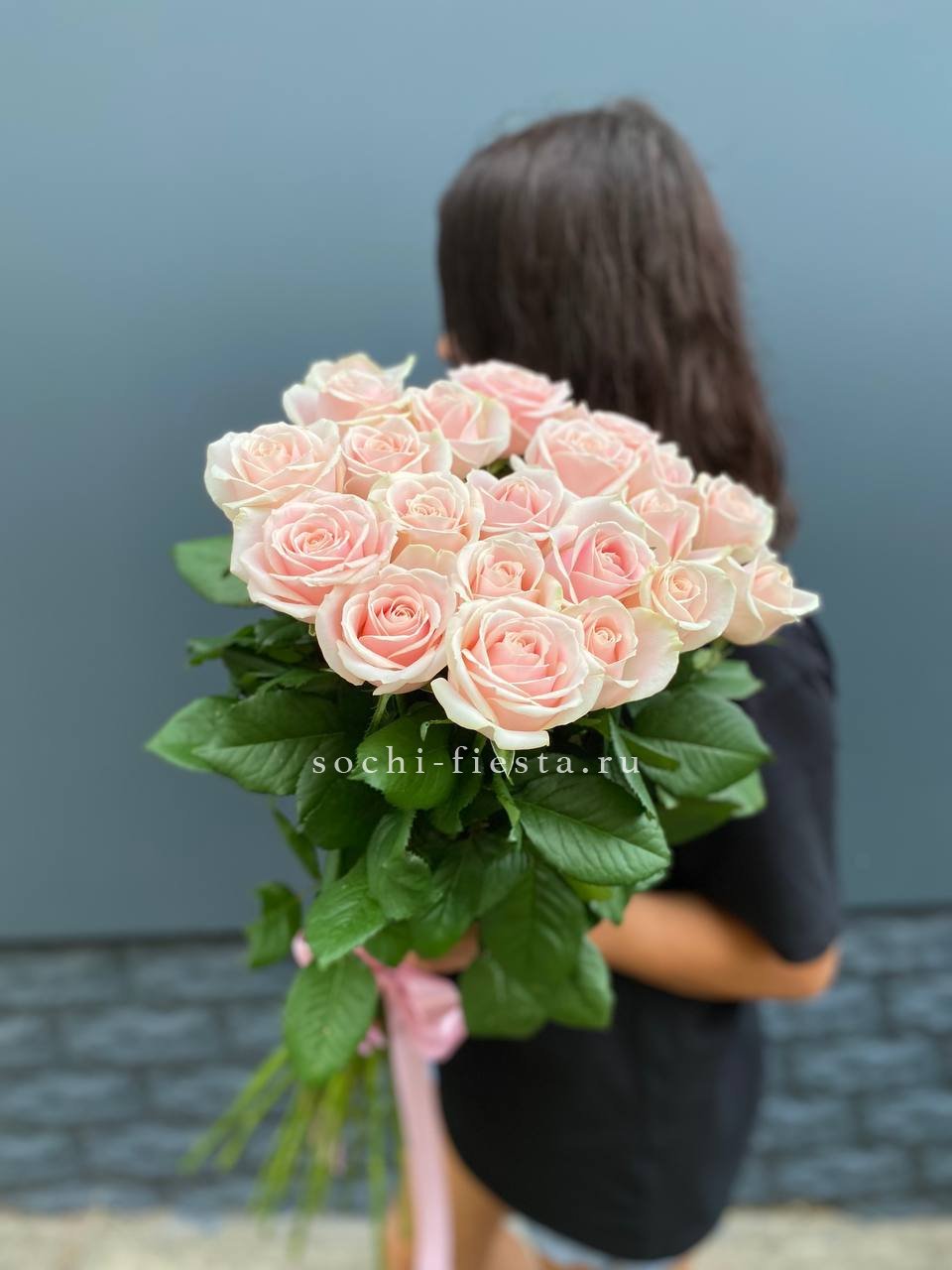
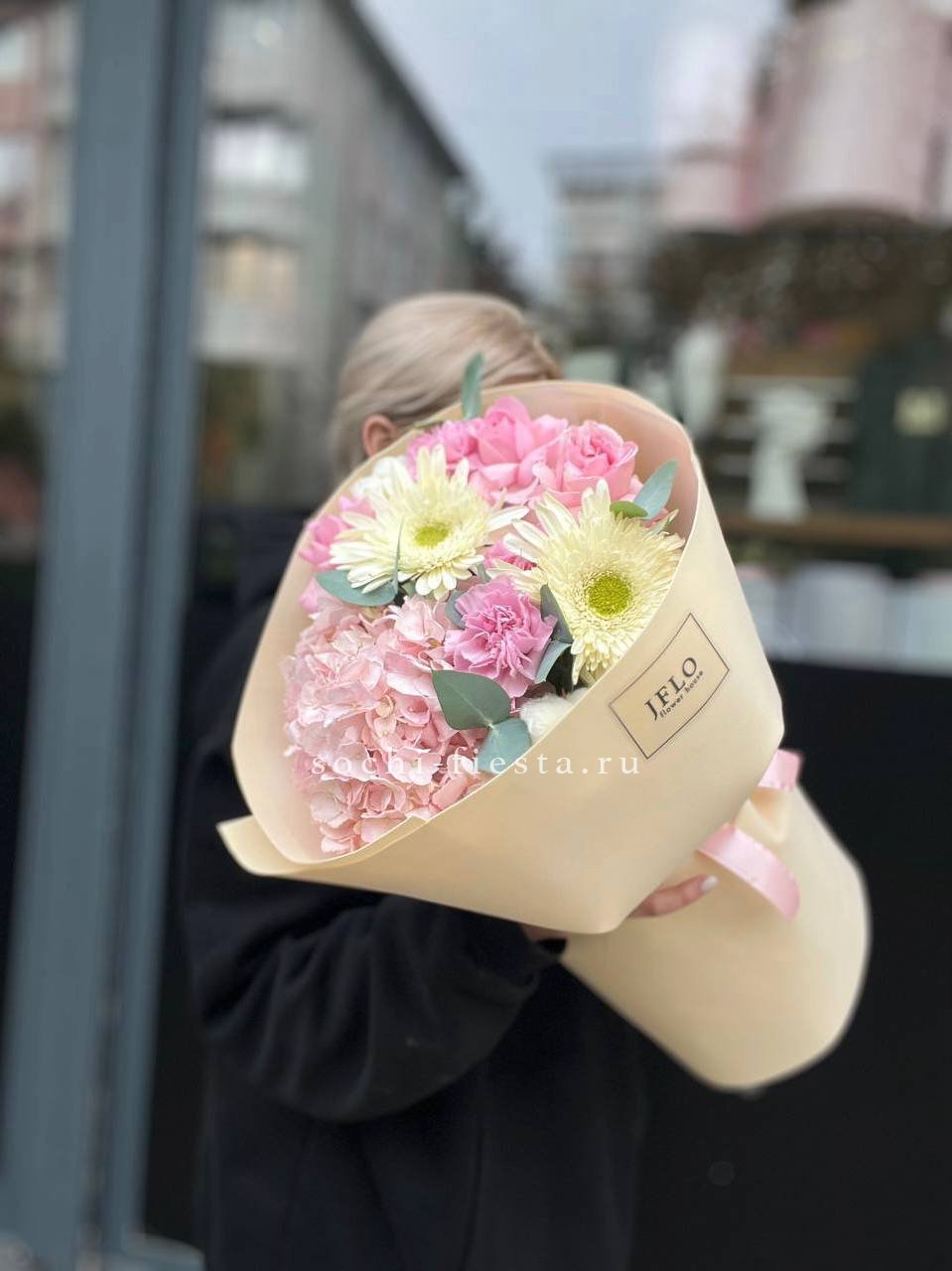
We keep three working groups in stock: imported large-heads, local Victorian roses, and English garden roses by David Austin. Each solves its own task — from a statement gift to a quieter romantic gesture.
- Patience, Juliet, Constance, Keira — David Austin English garden roses. Cupped, deeply petalled form, myrrh or fruity fragrance. Ideal for bridal bouquets.
- Freedom, Explorer, Mondial — large-headed flagships from Ecuador and Kenya. Long 70–90 cm stems, dense buds, vase life of 10–14 days with proper care.
- Avalanche+, Red Naomi, Vendela — the classics. Medium 5–7 cm buds, a deep palette, the reliable workhorse for any task.
- Local Victorian roses — in season (November to March) they come from state farms, the freshest in the catalogue.
- Spray roses — multiple blooms on a single stem, for airy compositions and smaller gifts.
Occasions and stem count
One stem is a quiet note of attention. Three is a friendly thank-you. Seven and nine read as a romantic gift. Twenty-five is a serious declaration. Fifty-one and 101 mark anniversaries, engagements, milestone birthdays.
The city's weather shifts through the day — the local "four seasons in one day" line is no joke. On hot summer days, when the mercury climbs to +35…+40 °C, we move roses in insulated boxes and add a water-retaining gel to the stems so the bud doesn't wilt in transit.
Freshness and logistics
Local Victorian roses take the shortest path: from a cut on the farm to a recipient in Carlton or Fitzroy runs a day or two. It is the freshest rose in the catalogue, and in season it is the one we lean on.
Imported large-heads fly in through Tullamarine from Kenya, Colombia, and Ecuador, clear biosecurity, and pass through the Melbourne Flower Market in Epping. The path is longer — 4–7 days from the plantation — but with the right cold chain the bud still lives 10–14 days in the vase.
"Melbourne buyers value freshness — they ask whether the rose is local or imported. A fresh Victorian cut from yesterday beats a week-tired import every single time. A firm bud and real scent are the best test of quality, not the price."
— Daria Kotova, florist, 12 years in the trade
Delivery specifics
Melbourne's climate is temperate oceanic, but changeable. Winter (June to August) sits at +6…+14 °C with no snow. Summer (December to February) runs +14…+26 °C, with regular heatwaves up to +40 °C. Spring and autumn are fickle — sun, wind, and rain can all land in one day. We match the packaging to that rhythm, case by case.
We cover every key district: Melbourne CBD, Southbank, Docklands, Carlton, Fitzroy, Richmond, South Yarra, St Kilda. Catalogue prices are in Australian dollars (AUD, $), payment by card online. For Christmas (which falls in summer here), Valentine's Day, Mother's Day (the second Sunday of May), and Melbourne Cup Day we run an extended schedule — place orders 2–3 days ahead, and a full week ahead for Valentine's Day.
Care at home
After delivery, recut the stems at a 45° angle, strip leaves below the water line, place in a clean vase with cool water. Change the water every two days and add Chrysal or a pinch of sugar. Keep away from direct sun and ripe fruit — ethylene cuts vase life by a third.
In summer the bouquet's main enemy in Melbourne is heat and the air conditioner that dries the air. Place the roses in the coolest room, away from the direct flow of the split system. On days above +30 °C, move the bouquet to the fridge overnight — it adds 3–5 days.
Roses adapt to almost any task: a colleague's birthday, a wedding anniversary, a bridal bouquet, a hospital welcome for a newborn. We match the variety, colour, and format to the actual occasion — message a manager and we will build a composition that lands the moment.

