




Plants in New Jersey: moth orchids and succulents for a cold-season sill
Plants in New Jersey live through a cold season that runs roughly from early December to mid-March, when Newark's January nights average around −3 °C, while a moth orchid needs 16 to 19 °C after dark. A gift plant spends those months indoors, and the plant should spend as little time outside as possible. Choosing one starts with the room it will sit in and the person who will water it, rather than with the occasion.
A pot that flowers for months, or one that stores its own water
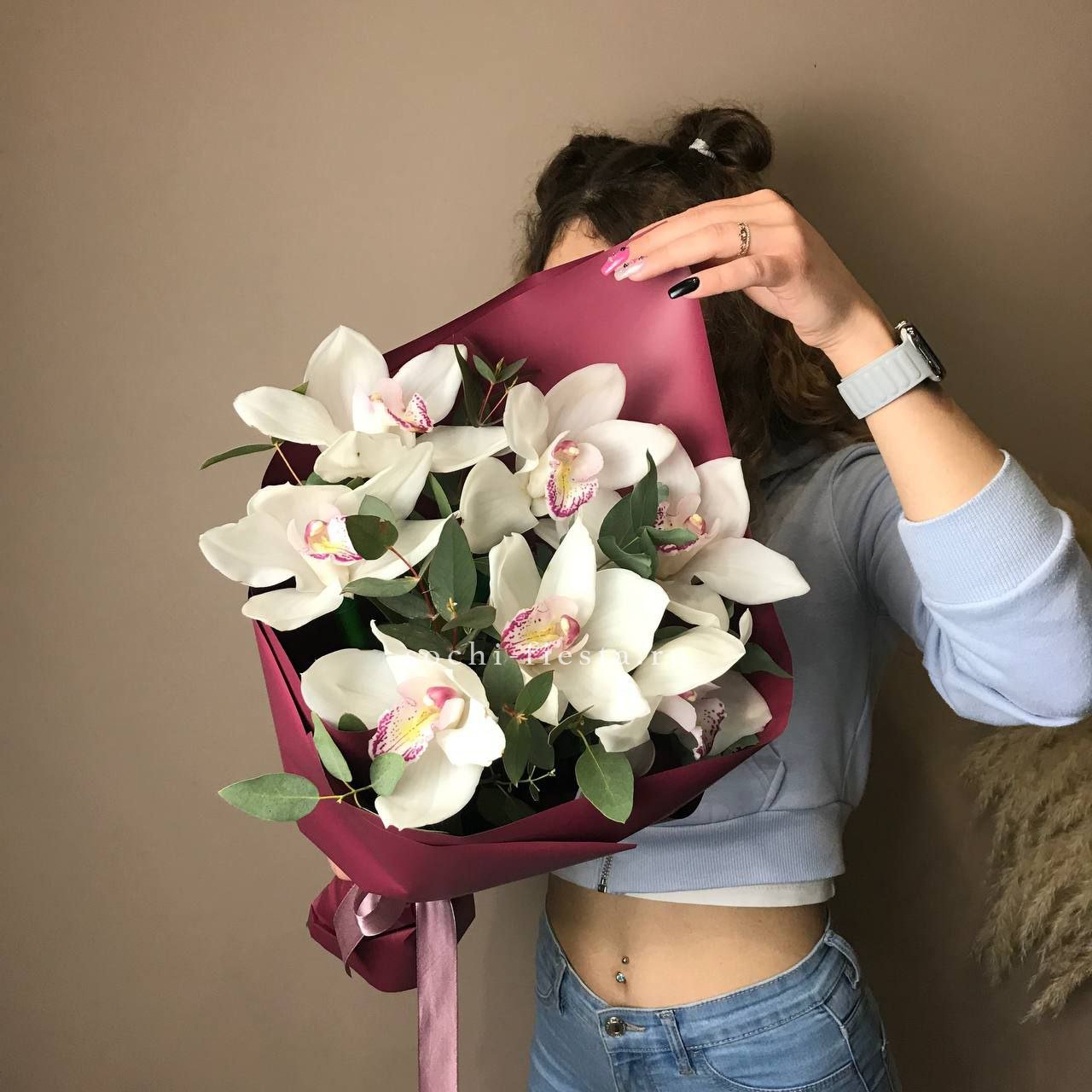
Most of the flowering plants on this page are moth orchids, Phalaenopsis: a single flower spike holds its blooms for two to three months, where a cut rose in a vase lasts about a week. The difference is worth weighing before choosing between a plant and a bouquet.
Cactus plants and the succulents set under glass suit a household where watering happens on nobody's fixed schedule. A succulent's tissue stores water, sometimes up to nine-tenths of its weight, so a missed week does little harm. Plants sorted by type bring together smaller pots across several kinds, useful when the room matters more than any one species.
New Jersey has its own standing here: the US Department of Agriculture ranked the Garden State fifth in the country for floriculture overall in 2024. A closed Cube Florarium with Sedum Succulent fits a shelf with no direct sun and asks for almost nothing once it is set down.

New Jersey's cold season runs roughly from the second of December to the eleventh of March. Around 80 centimetres of snow falls across the state in that stretch, most of it between December and March. The state's north-west sits colder than the shore and the south.
A plant suffers from extra minutes outside just as a cut bouquet does. If nobody answers the door, the courier waits up to fifteen minutes and calls first; with the sender's permission, a plant can be left with a concierge or a neighbour instead.
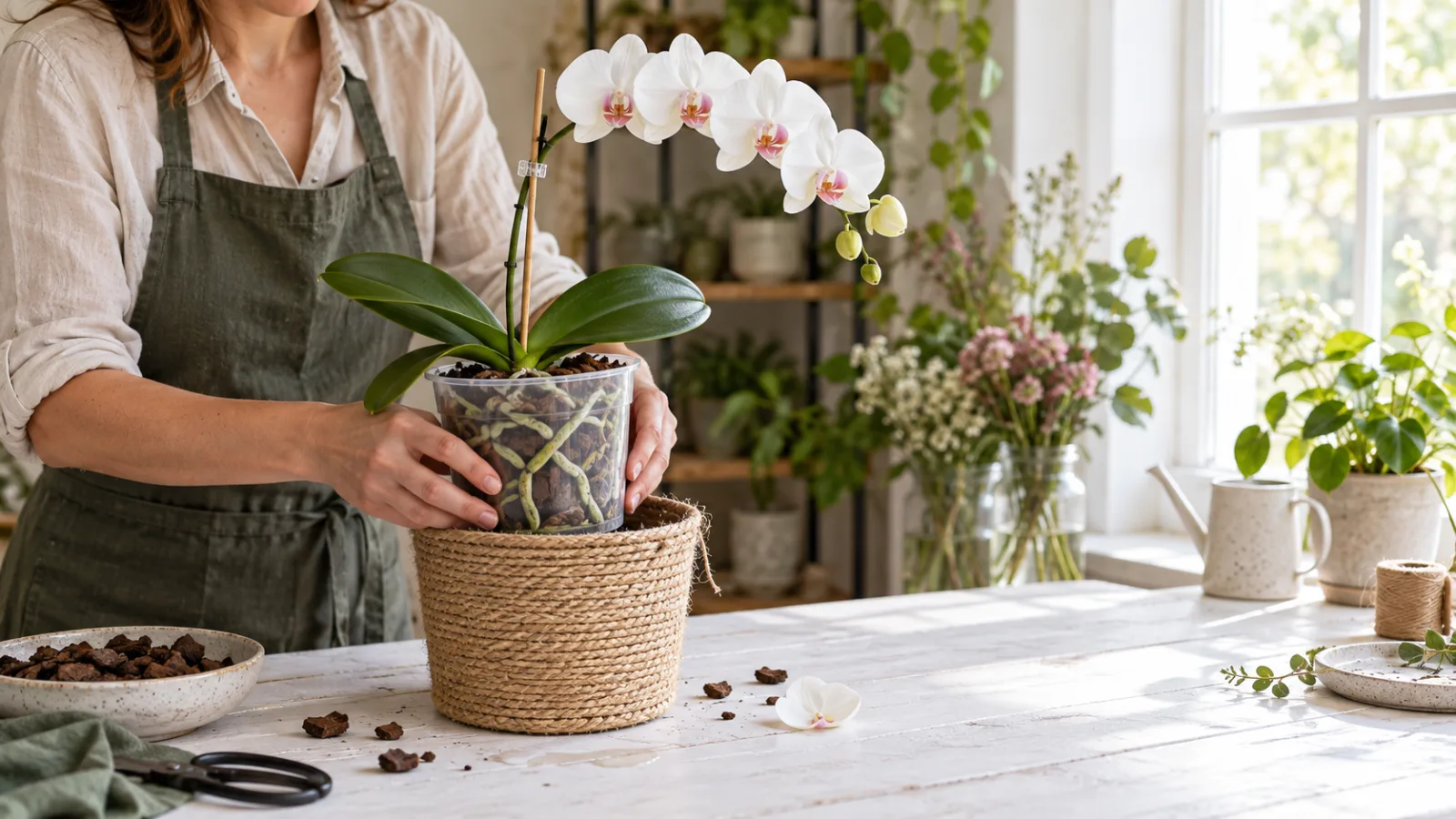
A heated room dries the air all winter. A moth orchid wants 19 to 30 °C by day and 16 to 19 °C after dark, with water roughly once a week and less often once the heating season sets in. The pot should never stand in a water-filled saucer, and the leaves and the growth point stay dry when watering. The clear pot it comes in is not for discarding either: through it, the roots and how damp the bark is both stay visible.
New Jersey's hot season runs roughly from late May to mid-September. The muggiest stretch falls between early June and late September, with July its peak: daytime highs of 29 to 30 °C (85 to 87 °F) and nights around 21 °C.
Direct summer sun scorches a moth orchid's leaves, so a sill that faces it all afternoon is the wrong spot. The plant forms a new flower spike when daytime temperatures sit below 27 °C, and a July afternoon outdoors runs warmer than that; what a particular room does to the plant depends on the room itself.
Succulents come from hot places where rain falls rarely, so an open glass bowl suits them and takes a spray bottle rather than a watering can. Closed glass runs its own small water cycle instead and suits plants that want more moisture around them. The stone rose sold here is a trade name for a sun-loving, dry-soil plant rather than one particular species.
Plant delivery in New Jersey: an orchid boxed, with chocolate or alone
An orchid here comes several ways: alone in its own pot, boxed as in 7 Orchids in a Box, paired with roses, or set beside chocolate as in the Belgian Chocolate Orchid. The florist photographs the plant before the courier leaves, the card is free, and a recipient's phone number is enough when there is no address to give. Most orders go out the same day they are placed, and the exact window sits on the product card itself.
Delivery zones and terms are listed on the delivery page, and hotel reception, hospital wards and ordering from outside the country work much the same way as for cut flowers, covered on the flowers hub.
Start with the flowering plants if the gift should open and bloom on its own, or with a closed florarium if the person receiving it tends to forget watering altogether.