


720x720_q85.jpg?v=1787130774)


720x720_q85.jpg?v=1787130511)


720x720_q85.jpg?v=1787130774)


Bouquets by flower: what the choice itself says

Most people order by occasion, by colour or by budget. This section is arranged the other way round, by the flower that ends up in the vase, and the collections under it are single-species: alstroemeria, carnation, chrysanthemum, rose, tulip, lisianthus.
Naming a flower is a smaller decision than it looks and a louder one than people expect.
The message inside the name
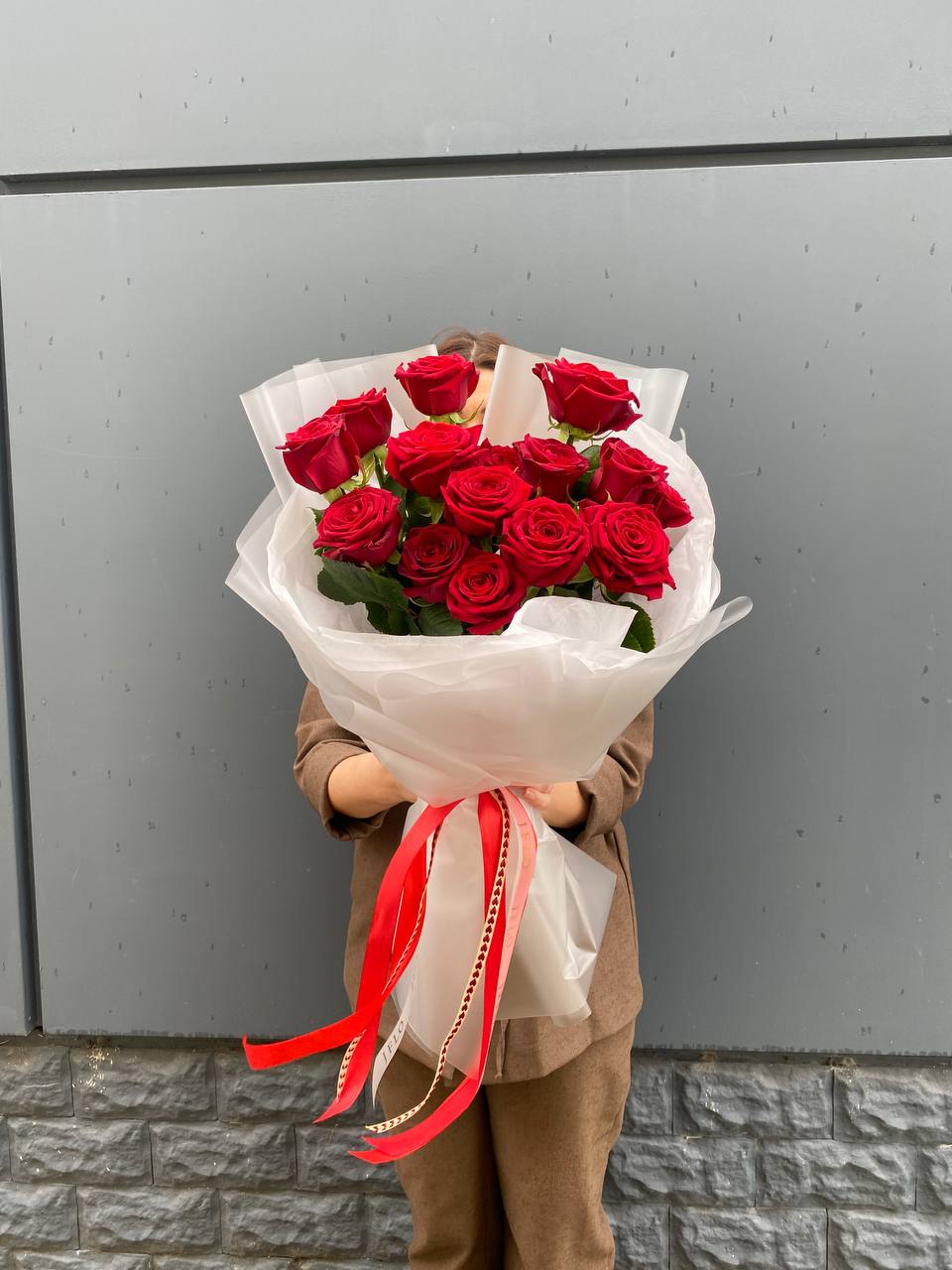
A rose is understood everywhere and therefore says the least about you. It fits when the relationship is formal or new, and when you would rather the flowers were not interpreted at all.
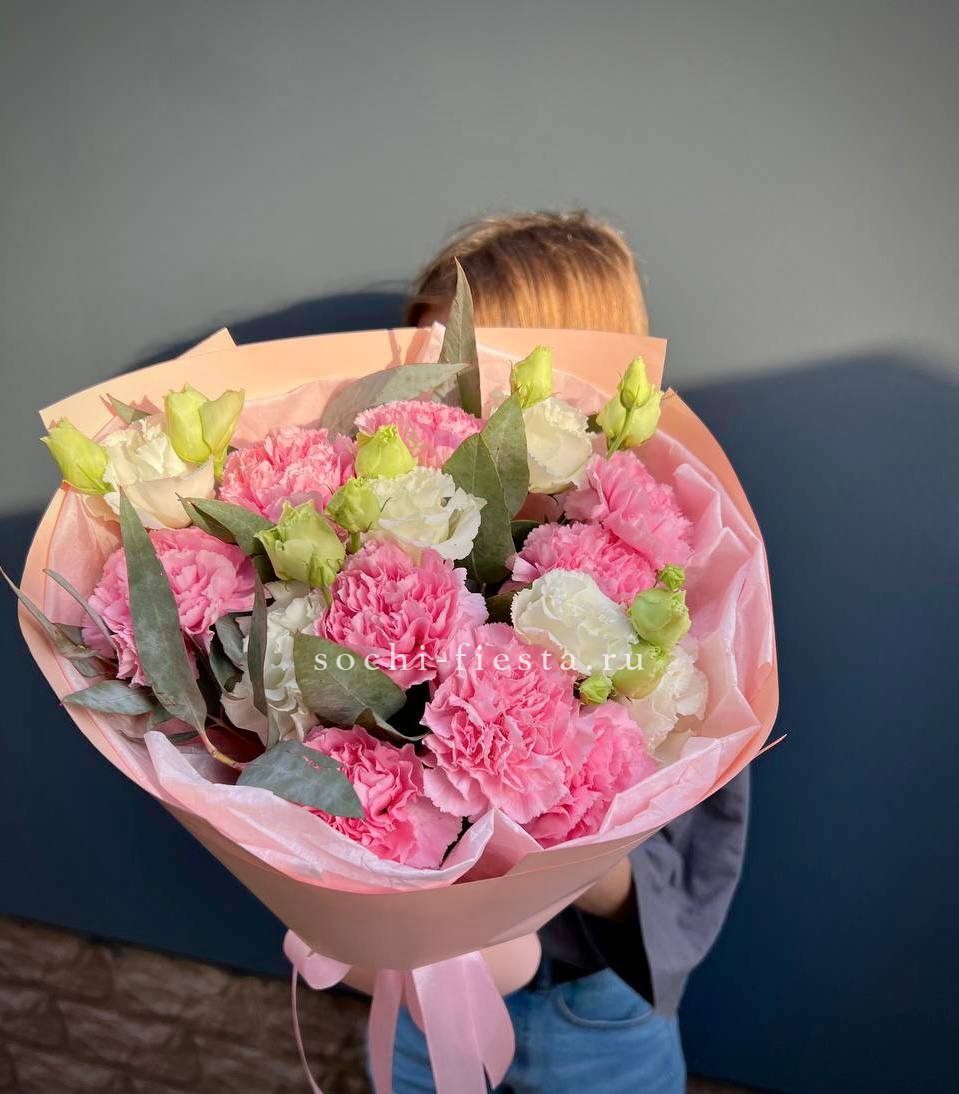
Choosing anything else is a claim to know the person. Tulips for someone who talks about spring, chrysanthemums for a household where flowers need to last a fortnight, carnations for anyone who grew up with them. The recipient reads that as attention paid, and the reading survives long after the flowers are gone.
The risk sits in the same place. A flower picked for its rarity rather than for the person lands as a purchase, and an unfamiliar name on the card carries none of the meaning you had in mind.
Single species or mixed
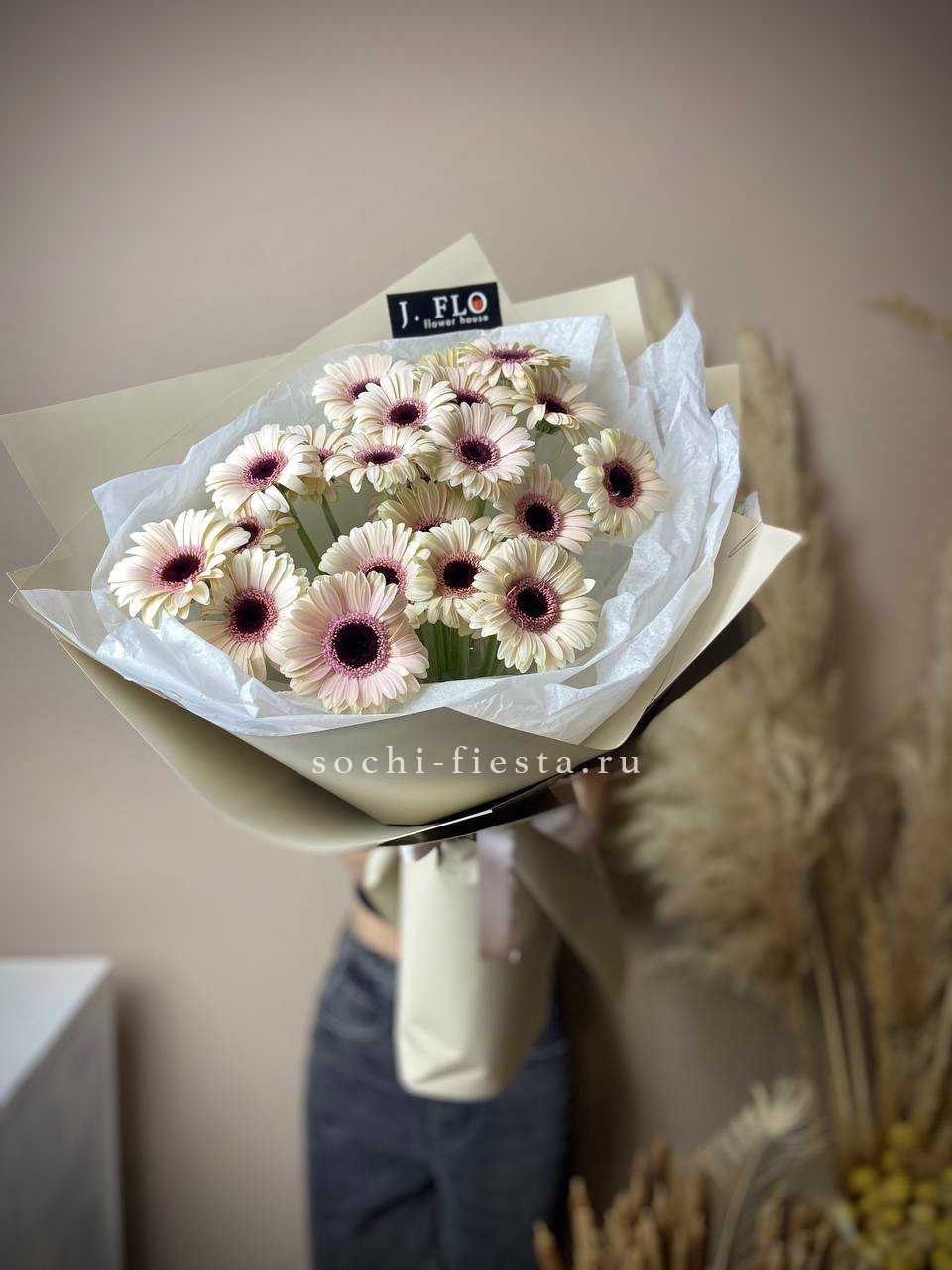
One species repeated is a strong shape. Thirty stems of the same flower give a clean silhouette and a single colour. Nothing inside the bouquet competes for attention, which is why these bunches photograph better than they look in a crowded shop.
A mixed bouquet does a different job: several heights, several textures, and a shortage of one flower covered without changing the outline. That flexibility is why most shop windows are full of them.
Care differs too. A single-species bouquet has one trimming height and one water routine. A mixed one holds stems on different clocks and usually gets split between two vases by the end of the first week.
Season, honestly

Every catalogue name is available all year. The flower behind it is not. A bloom flown in outside its season arrives with part of its vase life already spent, and it costs more for the privilege. Peonies, lilac and lily of the valley are the usual examples. Alstroemeria, carnation, chrysanthemum and rose hold up across the calendar, which is why the collections built on them stay predictable.
Before you order
Ask what came in this week rather than what is listed. Ask how strongly it smells, since lilies and hyacinths will fill a small flat on their own. Ask how many days it stands, and if the answer is a number rather than a shrug, the shop knows its stock.
A recipient in Nicosia who is out until the evening is a separate question, and it is better settled before the courier leaves than after.
Bouquets by flower work best when you already know what the person buys for themselves. If you do not, season and vase life are safer guides than rarity, and the collections here are ordered with that in mind.

