






720x720_q85.jpg?v=1787130511)


_e58557720x720_q85.jpg?v=1787130512)


720x720_q85.jpg?v=1787130516)
720x720_q85.jpg?v=1787130516)
_0406c4720x720_q85.jpg?v=1787130516)
Rose delivery in Oslo: Dutch freshness, Scandinavian restraint and the culture of kos
Oslo is a city of the fjord, timber and light you have to protect through winter. When it goes dark by three in the afternoon, a bouquet on the table stops being decoration and becomes part of koselig — the Norwegian knack for making a home warm from the inside. The rose fits that rhythm easily, both as a quiet gesture and as a formal statement. Norway has no homegrown rose breeding, so quality in the bouquet comes down to logistics and an honest cold chain.
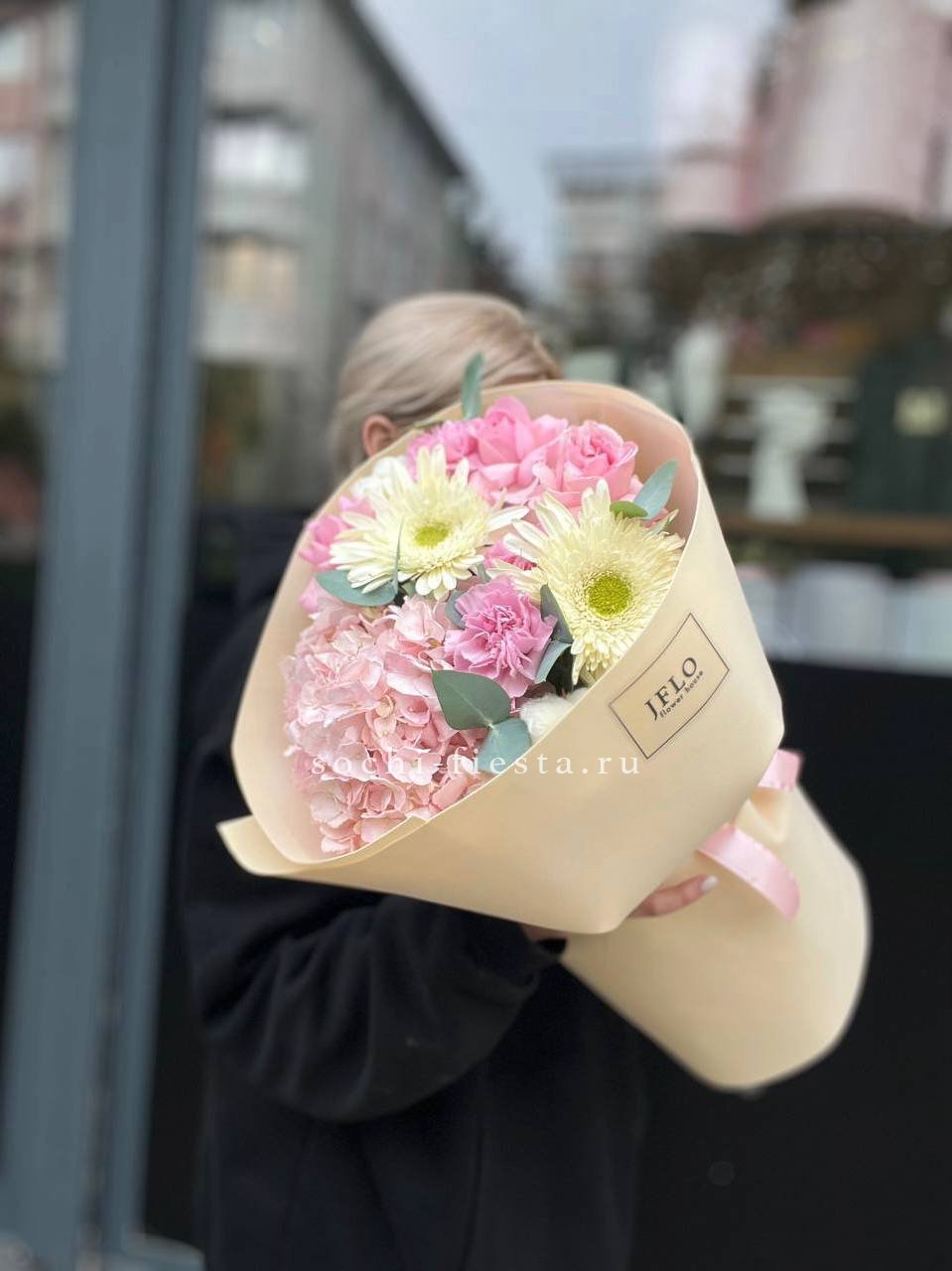
This category covers single-variety bouquets, mixed compositions, spray roses, market-style bunches in kraft and hat boxes. Formats run from a compact bunch of seven stems to a grand 51 or 101. Restaurants, hotels and corporate clients around Aker Brygge and the new Bjørvika quarter tend to order boxes and larger arrangements.
Which varieties to choose
The main supply comes from Dutch glasshouses through the Royal FloraHolland auction — large-headed classics and peony-form hybrids. Ecuadorian long-stemmed varieties arrive less often but are available for oversized work. Here is the working breakdown.
- Freedom, Red Naomi — the red anchor. Freedom is deep crimson with a dense head and 60–80 cm stems, lasting 10–14 days with care. Red Naomi is a velvety dark ruby with a softer petal. Both work for anniversaries and romantic occasions.
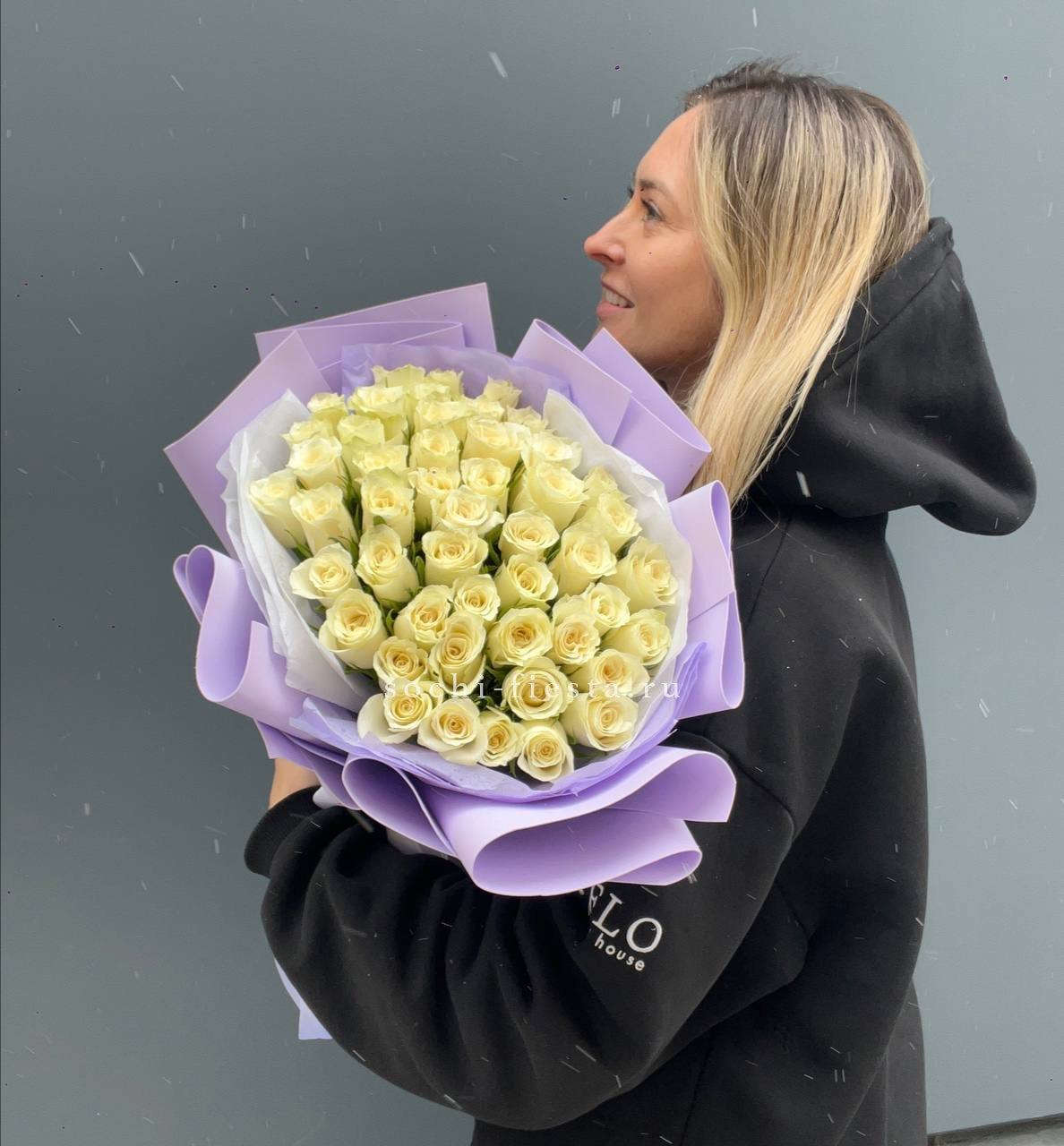
- Avalanche+, Mondial — white and cream Dutch classics. A neutral base for mixed arrangements and wedding work. Avalanche+ holds its form 12–15 days in good conditions.
- Juliet, Patience — David Austin garden roses with a cupped bud and a scent of myrrh and peach. For weddings and a heartfelt personal gift.
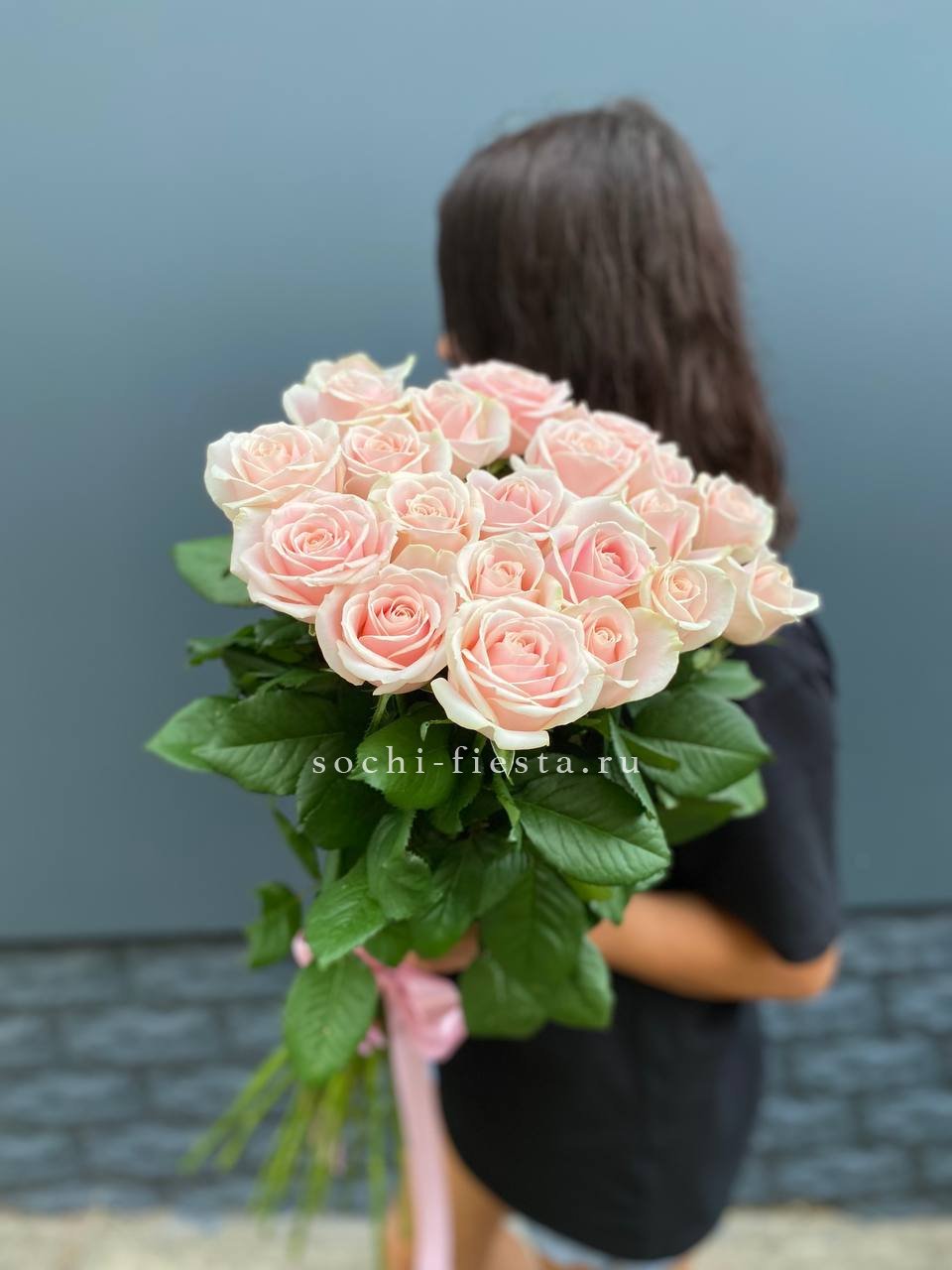
- Tiffany, Sweet Avalanche — blush-pink and soft tones. A precise match for the muted Norwegian palette.
- Explorer, Topaz — Ecuadorian varieties with 80–100 cm stems. For large display bouquets, baskets and corporate gifts.
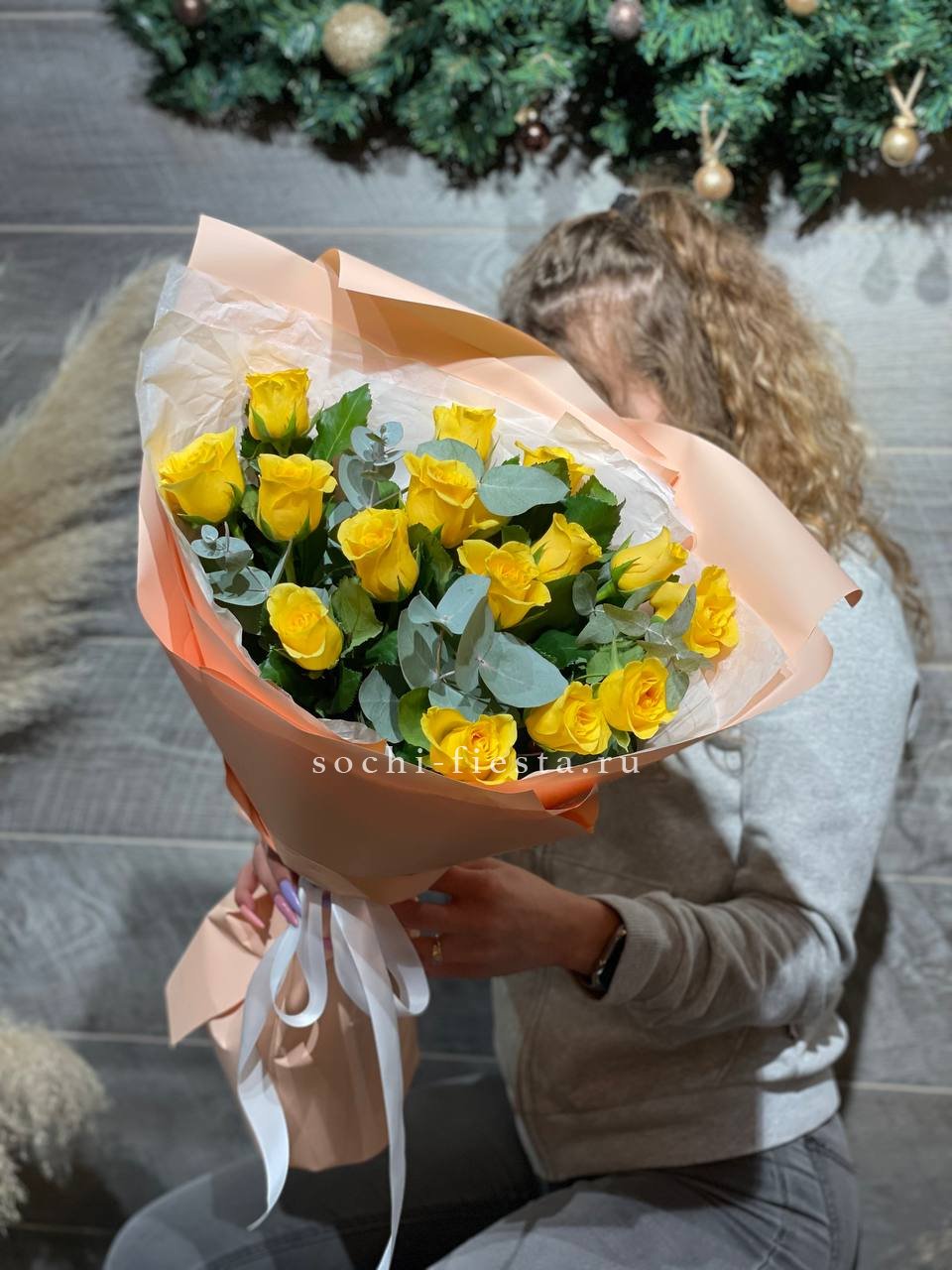
- Spray roses — several buds per stem, lighter and airier in composition. Good for everyday gifts and accent stems.
Occasions and stem counts
A single stem is a spare, almost design-led gesture, and Norwegians value it — restraint reads as taste here. Seven to nine stems is a romantic gift without theatrics. Twenty-five signals a proper celebration or declaration. Fifty-one and 101 are reserved for anniversaries, engagements and milestone dates.
The Scandinavian aesthetic leans toward a calm palette: white, blush, cream and smoky pink, tuned to bright interiors and northern design. But the city keeps no rigid colour rules — red is not reserved for romance alone, and bold tones sit happily in a bouquet for a lively party in Grünerløkka.
Freshness and logistics
Dutch roses leave the Aalsmeer auction overnight in refrigerated lorries through Germany, Denmark and Sweden — roughly 1,300 km, with a ferry crossing and a run past Gothenburg. Norway is outside the EU, so consignments clear customs at the border, which adds a few hours to the trip. The drive takes about a day to a day and a half, and from cut to the recipient's door takes three to four days. Cared for properly, the roses then last 10–14 days.
Ecuadorian long-stemmed varieties arrive by air through European flower hubs — four to six days from the high-altitude plantation (2,800–3,000 m) to an Oslo bouquet. The trade-off is exceptional stem length and bud density, achieved by the cold mountain climate.
"A Norwegian buys flowers calmly but is fussy about quality: they look at the bud, feel the stem, ask where the batch came from. Our winter is the real thing, and if you carry a rose across half of Europe through the frost, the cold chain and warm packing aren't a service — they're an obligation."
— Ingrid Halvorsen, florist, Oslo, 14 years in the trade

Delivery specifics in Oslo
Oslo has a more continental climate than the coastal Scandinavian capitals: winter is the real thing, with snow and temperatures around −3 to −7 °C, dropping lower on cold nights. Summers are mild, +20 to +22 °C, and anything above +26 °C is rare. The main risk for cut flowers here is frost rather than damp — in the cold a bud can be nipped within minutes. So in winter roses travel in thermal bags, and in a hard frost the courier won't leave a bouquet at the door without the recipient present.
We deliver roses across all districts of Oslo: Sentrum, Grünerløkka, Frogner, St. Hanshaugen, Sagene, Gamle Oslo, Majorstuen, Bjørvika, Grønland, Nordstrand, Ullern and Aker Brygge. Payment is in Norwegian kroner (kr, NOK). Peak dates: Jul (Christmas, with the main evening on 24 December), Påske (Easter), Valentinsdag (14 February) and Morsdag — Norway's Mother's Day falls on the second Sunday of February, almost back to back with Valentine's. Konfirmasjon season in May adds a separate spring surge. Order a full week ahead for the February dates and three to five days ahead for the rest.
Home care
On arrival, re-cut the stems at 45° — ideally under water — and strip any leaves below the waterline to prevent rot. Place in a clean vase with cool water and a sachet of flower food or a pinch of sugar. Change the water every two days.
Norwegian flats are heated to +22–24 °C in winter, which is on the warm side for roses. If the bouquet has come in from the frost, let it stand in a cool hallway for an hour without unwrapping, to avoid a sharp temperature swing. Keep the roses in the coolest part of the home, away from the radiator and away from bananas, apples and pears: the ethylene that ripe fruit emits shortens cut-flower life by around a third. Roses suit almost any occasion — message our team to match variety, colour and stem count to the occasion and budget.

