


720x720_q85.jpg?v=1787130511)


_e58557720x720_q85.jpg?v=1787130512)


720x720_q85.jpg?v=1787130516)
720x720_q85.jpg?v=1787130516)
_0406c4720x720_q85.jpg?v=1787130516)
Rose delivery in Phuket: blooms from northern Thailand's highlands, resort weddings and tropical logistics
Phuket lives with flowers the Thai way. Here a flower is first of all an offering: on every spirit house and at every temple gate lies a phuang malai, a woven garland of jasmine studded with marigolds and tiny roses. Orchids grow along the roads like weeds, and the scent of frangipani and jasmine hangs in the air all year round. Against that backdrop the cut rose reads as a separate, "non-ritual" gesture — romance, congratulation, a wedding.
Unlike the orchids and jasmine that are everywhere on the island, the cut rose travels a long way to Phuket — from the cool highlands of northern Thailand. The main flow comes from the plantations around Chiang Mai: Mae Rim, the Royal Project farms and the mountain growers of Chiang Rai, where the climate yields a dense bud. Premium long-stemmed varieties and garden roses for weddings are brought in by import through Bangkok.
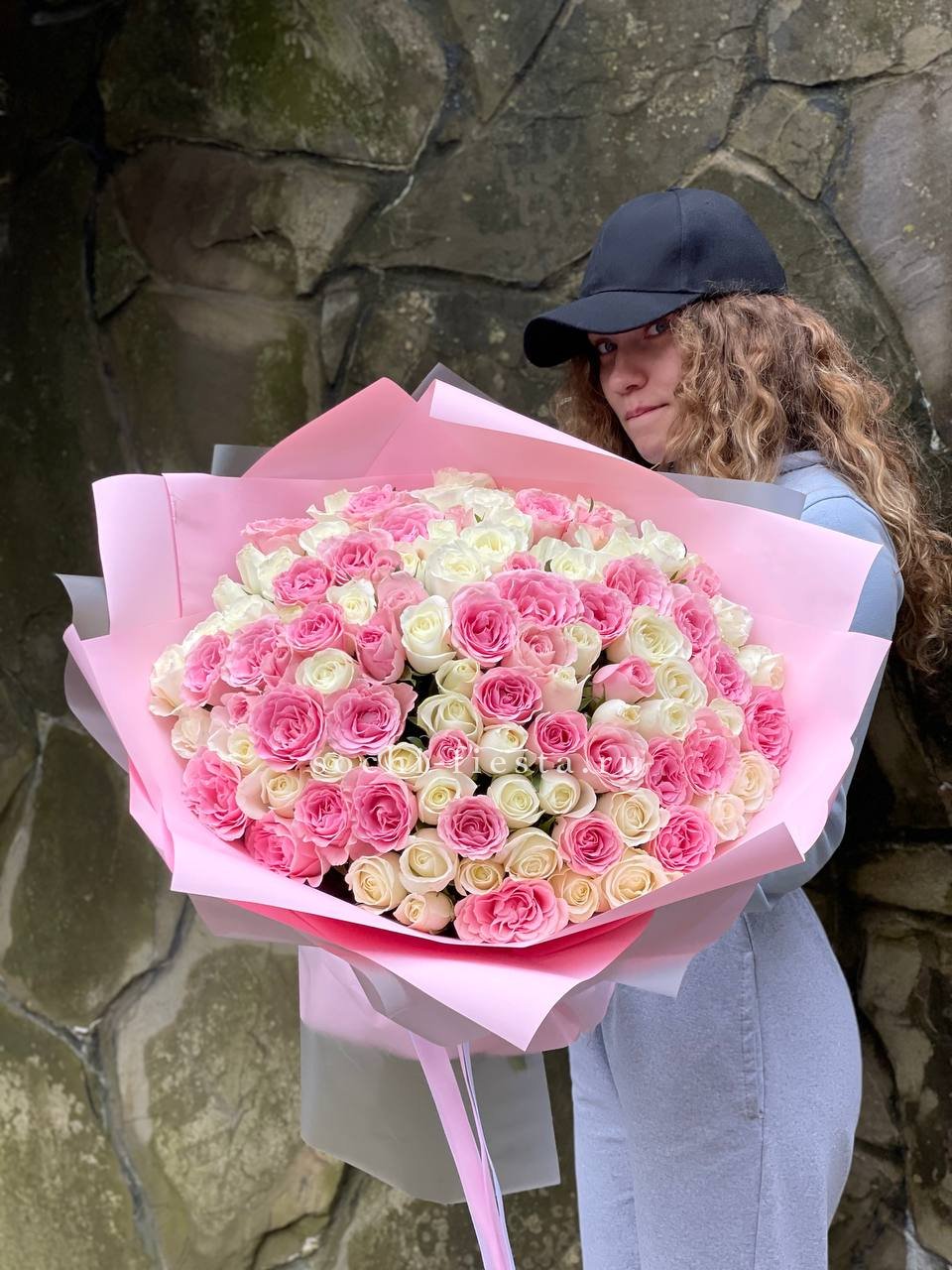
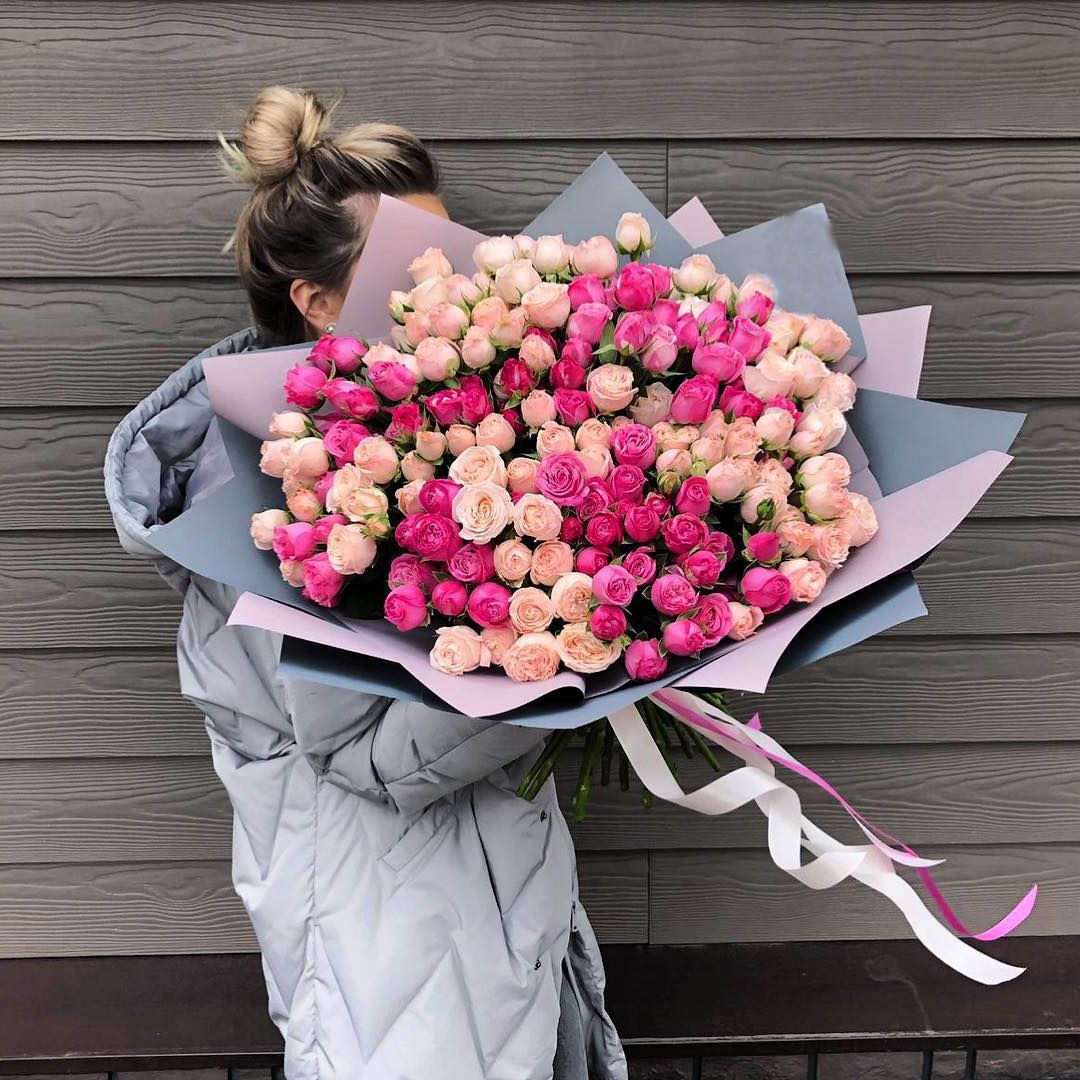
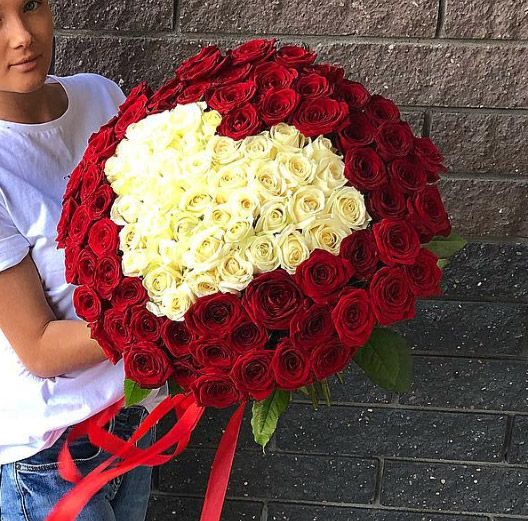
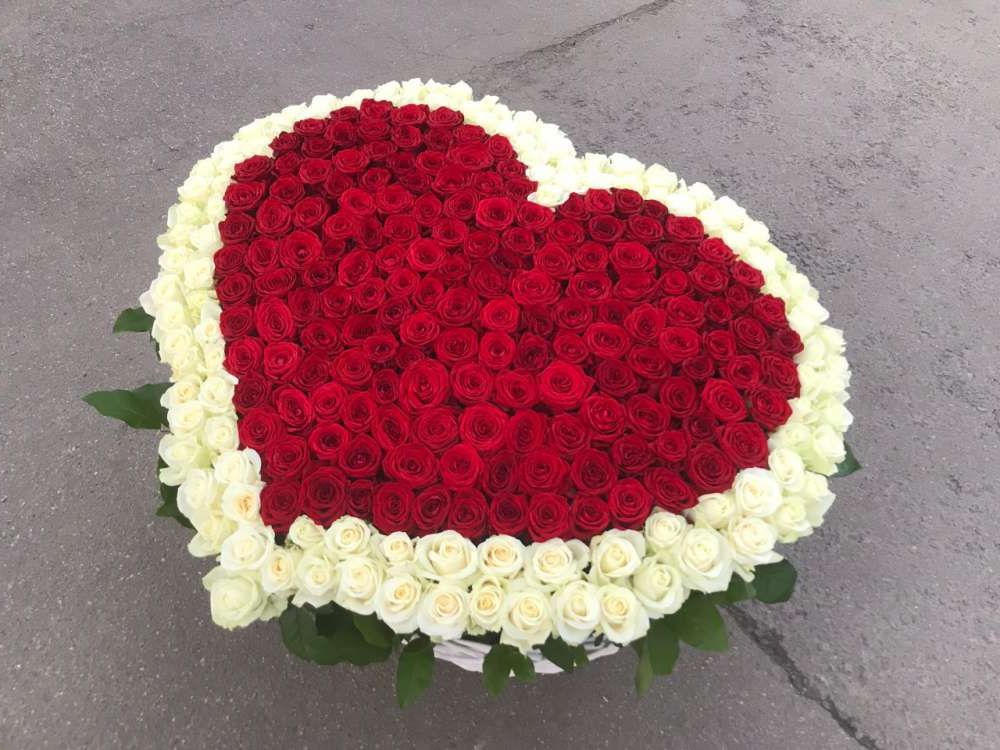
The category covers single-variety bouquets, mixed arrangements, spray roses, market-style bunches in kraft and hat boxes — and, for weddings, large arrangements and arches. Formats run from a compact bunch of seven stems to a grand 51 or 101. Phuket is a wedding and honeymoon destination for the whole world, so the demand for white and pastel roses among resort florists runs high all year.
Which varieties to choose
The supply comes from three sources: the northern Thai highlands, the wholesale market and targeted imports for special needs. Here is the working breakdown.
- Local reds and pinks — the workhorses of Thai glasshouses. Dense bud, 40–60 cm stems, lasting 5–8 days. Versatile for a birthday or a no-occasion gift.
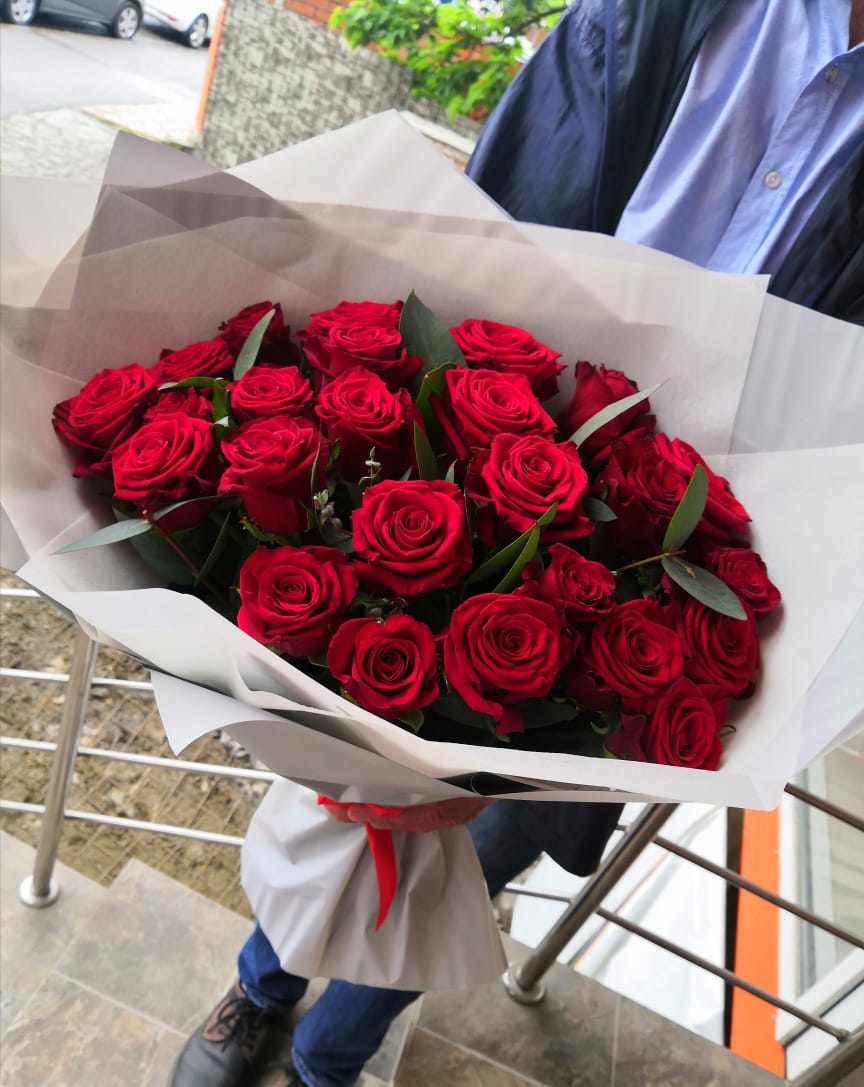
- Red Naomi — a premium red, large head and long-lasting. Imported, for romance, anniversaries and celebrations.
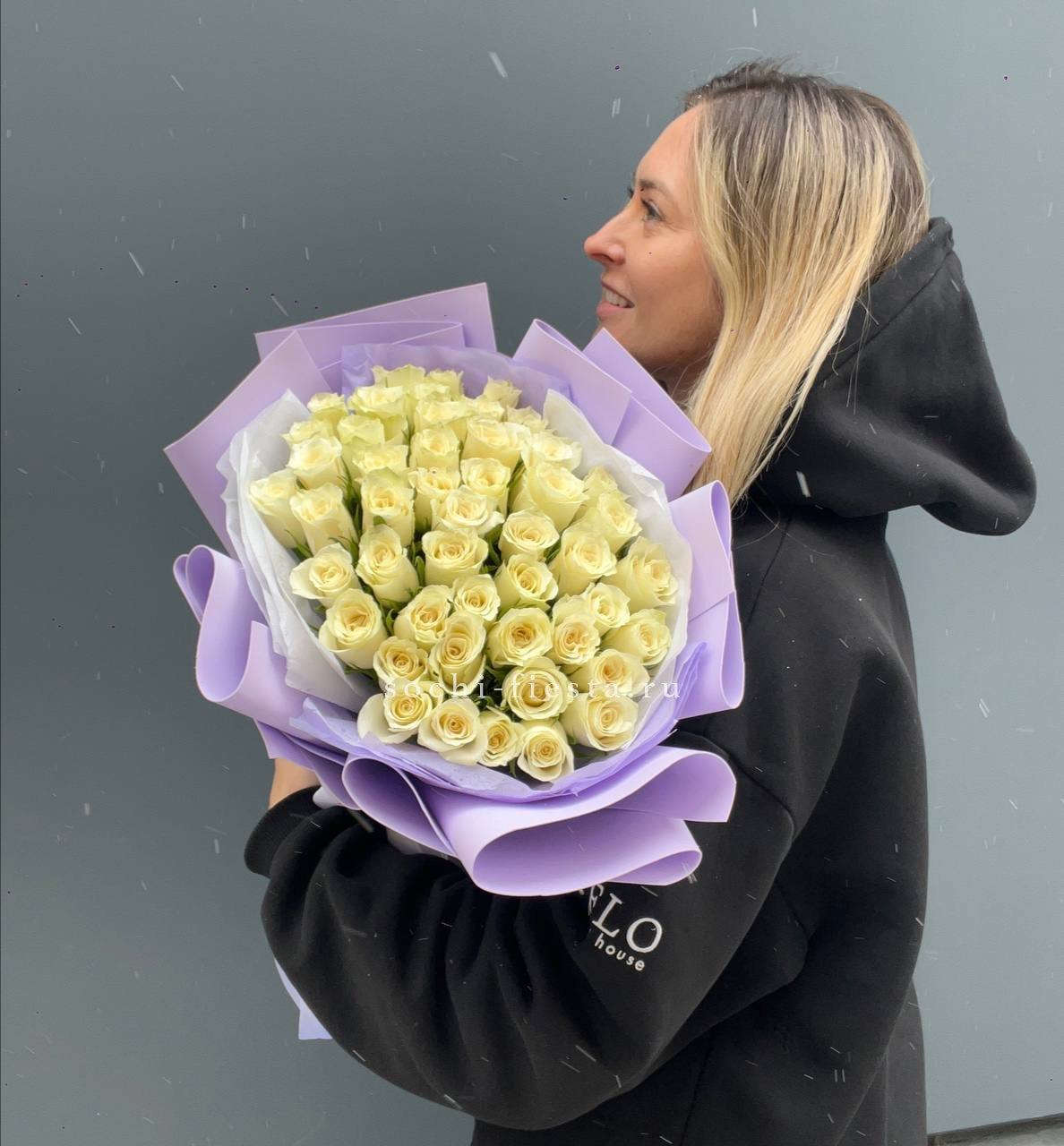
- Avalanche+ — a white and cream Dutch variety, a neutral base for mixed bouquets and wedding work.
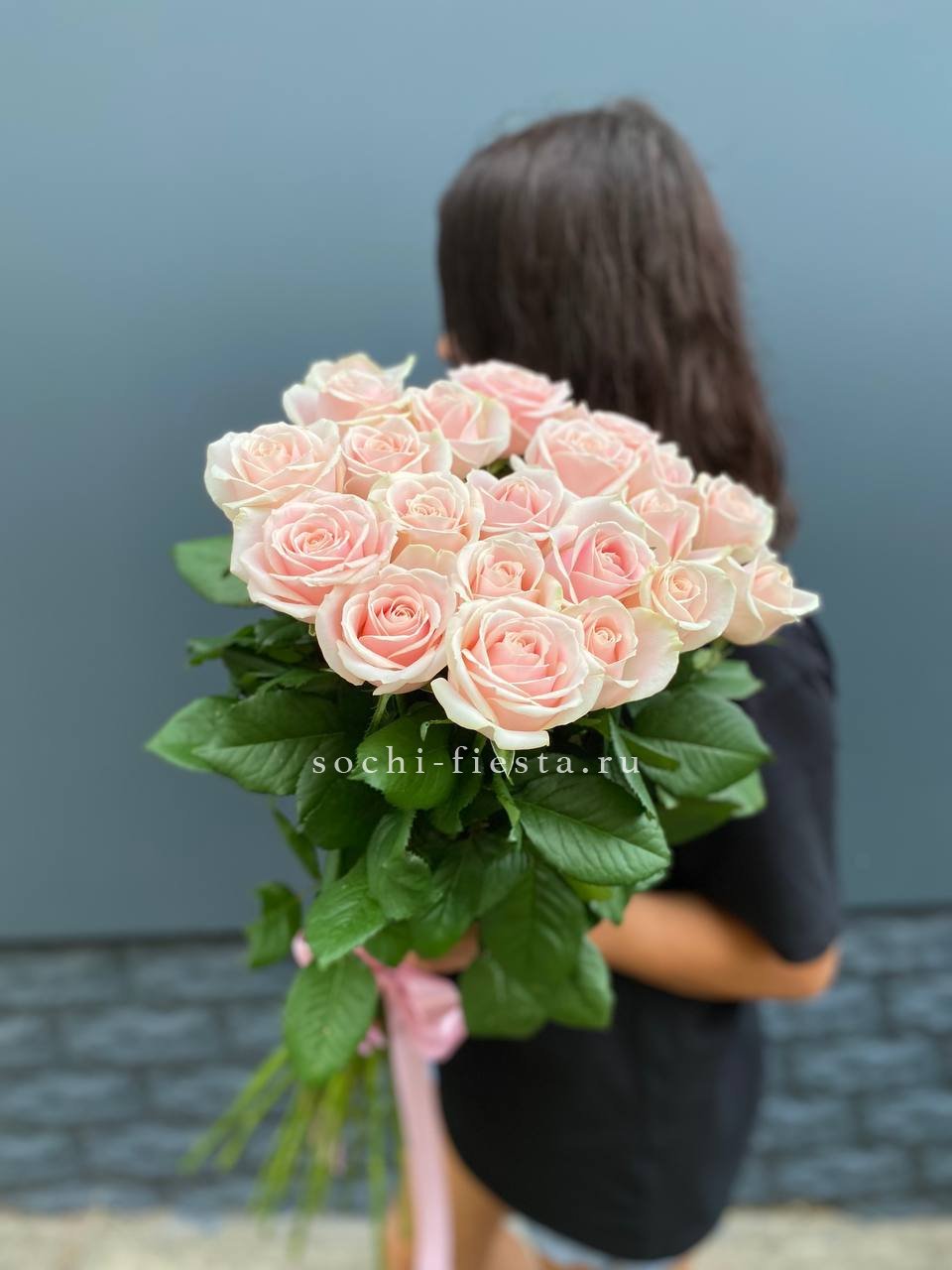
- Sweet Avalanche — a soft pink, a clean pastel tone. A favourite of resort wedding decorators.
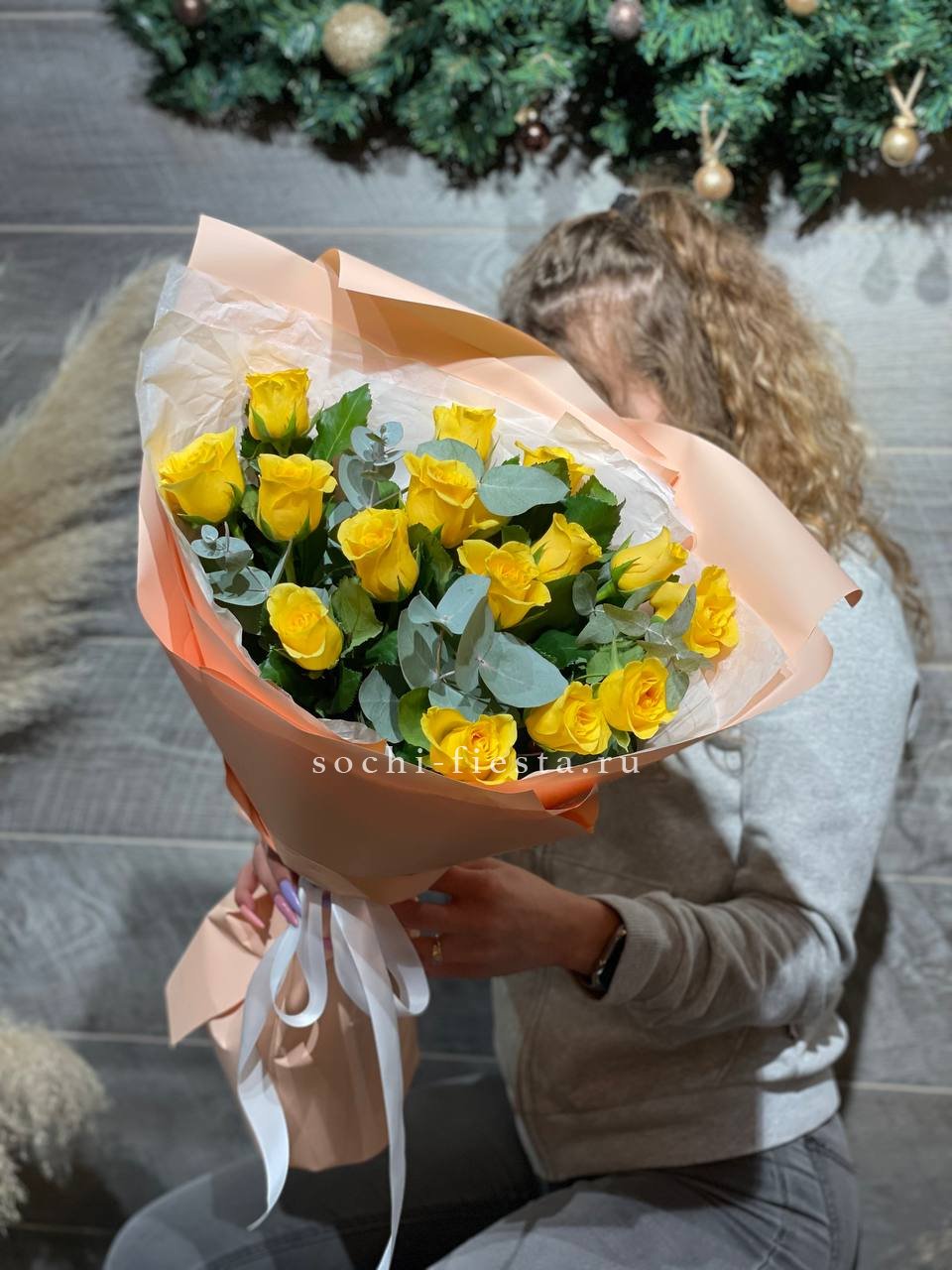
- Gold Strike — a rich yellow. For a warm, sunny palette and congratulations.
- Juliet (David Austin) — garden roses with a cupped bud and a scent of myrrh and peach. Imported, for weddings and a heartfelt gift.
Occasions and stem counts
A single stem is a spare gesture. Seven to nine is romance without theatrics. Twenty-five is a proper celebration. Fifty-one and 101 are for anniversaries, engagements and milestone dates. At Phuket's resorts the rose often goes into wedding styling: the bridal bouquet, dressing a ceremony at the Promthep Cape viewpoint, an arch on a Surin or Bang Tao beach — so in season the white and pastel varieties are the first to sell out.
Phuket keeps no rigid colour rules: the island is used to guests from all over the world and to all kinds of traditions. Red roses stay with romance, white and cream with weddings, and bright bunches suit a birthday and a gift to a colleague in a Phuket Town or Chalong office equally well.
Freshness and logistics
Local cut stems from the northern highlands reach the florist in one to two days — they travel on a flight from Chiang Mai via Bangkok or by refrigerated truck. Imported lots — Dutch, Kenyan and Ecuadorian varieties, as well as garden roses — fly into Phuket International Airport (HKT) by way of Bangkok and reach the workshops in two to four days. Cared for properly, a bouquet of dense imported roses lasts 8–12 days, a local one 5–8.
The main risk on Phuket is not cold but heat combined with humidity. The island sits on the Andaman Sea, the temperature holds at +28 to +34 °C all year, and during the monsoon (May–October) the air is especially damp. Damp is a breeding ground for grey mould on the petals, so roses travel in ventilated, chilled boxes and the bouquet is never left to "stew" in sealed wrapping.
"On Phuket you fight not the frost but the heat and the damp. In the monsoon a petal can bloom with mould within a day if the bouquet stands in stuffy air. I always tell guests: unwrap the roses at once, let them breathe and put them under air conditioning — and they will hold for a week and more without fuss."
— Nattaya Sethakul, florist, Phuket Town, 12 years in the trade
Delivery specifics on Phuket
The island's climate is steady and hot, with no seasonal cool spell. The high season (November–April) is the best time for flowers and the peak of weddings and honeymoons: less rain, lower humidity, predictable roads. The monsoon (May–October) brings heavy downpours, a restless sea and humidity near 90 % — bouquets are especially vulnerable then. Frost simply never happens on Phuket. The rose's chief enemy is damp, so we move flowers in refrigerated transport year-round, and in the rainy months we build in extra time for traffic and flooded stretches.
We deliver roses across all districts of Phuket: Phuket Town (Old Town), Patong, Karon, Kata, Kamala, Surin, Bang Tao, Rawai, Nai Harn, Chalong and Mai Khao. Payment is in Thai baht (฿, THB). Peak dates: the high season (November–April), 14 February, Songkran (Thai New Year, April), as well as anniversaries and birthdays. Order three to five days ahead for the major dates.
Home care
On arrival, re-cut the stems at 45° — ideally under water — and strip any leaves below the waterline to prevent rot. Place in a clean vase with cool water and add a sachet of flower food or a pinch of sugar. Change the water every two days — more often in damp weather.
In Phuket's heat, keep the bouquet under air conditioning, but away from the direct draught and from a window in full sun. Do not leave roses in sealed wrapping: they need air, or mould sets in quickly in the damp. Keep the flowers away from ripe mangoes, bananas, papaya and pineapple: the ethylene from tropical fruit shortens cut-flower life by around a third. Roses suit almost any occasion — message our team to match variety, colour and stem count to the occasion and budget.

