




Plants in San Francisco: a pot for a foggy summer and a warm September
Plants in San Francisco spend June to August under morning fog off a cold ocean current, and the warmest weeks arrive in September. Outdoors the frost barely exists, so the real choice comes down to the recipient's window and how much attention they are willing to give a pot.
Flowering, leafy, spiny or under glass: which pot suits whom
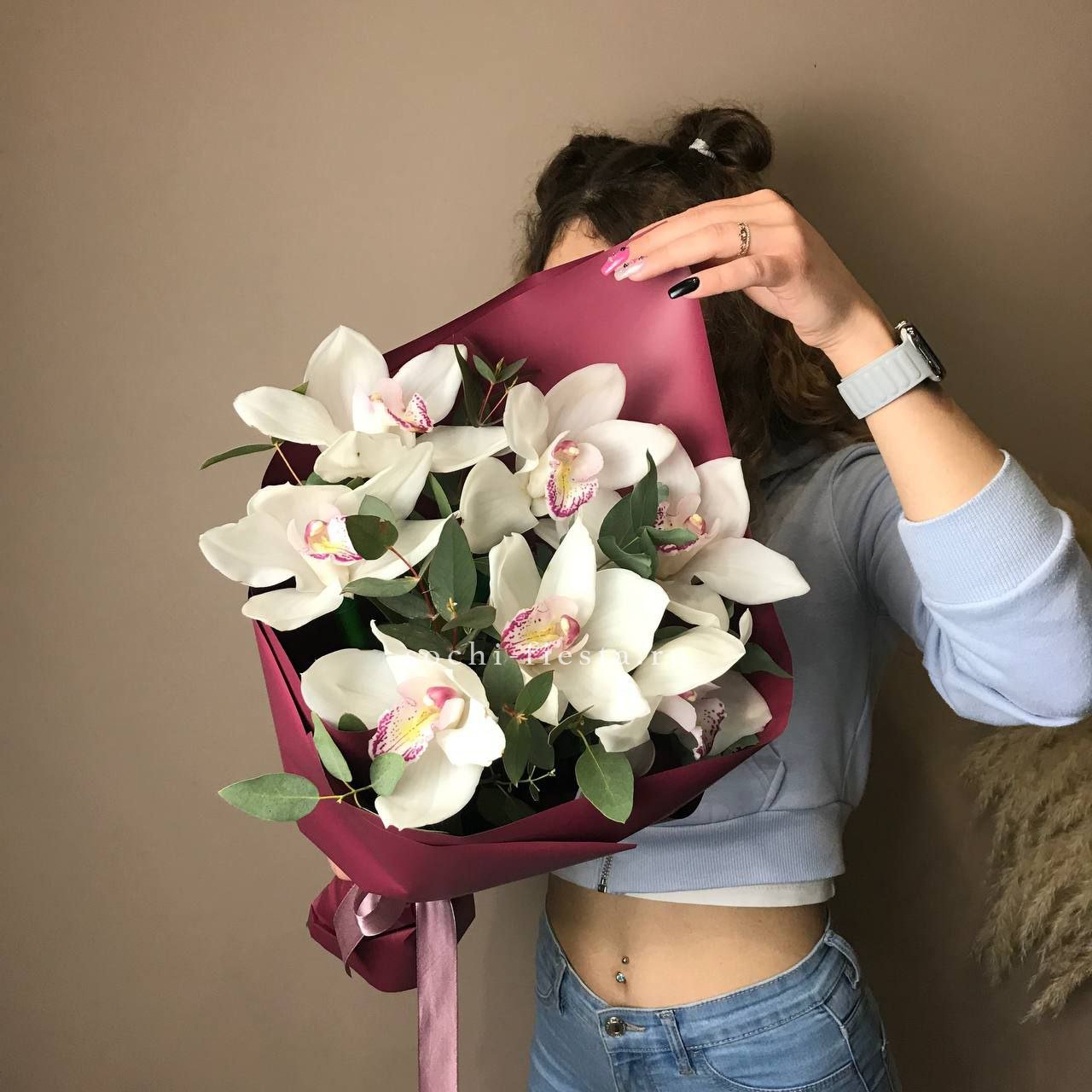
A flowering plant here means, above all, a moth orchid, and in cultivation one flower spike lasts two to three months before the blooms drop. The format follows the occasion: a set of seven orchids in a box suits a visit where the plant is the whole gift, while an orchid paired with chocolate suits a thank-you where something edible travels alongside it. The full range of flowering plants sorts by colour and pot.
Someone who wants green rather than bloom is better served by a plant chosen for leaf and shape rather than a flower that will eventually fade. A cactus suits a desk on a working day, and an office delivery that asks for no watering rota.
In a Chinatown household, white flowers are tied to mourning, so an orchid for a Chinese-American family reads better in colour than in white.

Fog over the western districts: giving a moth orchid its light
Morning fog sits thickest over the city's western districts through the summer, and the warmest month of the year is September rather than July or August. A moth orchid keeps an indoor calendar regardless. Outdoor temperatures usually run from roughly 7 to 22 °C across the year, while the plant wants nineteen to thirty by day and sixteen to nineteen by night. So it lives on a sill or a desk whatever the month outside.
Direct summer sun still burns the leaves through glass, and on a warm September afternoon a sunny sill is worth pulling the pot back from rather than leaving against the window. A new flower spike sets only when daytime temperatures stay below twenty-seven degrees, which most San Francisco days manage without effort. Once the flowers drop, the spent spike is cut back above its second node, and the plant can send up another in time.
The clear pot and bark it arrives in support that routine: roots need to be seen and to dry between waterings, so the orchid takes water roughly once a week, less in winter, with anything left in the saucer poured away.
A cactus or a glass cube for a sill that never sees frost
Snow is close to unheard of in San Francisco, the rain falls between November and March at around 485 millimetres a year, and June to September stay close to dry with none of the muggy humidity some cities carry through summer. That calendar suits anything that stores its own water rather than drinking steadily.
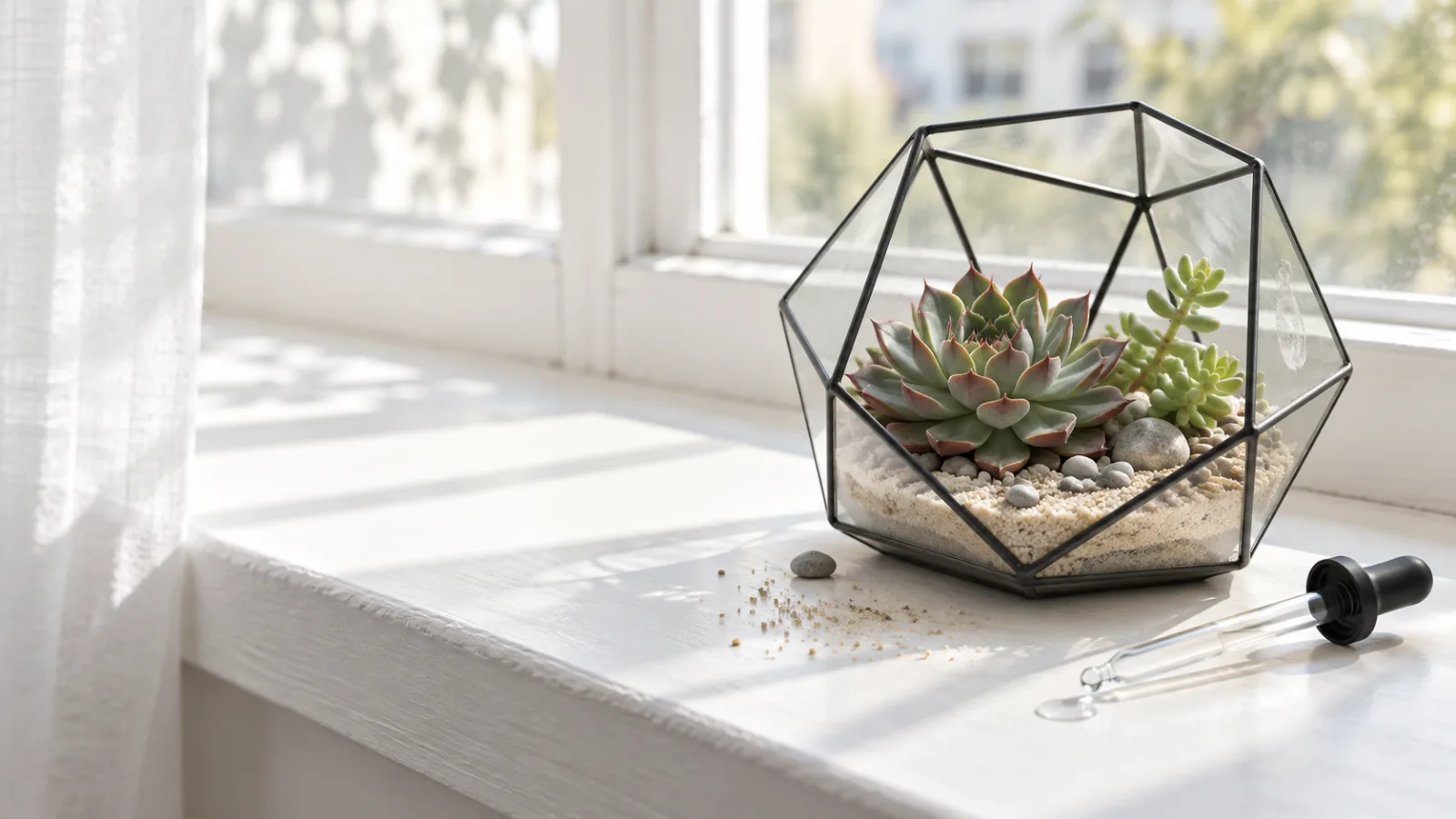
A succulent can hold up to nine tenths of its weight in water inside its leaves, which is why it sits in an open glass rather than a sealed one and takes only a misting at a time rather than a pour. Sempervivum, whose name means ever-living, wants full sun and soil that drains fast and never sits wet, and a cube florarium built around a stone rose succulent suits a sill that gets that light for most of the day.
For a windowsill nobody intends to water on a schedule, a cactus from the same dry-weather logic asks the least of anyone in the house.
A pot made up to order: plant delivery in San Francisco
Every pot is put together to order, and the florist photographs it before the courier leaves, so a detail can still be corrected from that photo. Plant delivery in San Francisco runs on the same clock as flowers: most orders go out the day they are placed, and the exact timing sits in the product card rather than in this text. Delivery is free within the centre and carries a flat zone charge elsewhere, added before payment, with the full delivery terms on their own page.
A hotel front desk, an office lobby, a hospital ward and the city's gift-giving dates work much as they do for cut flowers, covered on the hotels, offices, wards and the city's dates page.
For a first order, the fastest way to choose is by what the recipient will actually live with. Someone who wants green without bloom is better matched by plants chosen by type, and a sealed or open glass under florariums suits a sill too small for anything bigger.