

_633646720x720_q85.jpg?v=1787135615)
_8c5da0720x720_q85.jpg?v=1787130505)
_baafc1720x720_q85.jpg?v=1787135615)


720x720_q85.jpg?v=1787131158)


_076f68720x720_q85.jpg?v=1787130506)


Rose delivery in Toronto: varieties, Ecuadorian imports and Ontario greenhouses
Toronto is Canada's largest and most multilingual city, and the rose speaks a language everyone here understands. In a metropolis where dozens of cultures live side by side, it stays a universal gift — for an anniversary, a birthday, a peace offering. Ontario has little rose-growing of its own, but the province holds one of North America's largest greenhouse clusters, from Niagara to Leamington. So part of the bouquet is local, and the rest comes down to air logistics and an honest cold chain.
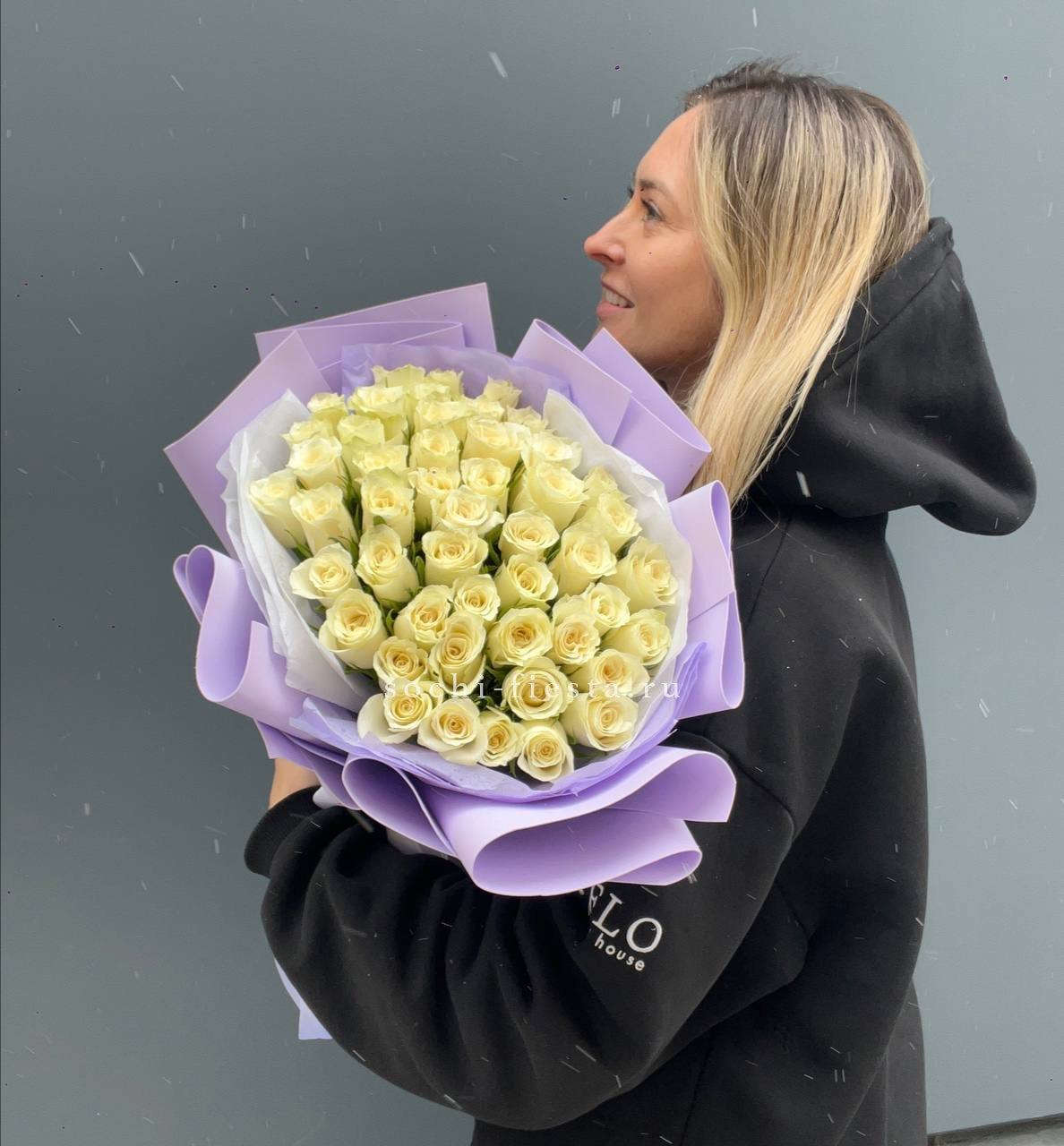
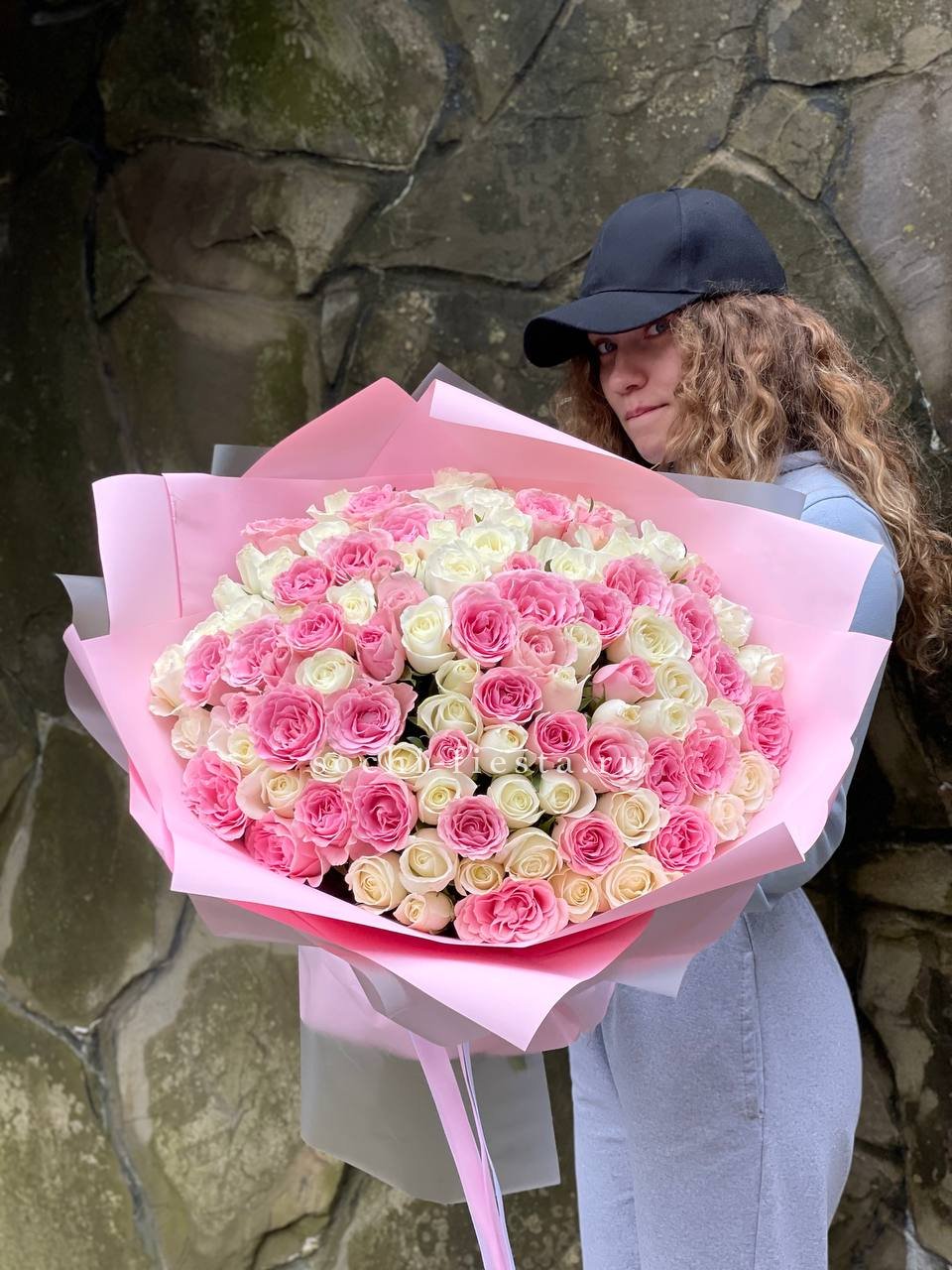
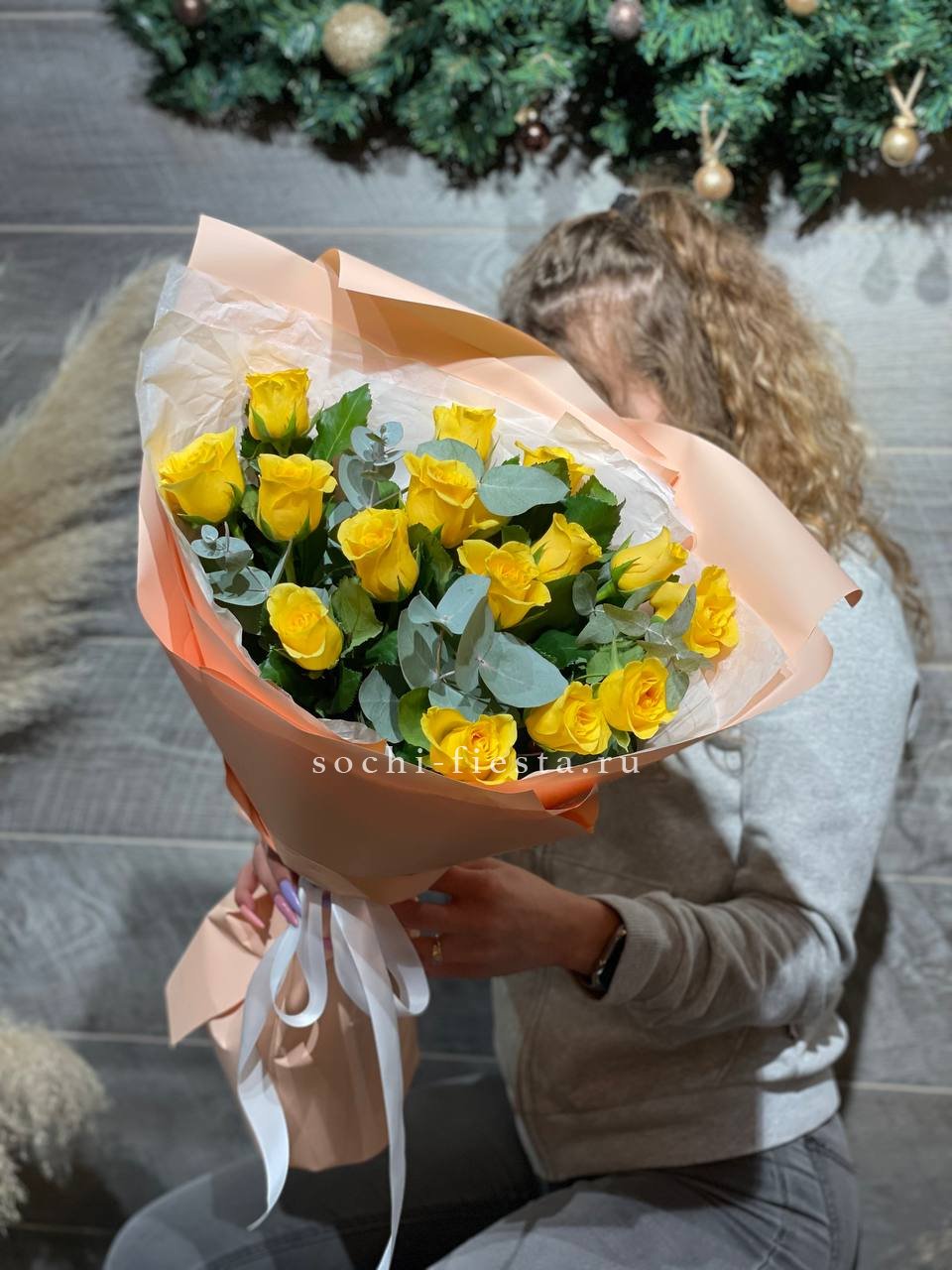
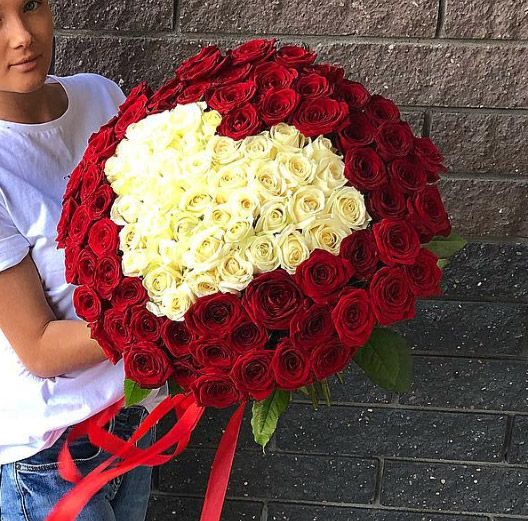
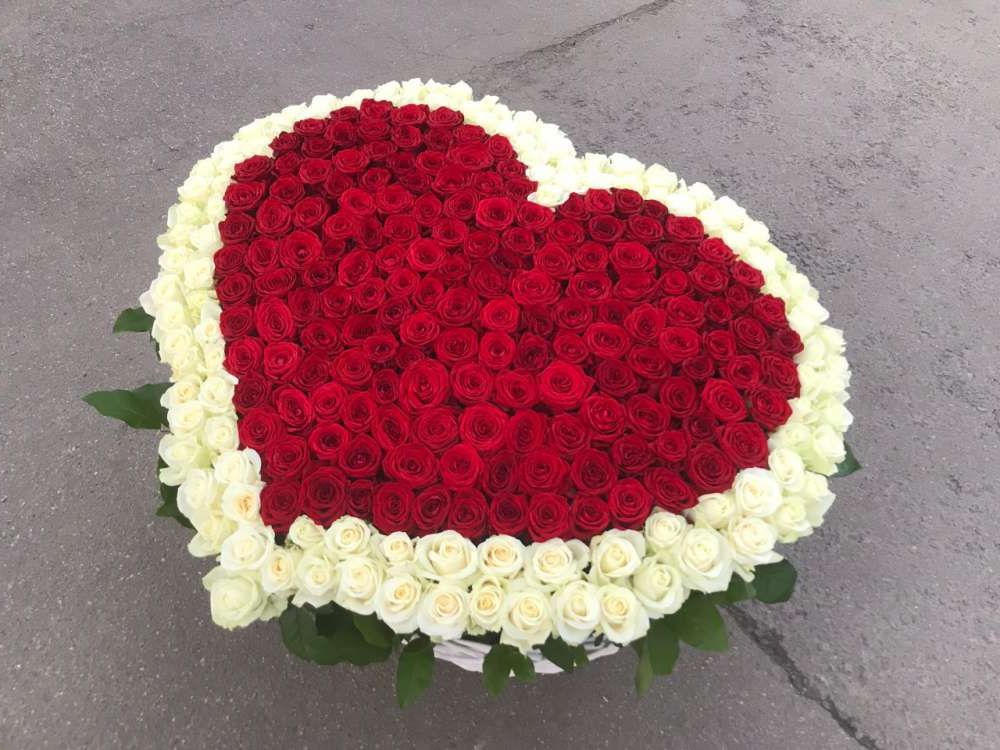
This category covers single-variety bouquets, mixed compositions, spray roses, market-style bunches in kraft and hat boxes. Formats run from a compact bunch of seven stems to a grand 51 or 101. Offices in the Financial District, boutique hotels in Yorkville and restaurants on King West tend to order boxes and larger arrangements.
Which varieties to choose
The main supply arrives by air from Ecuador and Colombia, with quicker, closer batches trucked in from California, and a seasonal top-up from Ontario greenhouses. Here is the working breakdown.
- Freedom, Red Naomi — the red anchor. Freedom is deep crimson with a dense head and 60–80 cm stems, lasting 10–14 days with care. Red Naomi is a velvety dark ruby with a softer petal. Both work for anniversaries and romantic occasions.
- Mondial, Playa Blanca — white and cream varieties. A neutral base for mixed arrangements and wedding work; they hold form 12–15 days in good conditions.
- Explorer, Freedom (Ecuador) — high-altitude Ecuadorian batches with 80–100 cm stems and a large, dense head. For display bouquets, baskets and corporate gifts.
- Juliet, Patience — David Austin garden roses with a cupped bud and a scent of myrrh and peach. For weddings and a heartfelt personal gift.
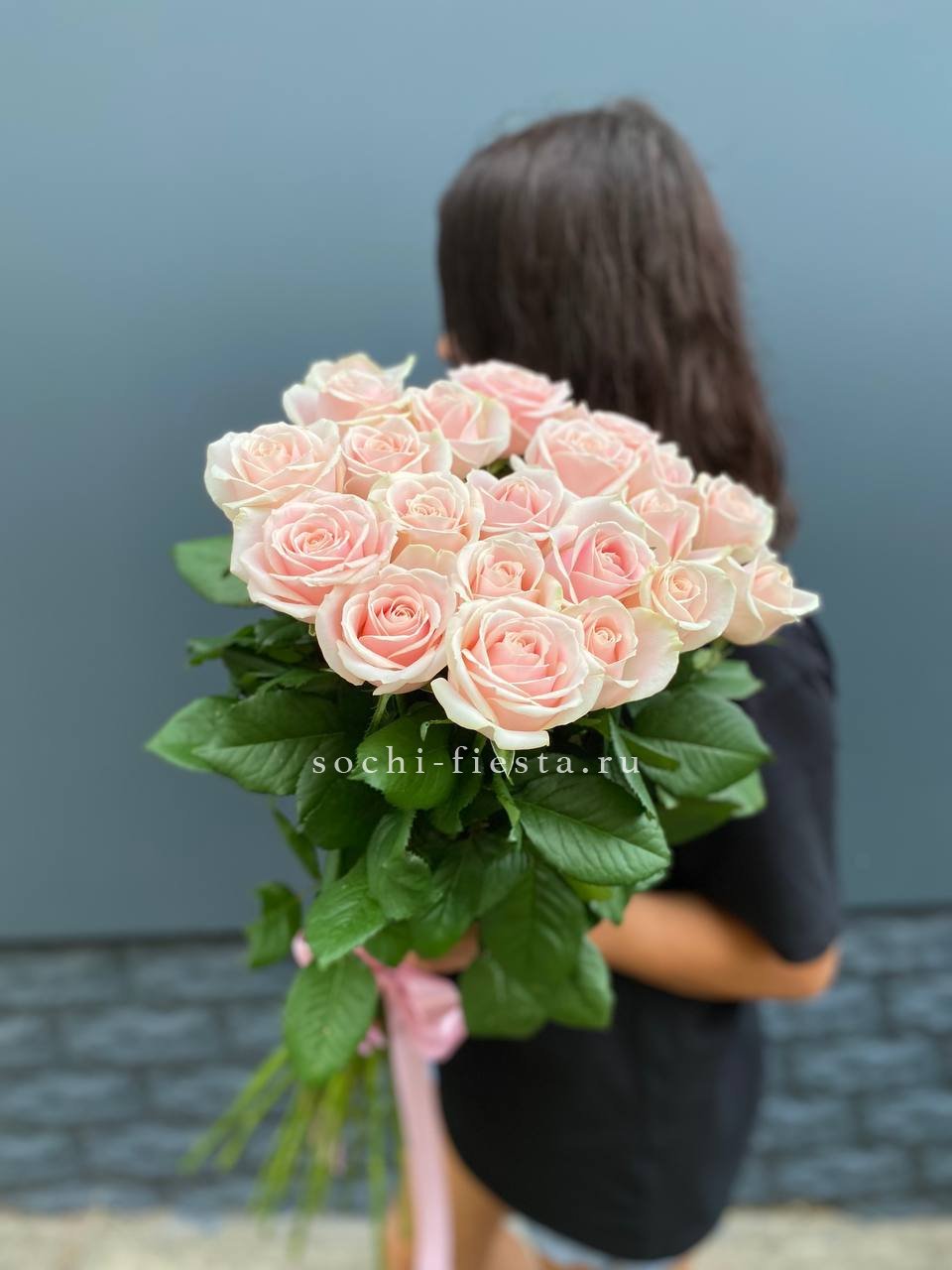
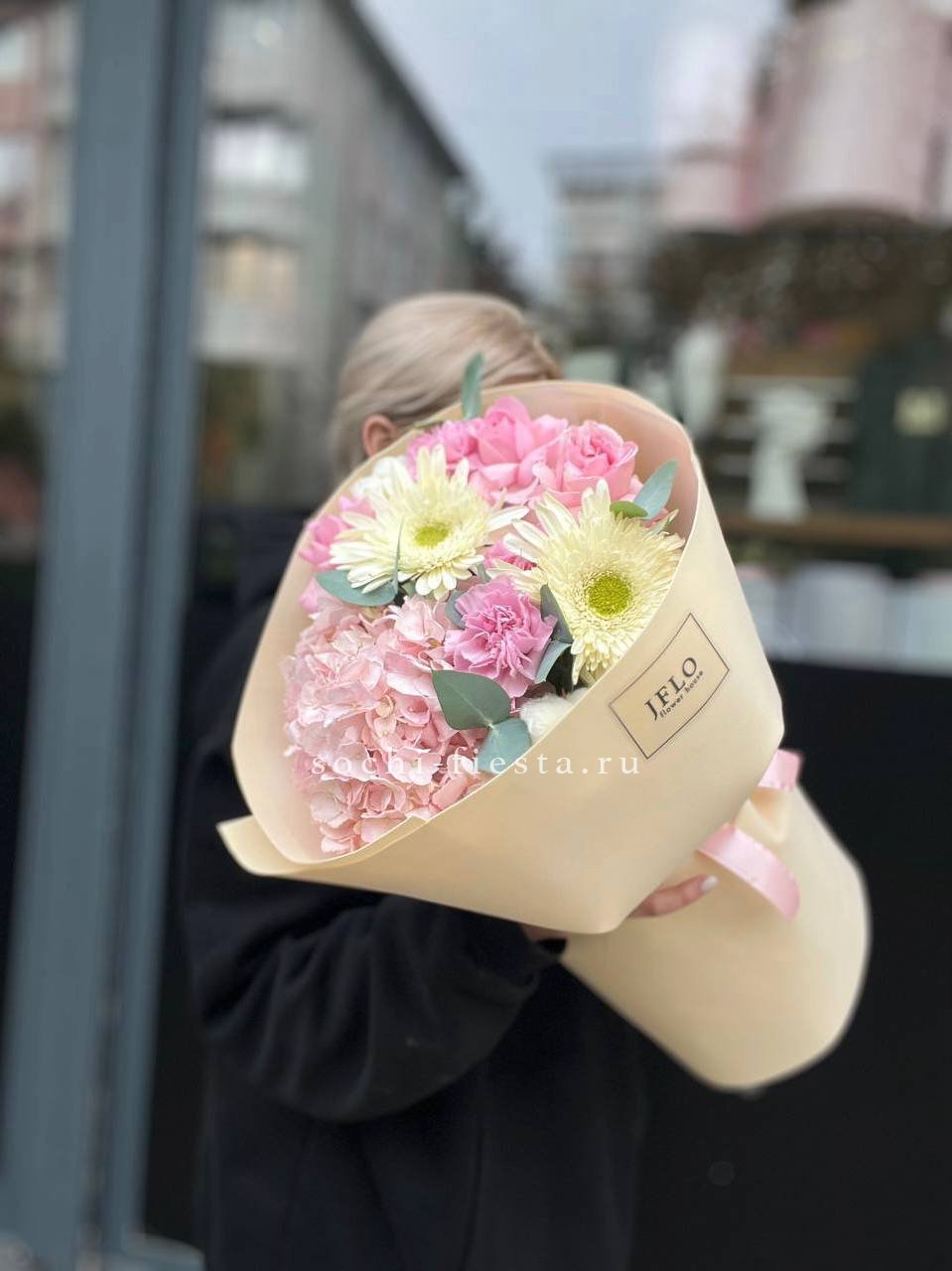
- Quicksand, Sweet Avalanche — powdery beige and soft pink tones. A calm palette for the quiet interiors of Rosedale and Forest Hill.
- Spray roses — several buds per stem, lighter and airier in composition. Good for everyday gifts and accent stems.
Occasions and stem counts
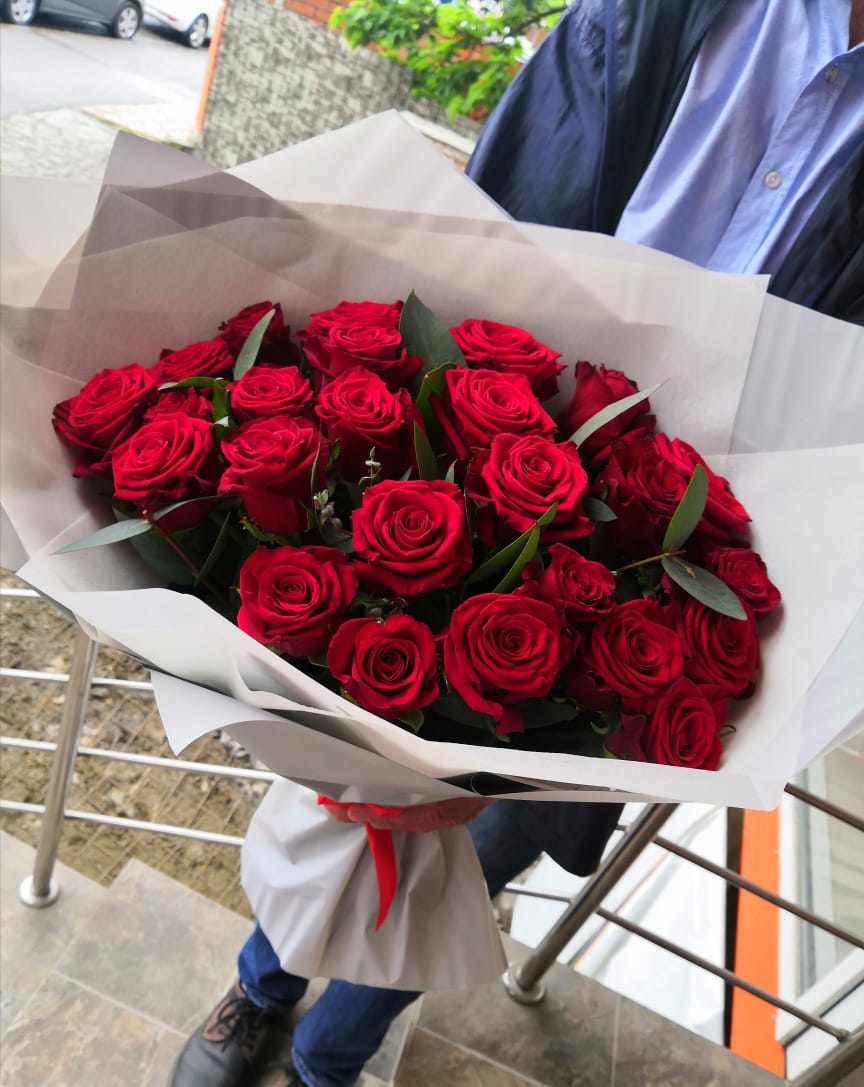
A single stem is a spare note of attention. Seven to nine stems is a romantic gift without theatrics. Twenty-five signals a proper celebration or declaration. Fifty-one and 101 are reserved for anniversaries, engagements and milestone dates.
Toronto keeps no rigid colour rules — red is not reserved for romance alone, and bold tones sit happily in a bouquet for a lively party or a family gathering. For the quieter interiors of Rosedale and Forest Hill, white, cream and blush pink are the usual choice. In the city's Chinese and Vietnamese families, red — the colour of luck — is especially prized at Lunar New Year.
Freshness and logistics
Ecuadorian and Colombian roses fly into YYZ (Pearson) airport — three to five days from the high-altitude plantation (2,800–3,000 m) to a Toronto bouquet. The trade-off is stem length and bud density, achieved by the cold mountain climate. Californian batches come overland by refrigerated truck, while Ontario greenhouse stock reaches the vase noticeably fresher, though shorter in the stem.
From cut to the recipient's door takes around three to five days for imports; cared for properly, the roses then last 10–14 days. The cold chain matters in both halves of the year here: in summer a bouquet must not sit in the heat, and in winter it must not freeze on the doorstep — so the courier never leaves roses out in the cold without a call.
"A Toronto buyer comes from a dozen different traditions, but they all check the same way: they touch the petal at the base, bend the stem. Roses travel a long way to reach us, so I say honestly whether it's Ecuador, California or our Ontario greenhouse — that decides both the stem and how long it lasts."
— Priya Sharma, florist, Toronto, 12 years in the trade
Delivery specifics in Toronto
Toronto has a humid continental climate with two extremes. Winters are cold and snowy: January averages around −6 °C and drops to −12 to −15 °C on frosty days. Summers are warm and humid: July runs +21 to +27 °C, feeling hotter at the peak once humidity is counted. Lake Ontario softens the weather a little, but the risk to cut flowers here is twofold — winter frost and summer mugginess. So in winter bouquets travel in thermal packaging, and in the heat with cooling inserts. The easiest seasons for delivery are spring and early autumn.
We deliver roses across all districts of Toronto: Downtown, Financial District, Yorkville, The Annex, Rosedale, Forest Hill, Liberty Village, King West, Queen West, Distillery District, Leslieville, Cabbagetown, Kensington Market, North York, Scarborough, Etobicoke and East York. Payment is in Canadian dollars (C$, CAD). Peak dates: Christmas, Valentine's Day (14 February), Lunar New Year (late January to February), Mother's Day (the second Sunday of May) and Easter. Order three to five days ahead for these dates; a full week ahead for Valentine's Day.
Home care
On arrival, re-cut the stems at 45° — ideally under water — and strip any leaves below the waterline to prevent rot. Place in a clean vase with cool water and a sachet of flower food or a pinch of sugar. Change the water every two days.
In winter, the main enemy in a heated Toronto flat is the dry hot air from the radiators: the bud opens in a rush and fades fast. Keep the bouquet away from the radiator and out of draughts. In summer, look for the coolest room. Keep roses away from bananas, apples and pears: the ethylene that ripe fruit emits shortens cut-flower life by around a third. Roses suit almost any occasion — message our team to match variety, colour and stem count to the occasion and budget.

