



Flowers in Abu Dhabi: petunias on the roundabouts, bouquets to the door
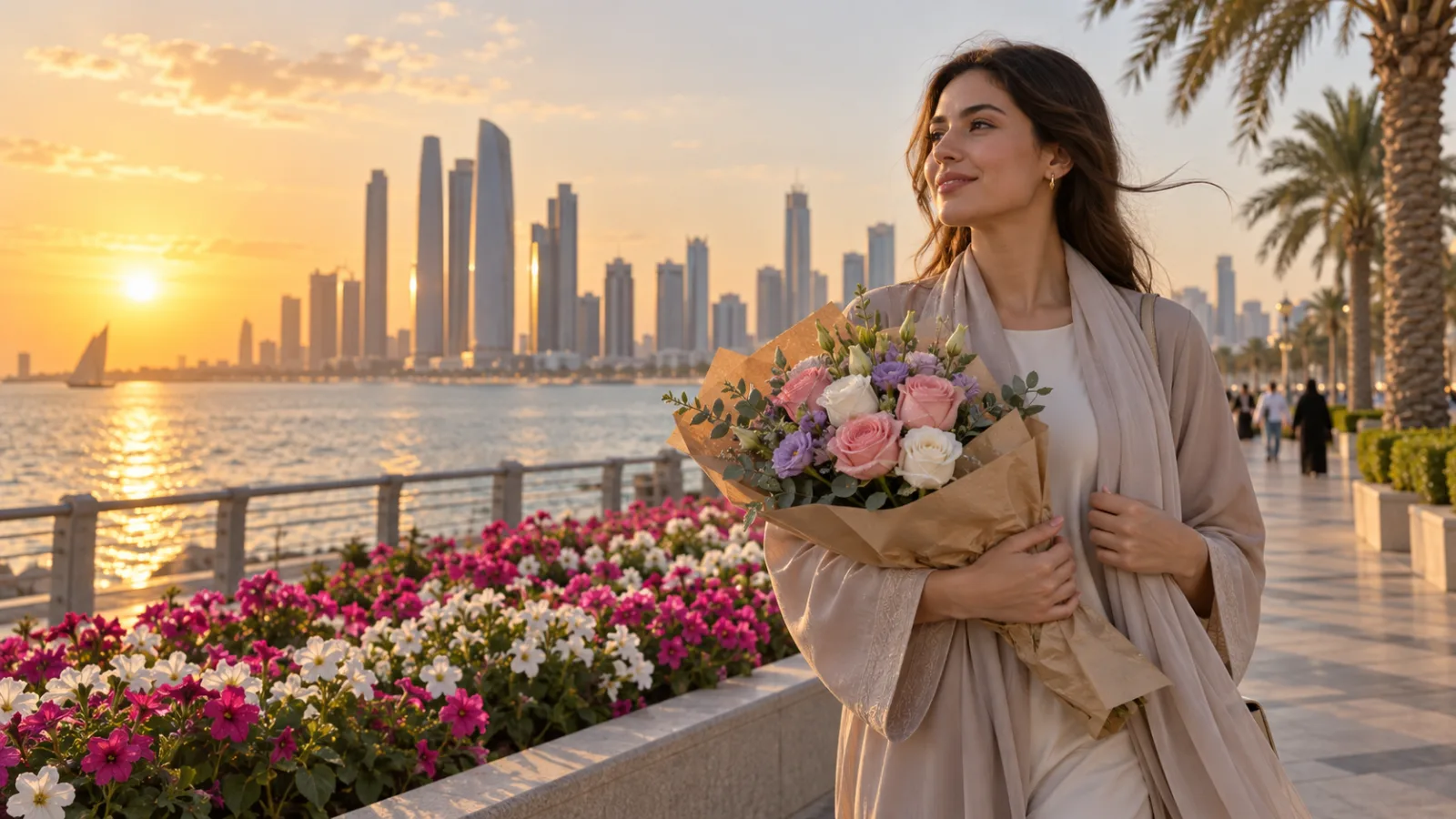
Every winter Abu Dhabi's municipality plants petunias and marigolds along the roads, the roundabouts and the bridges, more than 14 million seasonal flowers across 2025. Buying flowers in Abu Dhabi comes down to something else entirely, since the stems in a bouquet arrive by air rather than from those beds, and what decides the choice is the address, the date and the heat outside.
Flower delivery in Abu Dhabi, from Al Hosn to Mohammed Bin Zayed City
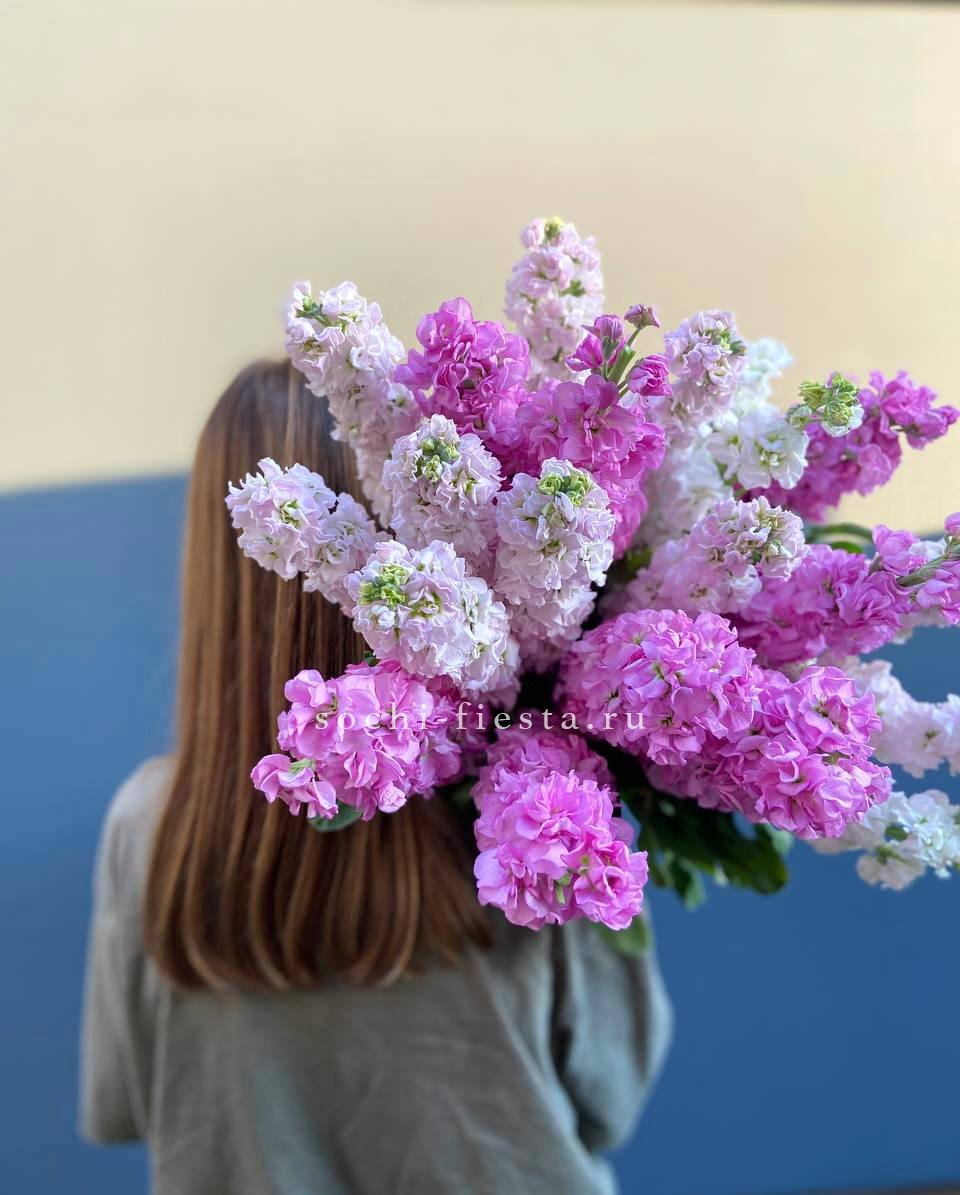
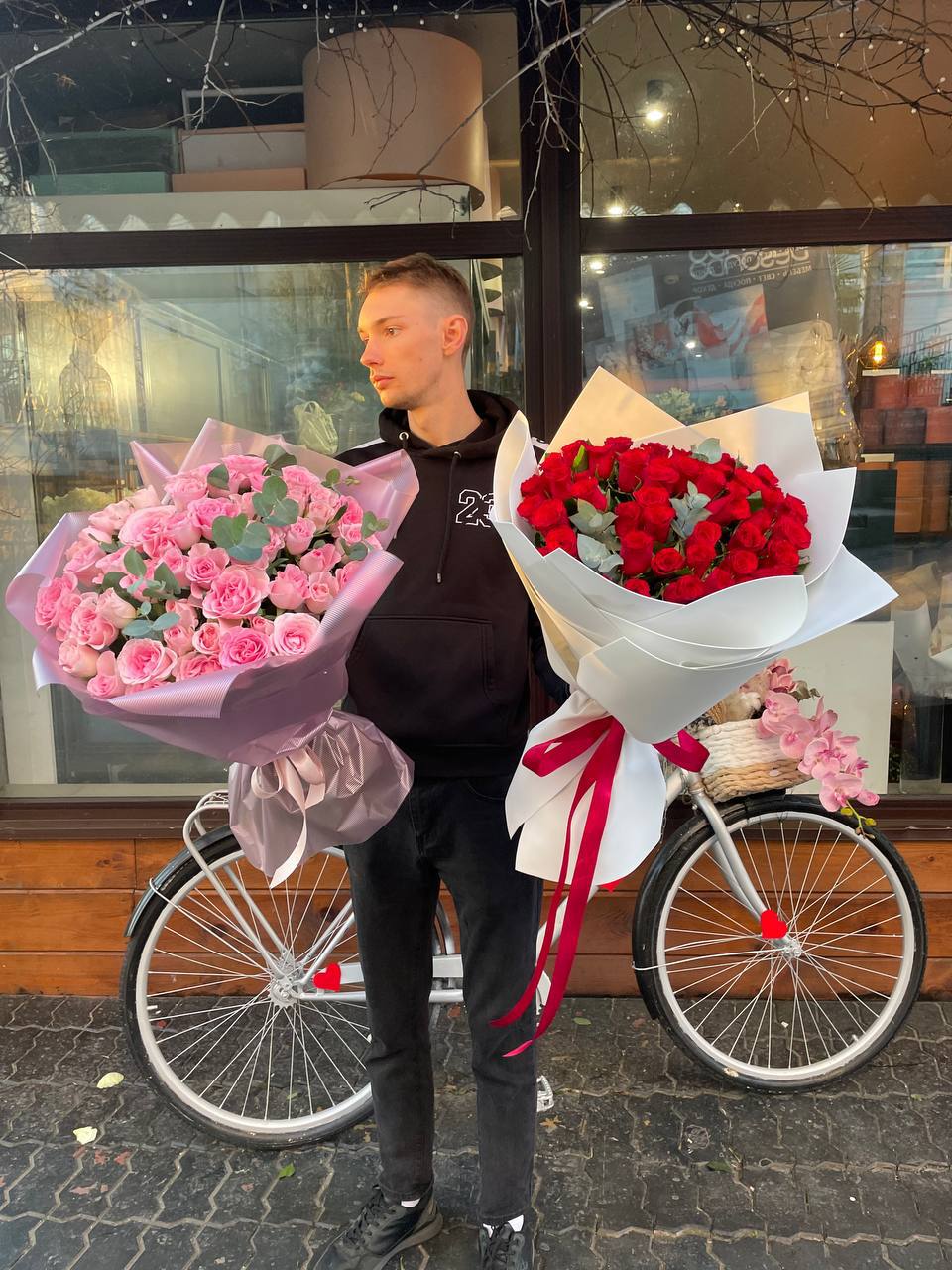
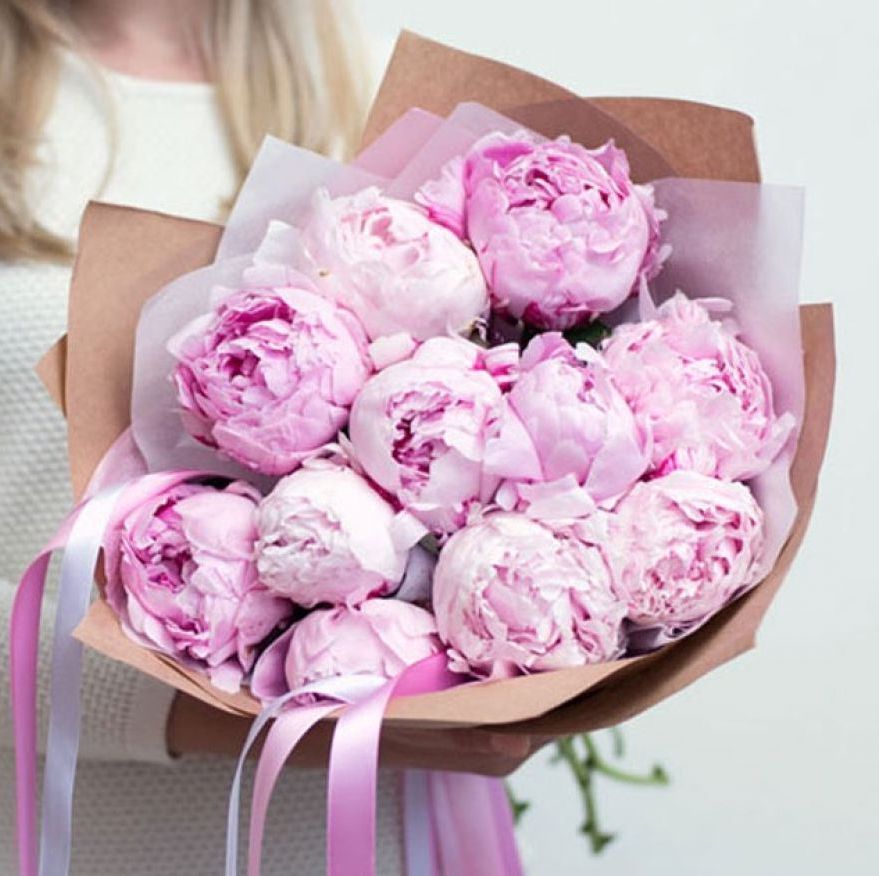
Prices start where the flowers do. Mono bouquets and roses, the 36 most popular bouquets, flowers in boxes and mixed bouquets, and designer bouquets all show their price on the bouquet's card. The city centre itself is delivered free of charge, and an express order can go out soon after confirming payment if the bouquet is in stock at the florist; the bouquet card shows the delivery time.
Outside the centre the city splits into two paid rings, and the tariff is charged once per address rather than per stop on the way.
- Al Hosn and Al Zahiyah: the near ring, around the old island centre and the former Tourist Club Area.
- Khalifa City, Al Raha, Mohammed Bin Zayed City and Musaffah: the far ring, further along the mainland.
- Overnight, 11pm to 7am, by arrangement: any zone can still be reached, at a price agreed before the order is confirmed.
Addresses outside these zones, and deliveries to neighbouring cities, are priced before payment rather than assumed at checkout.
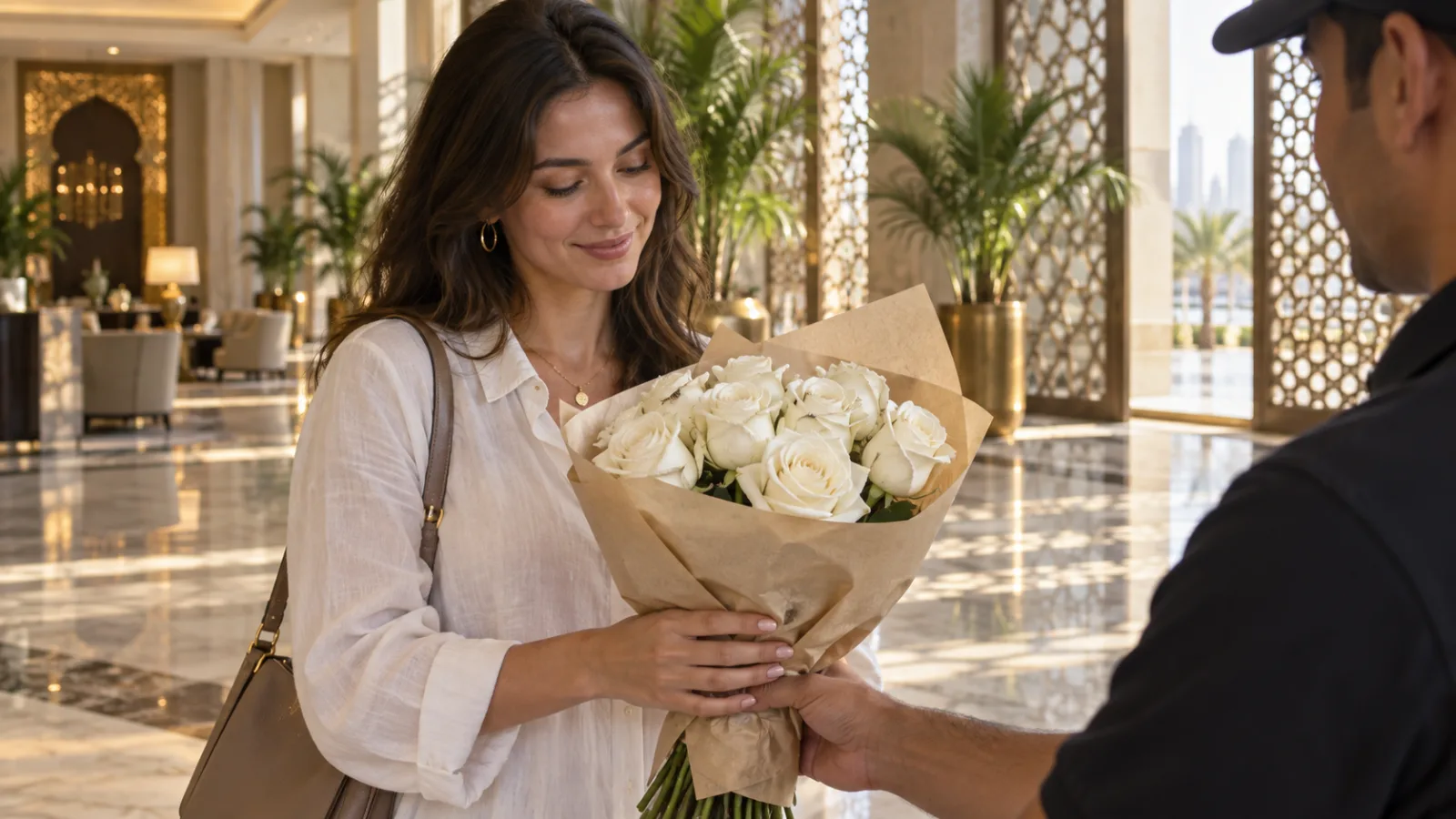
Al Maryah is Abu Dhabi's financial island, and Abu Dhabi Global Market's jurisdiction covers it together with neighbouring Al Reem. Getting a bouquet into an ADGM office means giving the courier the company's name and the floor; a building running a pass system at reception leaves the flowers there instead of sending anyone up unescorted.
Four Seasons and Rosewood, both on Al Maryah, come up mainly as hotels where a recipient is staying rather than working. For a hotel guest, the order needs the surname exactly as registered at check-in, plus the room number where that is known; the hotel then decides whether the bouquet goes up to the room or waits at reception.
Cleveland Clinic Abu Dhabi, on the same island, gets checked before anything else: the order manager asks the ward directly whether fresh flowers are allowed in. A ward that says no means the bouquet is left at the nurses' station instead, or held back until the patient is discharged.
Zayed International, renamed from Abu Dhabi International, sits around 30 kilometres east of the centre. Terminal A deliveries are arranged only on request, and the courier meets the recipient at the arrivals exit, holding a sign with their name.
Ordering from outside the UAE works the same way. A sender abroad only needs the recipient's phone number, no advance call is made to check it, and a photo of the finished bouquet goes out before the courier leaves. Cards go through as Visa or Mastercard in AED; switching the site's currency only changes how the total reads, since a card issued abroad is converted by the cardholder's own bank, with nothing added on top.
Mother's Day across the Arab world, the UAE included, falls on 21 March, the first day of spring. Expat families in Abu Dhabi often mark a second date by their own calendar, such as the UK's and the US's Mother's Day, which falls on a different date each year.
Emirati Women's Day has run on 28 August since 2015. On the site's delivery page, 14 February, 8 March and Mother's Day are all marked as peak days, even though 8 March is not a public holiday here. Delivery windows widen on those dates and the exact minute is not promised, so ordering a few days ahead matters more than usual.
National Day, also called Eid Al Etihad, falls on 2 and 3 December every year, a fixed date on the calendar. Eid Al Fitr and Eid Al Adha move with the lunar calendar instead, so both are only estimated in advance, with exact dates announced closer to the time.
Ramadan afternoons and gifts opened later: giving flowers politely
Handing over a gift here is done with the right hand alone, or with both hands together. It is also common for the recipient to set a bouquet or a box aside and open it later, once the giver has left, and that habit reads as good manners rather than a lack of interest.
Alcohol and anything made with pork sit outside what goes with a bouquet for an Emirati or Muslim recipient. For colleagues, dates, sweets and chocolate are a safe pairing, and the quality of what is added tends to matter more than its price.
During Ramadan, eating and drinking in public through the day is avoided by residents generally, not only by those observing the fast. Gifts in that month lean towards dates, sweets and small sets meant for iftar, and a business gift is best sent before the twentieth day of the month rather than later in it.
From a 43 °C doorstep to an air-conditioned lobby
From May to September, daytime temperatures in Abu Dhabi sit above 40 °C, with August around 30 to 43 °C and the air heavy with humidity. A bouquet suffers most in the short stretch between a car and a front door, so that gap is the one moment worth keeping brief.
Indoors, the air conditioning does the opposite job, drying the air and cooling it fast, and a vase is better kept out of its direct draught than in the coolest corner of the room. Chocolate added to a gift needs the same caution: cocoa butter starts to melt at 34 to 38 °C, well within reach of a car left in the sun.
Spring brings its own hazard in the form of dusty winds rather than heat. The easier stretch runs from December to mid-March, with daytime temperatures around 25 °C, the same months when the roundabouts along the Corniche are still full of winter's petunias.