




Mono bouquets in Amsterdam: Dutch tulips and one variety for each month
Mono bouquets in Amsterdam follow the city's own flower calendar more closely than any mixed arrangement. Each April the Tulp Festival sets tulips across parks and squares, with a few heads afloat on the Vondelpark pond, after January's Nationale Tulpendag has already opened a free tulip garden on Museumplein. None of those festival tulips end up in a bouquet, though — a single-variety order is made up separately, from stems a florist buys once the order is paid for. Choosing one flower here starts with the month and the occasion, not with the size of the bunch.
Tulips under Dutch glass, from a January garden to April
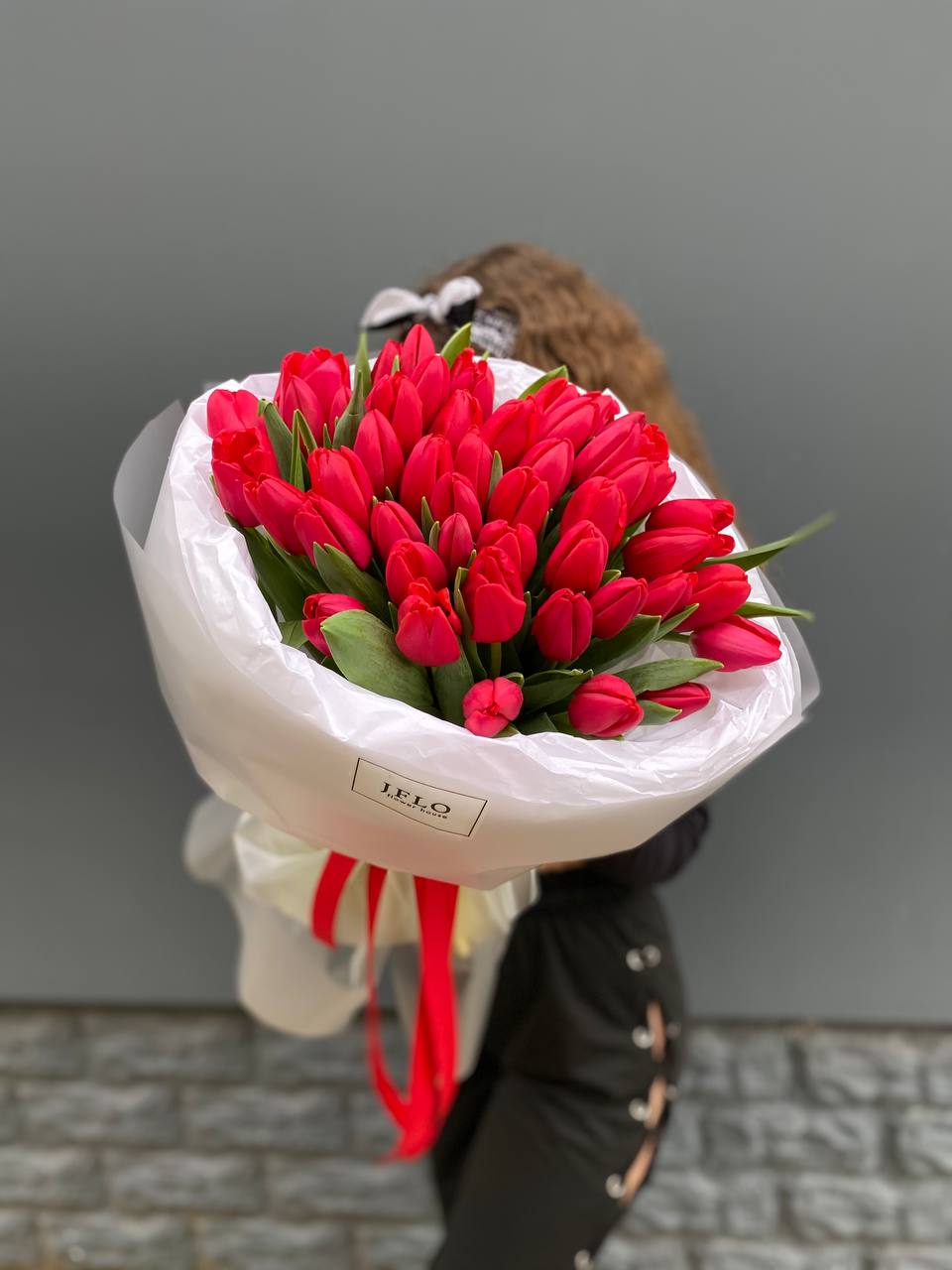
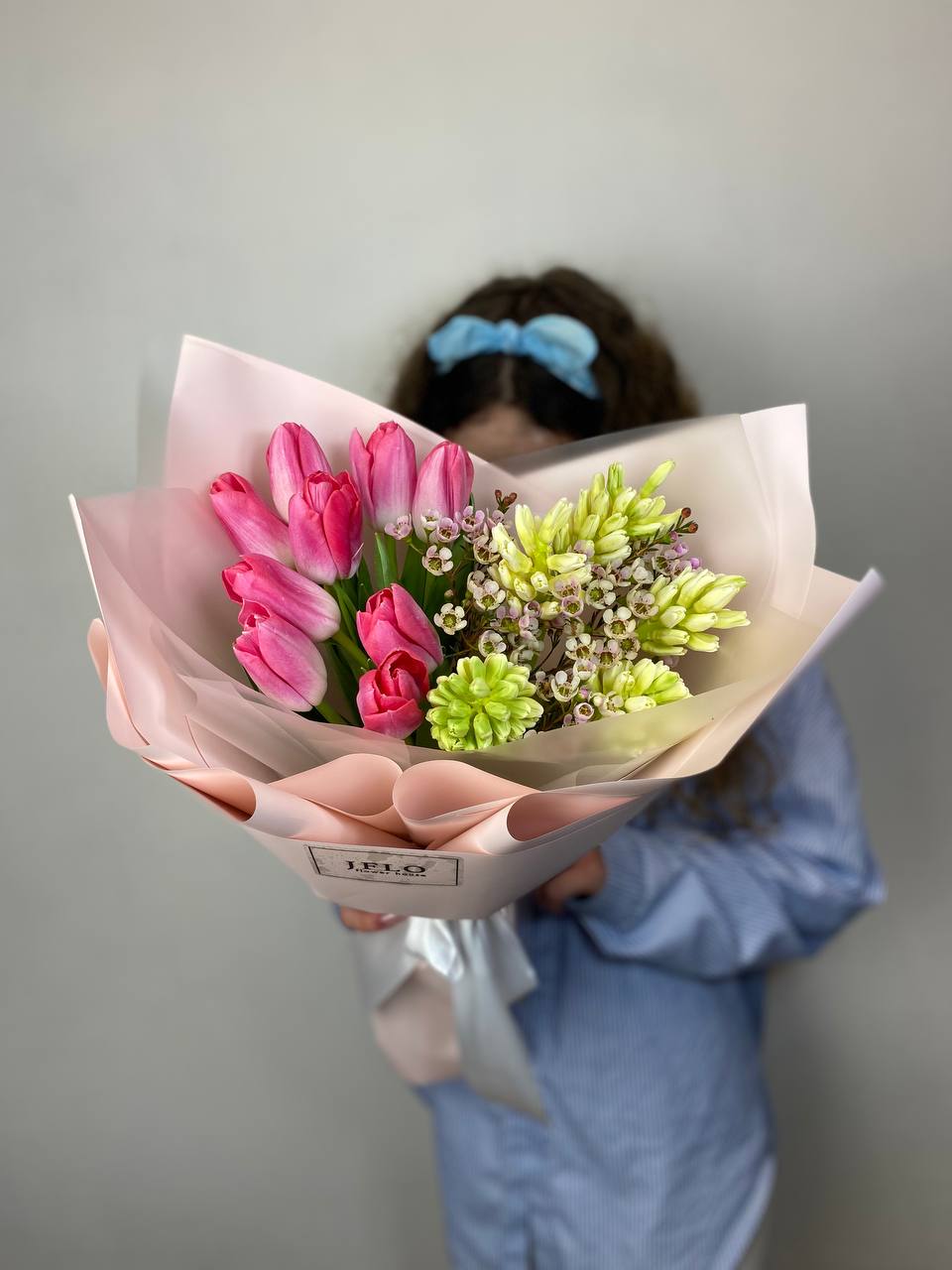
Dutch tulip growers cut from December into May: bulbs are chilled through an artificial winter in cold store, then brought into a glasshouse to force open early. A single-variety tulip bouquet in Amsterdam is therefore a flower of the darker months and early spring, not of summer.
January opens the season before the cutting even peaks: the Nationale Tulpendag sets up a free tulip garden on Museumplein, open to anyone who wants to walk through the rows. By April the Tulp Festival spreads tulips across parks and squares the length of the city, and a handful float on the Vondelpark pond.
The floating Bloemenmarkt on the Singel has traded since 1862, but today most of its stalls sell bulbs and souvenirs rather than fresh-cut stems; only a few still carry flowers ready for a vase. A bulb is for the garden; a tulip bouquet for the table comes from a florist instead.
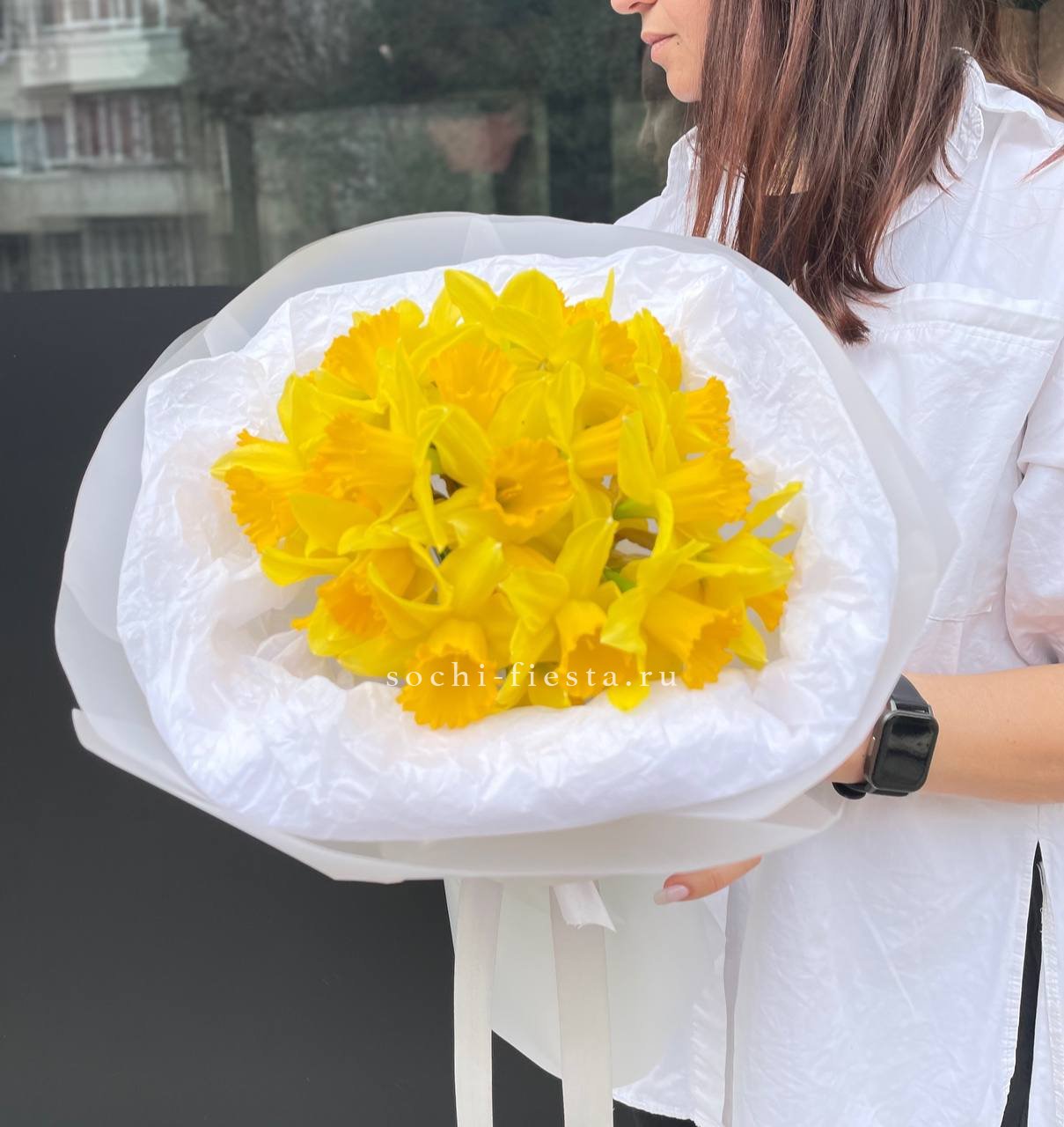
A tulip kept in cold water, in a vase filled only a third full, goes on growing after it's cut and leans towards the light, so it's worth turning the vase now and then rather than fighting the bend. Narcissus, from the same early bulb season, asks for the opposite start: a day alone in its own water before it joins any other flower, and no recutting after that.
Grown under glass all year, or flown in through Schiphol
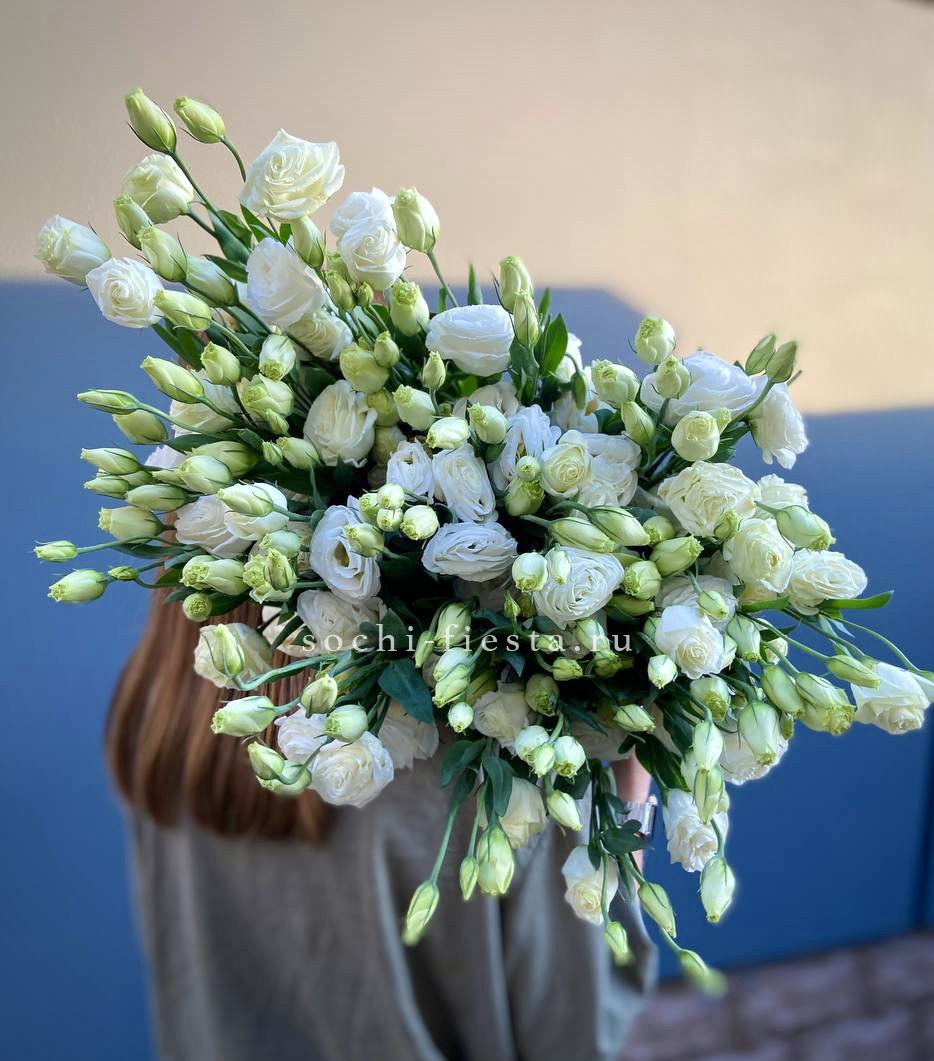
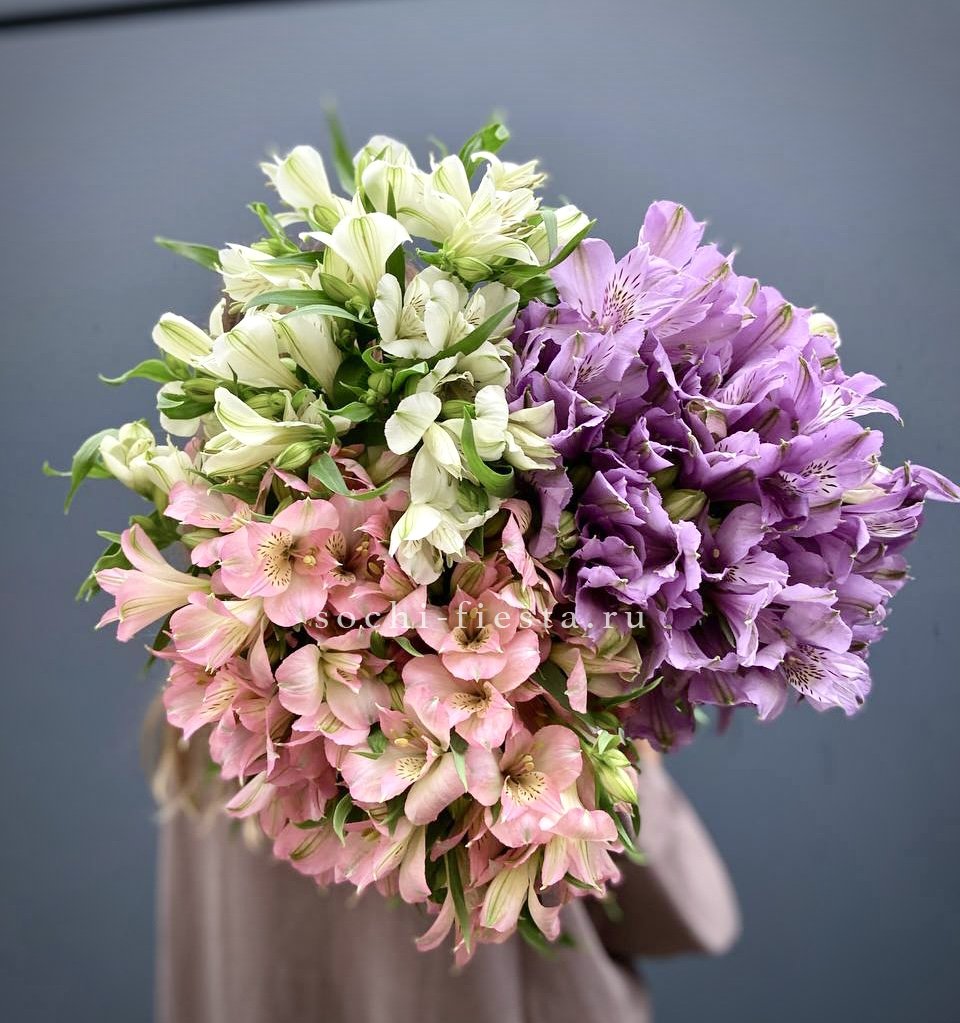
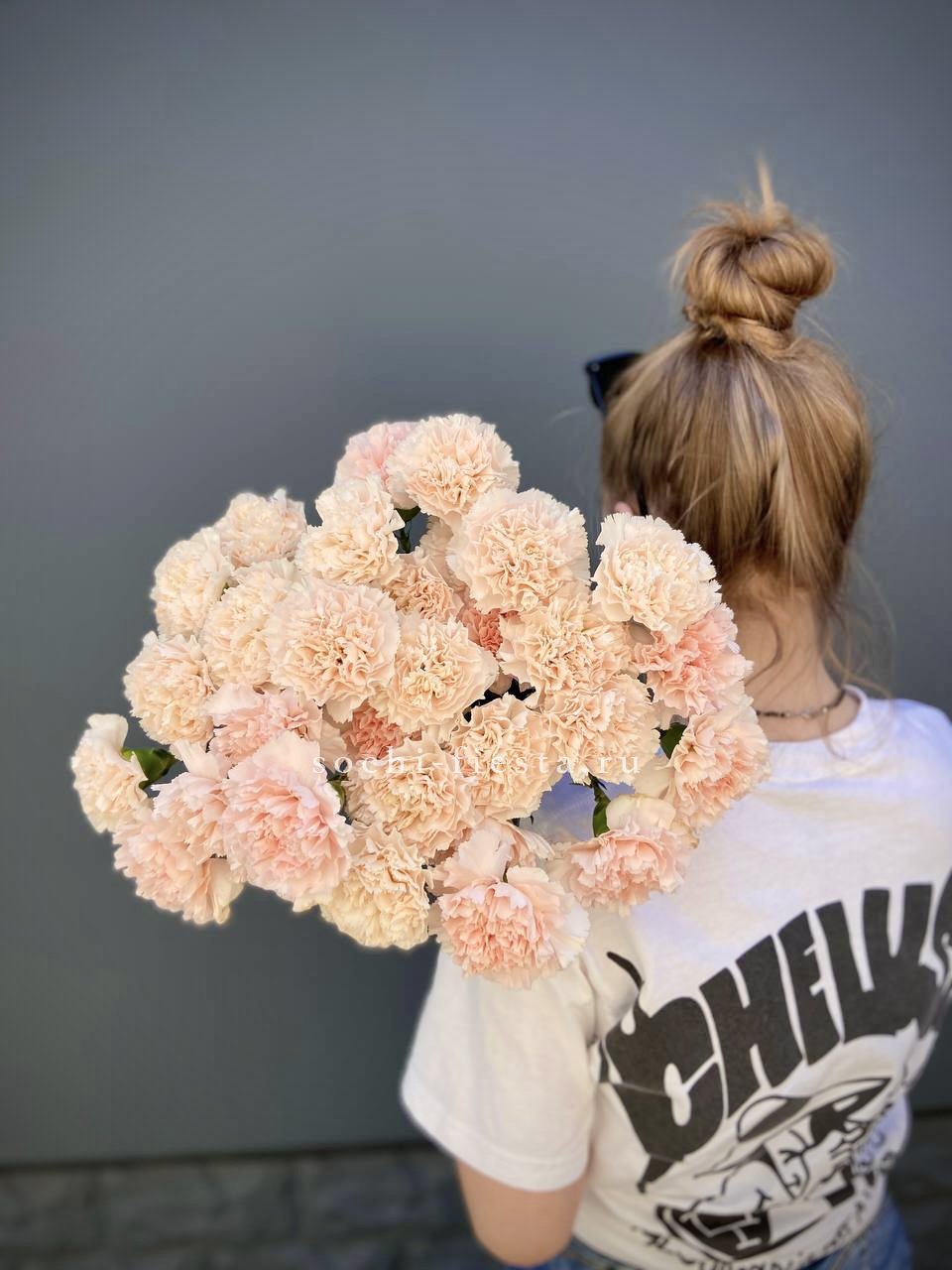
Chrysanthemums, gerberas, alstroemeria, lilies, lisianthus and carnations are all glasshouse flowers, which is why a single-variety bunch of any of them can be ordered in any month, not only in season. Where they were actually grown isn't tied to one country; glasshouse cultivation happens across Europe and beyond.
Other cut flowers often move through the Royal FloraHolland auction in Aalsmeer, southwest of the city, where stems arrive from Kenya, Ethiopia, Ecuador, Colombia, Israel and growers across Europe. Kenyan roses land at Schiphol before the auction clock sets their price.
A rose bunch doesn't have to travel that far to stay one variety: Dutch glasshouse roses come in their own classic varieties too, among them 25 Dutch White Roses. For a gift meant to sit on a desk for a while, chrysanthemums, carnations and alstroemeria are the ones to pick, each good for two to three weeks in water.
Gerberas, alstroemeria or a lily in colour for a Dutch celebration
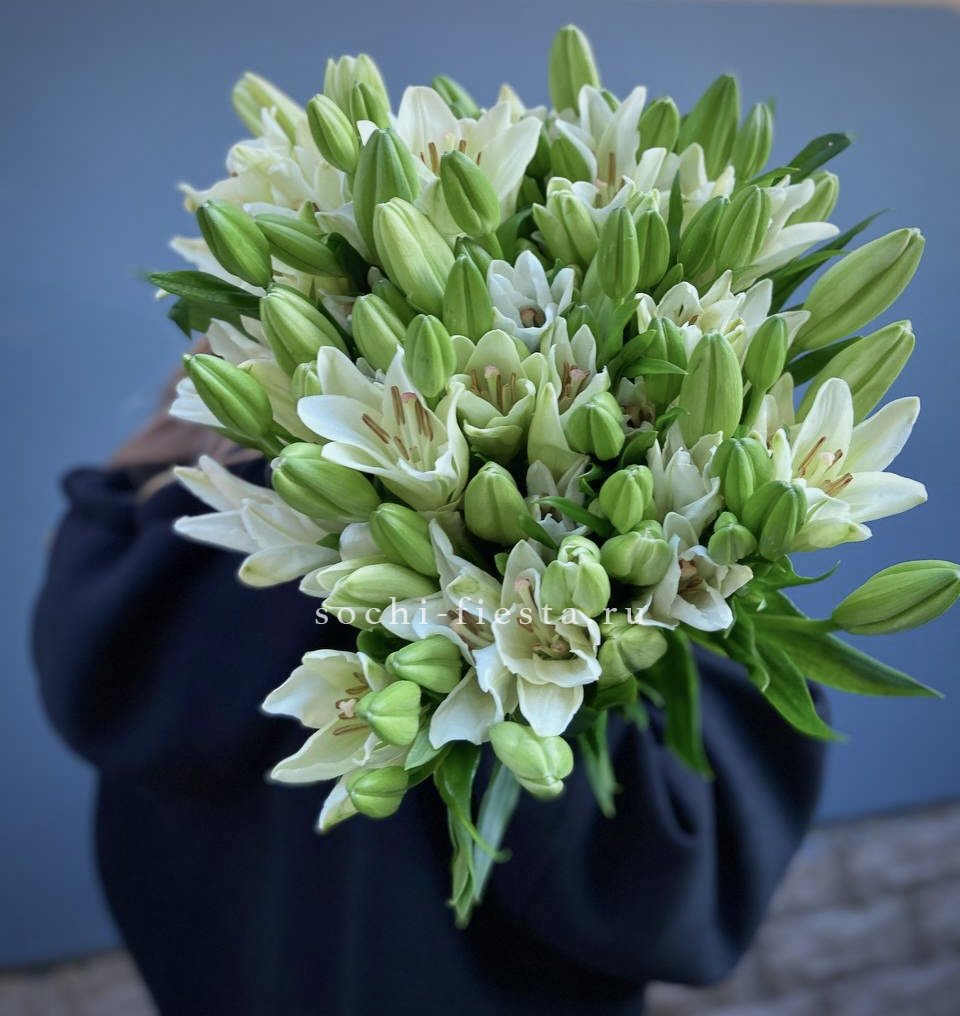
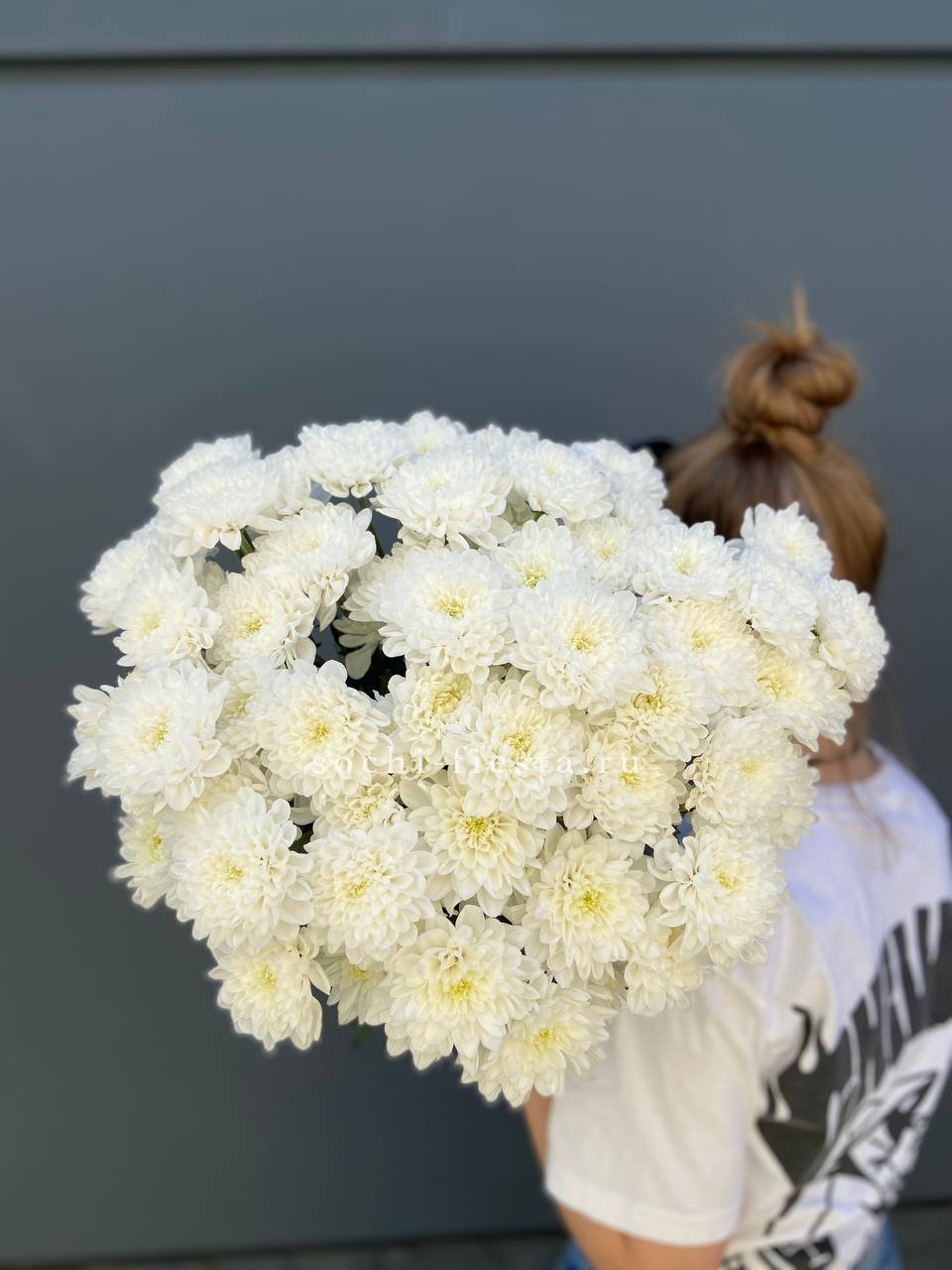
In the Netherlands chrysanthemums and white lilies are read as condolence flowers, and neither is the safe choice for a birthday or any happy occasion. A single-variety chrysanthemum bunch does its job well at a funeral or when sending sympathy, but for a celebration it says the wrong thing.
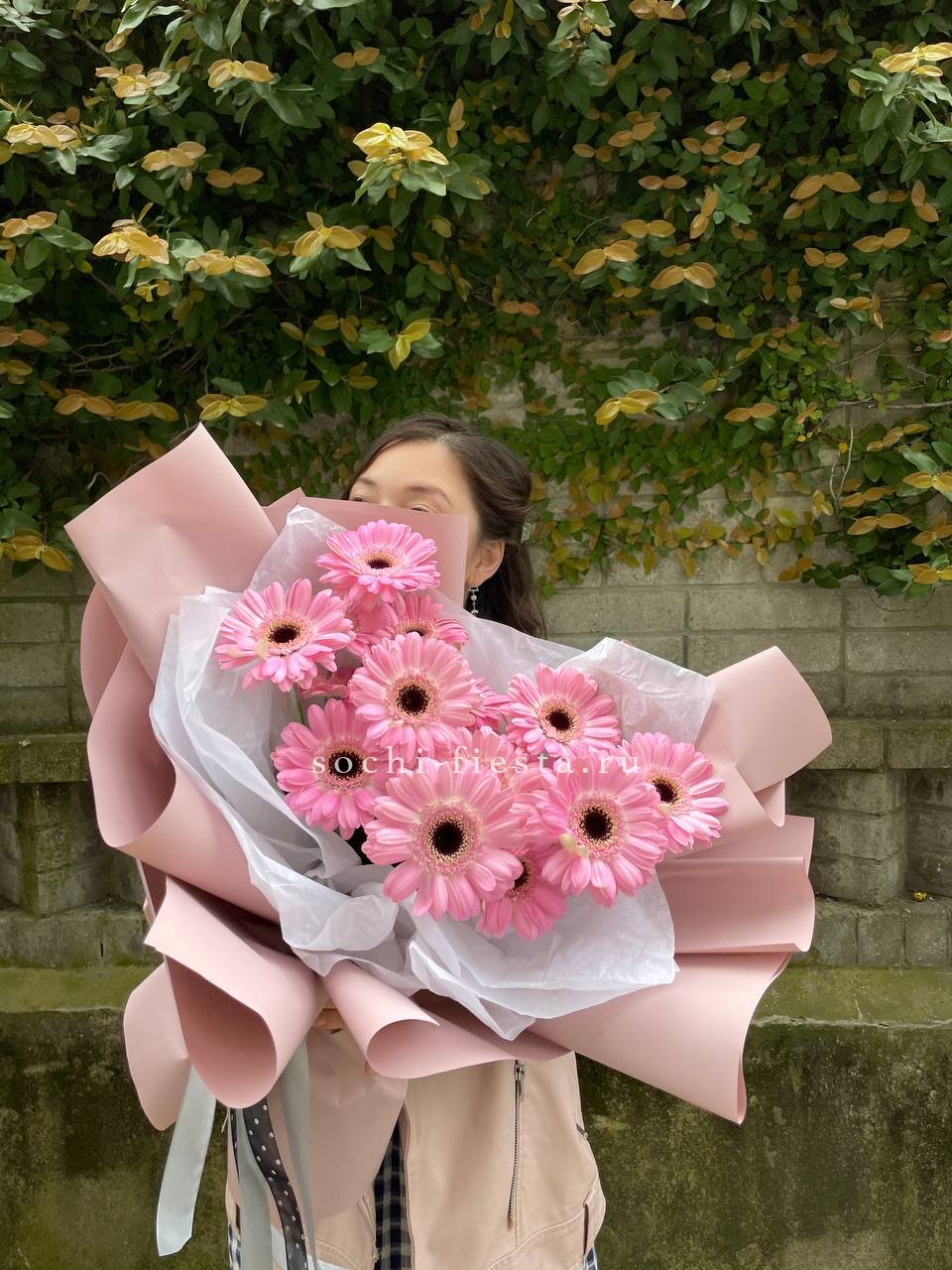
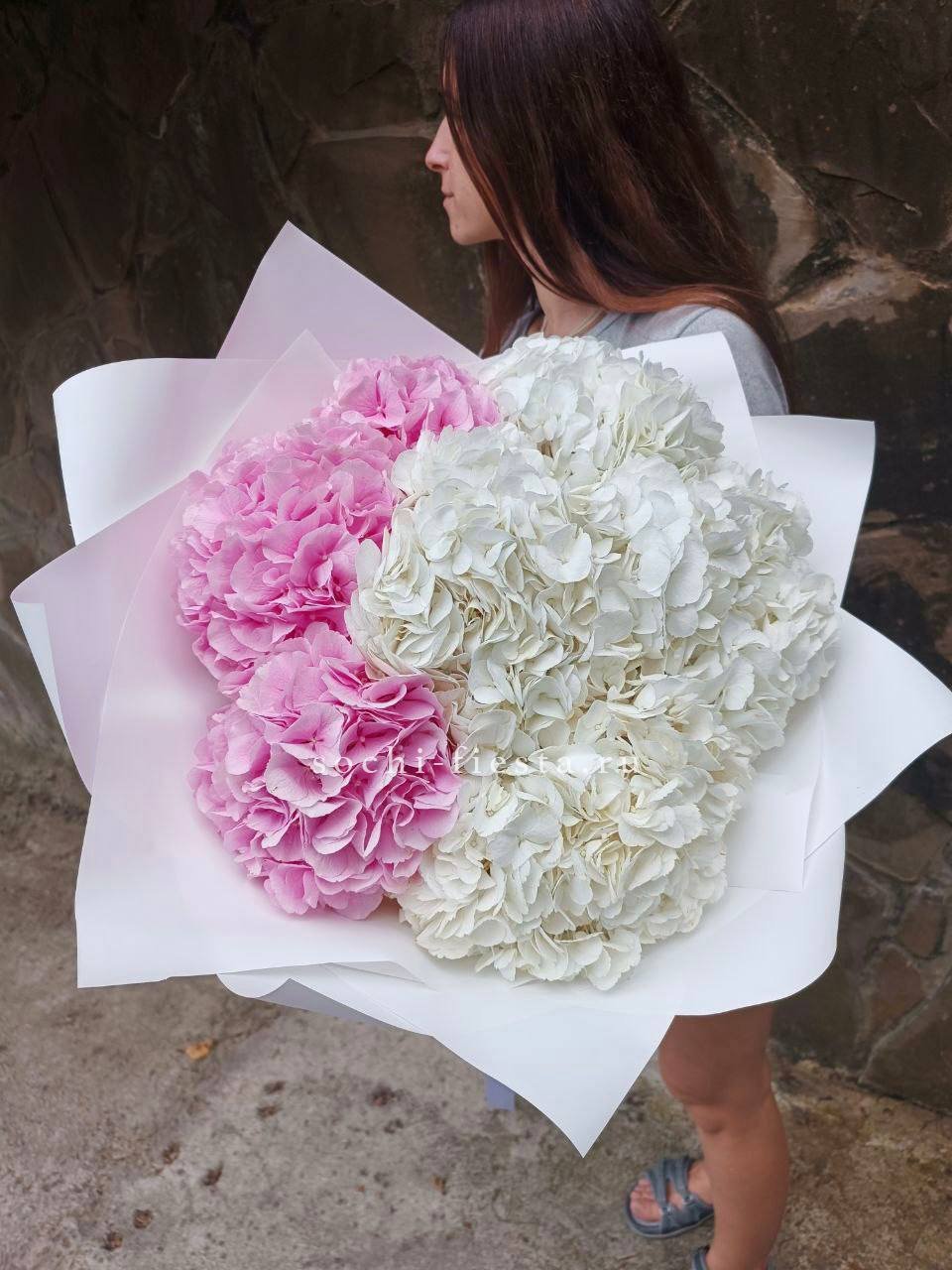
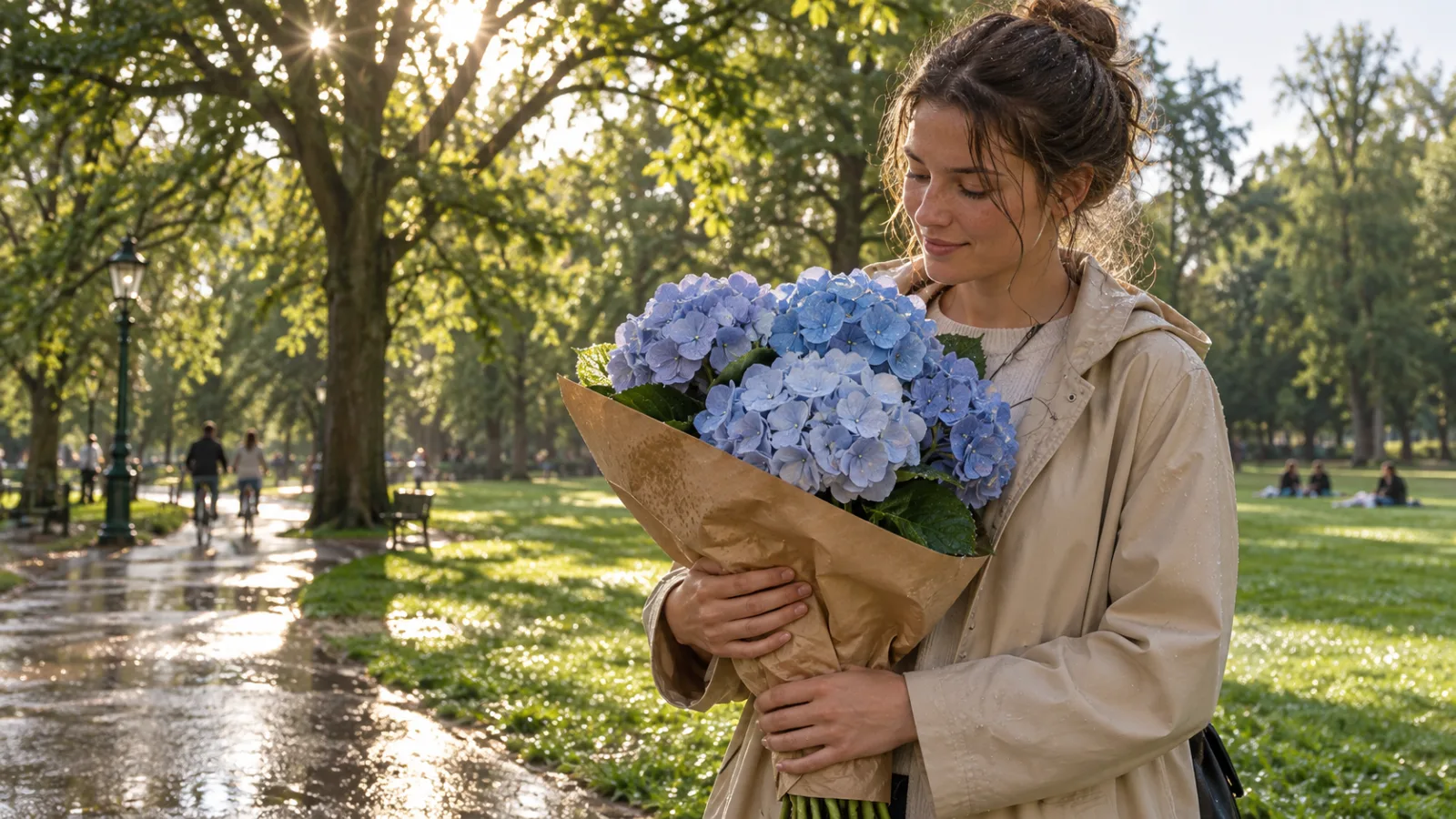
For a birthday, a thank-you or any good news, gerberas, alstroemeria or a lily chosen in a bright colour read as cheerful instead. Hydrangea works the same way with even less effort: a few heads already make a bouquet on their own.
Sending flowers to an office needs the company name and the floor rather than a flat number, and where the building runs a pass system, the courier leaves the bunch at reception and the sender is told who signed for it.
Mono bouquet delivery in Amsterdam starts with a photo: the florist shoots the finished bunch before the courier sets out, and most orders reach the recipient the same day they're placed. The exact timing shows on the bouquet's own page, and the delivery terms set out the rest.

Picking among mono bouquets in Amsterdam starts with the month, then the occasion. In winter and spring, go for tulips; in summer, move to hydrangea. For a gift meant to last, alstroemeria stays the steadier pick, already good for two to three weeks in water.