
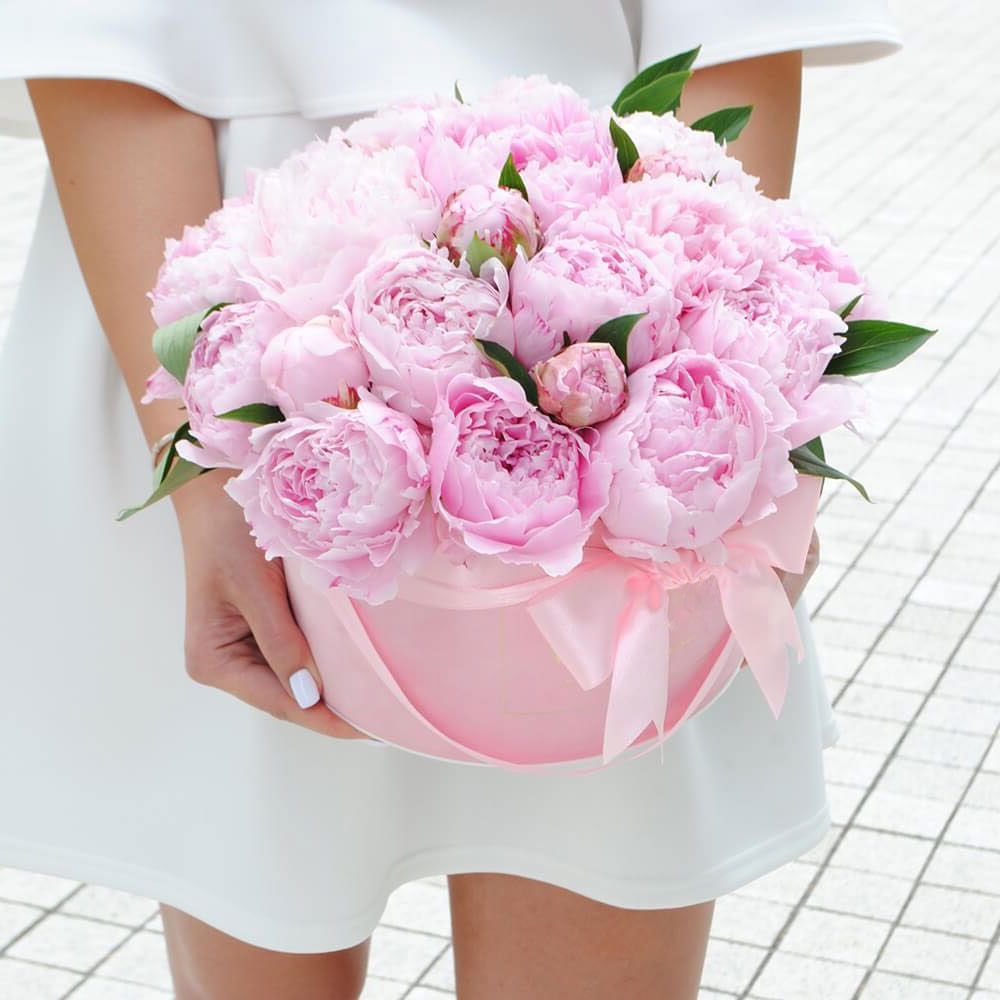


Peonies by colour: choosing a shade for the room it lands in

Colour is the first thing anyone decides and the last thing anyone thinks through. A shade that looks decisive on a screen behaves differently in a dim hallway, against a white wall, or in a photograph taken with the curtains shut.
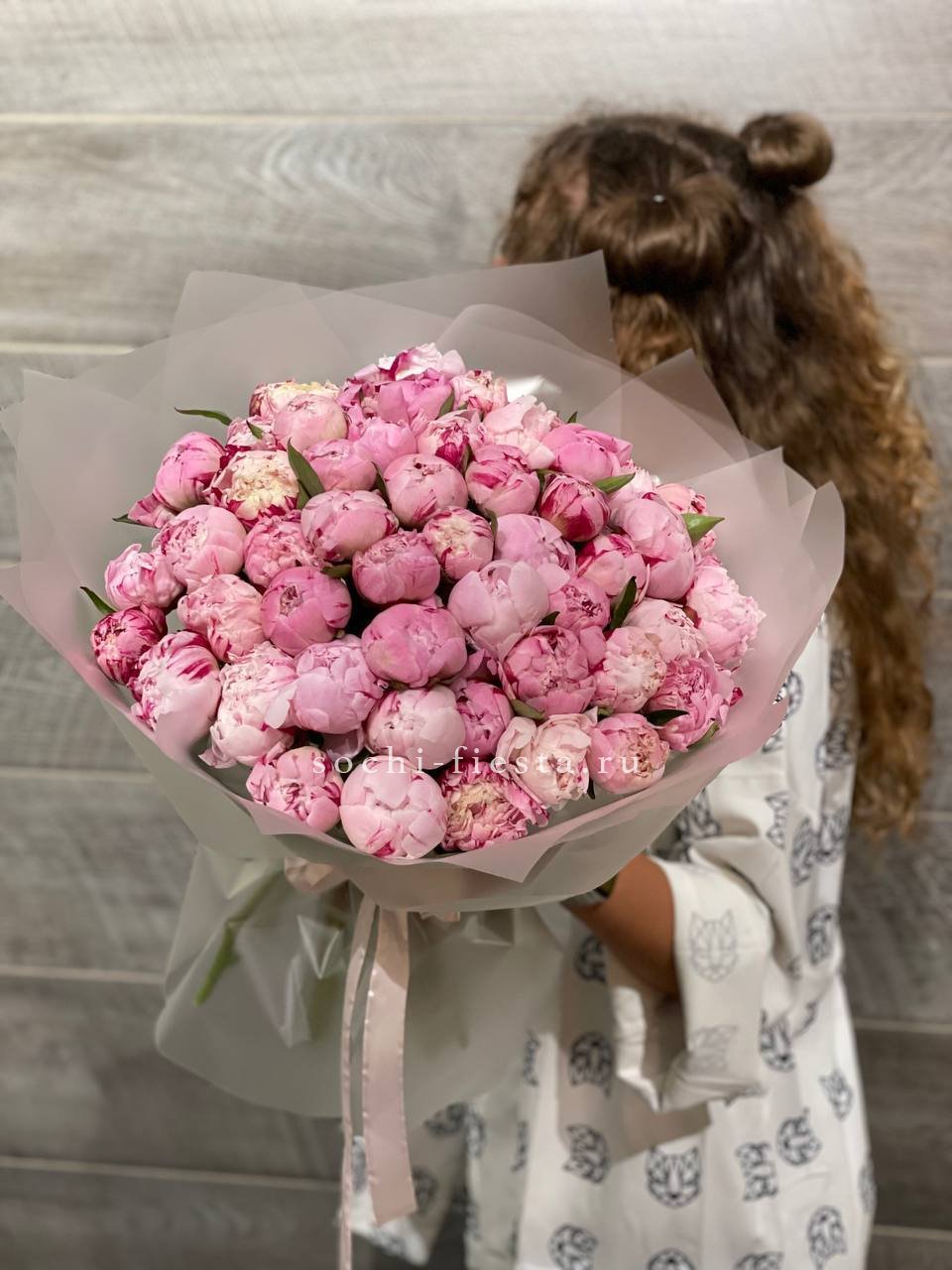
Start with where the flowers will sit. Pale peonies, the whites and the powder pinks, disappear against a light wall and only come alive against dark paint, wood or glass. Deep pink and crimson hold their own anywhere and tend to become the only colour in the room. Coral sits between the two and is the shade people either take to at once or struggle to place, since it fights with warm terracotta and with most reds.
Photographs reverse some of that.
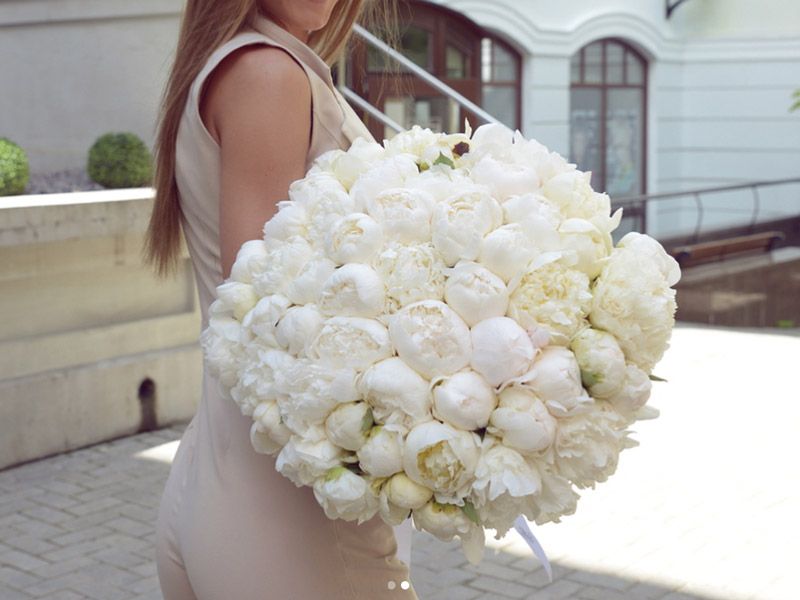
A dark red head loses its structure on camera and reads as a black shape unless the light is very good. White and cream keep their petal edges even in poor light, which is why they dominate wedding work and most of the images used to sell these flowers. If the bouquet is going to be photographed by the person receiving it, and most are, the pale end of the range flatters them more. Deep colours reward being seen in person. That difference is real and not a matter of taste.
What the occasion expects
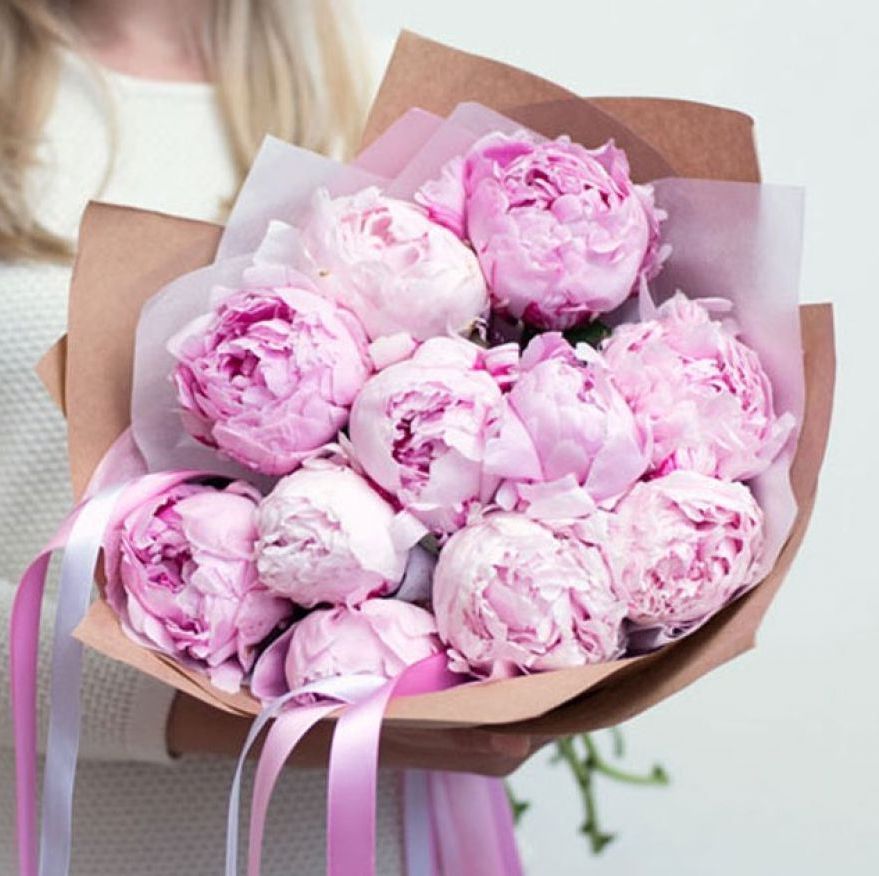
White and ivory carry the formal end: weddings, condolences, anything where restraint is the point. Pale pink is the default gift shade, warm without being loud, and it is what most people picture when peonies are mentioned. Crimson and deep magenta read as romantic in the way red roses do, with rather less obviousness about it.
Coral has no fixed meaning, which is its advantage. It is the shade to send when you would rather no message were attached to the flowers.
Colour is not fixed
A peony arrives as a hard ball and opens on warmth, changing shade as it goes. The outer petals are coarser, greener and darker than the ones inside, so almost every variety lightens as it unfolds. Coral moves furthest, starting close to orange-pink and fading through peach to something near apricot over a few days. White usually begins with a green cast at the base of the petals and warms towards cream.
Order for the colour you want on the day it matters rather than the colour in the box.
The safest choices for a fixed date are the deep reds, which lose least, and the pale pinks, which drift only slightly. Anything coral wants timing with the fade in mind. Heat speeds the whole sequence up, so a warm room can push a bunch through its best colour in a single day.
Two things that do not exist

There is no blue peony and no genuinely black one. What sells under those names is either dyed or a very dark burgundy photographed with the contrast pushed. Dye is easy to spot once the flower opens, since the colour travels up the vascular tissue and leaves stripes across the paler parts of the petal along with a stained stem cut. Yellow is the third gap, more or less. True yellows exist among tree and hybrid peonies, but they rarely reach the cut market, and the cream-with-a-warm-centre flowers sold as yellow are as close as the range gets.
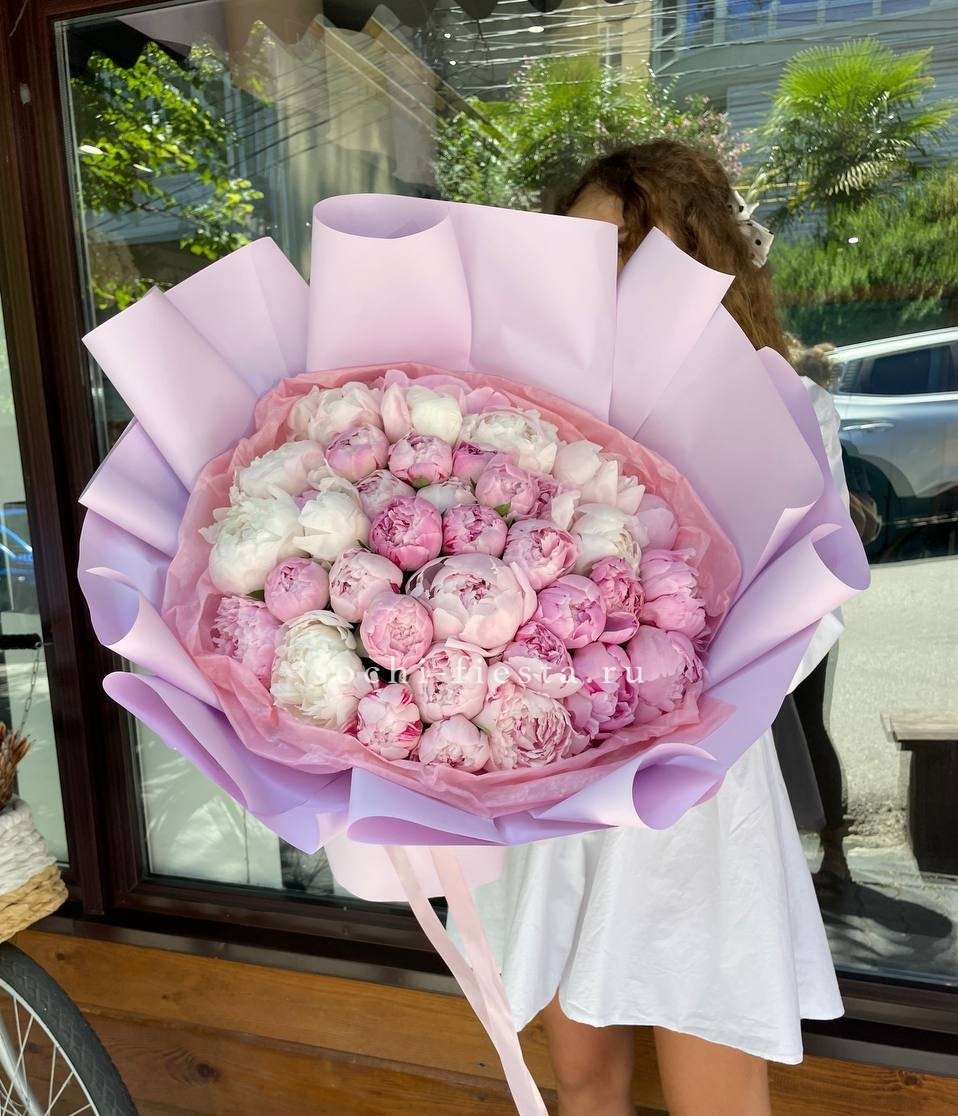
Everything real runs from white through the pinks to dark red. Within that band the choice is genuinely broad, and mixing more than two shades from it usually looks like mismatched batches rather than a gradient.
One practical note before ordering peonies by colour. Pale petals show every mark, so a thumbprint from handling or a drop of water caught between petals turns brown within a day, while darker varieties travel far more forgivingly. For a recipient in Amsterdam at the end of a long journey, that alone can decide the shade.

