



Roses in Amsterdam: Dutch glass or Andean farms, and how to choose
Roses in Amsterdam name two countries outright: Ecuador, whose Andean farms grow the longest stems, and the Netherlands itself, which grows classic roses under glass. The country behind a rose sets its stem length and the size of the finished bunch, so the first choice is where the stems are going and who will receive them.
Dutch glass or an Andean farm: what sets the length of the stem
The Netherlands grows roses of its own, under glass, and these are the classic varieties most people picture when they think of a rose. Their stems tend to run shorter than the Ecuadorian ones, which suits an ordinary vase and a dinner table rather than a grand display.
Ecuador grows roses at around 2,800 to 3,000 metres, close to the equator, where daylight sits near twelve hours all year. That steady light is why the stems there run long, from about seventy centimetres to well over a metre. A rose this size is bought for height rather than for the table, and the roses by height selection sorts stems on exactly that measure. Kenyan roses also reach the city, flown into Schiphol and sold on through the Royal FloraHolland auction in Aalsmeer, and their stems usually sit shorter than Ecuador's.
Whichever farm a stem comes from, the bouquet itself is put together only once the order is placed, and the flowers are bought in after payment rather than held ready on a shelf.
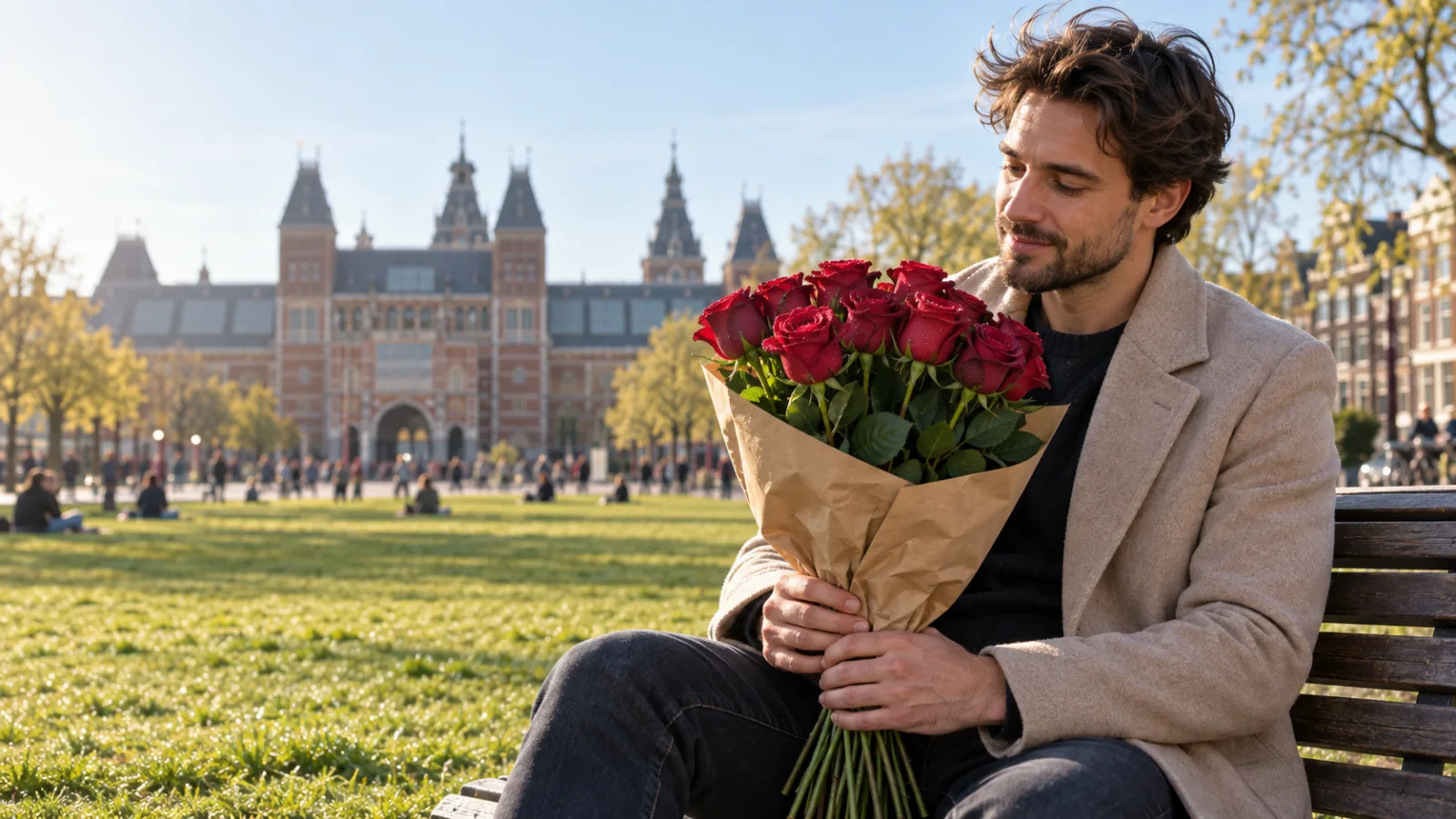
A second flower beside the rose, and the white lily to leave out
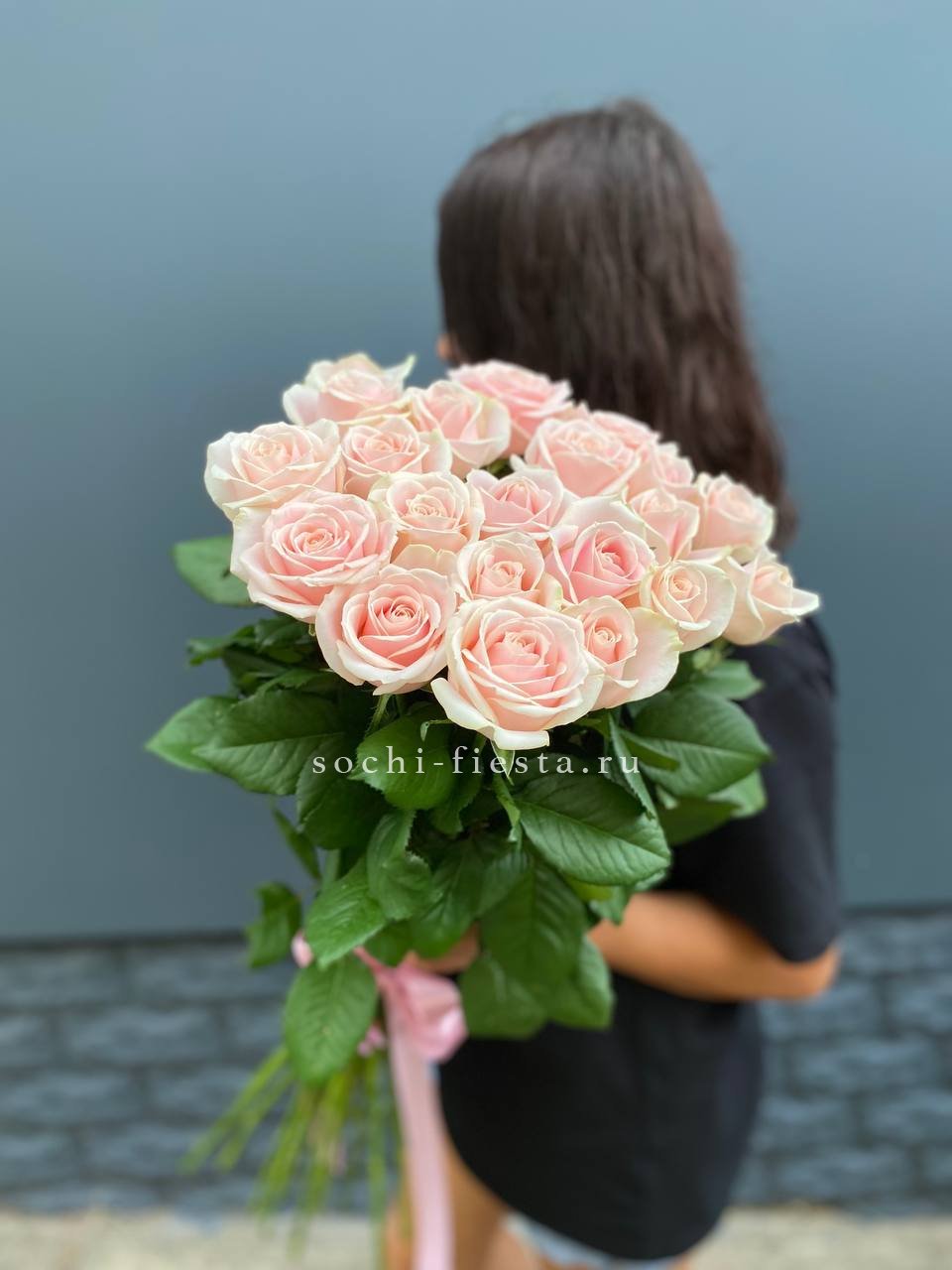
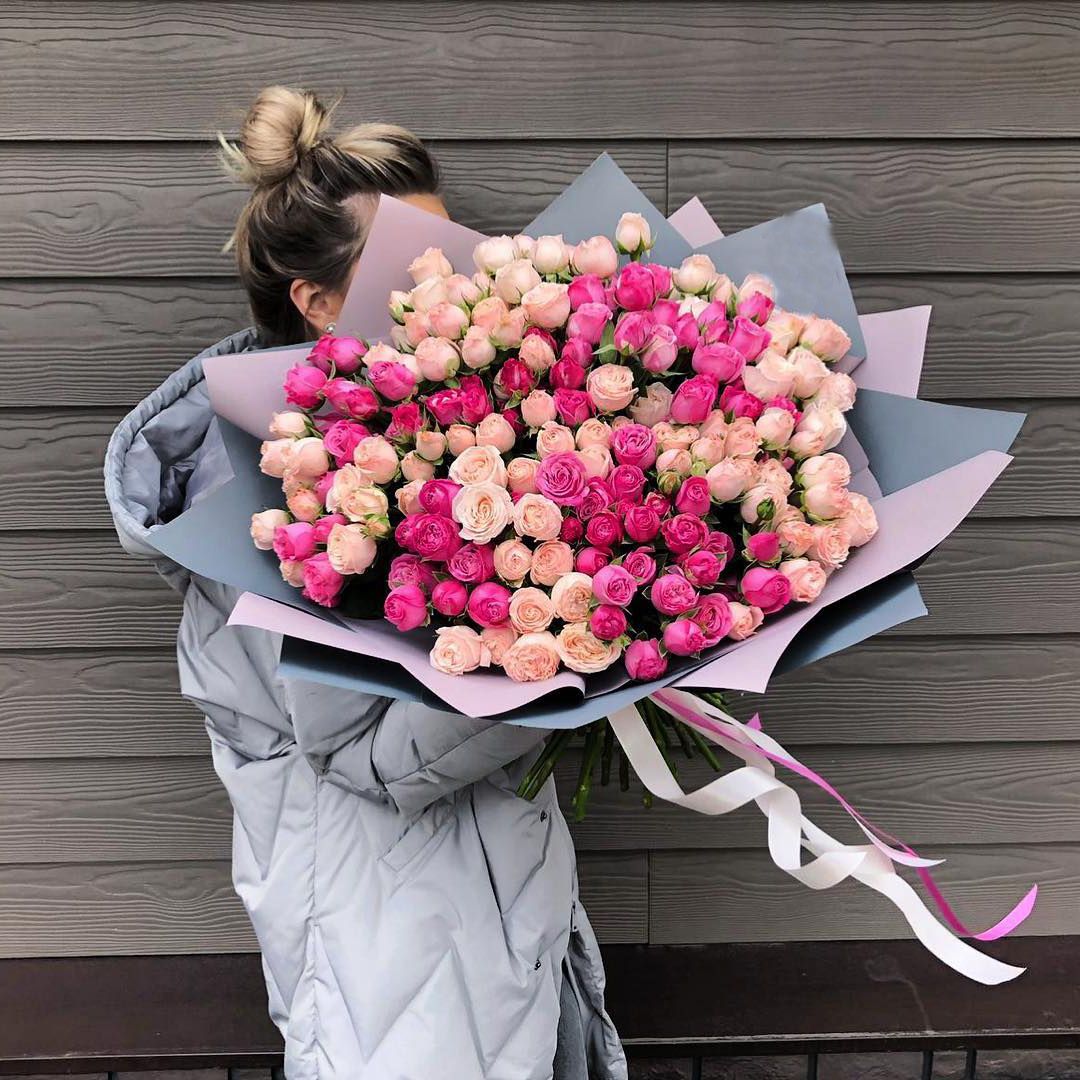
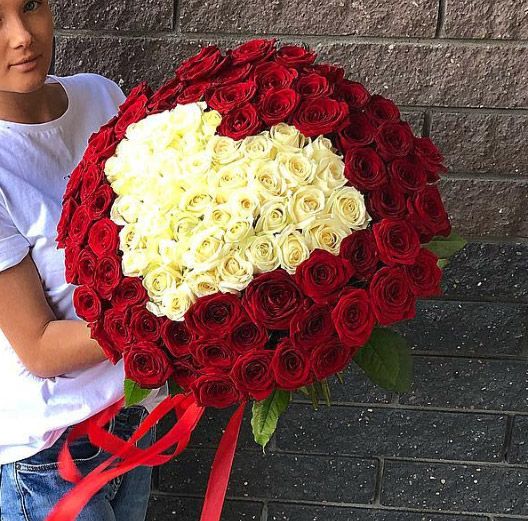
Colour is the first decision for a bouquet of roses alone, and the roses by colour selection runs through red, white and pink stems without needing a particular name attached. A single-colour bunch is the safer pick when the occasion itself, rather than the arrangement, is meant to carry the message.
Mixed bouquets set the rose beside a hyacinth, a lily, a gerbera, a eustoma or a hydrangea, and the mixed rose bouquets group covers those pairings. A hyacinth marks the arrangement as a spring one, since it is a bulb flower that flowers early in the year. Buying roses in Amsterdam for a happy occasion is one place where the second flower matters. In the Netherlands, chrysanthemums and white lilies are associated with mourning, so a celebratory bouquet is better built around a different companion, or a lily chosen in colour rather than white. The dates that bring people to order roses most, along with the rest of the city's flower habits, sit in one place on the site.
Rose delivery in Amsterdam: wrapped stems, a box or a giant
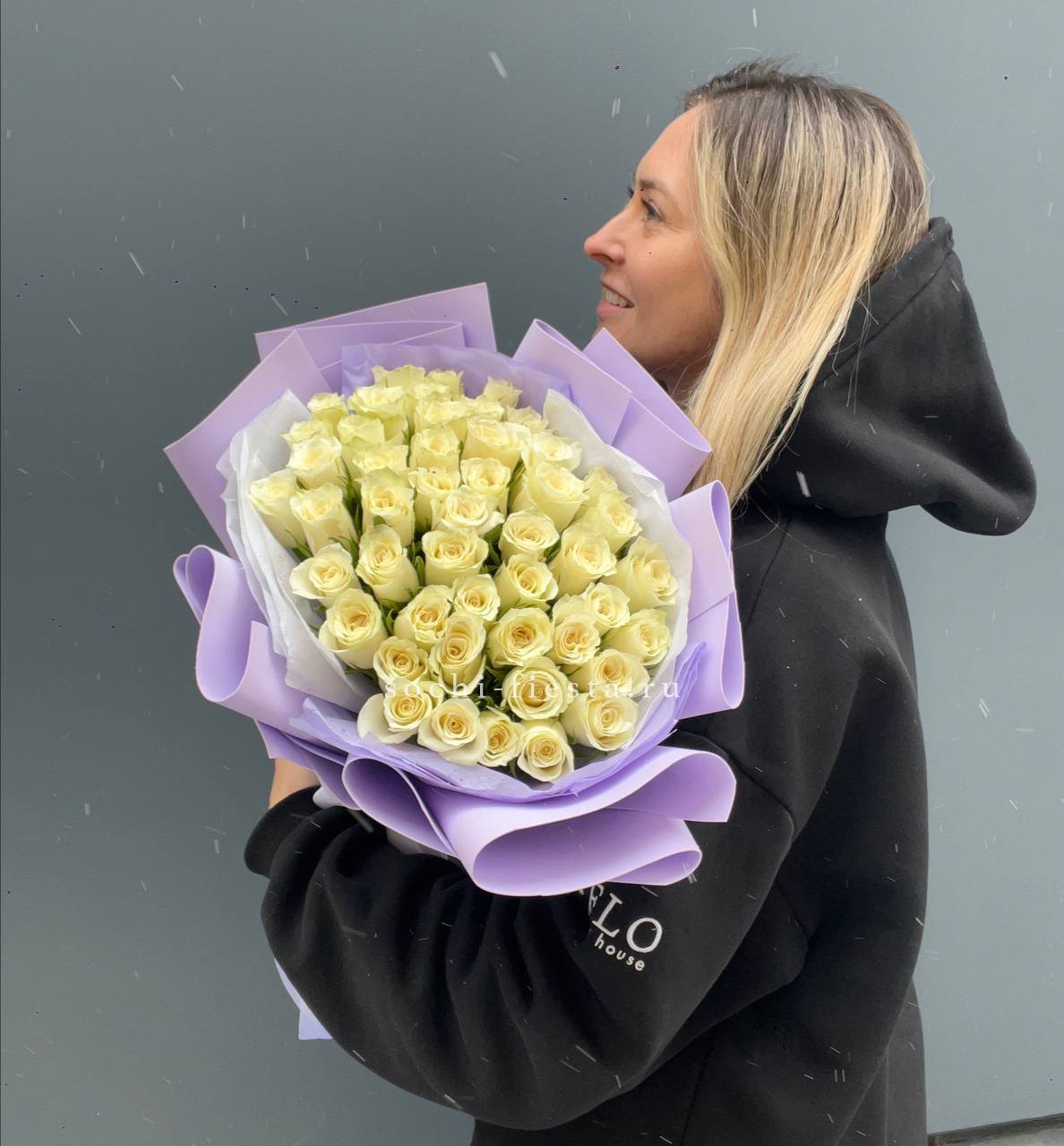
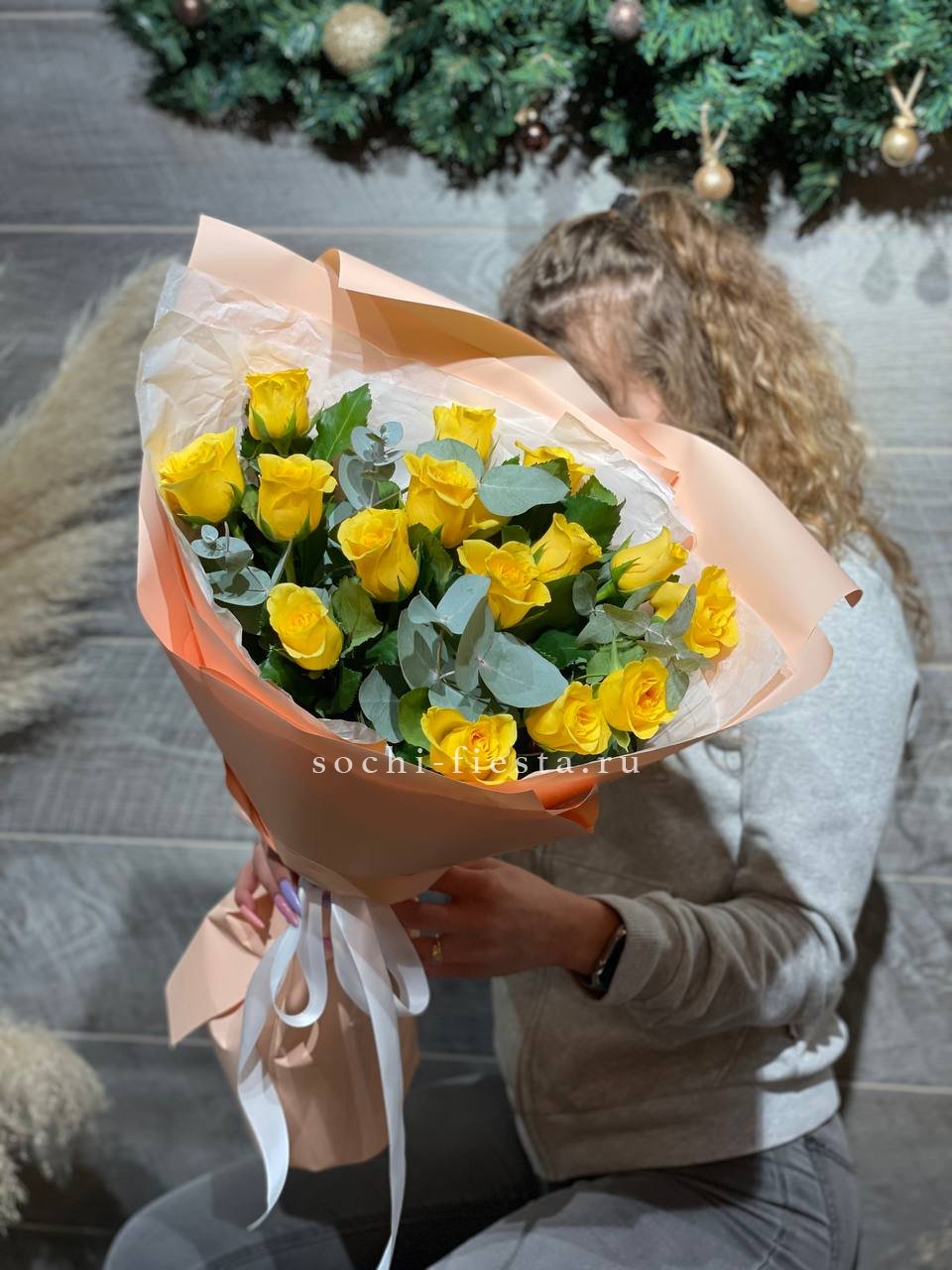
A wrapped bunch, in designer paper or in the coffee-coloured paper used for bouquets such as the coffee-wrapped roses, arrives ready to carry but still needs a vase waiting at the other end. That makes the wrapped bouquet the right pick when the recipient's home is known and has a vase to hand.
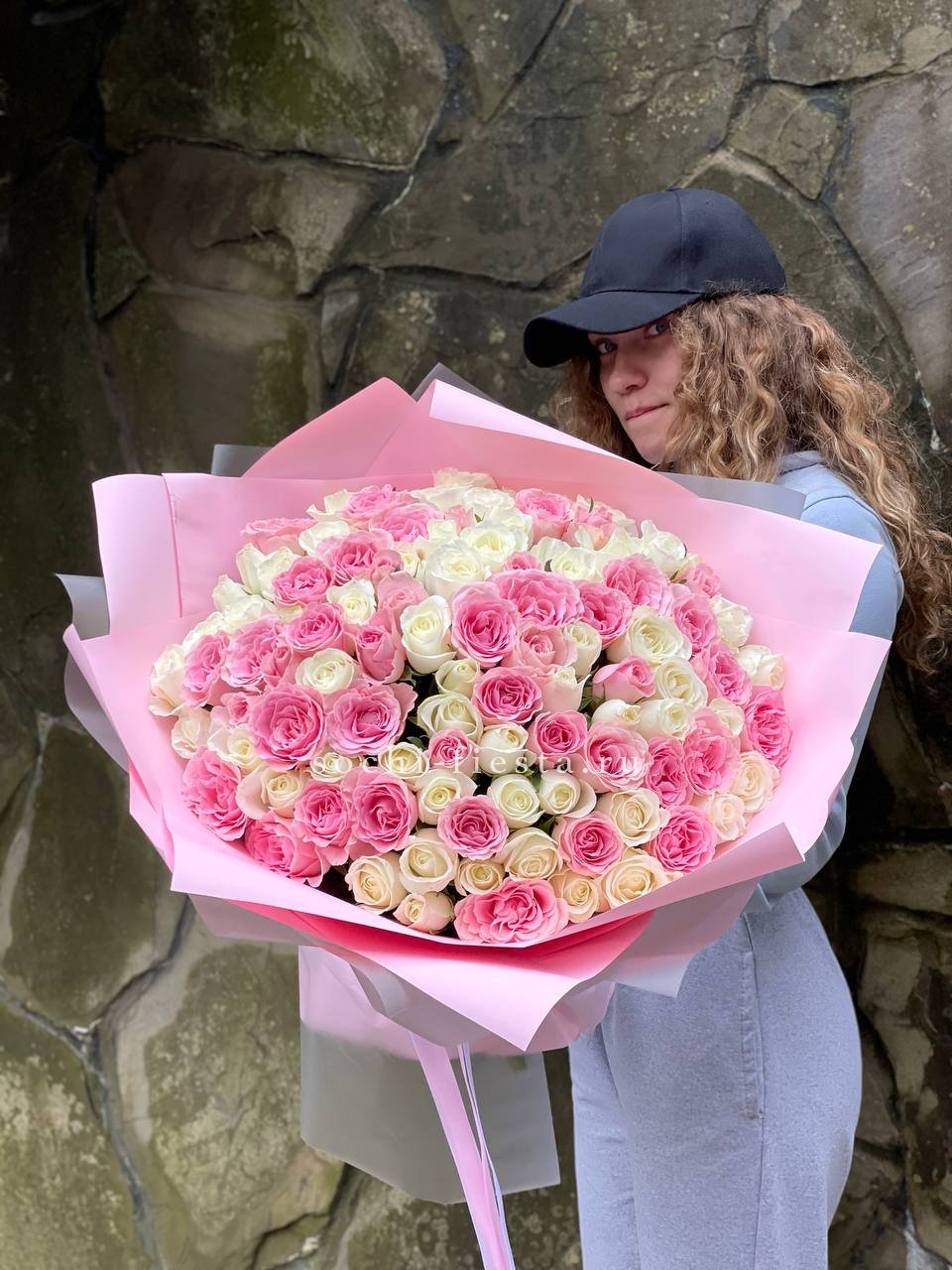
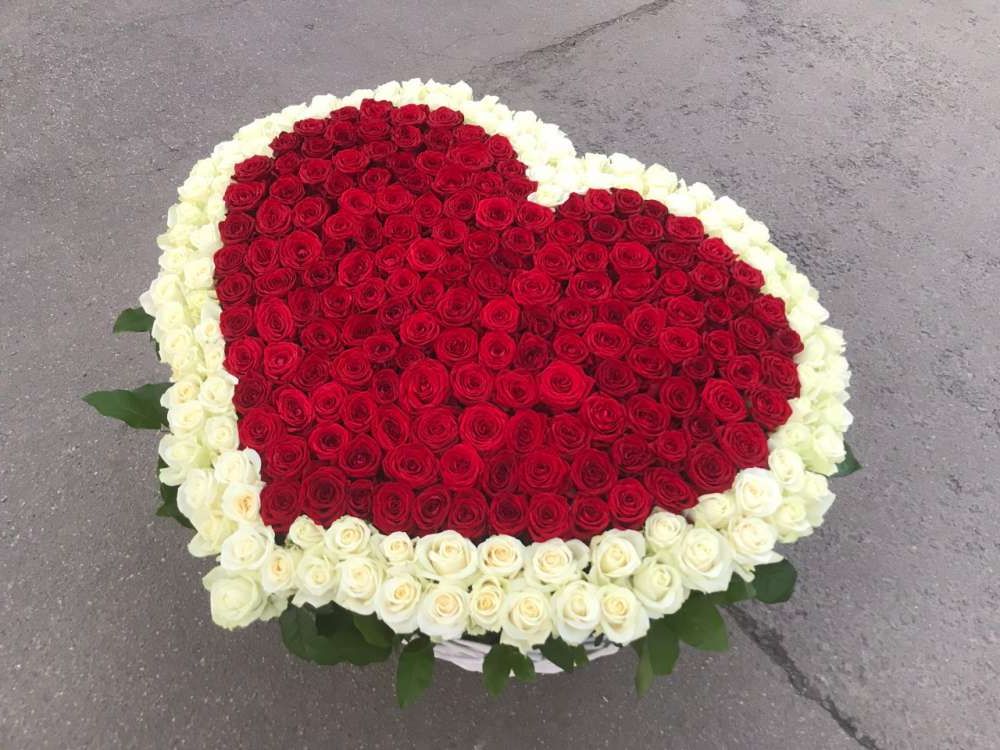
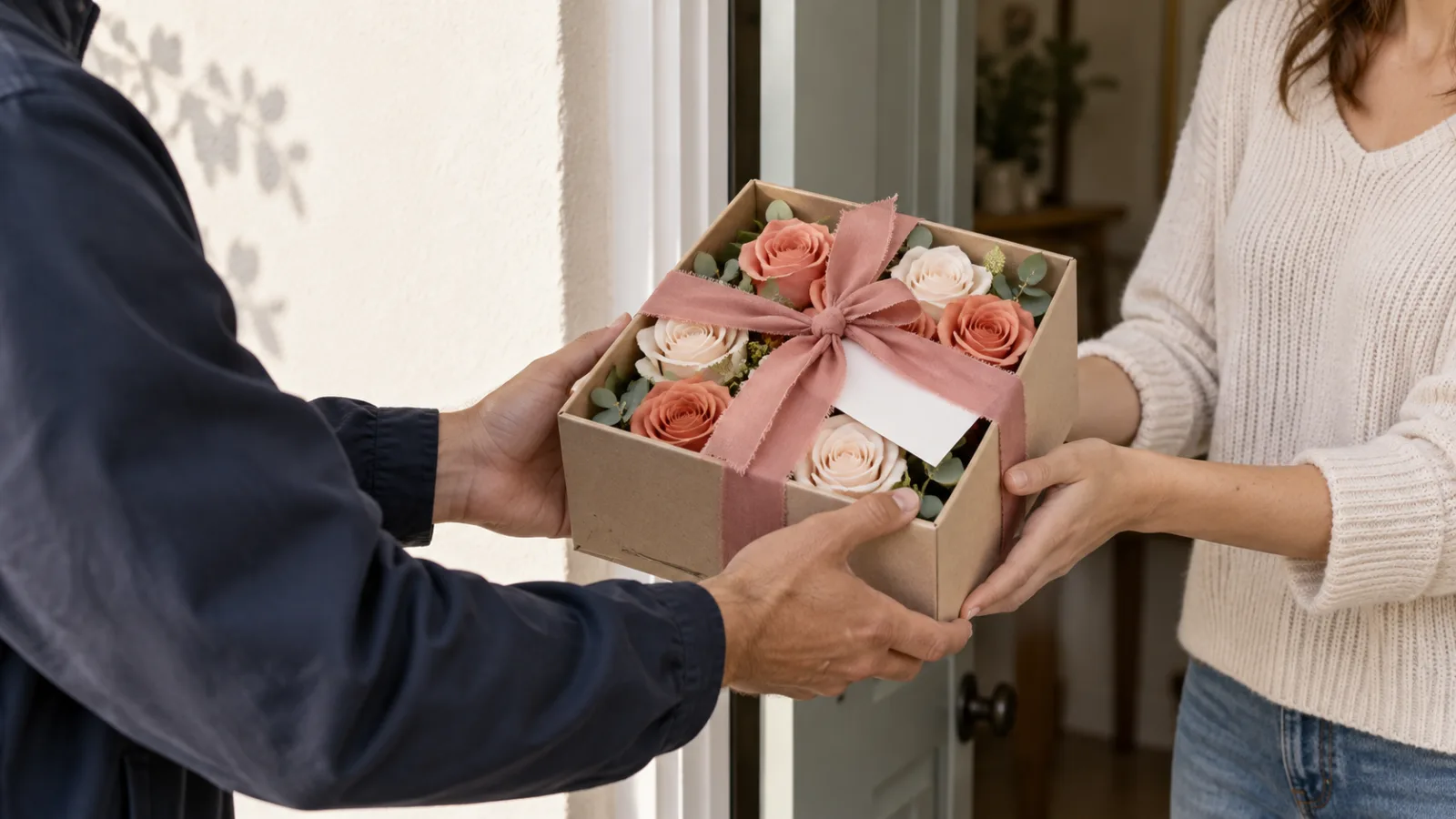
A boxed bouquet skips that step, since the stems already stand in the box rather than loose in paper, so nobody has to go looking for a container on arrival. The flowers in boxes range is built around that, and it suits a doorstep handover on a wet day as well as an office desk. A wet or windy afternoon, like the rest of Amsterdam's weather and dates for flowers, is covered on the city's flower guide. For a bigger gesture, a separate size exists altogether: the giant rose bouquets are built for exactly that kind of occasion rather than for a single desk or table.
Rose delivery in Amsterdam follows the same pattern across formats. Most orders are delivered on the day they are placed, and the delivery window is shown on the bouquet's own page. The florist photographs the finished bouquet before the courier leaves, so the sender sees it before it arrives. Delivery is free within the centre and carries a flat zone charge elsewhere, covered on the delivery terms page.
A tall stem for a dramatic vase starts with roses by height. A bouquet that pairs the rose with something else starts with mixed rose bouquets. A large event calls for the giant rose bouquets.