


Plants in Amsterdam: an orchid or a succulent that outlasts the bouquet
Almost five billion stems and plants passed through Royal FloraHolland's auction clocks at Aalsmeer, southwest of Amsterdam, in 2025. Plants in Amsterdam get chosen over a cut bouquet when a gift needs to outlast the week, and the choice comes down to what the plant will ask from the room it lands in.
Plant delivery in Amsterdam: a gift still in flower two months on
A potted moth orchid, Phalaenopsis, stays in flower for two to three months, while a cut orchid in a vase lasts two to three weeks. That gap is the whole decision behind plants in Amsterdam bought as a gift. A pot asks for a window sill and a weekly visit; a cut stem asks only for an evening, or a table that needs flowers by a set hour.
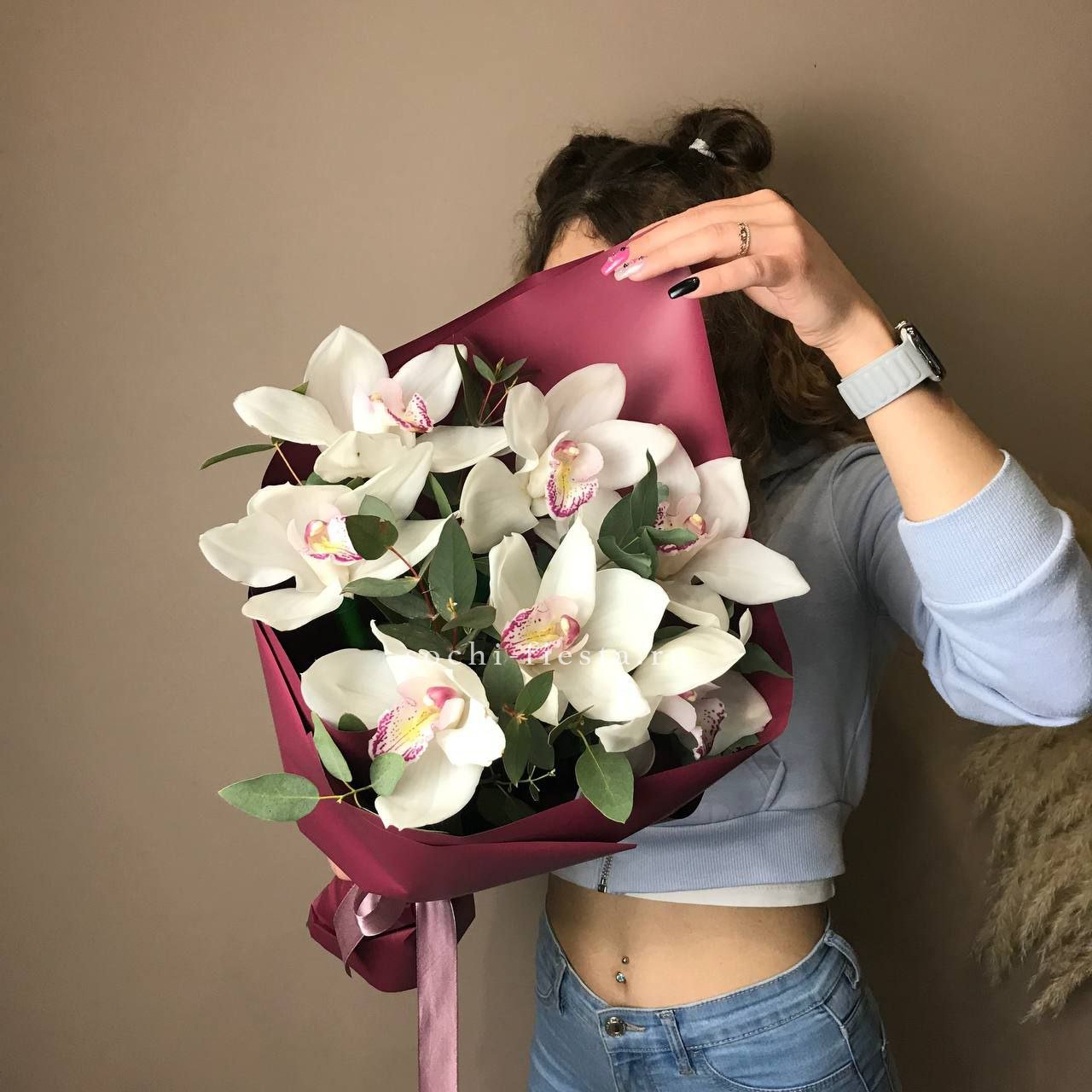
The format widens the choice beyond a single pot. Orchids also leave the shop boxed, paired with chocolates, or arranged alongside roses and Misty; 7 Orchids in a Box and the Misty and Orchid Duo Box carry two of those names. Whether a given box holds a rooted plant or cut stems is worth checking on its own page, since the name alone does not show it.
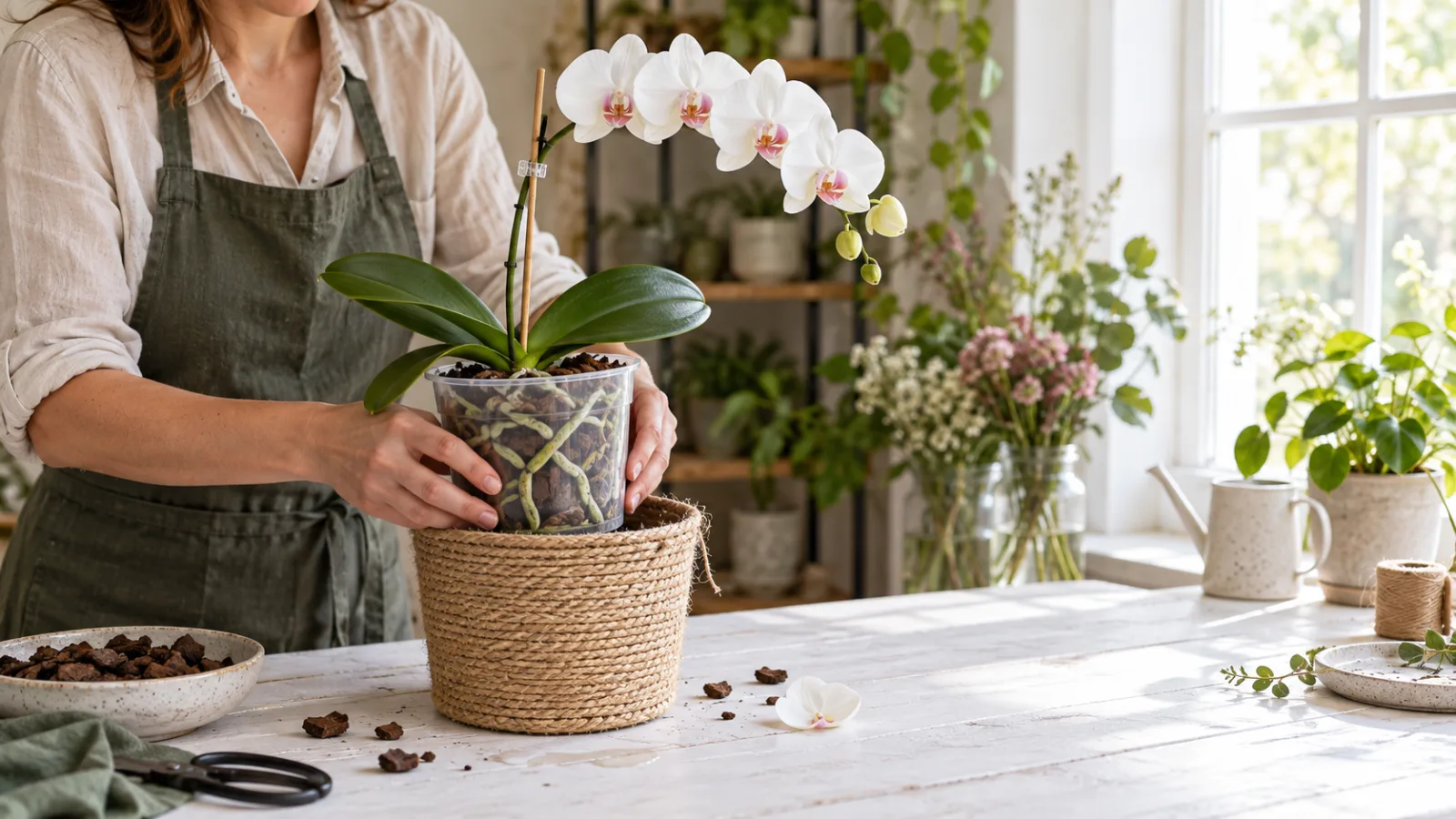
A potted orchid wants water about once a week, poured through the bark and then drained from the saucer so the roots never sit in it. That weekly visit is the real condition behind the gift: a pot suits someone who will be home to keep it, more than someone passing through for a day.
Amsterdam UMC keeps flowers and plants out of its intensive care, haematology, oncology and kidney transplant wards. A gift meant for a hospital stay is worth checking first, with details on sending to a hospital, hotel or office.

After the first flowers: a new spike in a cool Amsterdam summer
A phalaenopsis sets a new flower spike when daytime temperatures stay under 27 degrees. Amsterdam's average July is about 19 °C, so the city's usual summer is below that trigger point.
Once the last flower drops, the spent spike is cut above its second node from the base. A side shoot often grows on from that node, and if no side shoot appears, the spike is cut off at the base instead.
Amsterdam gets roughly 35 to 40 frost days a year and January averages about 3.5 degrees, while the orchid wants nights around 16 to 19 degrees. The only point it meets that cold is the short walk between the door and indoors.
The clear plastic pot stays on under any cachepot, since it is the only way to see the roots and judge how damp the bark still is before the next watering.
Stone rose under glass: a succulent that never meets Amsterdam rain
Amsterdam gets around 850 millimetres of rain a year, most of it falling in October at close to 90 millimetres, and none of it reaches a windowsill. A succulent in open glass lives entirely on the water somebody pours in.
Succulents store as much as nine-tenths of their weight in water, which is why open glass suits them: the shape stays open to the air, and a spray bottle is enough to keep the inside damp. The florariums in this range set a succulent inside glass cut as a cube, a truncated cube, a teardrop or an icosahedron. The shape is picked for the room, not for the plant inside it.
Stone rose is a trade name rather than a species and is worth treating as one. Among the rosette succulents sold under it is Sempervivum, literally "ever-living": the rosette flowers once in its life and leaves behind a ring of offsets to carry on.
Cacti and plants grouped by type cover the rest of the choice: cacti suit a sunny sill left half-forgotten, while plants chosen by type sort the range by the plant itself rather than by its container.
A good place to start is flowering plants for anything still in bud, or florariums for an open glass shape that needs little water. The florist photographs every order before the courier leaves, delivery within the centre is free, and delivery zones lists the rest.


