





Roses in Chicago: flown in via Miami, chosen by type and size
Roses in Chicago follow a well-worn route. More than 80% of the cut flowers the United States imports come from Latin America, mostly Colombia and Ecuador, and about 90% of that supply passes through Miami before it reaches anywhere else. Chicago's own range names Ecuadorian stock outright, so the real choice here comes down to the type of rose and the size of the gift, not the exact stem count.
Ecuador and Colombia via Miami: the road to a Chicago vase
The Ecuadorian roses on offer arrive along that Latin American import route. The range names its Ecuadorian stock directly, with 19 White Ecuadorian Roses and 17 Raspberry Ecuadorian Roses among the options, alongside Dutch white roses.
Demand follows a calendar of its own. Roughly half the country's annual rose supply moves in two peaks, just before Valentine's Day and again ahead of Mother's Day, both set out on the Chicago's seasons and calendar page.
Chicago has local growers too, though not for this section. The Chicago Flower Market runs from May to October with produce from 31 farms across the Midwest, a seasonal counterpoint to the imported stems that fill the catalogue rather than a source for it.
Every bouquet here is put together once the order is placed, and the flowers themselves are bought after payment clears. The florist photographs the finished arrangement before the courier sets off, so you can still ask for changes after seeing that photo. Any variety that has sold out is replaced with one matched in shade and price, and the swap stays visible in the same picture. Most orders go out the day they are placed, and delivery to the centre of the city costs nothing.

Hand-turned petals or a peony shape: how the rose itself differs
A French rose isn't a variety; it's a finishing touch: the florist turns the outer petals of an ordinary rose back by hand, opening the bloom wider than it grows on its own. Among the range, 15 French Roses "Jumilia" show what that produces, with a bud up to seven centimetres across, white at the base and pink along the edge. With good care it holds in a vase for up to two weeks.
Peony-style roses come from a different breeding line altogether, bred mostly in England by growers such as David Austin and others working in the same style. The result is a dense, many-petalled head closer to a peony than a classic rose.
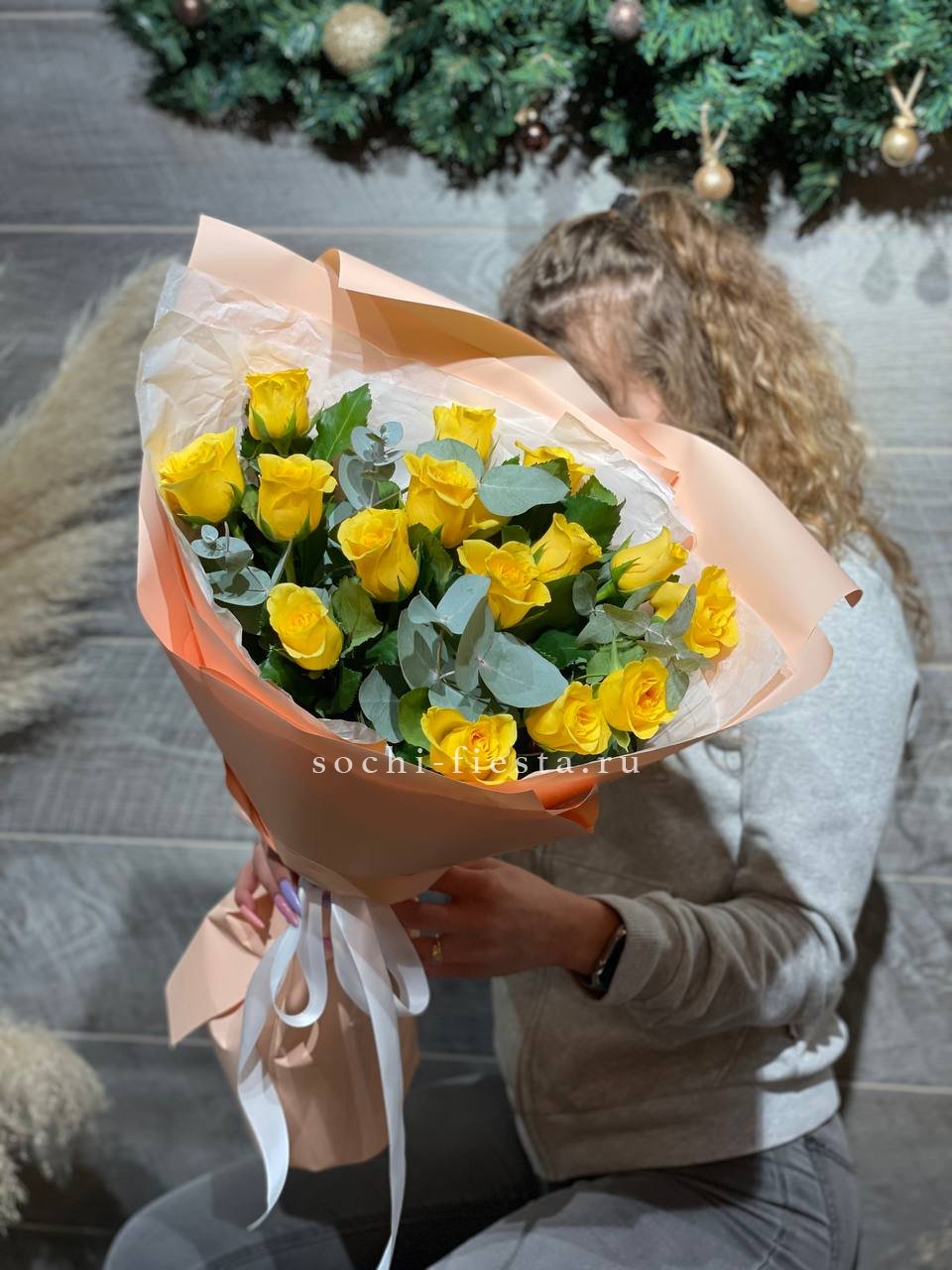
Where a bouquet brings in flowers beyond roses, it sits among the mixed rose bouquets rather than the single-flower options. The full spread of shapes and varieties, from hand-turned petals to peony heads, is sorted by type for anyone comparing them side by side.
Twelve stems or a giant bouquet: size matters more than the number
In the United States, an even or odd count barely registers. People notice it on a single stem bought loose, not in a bouquet someone else has already arranged, which is why height and fullness carry more of the decision than the exact number of stems.
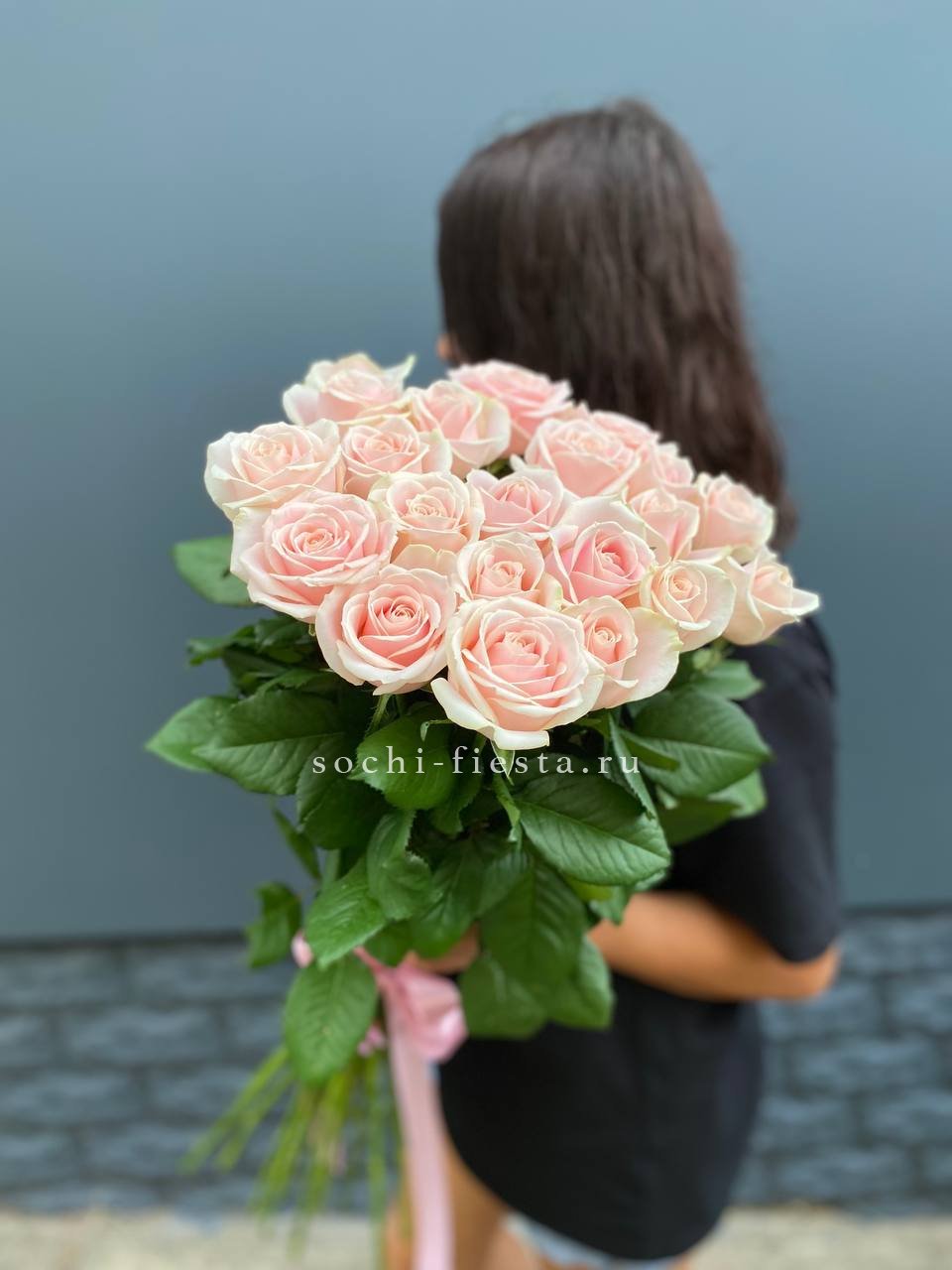
Stem length is where Ecuadorian roses stand out. Grown at altitude, they run from seventy centimetres past a metre, longer than stems from most other origins. The full spread of lengths on offer is sorted by height for anyone who wants the tallest available.
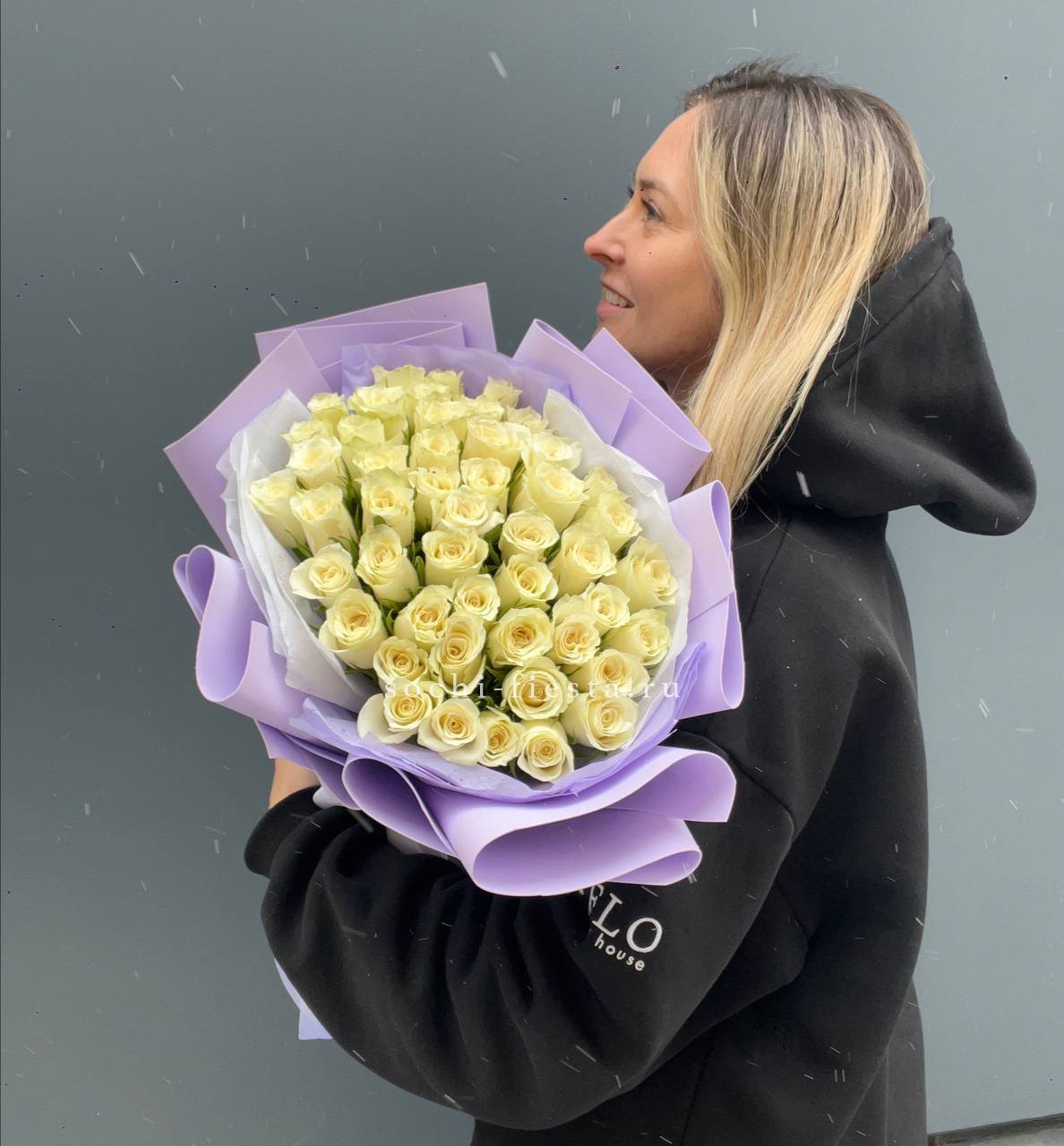
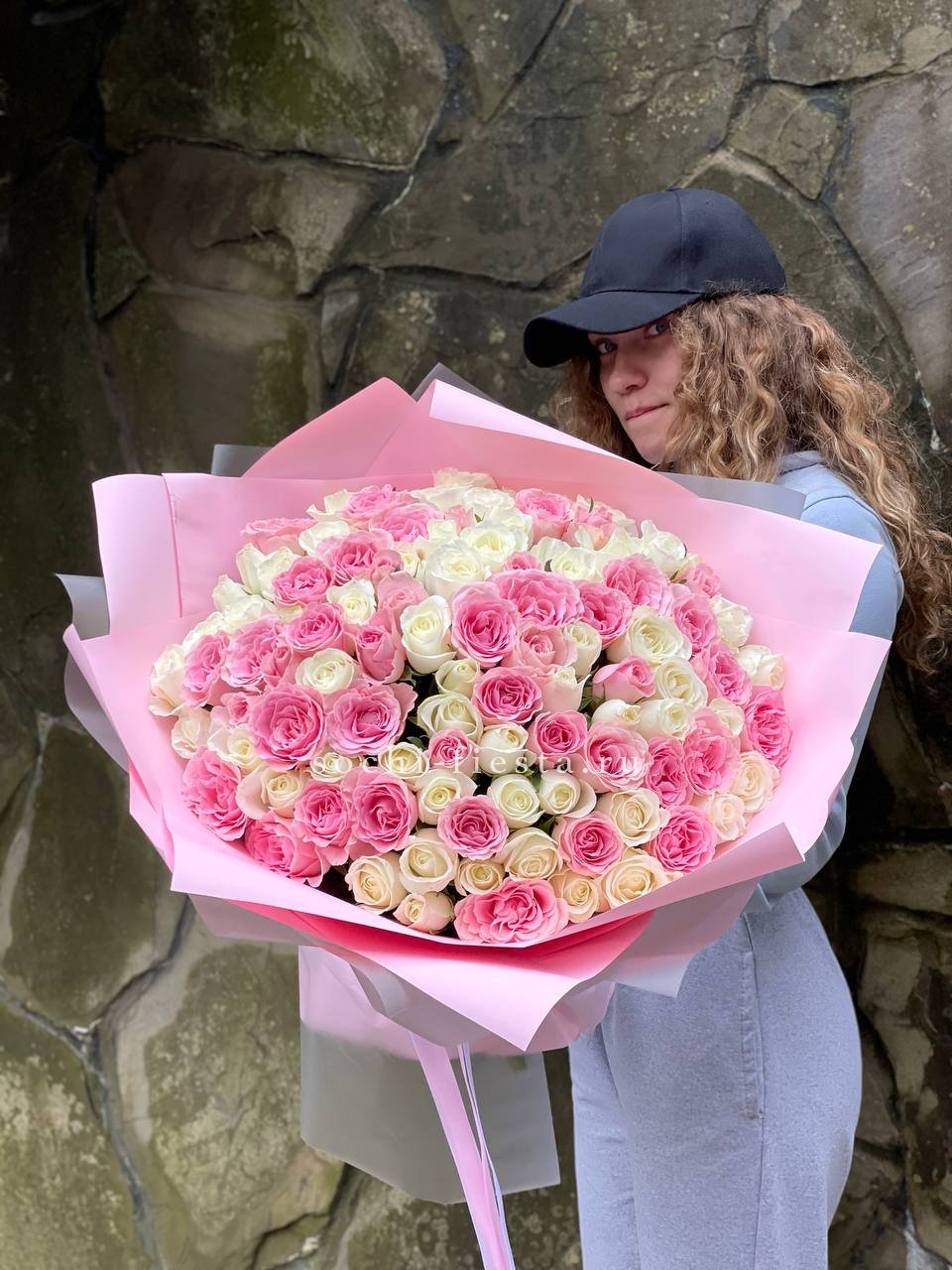
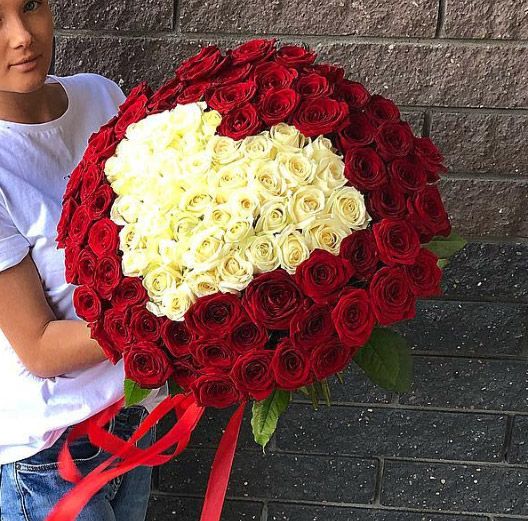
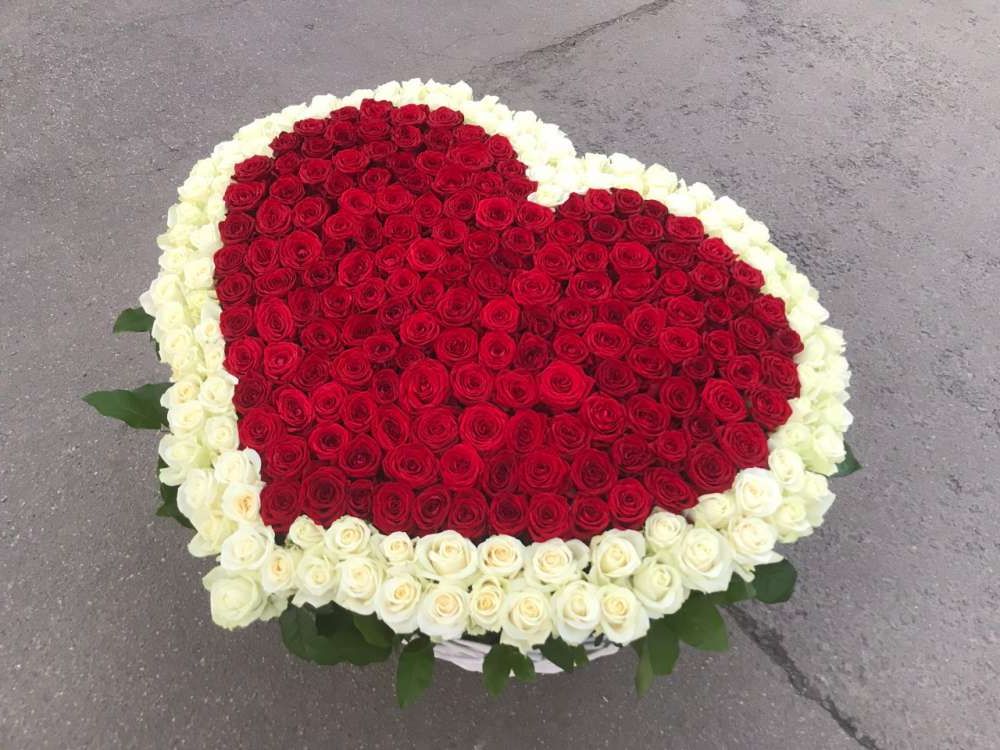
For a bigger gesture, giant rose bouquets scale up the whole arrangement rather than just adding stems, and 25 Dutch White Roses show how a large, single-colour count can fill a room on its own.
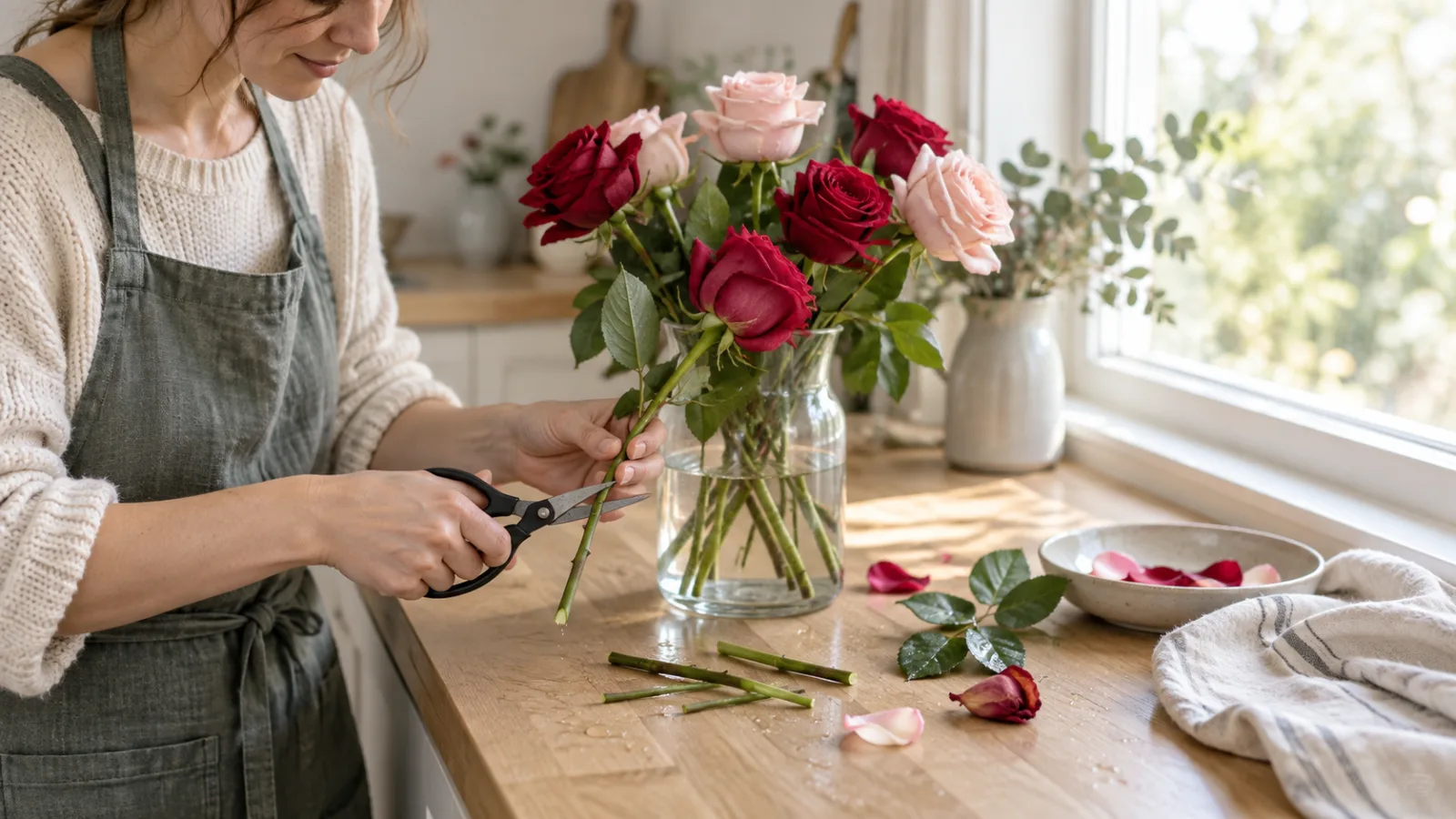
A rose holds in a vase for about a week, sometimes closer to ten days. An angled cut straight after it arrives opens more of the stem to the water, and changing that water every day or two keeps it drinking. For Chicago's winter and summer handling, use the city flowers guide.
Choosing by type starts with roses by type, and choosing by stem length with roses by height. A rose bouquet that brings in other flowers sits among the mixed rose bouquets, and whatever the choice, delivery across Chicago sets out how it reaches the address.