


Edible bouquets: what the first minute tells you

From three paces the outline is a bouquet. Up close it stops pretending. There are no stems, no water and no scent, and the recipient works all of that out in a second or two, usually while still holding the door open.
What happens next is the interesting part.
Most people turn the thing round before they say anything. They look for the join, for how the pieces are held, for whether something is going to drop off on the way to the kitchen table. A cut bouquet is never inspected like that, because everyone already knows what is inside one.
How it is put together
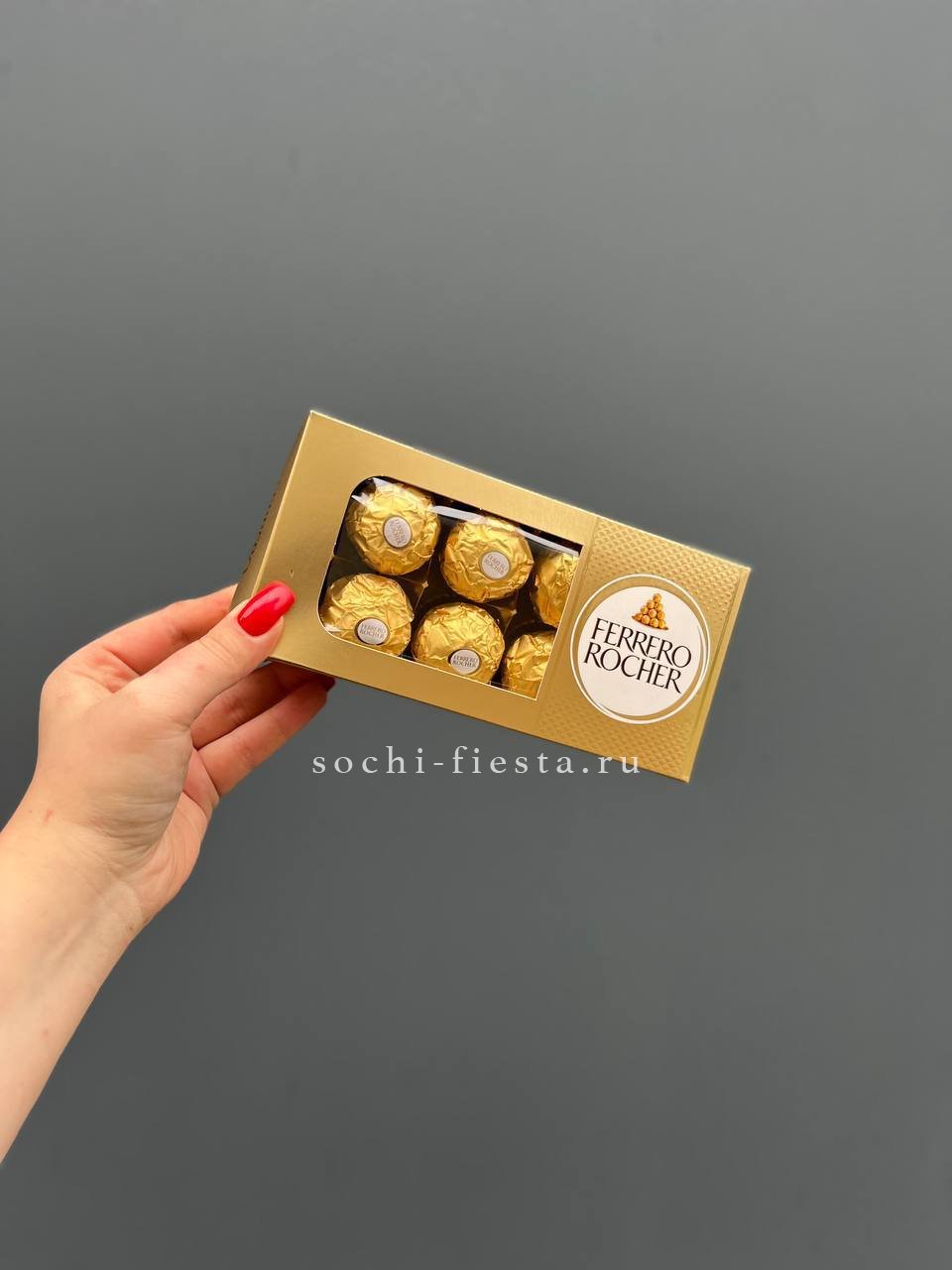
Each item sits on a wooden skewer. The skewers are gathered into a spiral the way stems would be, or pushed into a block of foam inside a stiff card cone, and the outer layer of paper or mesh does the job that foliage does in a floral arrangement. Differences in height are built in deliberately, so the front row does not hide the back. The skewer passes through the packaging of an item and never through the item itself. Nothing edible is glued to anything.
A rushed build shows itself at the base and along the edges. Skewer points work their way through the wrapping, the bundle will not stand on a table unless it is propped against something, and items are pressed so tightly that the packaging of one is creased by the next.
Ask for it to be carried upright rather than laid flat.
Warmth, time and the fridge
This is a gift with a clock on it, and the clock runs faster in a warm room. Heat softens anything with chocolate in it, dry air works on anything fresh, and part of the contents of a mixed arrangement wants a fridge rather than a windowsill. None of that is a defect. It is simply what the format is, and it is the reason these arrangements are built close to the moment they are handed over instead of being kept ready on a shelf.
The practical consequence falls on the recipient. Take it apart, share it, put half of it away.
Flowers ask for a vase and then leave you alone, while an edible bouquet asks for a decision on the evening it arrives, and that changes who it is a good gift for.
Allergies are not a detail here
With roses, the worst outcome of guessing wrong is a colour the recipient dislikes. Here it can be a present that cannot be eaten at all. Nuts, sugar, dairy in the fillings, a child's age, someone halfway through a course of treatment: all of that is settled before the order rather than after it.

An office makes the problem worse, because a shared arrangement is opened in front of everybody and turning down a piece of it in public is awkward.
Where the format earns its place
It travels well to a group. A team, a ward, a classroom, a shop floor at the end of a shift: one object arrives, several people end up holding part of it, and nobody has to find a vase or remember to change the water.
It also suits occasions where flowers would sound heavier than you mean them to. A new flat, a first day at work, a colleague leaving on good terms. In each of those a bouquet says more than you meant it to, and something that gets eaten says exactly enough.
And it answers the problem of repetition. If you have sent cut stems to the same person twice already, this is a format most people receive once, if at all.
There is a cost to all of it. Close up the eye reads packaging rather than petals, no arrangement of sweets smells of anything, and photographs of it never match the object in the hand. If the person you are sending to in Chisinau wanted flowers, send flowers.

