


720x720_q85.jpg?v=1787130774)


720x720_q85.jpg?v=1787130511)


720x720_q85.jpg?v=1787130774)


Single-variety bouquets and the mistake of ordering by headcount

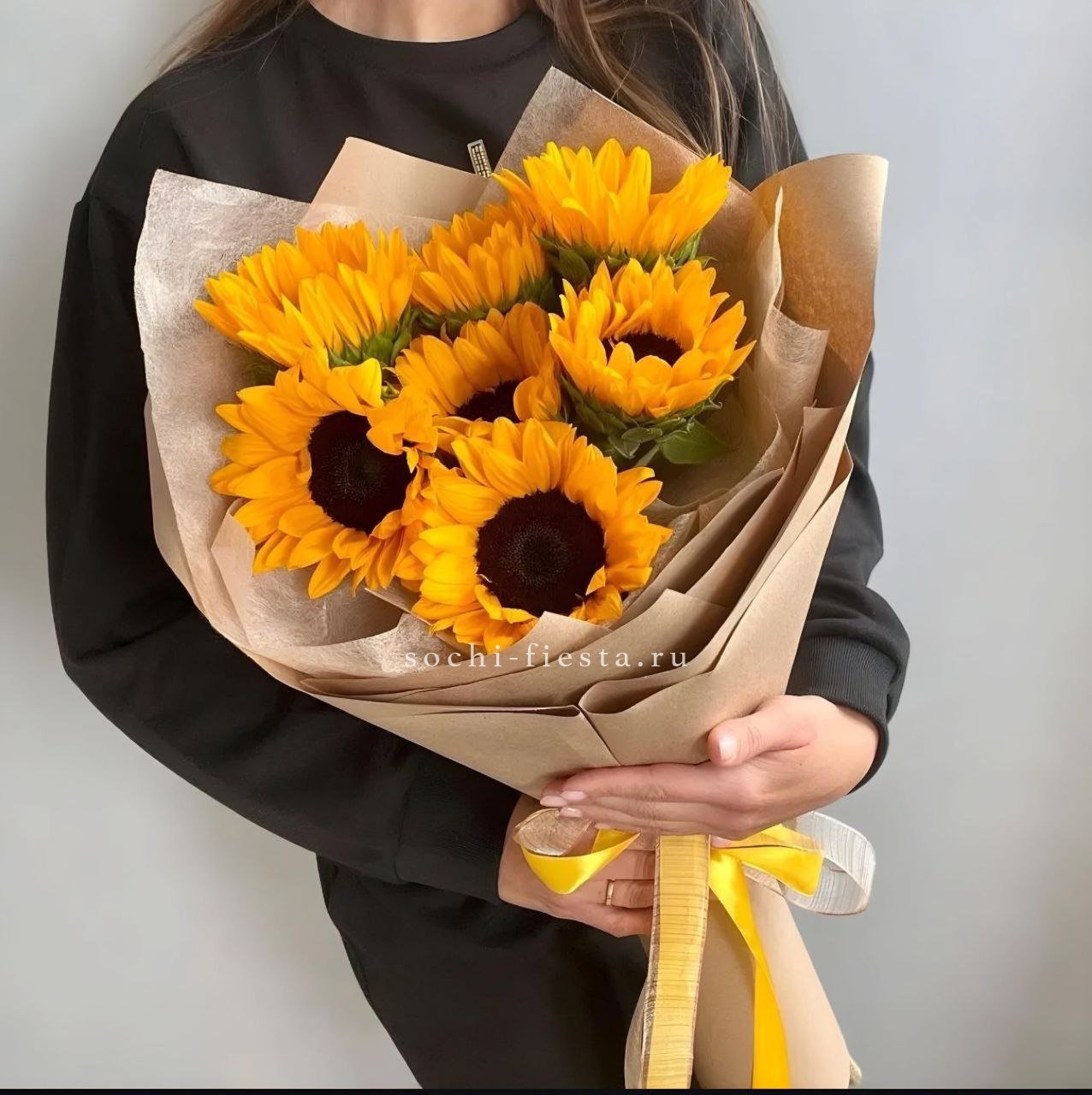
Most people order a mono bouquet by number. Twenty-five roses, nine tulips, five hydrangeas. The number is the least useful thing on the order form, and it is the one thing everybody fixes on.
What decides how the bouquet looks on arrival is grade, stem length and stage. Three things almost nobody asks about.
Grade is not a marketing word
Flowers arrive at a florist sorted into grades, and the split is by stem length and head size. A 40 cm rose and an 80 cm rose of the same variety are the same flower grown and cut differently, and they cost differently for a reason.
In a mixed bouquet grade hides. Greenery and a second variety fill the gaps, and a short stem sits happily behind a long one. Take the mix away and grade becomes the whole silhouette. Twenty-five short-stemmed roses make a tight dome that sits low in a vase. Twenty-five long-stemmed ones make a tall, loose shape that needs a heavy vase and a lot of table.
Neither is wrong. They are different objects, and a photograph rarely tells you which one you are buying.
Stage decides what your recipient sees
A single variety means every head is at the same point in its life, so the stage of that variety is the stage of the whole bouquet. There is nothing to average it out.
Ask for tight buds and the recipient gets a green-looking bouquet that becomes beautiful on day three. Ask for open heads and it peaks on the doorstep and starts fading by day four. For a birthday you usually want it open. For someone who will be travelling, or for an office where flowers stand all week, you want it closed.
Which flowers carry repetition
A variety has to be interesting enough to survive being shown twenty-five times. Some are, some are not.
- Roses — the most predictable, and the most forgiving of a long journey.
- Peonies — change daily, from a hard ball to an open cup, so the bouquet is an event rather than an object.
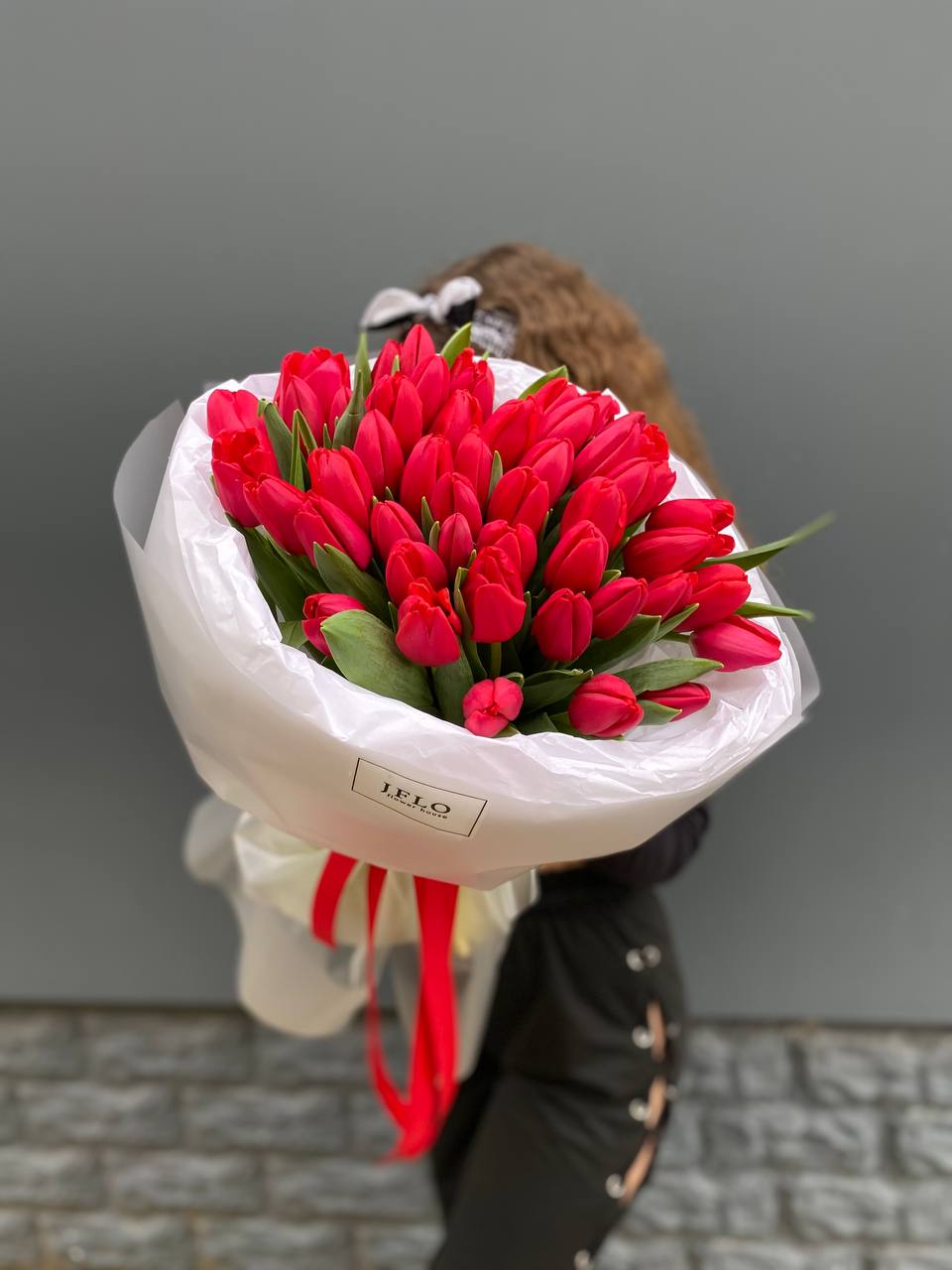
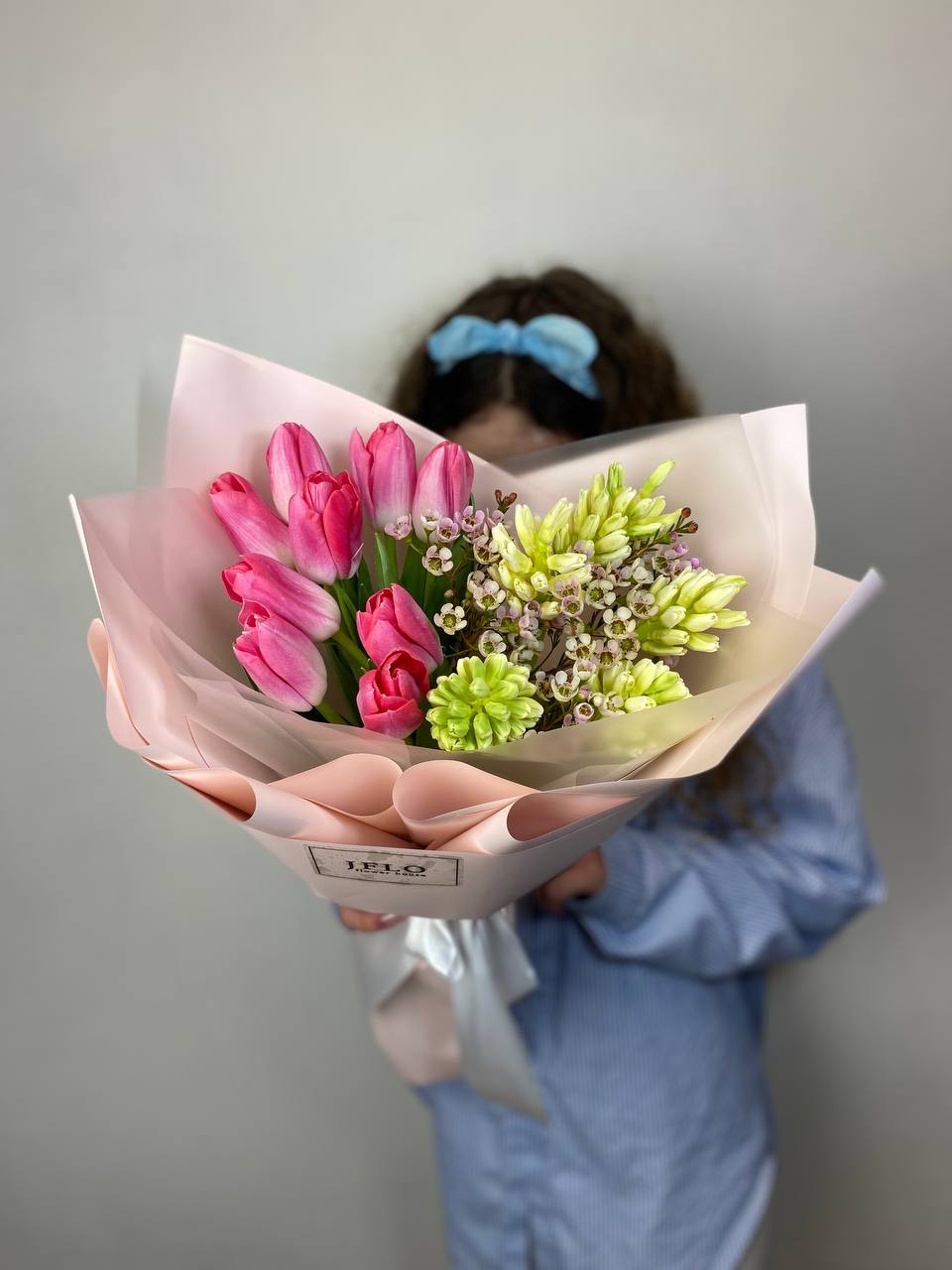
- Tulips — keep growing in the vase and lean towards light; tomorrow's shape is not today's.
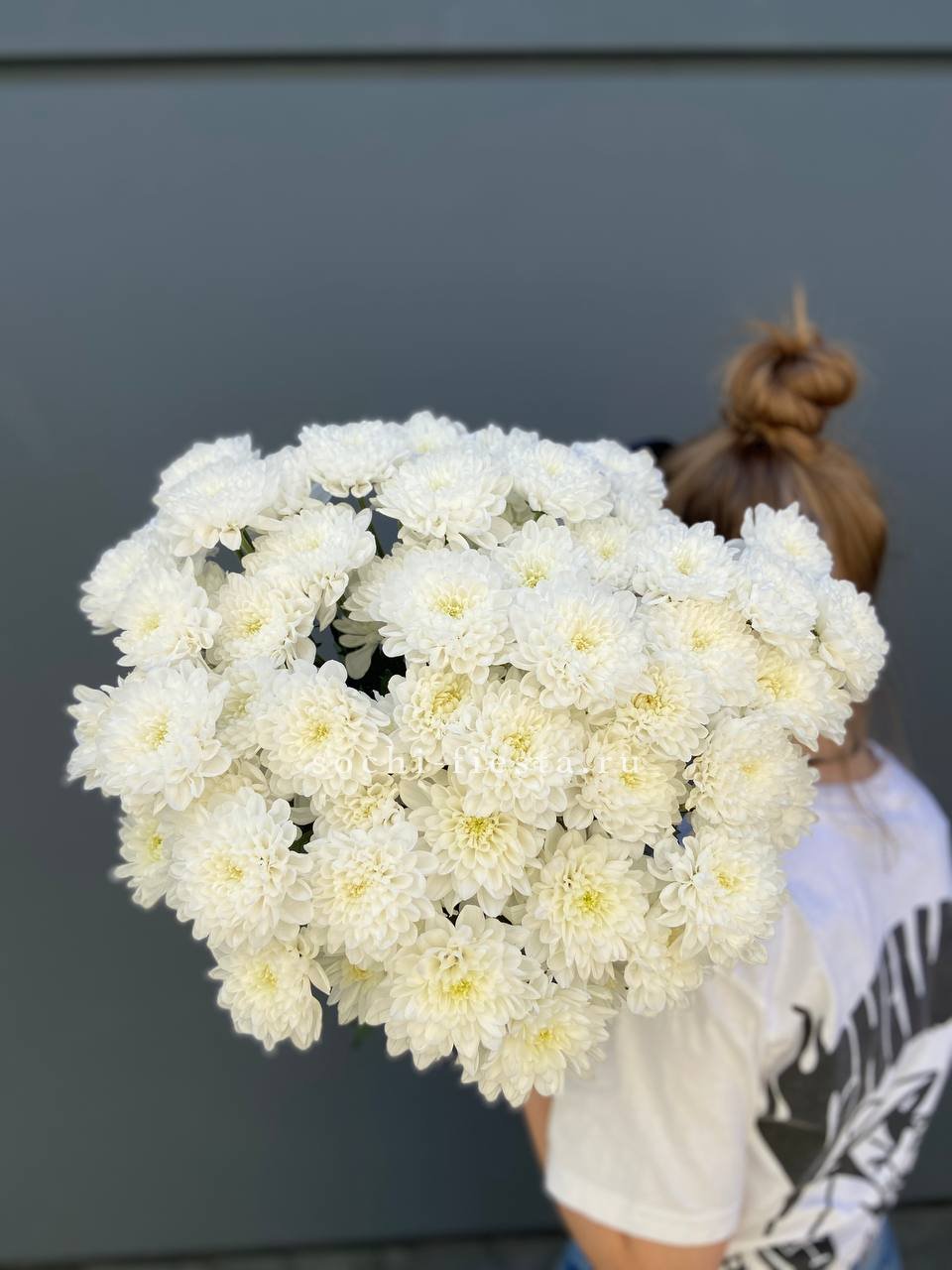
- Chrysanthemums — the longest lasting of the common cut flowers, two weeks is normal.
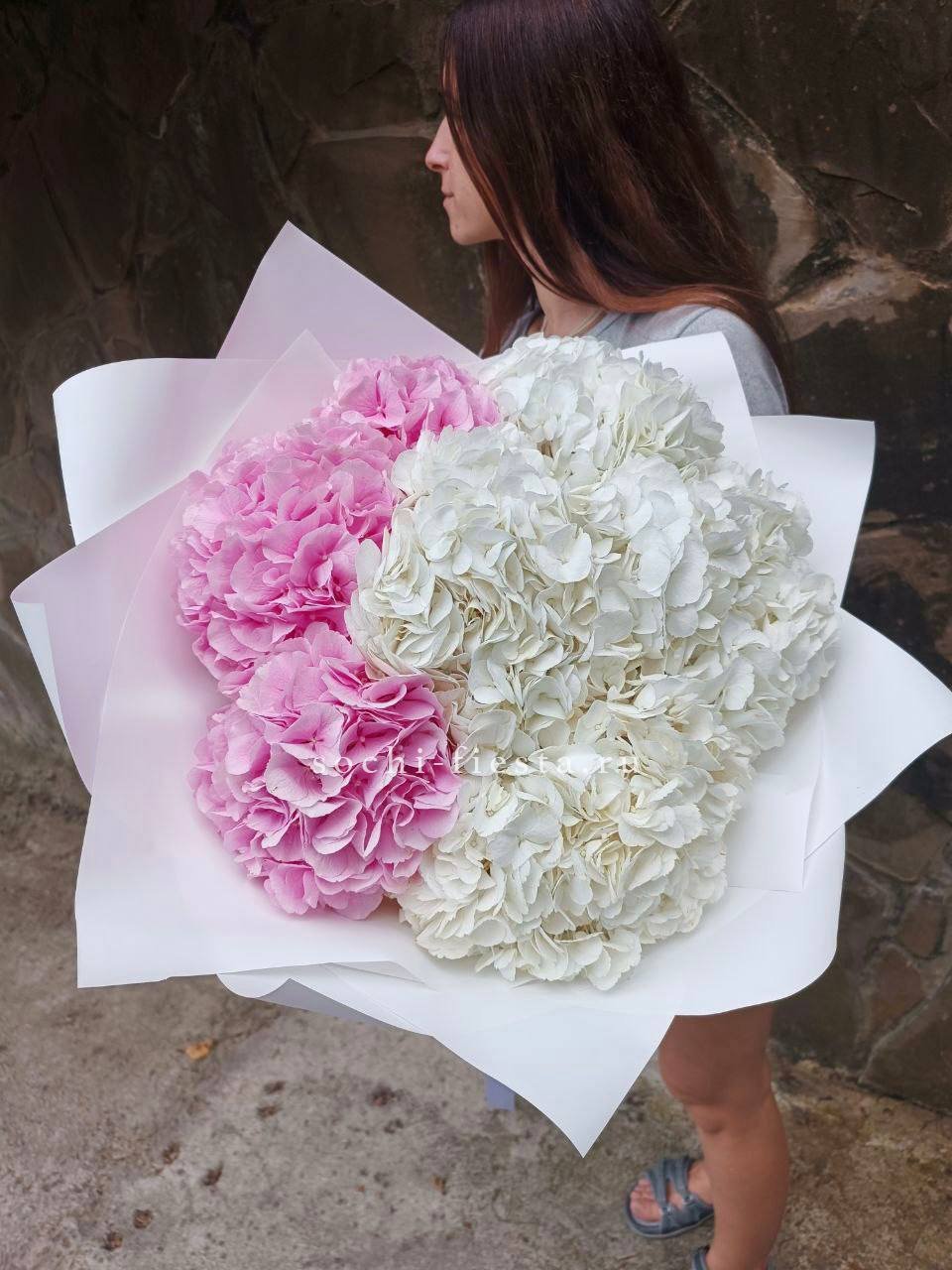
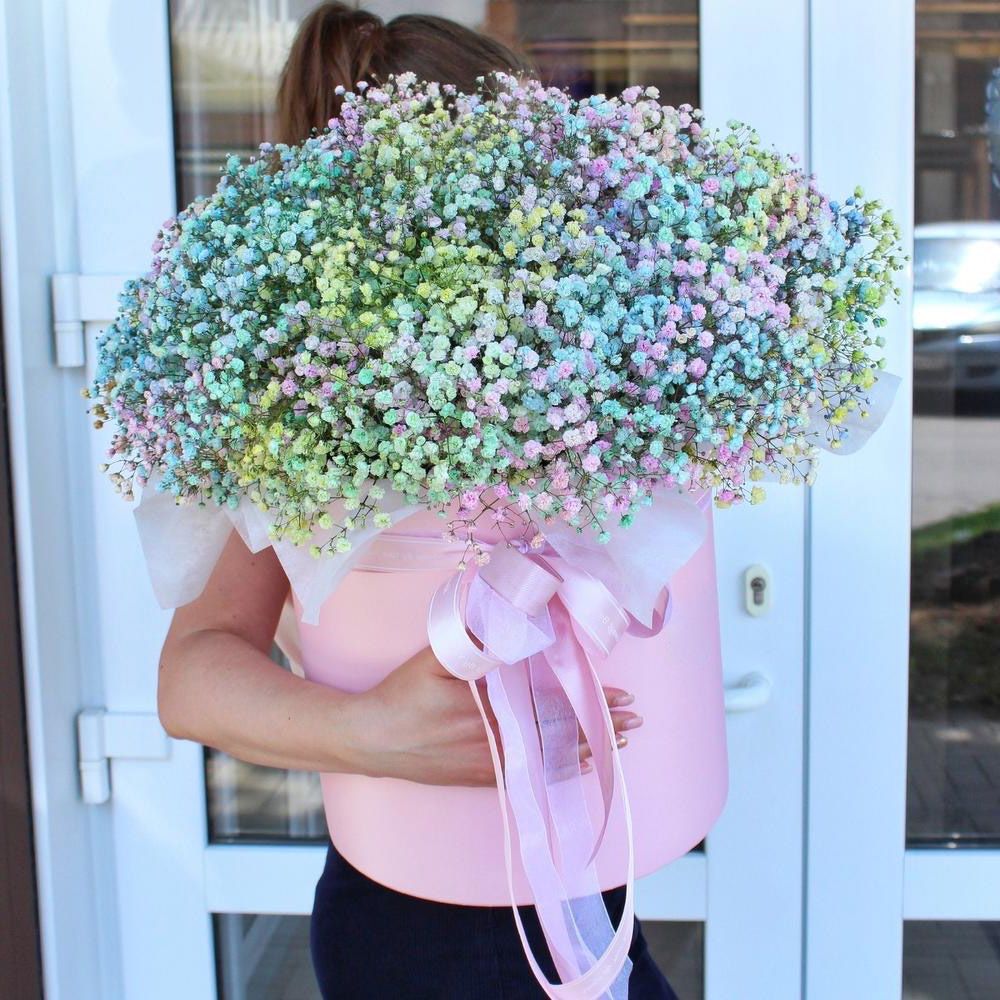
- Hydrangeas — one head is already an arrangement, three to five make a generous bouquet.
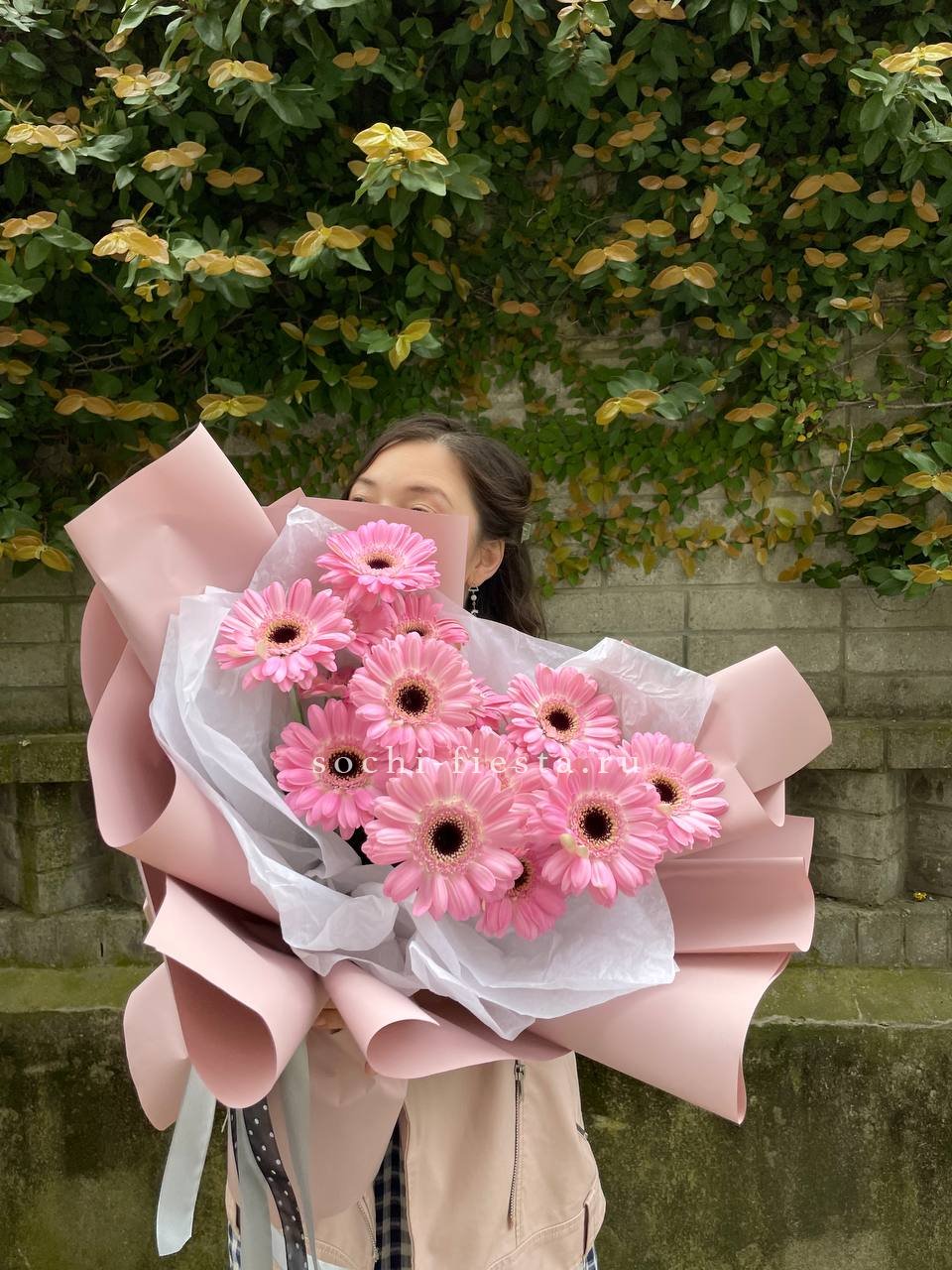
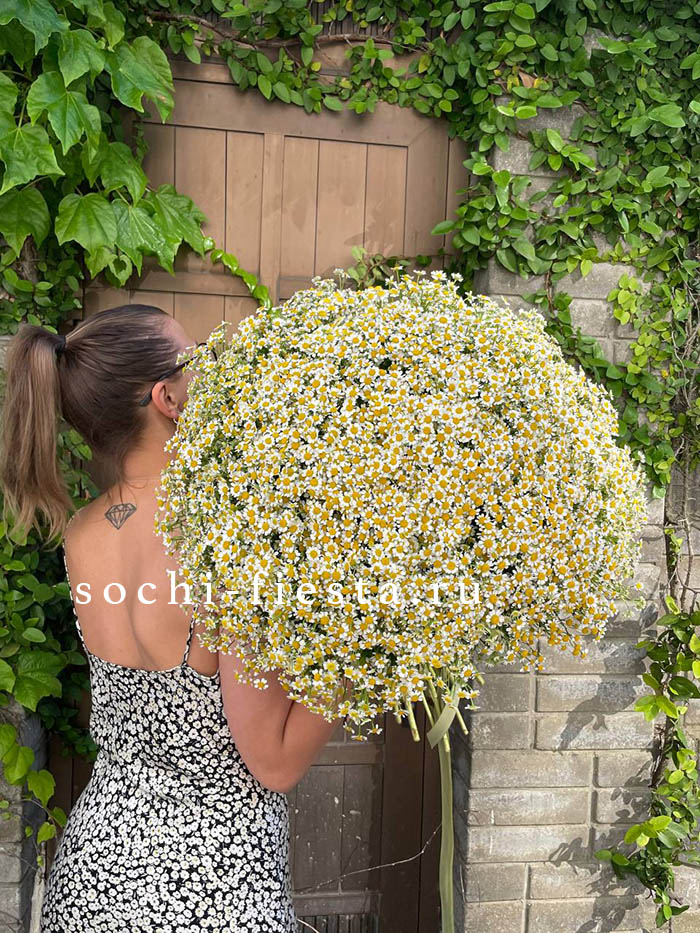
- Gerberas and daisies — carry a lightness roses cannot.

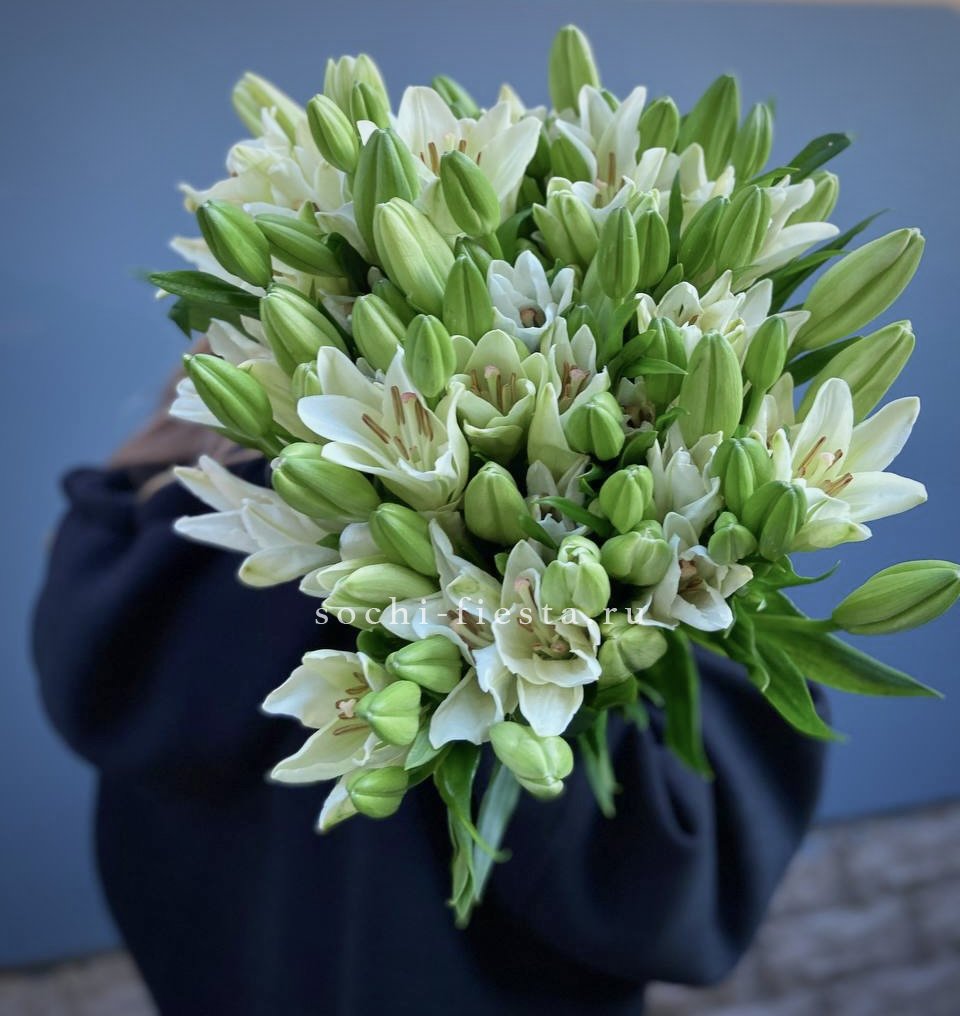
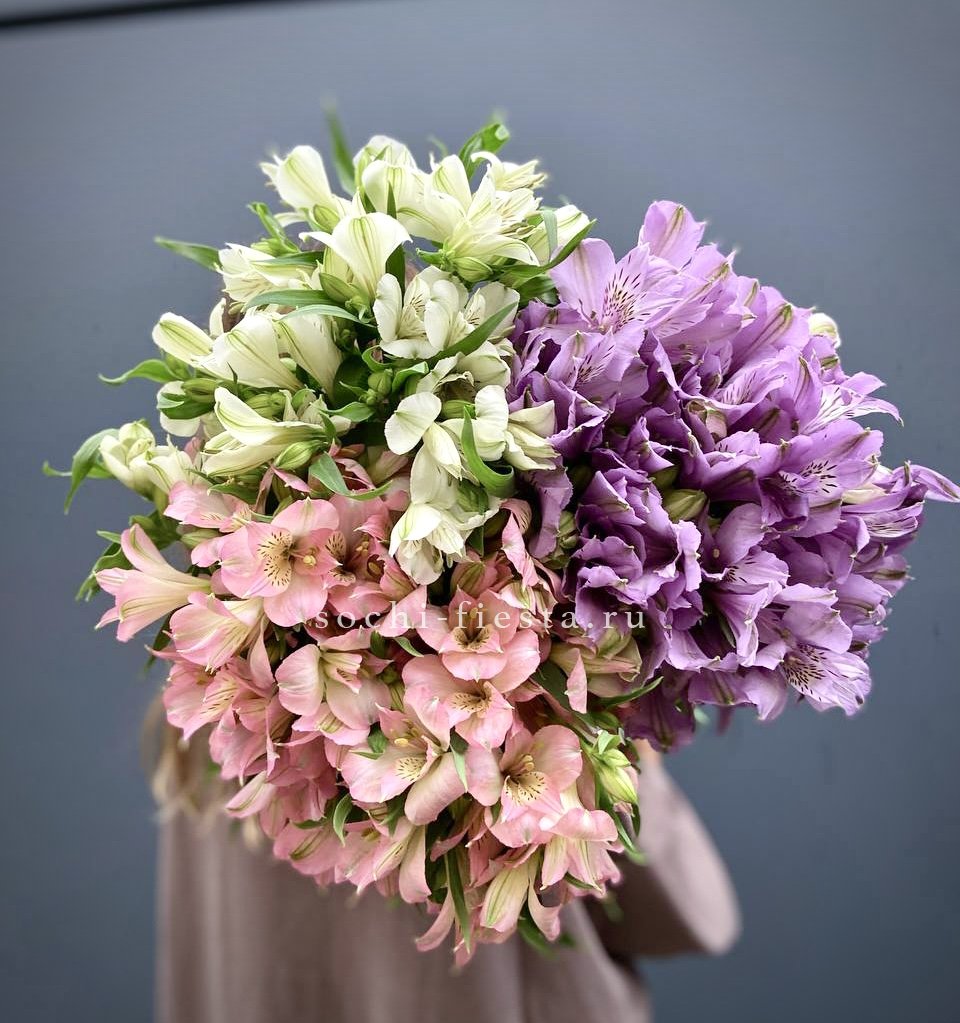
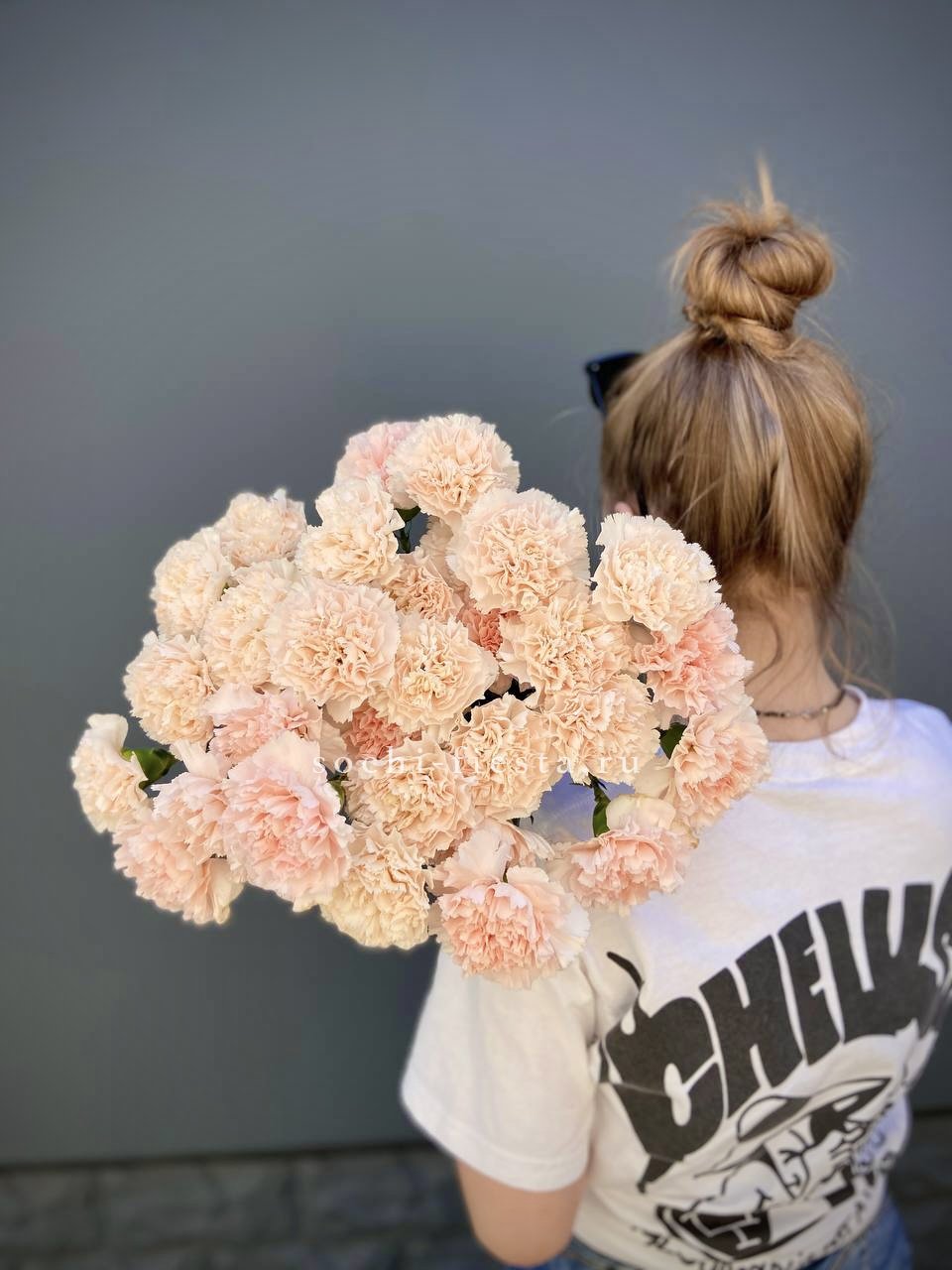
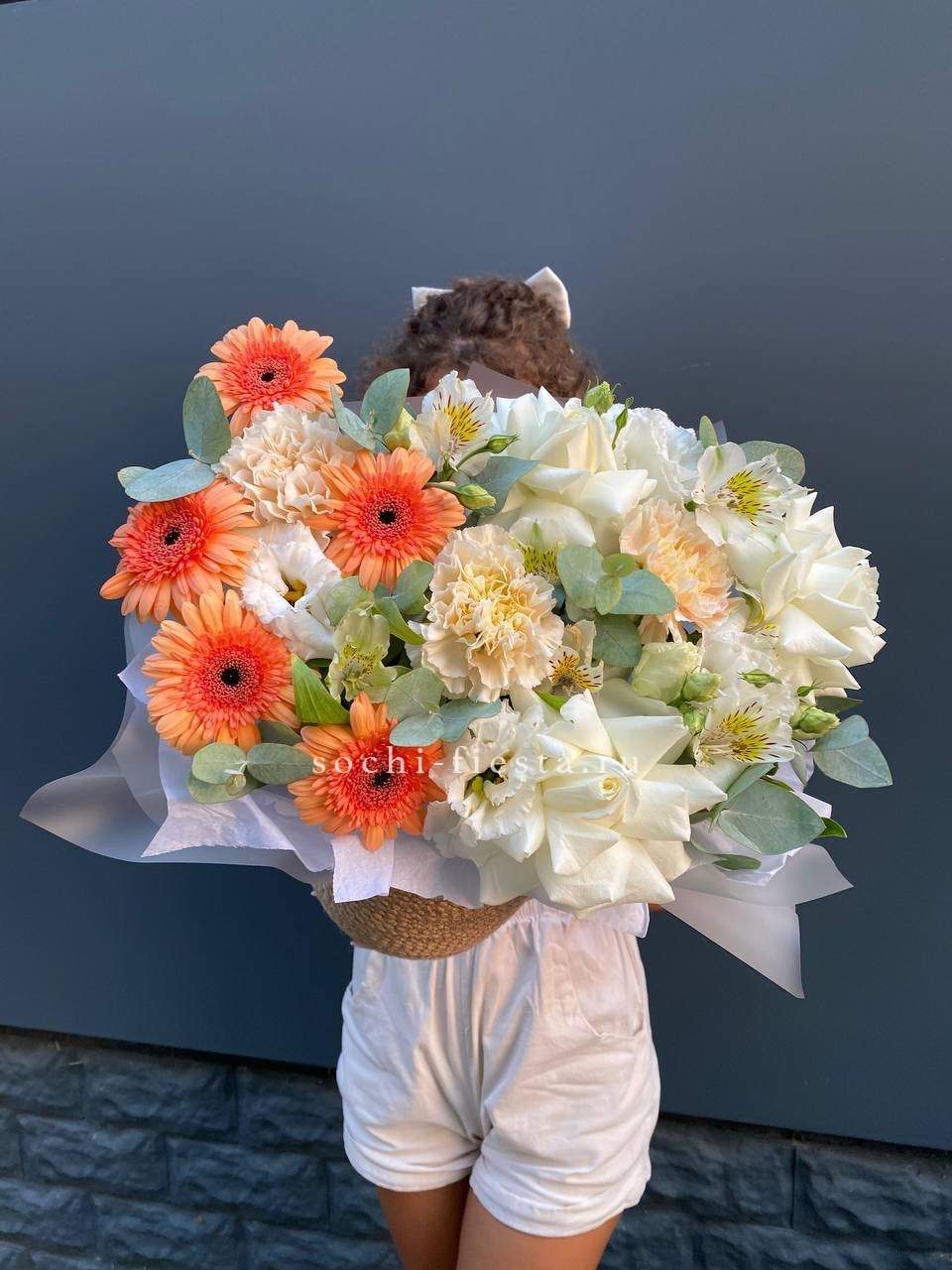
Carnations and alstroemeria also work in a single variety, though they are more often the volume behind a bouquet than the point of it.
Where the number does matter
Head size sets the ceiling. Large-headed flowers reach it quickly: five hydrangeas are a full bouquet, ten are an object nobody can carry or find a vase for. Small-headed flowers need volume before they read as deliberate, and nine daisies look apologetic where forty-five look intentional.
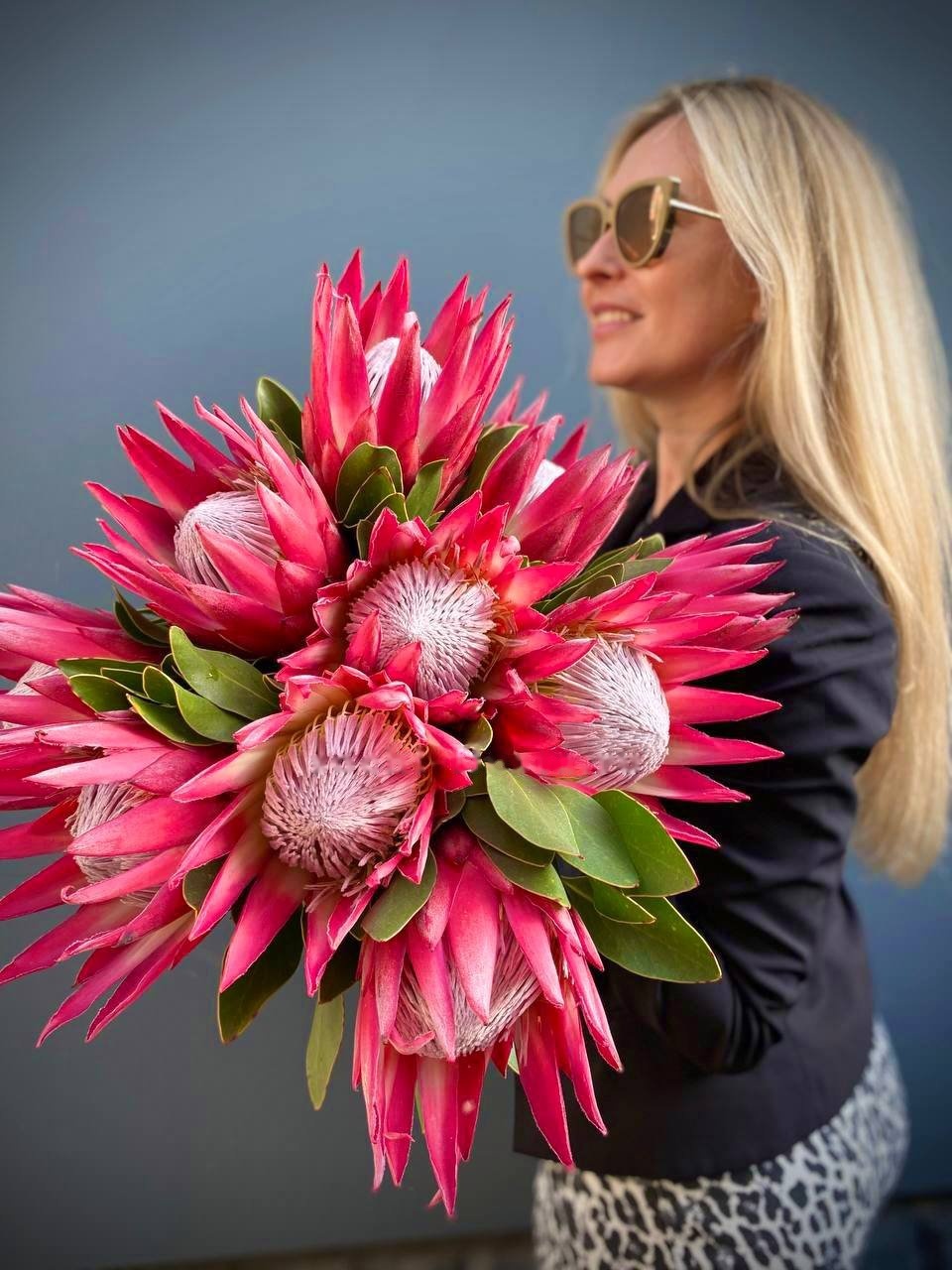
So the rule runs backwards from what people expect. The bigger the head, the fewer stems you want, and the more it matters that every stem matches.
One local convention worth knowing
Across Russia and neighbouring countries an even number of flowers belongs to funerals, and an odd number is for everything else. It is not superstition you can safely ignore in a gift, because the recipient will notice.
If a bouquet is going to someone in Helsinki with that background, keep the count odd. Above twenty-one stems nobody counts and the rule quietly stops applying.
A single-variety bouquet is easier to read and harder to assemble than a mixed one, because there is nothing to hide behind. When the message needs to be unambiguous — an apology, a thank you, a first date — that is exactly the point.

