







Flowers in Mumbai: dawn under the flyover, a bouquet delivered by evening
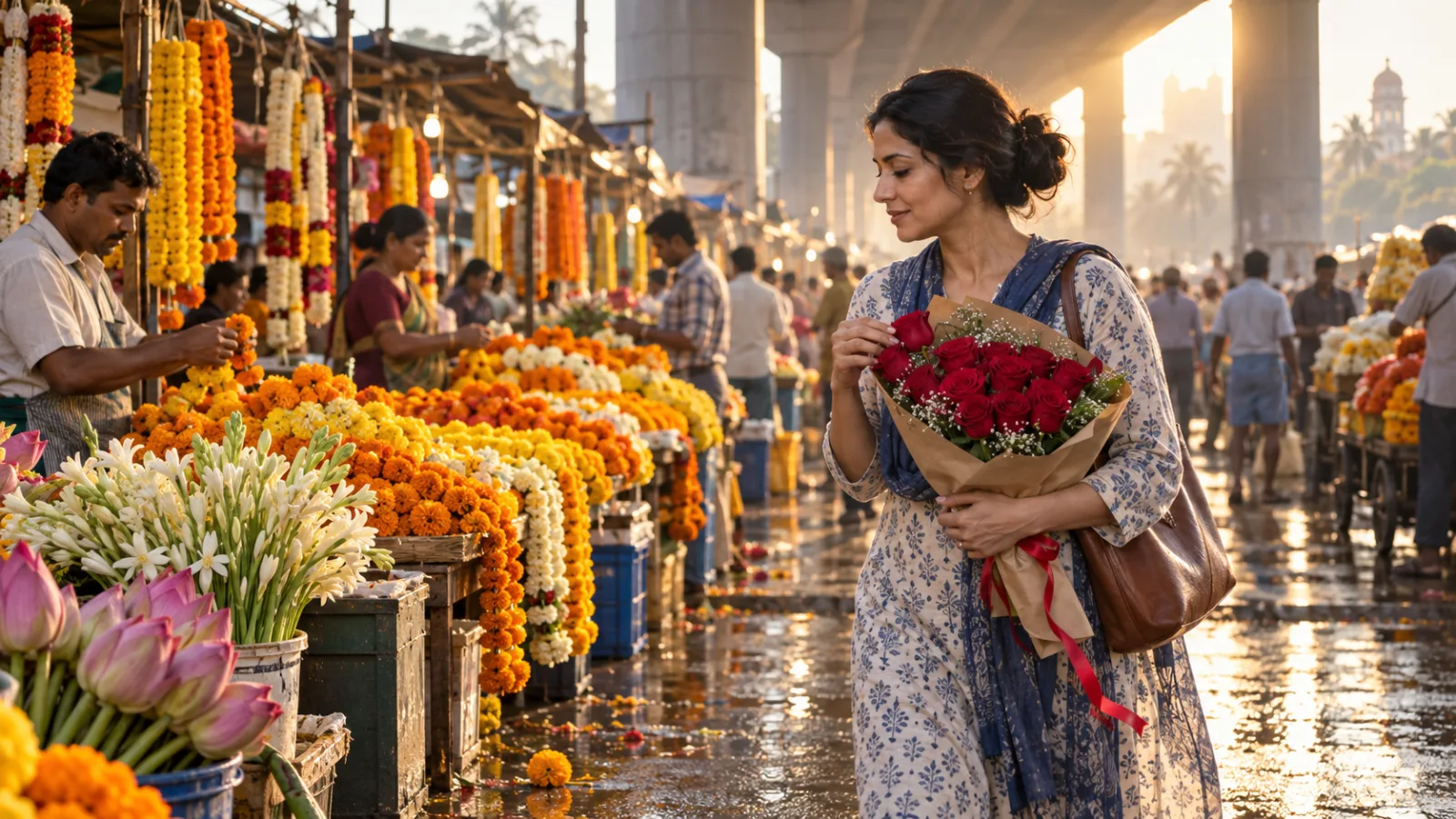
Dadar flower market under the Senapati Bapat Marg flyover opens around 4 am, and its wholesale rush is over by half past seven, before the rest of the city wakes. Traders there deal mostly in marigold garlands and temple flowers, not gift bouquets. Buying flowers in Mumbai for a birthday or a hotel delivery works on a different clock: the bouquet is put together to order and sent out the same day.
Flower delivery in Mumbai: free centre, Malabar Hill and Navi Mumbai
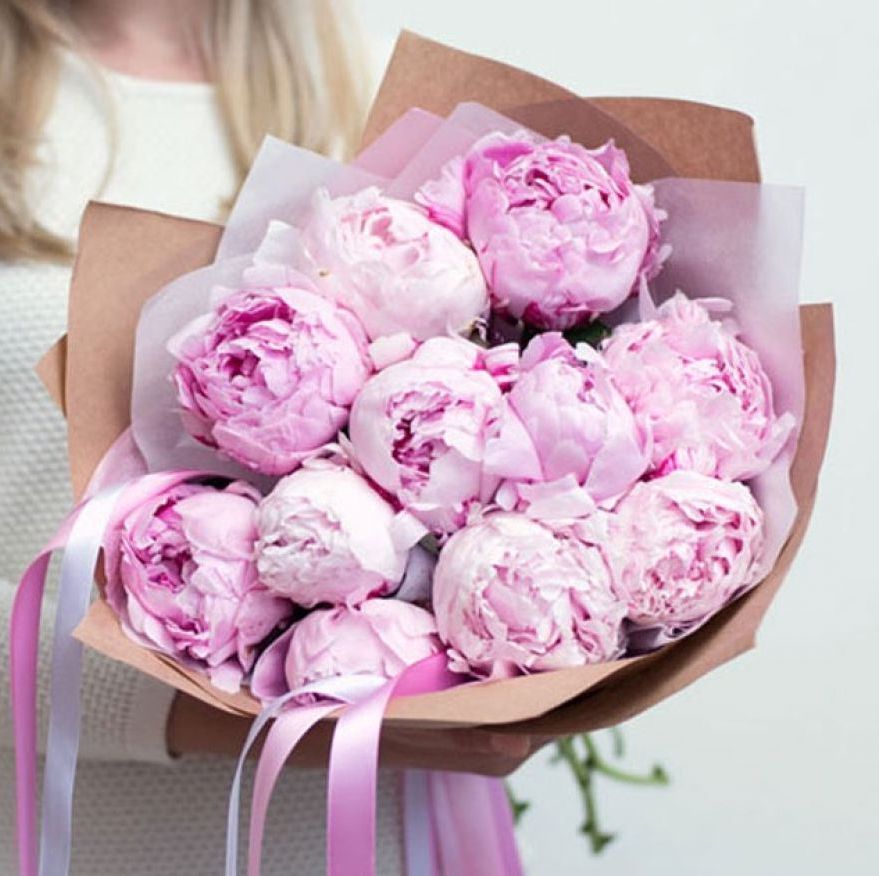
Hot deals sit at the lower end of the price list, with roses and mono bouquets a step up, and flowers in boxes and peonies above that. Delivery to the city centre costs nothing and runs from 7 am to 11 pm. If the chosen bouquet is already sitting ready at the florist's, the bouquet card shows the delivery time for an express order.
Two further rings are priced by area. Malabar Hill and Breach Candy sit in the inner ring, where delivery costs extra. Borivali, Kandivali and Navi Mumbai's Vashi and Nerul sit in the outer ring, where delivery costs more and takes longer. After hours the price is agreed case by case, while an order booked for a chosen date and slot reaches any of these zones on schedule. The fee covers one address regardless of the route, and nothing further is owed to the courier on the doorstep.
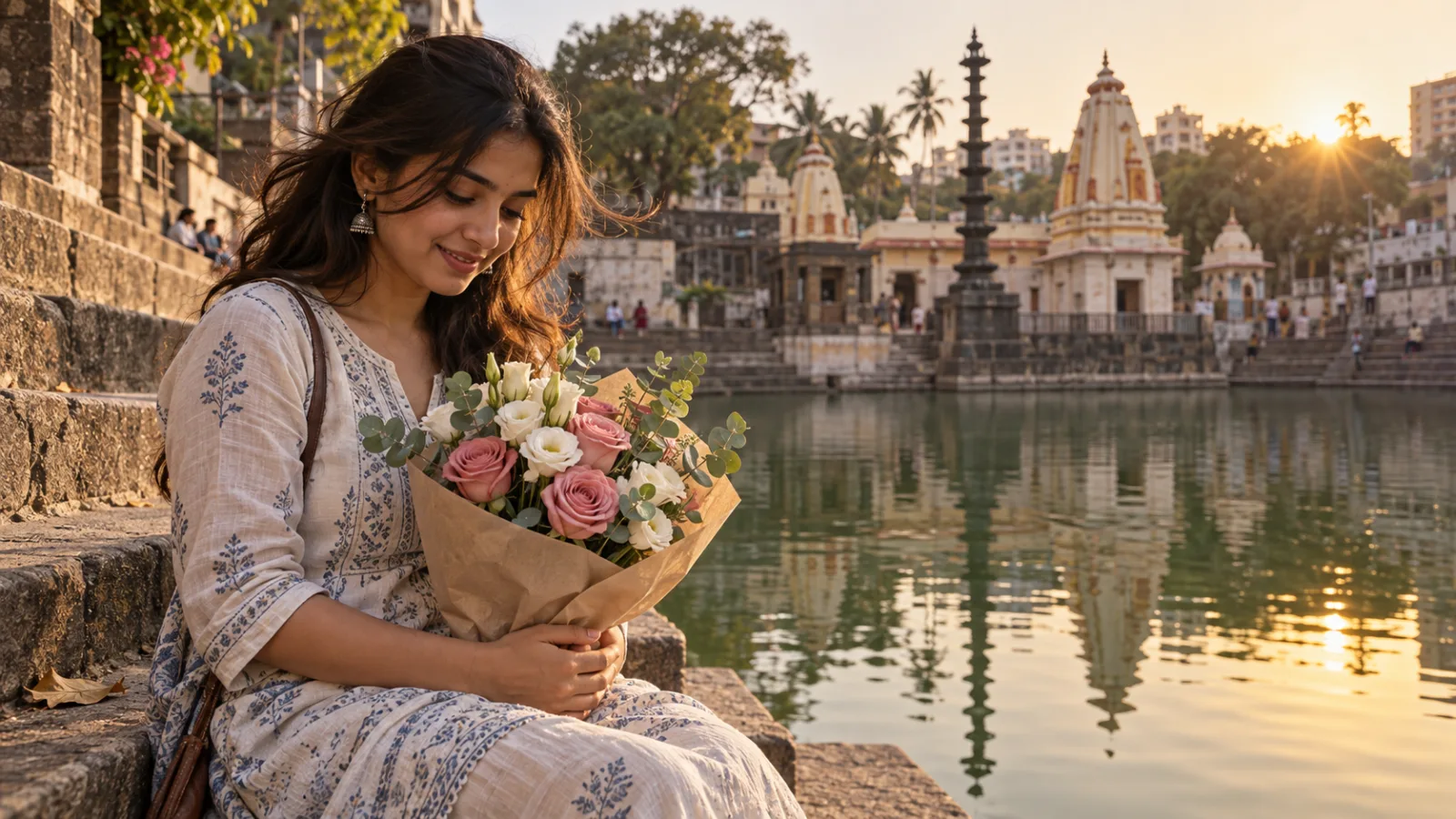
Nariman Point, Bandra Kurla Complex and Lower Parel are Mumbai's business and office districts. A delivery there needs the company name and the floor; where security keeps couriers from going up, the bouquet is left at reception with a note of who took it.
A hospital delivery is worth a call beforehand: not every ward accepts fresh flowers, and Breach Candy Hospital is one example of an address in an area where that is worth checking first. If the ward says no, the flowers are handed over at the nurses' station instead, or on the day of discharge. A hotel delivery needs the guest's surname as given at check-in, plus the room number. Mumbai's two airports, BOM and NMIA — the latter flying commercial services since 25 December 2025 — take a delivery on request, with a courier waiting at the exit holding a sign.
An order placed from outside India needs little more than the recipient's phone number. The finished bouquet is photographed before the courier leaves, payment is taken by Visa or Mastercard on a secure page, and a card issued abroad is simply converted by the bank at its own rate, with nothing added by the service.

Dadar's flower market stands by the station's western exit and trades every day of the year, with no weekly close. Stalls there sell lotus, marigold, roses, tuberose (rajnigandha), orchids, hydrangea and chrysanthemum, laid out well before the wholesale rush winds down around half past seven.
Marigold and jasmine carry a meaning beyond decoration: both go into garlands and temple offerings, and mogra jasmine strung into a gajra is worn in the hair. Around Ganeshotsav, Dadar's traders bring in extra stock from Pune's flower market to cover the festival's demand.
The bouquets in JFLOO's own catalogue draw on a different set of flowers. Roses there are usually Ecuadorian or French, filled out with lisianthus and hydrangea in a mixed bouquets arrangement or kept to a single variety in a mono bouquet.
Ganesh Chaturthi opens Ganeshotsav, with Anant Chaturdashi marking its end; offerings to Ganesha traditionally include red hibiscus, marigold and durva grass. Diwali and Lakshmi Puja follow on 8 November, when colleagues exchange mithai and dried fruit; a bouquet sent alongside adds to that custom rather than standing in for it.
8 March is marked in Mumbai's offices too. Exam results come out in early May, ahead of Mother's Day, whose date shifts each year. Weddings pick up after Tulsi Vivah, whose date the panchang sets each year, and continue through to mid-December. White bouquets are chosen more often for condolence, and around 14 February, 8 March and Mother's Day the delivery slots run wider than usual, so booking ahead keeps the choice open.
Monsoon damp and March heat: a bouquet's year by the Arabian Sea
Mumbai's monsoon runs from June to September, with July its wettest month and humidity between 74 and 85 per cent. A bouquet needs rain-proof wrapping through those weeks, since damp air raises the risk of grey mould on roses and peonies, while air conditioning indoors works the other way and dries the room out.
March brings dry winds and temperatures up to 38–40°C, and May holds around 34°C; a bouquet kept off direct sun and given fresh water daily lasts longest through both. The easiest months for cut flowers in Mumbai run from December to February, when January averages a mild 16 to 30°C.
A first order in Mumbai is easiest read off the price list: hot deals cover the lower end, mono bouquets keep to one flower at a time, and flowers in boxes travel well to an office or a ward. Zones and timings for the address in question are on the flower delivery page.