





Mono bouquets in Paris: winter mimosa, spring tulips, Toussaint chrysanthemums
Mono bouquets in Paris turn on one plain fact about mimosa: France stretches its cut from November to March, though roughly eight in ten cut flowers sold in the country are imported. A single-variety bunch leaves the whole look to one flower, so the sensible choice here depends on the month and on what that flower signals to whoever receives it in Paris.
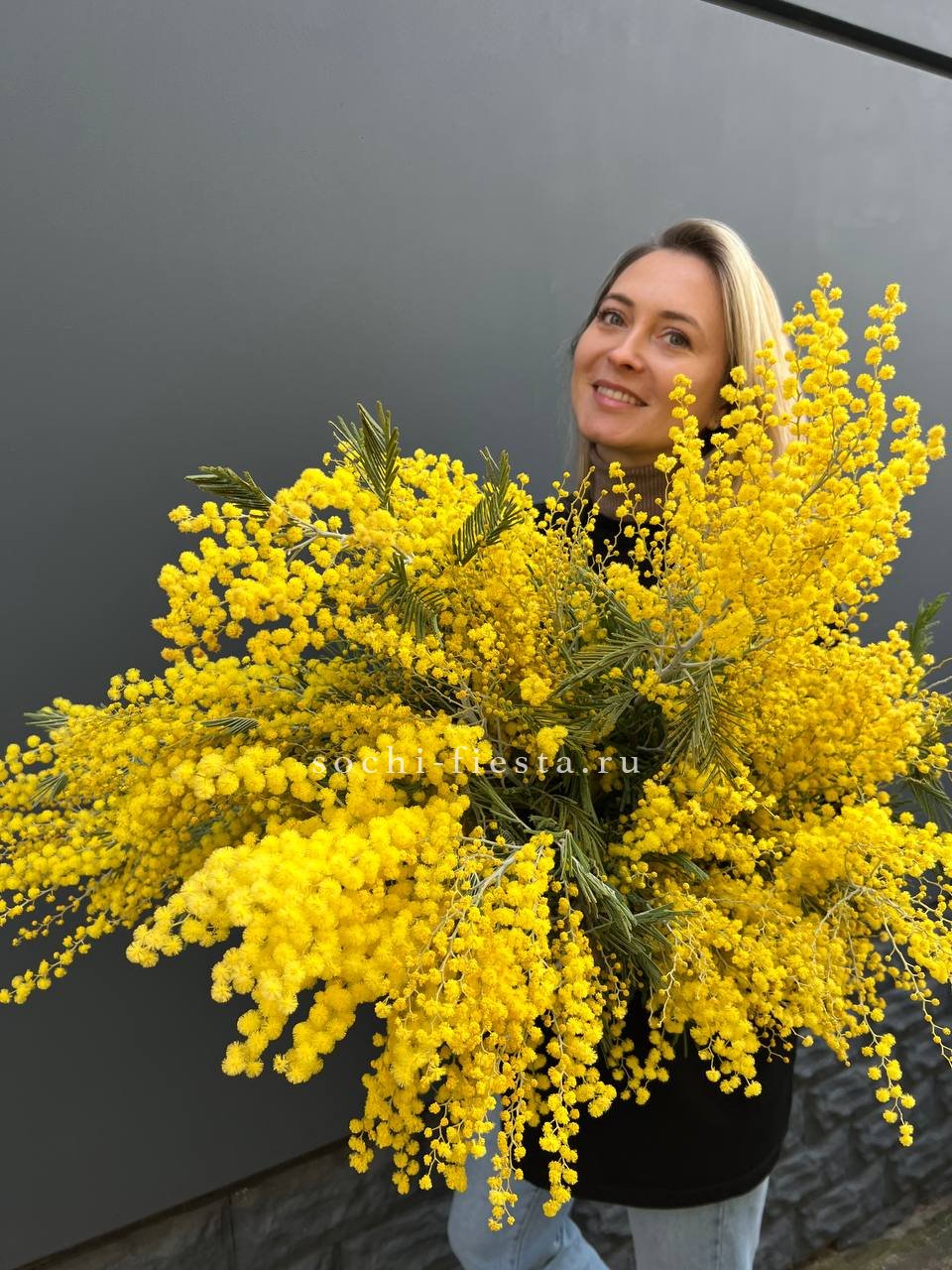
Mimosa from November to March, the flower France cuts in winter
Acacia dealbata flowers from January to March, and French growers spread the mimosa cut from November through to the end of that stretch. For much of the colder half of the year, mimosa is a flower grown and cut in France itself.
That matters because the rest of the shop tells the opposite story: roughly eight in ten cut flowers sold in France are imported, and most of that trade passes through the Netherlands before it reaches a Paris florist. Mimosa, in its season, is the exception.
The flower also carries a date. Mimosa has long been associated with 8 March, though in France the day itself is kept as an international day for women's rights rather than as a flower-giving occasion; French flower etiquette sets out what that means for a bouquet sent on the day. Bought on its own, mimosa reads as a winter flower first and an 8 March one second.
Tulips, hyacinth and lilac: what spring brings to a Paris vase
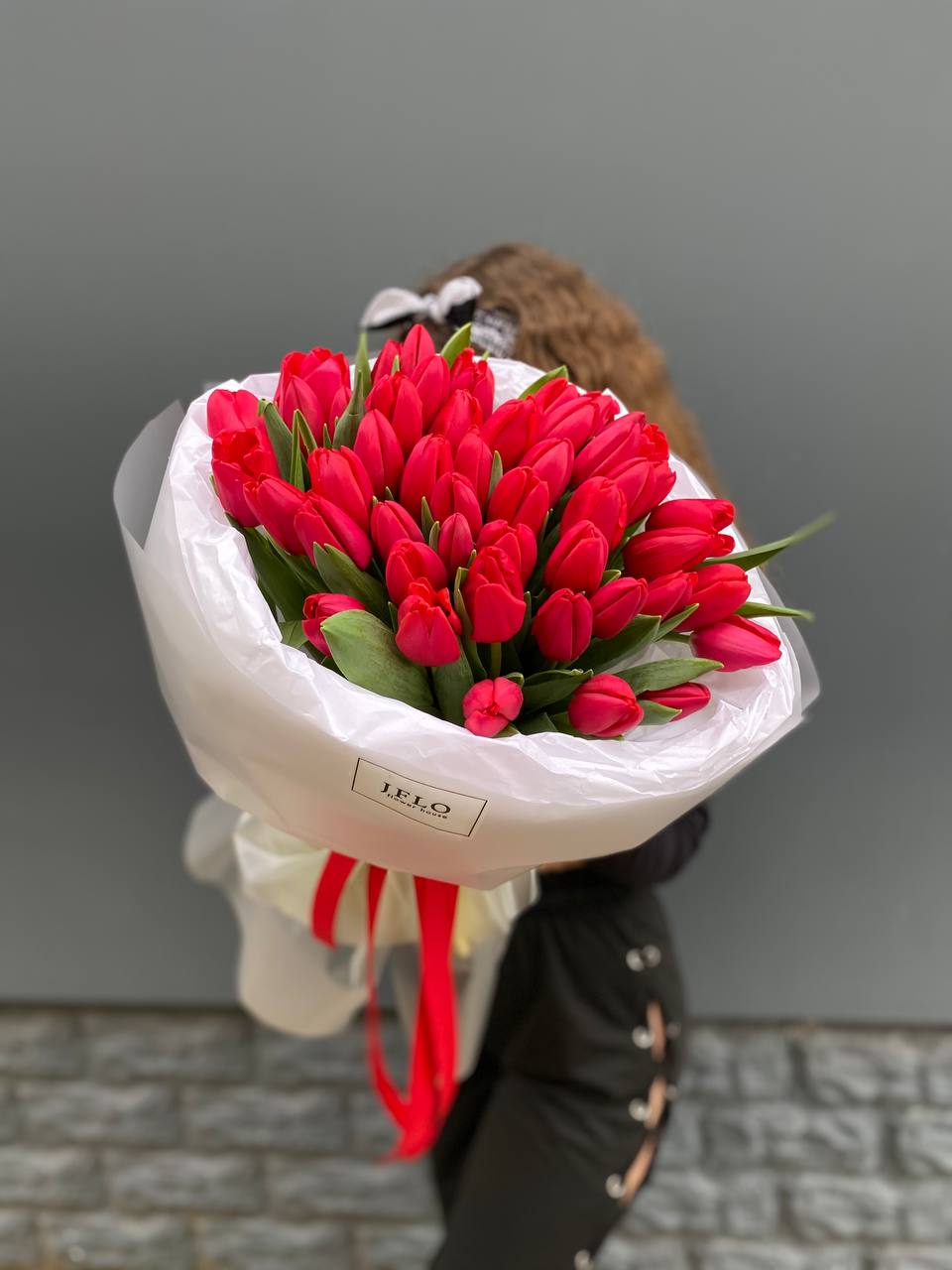
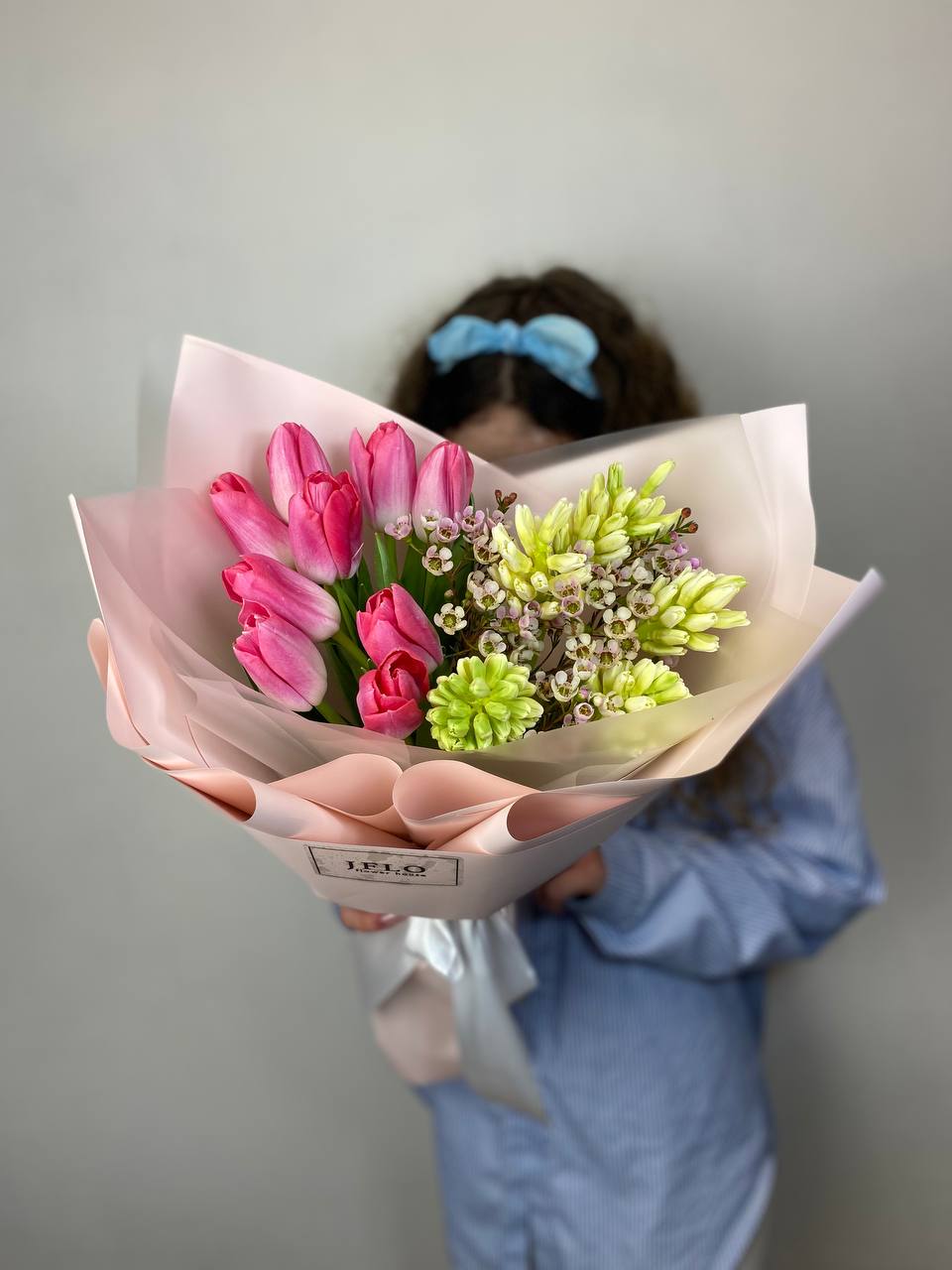
Dutch growers keep tulips in cut from December to May: the bulb is given an artificial winter in cold store, then forced under glass. That is why a tulip can turn up in a Paris vase in the depths of winter as easily as in April. Bought as a single variety, a tulip bunch here is realistically a flower from December to May, and one that has very likely passed through the Dutch trade on its way to a Paris florist.
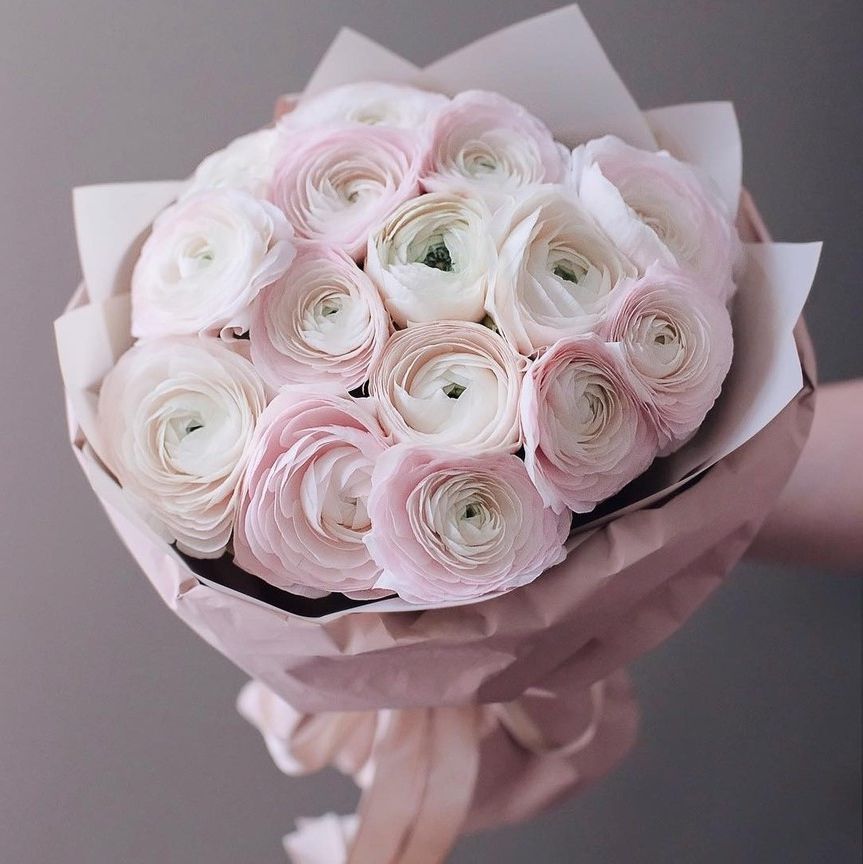
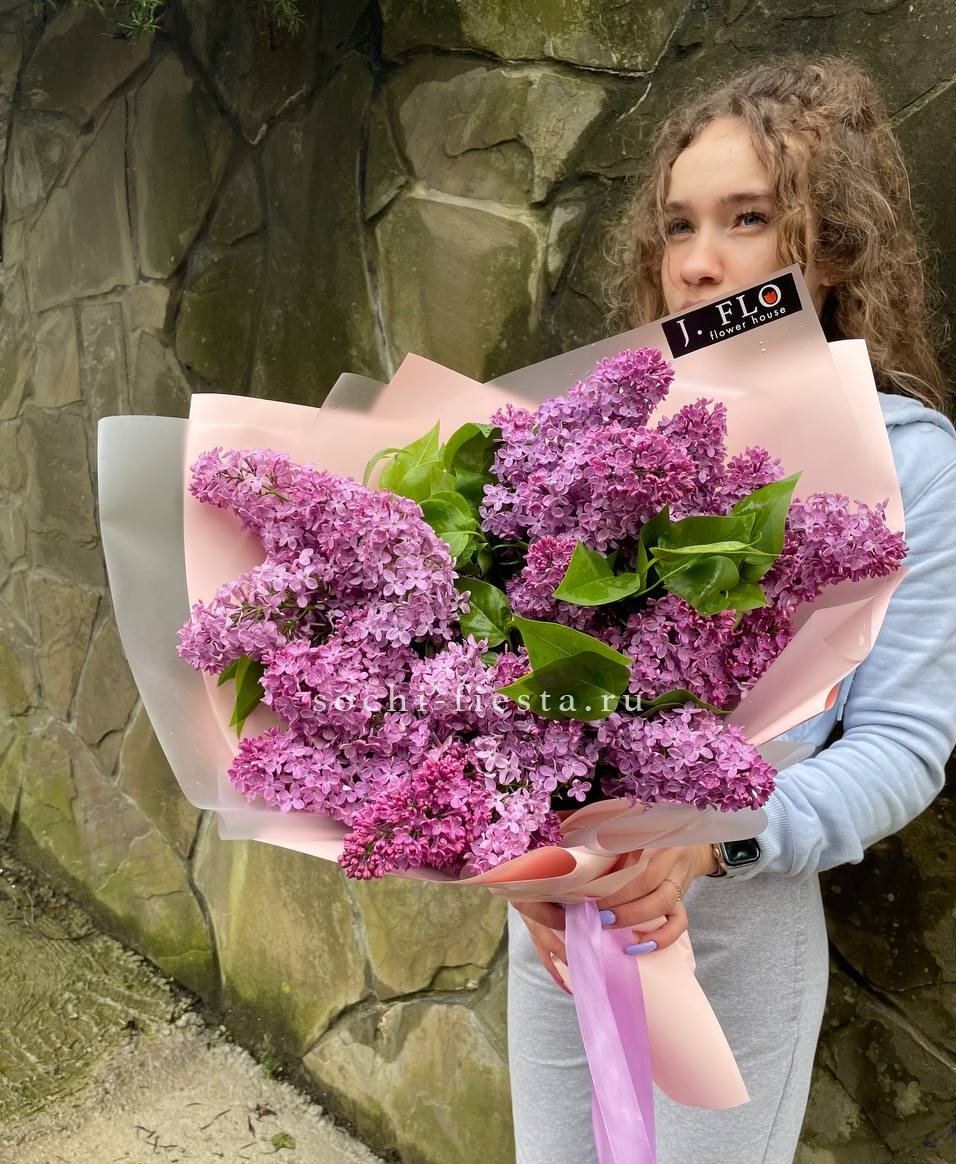
Spring proper brings hyacinth and narcissus first, then ranunculus through the same stretch, with lilac closing the season in May. A single flower and a single month can be matched directly rather than guessed at.
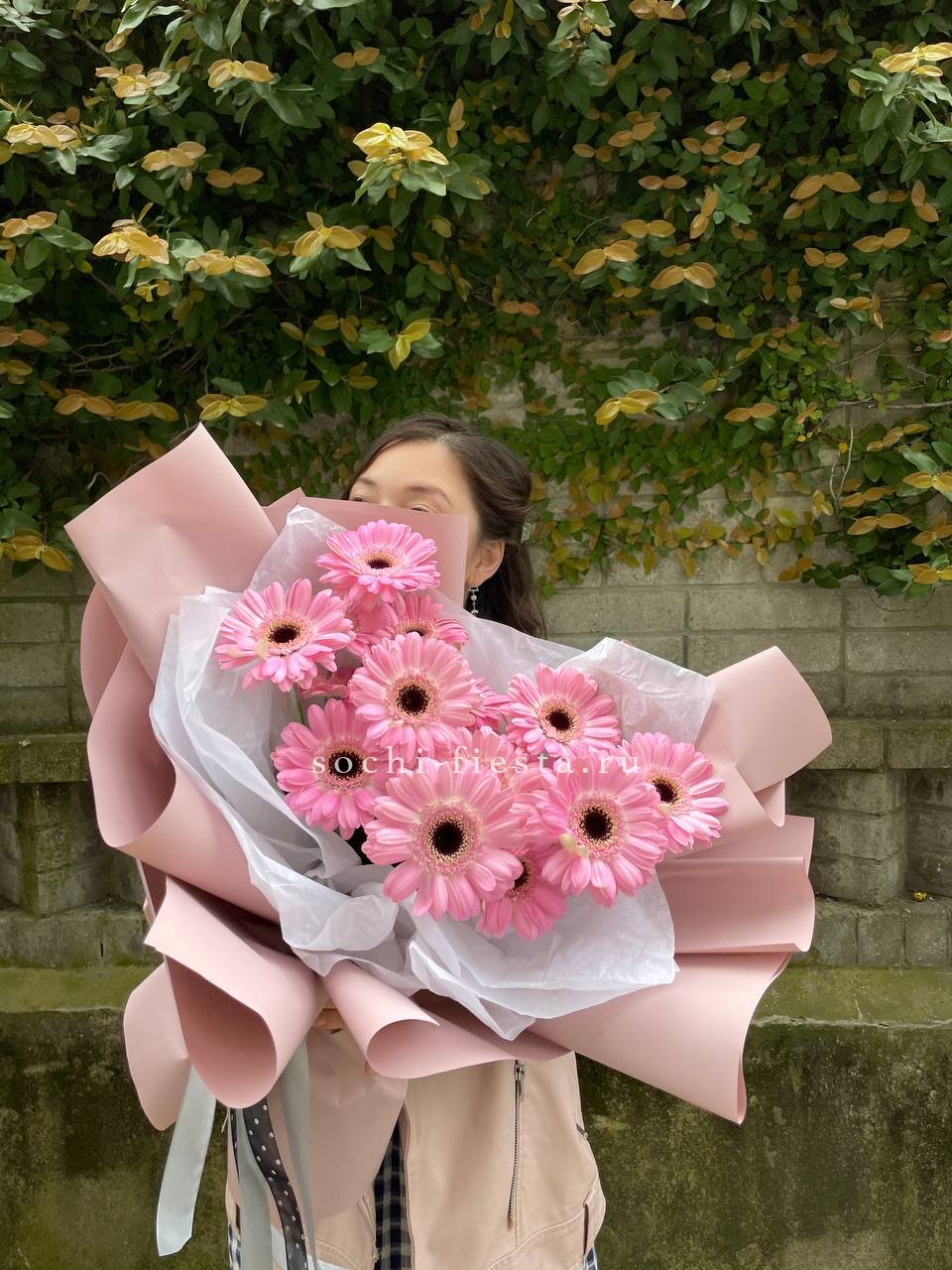
A single colour of tulips gives the clearest signal that spring has arrived, and ranunculus offers the same single-variety effect with a fuller, more layered head.

Alstroemeria or dianthus where a chrysanthemum would mean Toussaint
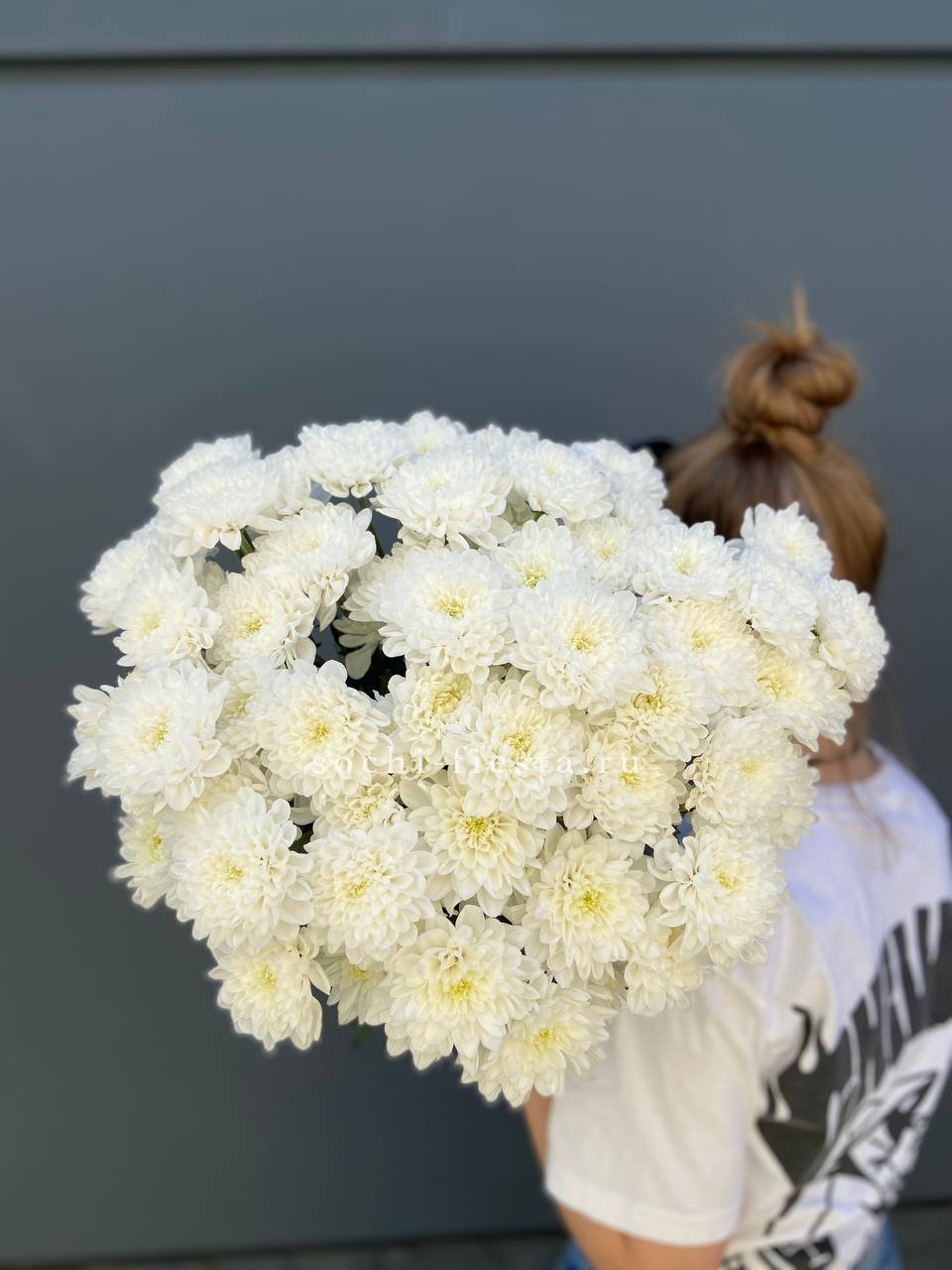
On 1 November, Toussaint, flowers in France go to cemeteries rather than to a desk or a dinner table. In 2024 some four million French households bought flowers or plants for the day, and chrysanthemums made up 64% of those purchases, which is why a chrysanthemum bunch sent to a Paris home for any other reason reads as a graveside flower first.
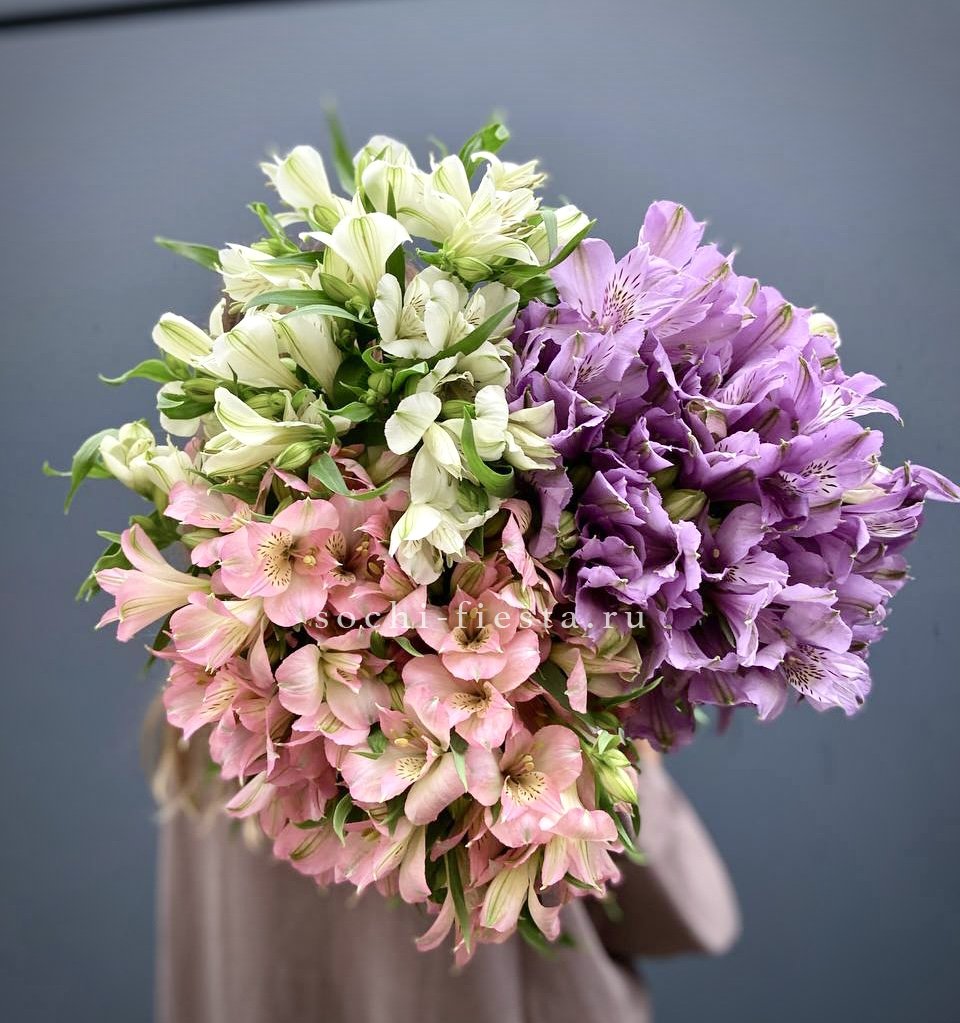
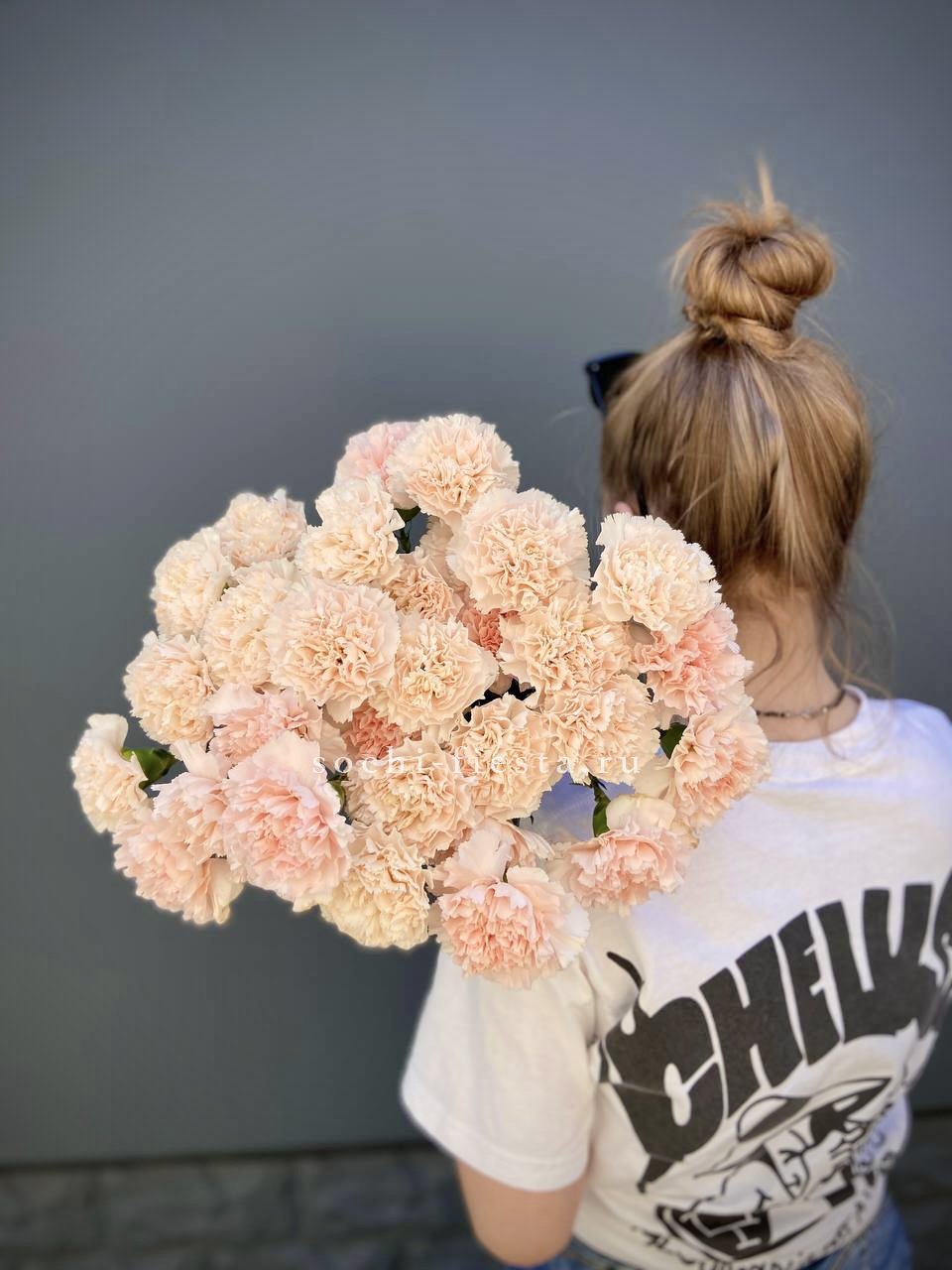
Paris keeps a chrysanthemum section among its mono bouquets, and it suits a Toussaint visit or any graveside arrangement well. For a birthday, a house-warming or any ordinary reason to send flowers, alstroemeria or dianthus last the same two to three weeks in water without the Toussaint association, and both are greenhouse-grown and available all year round.
French bouquets are traditionally made up to an odd number of stems, and an office delivery usually changes hands at the reception desk rather than at a named desk further in: both customs are covered under French flower etiquette.

Mono bouquet delivery in Paris works the same way whatever the single-variety choice: the florist buys and assembles the bouquet to order and sends a photo before the courier leaves. The exact window is shown on the bouquet's own page rather than promised in general; delivery across Paris covers the rest. Mimosa suits winter, tulips or hyacinth suit the weeks once spring opens, and alstroemeria or dianthus suit a desk that needs flowers to last more than a week.