





720x720_q85.jpg?v=1787130511)


_e58557720x720_q85.jpg?v=1787130512)


720x720_q85.jpg?v=1787130516)
720x720_q85.jpg?v=1787130516)
_0406c4720x720_q85.jpg?v=1787130516)
Rose delivery in Porto: varieties, the damp Atlantic climate and logistics through the MARF market
Porto sits on granite slopes above the Douro, right where the river meets the Atlantic, and here the rose is the everyday language of congratulation. The north keeps its own customs: on São João, the city's great festival, tradition gives not a bouquet but a manjerico — a little pot of basil with a teasing love quatrain. Yet in a romantic gift the rose still has the first word. Demand peaks at Dia dos Namorados and Dia da Mãe.
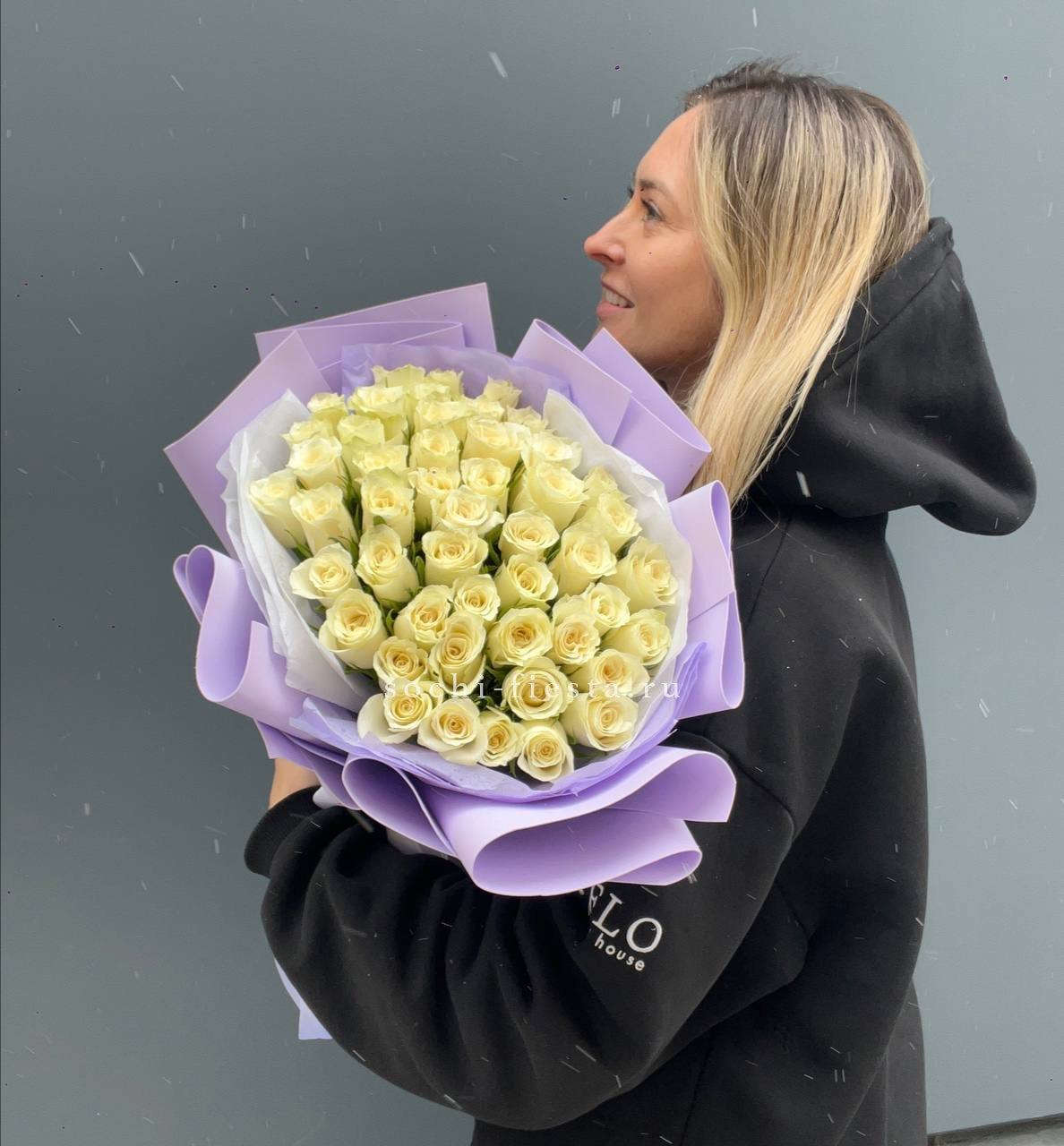
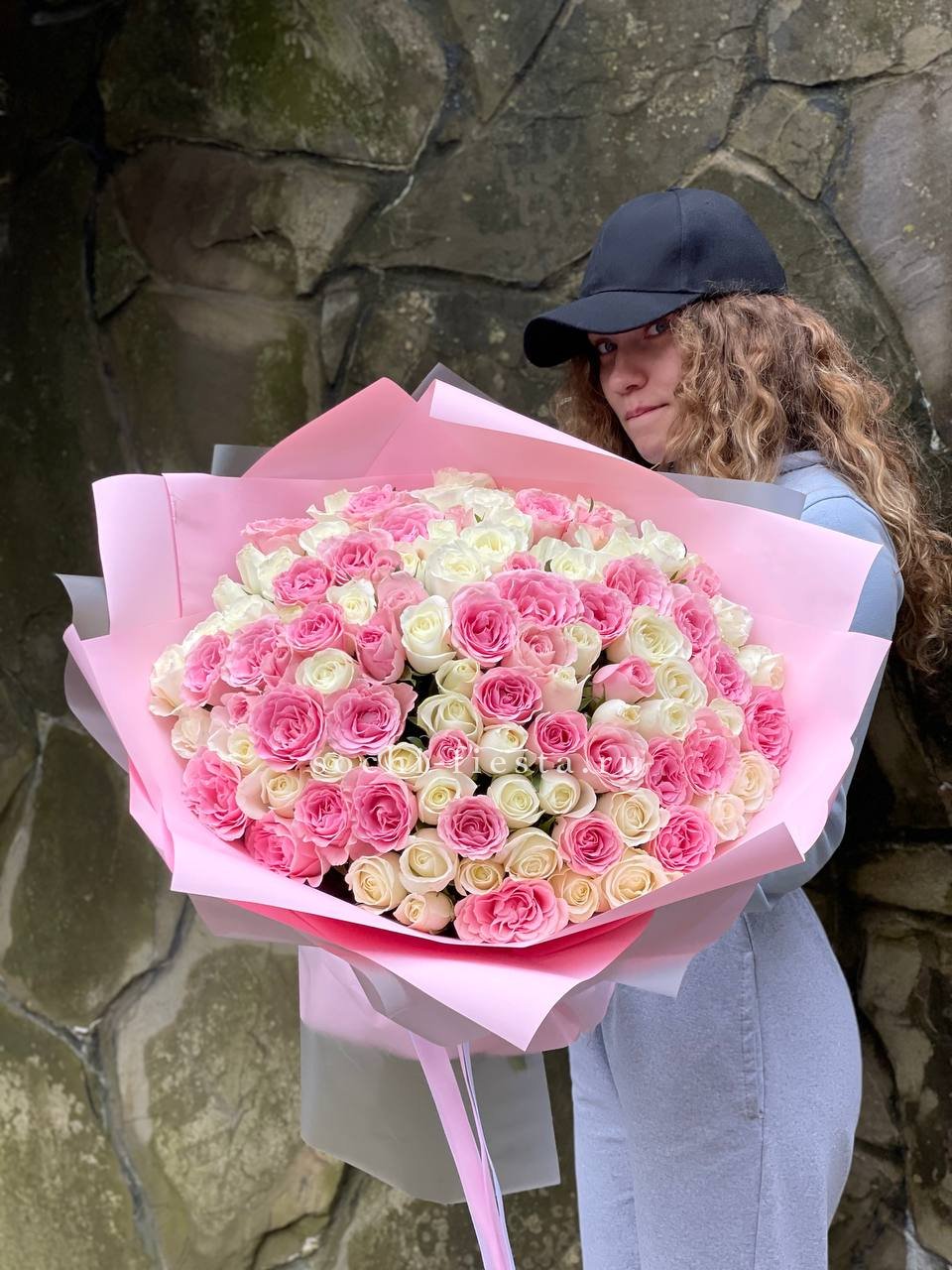
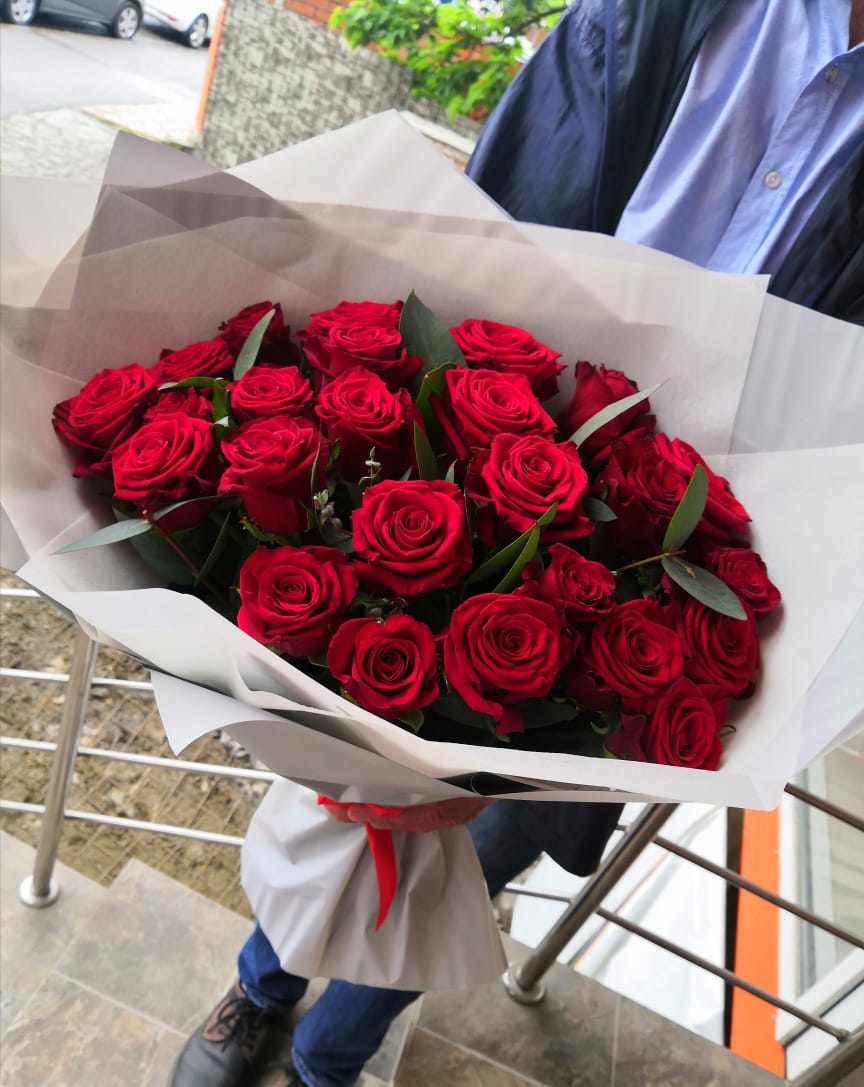
This category covers single-variety bouquets, mixed compositions, spray roses, market-style bunches in kraft and hat boxes. Formats run from a compact bunch of seven stems to a grand 51 or 101. Offices, hotels and restaurants in Boavista and along the Avenida dos Aliados tend to order boxes and larger arrangements.
Which varieties to choose
The main supply comes from Dutch glasshouses through the Royal FloraHolland auction and in large air shipments from Ecuador and Colombia. Porto has no flower belt of its own, and the cut flowers arrive from far away — in the north of the country, cold chain and speed are what make it work. Here is the working breakdown.
- Freedom, Red Naomi — the red classic and the most popular gift for Dia dos Namorados. Freedom is deep crimson with a dense head and 60–80 cm stems, lasting 10–14 days with care. Red Naomi is a velvety dark ruby with a softer petal. Both for romance and anniversaries.
- Avalanche+, Mondial — white and cream Dutch classics. A neutral base for mixed arrangements and wedding work. Avalanche+ holds its form 12–15 days in good conditions.
- Explorer, Freedom (Ecuador) — varieties with 80–100 cm stems and a large, dense head. The high-altitude Andean climate gives them exceptional length. For large display bouquets, baskets and corporate gifts.
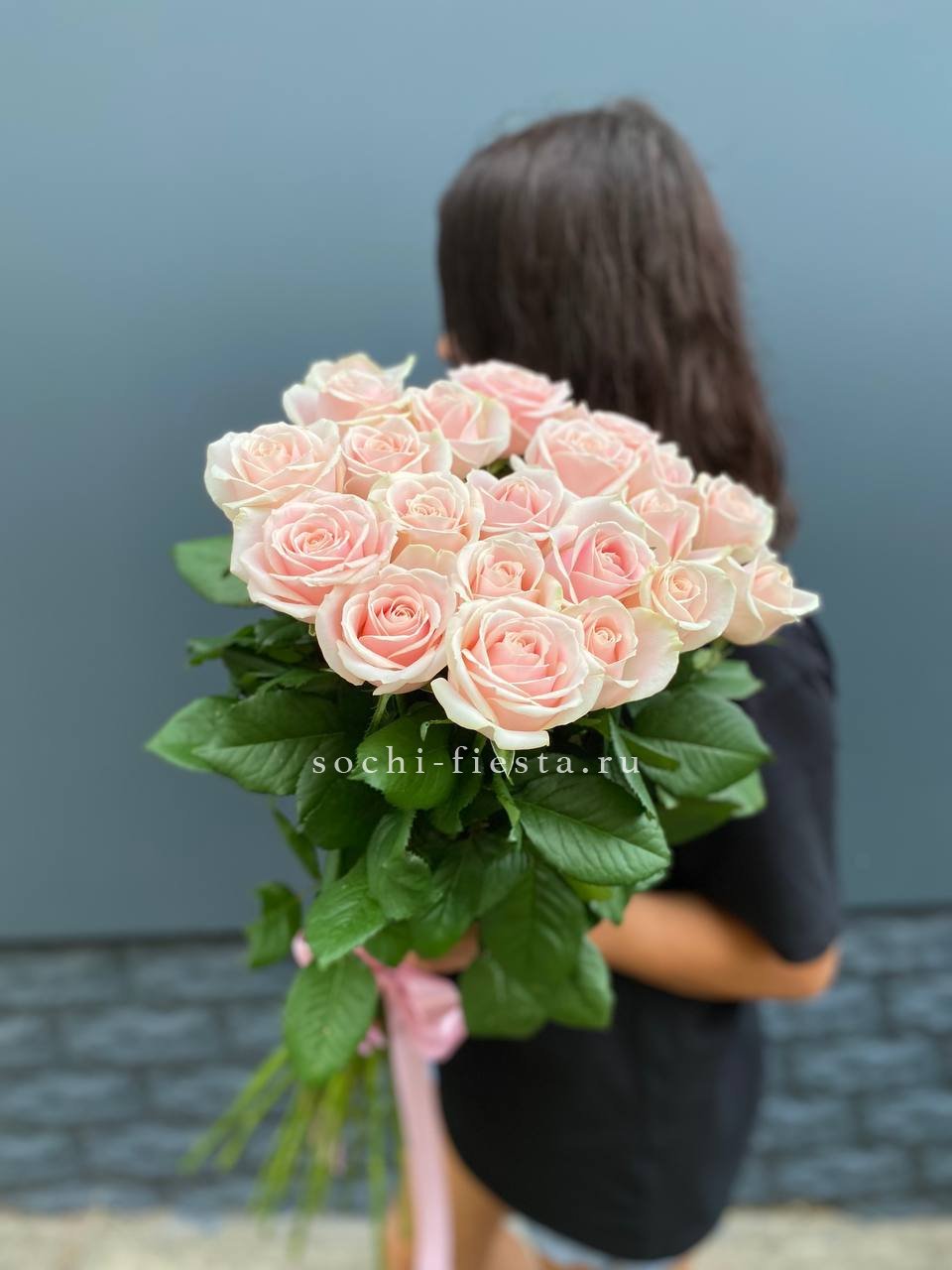
- Sweet Avalanche, Tiffany — blush-pink and soft tones. A calm palette for the bright flats of Foz do Douro and Boavista.
- Garden roses (David Austin) — a cupped bud and a scent of myrrh and peach. For weddings and a heartfelt personal gift.
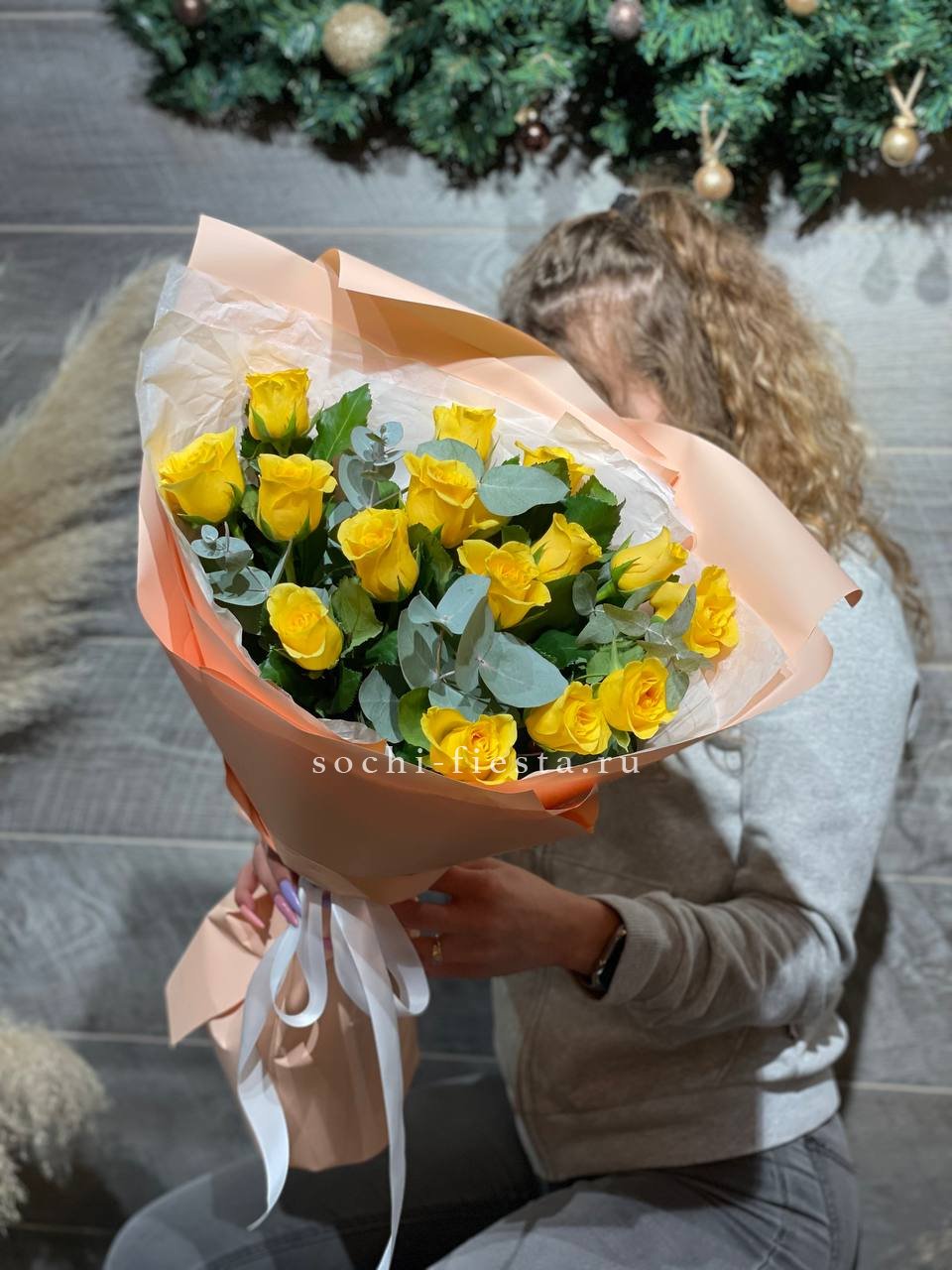
- Spray roses — several buds per stem, lighter and airier in composition. Good for everyday gifts and accent stems.
Occasions and stem counts
A single stem is a spare note of attention. Seven to nine stems is a romantic gift without theatrics. Twenty-five signals a proper celebration or declaration. Fifty-one and 101 are reserved for anniversaries, engagements and milestone dates.
Porto keeps no rigid colour rules, but the red rose belongs firmly to love. Bold tones sit happily in a bouquet for a lively gathering at São João or down in riverside Ribeira, while for the quieter interiors of Foz do Douro and Boavista, white, cream and blush pink are the usual choice.
Freshness and logistics
The region's wholesale heart is the MARF market (Mercado Abastecedor da Região do Porto) in Maia, with a dedicated flower section. Dutch lots from Aalsmeer (by air into Francisco Sá Carneiro Airport or by refrigerated road through Spain and France) and air shipments from Colombia and Ecuador converge here. From cut to the recipient's door takes two to four days; cared for properly, the roses then last 10–14 days.
In the north of the country Porto is closer to the rest of Europe than Lisbon — Dutch cut flowers travel a little less far to reach it. The real signature of the local climate, though, is moisture: the ocean is close, the air is damp, and in the rainy season a rose fears grey mould on its petals more than it fears heat. Ecuadorian and Colombian varieties make up for the trip with stem length and bud density, achieved by the cold mountain climate of the plantations.
"Porto means the Atlantic and damp air. The ocean air usually suits a rose, but in the rainy season the chief enemy is moisture: grey mould can show on an open bud, so clean water and an aired room matter more here than anywhere. Our summers are milder than Lisbon's, the Nortada draws cool air off the ocean. And the northern customer is attentive — they feel the stem, study the bud."
— Tiago Moreira, florist, Porto, 16 years in the trade
Delivery specifics in Porto
Porto's climate is Atlantic, noticeably damper and cooler than the south of the country. Winters are mild and very wet: +13 to +14 °C by day, with frost rare. Summers are moderately warm, +24 to +26 °C; genuine heat past +35 °C is uncommon and only with an easterly wind. The Nortada sea breeze keeps the coast cool almost constantly. Cut flowers face two things here: brief summer heat spikes and, above all, high humidity, which brings on mould faster. In damp and heat bouquets travel with protection and in the cooler hours.
We deliver roses across all districts of Porto: Ribeira, Sé, Baixa and the Avenida dos Aliados, Cedofeita, Bonfim, Massarelos, Lordelo do Ouro, Foz do Douro, Nevogilde, Aldoar, Boavista, Paranhos, Ramalde and Campanhã, as well as Vila Nova de Gaia and Matosinhos. Payment is in euro (€, EUR). Peak dates: Dia dos Namorados (Valentine's Day, 14 February), Dia da Mãe (Mother's Day, the first Sunday of May), São João (23–24 June, the city's great festival), Natal (Christmas) and Dia de Todos os Santos (1 November). Red roses sell out fast for Dia dos Namorados — order a week ahead.
Home care
On arrival, re-cut the stems at 45° — ideally under water — and strip any leaves below the waterline to prevent rot. Place in a clean vase with cool water and a sachet of flower food or a pinch of sugar. Change the water every two days.
In a Porto flat the damp ocean air is largely a friend to the rose, but that same humidity in a warm room feeds mould — keep the water clean and the room aired. Keep roses in the coolest part of the home, away from direct sun, the radiator and the draught of the AC. Keep them away from bananas, apples and pears: the ethylene that ripe fruit emits shortens cut-flower life by around a third. Roses suit almost any occasion — message our team to match variety, colour and stem count to the occasion and budget.

