




Bouquets for loved ones in Shanghai: flowers for a week, a scent for months
Among the bouquets for loved ones in Shanghai sits a reed diffuser, and its rattan reeds draw scented oil up by capillary action, so a single bottle can scent a room for weeks or even months. A cut rose, by comparison, lasts about a week, which is why choosing well here means thinking about both the person and how long the gift should stay in the room. The range is sorted by recipient rather than by occasion, from a mum to a godmother.
Flowers sorted by person, from mum to godmother
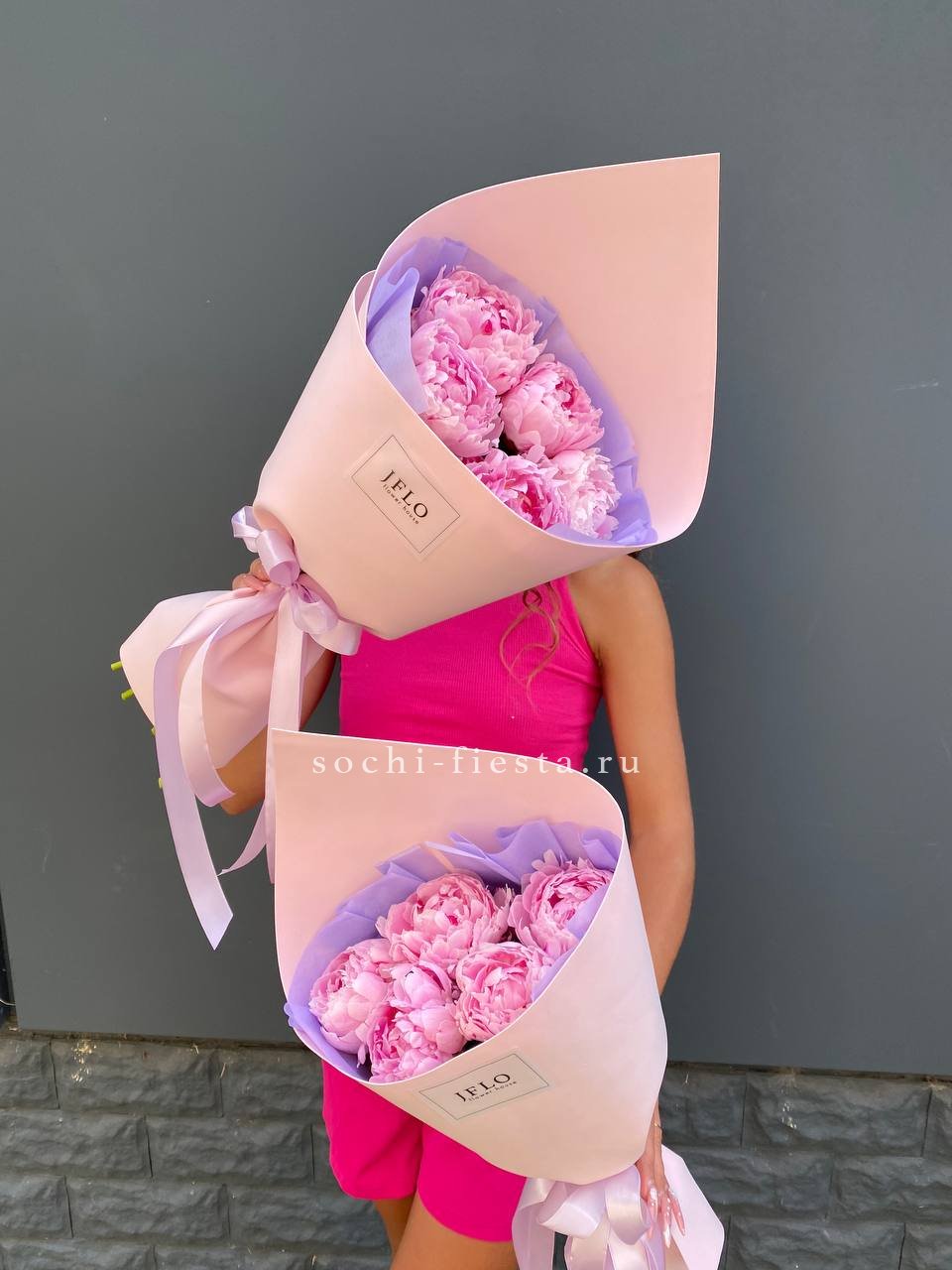
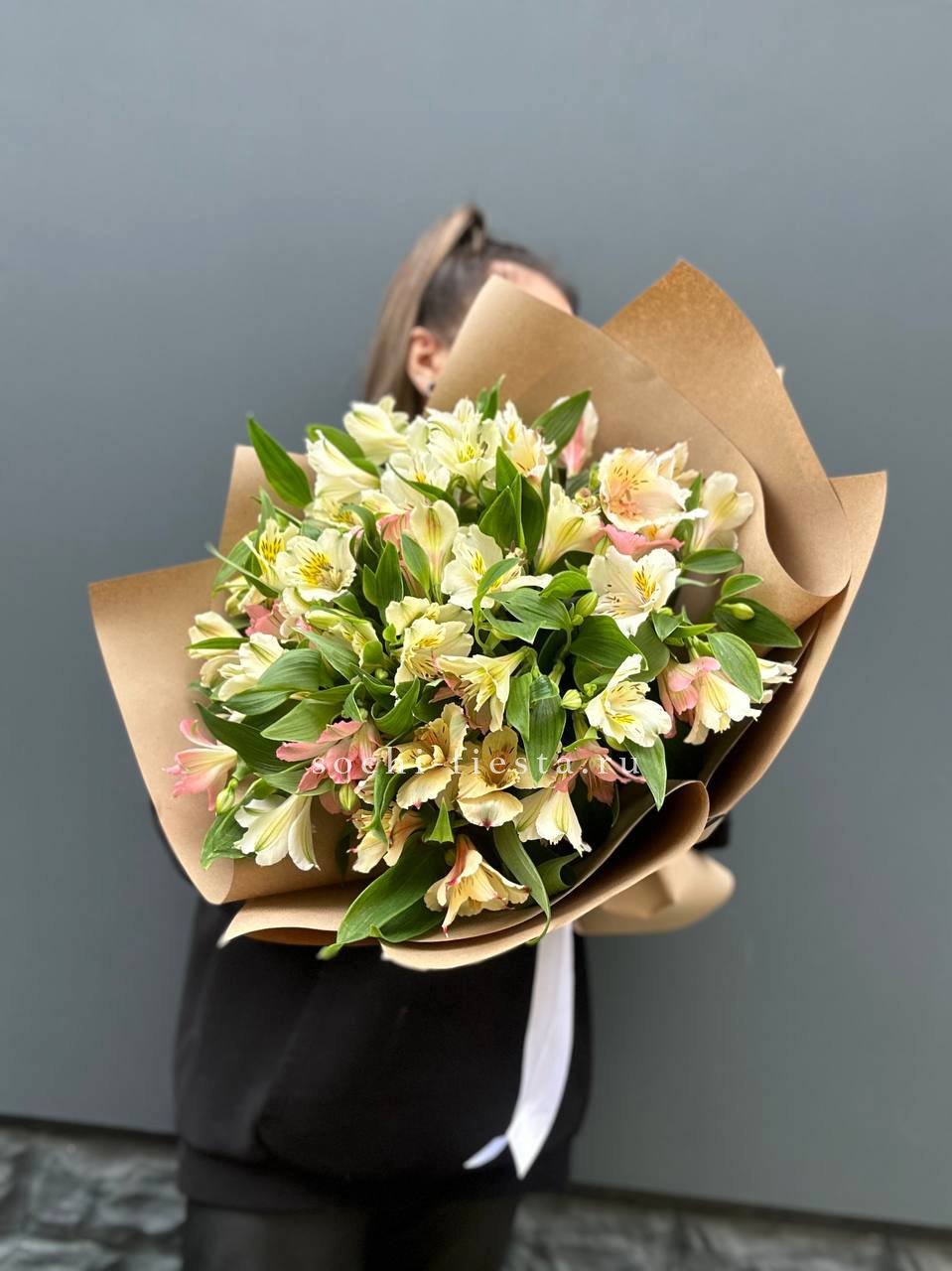
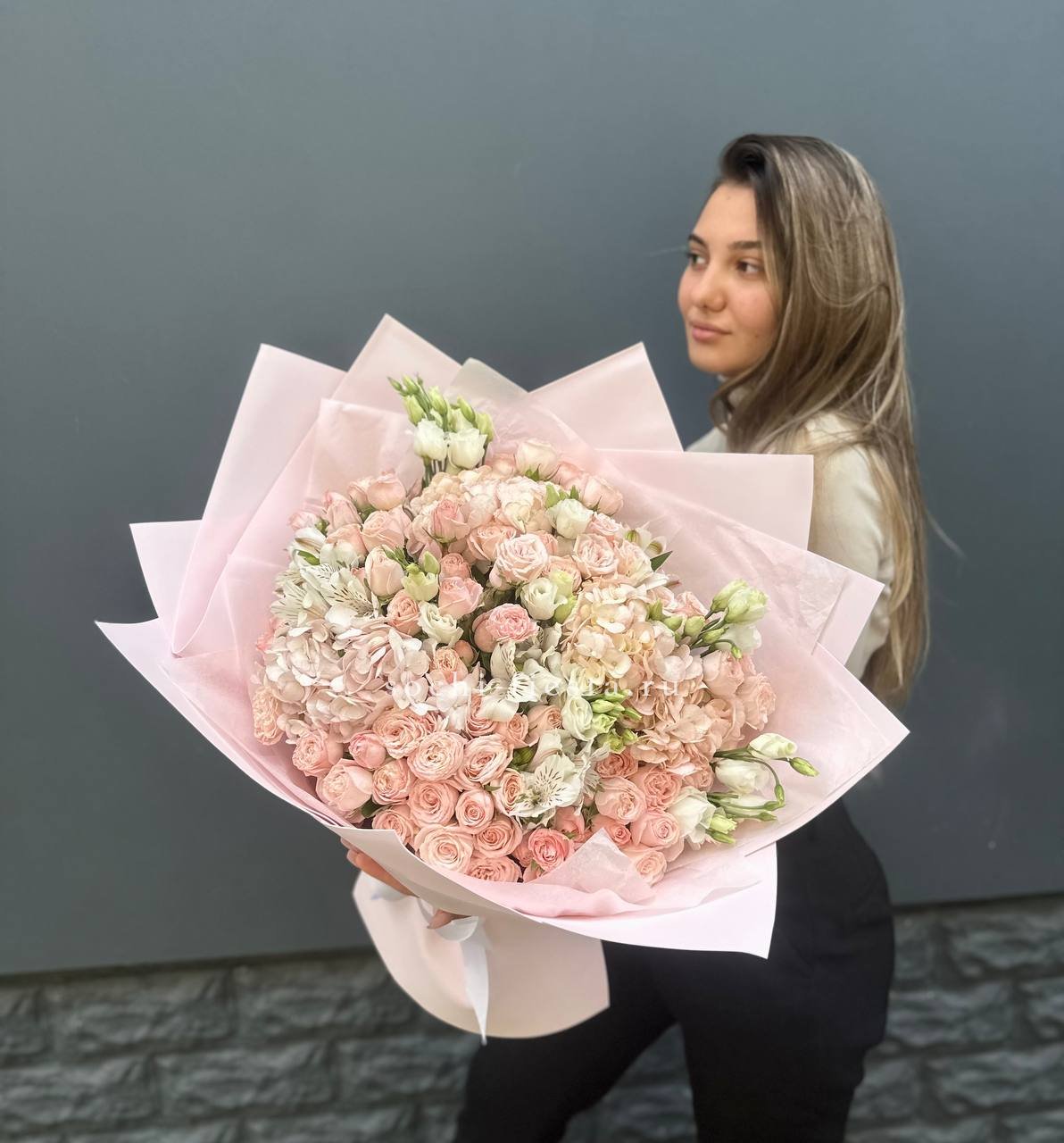
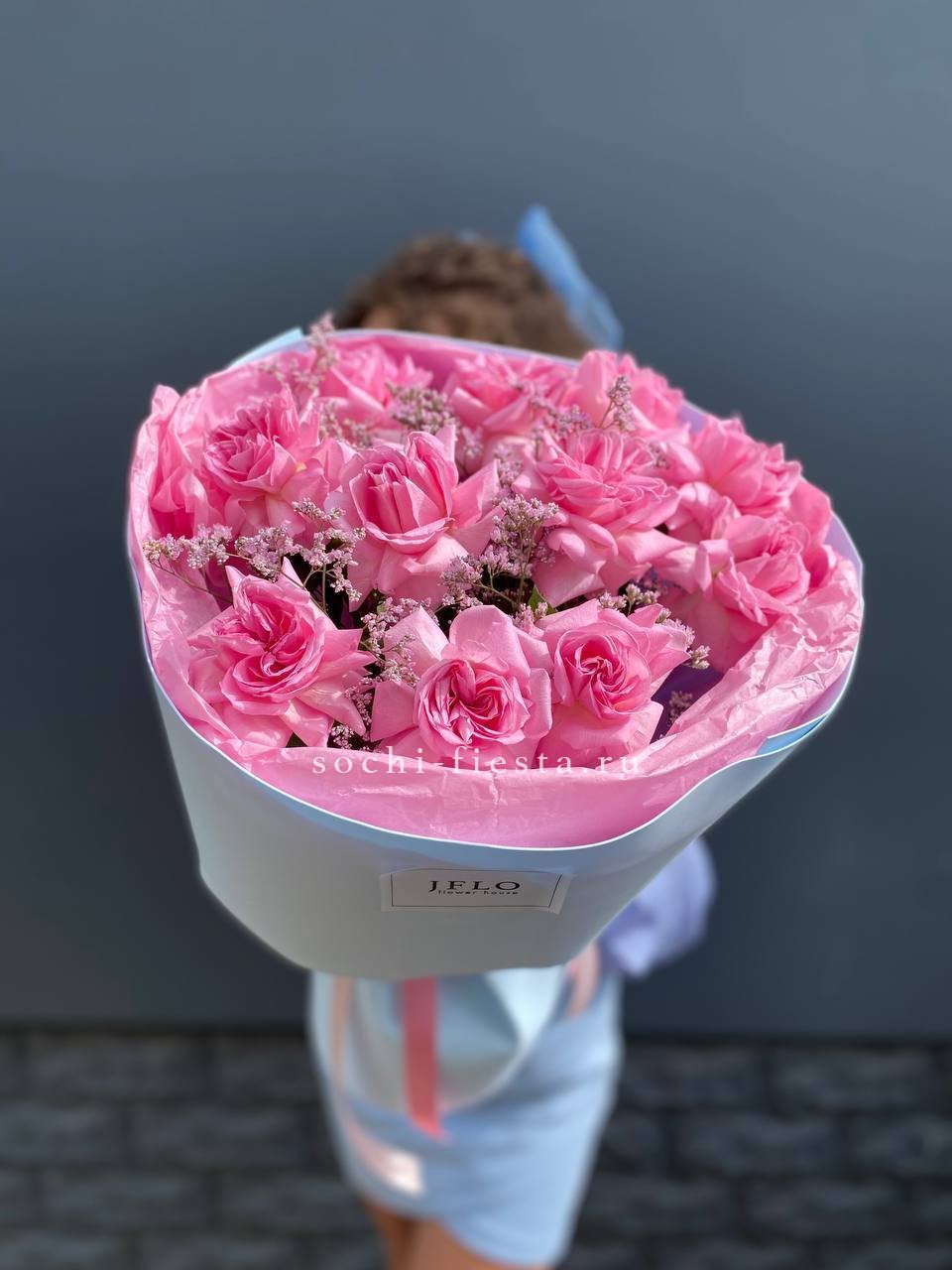
The section groups its bouquets by who receives them: a mum, a grandmother, a wife, a daughter, a granddaughter, a niece, a sister, a godmother, a mother-in-law, the whole family, a child. Each of these smaller groups holds a mix of formats, so a wrapped bouquet, a box and a basket usually sit side by side under the same recipient.
Every bouquet is put together to order, and the flowers themselves are bought only after the order is paid for. Anyone unsure which format or flower suits a mum can describe the occasion and the budget in chat, and a manager can send a few options with photos and prices before payment.

A wedding anniversary has carried a number for a long time. The silver, twenty-fifth, and golden, fiftieth, anniversaries have been marked in German-speaking lands since the sixteenth century.
English-speaking countries added their own milestones later: paper for the first year and wood for the fifth arrived in the nineteenth century, followed by tin for the tenth. In 1937 an American jewellers' association published a fuller list, giving a gift for every year up to the twentieth.
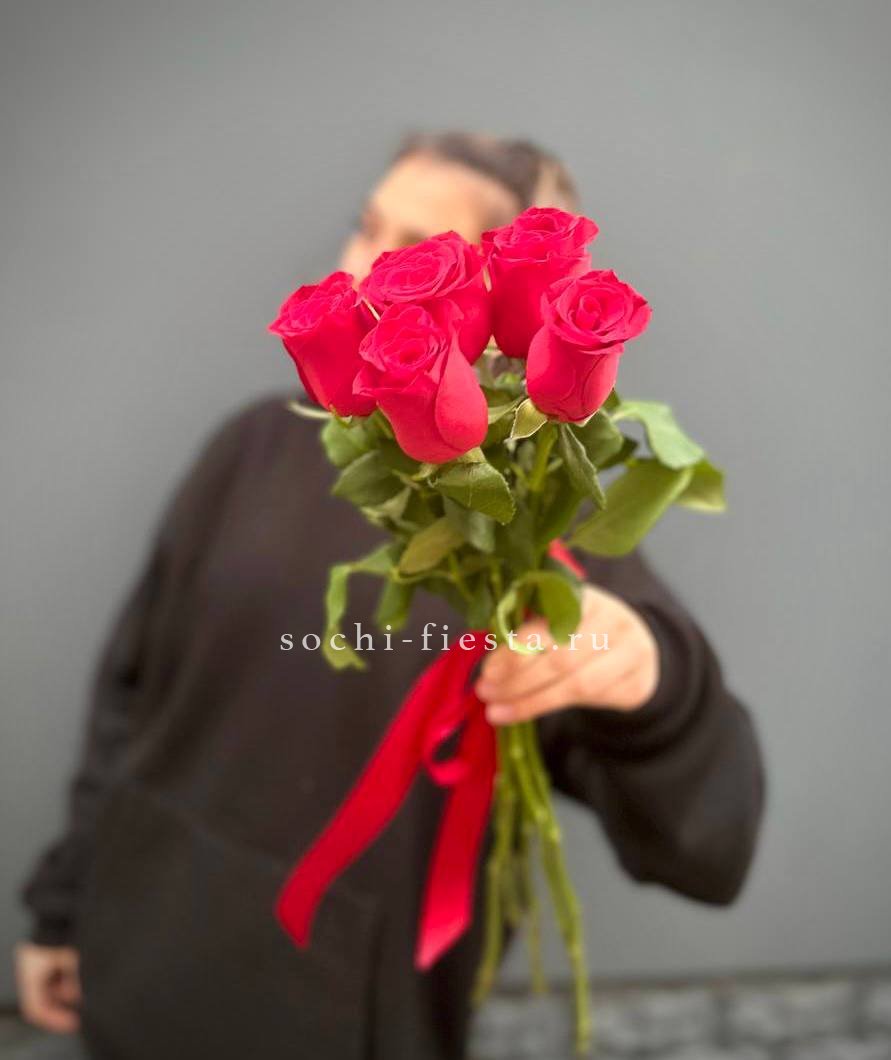
That history means an anniversary bouquet can simply echo the count: twenty-five roses in a box suit a twenty-fifth anniversary by number alone, though that is a way of choosing, not a custom to follow. Flowers for your wife are grouped separately from the rest of the family for exactly this kind of date.
Flowers for grandma and older relatives that last in the vase
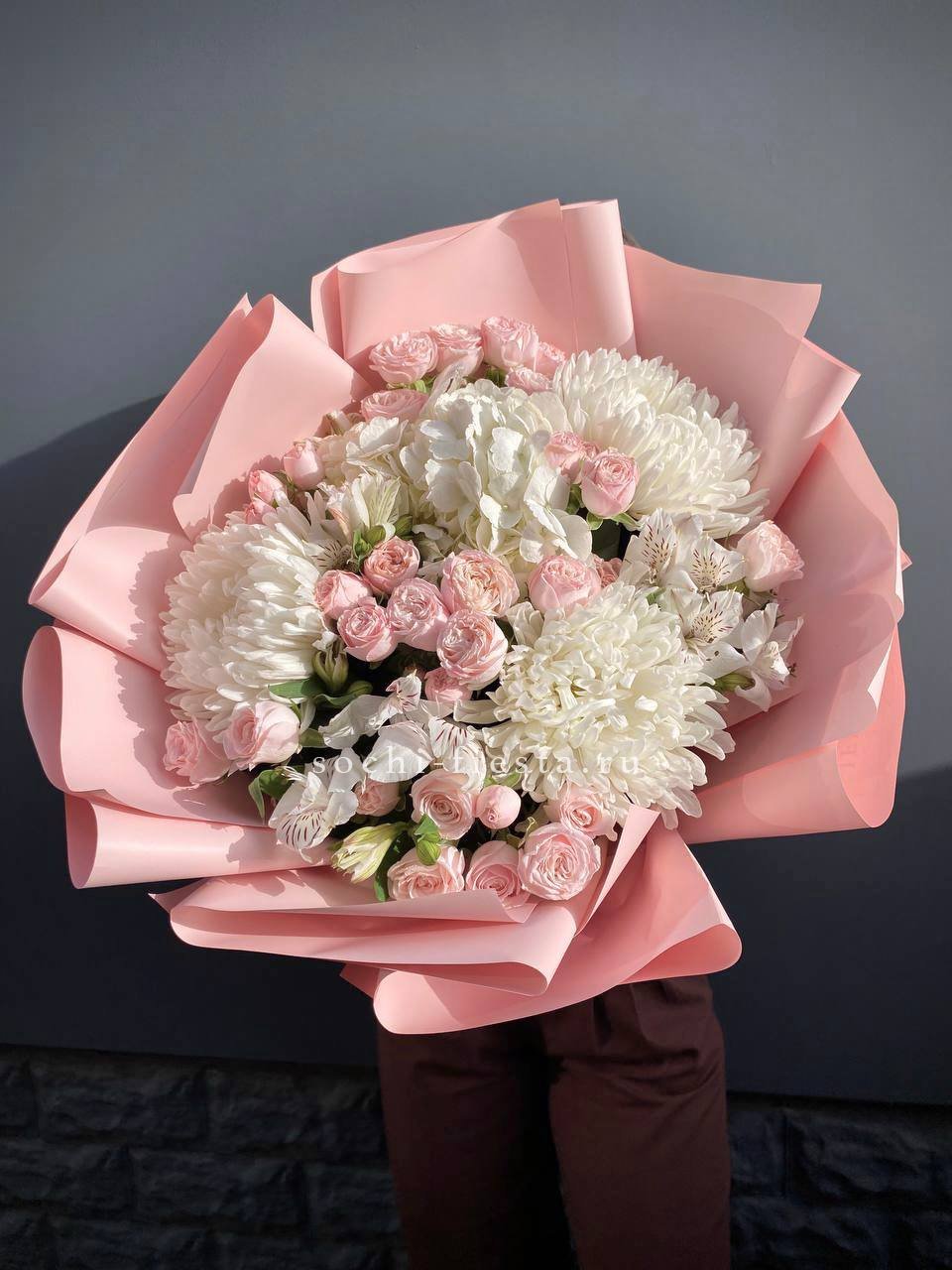
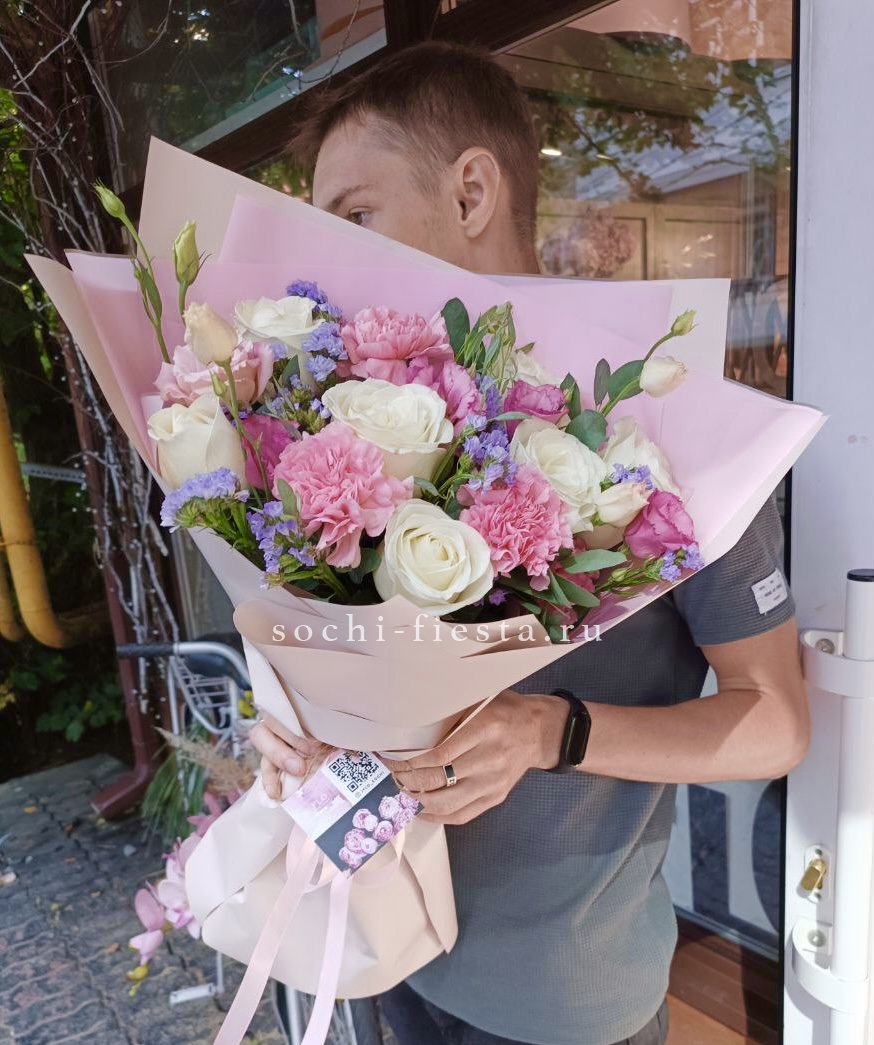
Vase life varies by flower, and it is worth knowing before choosing for an older relative who may not change the water daily. Roses last about a week, sometimes closer to ten days, while carnations and chrysanthemums hold on for two to three weeks; the dianthus listed in the range are carnations under another name.
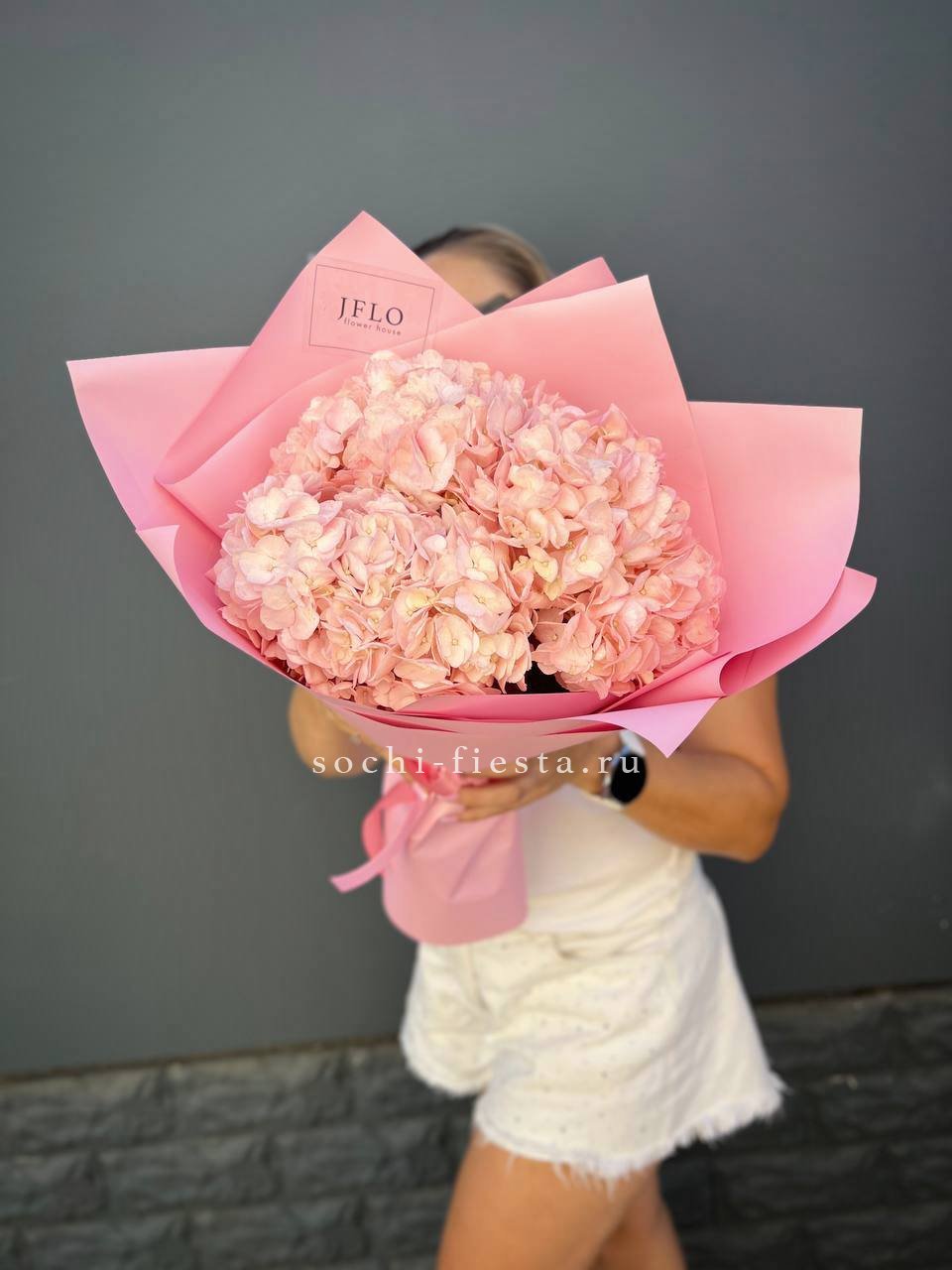
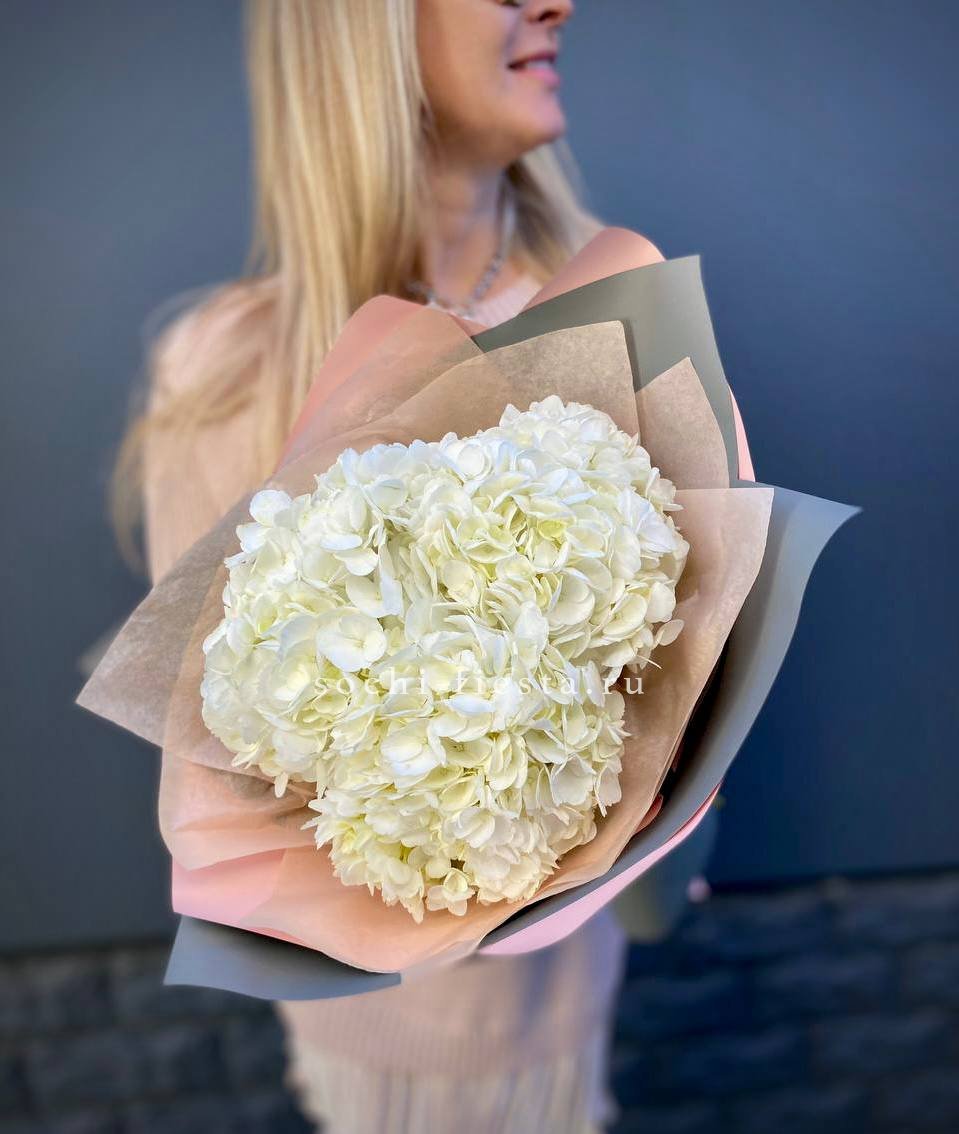
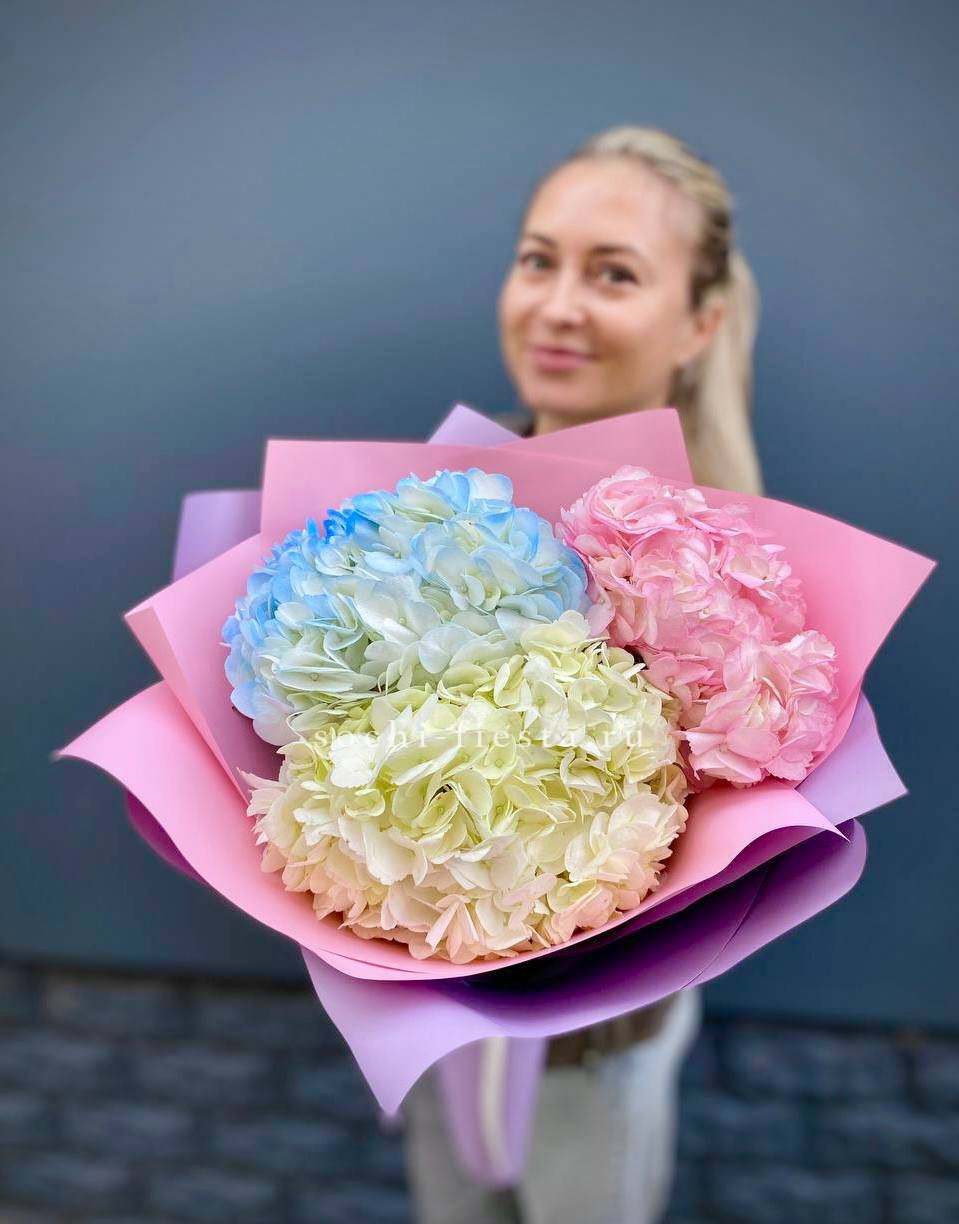
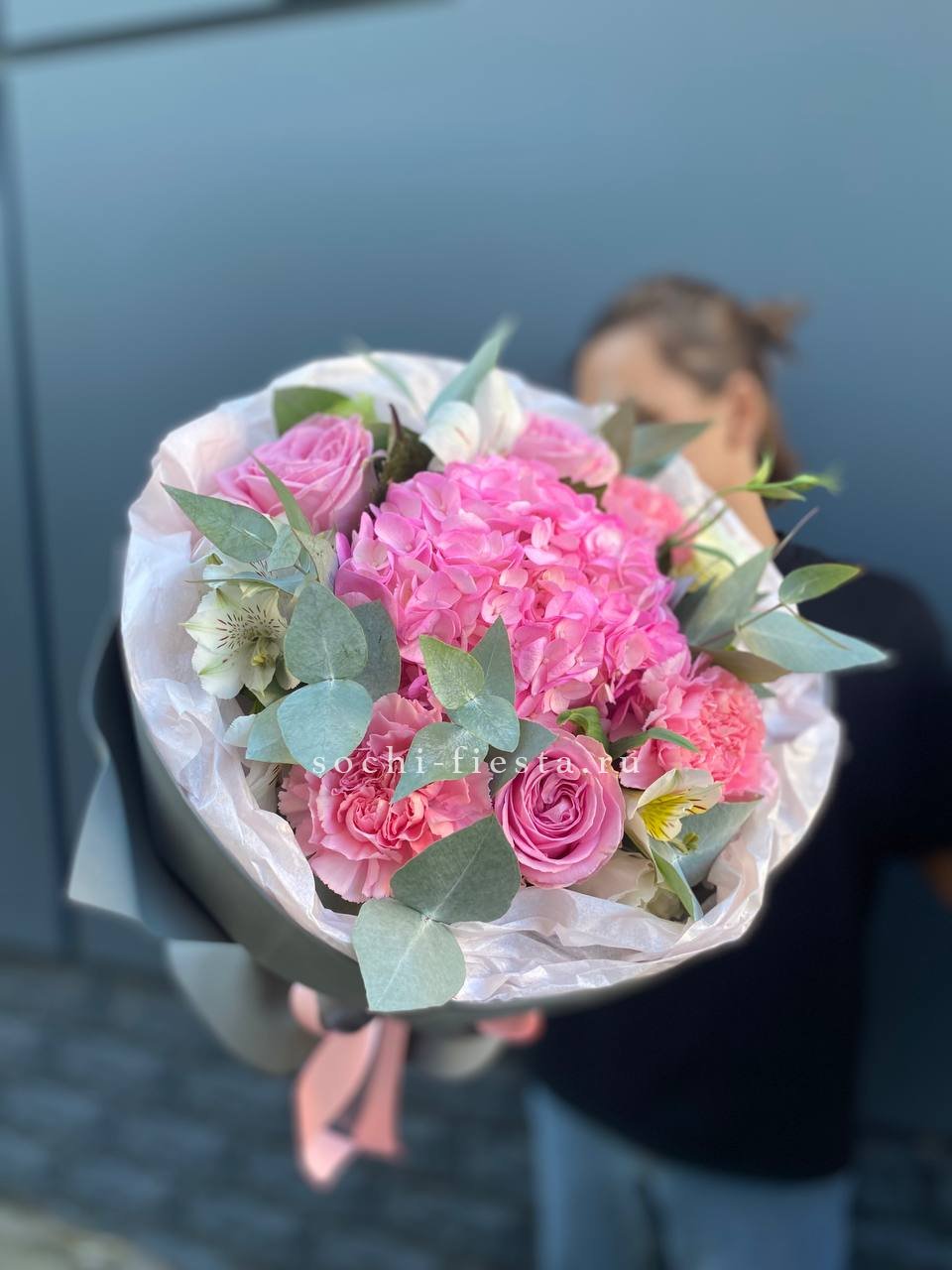
Jumilia, with good care, stays fresh for up to two weeks. Hydrangea drinks more water than most other flowers, and if its head starts to droop, dunking the whole bloom in cool water for an hour or two usually brings it back.
Lilies are best left out of a bouquet for a home with a cat: every part of the flower, including the pollen and even the water left in the vase, is toxic to cats. Anyone choosing for a grandmother with pets in mind can simply pick a longer-lasting flower instead.
Adding a cake, a balloon or a diffuser to the bouquet
A bento cake is a palm-sized cake in its own small box, with a short message piped across the top rather than a full design. A cream cake of this kind shouldn't sit in the warmth for more than two hours, and above 32°C that drops to no more than an hour.
Balloons work on a different clock. A latex balloon stays afloat for roughly half a day, while a foil one keeps its lift for several days. The diffuser sits at the other end of the scale again: turning the reeds every few days exposes a fresh, unsaturated tip, which starts releasing scent all over again.
Balloons, sweets, a small toy or a vase can all be added to the order, and the card that comes with it costs nothing extra.

Nobody calls the recipient ahead of time unless the sender asks for it. The courier is given only a name and an address, so the surprise stays intact, and the card that comes with the bouquet can carry a signature or be left anonymous. Where no address is known, the recipient's phone number is enough on its own.
Before the courier sets off, a photo of the finished bouquet goes to the sender, and there's still time to ask for a change if something looks off. A single order can also cover several addresses at once, with more than one bouquet packed for delivery on the same day; each address is priced for delivery separately.
Delivery in the centre is free, and most orders reach the recipient on the day they're placed, though the exact timing for a given bouquet is shown on its own page rather than promised here. Payment is taken by Visa or Mastercard, and a card issued in another currency is simply converted by the cardholder's bank at its own rate, with nothing added on top.
Deciding where to start usually comes down to the recipient. Something for the whole family suits a shared table better than a single vase, while flowers for a child can lean brighter and simpler. Full delivery terms, including the zones and timing for a specific address, are set out on their own page.