




Roses in Sydney: Flemington growers and stems fumigated before the flight
Roses in Sydney that come from Kenya, Colombia or Ecuador have been fumigated in the country where they grew since 1 September 2019, before the flight rather than on arrival. About half of the cut flowers sold in Australia are imported, and where a rose has travelled from shapes the stem length and the type on offer when you choose a bouquet.
Flemington's growers and the farms on Sydney's edge
The Sydney Flower Market at Flemington is Australia's largest cut-flower market, with around 170 stands under one roof. Only growers trade there, and many bring in blooms from neighbouring farms alongside their own crop. Buyers are florists from Sydney, New South Wales and the ACT, and most of the day's trading is done before nine in the morning.
A handful of growers supply roses from close to the city: farms on the Central Coast, around Horsley Park and Leppington, and near Dural and Glenorie, each two to three hours' drive from the market floor. The other route into roses in Sydney starts on a farm on another continent and ends on a cargo flight.

About half the cut flowers sold in Australia come from abroad, and Malaysia, Kenya, Ecuador, China and Colombia are among the biggest suppliers. Since 1 September 2019, roses from Kenya, Colombia and Ecuador have needed an import permit, and the fumigation now happens in the country where the flowers were grown. Before that rule, the same stems were fumigated with methyl bromide once they had already landed.
For a buyer, the origin still shows in the stem: Ecuadorian stems tend to run long, and Sydney's catalogue includes 19 White Ecuadorian Roses among the longer-stem options, while Kenyan stems are usually shorter. Across Australia, 14 February is the busiest day of the year for flower sales, and Sydney's flower calendar lists the dates that follow it.
Choosing roses in winter, when Sydney's imports lead
Sydney's winter runs from June to August, and that is when Australia's import share climbs, because local fields are bare for those months. A rose bought in winter is more likely to have travelled from Kenya, Colombia or Ecuador than one picked in spring.
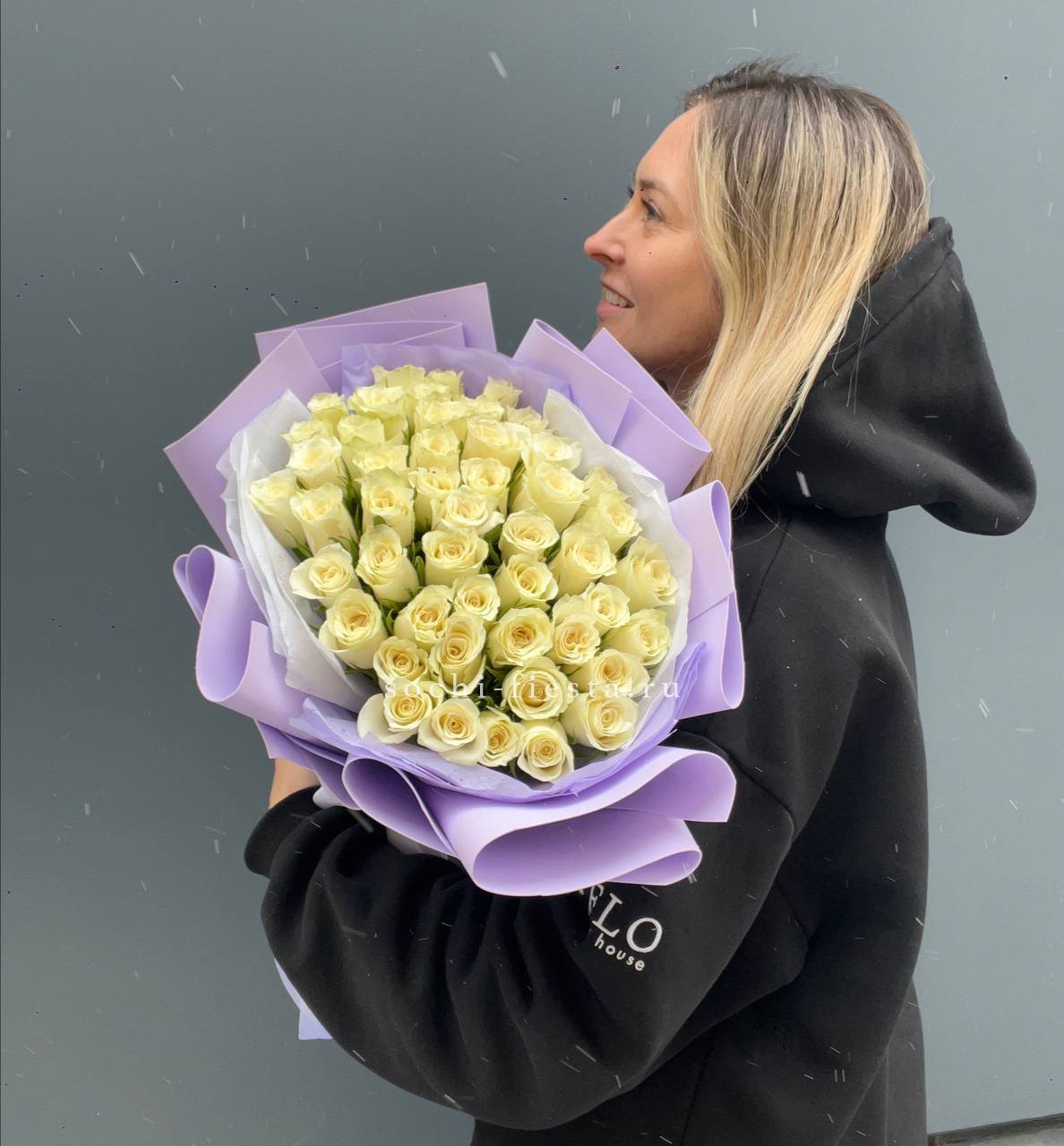
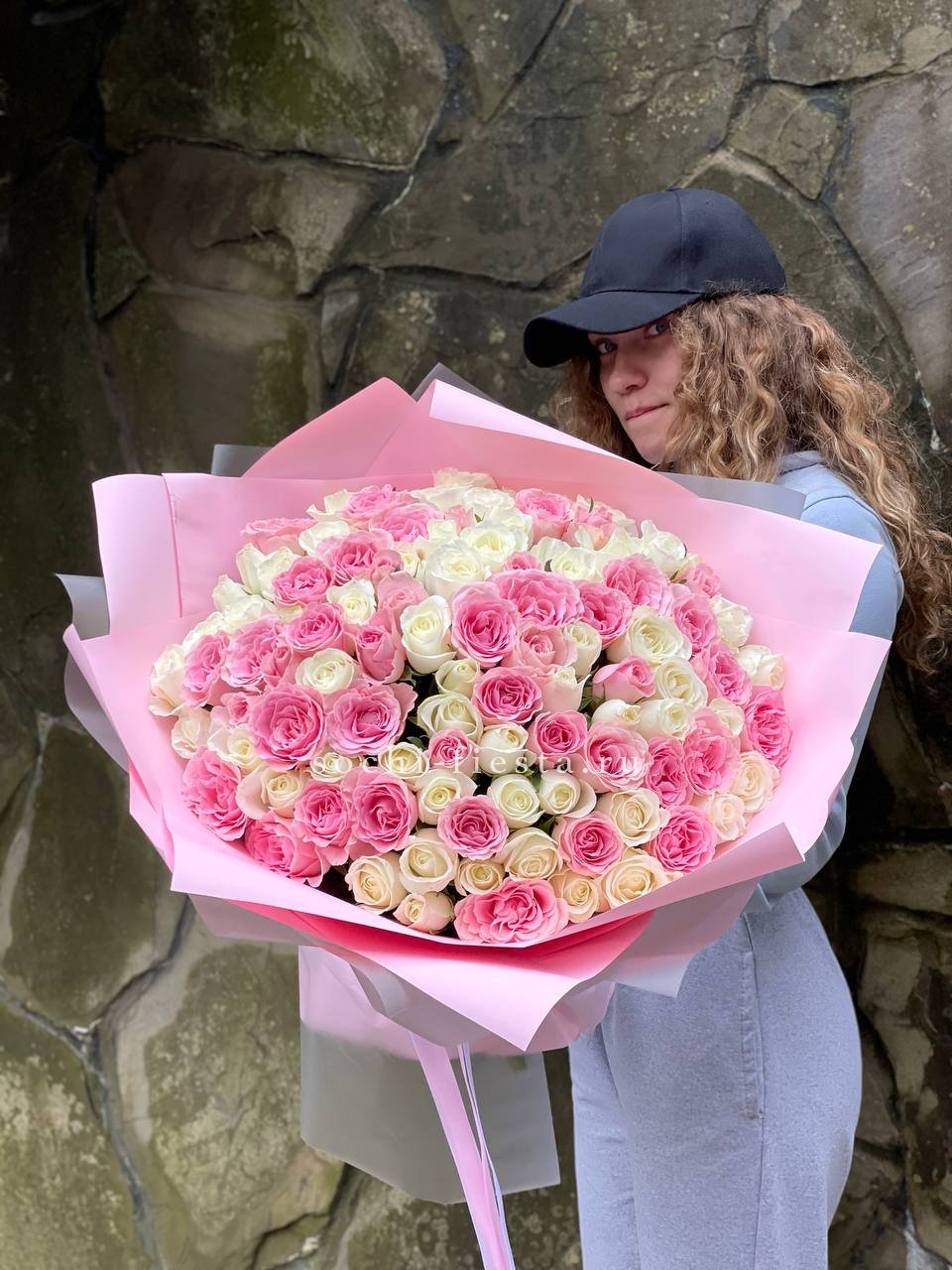
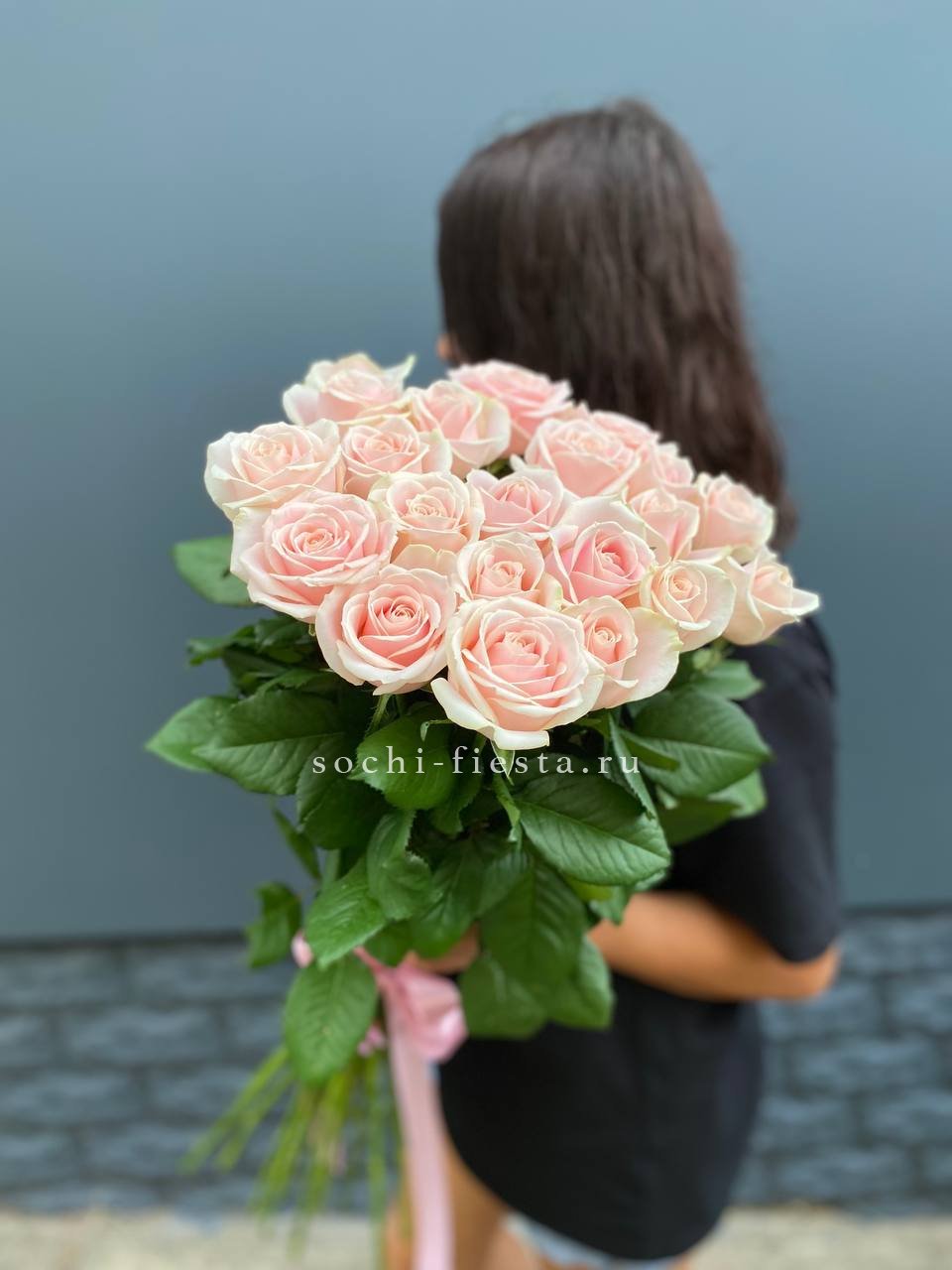
Choice then starts with the kind of rose on offer: Ecuadorian, Dutch, French or peony-shaped, each with a different stem and shade. The Dutch side of the catalogue runs to a bunch of 25 Dutch White Roses, a useful marker for buyers after pale, classic heads rather than deeper reds. Sorting roses by type is the fastest way in, and from there it comes down to how you choose by stem length or browse roses by colour.
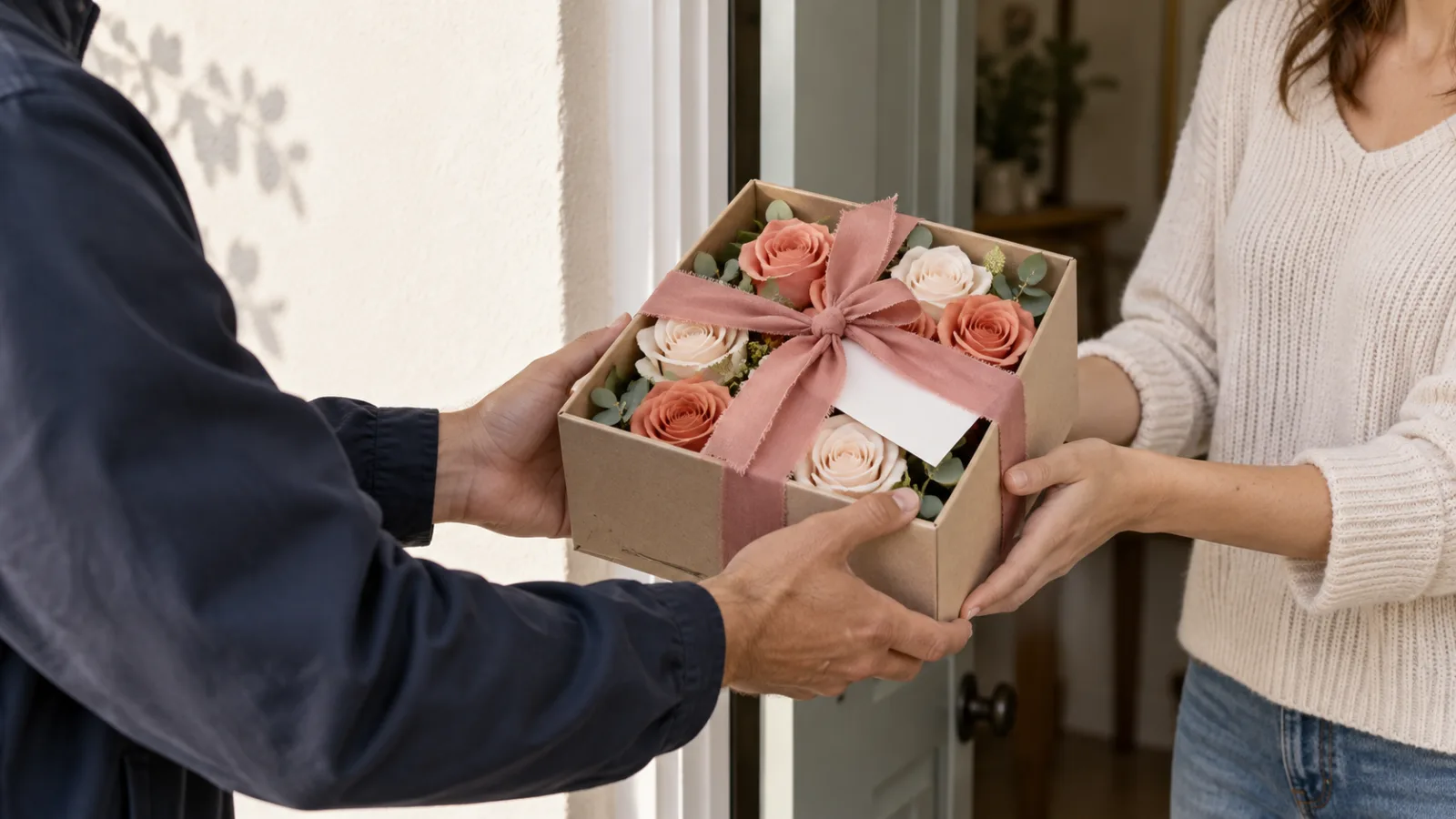
Every bouquet is made up after payment and reaches most addresses the same day, free in the city centre and charged by zone elsewhere, as set out on the delivery page.