

_633646720x720_q85.jpg?v=1787135615)
_8c5da0720x720_q85.jpg?v=1787130505)
_baafc1720x720_q85.jpg?v=1787135615)


720x720_q85.jpg?v=1787131158)


_076f68720x720_q85.jpg?v=1787130506)


Rose delivery in Amsterdam: flowers at the source, Dutch breeding and auction-fresh stems
Amsterdam is a city of canals, bicycles and design, and flowers are literally within reach. The floating Bloemenmarkt on the Singel, the stalls beside the markets, the bouquets in apartment windows along the canals — all of it is part of daily life. Amsterdam's edge over any other European capital is simple: the rose does not travel far to get here, it ships from practically next door. The largest flower auction in the world sits 15 km from the centre.
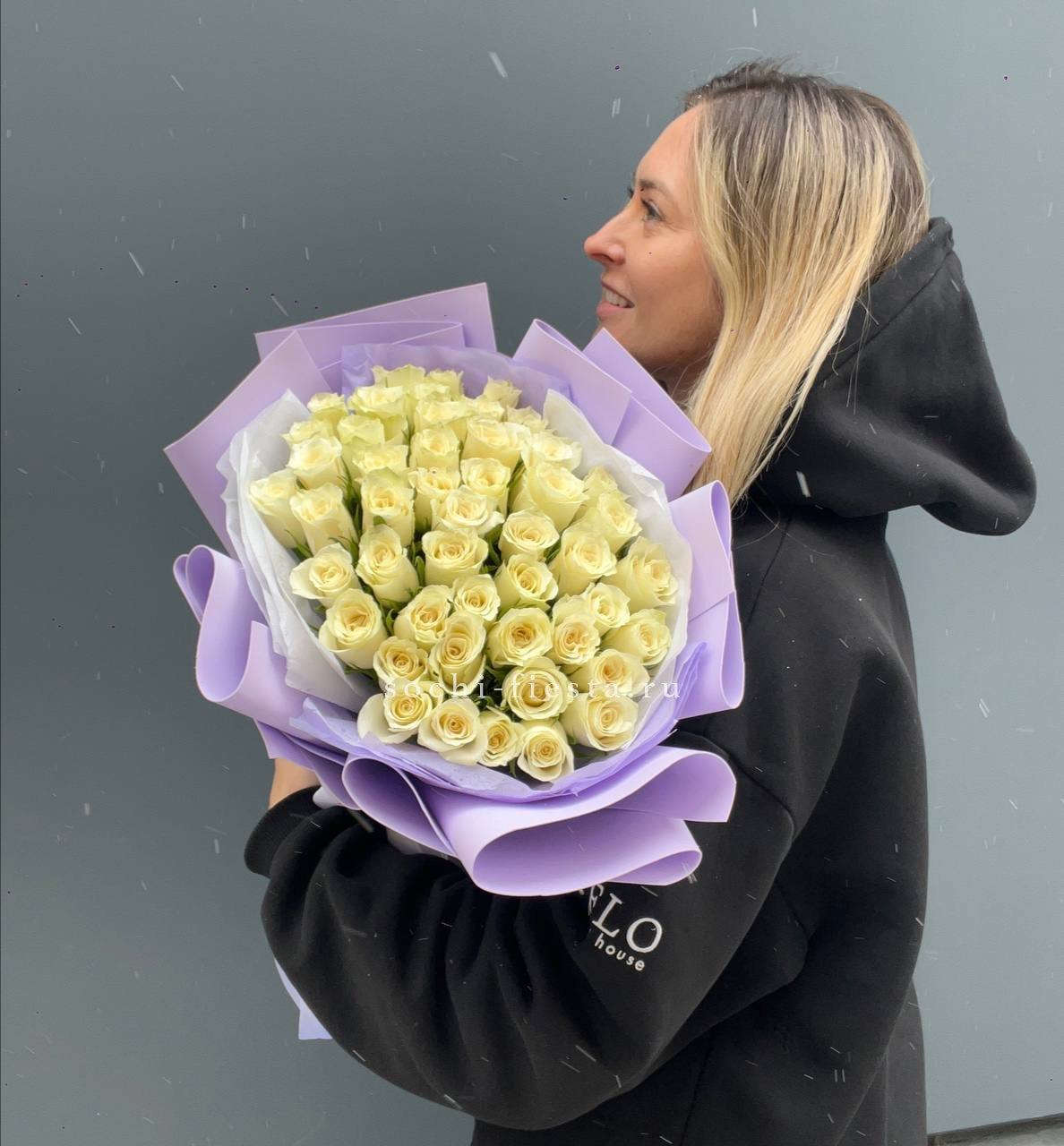
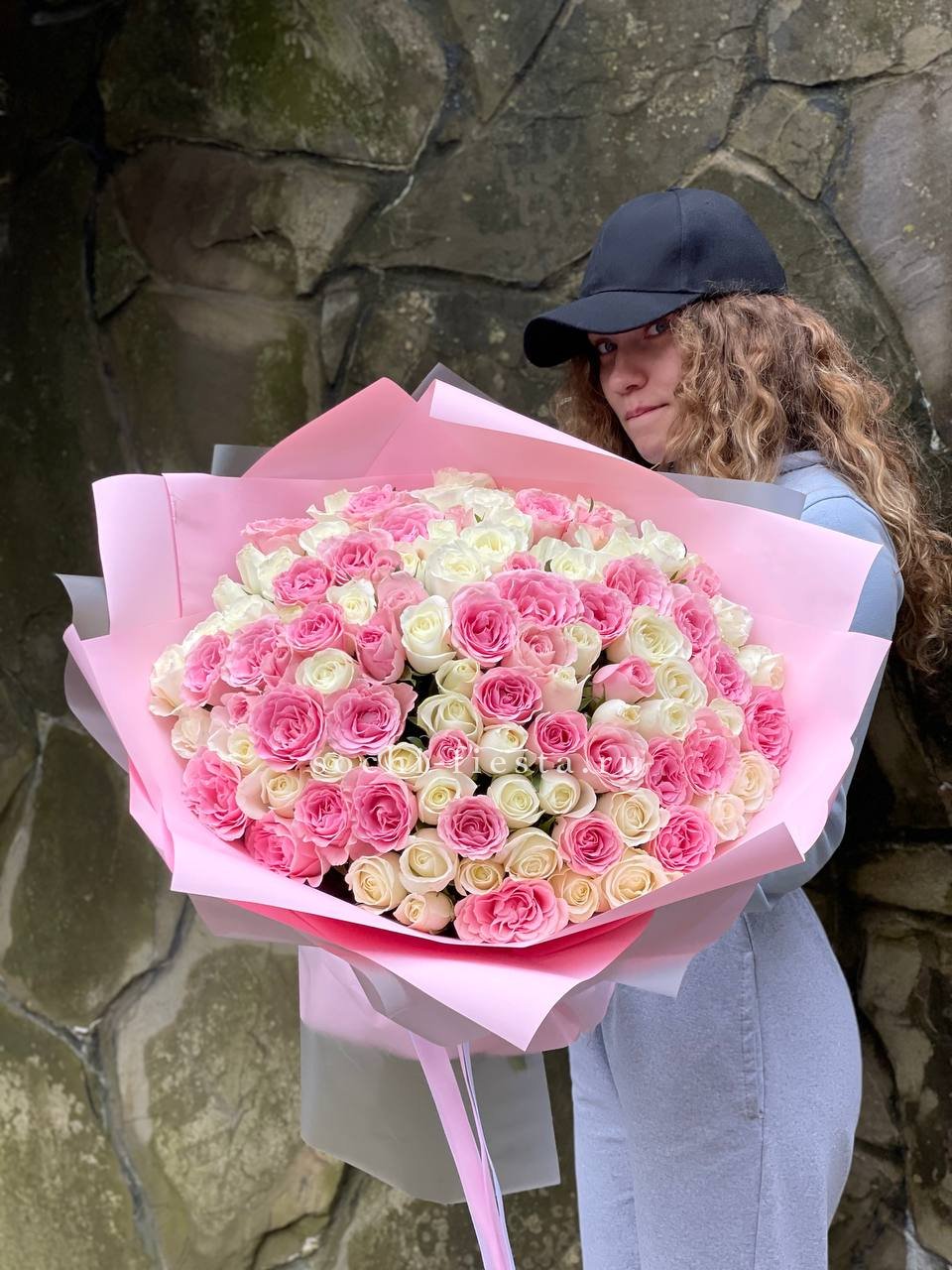
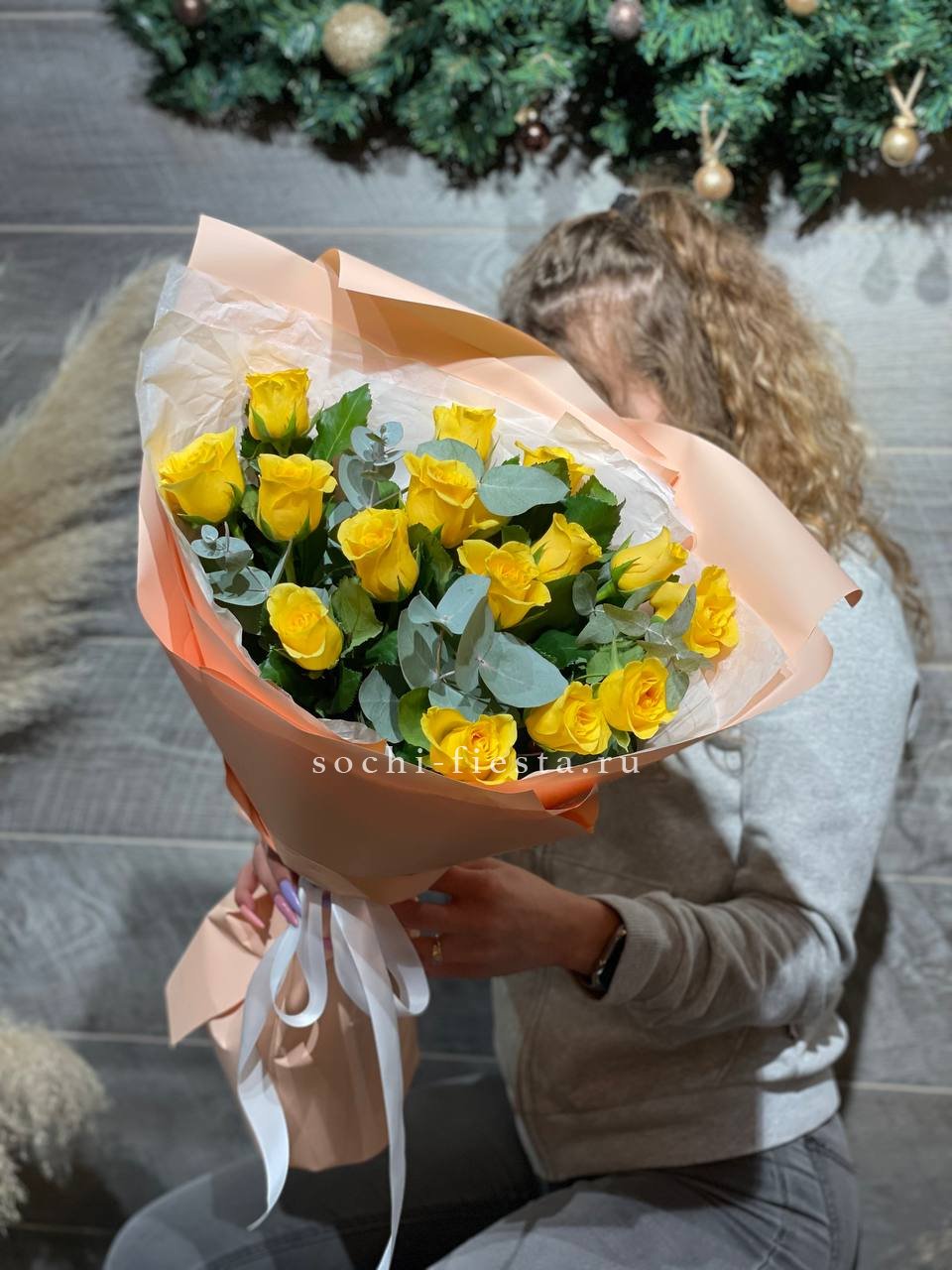
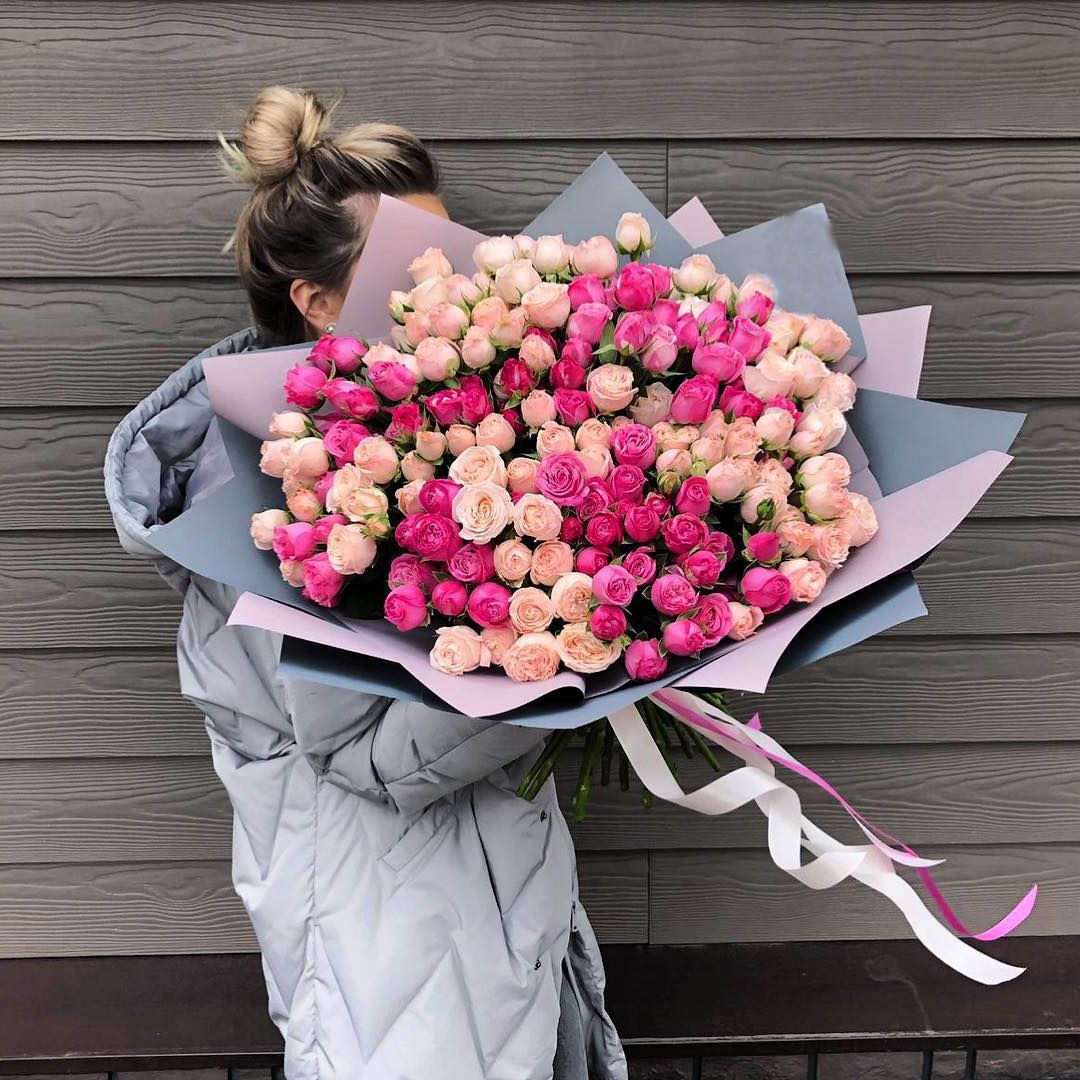
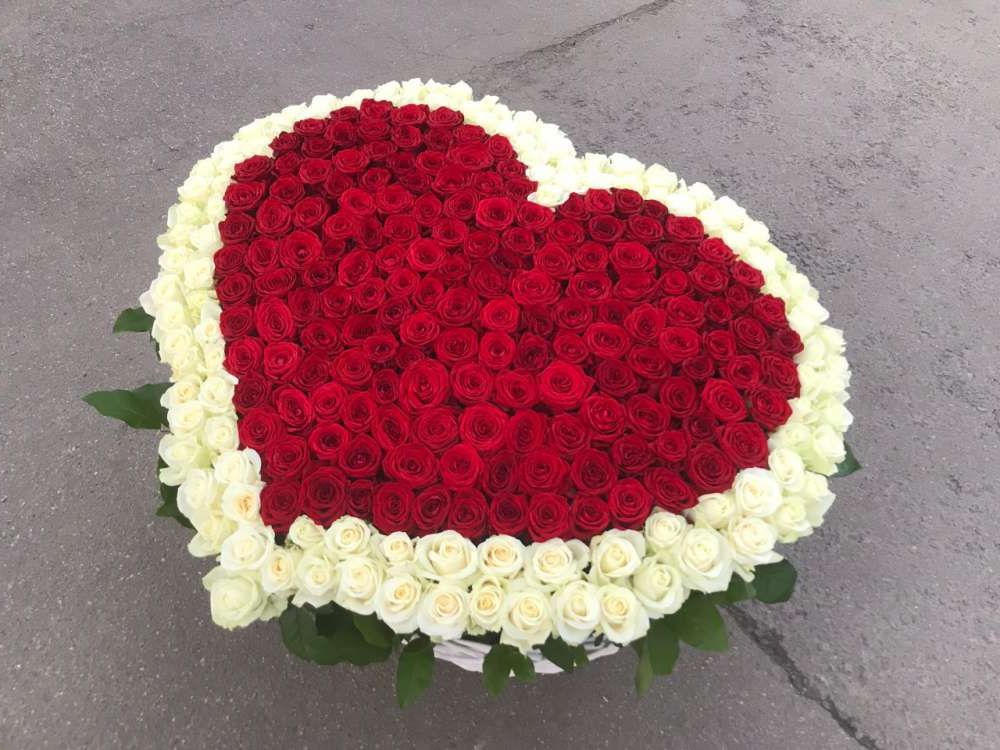
This category covers single-variety bouquets, mixed compositions, spray roses, market-style bunches in kraft and hat boxes. Formats run from a compact bunch of seven stems to a grand 51 or 101. Offices on the Zuidas, hotels and restaurants in the Centrum tend to order boxes and larger arrangements.
Which varieties to choose
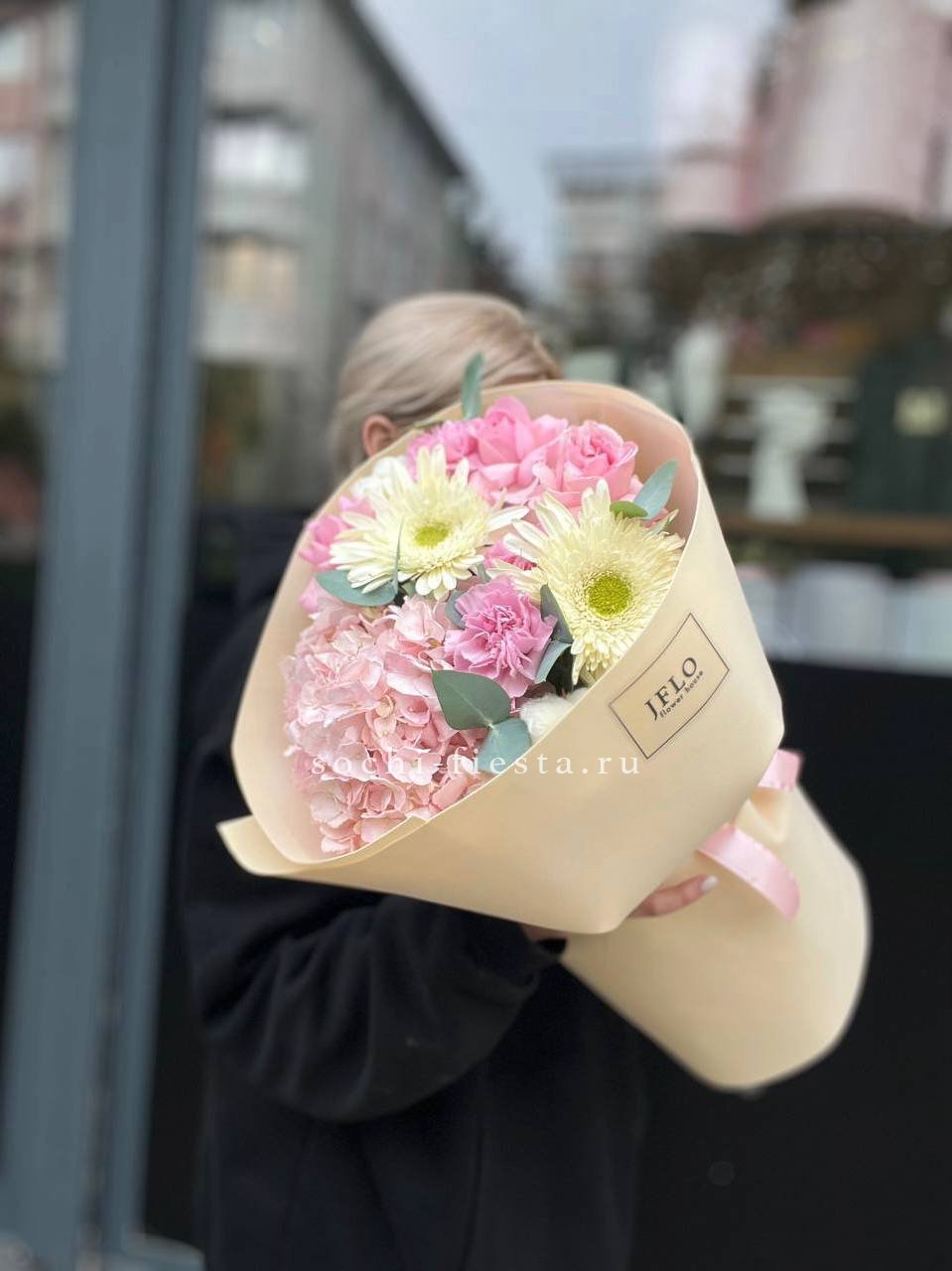
The main supply comes from the Dutch glasshouses of the Westland and through the Royal FloraHolland auction at Aalsmeer — large-headed classics and peony-form hybrids. Kenyan and Ecuadorian long-stemmed lots, which also pass through this auction, round out the range. Here is the working breakdown.
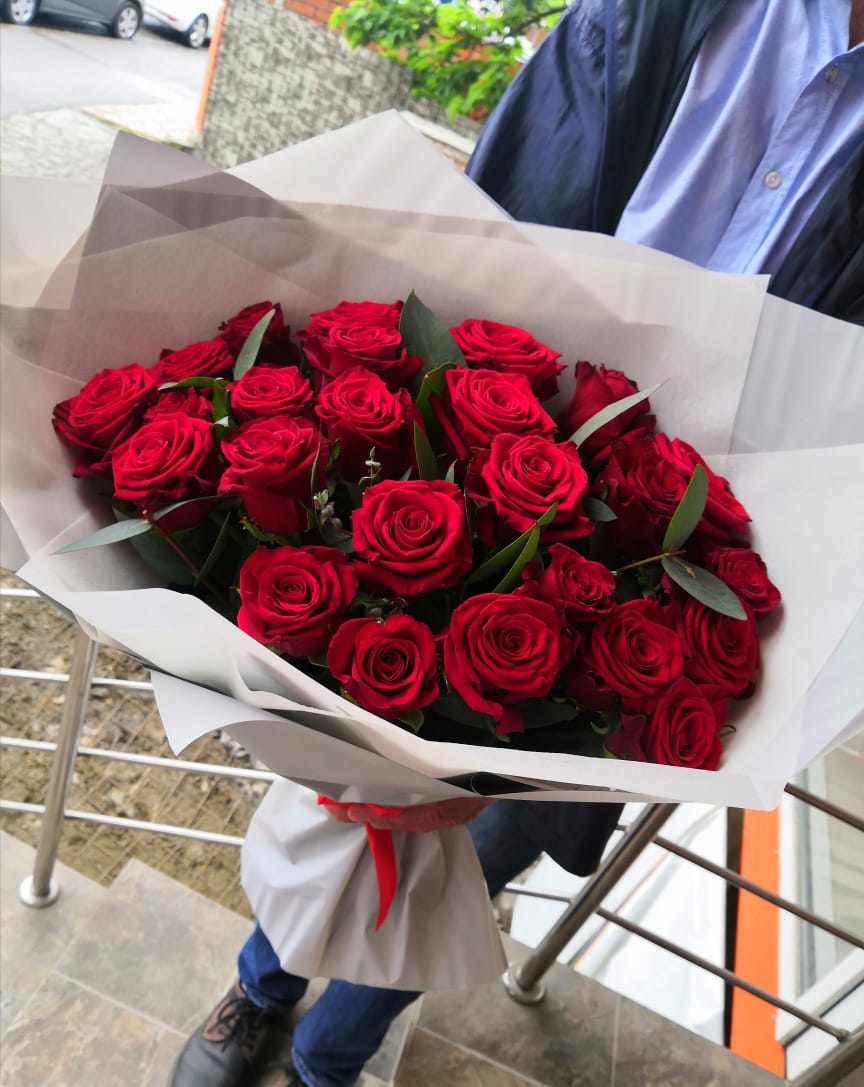
- Red Naomi, Freedom — the red anchor. Red Naomi was bred in the Netherlands: a velvety dark-red head, a pronounced scent and 60–80 cm stems. Freedom is deep crimson, dense and very long-lasting. Both work for anniversaries and romantic occasions.
- Avalanche+, Mondial — white and cream Dutch classics. A neutral base for mixed arrangements and wedding work. Avalanche+ holds its form 12–15 days in good conditions.
- Juliet, Patience — David Austin garden roses with a cupped bud and a scent of myrrh and peach. For weddings and a heartfelt personal gift.
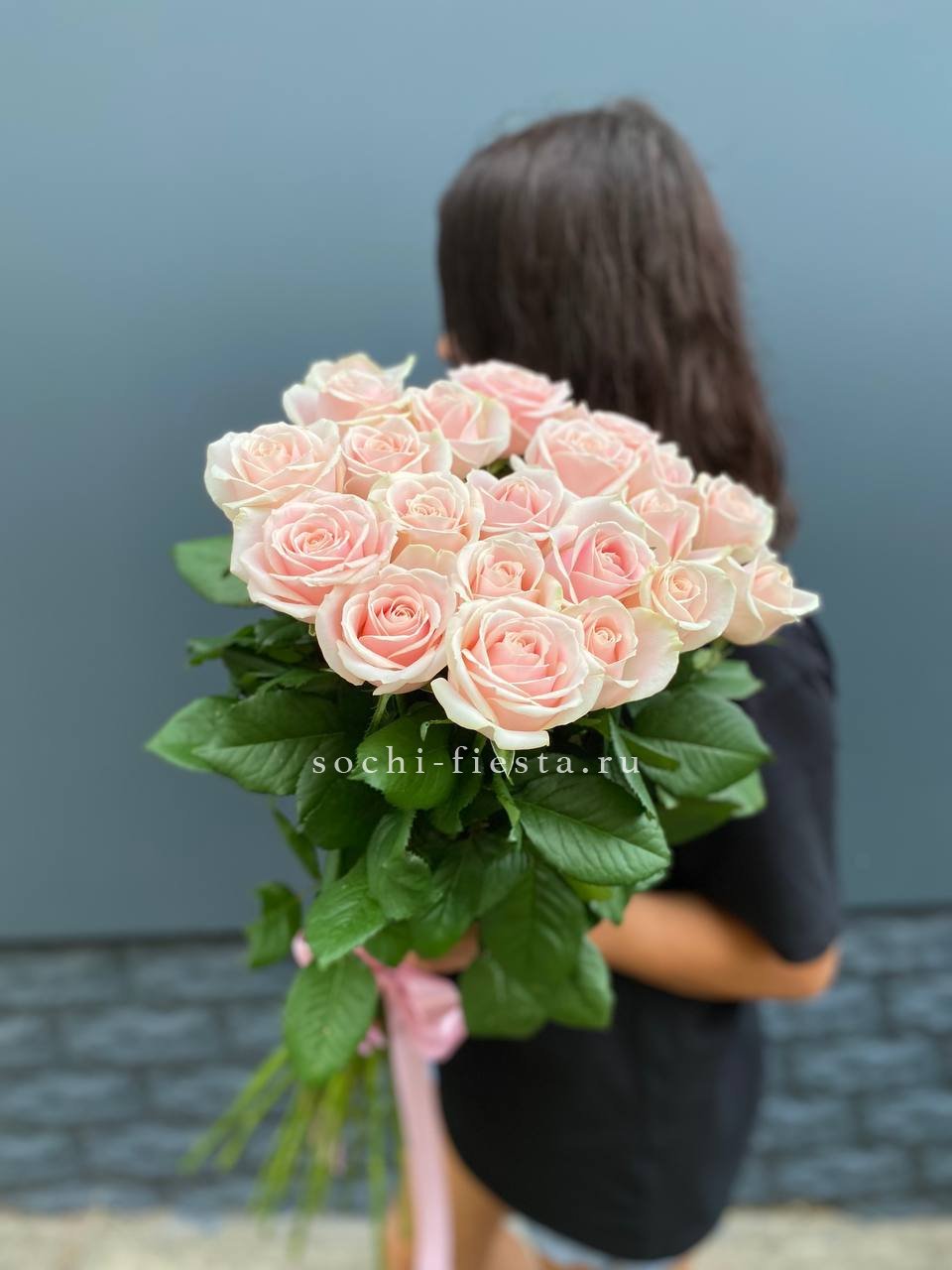
- Tiffany, Sweet Avalanche — blush-pink and soft tones. A good fit for the calm palette of bright Amsterdam interiors.
- Explorer, Topaz — Ecuadorian varieties with 80–100 cm stems. For large display bouquets, baskets and corporate gifts.
- Spray roses — several buds per stem, lighter and airier in composition. Good for everyday gifts and accent stems.
Occasions and stem counts
A single stem is a spare, almost design-led gesture, and in Amsterdam it reads as taste rather than thrift. Seven to nine stems is a romantic gift without theatrics. Twenty-five signals a proper celebration or declaration. Fifty-one and 101 are reserved for anniversaries, engagements and milestone dates.
The Dutch are relaxed about colour: a red rose is not reserved for romance alone, and bold tones sit happily in a bouquet for a lively birthday in De Pijp or the Jordaan. For understated interiors people choose white, blush and cream; for a cheerful occasion, rich oranges and fuchsias.
Freshness and logistics
This is Amsterdam's trump card. The morning bidding at Aalsmeer finishes early, and the lot reaches city florists the same day — the haul is only about 20 km. From cut to the recipient's door takes one to two days, not the three or four typical of cities far from Holland. Cared for properly, the roses then last 10–14 days.
Ecuadorian and Kenyan varieties fly in through Schiphol, one of Europe's largest flower air hubs, which neighbours the auction. Even an imported rose reaches an Amsterdam bouquet faster than in most countries: customs, bidding and delivery are tied into one knot just a few kilometres from the city.
"Working with roses in Amsterdam is a privilege. In the morning you are at the auction; by afternoon the flower is with the client. Nobody hides a tired bud behind wrapping here — customers know the varieties and spot freshness at a glance. It keeps you sharp."
— Sandra de Wit, florist, Amsterdam, 14 years in the trade
Delivery specifics in Amsterdam
Amsterdam has a maritime climate — mild and damp. Winters hover around +2 to +6 °C; hard frosts are rare, but there is plenty of rain, wind and grey, and snow rarely settles for long. Summers are moderate, +18 to +22 °C, with anything above +27 °C the exception. The main risk for cut flowers here is wind and damp rather than frost, so in rain the wrapping shields the bud from moisture and in the cold bouquets travel in thermal bags. Spring and autumn are the easiest seasons for delivery.
We deliver roses across all districts of Amsterdam: Centrum, Jordaan, De Pijp, Oud-Zuid, Oud-West, Oost, Noord, West, Nieuw-West and Zuidoost. Payment is in euros (€, EUR). Peak dates: Valentijnsdag (14 February), Moederdag (Mother's Day, the second Sunday of May), Koningsdag (King's Day, 27 April), Pasen (Easter) and Kerst (Christmas). Secretaressedag — Secretary's Day on the third Thursday of April — adds a separate flow, when flowers go to colleagues. Order three to five days ahead for these dates; a full week ahead for Moederdag.
Home care
On arrival, re-cut the stems at 45° — ideally under water — and strip any leaves below the waterline to prevent rot. Place in a clean vase with cool water and a sachet of flower food or a pinch of sugar. Change the water every two days.
Amsterdam flats are heated to +20–22 °C in winter, which is on the warm side for roses. Keep the bouquet in the coolest part of the home, ideally near a bedroom window and away from the radiator. Keep roses away from bananas, apples and pears: the ethylene that ripe fruit emits shortens cut-flower life by around a third. Roses suit almost any occasion — message our team to match variety, colour and stem count to the occasion and budget.

