
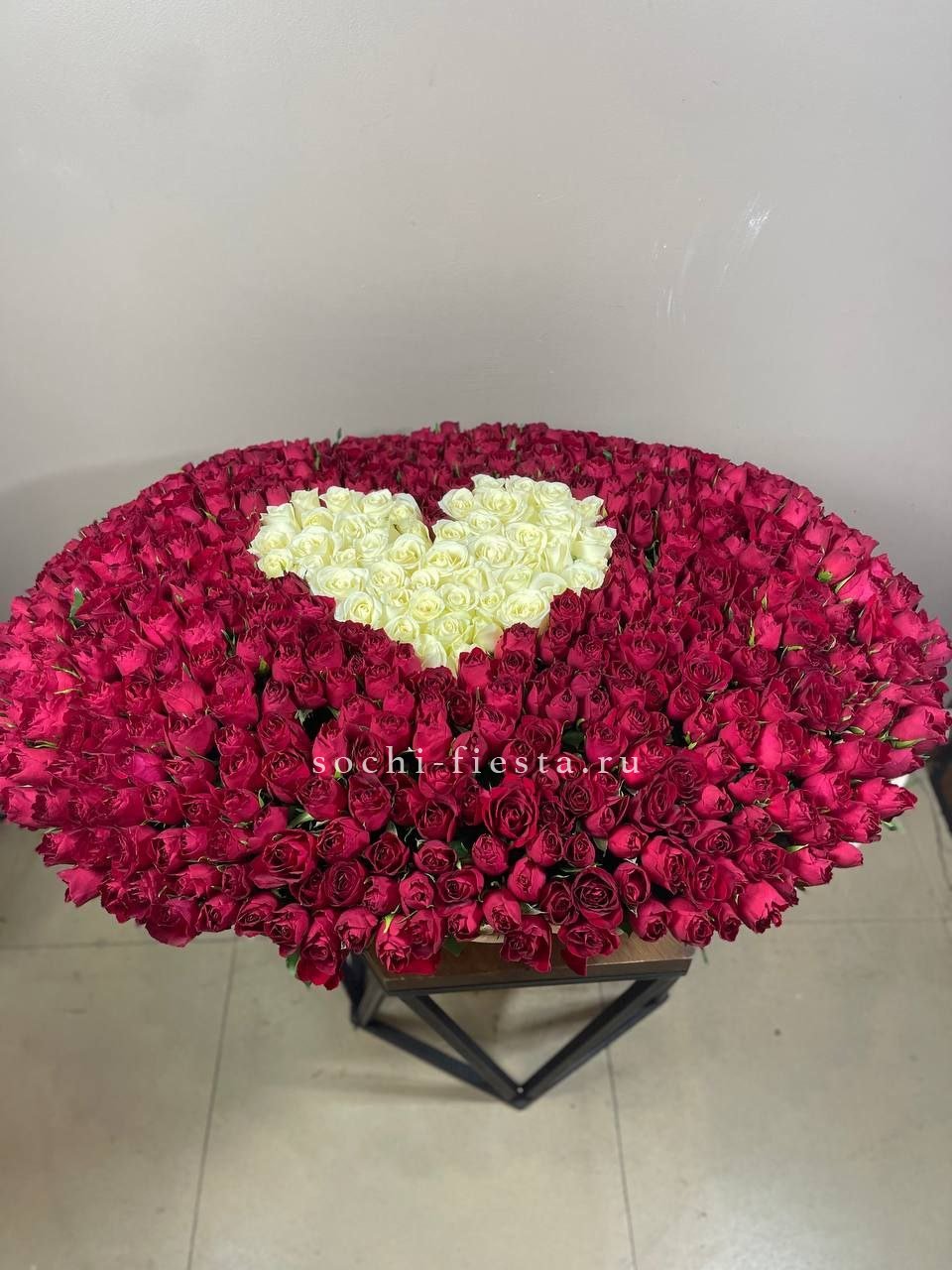


720x720_q85.jpg?v=1787130516)
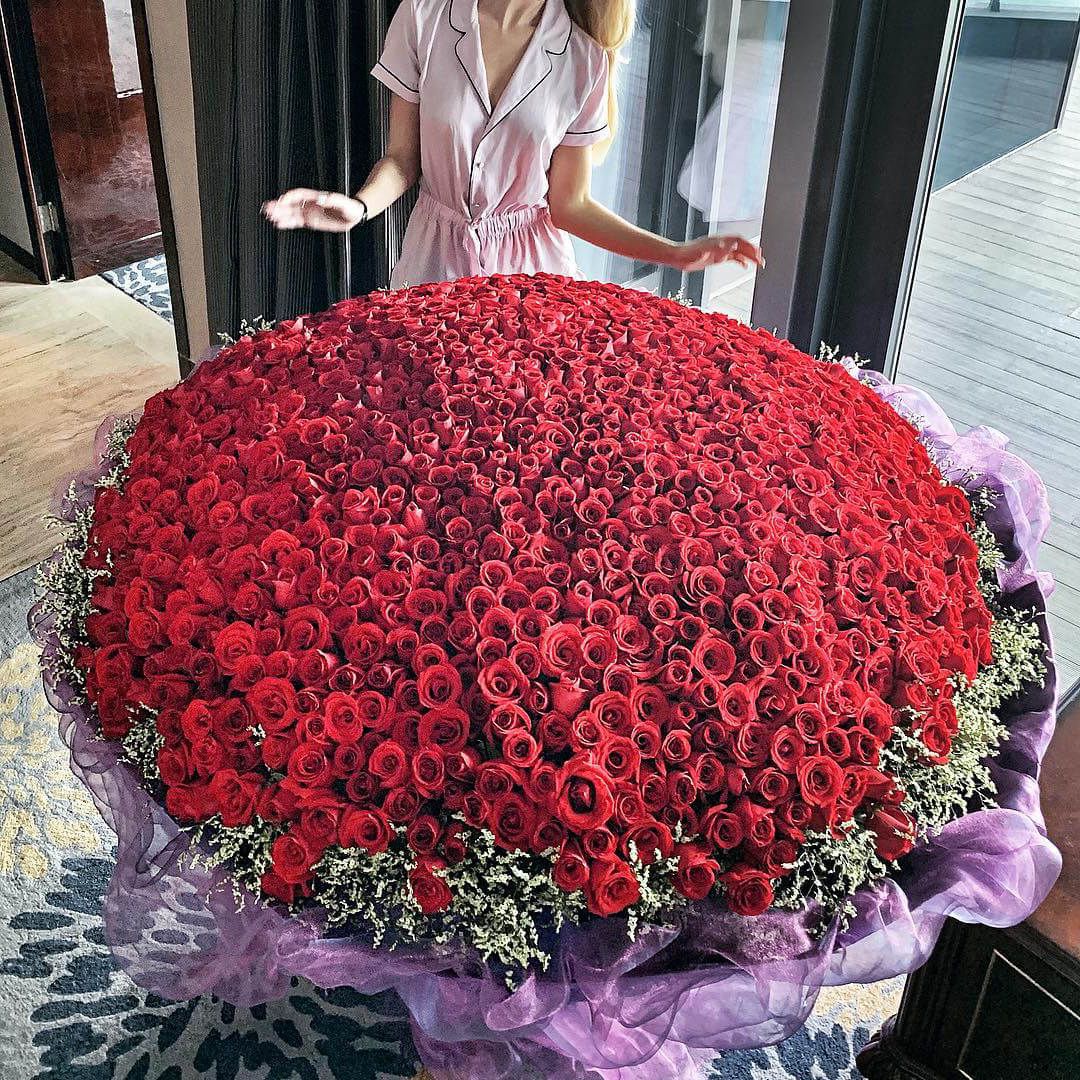
720x720_q85.jpg?v=1787130516)


Roses by stem count: the number is not the whole order

Two bouquets of twenty-five roses can look nothing alike. Stem length, head grade, how tightly the bunch is tied and whether greenery is counted in all shift the result further than the figure itself does. The count is the first thing customers choose and the least informative line on the page.
Ask what else is in it before you compare prices.
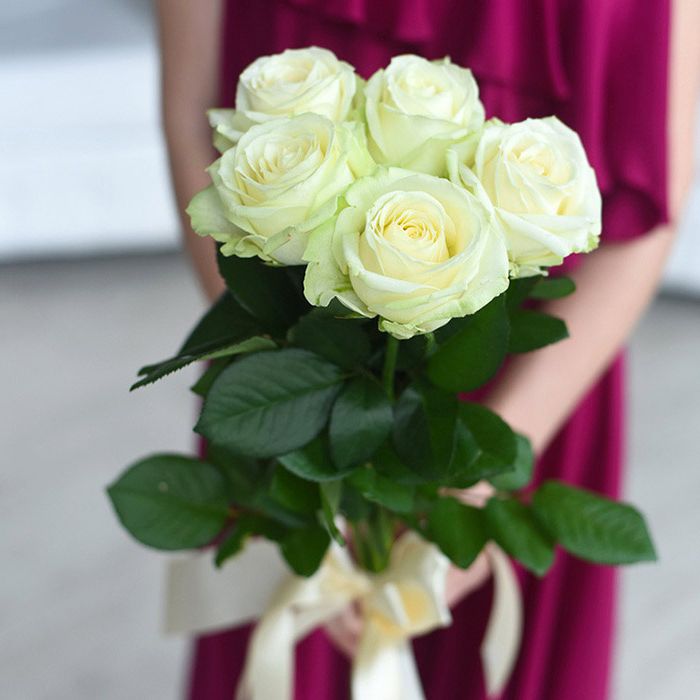
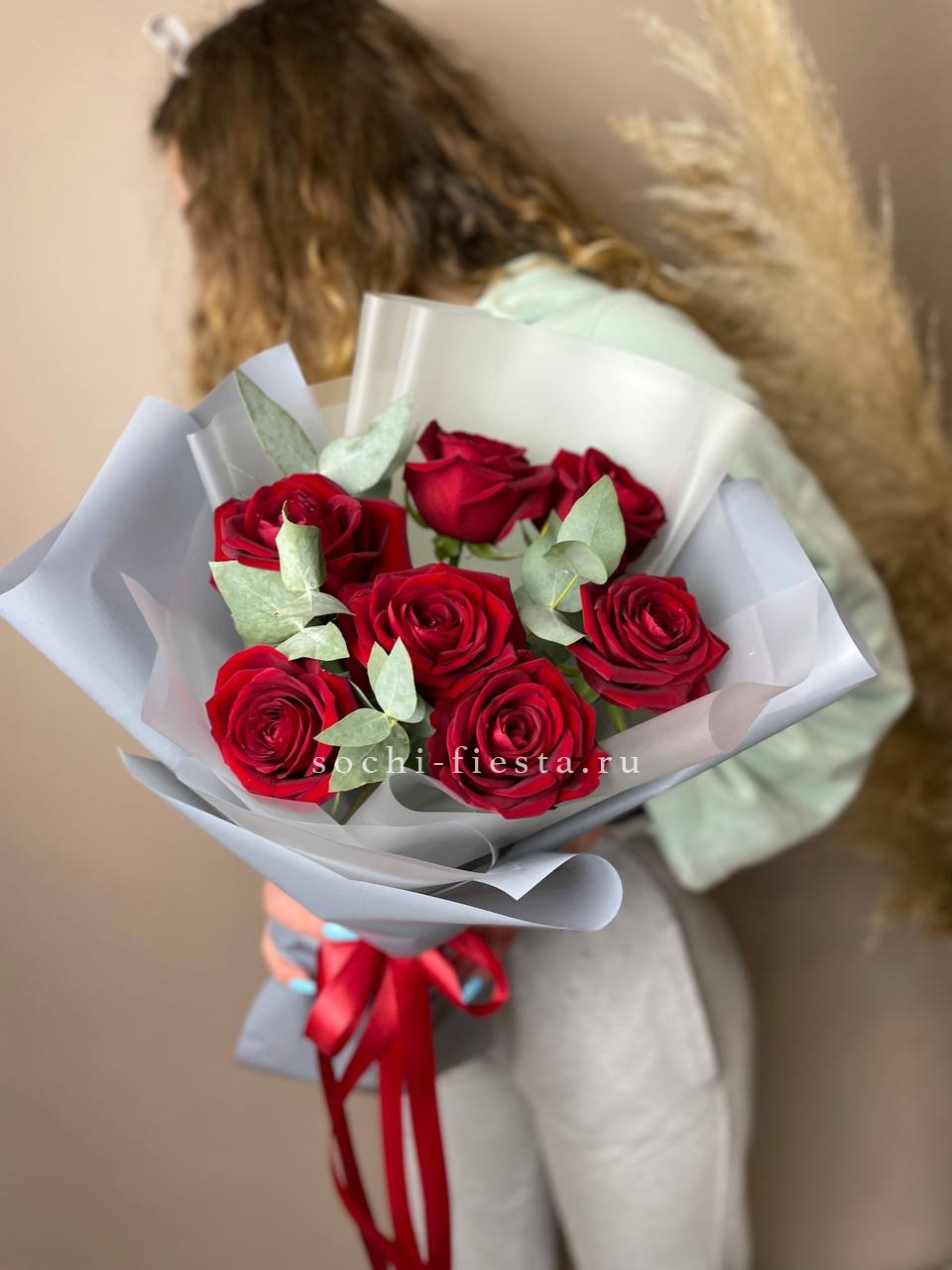
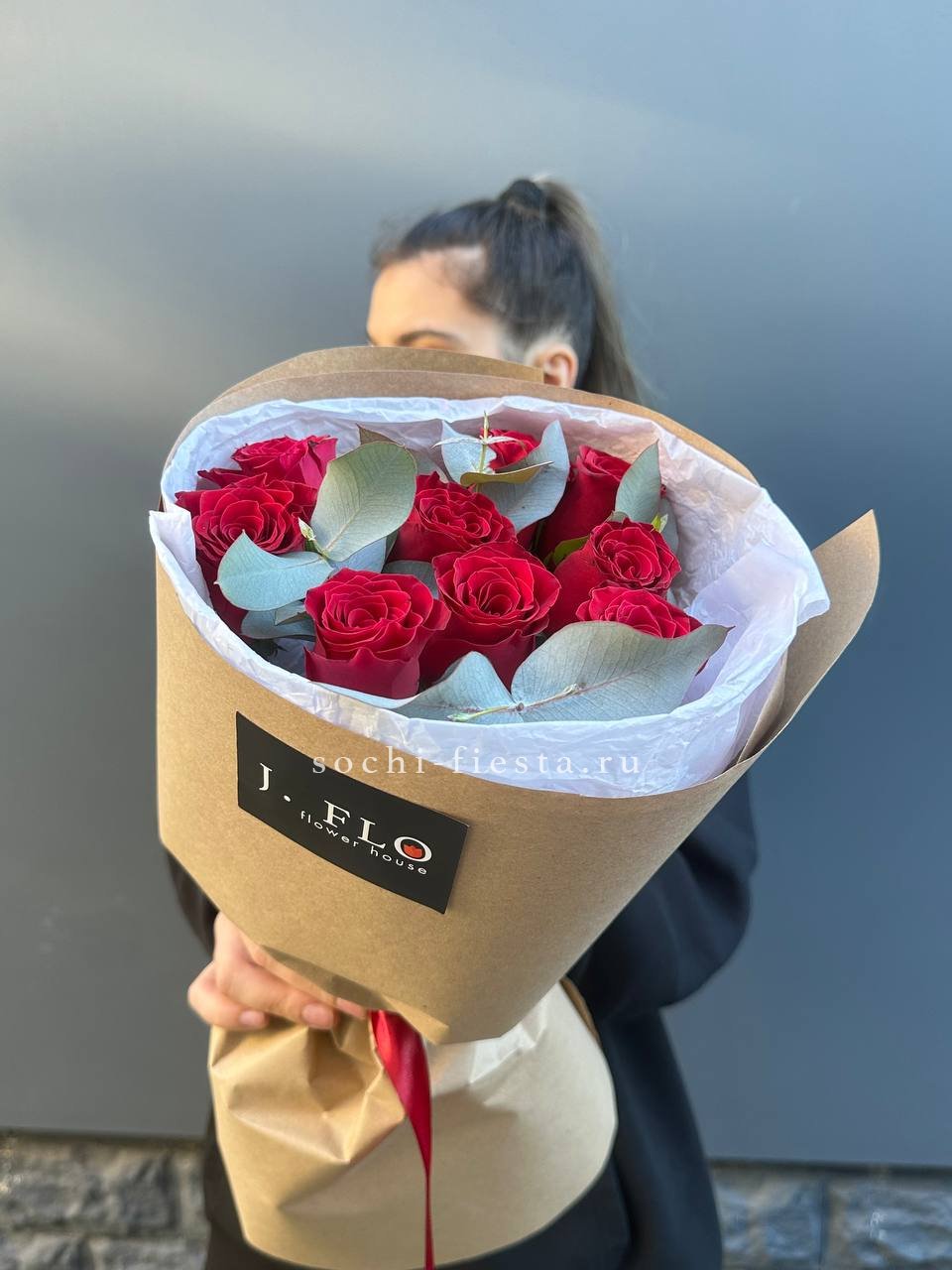
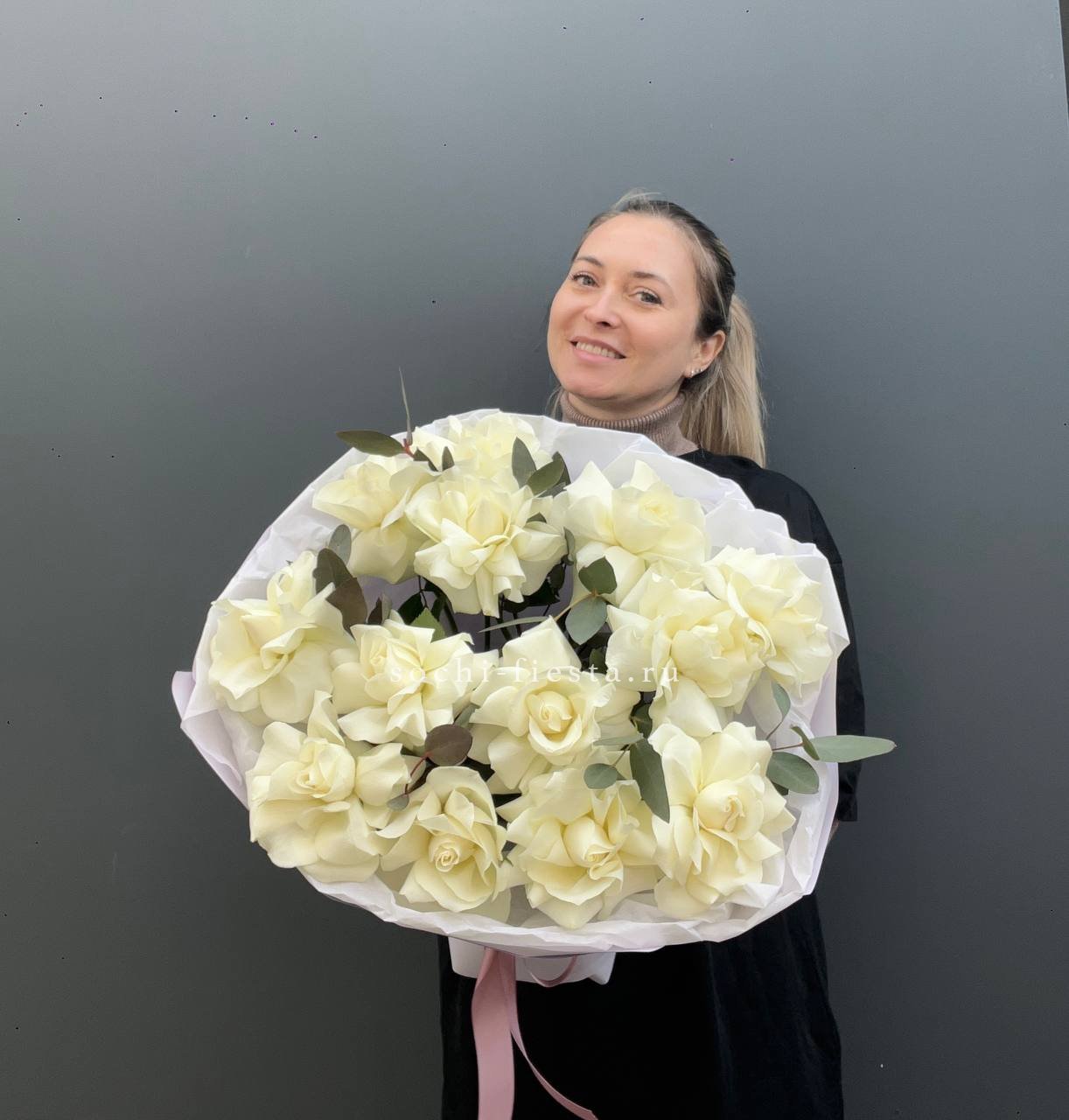
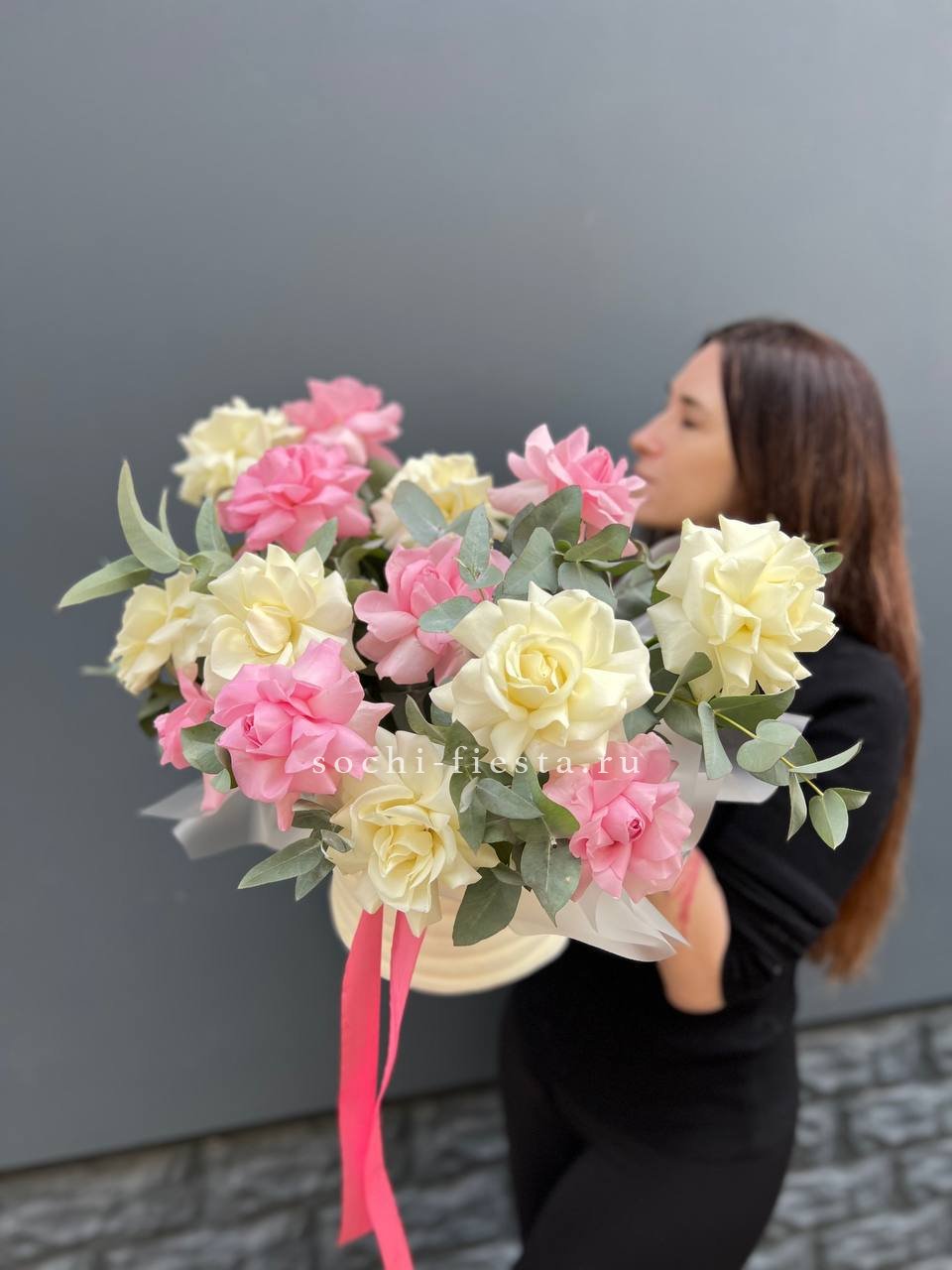
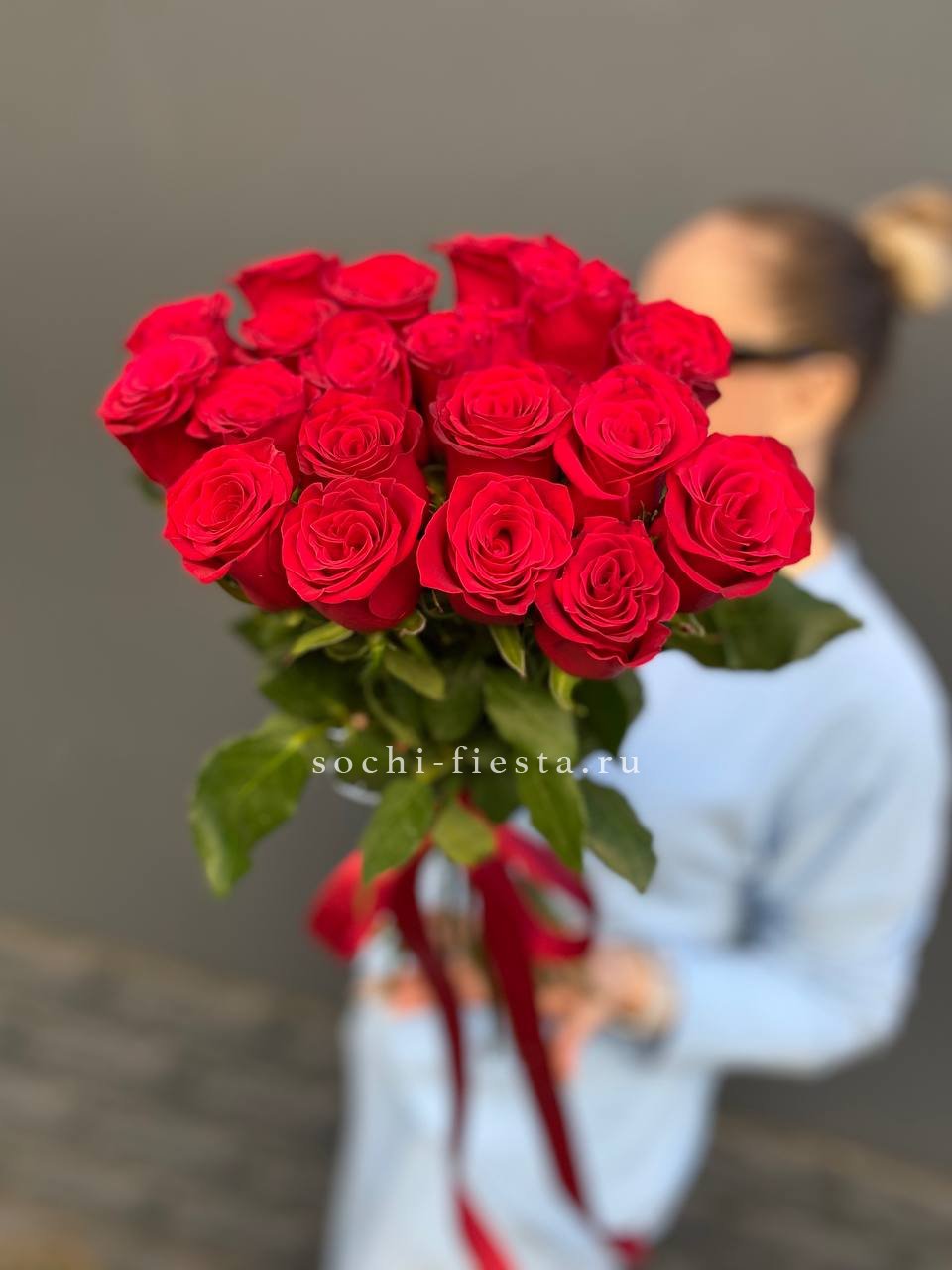
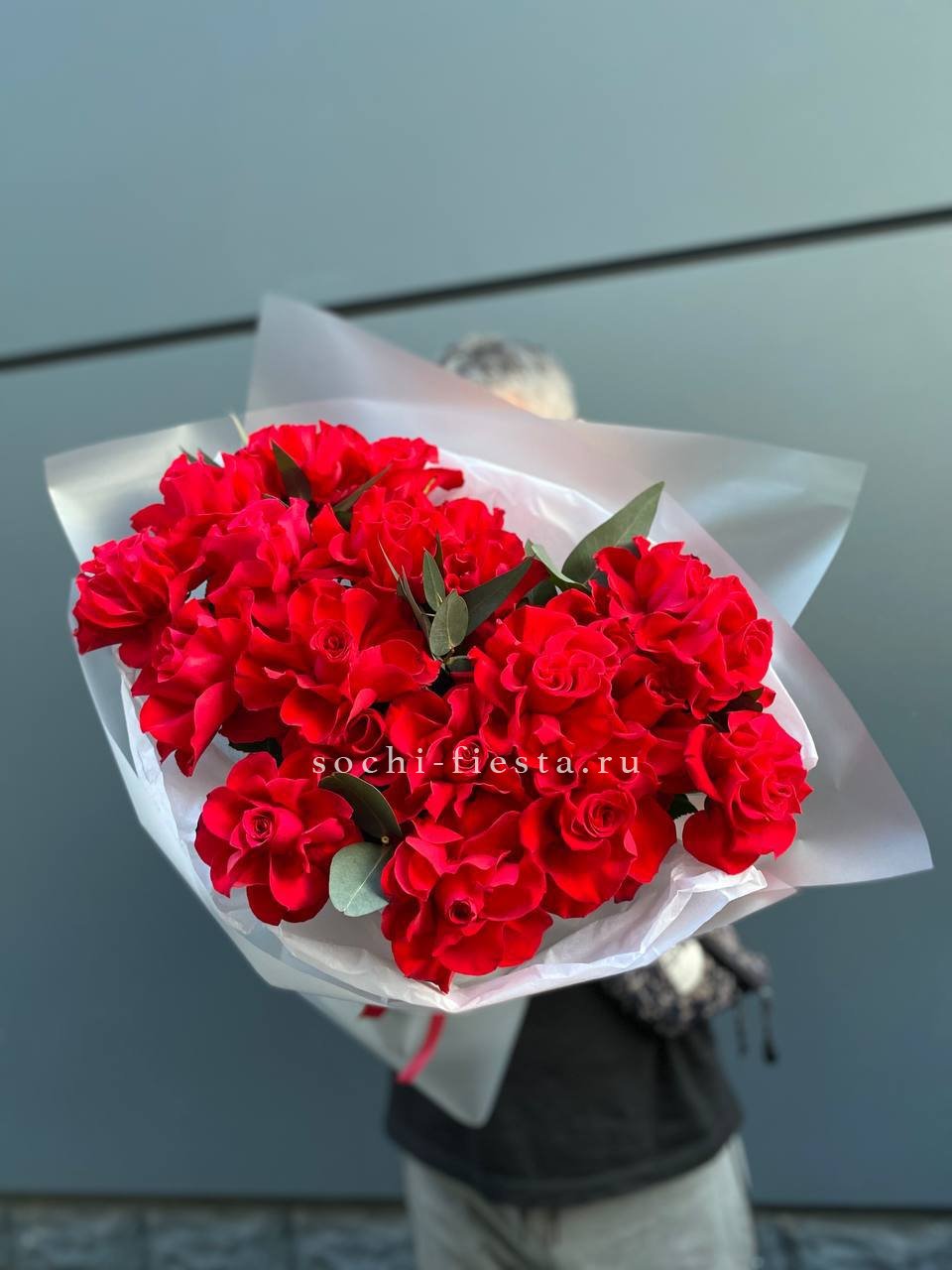
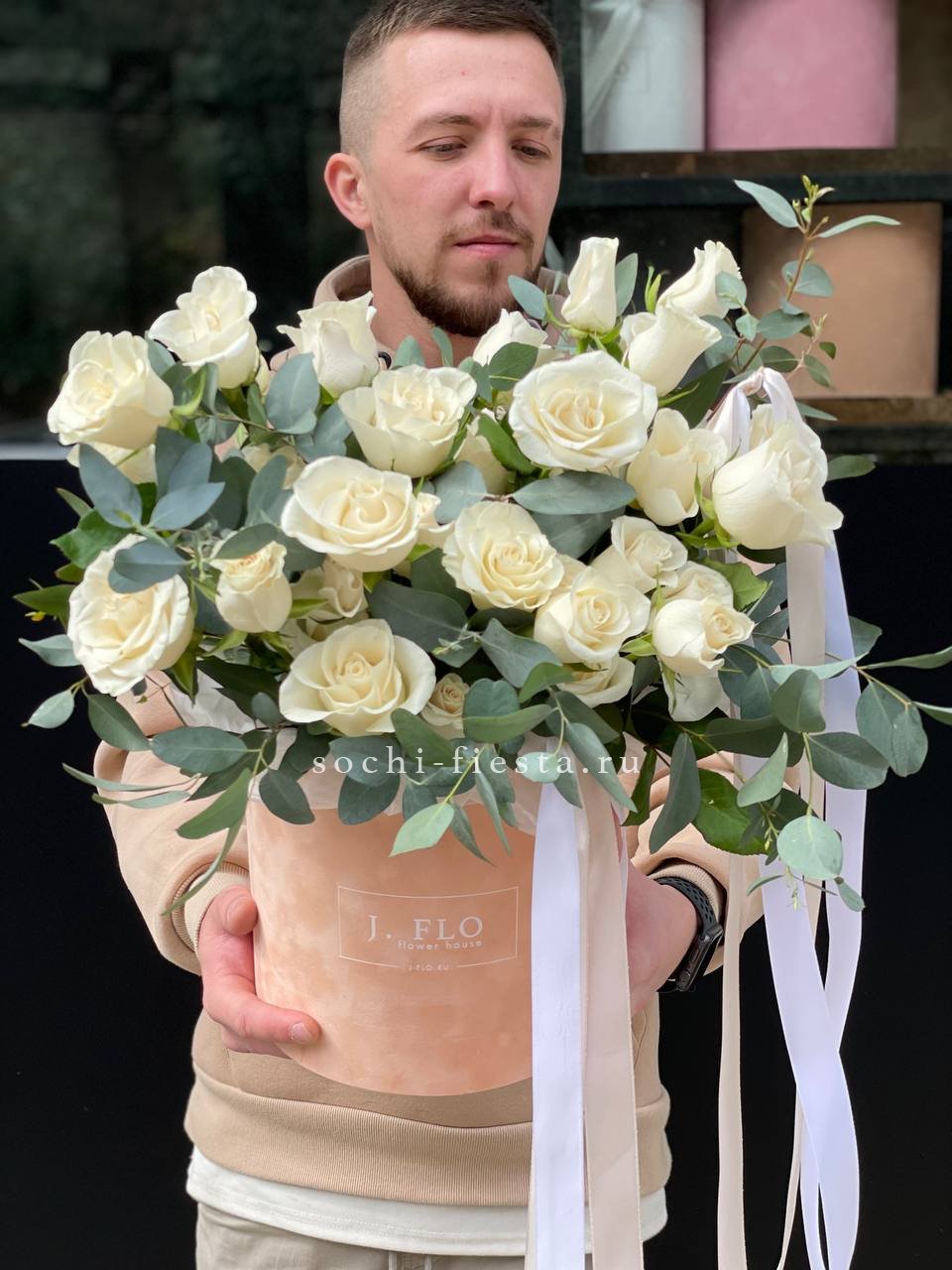
Greenery is the usual source of confusion. In some builds a bouquet of fifteen means fifteen rose stems with foliage added on top, in others it means fifteen stems in total, several of which are eucalyptus or gypsophila. Both are legitimate ways to work and neither is dishonest, though they produce very different objects for the same figure. The difference is obvious the moment the wrapping comes off and invisible in a photograph. Confirm it when you order and the question goes away.
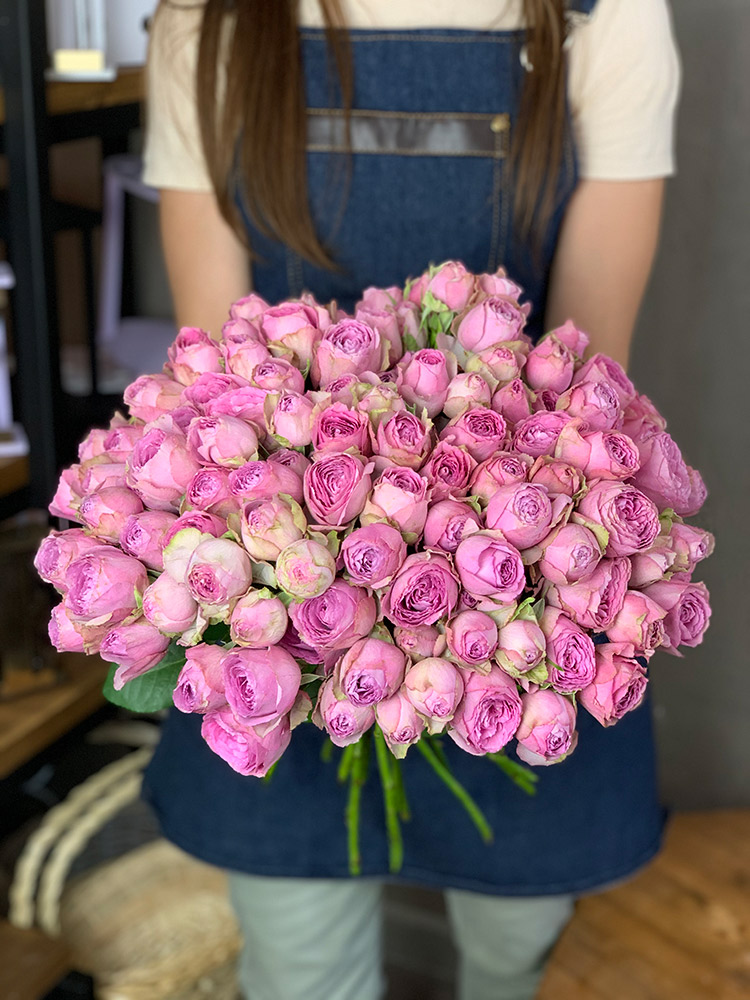
Head grade is the second variable. A small spray variety and a large single-headed rose fill space at completely different rates, so a count that sounds generous on paper can arrive looking thin in the vase.
Volume, not arithmetic
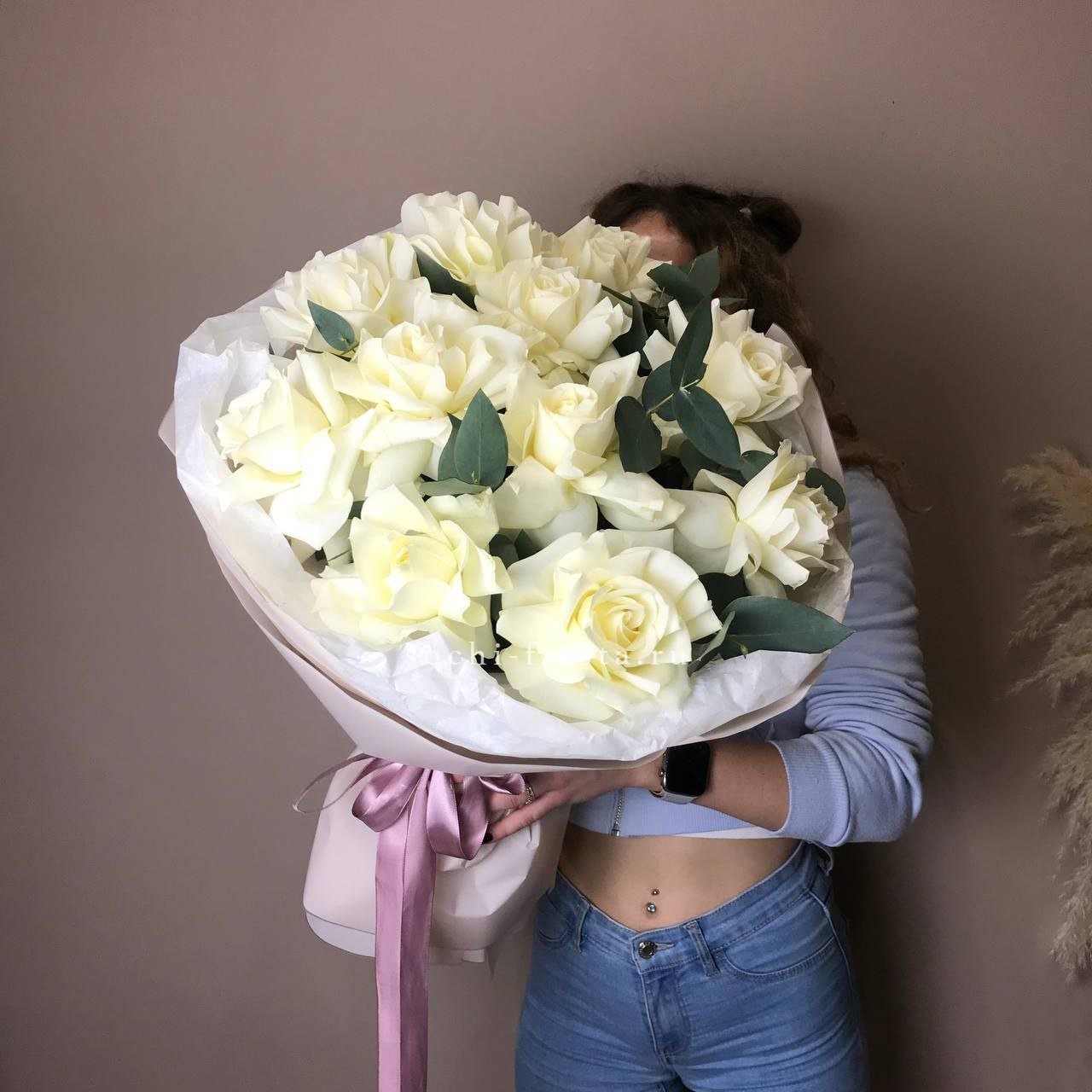
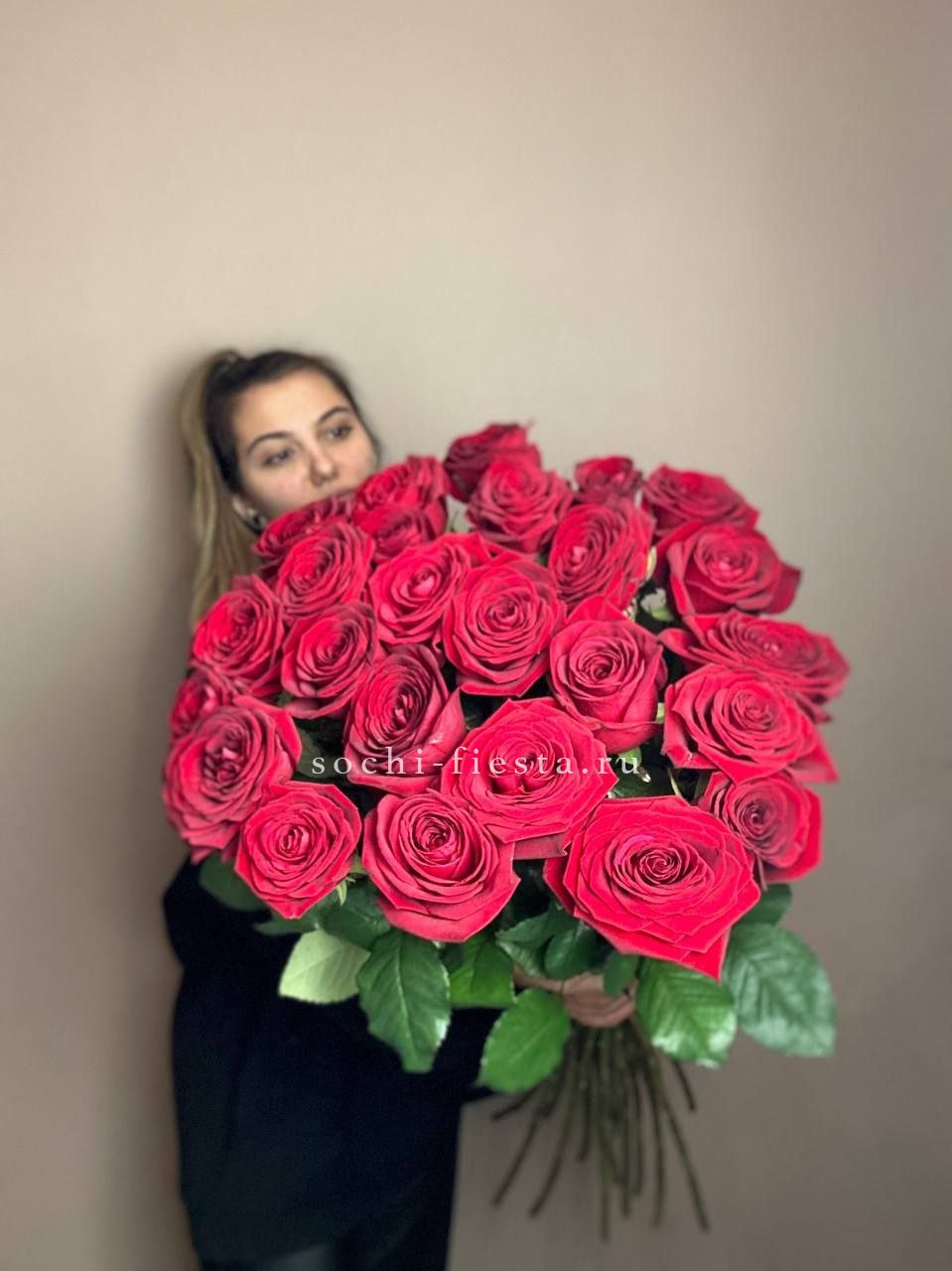
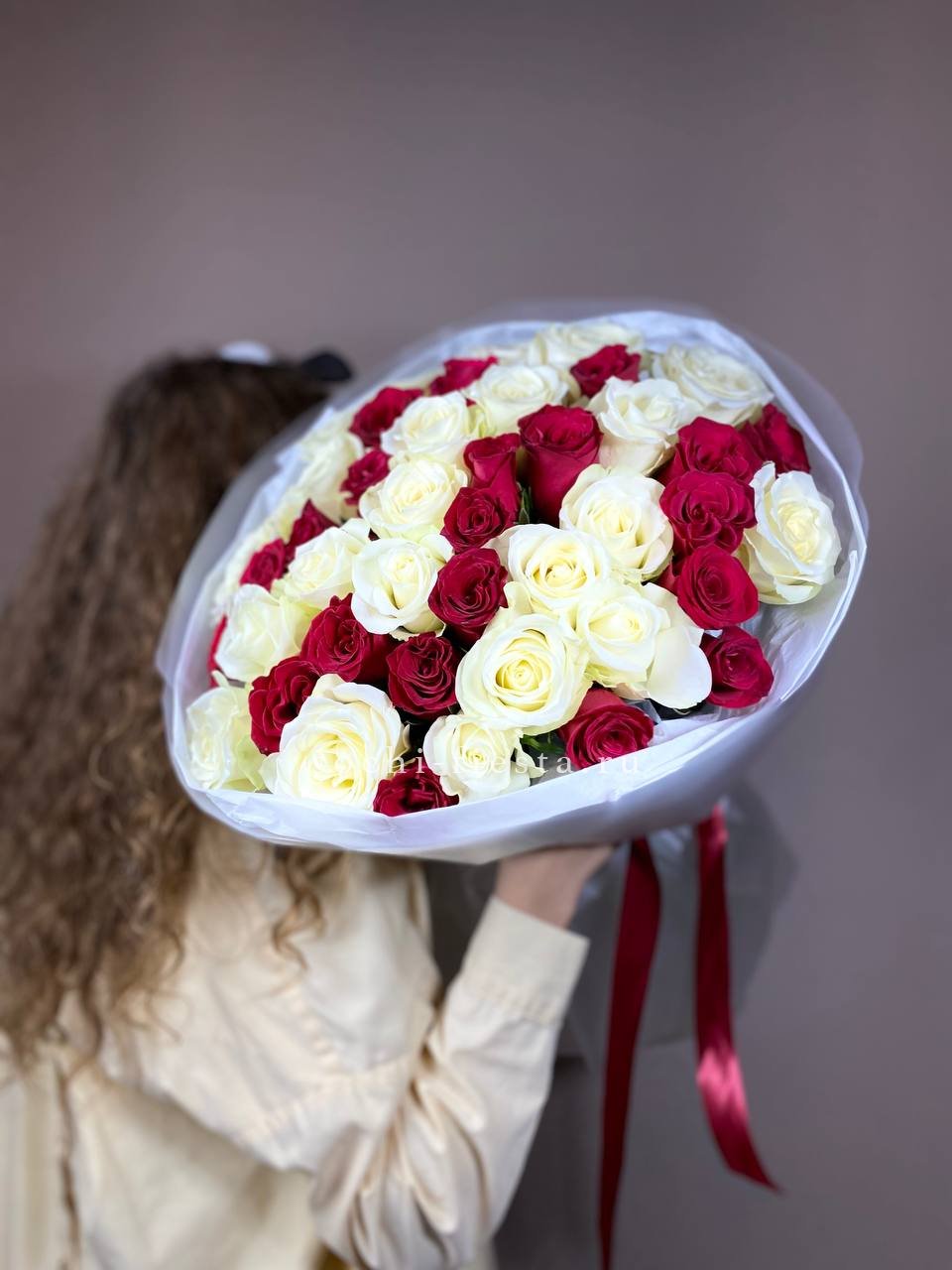
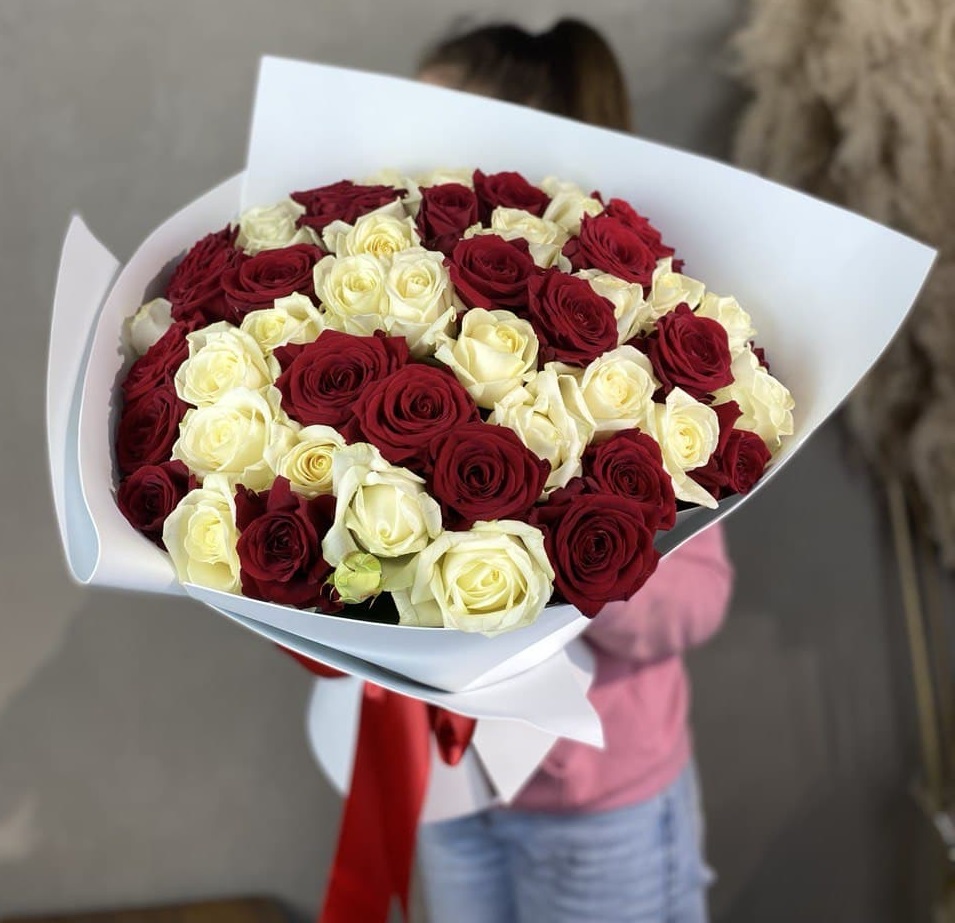
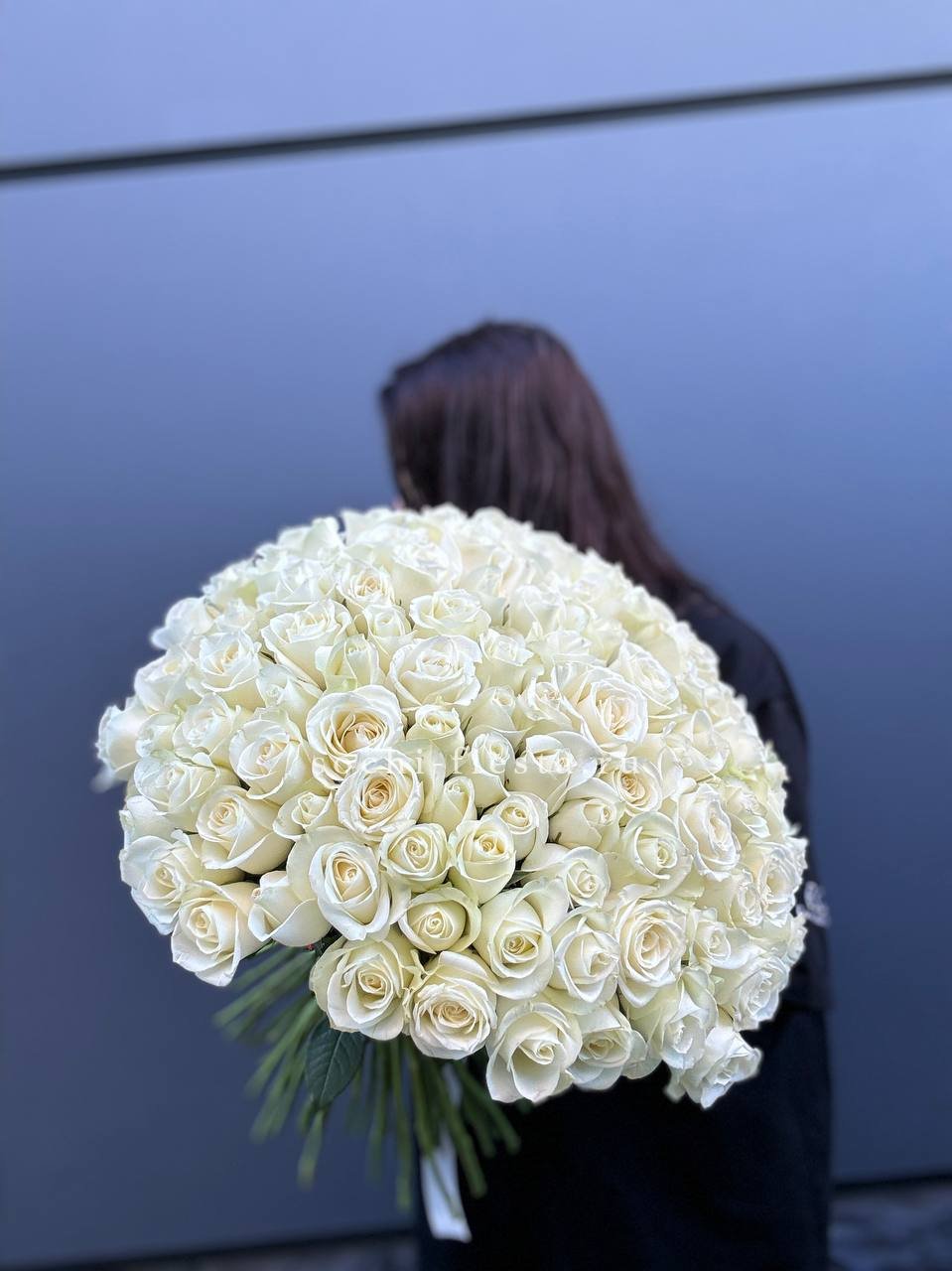
Past roughly twenty stems nobody counts. The eye switches to judging volume, and volume comes from head size, stem length and how far open the blooms are on the day. This is why an order for thirty-one instead of twenty-five rarely shows at all. Spend that difference on length or on grade and it will show immediately.
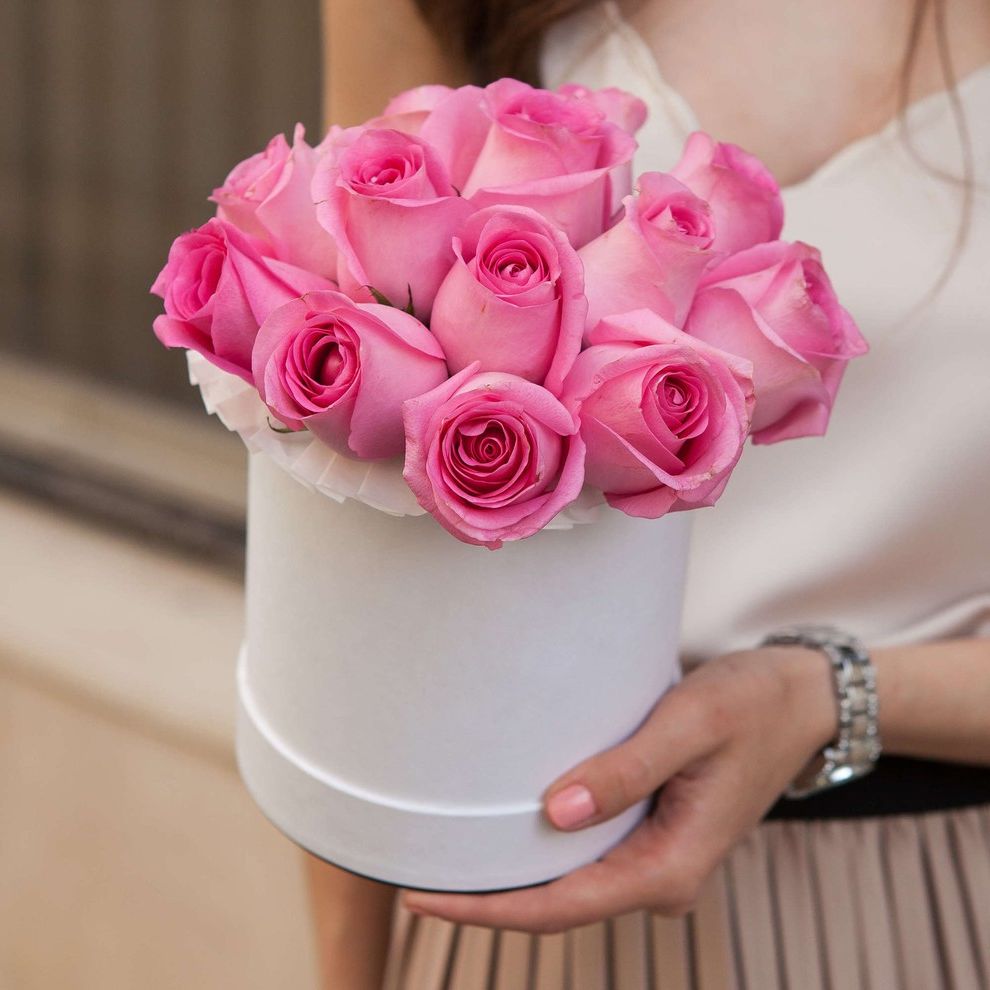
Below the threshold the number does register. Five, seven, nine and eleven are read individually, and each carries slightly different weight. That is the range where the count is genuinely the decision being made.
What people forget to ask
The container waiting at the other end decides more than most orders allow for. Up to about eleven stems any household vase will do. From fifteen the neck has to be wide, or the inner stems are compressed and the middle heads dry out first. From twenty-five the vase needs weight and a broad base, because roses widen considerably as they open and light glass goes over. None of this occurs to anyone until the bouquet is standing on a kitchen worktop with nowhere to go.

A large count also has to travel. Fifty-one stems occupy a car seat, need two hands and will not pass through a doorway alongside a person.
Then there is the build. Large counts are tied in tiers, with the inner stems cut shorter so that the centre does not sink, and a bunch that collapses into a flat disc once the tie is loosened was put together in a single plane. That cannot be fixed at home. It is the first thing worth looking at when a big bouquet is unwrapped.
One question settles most of these choices. Do you know what the recipient's home can absorb, or are you guessing at it? If you are guessing, a moderate count arriving with its own container beats a large one that arrives with nowhere to stand and no second pair of hands to hold it.
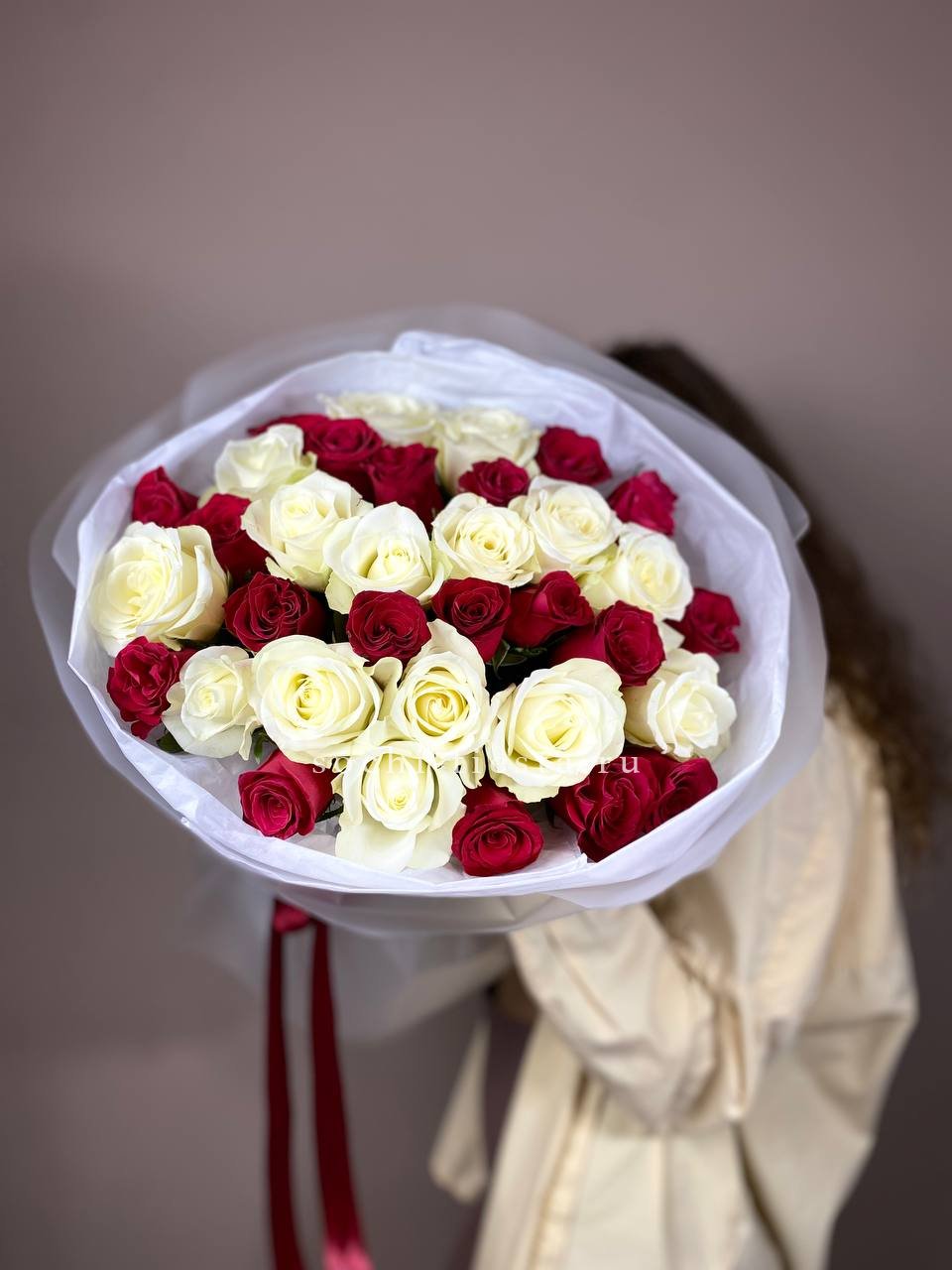
A courier in Cuba delivers exactly the number written into the composition, whatever the photograph suggests about volume. Where the bouquet mixes roses with anything else, the figure on the label refers to the roses.

