




Plants in Delhi for a year of dry April air and monsoon damp
Delhi's air holds about 25% humidity in April and climbs to 67–76% once the August monsoon sets in. Plants in Delhi live through both extremes in the same room all year, unlike a cut bouquet, which lasts a week at most. An orchid and a succulent handle that swing differently, and the choice between them starts with which one suits the room it's going into.
An orchid in flower or a cactus on the sill: who gets which pot
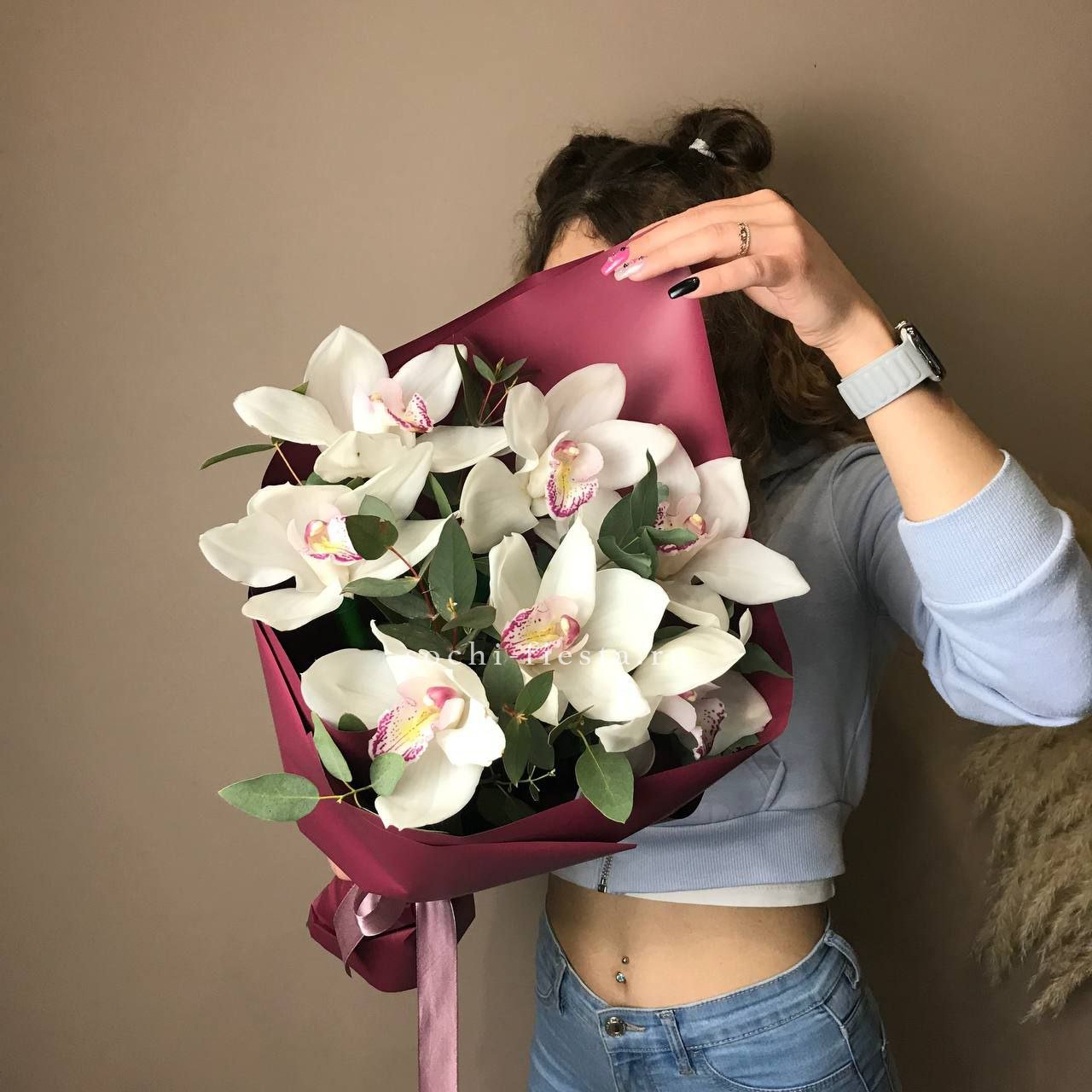
Most flowering plants in Delhi are orchids, delivered in a pot, a jute pot, a box, or paired with roses. In a pot a flowering orchid holds its blooms for two to three months, far longer than a cut arrangement would last.
A cactus or a florarium suits someone who waters rarely and might forget a plant exists for weeks at a stretch; both shrug off neglect that would finish a flowering pot. Plants chosen by type suit a recipient who'd rather pick the species themselves than take whatever flowering plant turns up.
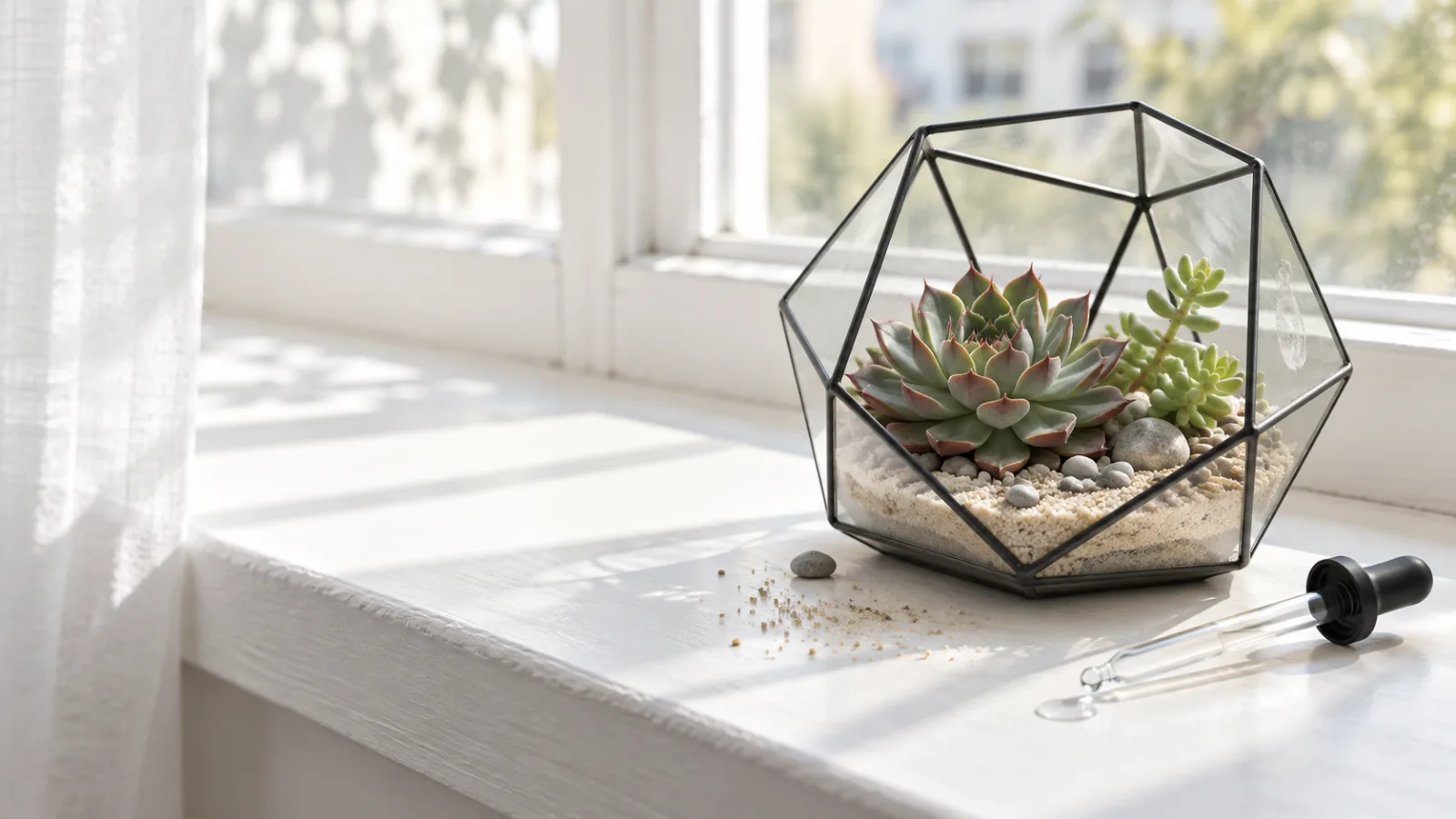
Florariums form their own group: a succulent in open glass, usually a cube. One of the succulents sold this way carries the trade name stone rose rather than a botanical one.

A moth orchid through a 44 °C May: shade, bark and weekly water
The potted orchids sold most often are moth orchids, Phalaenopsis, though not every orchid in the range is necessarily this species. They need daytime temperatures of 19–30°C, and Delhi's May average daily maximum at Safdarjung reaches 44.3°C, well past what the leaves can take in direct sun without scorching. A bright spot out of the midday sun suits them better than a sill that catches the afternoon glare.
The potting medium is bark, not soil, and the pot is clear so it's easy to see whether the roots are still damp or have dried out. Water goes on roughly once a week; the pot should never sit in standing water, and the leaves and the crown at the centre stay dry when watering.
A new flower spike forms only when the daytime temperature drops below 27°C, and that puts the cooler months in charge. Delhi's January average daily maximum is 25.8°C, mild enough for the plant to start again. Once flowering ends, the spent spike is cut back above its second node.
Stone rose and sedum under open glass from April to the monsoon
Succulents store water in fleshy leaves and stems, in some species as much as nine-tenths of their weight, a trait that comes from growing up in hot places where rain is rare. Delhi's dry April suits them better than the wet months that follow.
That's why they sit in open glass rather than sealed glass. A closed florarium runs its own damp cycle and suits moisture-loving plants; leave a succulent in one and it rots rather than thrives. An open cube or bowl lets the air in and dries out between waterings, which is what stone rose and sedum need.
Watering is done with a spray bottle, not a jug: a light misting rather than a soak. Stone rose in particular wants direct sun and soil that drains fast and never stays wet. The Cube Florarium with Stone Rose Succulent and the version with Sedum Succulent both follow the same rule.
Pink or white, jute or a box: plant delivery in Delhi as a gift
White flowers, and white garlands especially, carry an association with mourning in India. A pink or another coloured orchid is the safer pick for a celebration, and white is worth checking against the occasion before it's sent. Wrapping in red, maroon, gold, yellow or green reads as festive, while black and plain white are best avoided.
A gift is handed over with both hands or the right hand alone, and a potted plant in a jute pot or a box is easy to hold that way.
The plant is put together to order, and the florist photographs it before the courier leaves, so anything that needs changing can still be fixed before it's sent. Delivery is free in the centre and charged at a flat rate in the other zones, listed on the delivery zones page. Around Delhi's main festivals, festival flowers covers the dates worth planning around.
Flowering orchids are the place to start when choosing plants in Delhi for a gift that should still be in bloom weeks from now; flowering plants covers the full range. For a recipient who travels or forgets to water, florariums and cacti need far less attention, and plants chosen by type is there for anyone who'd rather choose the species themselves.