


720x720_q85.jpg?v=1787130511)


_e58557720x720_q85.jpg?v=1787130512)


720x720_q85.jpg?v=1787130516)
720x720_q85.jpg?v=1787130516)
_0406c4720x720_q85.jpg?v=1787130516)
Roses with delivery in Munich: varieties, Bavarian tradition, and Alpine freshness
Munich has one of Europe's most deeply rooted flower cultures. The Viktualienmarkt, operating daily since 1807, has always had flower stalls at its heart — a living reminder that Bavarians treat flowers as a matter of daily life, not occasional indulgence. Münchners inspect bouquets critically: they check stem firmness, sniff for scent, look for tight buds that will open slowly over days. Delivering roses in a city like this requires sourcing that holds up under scrutiny.
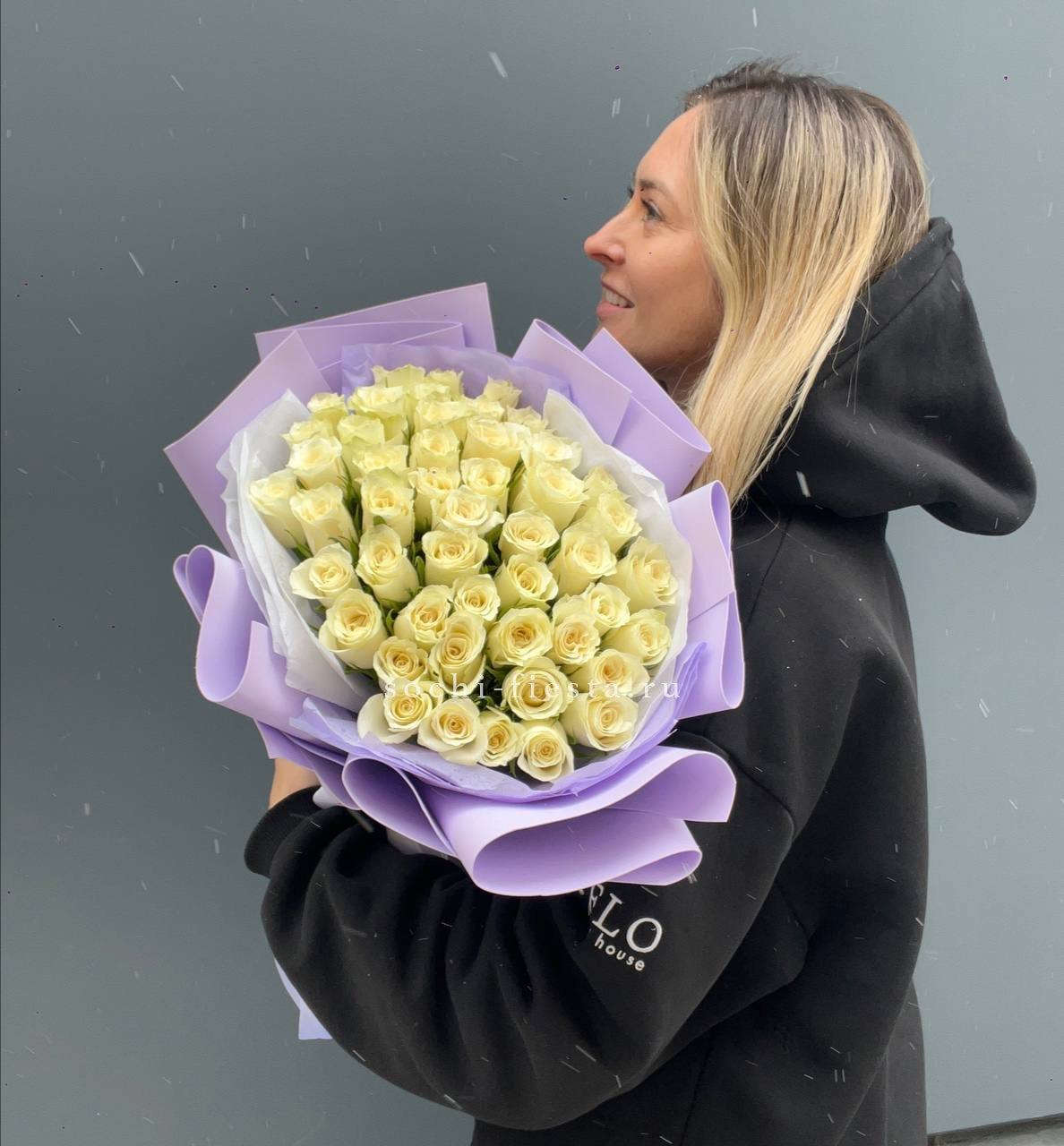
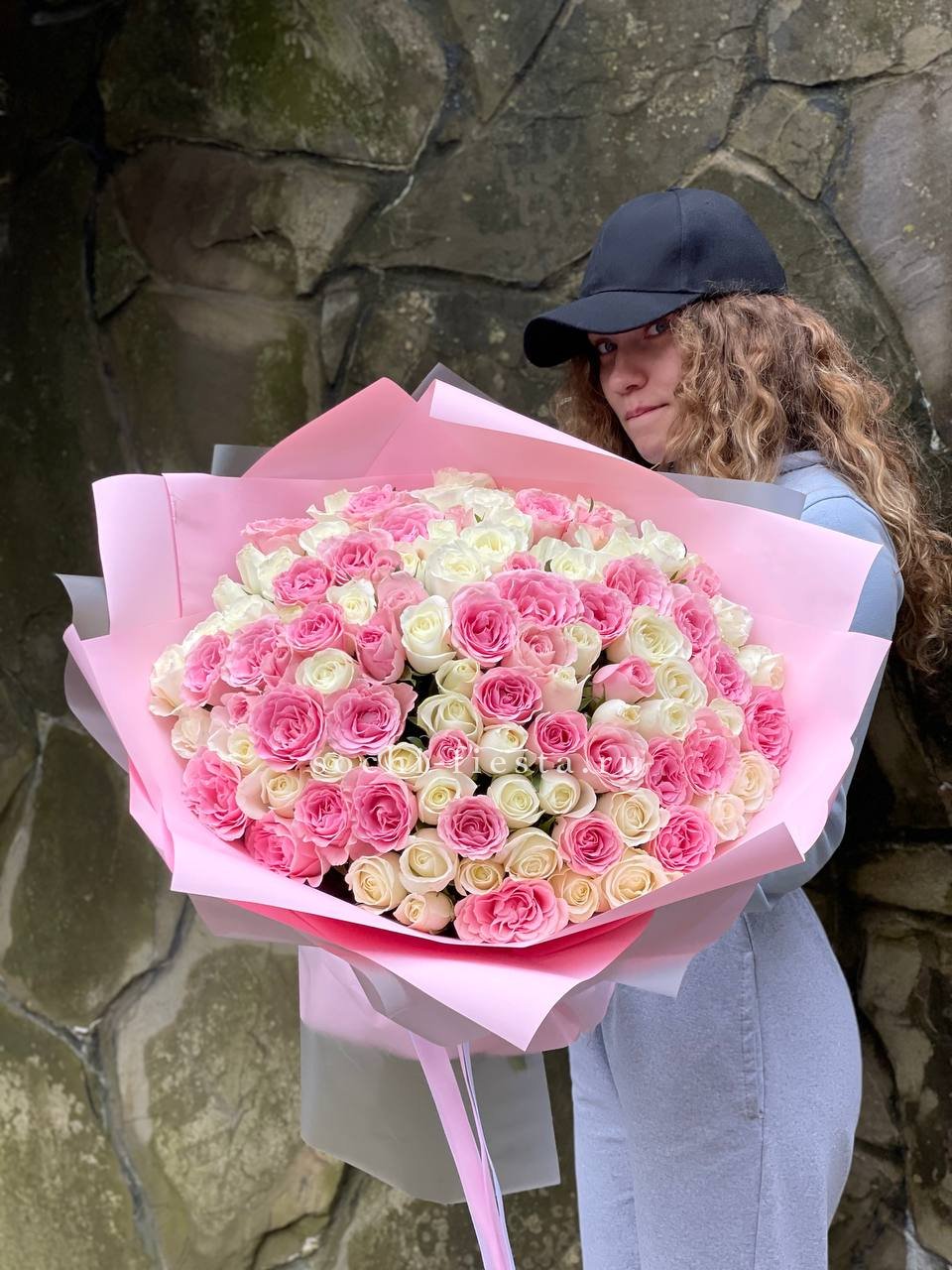
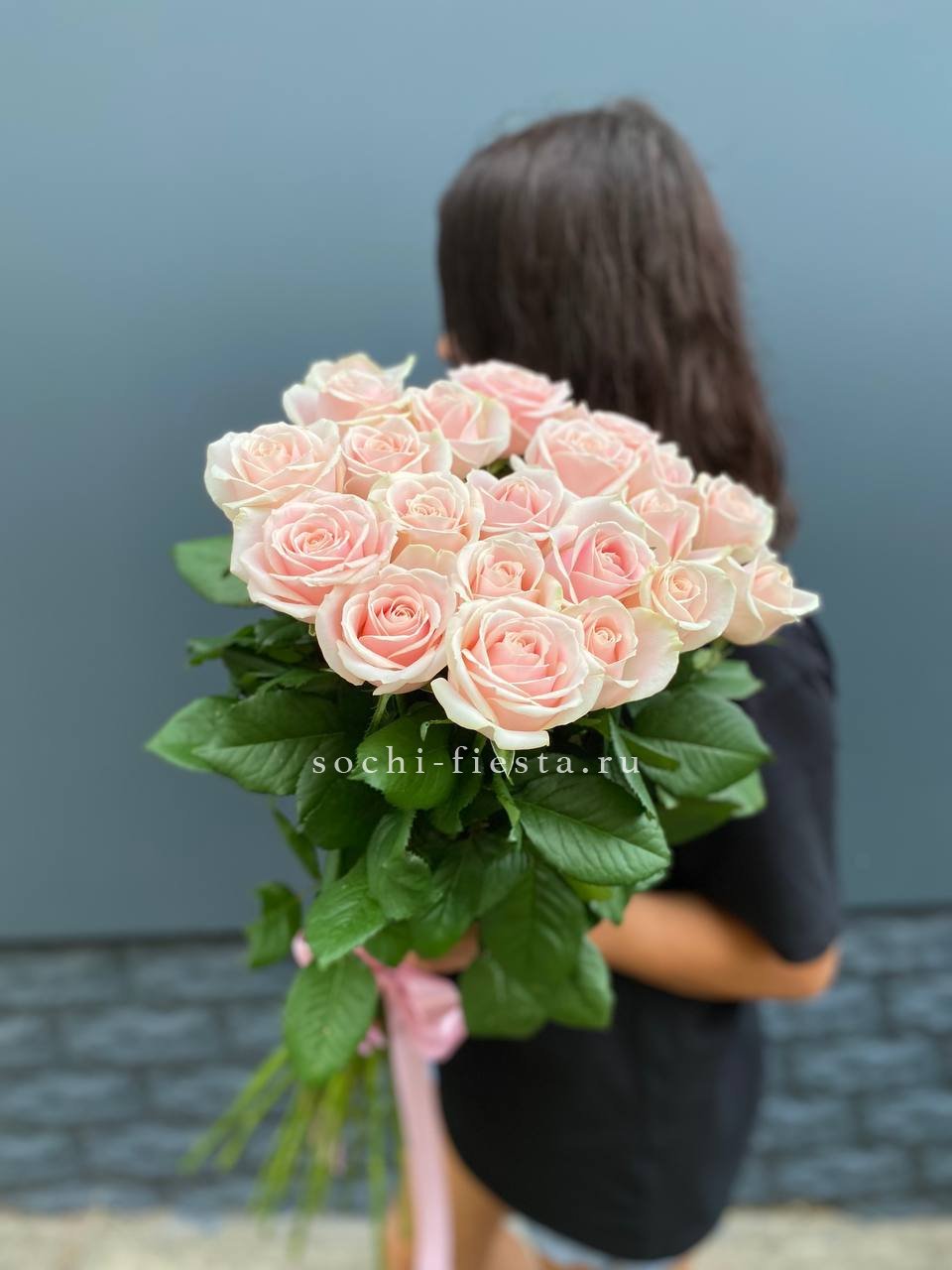
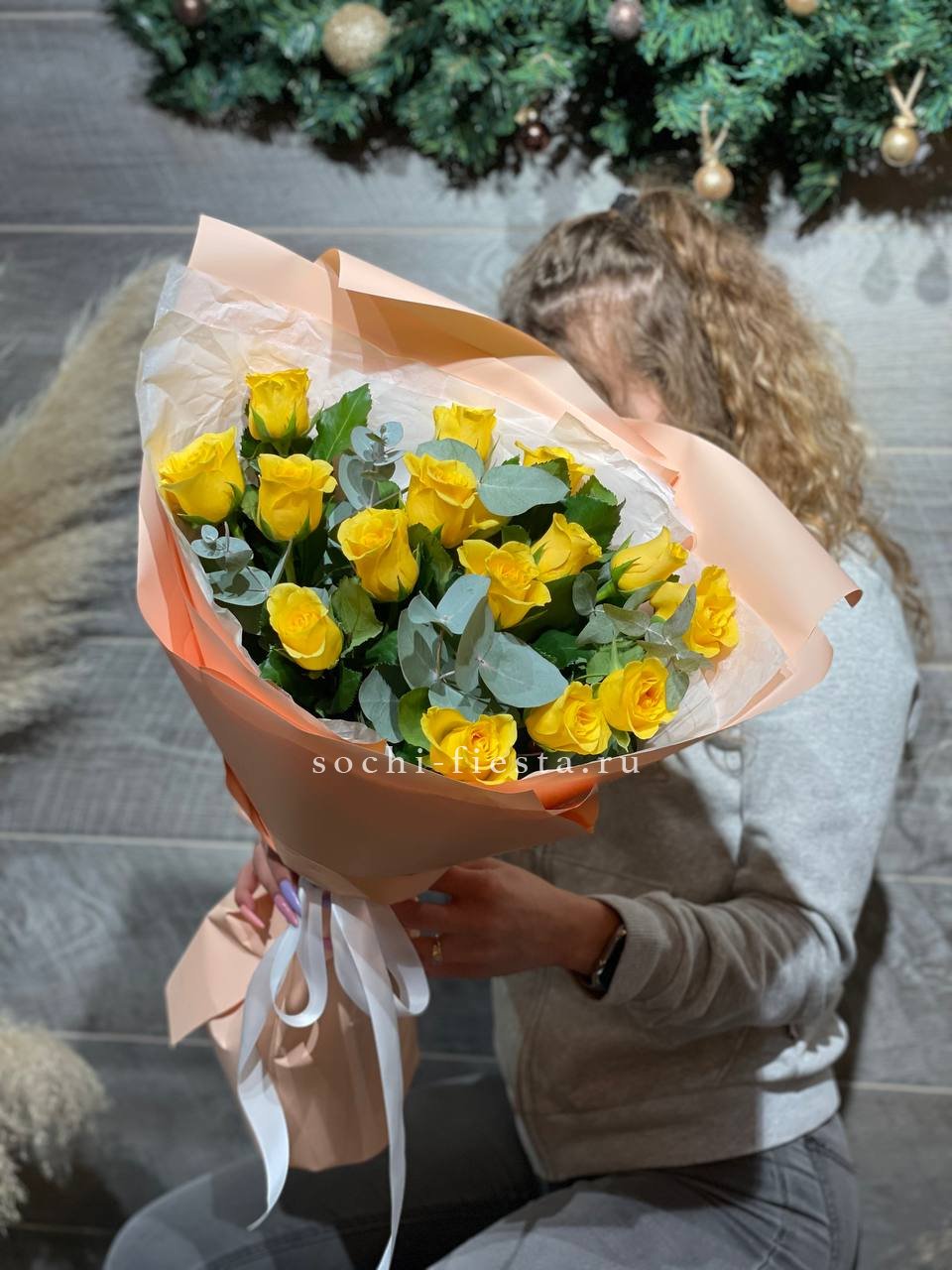
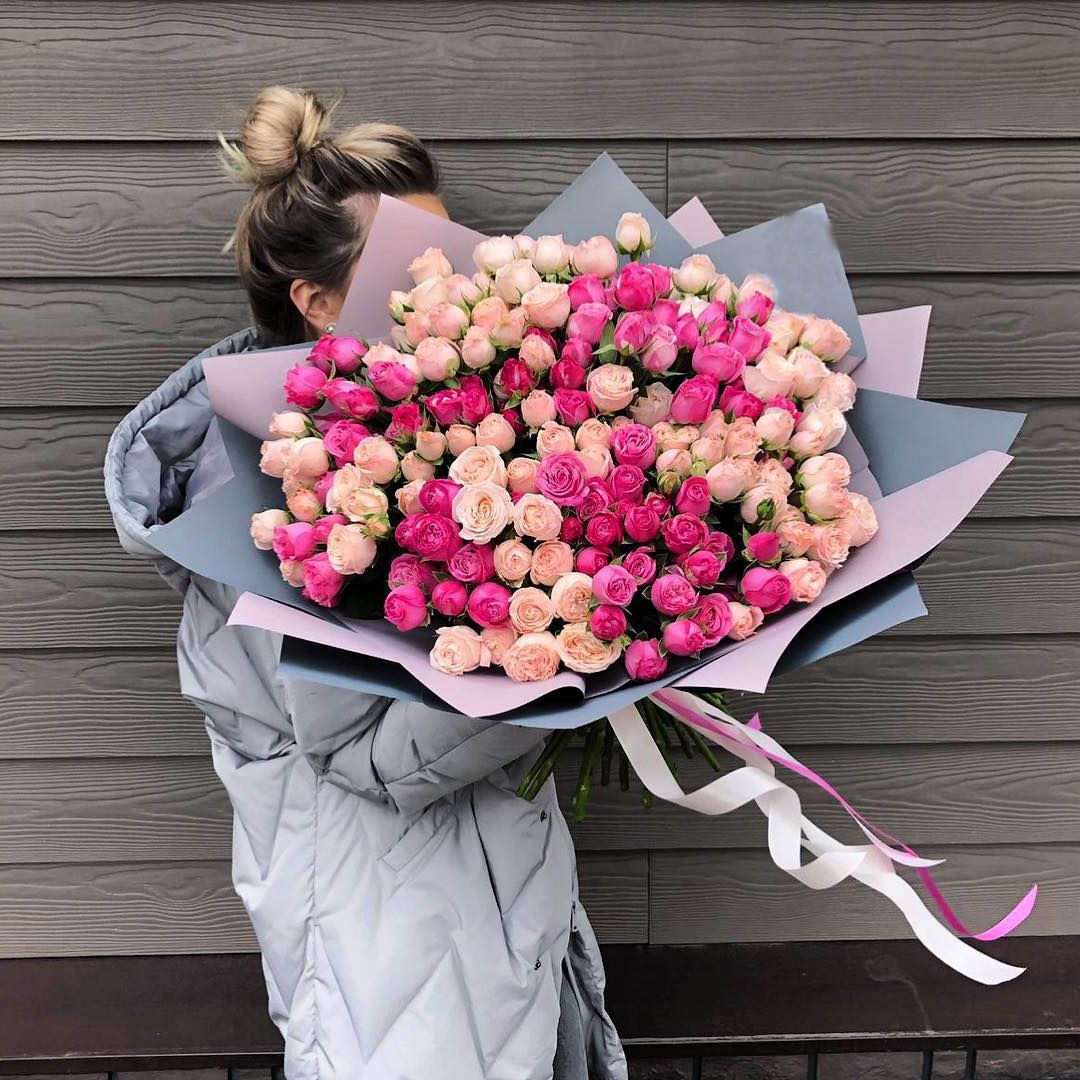
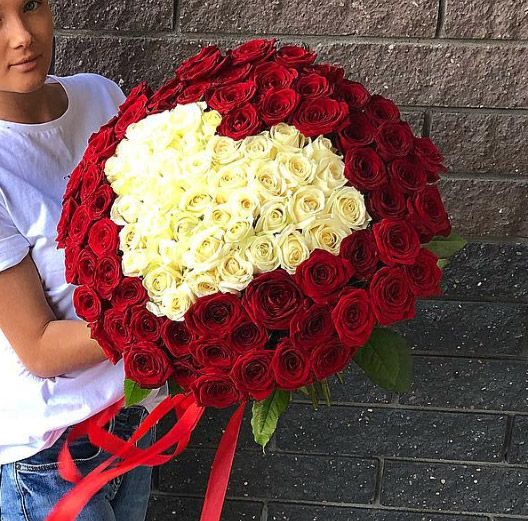
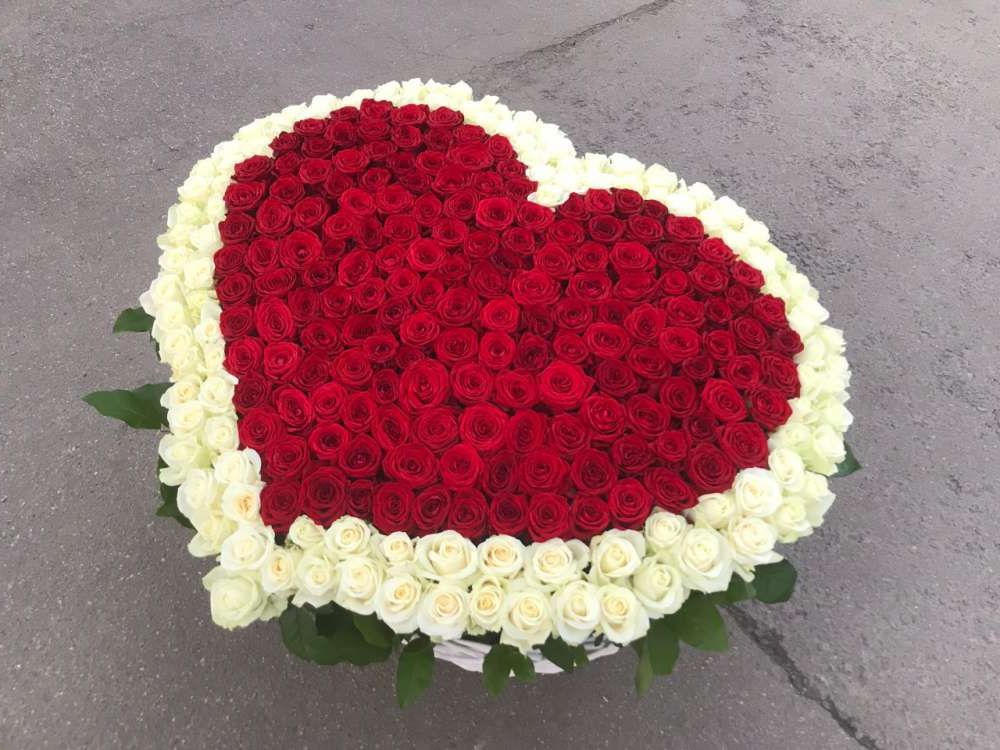
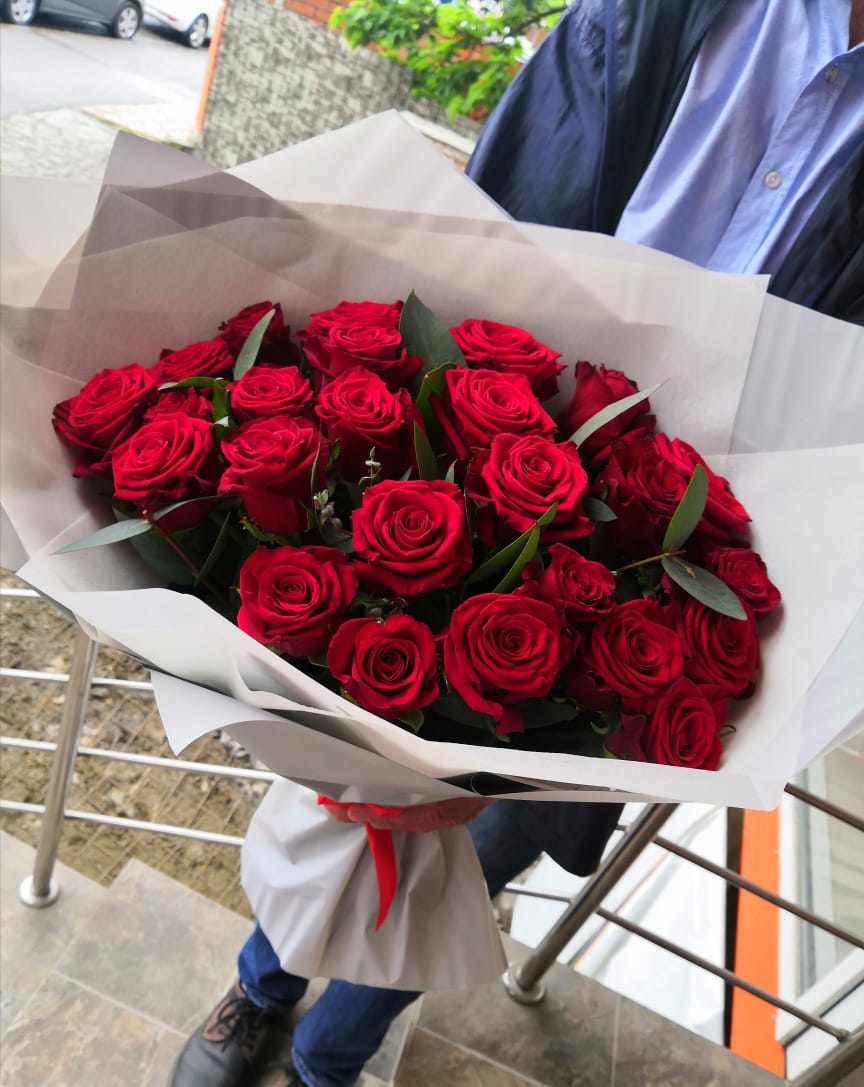
The category covers single-variety bouquets, mixed arrangements, and single stems. Sizes range from a 7-rose bundle to a formal 51 or 101-stem presentation. For hotel lobbies, restaurant tables, and corporate events during Oktoberfest — when Munich receives hundreds of thousands of guests — we supply box arrangements and hatbox formats on request.
Which varieties to choose
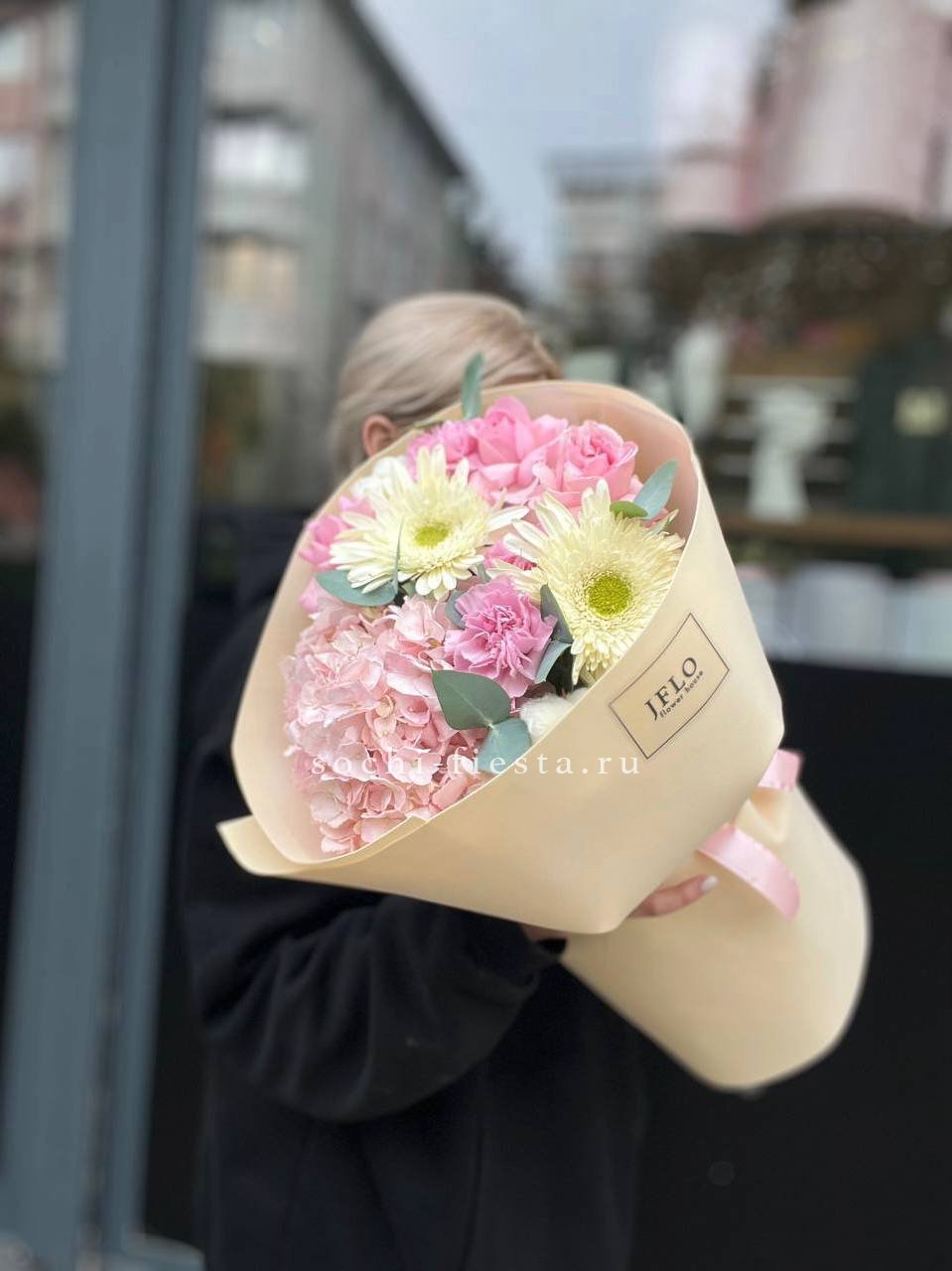
Our rose catalogue is built around three sourcing groups: Ecuadorian large-headed roses, Dutch classics, and English garden roses by David Austin. Each group has its natural occasion — from a bold statement bouquet to a quiet romantic gesture in one of Munich's quieter neighbourhoods.
- Freedom — deep red, bud diameter 6–7 cm, stem 70–80 cm. Long vase life of up to 14 days. The benchmark red rose for anniversaries and Valentine's orders across Germany.
- Avalanche+ — pure white, large dense bud, no scent. A neutral anchor for any mixed arrangement, widely used at Bavarian weddings alongside peonies and lisianthus.
- Red Naomi — dark burgundy-red with velvet-textured petals. Photogenic and dramatic — often requested for corporate events and hotel receptions.
- Juliet, Patience — David Austin garden roses. Cup-shaped, densely petalled, myrrh and apricot fragrance. A natural choice for gift deliveries near Nymphenburg Palace or the Starnberger See lakeside estates.
- Tropical Amazona — coral-to-orange gradient. Works well for autumn compositions, especially September orders during Oktoberfest.
- Sweet Unique — lilac-pink tones, mid-sized bud. An unexpected choice for those who want to move beyond the predictable red-and-pink palette.
Occasions and stem count
One stem is a quiet, considered gesture — appropriate for Munich's understated Bavarian aesthetic. Three: a friendly thanks. Seven or nine: romantic without being theatrical. Twenty-five reads as a serious declaration. Fifty-one and 101 are reserved for anniversaries, engagements, milestone birthdays.
Munich's key floral occasions include Muttertag (second Sunday in May) — one of the highest-order peaks in the German calendar — along with Weihnachten, Ostern, and Namenstag. September and October bring a different kind of demand: Oktoberfest drives corporate decoration orders for beer tent tables, hotel lobbies, and private parties in Schwabing and Bogenhausen villas.
Freshness and logistics
Dutch roses reach Munich from the Aalsmeer auction via the A8 or A9 motorway — a 12–14 hour refrigerated run, one of the shortest land routes for fresh flowers in Europe. Overnight trucks leave Amsterdam and unload at Bavarian wholesale markets by morning. Ecuadorian varieties fly into Frankfurt (FRA) — Germany's largest flower logistics hub — and transfer to Munich via a second overnight leg.
From unloading to your door, the window is 24 hours or less. Flowers are held in cold storage at +4…+6°C until assembly. Munich's Alpine climate is a practical advantage here: even in summer, nights are noticeably cooler than in southern European cities, reducing heat stress during the final delivery stage.
"Munich buyers know their roses. They don't need to be told what an open, jet-lagged bud looks like versus a fresh one. If you're delivering here, you can't cut corners on cold chain — the market notices."
— Katharina Hubert, florist, Munich, 15 years in the trade
Delivery specifics in Munich
Munich sits in a temperate continental climate zone shaped by its proximity to the Bavarian Alps. Winters run from −5 to +2°C, with reliable snowfall from December to February. Summers reach +18–28°C. A key local weather phenomenon is the Föhn — a warm Alpine wind that can push temperatures up by 5–8°C over a matter of hours, producing extraordinary visibility: on Föhn days, the Alps seem close enough to touch from the city centre. The same dry wind accelerates petal dehydration, so on high-Föhn days we add moisture retention to the packaging.
We deliver across all Munich districts: Schwabing, Maxvorstadt, Haidhausen, Glockenbachviertel, Nymphenburg, Bogenhausen, Isarvorstadt — and to surrounding suburbs, including the Starnberger See and Ammersee lakeshore communities. All prices are in euros (EUR). For Weihnachten, Ostern, and Muttertag, we recommend ordering 3–5 days in advance; during the Oktoberfest period, one week ahead.
Care at home
On arrival, cut stems at a 45° angle with a clean knife, remove any leaves below the waterline, and place in a clean vase with cool water. Change the water every two days; add a Chrysal sachet or a pinch of sugar. Keep away from radiators, direct sunlight, and ripening fruit — ethylene from apples and bananas shortens vase life by roughly a third.
Munich apartments with underfloor heating and central heating systems can get surprisingly warm in winter — a cool bedroom or entrance hall is the best spot for a rose bouquet. In summer on Föhn days, move the vase overnight to the refrigerator if room temperature exceeds +23°C. With proper care, Dutch varieties last 10–14 days, David Austin garden roses 7–10.

