

720x720_q85.jpg?v=1787132831)


720x720_q85.jpg?v=1787132831)
720x720_q85.jpg?v=1787132831)
720x720_q85.jpg?v=1787131347)

720x720_q85.jpg?v=1787131348)
720x720_q85.jpg?v=1787132831)


Peonies with delivery in Osaka: varieties, Osaka weddings, and a short season
The peony is a flower with deep roots in Japan. The tree peony, botan (牡丹), was painted for centuries on screens, kimono, and in tattoo art as a symbol of dignity and prosperity, while the herbaceous shakuyaku (芍薬) means modesty and purity in the language of flowers. In Osaka, the large, densely packed, fragrant head is chosen when you want a bouquet to land without a card. We built the catalogue with that taste in mind.
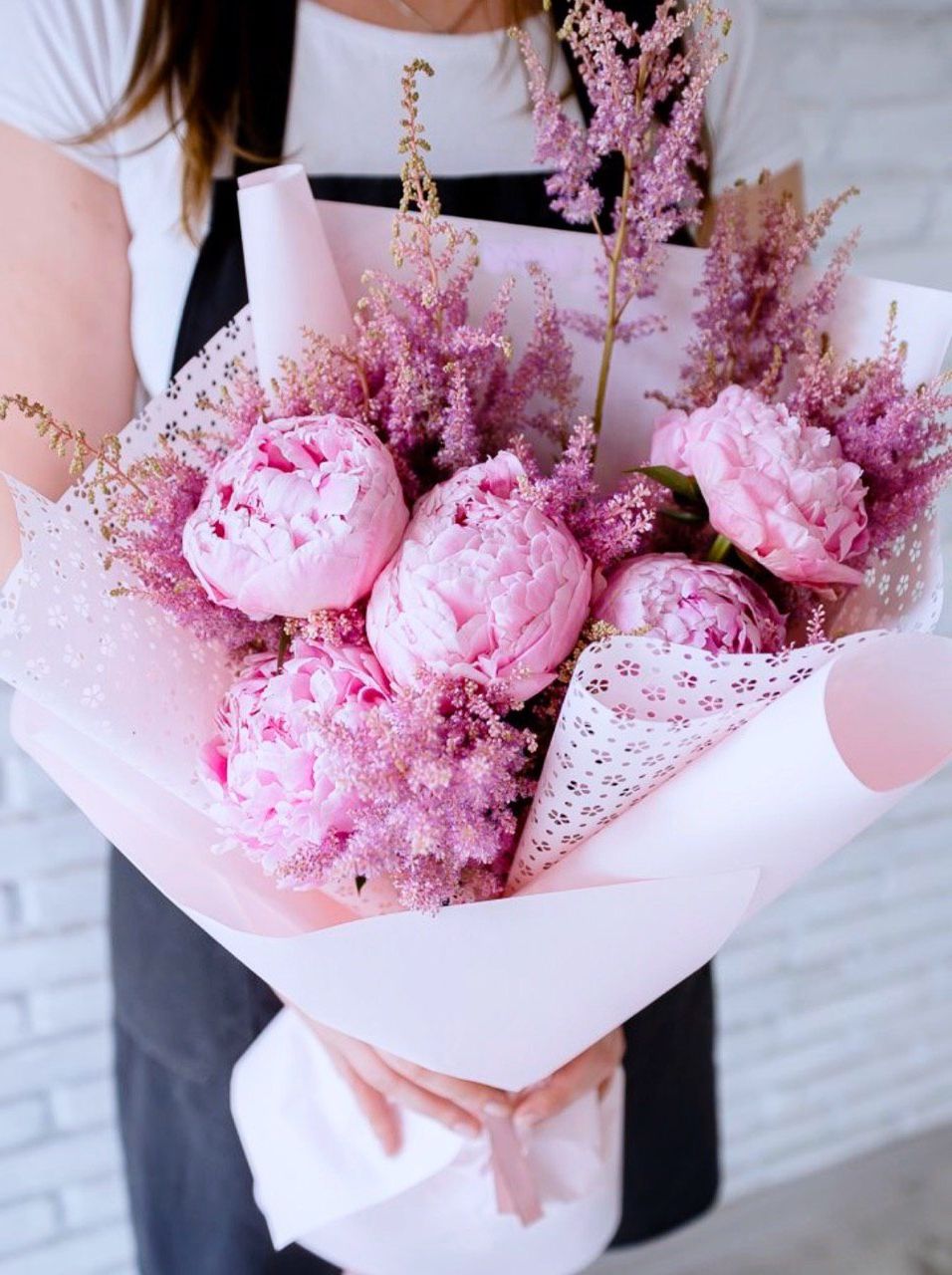
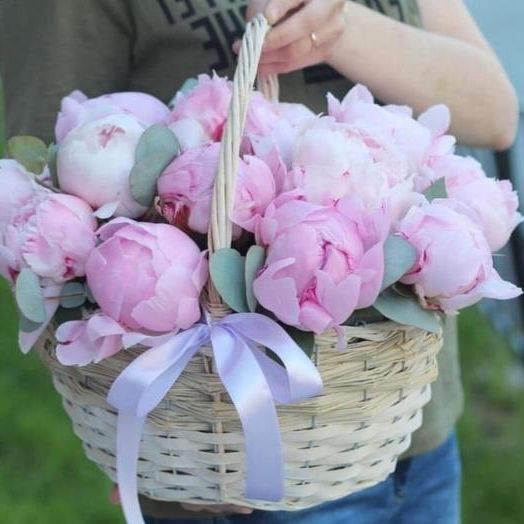
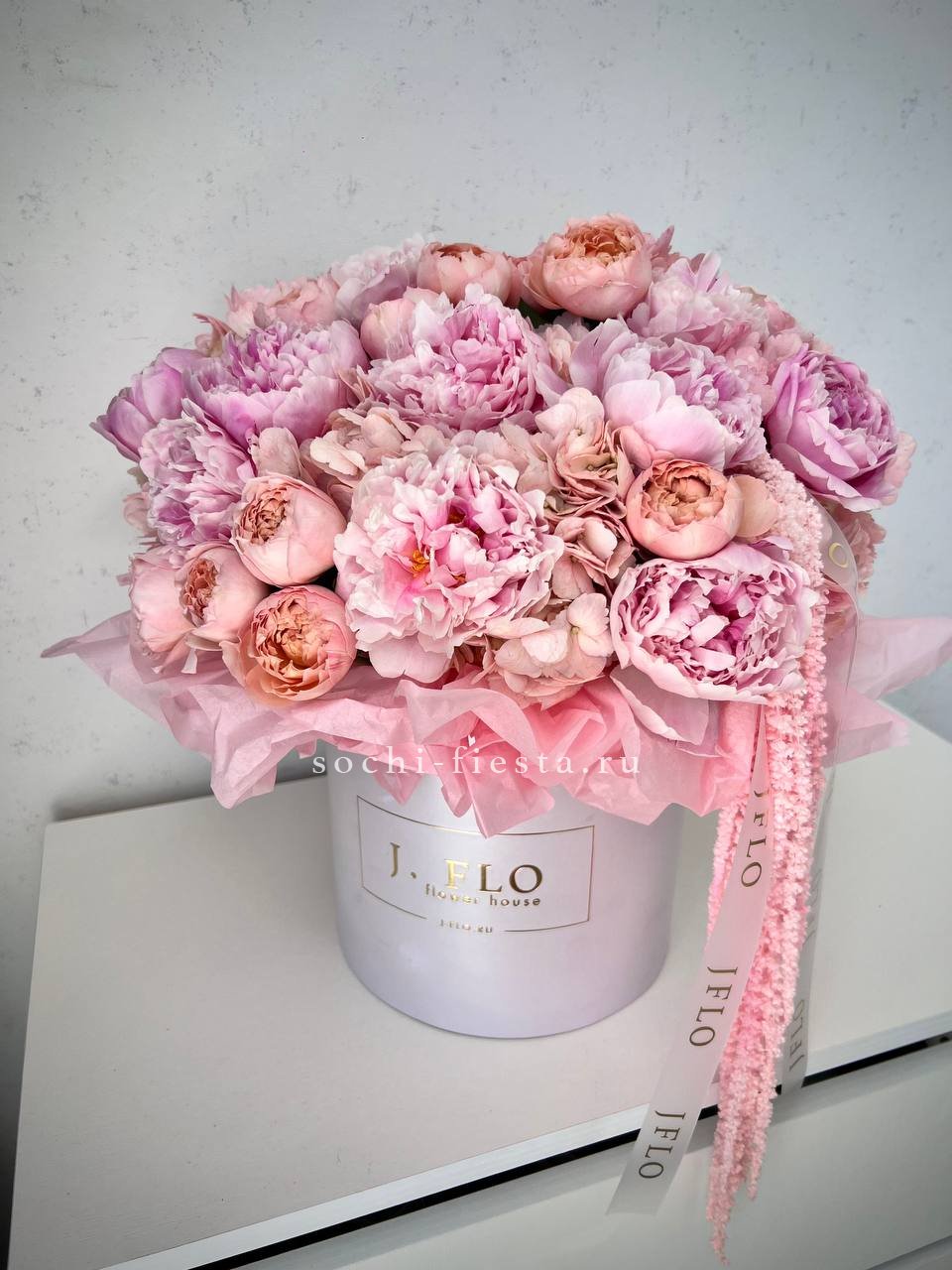
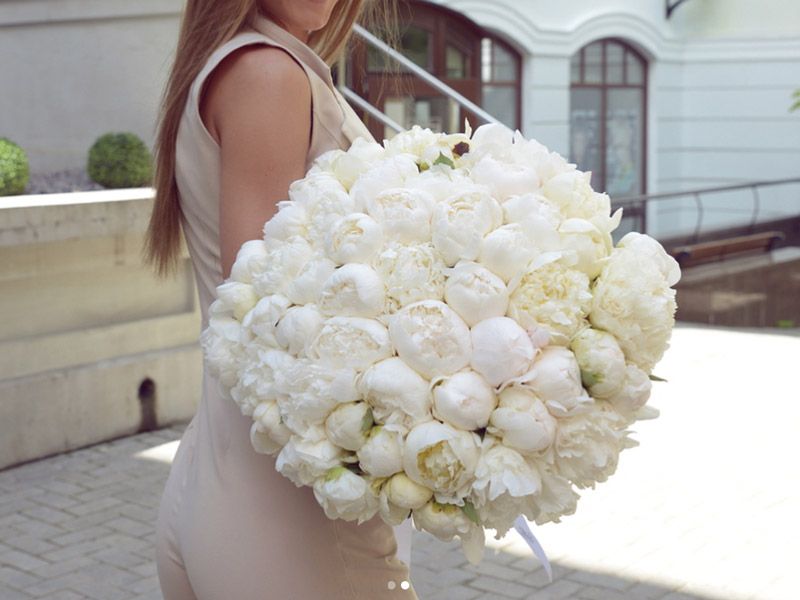
The category covers single-variety bouquets from 9 to 50 stems, mixed arrangements with roses, lisianthus, and eucalyptus, and hatboxes for corporate and wedding orders. The peony season in Japan is short: the tree peony botan blooms in April and May, the cut-flower shakuyaku in May and June. In Osaka that coincides with wedding season — celebrations at the hotels of Umeda and Namba, in banquet halls and gardens, all fall in these weeks.
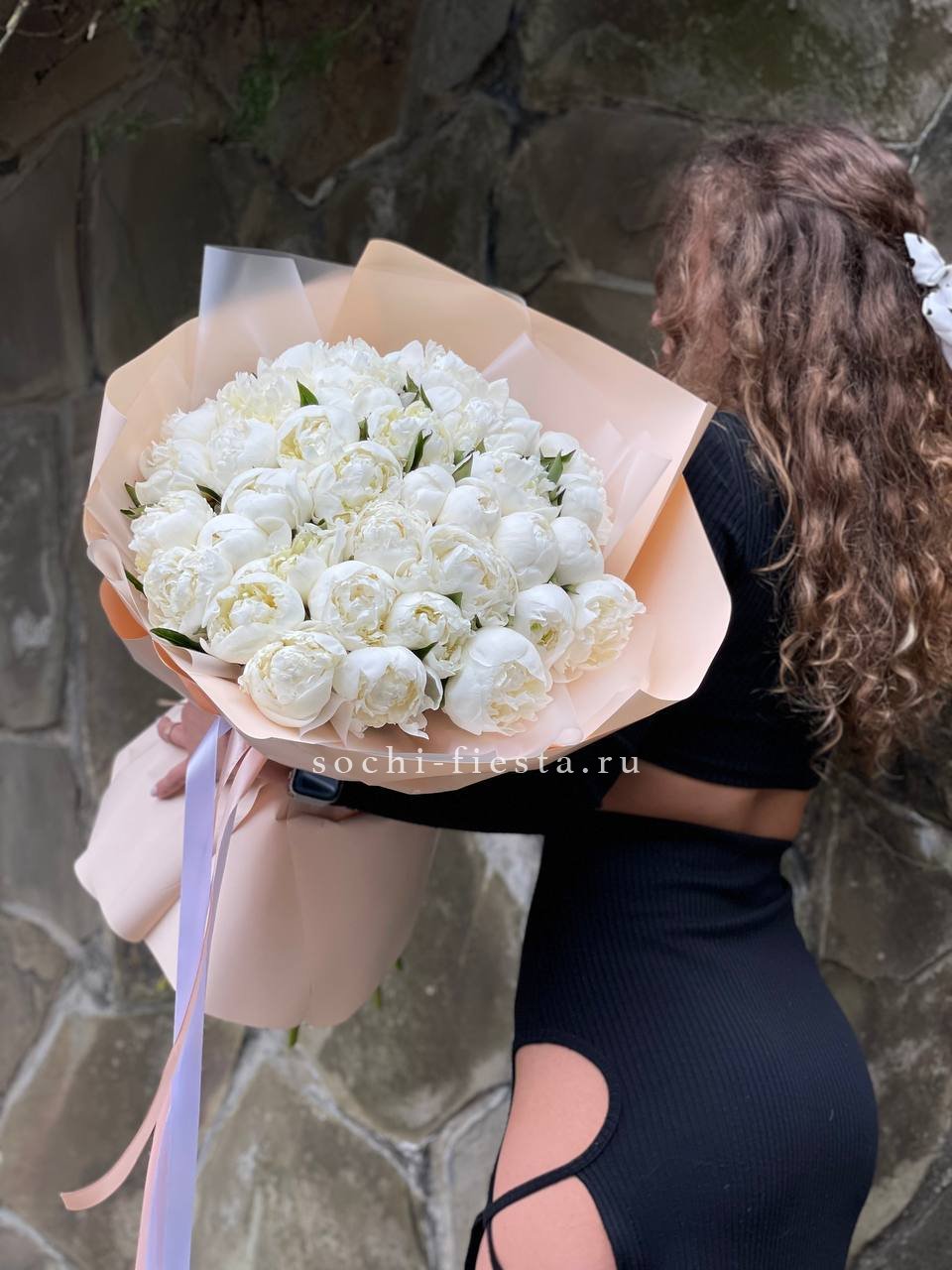
Which varieties to choose
We work along two lines: Japanese peonies from local farms and proven global varieties. The Japanese shakuyaku runs in a short window in May–June, while the tree peony botan is traditionally grown in Shimane prefecture — the island of Daikonshima is famous for it across the country. Below are the ones most often requested in Osaka.
- Sarah Bernhardt — soft pink-salmon, a large head, a lasting fragrance. One of the most recognised wedding varieties in the world, and the default request for Osaka ceremonies.
- Coral Charm — coral fading to peach as it opens. Looks excellent in modern arrangements for the restaurants of Kitashinchi.
- Karl Rosenfield — deep crimson-red, a dense bud, an intense scent. A classic for milestone and ceremonial bouquets.
- Duchesse de Nemours — pure white with a cream centre. Suited to the bridal bouquet and white ceremonial arrangements.
- Japanese shakuyaku (和芍薬) — local cut varieties in soft, muted tones. Freshness and a short delivery leg are the main advantage.
- Botan (牡丹, tree peony) — large, silky blooms from Shimane. The season is even shorter, and it goes into arrangements and pots more often than into bouquets.
Occasions and seasonality
May and June are the main peony months in Osaka. Most weddings at the city's hotels and banquet halls fall in this window. The peony is an expressive element of wedding decor: the bridal bouquet, table settings, arches.
The season conveniently coincides with Japan's Mother's Day (second Sunday of May): although the day's traditional flower is the carnation, the peony is increasingly chosen as a premium alternative. Beyond weddings, peonies go to milestone birthdays, summer commemorations, and as a gift for a business opening. The February and March occasions — Valentine's Day and White Day — fall before the peony is in season, so those dates go to roses and tulips. As with roses, bouquets avoid counts of 4 and 9.
Freshness and logistics
Peonies in the Osaka catalogue are mostly Japanese. Cut shakuyaku comes from local growers in Kansai and from cooler prefectures, which stretches the season, while botan comes from Shimane. Lots are distributed to florists through the Osaka Tsurumi wholesale market (大阪鶴見花き地方卸売市場). The short delivery leg is a real plus: the peony arrives fresh, with minimal strain on the bud.
Peonies are delivered at the "pea-sized bud" stage — still closed; opening takes 2–4 days depending on temperature and variety. If you need open peonies for a specific date, tell us at order time and we'll supply a batch with the right head start. At +18°C a peony opens fully in about 3 days; at +10°C, in 5–6.
"Peonies demand planning. A bride who calls the day before the wedding wanting open peonies is always a stress. The rule is simple: order at least a week out, receive them 4–5 days ahead, let them mature in a cool room. By the ceremony they'll have opened to exactly the right stage. And protect the bud from Osaka's humidity — in damp air the petals stick together."
— Aoi Tanaka, florist, Osaka, 13 years in the trade
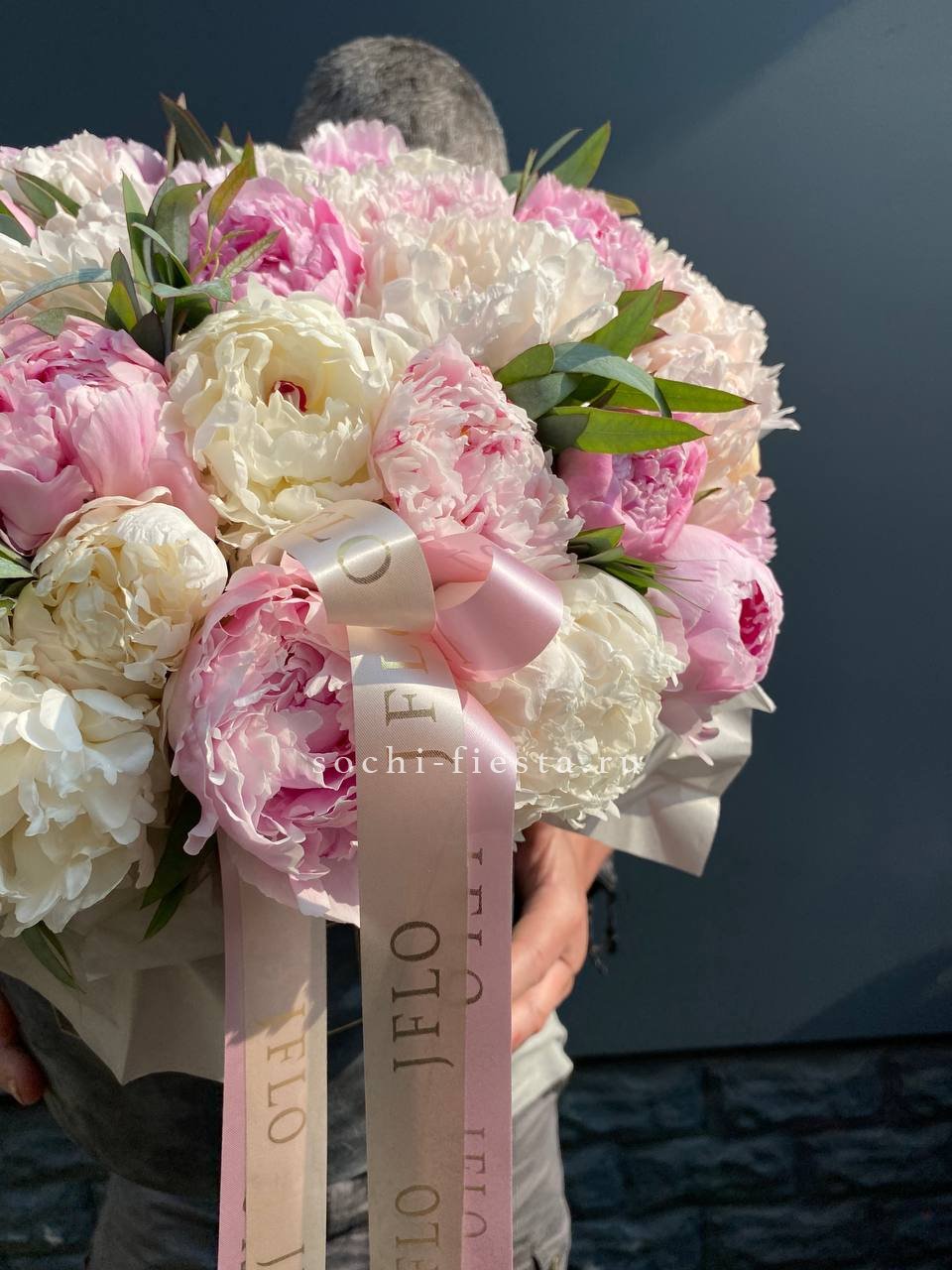
Delivery specifics in Osaka
Osaka's climate is humid subtropical. The most sensitive moment for the peony is the high humidity of May–June and the tsuyu rainy season from mid-June. An open peony suffers from both damp and sudden heat: in warm, humid air the petals can stick or drop quickly. We build event batches with the forecast in mind and hold the flowers in cold storage at +4…+6°C until assembly.
We deliver peonies across Osaka: Kita and Umeda, Namba, Shinsaibashi, Dōtonbori, Kitashinchi, Honmachi, Yodoyabashi, Nakanoshima, Tennōji, Abeno, Horie, Amerikamura, the bay and Konohana, Tsuruhashi. Payment is in yen (¥, JPY). For wedding orders, a minimum of 7–10 days. For June celebrations we recommend booking the date as early as April: the peony and wedding peaks overlap, and good material is taken well in advance.
Care at home
Peonies in a closed bud keep well at +4°C for 5–7 days. To speed opening, move them to a room at +18–20°C. Cut the stems at a 45° angle, remove the lower leaves, keep the water cool and change it every 1–2 days. A Chrysal sachet speeds opening and extends the flower's life.
Don't place peonies near fruit — ethylene from ripe apples and bananas causes premature petal drop. Osaka summers are muggy: keep the bouquet under air conditioning, but out of the direct airflow. Open, at +18–22°C a peony lasts 5–7 days; at +10–14°C, up to 10. Message our manager and we'll help match the variety and stem count to the occasion and budget.

