




Weddings & events in Paris: peonies, their rose look-alike and the guests' basket
Weddings & events in Paris can turn on a single bouquet that pairs a real peony with its rose look-alike, the Duo of Peony Roses and Peonies. French growers cut true peonies only from late April to June, so the rest of the year belongs to the rose look-alike, usually a David Austin English variety. Choosing starts with what the bride carries and what the guests bring the couple, then moves on to getting both to the right address on the day.
Peonies, their rose look-alike or protea for a Paris bride
French growers cut peonies from late April to June, so a wedding date inside that window puts a real peony in season. The full run of peonies carries that stretch of the calendar.
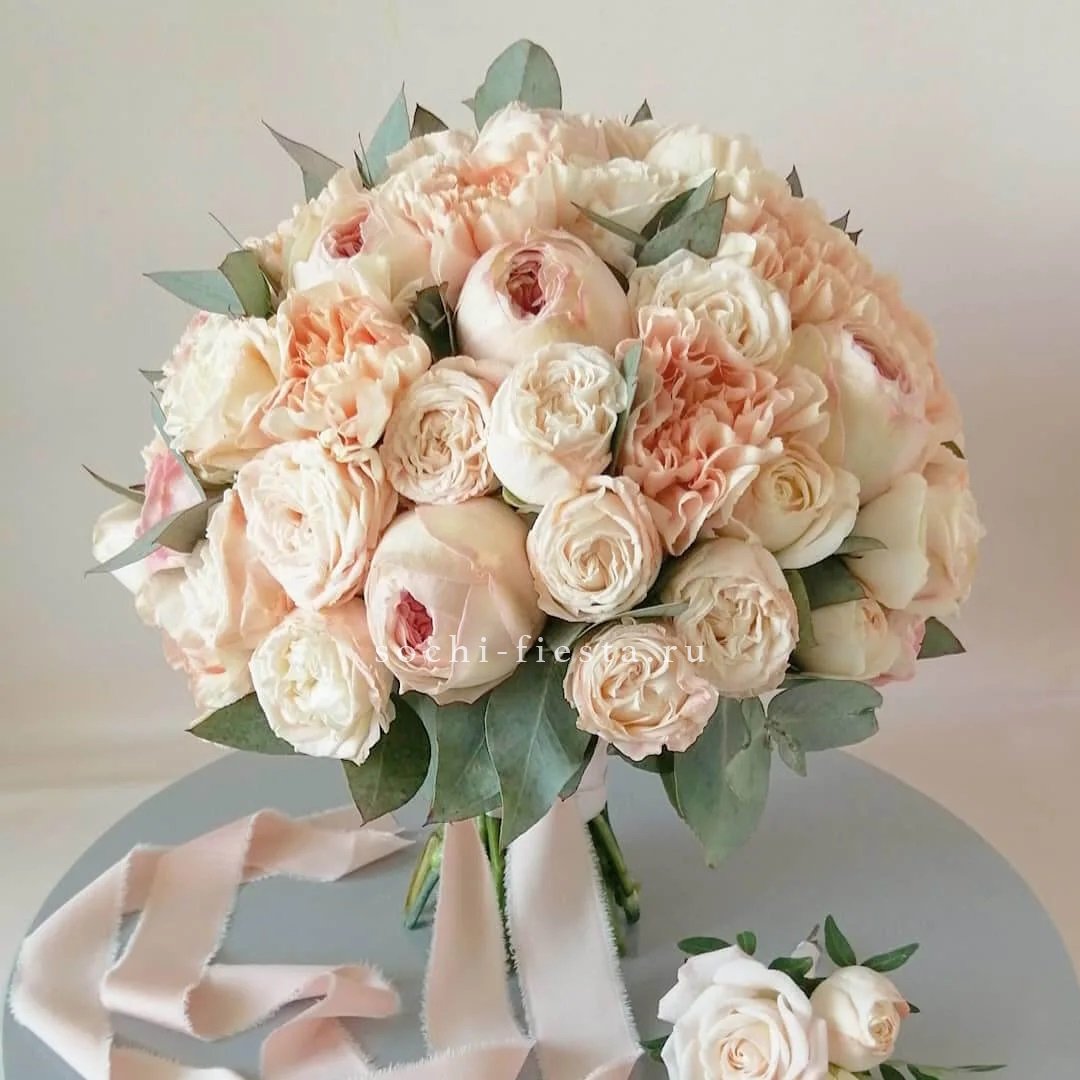
Outside those weeks the bouquet usually turns to a peony-shaped rose instead. These are mostly David Austin English varieties or close relatives, sold as the peony-shaped rose, available whatever the month. The Duo of Peony Roses and Peonies sets a real peony beside one of these roses in the same hand-tied bunch, which is one way to have the look in or out of season.
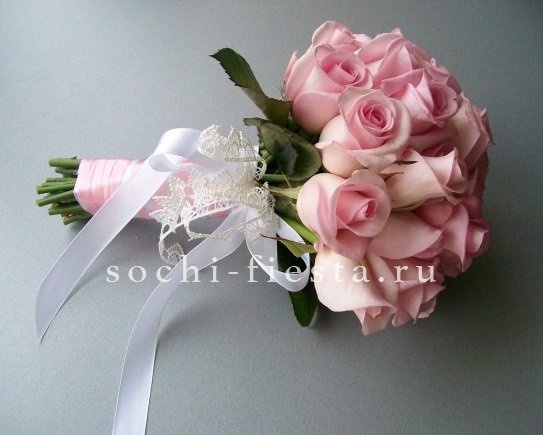
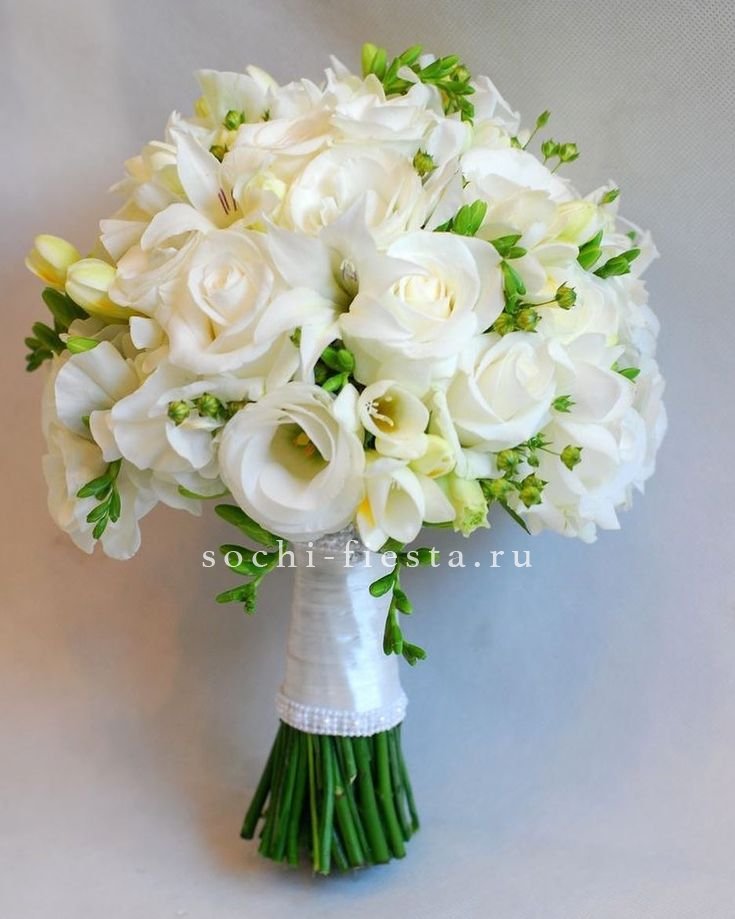
A bride who wants neither rose nor peony can choose Wedding Bouquet Protea instead. The bouquet she carries sits in its own subsection, separate from the wedding bouquets ordered for the rest of the day and the rest of the wedding party.
Before the courier sets off, the florist photographs the finished bouquet and sends the picture through, so the bride can ask for a change while it's still at the workshop. If a flower on the list isn't available that day, it's swapped for one close in shade and price, and the swap is visible in the same photo.

From the corbeille de mariage to the guests' basket
In eighteenth-century France, a groom's gifts to his bride, jewellery, lace, fabric, were laid out in a basket known as the corbeille de mariage. A casket later replaced the basket itself, but the phrase stayed in use; a 1771 drawing by Marillier, now held in Dijon's museums, shows a bride unwrapping exactly this kind of gift.
Among the gifts guests now bring the couple, 51 Jumilia in Airy Wrapping holds buds up to seven centimetres across, white at the base and edged in pink. With regular care it lasts up to two weeks in a vase, long enough to still be on the sideboard after the wedding. French flower etiquette calls for an odd number of stems, and a gift bouquet usually follows it.
A basket of lilies works the same way, arriving in its own container rather than needing a vase at all. A lily is poisonous to cats in every part, petals, pollen and even the water in the vase, so a couple with a cat at home is safer with jumilia instead. Lily pollen also stains fabric, which is why the anthers are removed once the flower has opened.
Wedding flower delivery to two addresses: the bride and the dinner
One order can carry several bouquets to different addresses, say the bride's flowers to one door and a basket to the restaurant, and delivery is worked out separately for each stop. In the centre of Paris it's free; everywhere else it's charged at the flat rate for that zone, set out on the delivery page.
At a restaurant the courier agrees the time with the venue's manager rather than turning up unannounced, so the basket reaches the host stand for dessert or for the toast, whichever suits the room.
A booking for a set date and time is taken for any zone in the city, and the earlier it's placed, the more slots are still open to choose from. The date, the address or the card text can still be changed up to six hours before delivery, which covers a seating plan that moves or a guest list that grows.
A hotel guest invited to the wedding can have the bouquet delivered to the room or left at reception, following the hotel's own rules.

The simplest way in is by what's being carried on the day. Start with bridal bouquet for the one the bride carries, wedding bouquets for the rest of the wedding party, or baskets and jumilia for the couple for what guests bring to the couple.