
.jpeg)


720x720_q85.jpg?v=1787130511)


720x720_q85.jpg?v=1787130516)
720x720_q85.jpg?v=1787130516)


Roses by type: telling them apart with the flower in your hand

Origin is printed on the product page and read by almost nobody. It is, in practice, the single line that predicts most about what will arrive: how heavy the head is, how thick the stem, how long the whole thing takes to open.
You can also read it off the flower itself, without any label.
Start with the head, not the colour
Pick a rose up and look at it side on rather than from above. A high-altitude bloom shows a deep, almost egg-shaped bud with the petals wound tightly around a hidden centre, and the outline barely narrows towards the calyx.
A greenhouse-grown bloom from a temperate climate is shallower. The bud sits like a cup on its stem, the centre is closer to the surface, and it will show you that centre within a couple of days of reaching water.
Petal count follows the same rule and is easy to check. Ease one outer petal aside and see how many layers sit behind it, because a slow-grown rose packs in many and a fast-grown one gives up its middle almost at once.
Then the stem
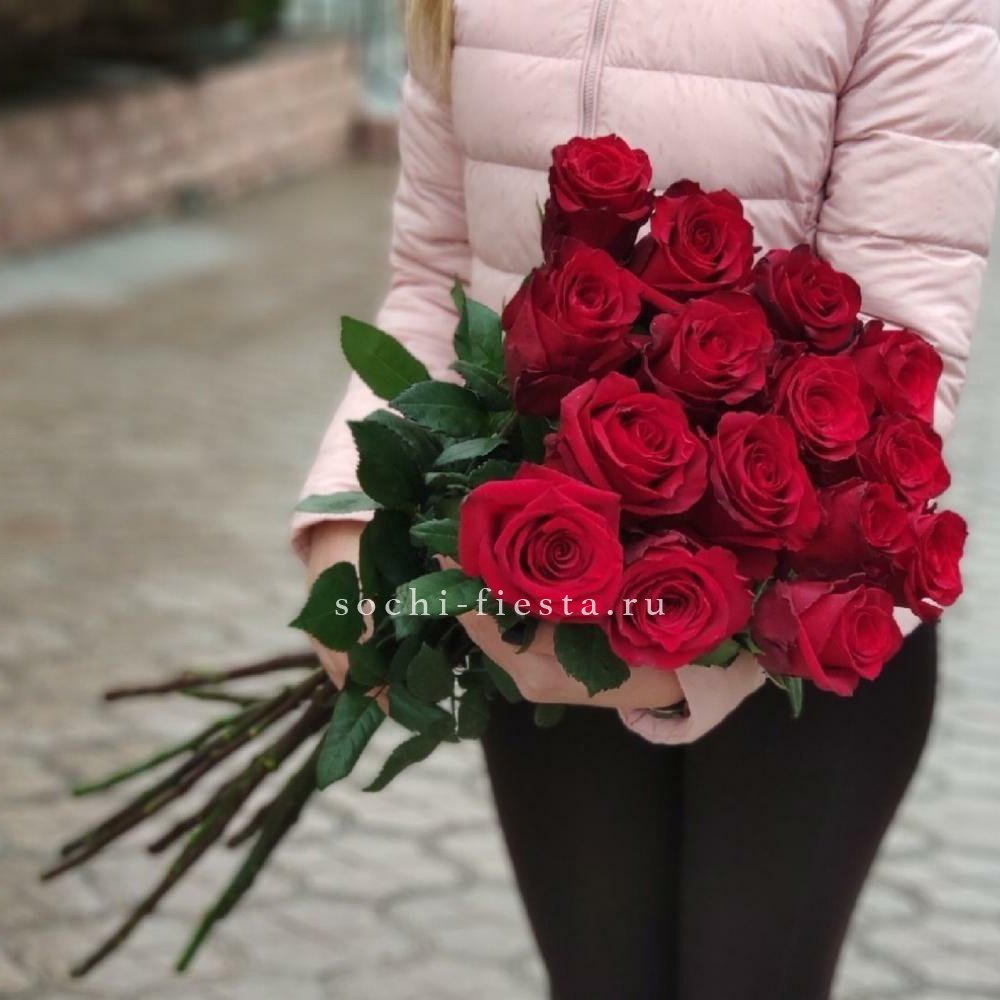
Roll the stem between finger and thumb below the head. A thick, stiff, slightly woody stem with widely spaced thorn scars belongs to a plant that grew slowly and was cut long.
A thinner stem that bends under the weight of its own bud is not a fault. It means a lighter flower grown on a faster cycle, and in a bouquet it packs closer to its neighbours, which is precisely what a dense hand-tied piece needs.
Leaf tells you something too. Large, leathery, dark leaves with a matte surface come from the same slow growth as the heavy heads.
The three groups you will meet
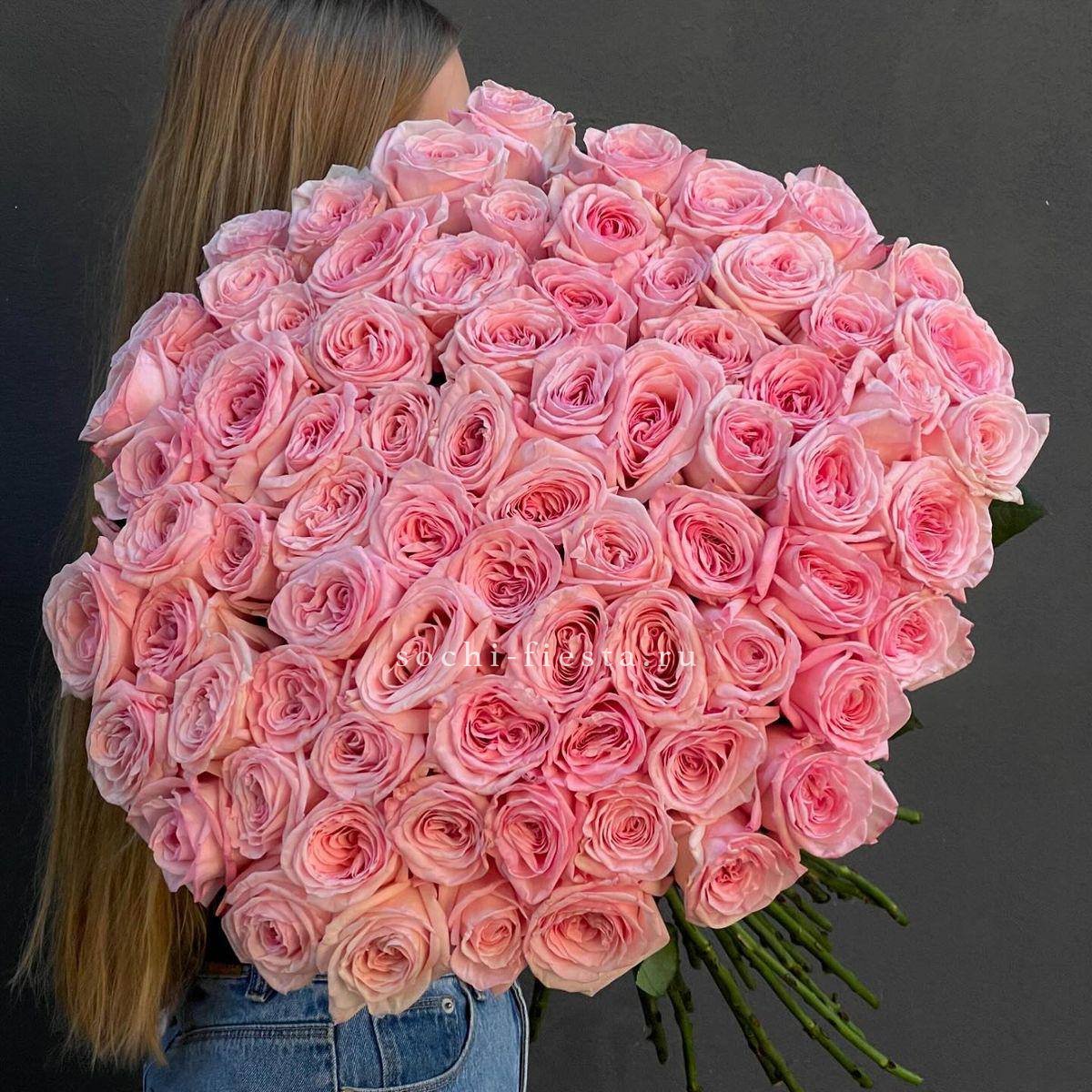
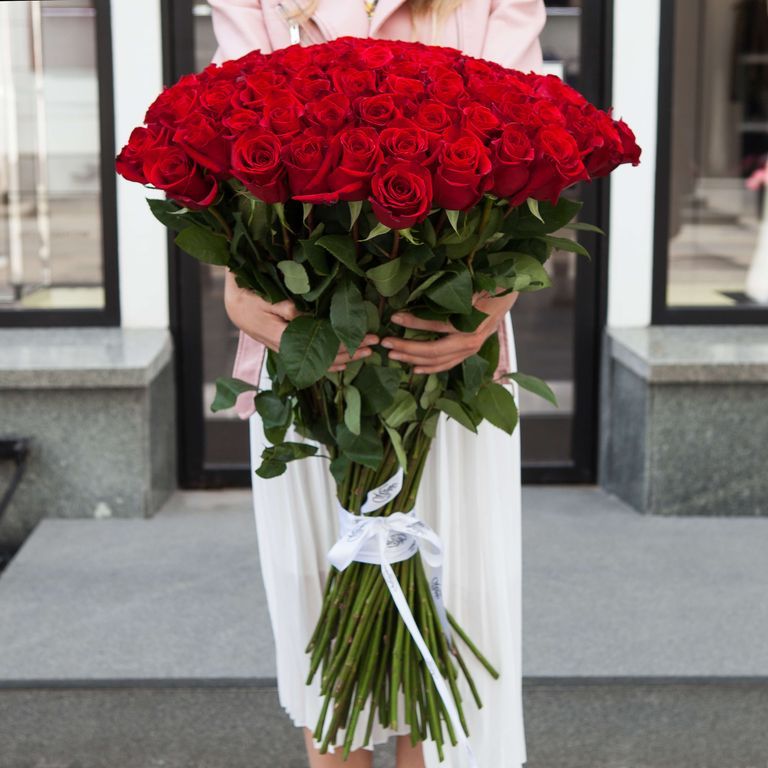
Ecuadorian roses are the large-headed, long-stemmed ones. Grown high in the mountains near the equator, they build many petal layers and open slowly, which is why they look reserved on day one and best around the middle of their life in the vase.
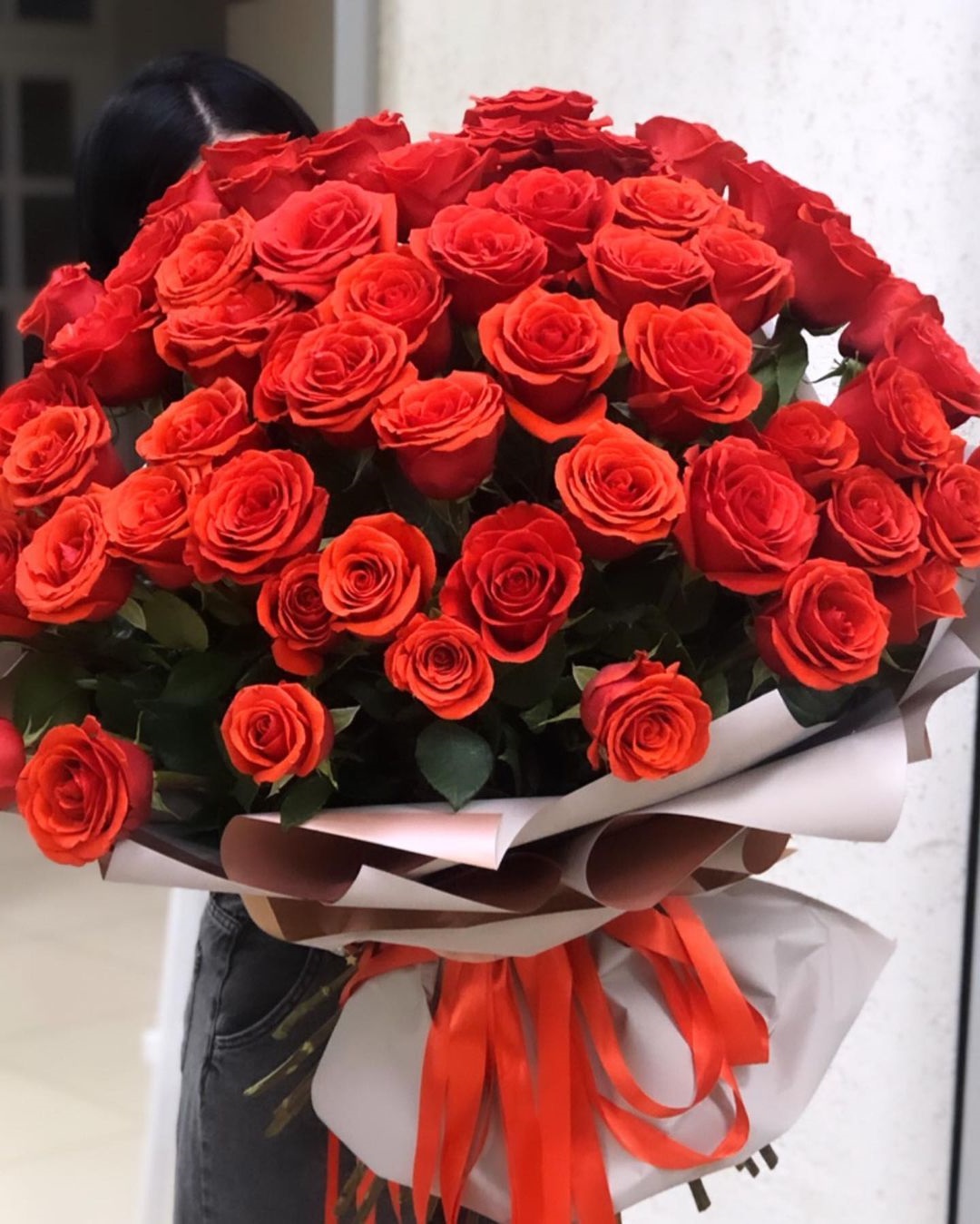
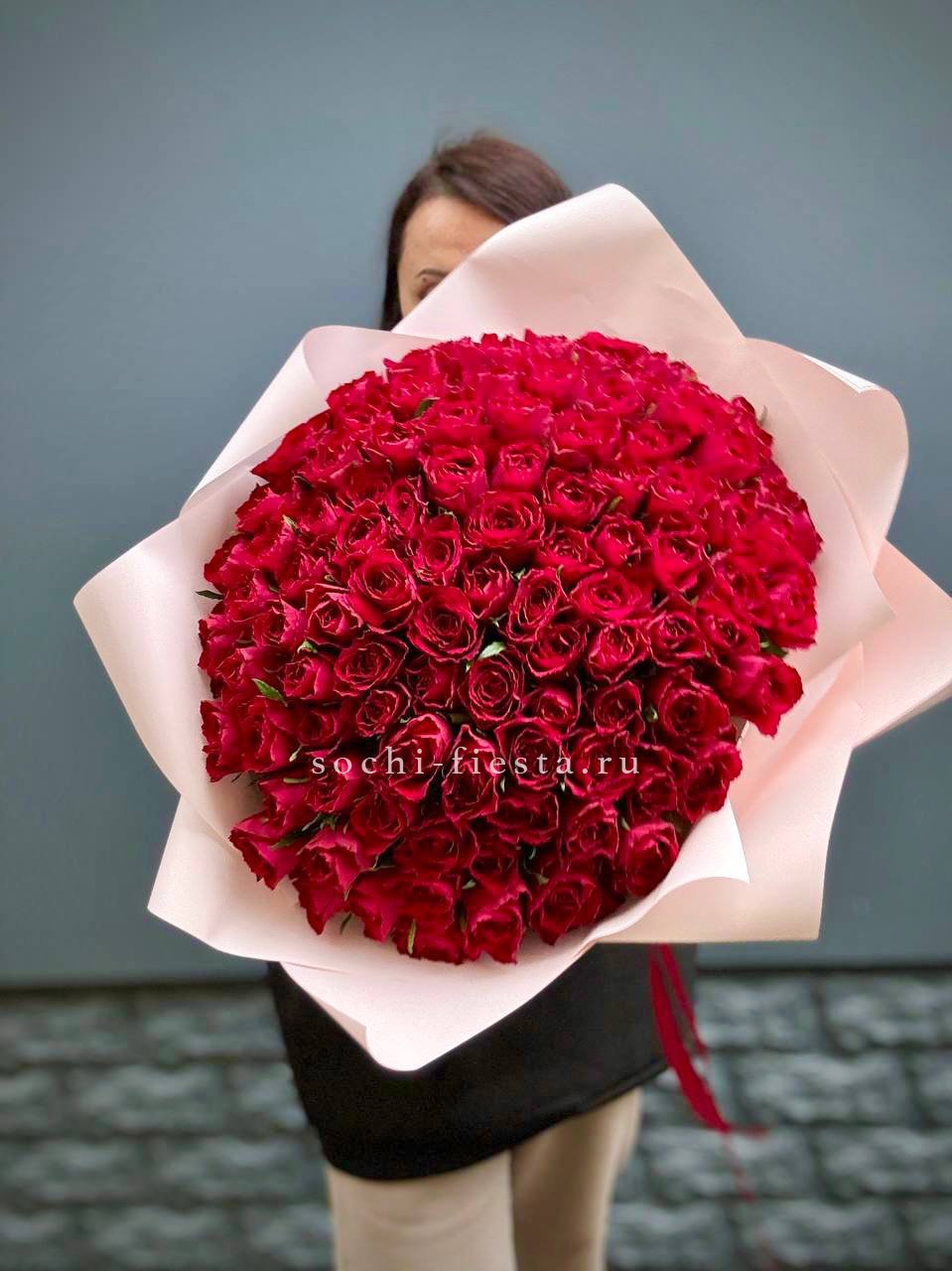
Kenyan roses come from high plantations as well, but the plants are managed for steady year-round volume rather than for size. The head is medium, the petal firm, the stem lighter, and a bouquet of them looks fuller than the same money spent on fewer large blooms.

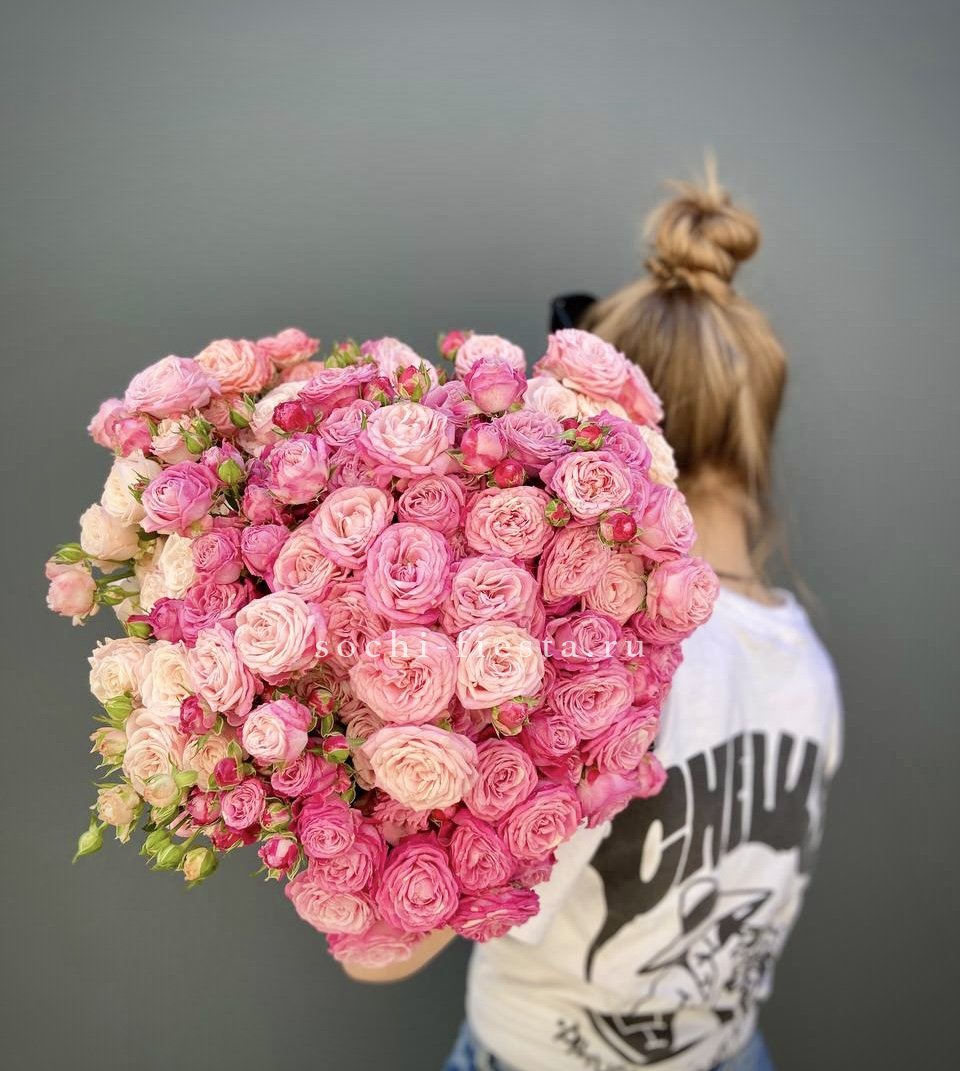
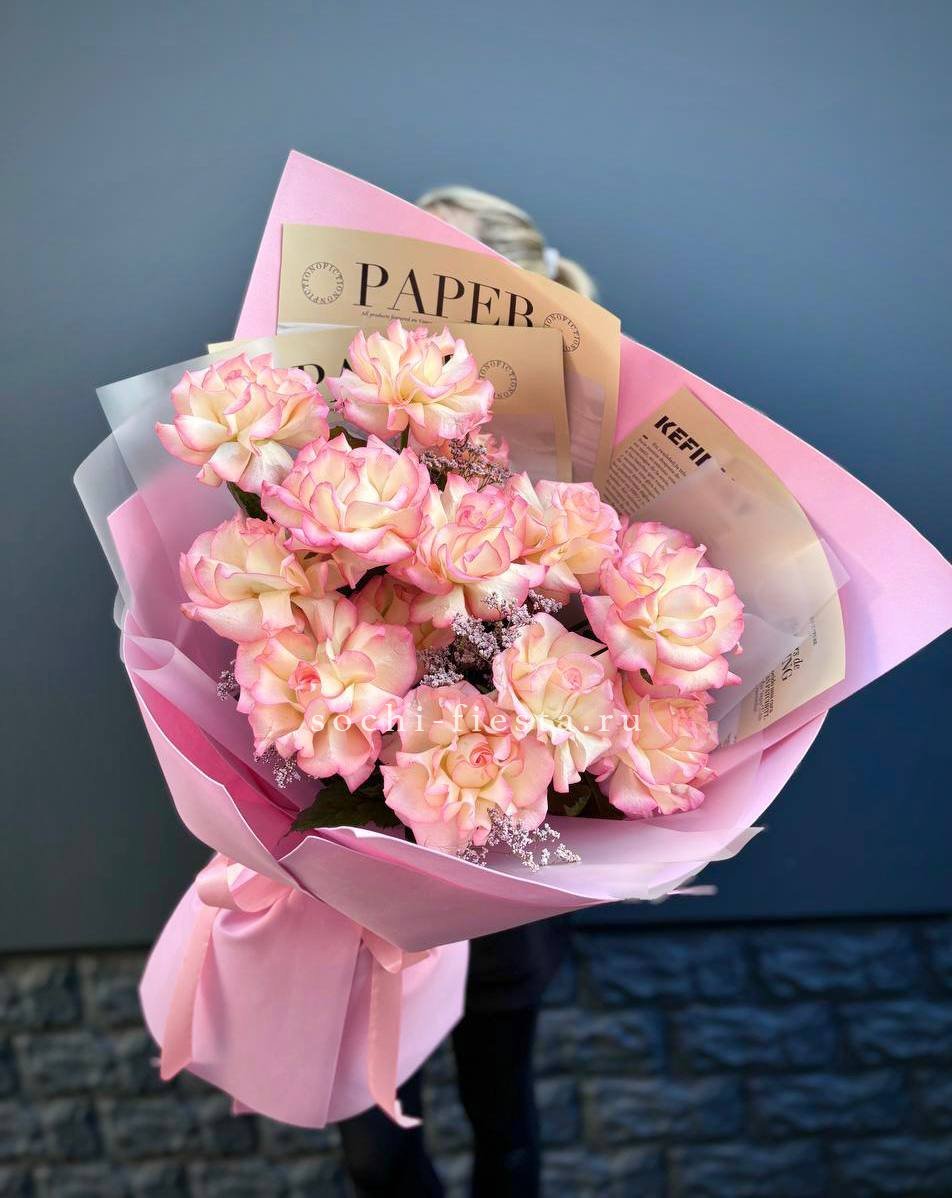
Dutch roses are the specialists. Auction trade in small lots and a long breeding tradition put garden-shaped, spray and unusual colours into that group, from smoky lilac to shades close to brown, so the reason to choose one is rarely its size.
What this changes for the buyer
Order by what the bouquet has to do. A gesture that must read across a room wants the big heads; a generous armful for the same budget wants the medium ones; a specific tone or a peony-shaped bloom sends you to the breeding rather than to the mountain.
Ask one question when you order, and ask it about the flower rather than the picture. Whether the roses will be tight or half open on the day of delivery matters more than origin for an event that evening, and any florist can cut to either.
None of these groups is better than the others, and a shop that tells you otherwise is selling what it happens to have in the cold room. Roses by type in Ras Al Khaimah arrive through the same chilled route regardless of where they grew, so what reaches the recipient depends far more on how quickly the box was opened and how the stems were cut than on the country printed on the sleeve.

