
-500x500.jpg)


720x720_q85.jpg?v=1787130516)
720x720_q85.jpg?v=1787130516)


720x720_q85.jpg?v=1787131158)


Roses by colour: ordering the same shade twice

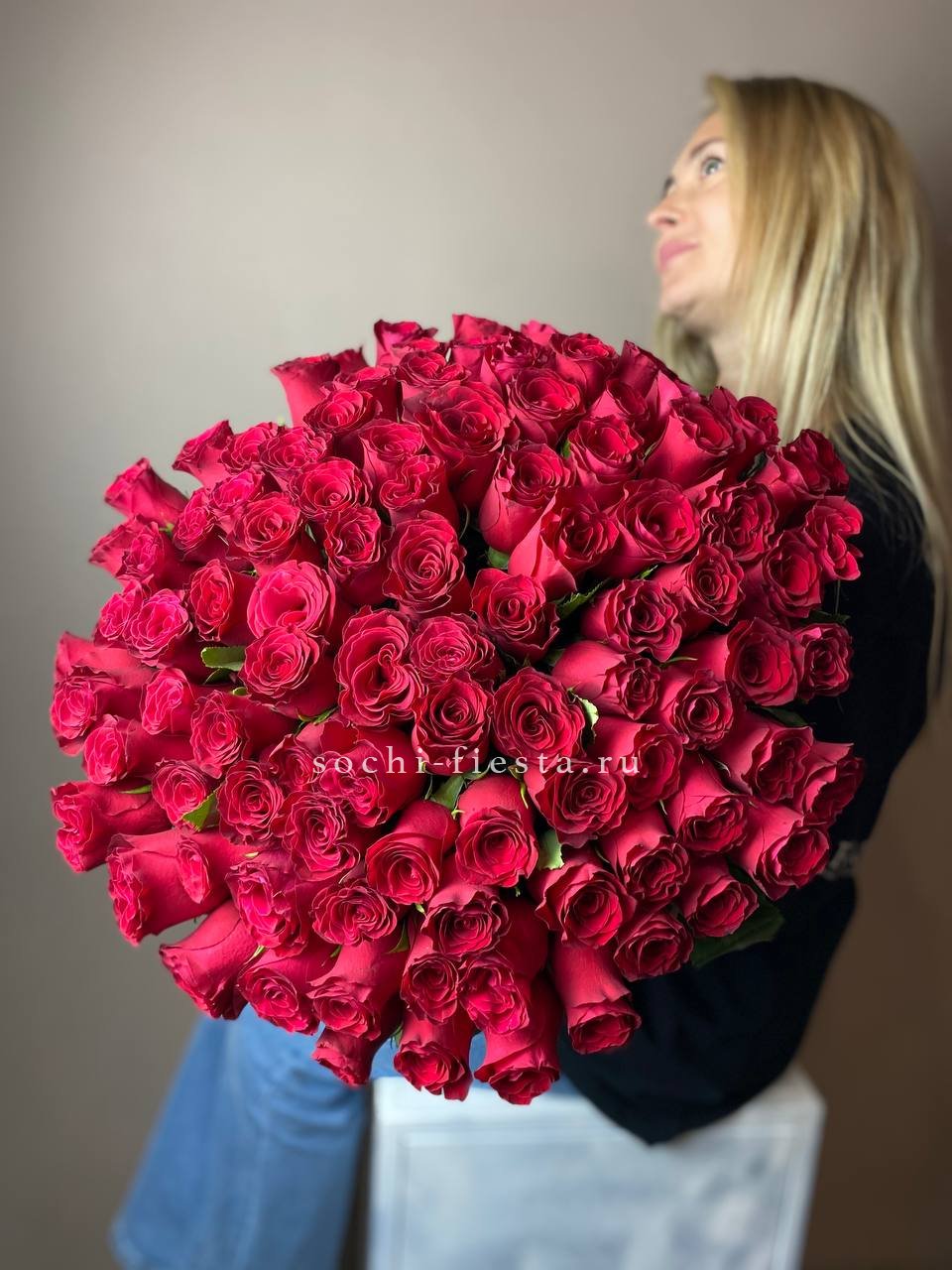
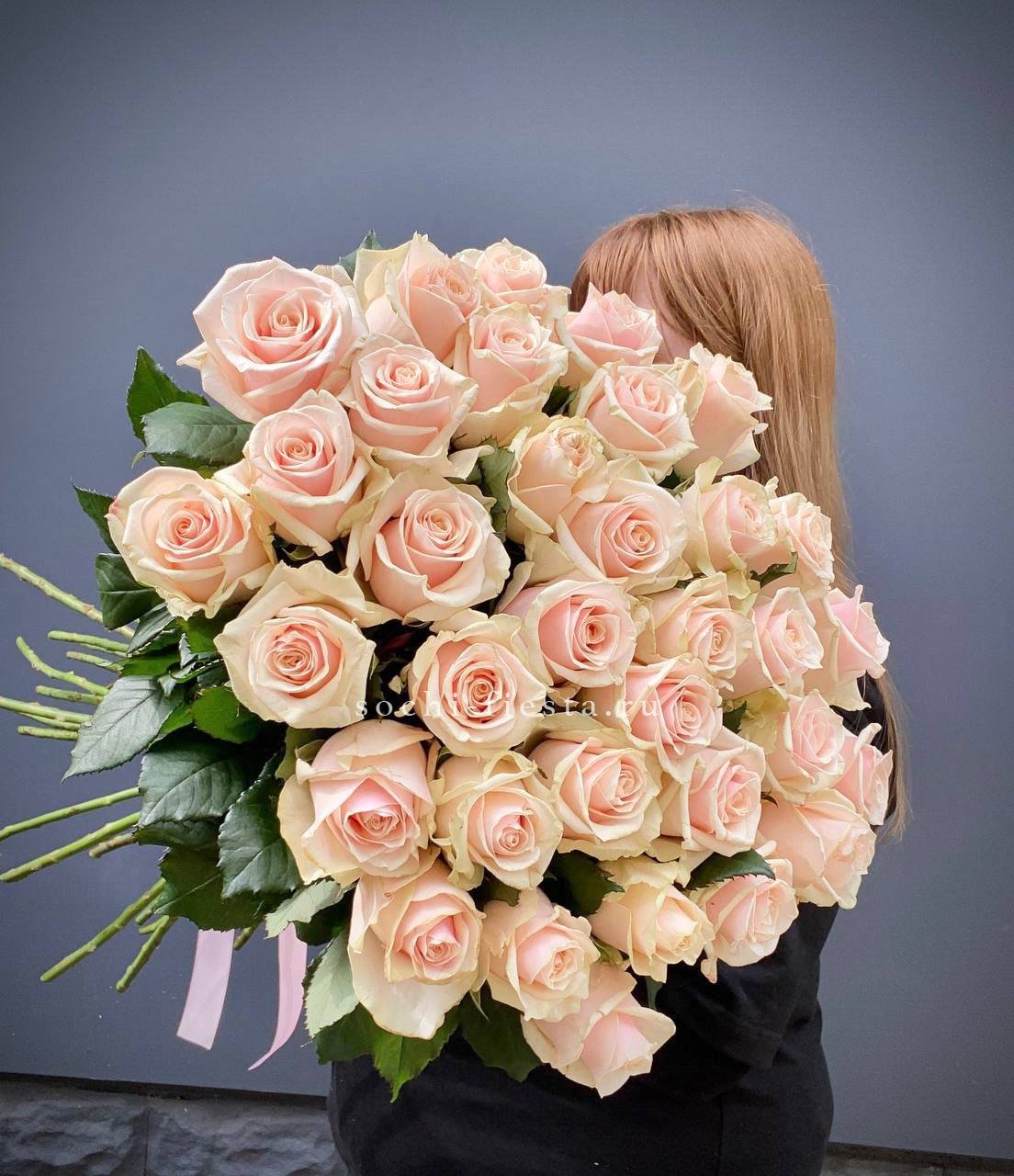
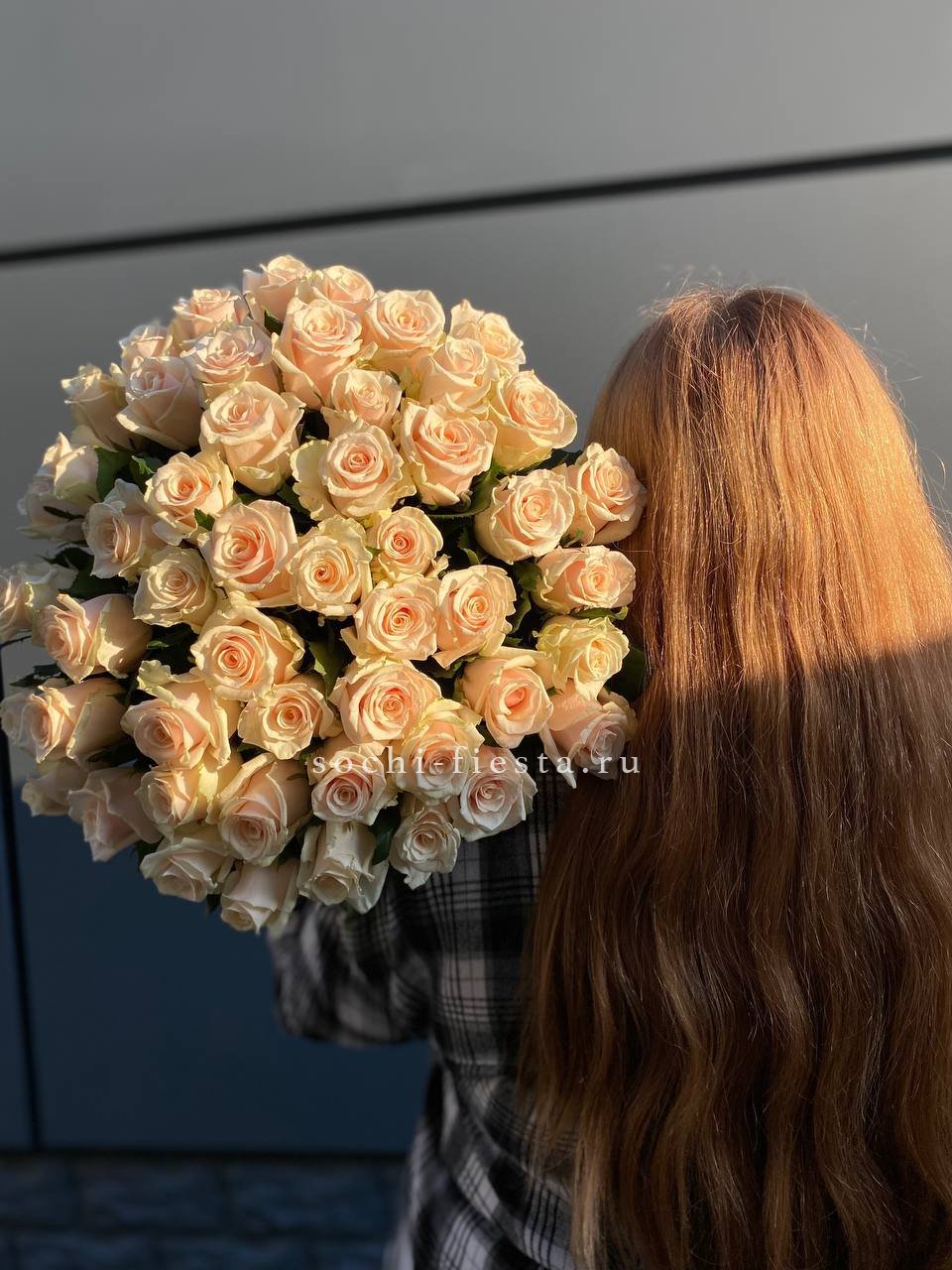
Ask a florist for the peach roses you sent in the spring and you will get a careful pause. The shade was a variety, that variety came in on a particular week, and the peach standing in the bucket today is a different plant with a different name and a slightly different tone.
Anyone who orders flowers regularly runs into this sooner or later.
A shade is a plant, not a setting
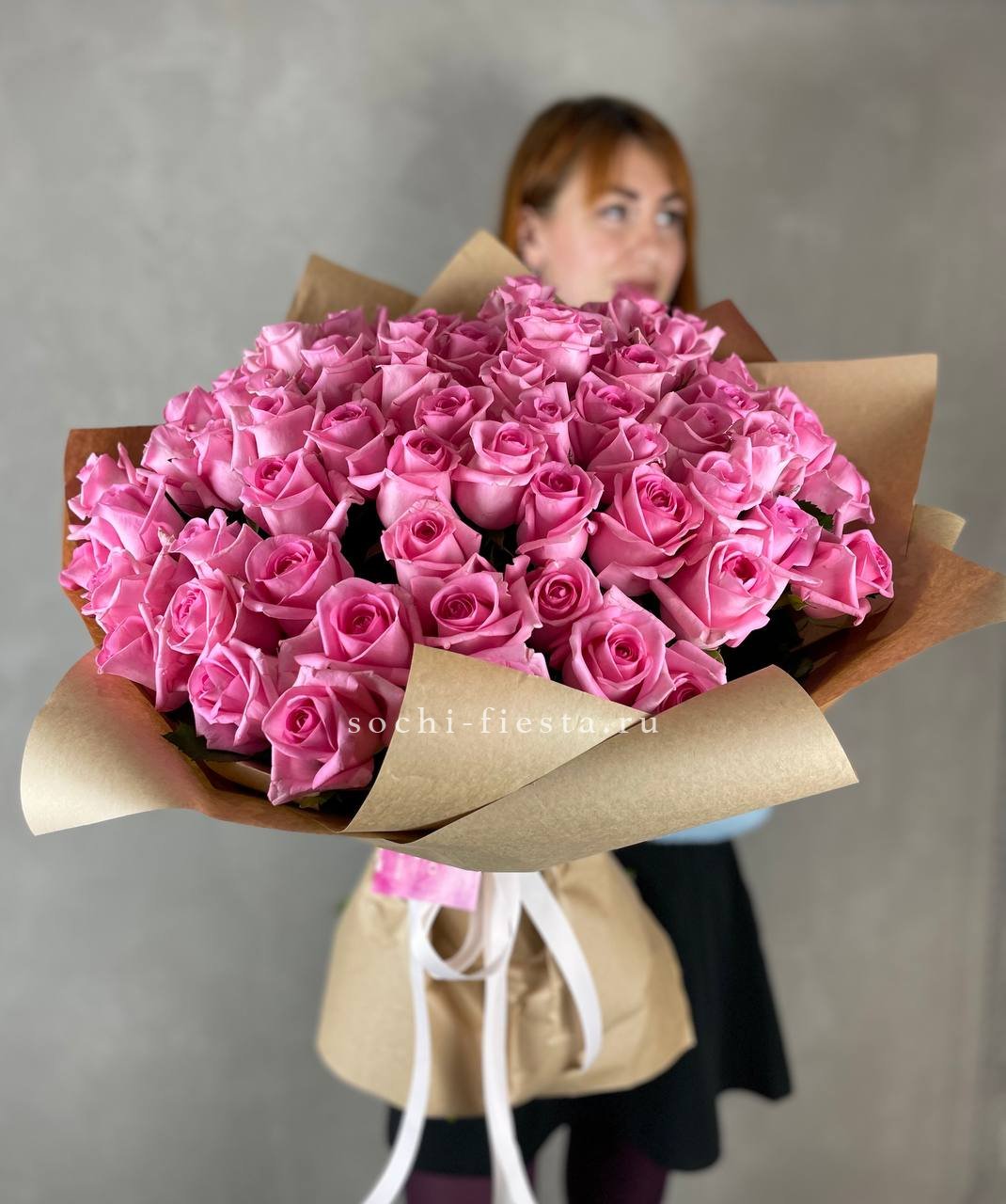
Rose colour is bred, not mixed. Each named variety carries its own tone, its own petal count and its own habit, and a grower plants it years before anyone buys a stem of it. Nothing about that tone can be adjusted at the counter.
So the useful thing to write down after a delivery you liked is the variety name rather than the word for the colour. A florist who has that name can order the same plant again or, when it is not available, choose the nearest relative on purpose instead of guessing at what somebody meant by coral.
Growing conditions move the tone slightly as well. The same variety comes in a shade deeper when the nights have been cold, and paler out of a warm season, which is why two boxes of the identical rose bought months apart never quite line up side by side.
Matching flowers to an object
Weddings, brand palettes and table settings all produce the same request, and it is the one worth handling carefully.
Send a physical sample rather than a photograph. A ribbon, a paint chip, a scrap of the fabric: any of these can be held against a real stem under real light, whereas a screen shows a colour that has passed through a camera, a compression algorithm and somebody else's display settings before it reaches you.
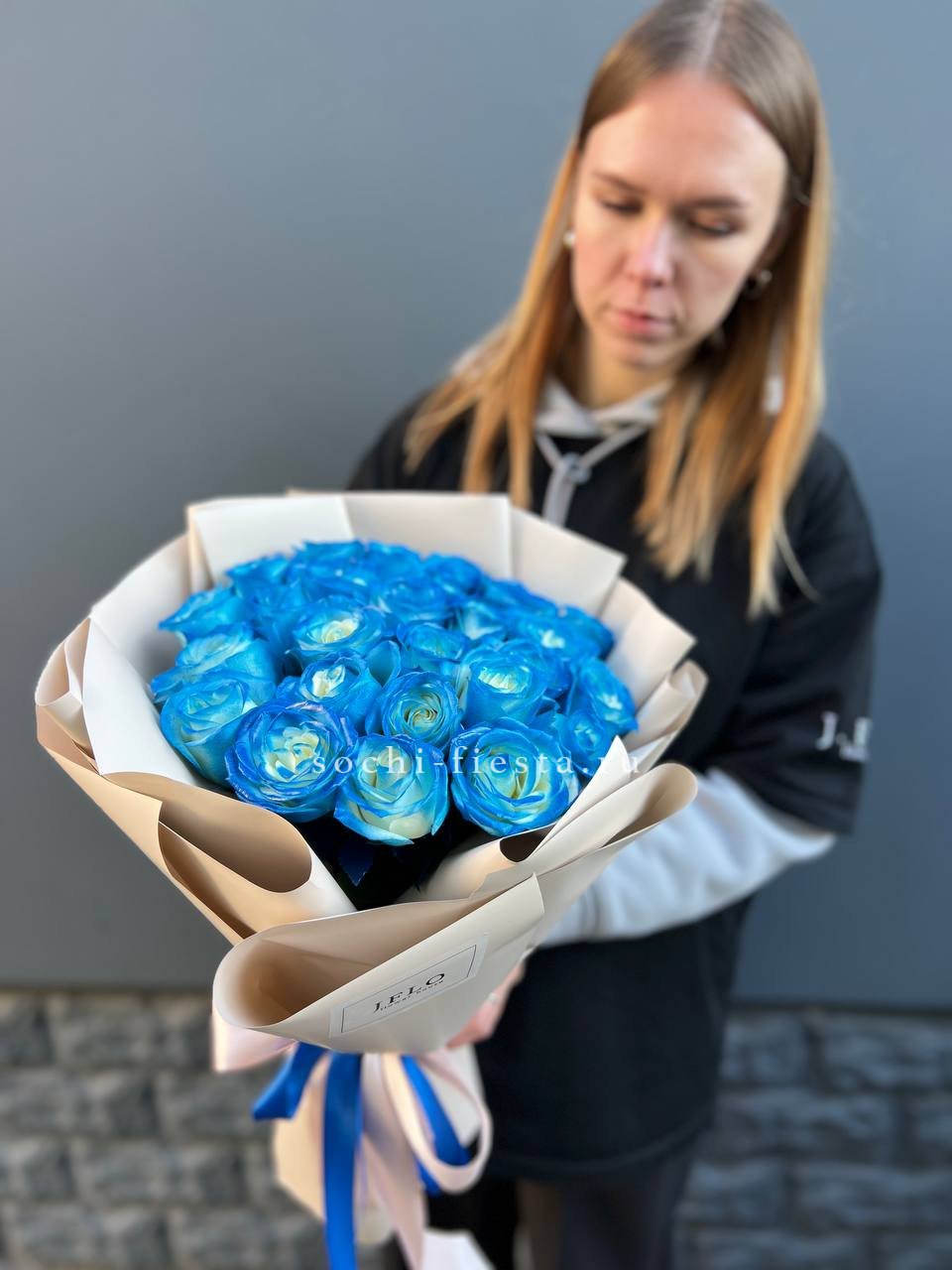
Then accept a range instead of a point. Ask for the closest available tone within a stated direction, warm or cool, lighter or deeper, and let the florist work inside it. A demand for an exact match usually ends in the dyed version of the shade, which behaves differently and rarely photographs the way anyone hoped.
Two-tone varieties and why they divide people
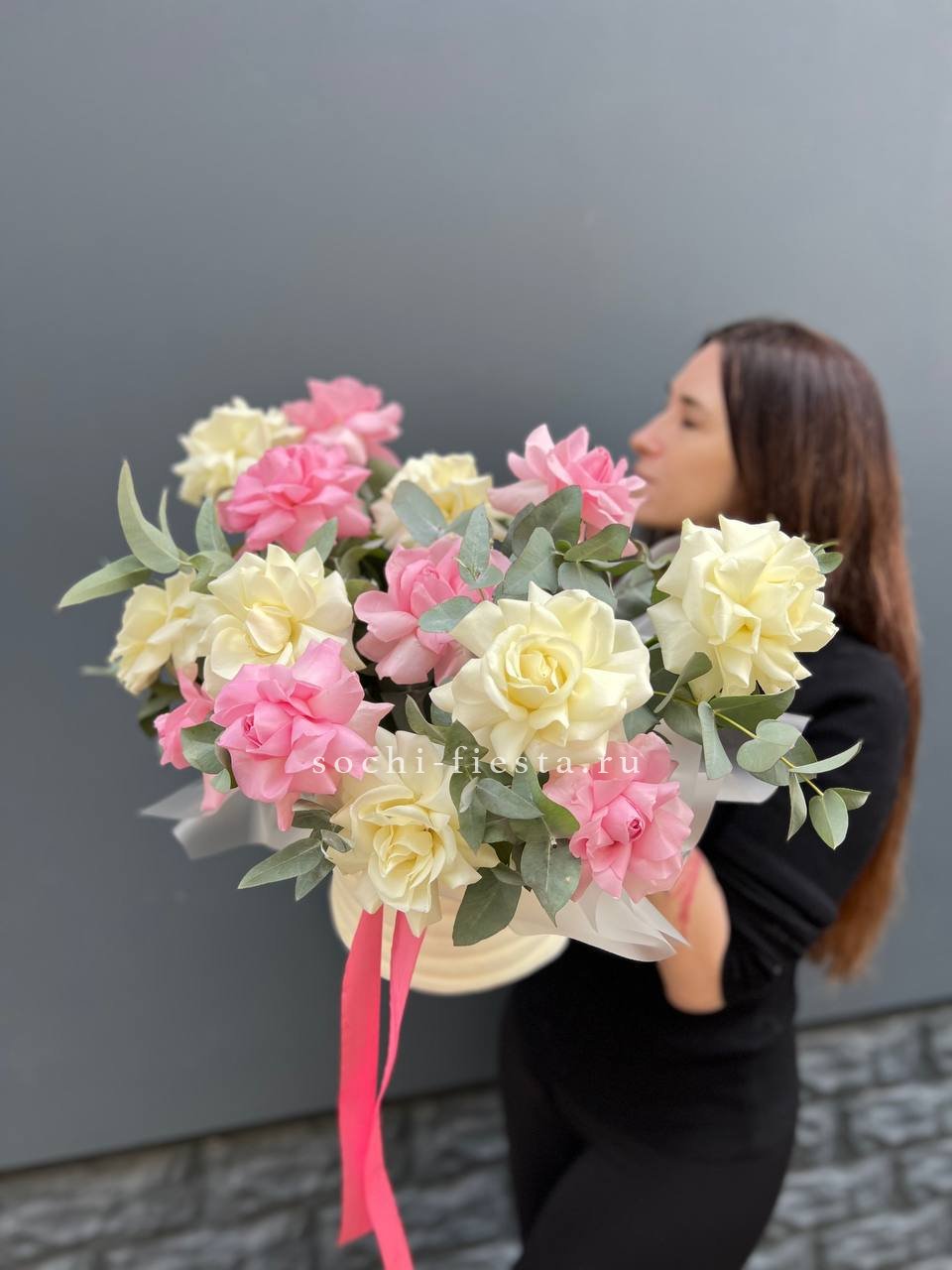
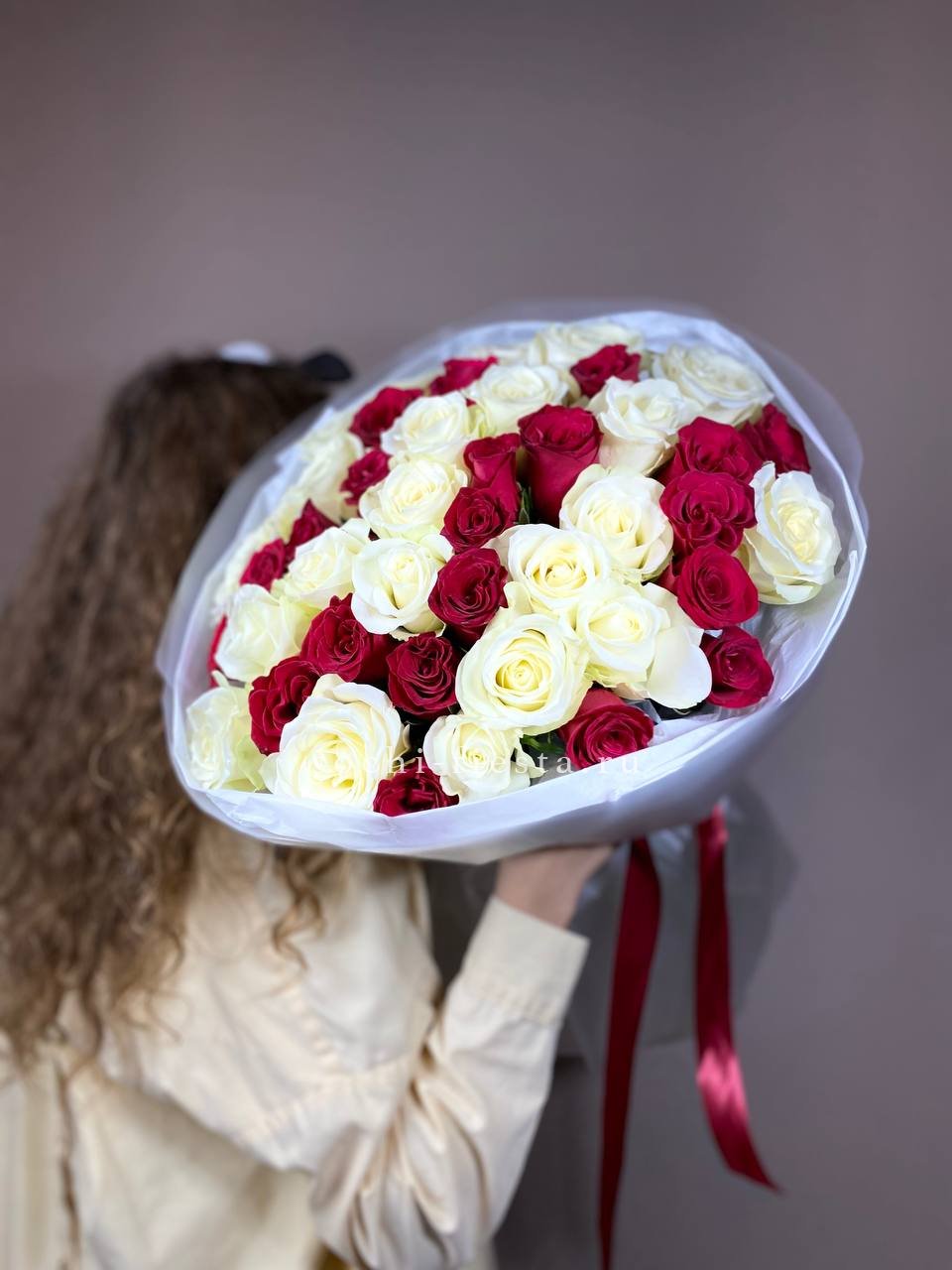
A good many roses are not one colour at all. Some carry a darker rim on each petal, some open cream at the centre and blush outwards, and a few reverse the effect entirely, with the outer face of the petal darker than the inner.

Close up these are the most interesting roses on the bench.
At a distance the same varieties read as one blended, slightly muddy tone, and a bouquet of them loses the crispness a plain shade would have kept. Buy them for a table where people sit close, and keep flat colour for anything meant to be seen from the far side of a room.
Colour changes while the bouquet stands
A rose arrives closed and opens over several days, and the petals it had been hiding are usually paler than the outer ones. Deep reds gain density as they open, pinks and salmons fade a little, creams drift towards yellow, and green undertones wash out of the varieties that have them.
If the shade has a job to do on a particular date, plan for the stage the flowers will be at on that day rather than the stage they arrive in. Roses by colour are worth discussing several days ahead for exactly that reason, and a recipient in Sao Paulo will notice the tone long before anyone counts the stems.

