
720x720_q85.jpg?v=1787132831)


720x720_q85.jpg?v=1787132831)
720x720_q85.jpg?v=1787132831)
720x720_q85.jpg?v=1787131347)

720x720_q85.jpg?v=1787131348)
720x720_q85.jpg?v=1787132831)


Peonies with delivery in Seoul: varieties, a symbol of wealth and honour, the Korean season
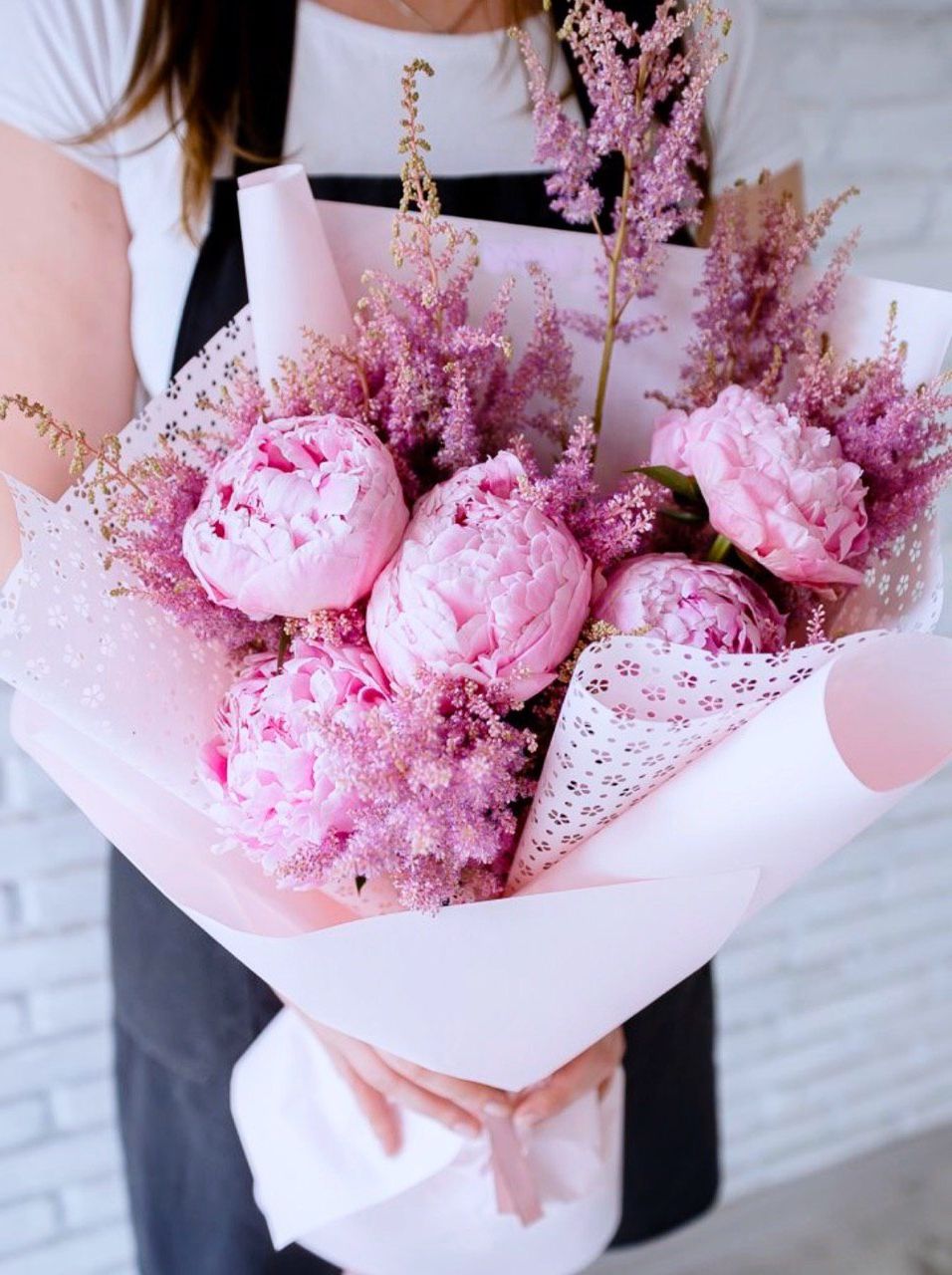
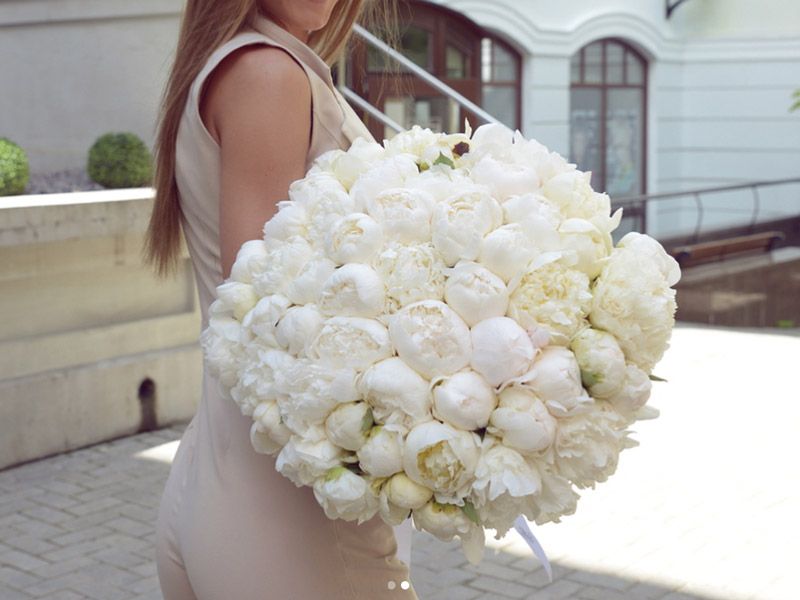
In Korean culture the peony is more than a beautiful flower. The tree peony (모란, moran) reads here as a symbol of wealth and honour (부귀): for centuries it was painted on wedding screens and minhwa folk paintings, and embroidered on ceremonial robes. The herbaceous peony (작약, jakyak) is the one cut for bouquets — a large, densely packed, fragrant head that speaks for itself. It goes to weddings, anniversaries, and significant gifts. We built the catalogue around that taste and around the short but vivid local season.
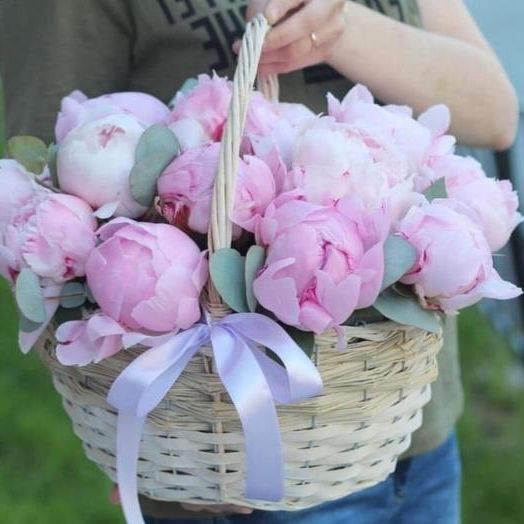
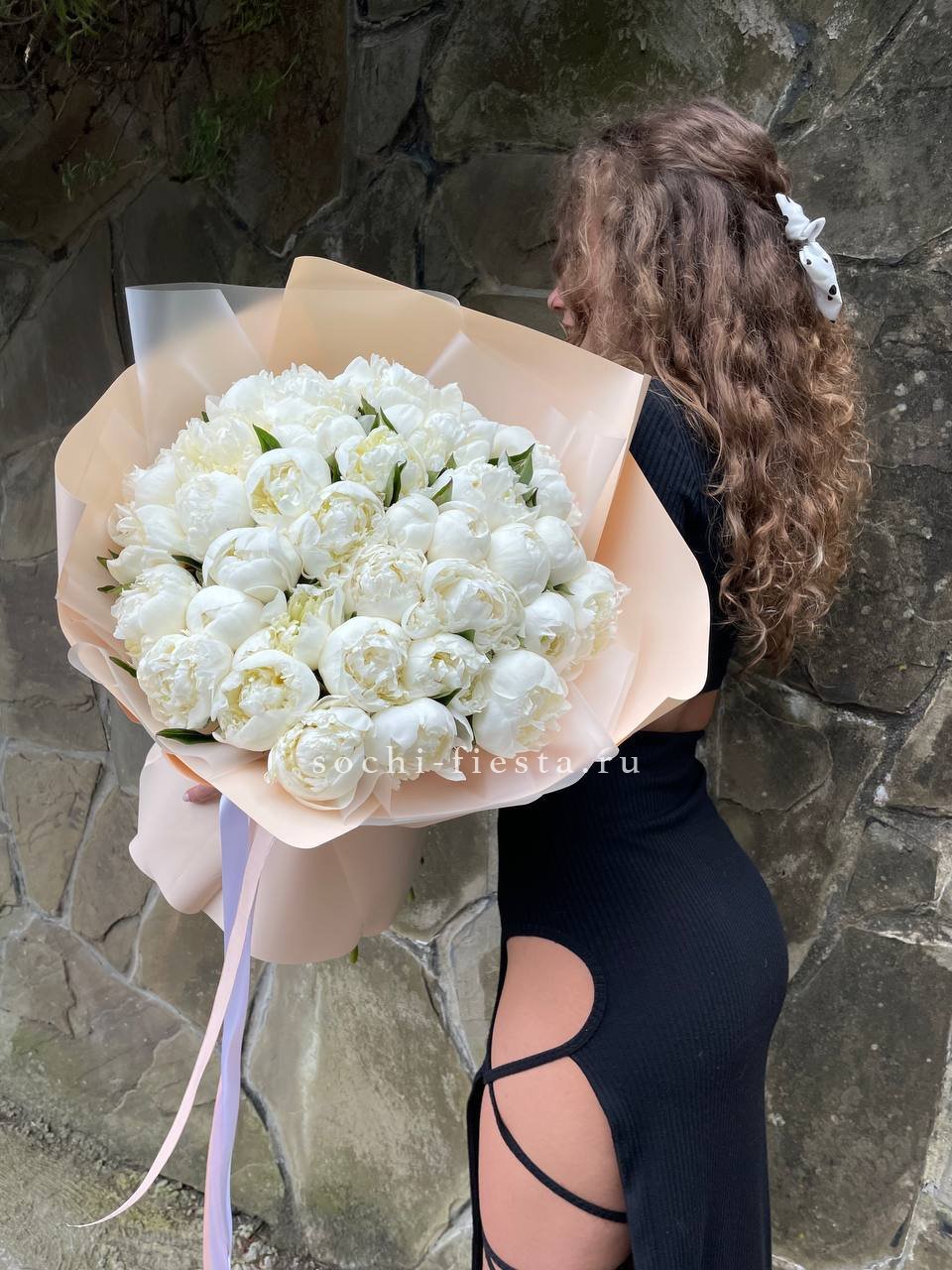
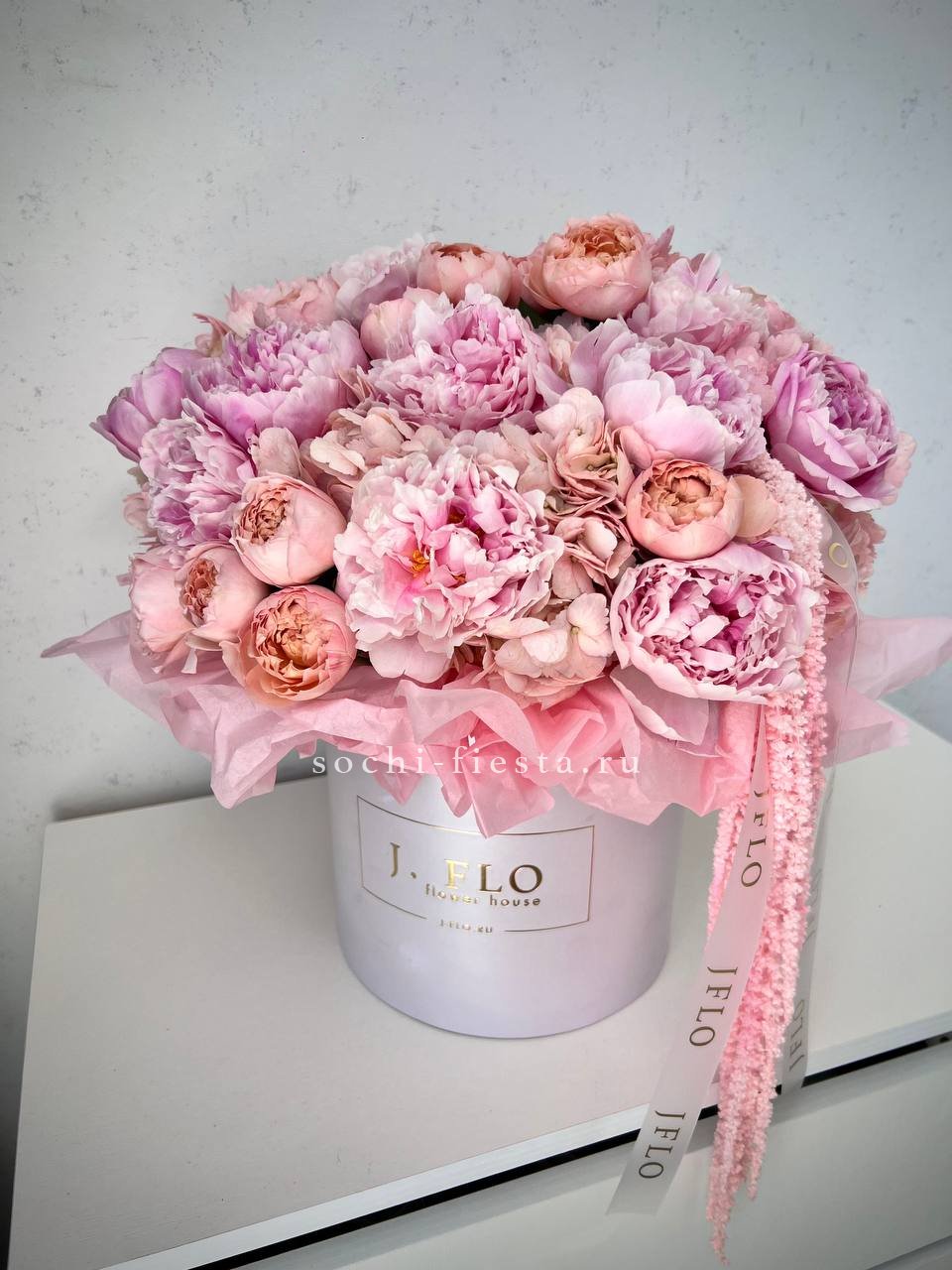
The category covers single-variety bouquets from 9 to 51 stems, mixed arrangements with roses, hydrangea, and eucalyptus, and hatboxes for wedding and corporate orders. Seoul has its own peony — the Korean crop peaking in May and June — and for the rest of the year we top up with supply from both hemispheres.
Which varieties to choose
We source from several origins: Korean herbaceous peony from farms in Gyeonggi and the south in May–June, Dutch varieties, and Southern Hemisphere peonies from New Zealand and Chile that arrive in November–December. Below are the varieties Seoul asks for most.
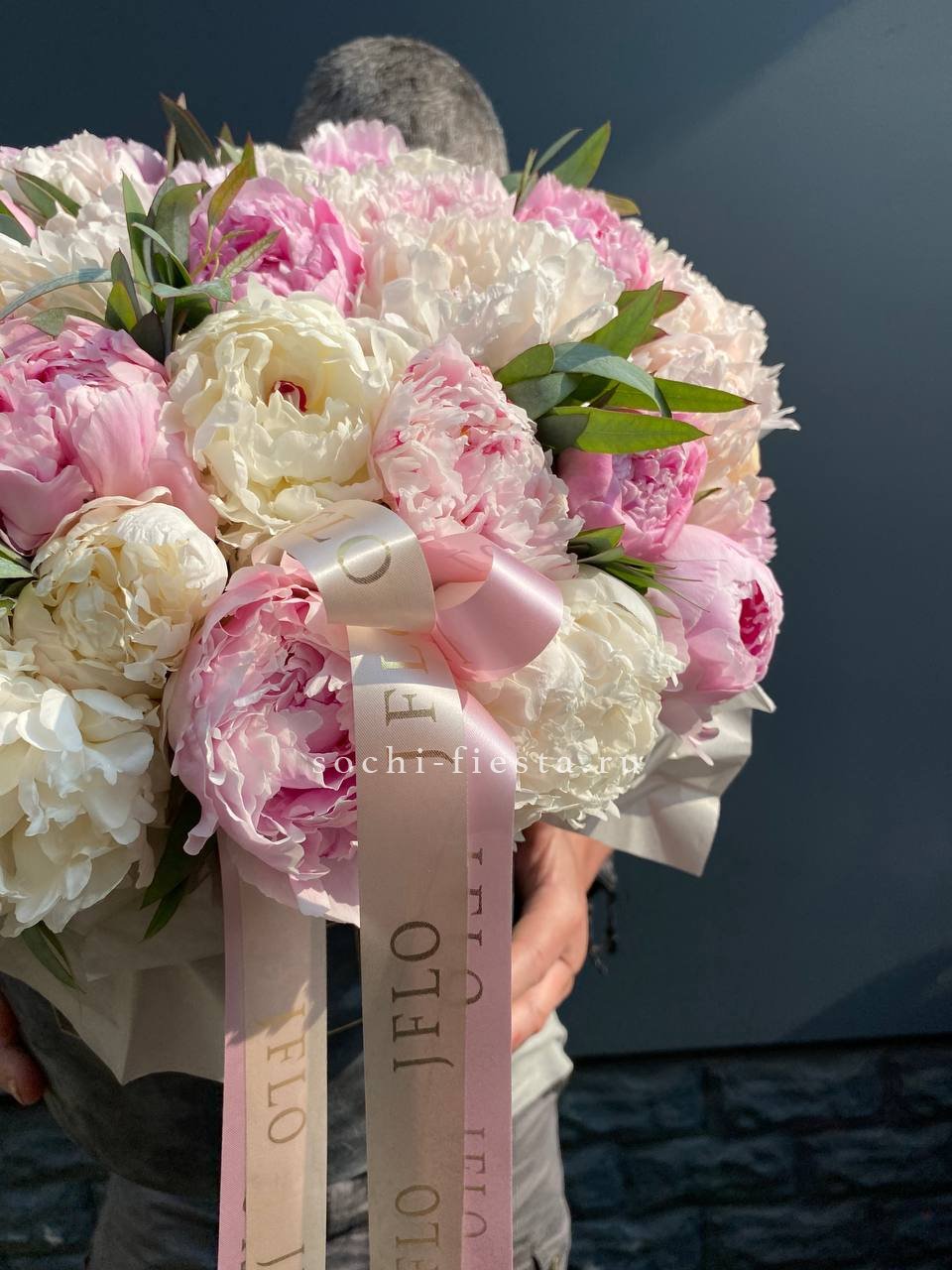
- Sarah Bernhardt — soft pink-salmon, large head, lasting fragrance. One of the most recognised wedding varieties in the world; in Seoul the default request for celebrations.
- Coral Charm — coral shifting to peach as it opens. A semi-spherical form early on. Looks good in modern arrangements for hotels.
- Red Charm — deep, saturated red, double globe form. Red in Korea is the colour of luck and joy; in demand for weddings and anniversaries.
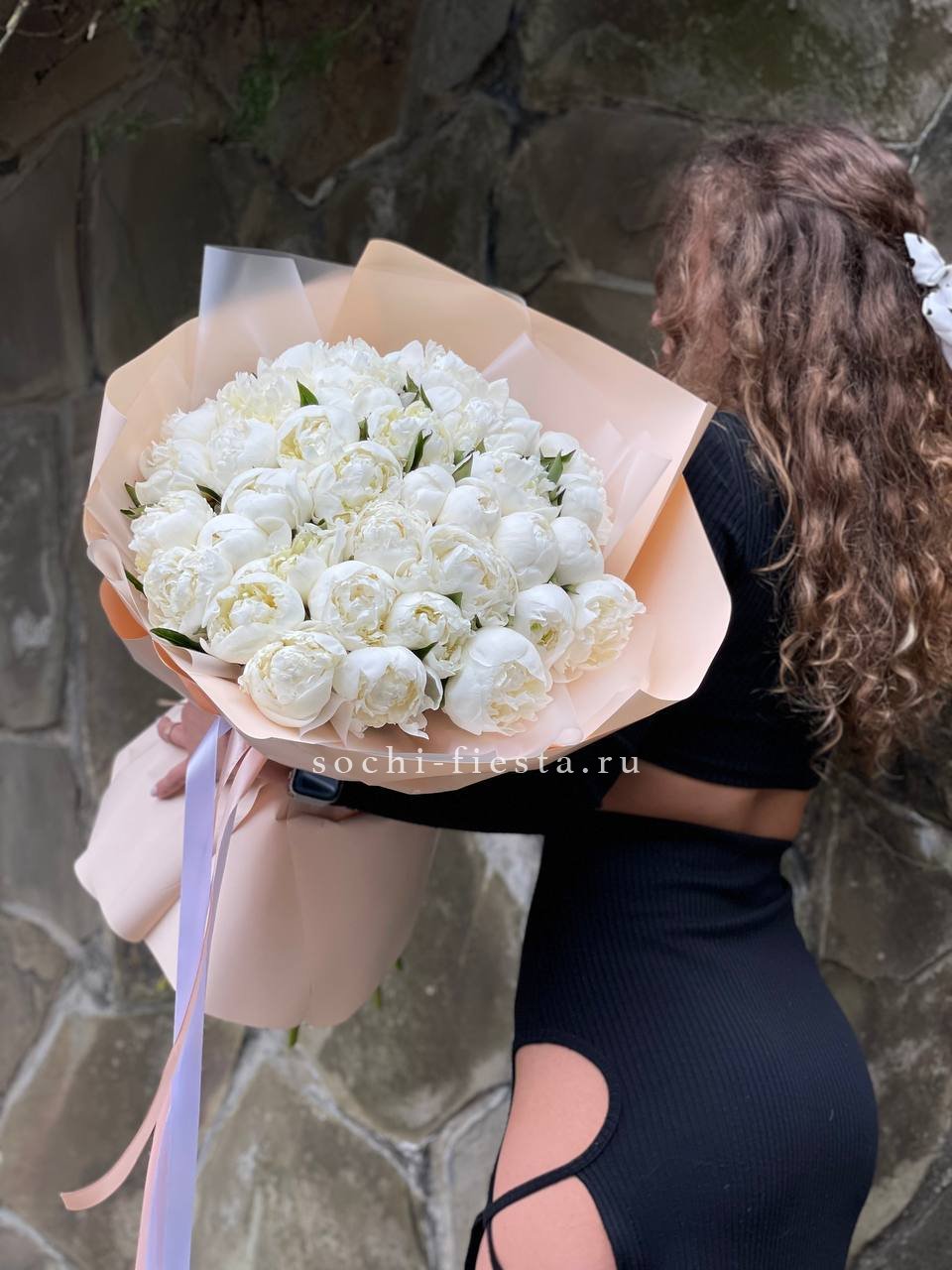
- Duchesse de Nemours — pure white with a cream centre. Suited to the bridal bouquet and white ceremonial arrangements.
- Bowl of Beauty — pink outer petals, cream-yellow centre. An anemone form — an unconventional, visually interesting choice.
- Coral Sunset — coral shifting to peach-yellow. One of the most photogenic varieties, a frequent pick for wedding shoots.
Occasions and seasonality
The main peony moment in Seoul is the Korean season of May–June. It coincides with weddings, Parents' Day (8 May), and the celebration season, and demand peaks then. The second high point is the Southern Hemisphere supply in November–December, which extends fresh-flower availability into the winter dates.
Beyond that, peonies are chosen for milestone birthdays, anniversaries, business openings, and event styling in the hotels of Gangnam and Yeouido. Wedding floristry is a major subject of its own: the bridal bouquet, table styling, photo backdrops. Thanks to supply from two hemispheres, fresh peony is available in Seoul longer than its May season alone would allow.
Freshness and logistics
Korean peony travels a short leg — from farms in Gyeonggi and the southern provinces, through the aT Yangjae auction — and reaches the recipient in 1–2 days. Imported varieties come by air through Incheon (ICN): Dutch from the Aalsmeer and Royal FloraHolland auctions, New Zealand and Chilean on direct flights in the southern season. Until assembly, flowers are held in cold storage at +4…+6°C, and we keep the cold chain unbroken to the door.
Peonies are delivered at the "pea-sized bud" stage — still closed; opening takes 2–4 days depending on temperature. In the hot, humid June the process speeds up, so if you need open peonies for a specific date, tell us when you order. At +18°C under air conditioning a peony opens fully in about 3 days.
"The peony in Korea is a flower with character. Our own season is short, May to June, and in those weeks the wedding demand goes through the roof. A bride who calls the day before is always stressful. The rule is simple: order a week ahead, receive 4–5 days out, let it mature in an air-conditioned room. Out of season, the New Zealand and Chilean supply saves us — and then you can have a peony even for a winter date."
— Park So-yeon, florist, Seoul, 12 years in the trade
Delivery specifics in Seoul
Seoul has four distinct seasons, and the peony is sensitive to each. The May–June peak coincides with its own Korean season — the best time. In summer, heat and humidity with the jangma rains speed up the shedding of an open peony; in winter, the main risk is the bud chilling on the street. We build event batches with time to spare and keep flowers cold until assembly.
We deliver peonies across all parts of Seoul: Gangnam, Seocho, Songpa, Jongno, Jung-gu, Yongsan, Mapo, Yeouido, Myeongdong, Hongdae, Itaewon, Insadong, Jamsil, Seongdong, Gangdong, Dongdaemun, Yeongdeungpo, Gangseo, Nowon, Eunpyeong. Payment is in South Korean won (₩, KRW). For weddings, at least 7–10 days ahead. In its May season the best material goes first, so book the date early.
Care at home
Peonies in a closed bud keep well at +4°C for 5–7 days. To speed up opening, move them to a room at +18–20°C. Cut the stems at a 45° angle, remove the lower leaves, use cool water, and change it every two days. A Chrysal sachet speeds opening and extends the flower's life.
Don't place a peony near fruit — ethylene from ripe apples and bananas causes the petals to drop early. In summer keep the bouquet under air conditioning but not in the direct airflow; in winter, away from the heated ondol floor and the radiator, or an open peony will shed within a couple of days. Open and held at +18–22°C, a peony lasts 5–7 days. Message our manager and we'll help match the variety and stem count to the occasion and budget.

