
_633646720x720_q85.jpg?v=1787135615)
_8c5da0720x720_q85.jpg?v=1787130505)
_baafc1720x720_q85.jpg?v=1787135615)


720x720_q85.jpg?v=1787131158)


_076f68720x720_q85.jpg?v=1787130506)


Roses with delivery in Seoul: varieties, Korean occasions, and freshness from the Express Terminal market
Seoul runs fast — the towers of Gangnam, the night signs of Myeongdong, the endless cafés of Hongdae. But flowers here are taken seriously and with taste. A rose in Seoul goes to a graduation or a university admission, to a couple's anniversary, to Rose Day on 14 May, and to a coming-of-age celebration. The buyer is well-informed: they check bud density, stem length, leaf freshness, and whether the colour fits the occasion. We built the catalogue around that taste and around the city's sharp, four-season climate.
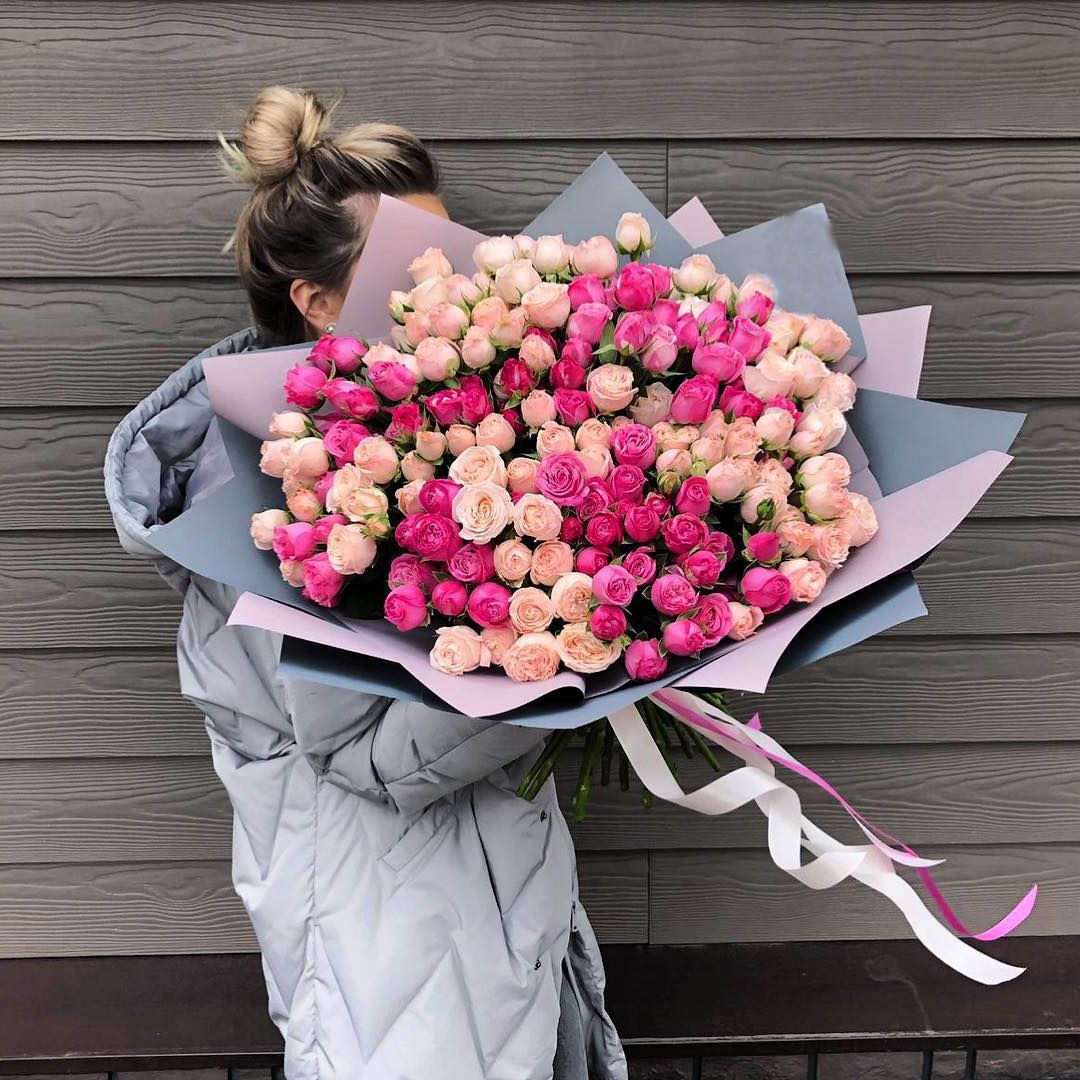
The category covers single-variety bouquets, mixed arrangements, and single stems. Sizes range from a compact 9-rose bundle to a formal 50 or 100-stem presentation. For offices in Gangnam and Yeouido, restaurants, and business openings, we supply boxes, hatboxes, and congratulatory flower stands (화환) — a distinct Korean tradition for openings and ceremonies.
Which varieties to choose
We source from several origins: Korean roses from farms in Gimhae and Gyeonggi, large-headed Colombian and Ecuadorian varieties, and Kenyan and Dutch classics. Part of the supply passes through the aT Yangjae auction and the wholesale market at the Express Bus Terminal. Each group has its natural occasion.
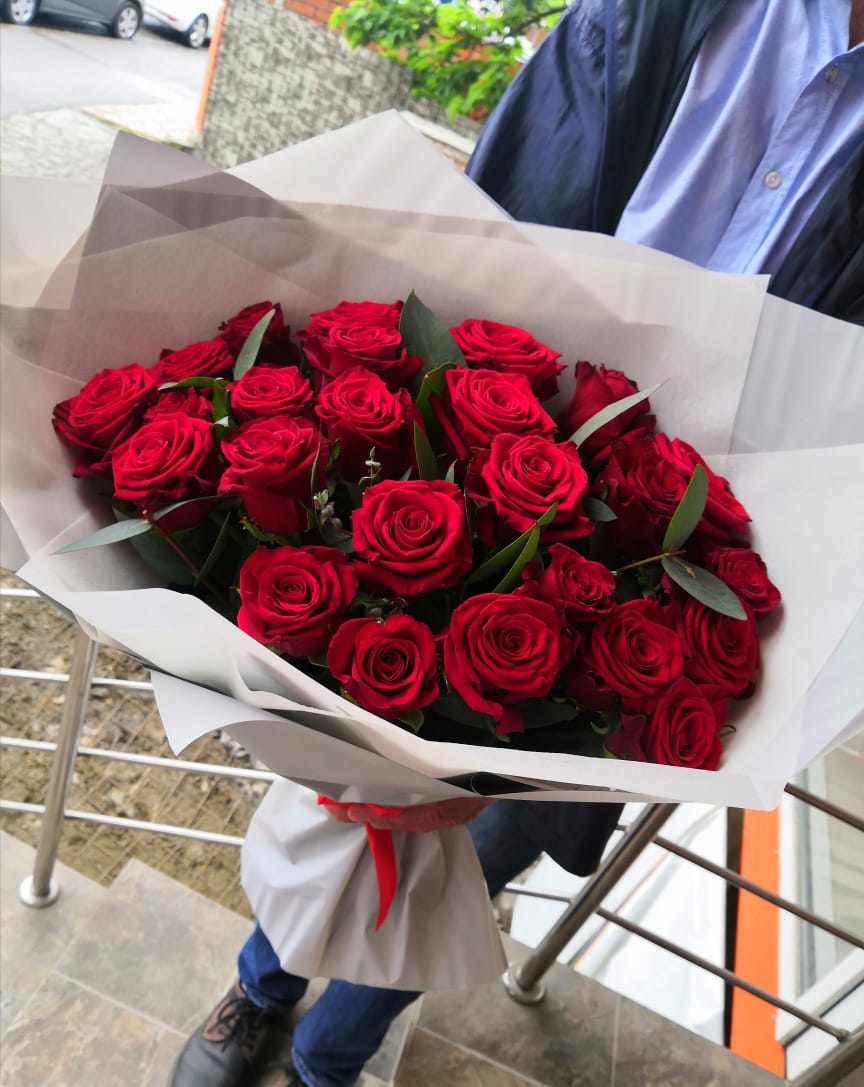
- Freedom — deep red, bud 6–7 cm, stem 60–70 cm. The workhorse red for anniversaries and Rose Day; a vase life of 10–12 days.
- Red Naomi — dark burgundy-red with velvet-textured petals. One of the most photogenic roses in the catalogue, often chosen for hotels and celebrations.
- Korean garden rose — locally grown in Gimhae, fresh and short on delivery time. A sound pick for an everyday bouquet.
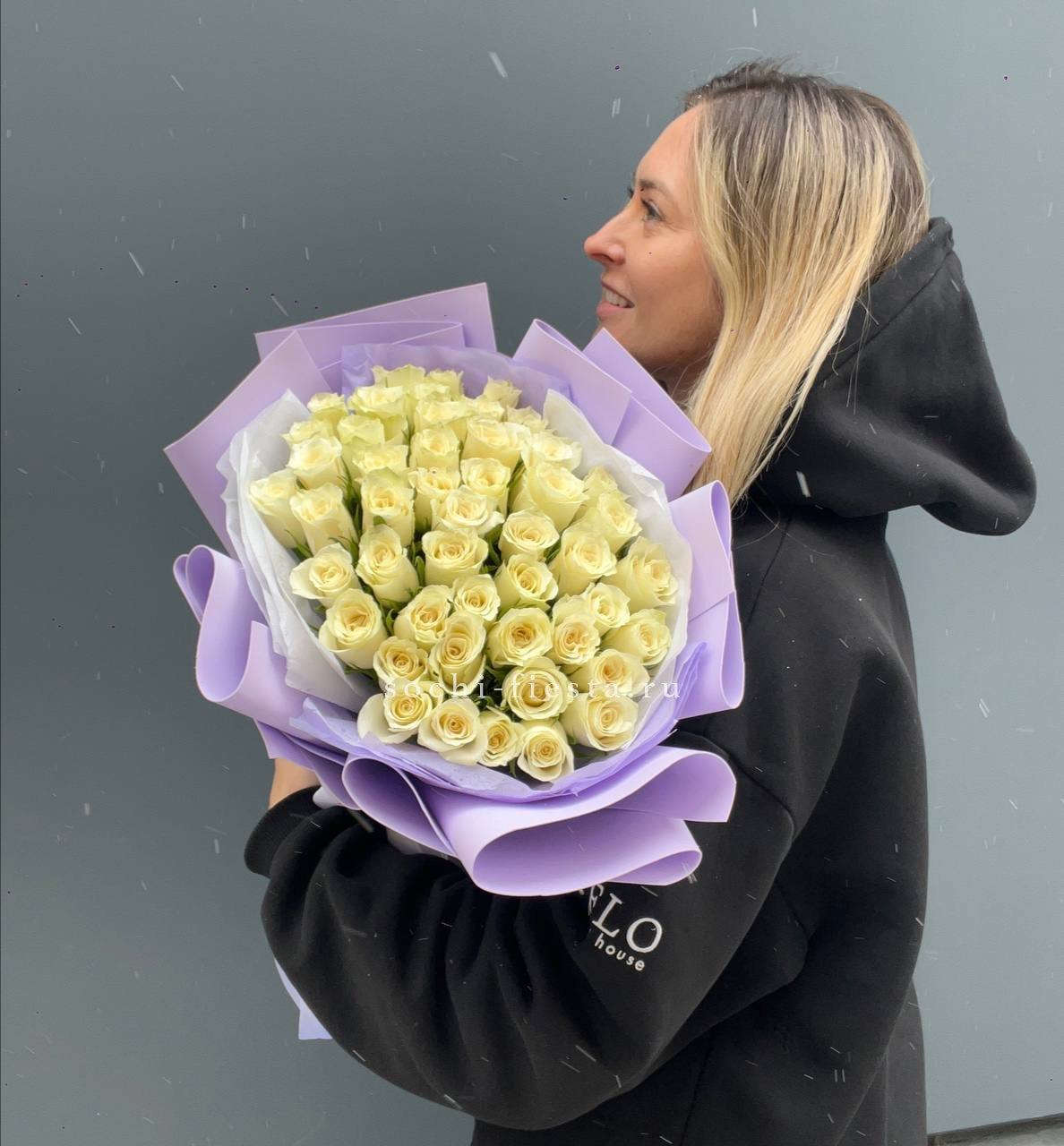
- Avalanche+ — pure white, large dense bud. A neutral anchor for mixed and wedding arrangements.
- Mondial — cream-white with a green cast, very resilient. Convenient for Seoul's summer heat.
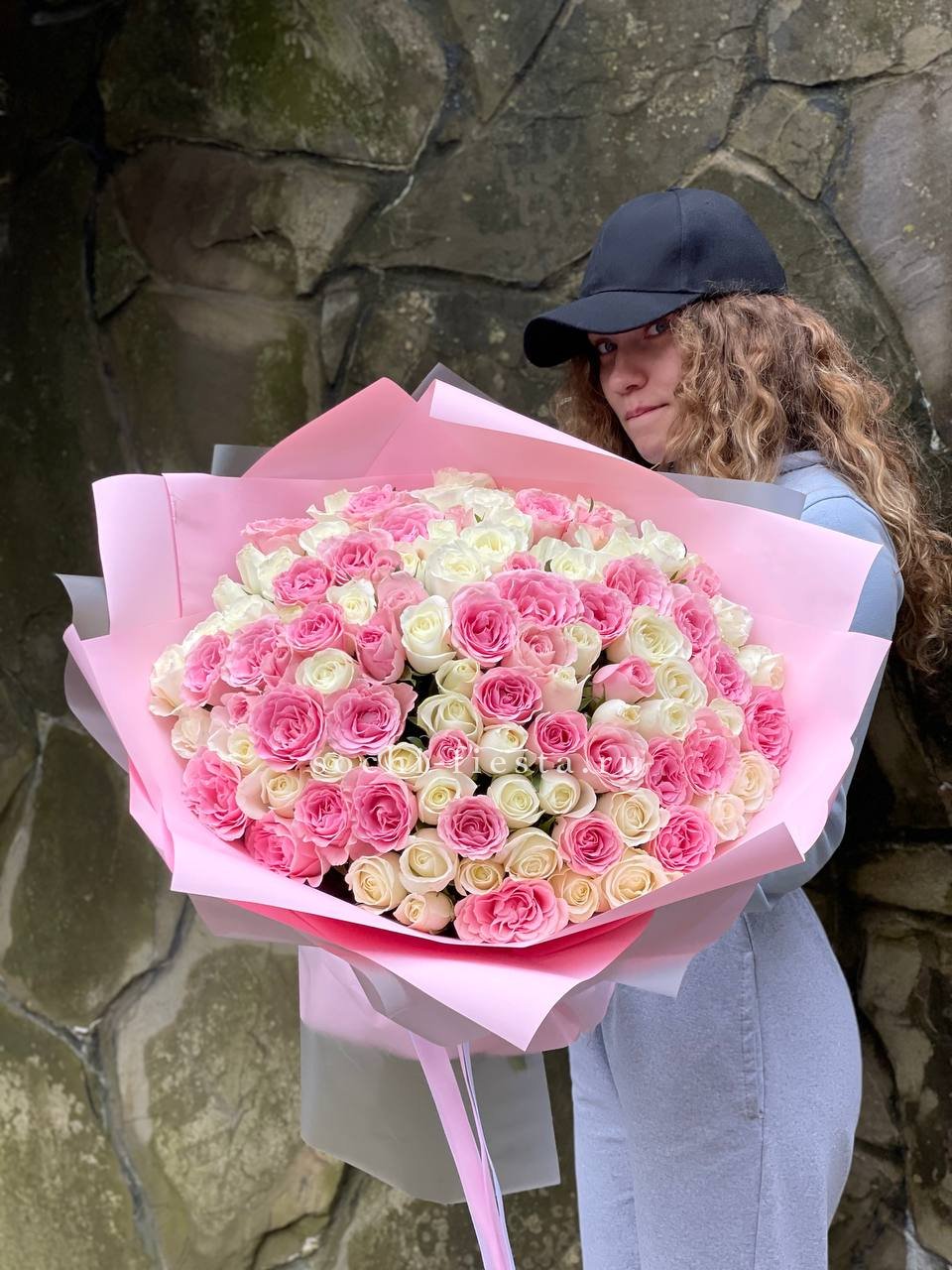
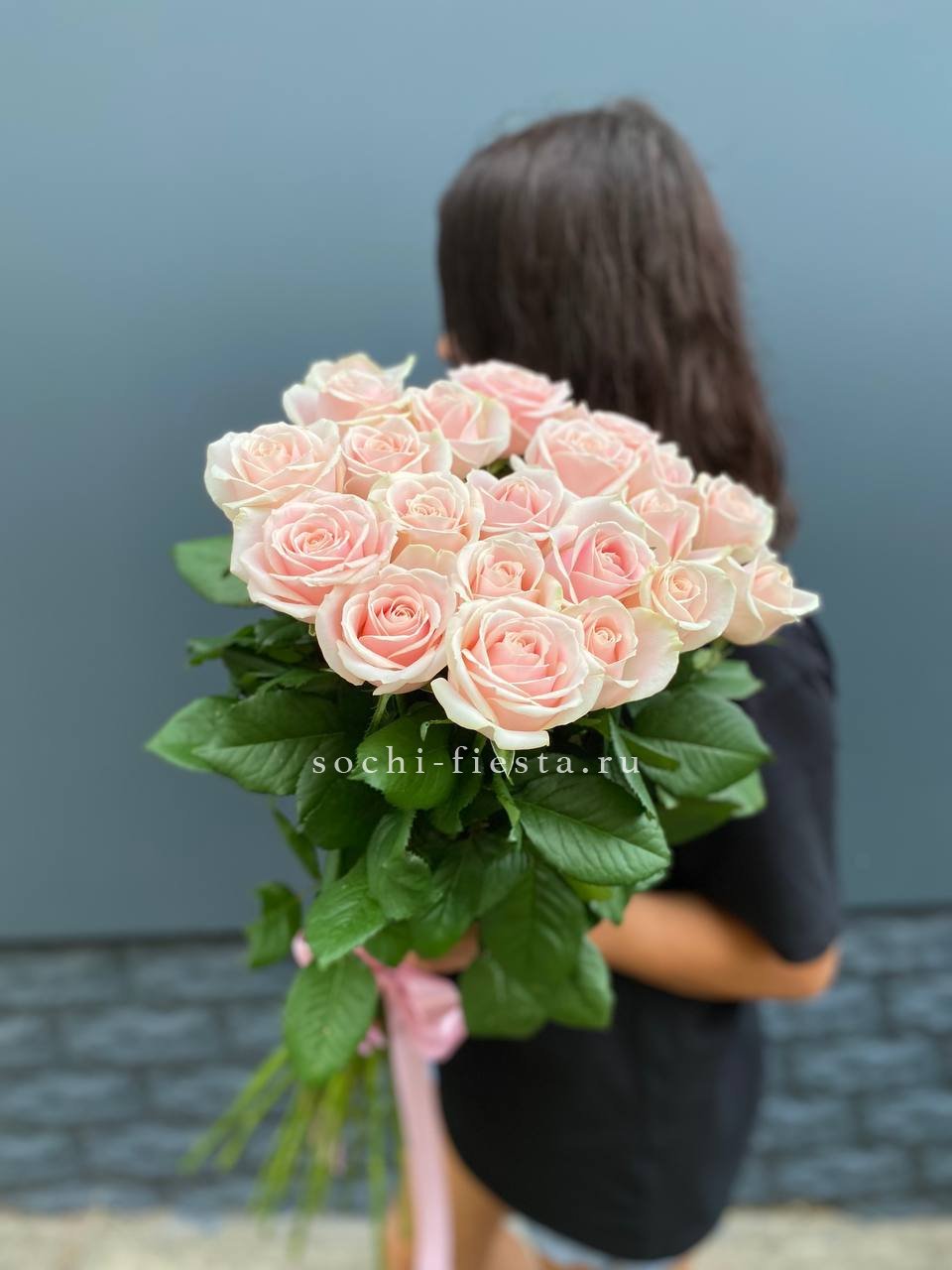
- Sweet Avalanche — soft pink, mid-sized bud. A choice for those who want to step beyond red.
Occasions and stem count
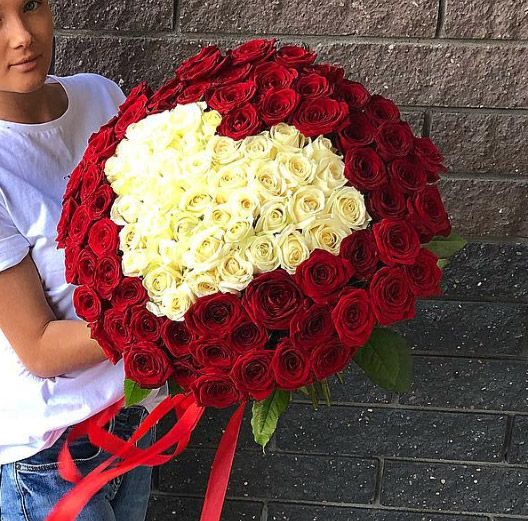
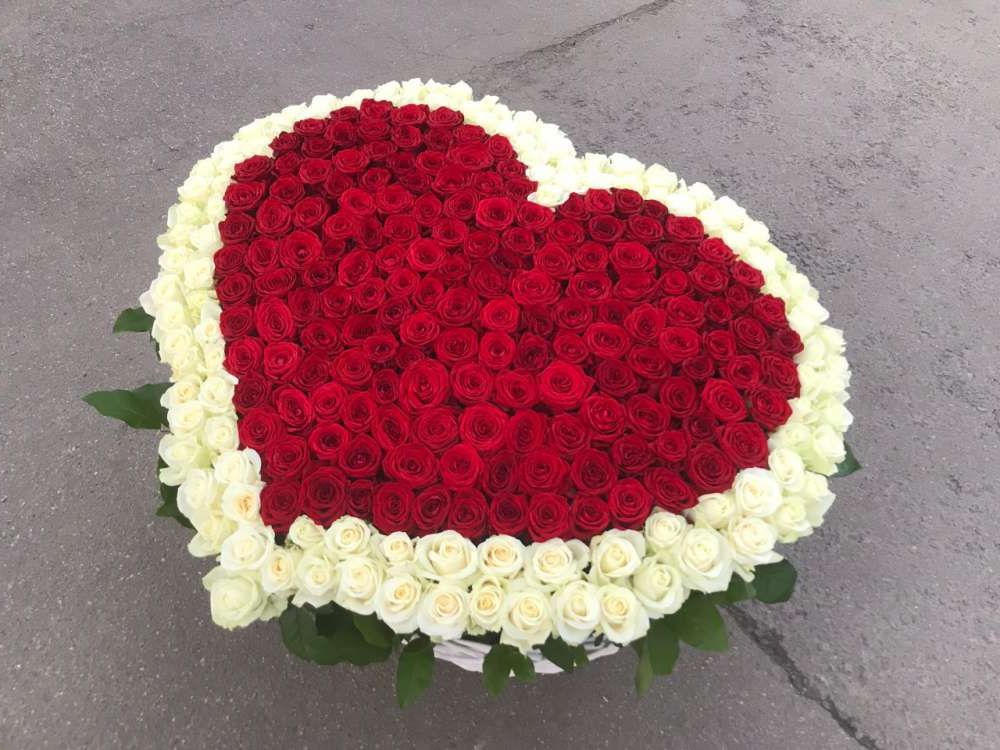
One stem is a quiet, considered gesture. Three: a friendly thanks. Nine or eleven: romantic without being theatrical. On Coming-of-Age Day (the third Monday of May), 20 roses are traditionally given. Fifty and a hundred stems are reserved for engagements, anniversaries, and milestone dates.
The Korean calendar has its own rose peaks. The biggest is 14 May, Rose Day (장미데이), when couples exchange roses. Then come graduation and admission season (February), Valentine's Day (14 February, when women give) and White Day (14 March, when men give), plus anniversaries and weddings. A 화환 flower stand is ordered for the opening of a shop, café, or office — an instantly recognisable local gesture.
Freshness and logistics
Seoul combines its own crop with imports. Korean roses come from farms in Gimhae and Gyeonggi — a short delivery leg, reaching the recipient in 1–2 days. Colombian, Ecuadorian, Kenyan, and Dutch varieties arrive by air freight through Incheon (ICN) and pass through the aT Yangjae auction. Until assembly, flowers are held in cold storage at +4…+6°C.
Seoul's climate is sharp: hot, humid summers with the jangma rainy season, and cold, dry winters. In summer the rose's main enemy is humidity and grey mould; in winter, the bud chilling on the street. So we keep the cold chain in summer and insulated packaging in winter, right to the last mile.
"In Seoul the rose has two different seasons in one year. In summer, during jangma, humidity runs near 90% — the bud catches botrytis easily, so we keep flowers in dry cold until assembly. In winter it's the opposite: ten minutes on the street in the frost and the rose 'glasses over,' so we insulate the wrapping. And always ask when the batch arrived — that's more honest than any advertising."
— Kim Min-ji, florist, Seoul, 13 years in the trade
Delivery specifics in Seoul
Seoul has four distinct seasons. Spring (April) is mild, with cherry blossom; summer (June–August) is hot and humid, +28–33°C, with the jangma rains in late June and July; autumn is cool and clear — the best season for flowers; winter (December–February) is dry and frosty, down to −10°C in January. We adjust packaging and transport mode to each season.
We deliver roses across all parts of Seoul: Gangnam, Seocho, Songpa, Jongno, Jung-gu, Yongsan, Mapo, Yeouido, Myeongdong, Hongdae, Itaewon, Insadong, Jamsil, Seongdong, Gangdong, Dongdaemun, Yeongdeungpo, Gangseo, Nowon, Eunpyeong. Payment is in South Korean won (₩, KRW), by card online. For Rose Day, graduations, and Valentine's we recommend ordering a week ahead; for other dates, 2–3 days.
Care at home
On arrival, cut the stems at a 45° angle, remove any leaves below the waterline, and place them in a clean vase with cool water. Change the water every two days and add a Chrysal sachet. Keep the bouquet away from direct sun and fruit: ethylene from ripe apples and bananas shortens vase life by roughly a third.
In summer, keep roses in the coolest room under the air-con, but not in the direct airflow — dried-out air scorches the petal edge. In winter, do the opposite: keep the bouquet away from the radiator and the heated ondol floor, since heat rising from below forces the bud open too fast. Roses suit almost any occasion — message our manager and we'll help match the variety, colour, and stem count to the task and budget.

