


720x720_q85.jpg?v=1787130511)


_e58557720x720_q85.jpg?v=1787130512)


720x720_q85.jpg?v=1787130516)
720x720_q85.jpg?v=1787130516)
_0406c4720x720_q85.jpg?v=1787130516)
Roses with delivery in Tokyo: varieties, Japanese occasions, and wabara garden roses
In Tokyo the rose works all year round. Unlike the tulip or the peony, it has no short window: a rose bouquet can be made in January or in August alike. It goes to an anniversary, a proposal, the opening of a new boutique in Ginza or an office in Marunouchi. In the language of flowers a red rose is a direct declaration, and the Japanese treat that gesture with care: softer shades are often chosen when a relationship is only beginning.
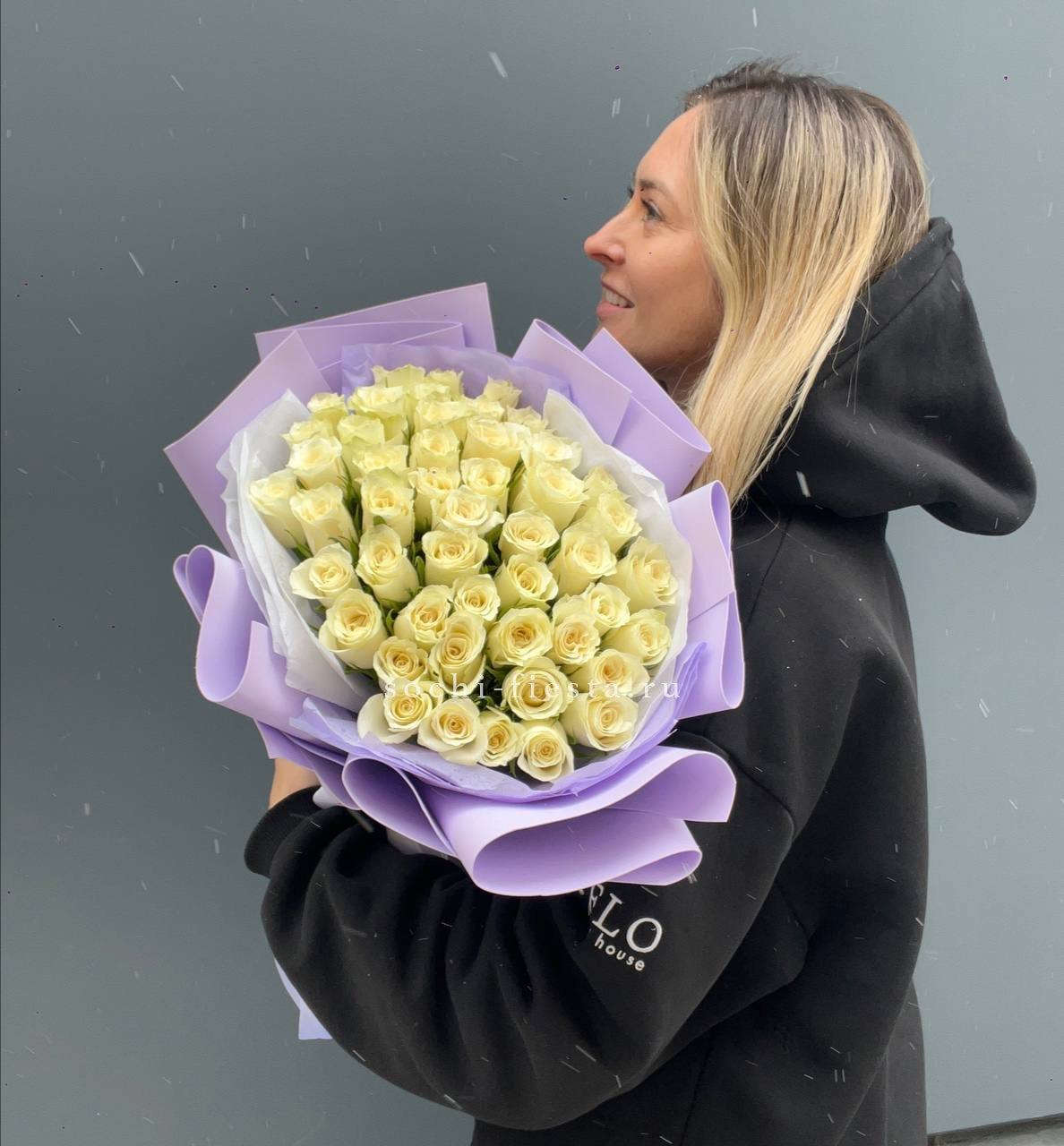
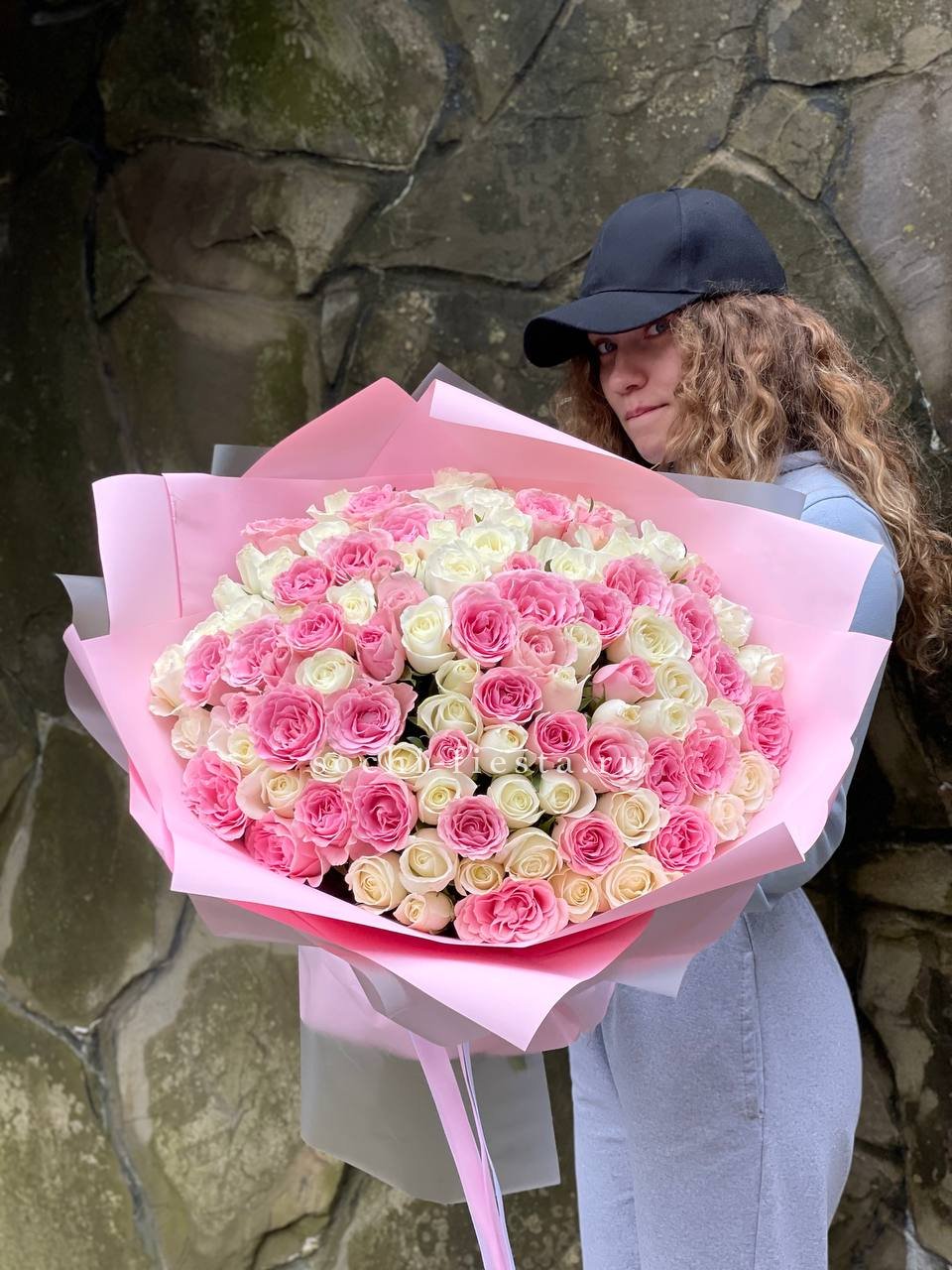
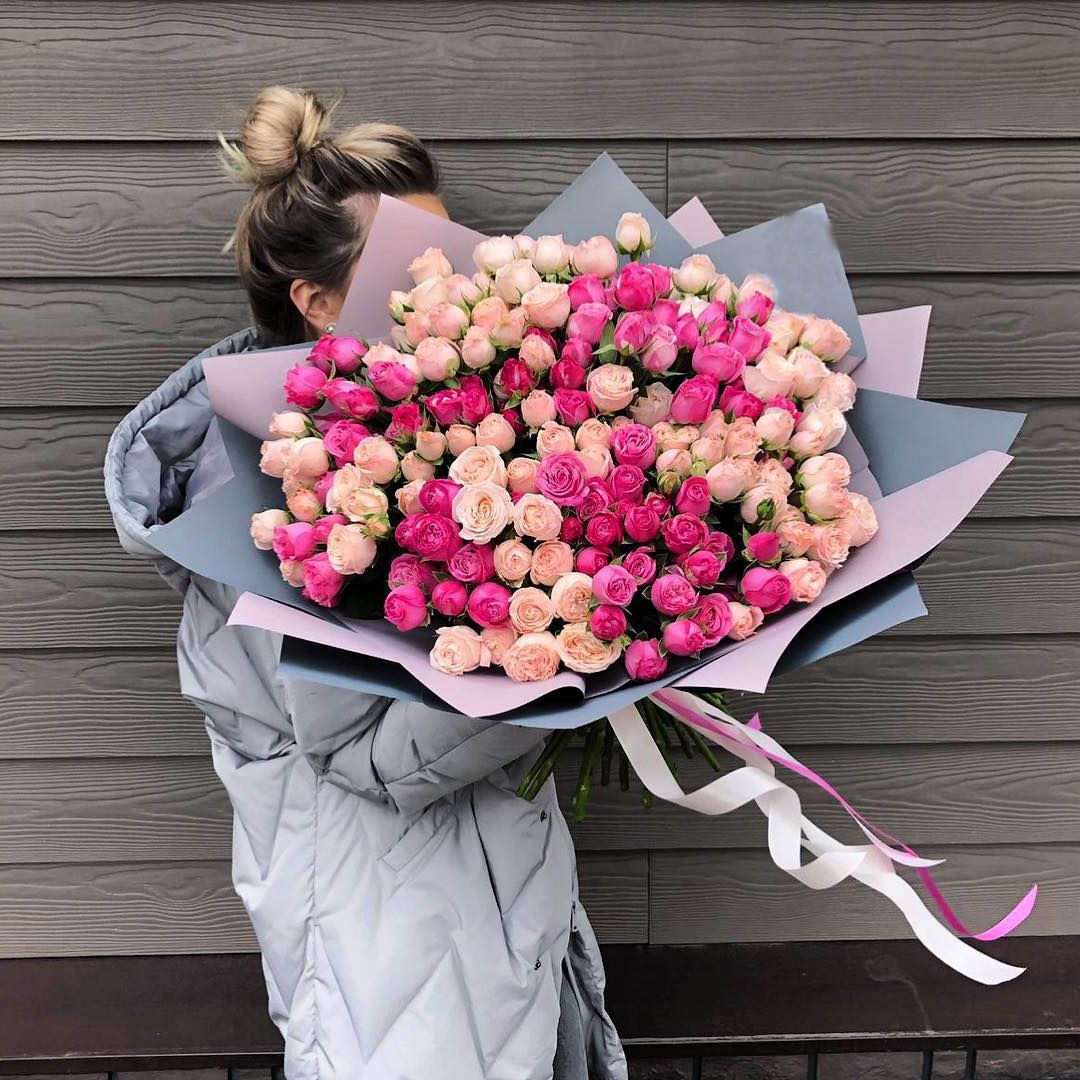
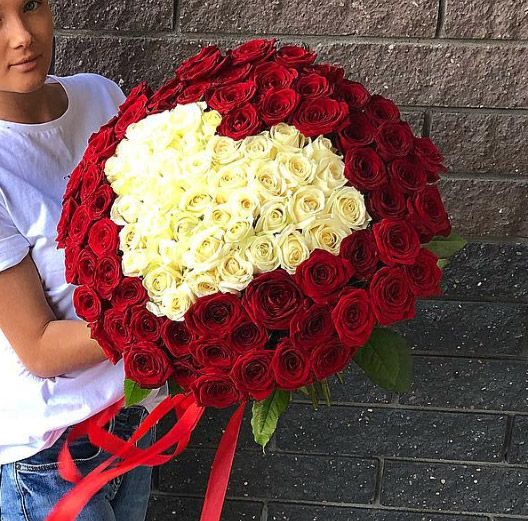
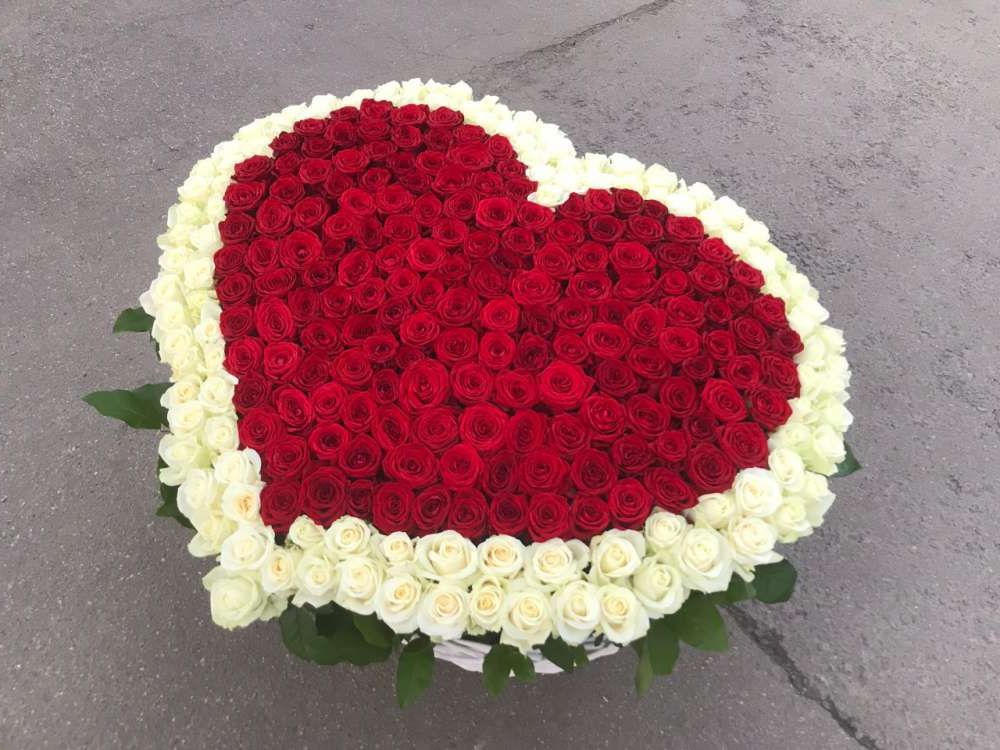
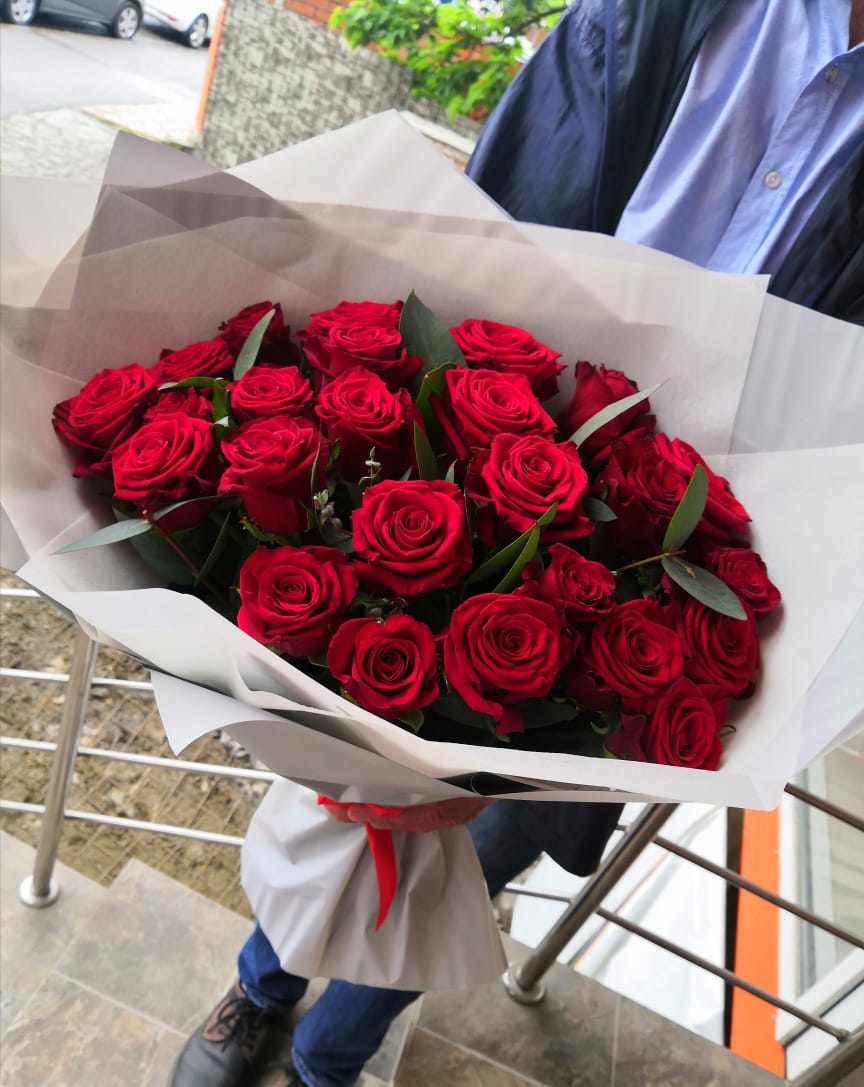
The category covers single-colour bouquets from 9 to 101 stems, mixed arrangements with roses and seasonal greenery, and gift boxes and hat boxes for corporate and wedding orders. Roses hold their shape longer than tulips and peonies, which makes them a practical choice when the bouquet needs to last a week or more.
Which varieties to choose
Roses in the catalogue are imported and Japanese. Japan grows cut roses in Aichi, Shizuoka, and Nagano prefectures, and a story of its own is the wabara garden roses from Rose Farm Keiji in Shiga: dense, fragrant, with the form of an English rose. Imports come from Kenya, Ecuador, and the Netherlands. We select varieties with a firm stem, a clean colour, and good vase life.
- Red Naomi — a large dark-red rose with a noticeable scent and a tall bud. A classic for anniversaries and declarations.
- Freedom — deep red, an even stem, a very sturdy bud. Good for large single-colour bouquets of 25 stems and up.
- Avalanche+ — white with a green base. Neutral and clean, the basis for wedding and ceremonial arrangements.
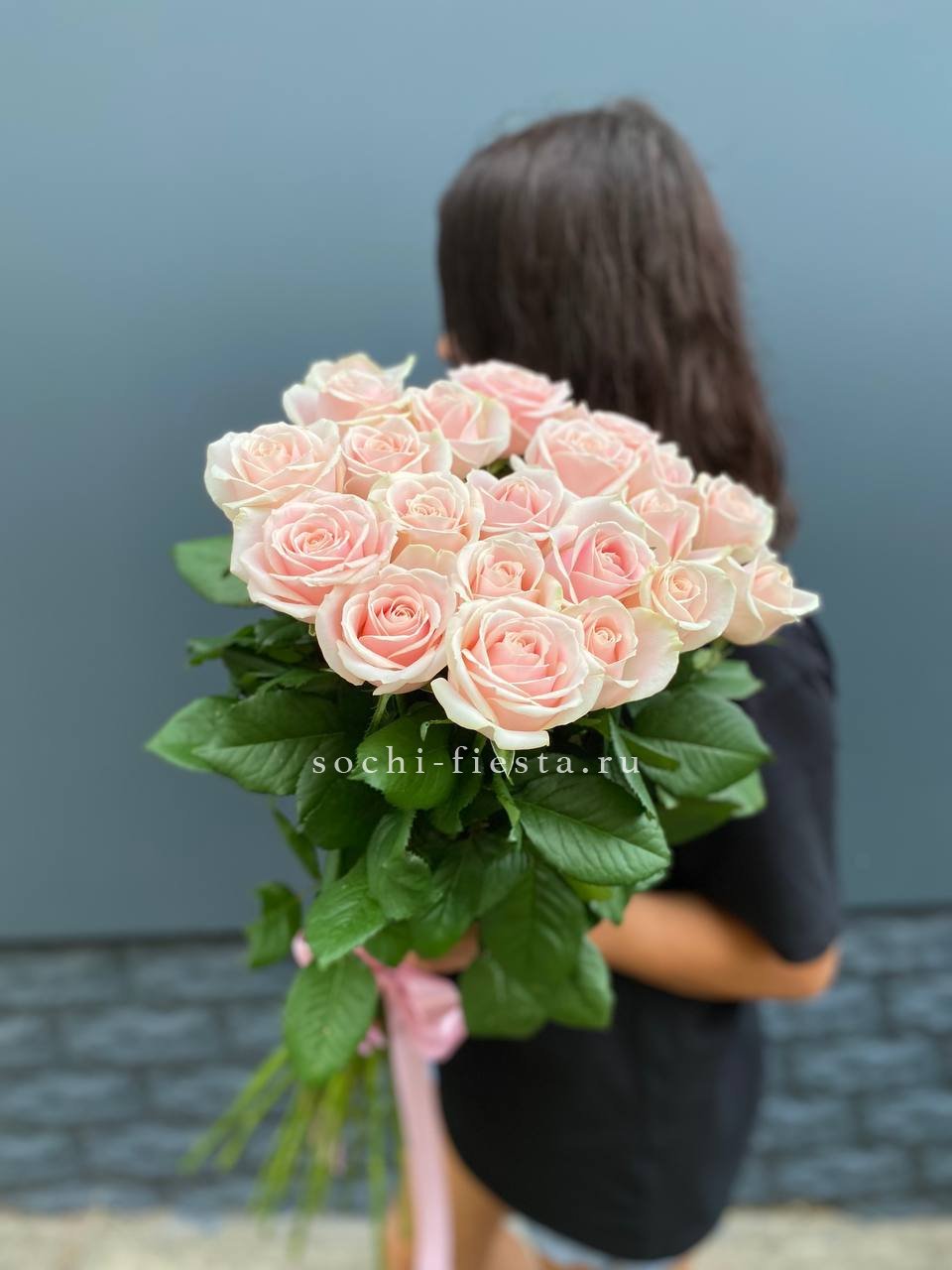
- Quicksand — a muted beige-powder. Popular in modern bouquets for interiors in Daikanyama and Aoyama.
- Japanese wabara garden roses — dense, full-petalled local varieties with a delicate scent. A premium choice with a short delivery leg.
- Ohara / peony-shaped roses — a rounded form, soft tones. They look good in wedding bouquets.
Occasions and symbolism
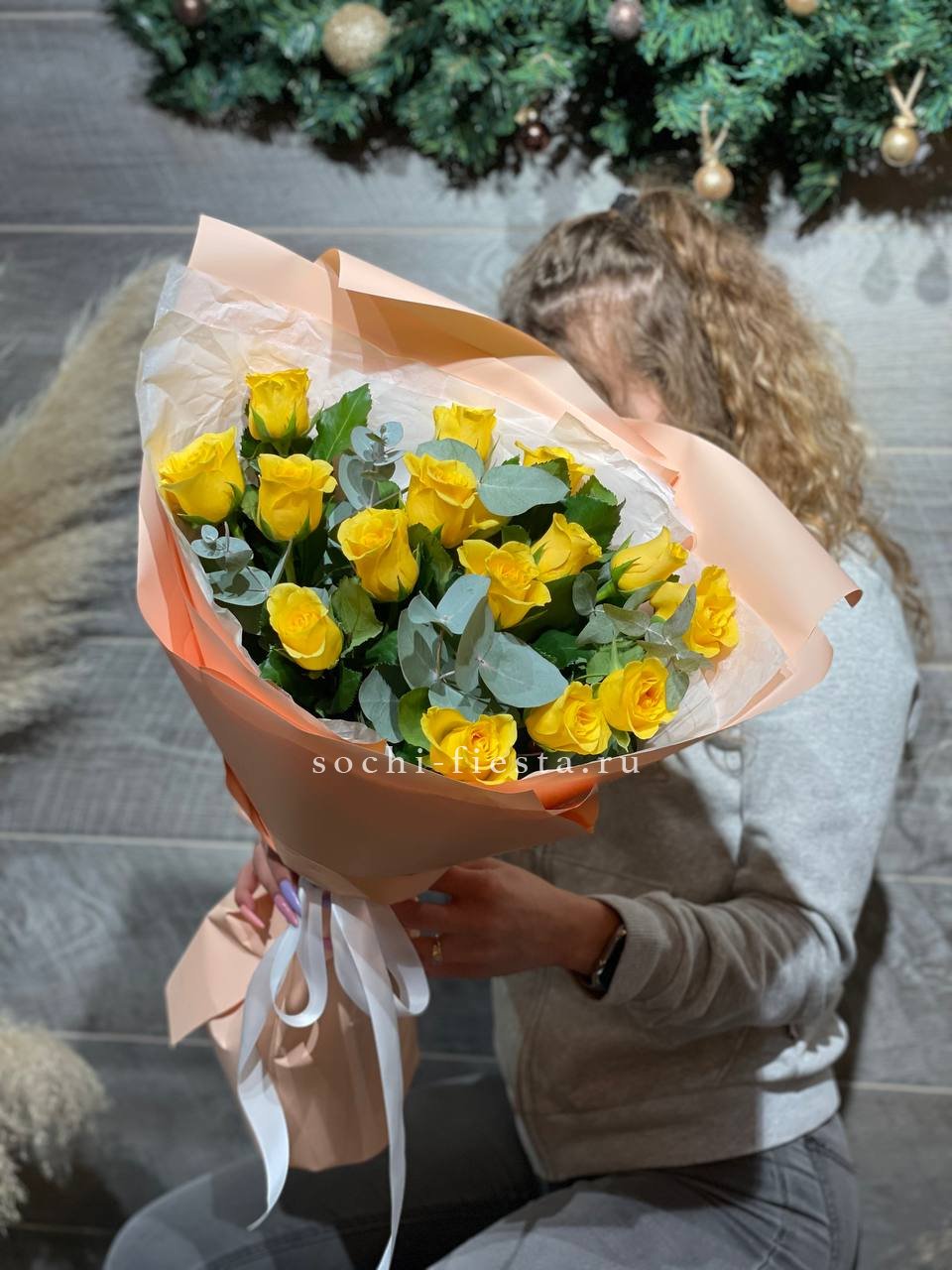
In Japan the rose is given for Valentine's Day and White Day (14 March), for anniversaries, birthdays, and proposals. Colour reads directly: red speaks of love, white of respect and pure intentions, pink of gratitude and affection. The yellow rose is taken more calmly here than in the West — usually as a sign of friendship.
For business occasions, roses are ordered for the opening of a shop or restaurant (kaiten-iwai), for a promotion, or a company anniversary. As with the other bouquets, counts of 4 and 9 are avoided: in Japanese these numbers sound like the words for "death" and "suffering". Convenient formats are 11, 21, 51, and 101 roses for the grander gestures.
Freshness and logistics
Imported roses fly in through Narita Airport (NRT) and are distributed to Tokyo florists through the Ōta Market — Japan's largest wholesale flower market, in Ōta ward. Japanese cut stems from Aichi and Shizuoka travel a short leg and arrive within a day. Wabara roses from Shiga reach the shop with minimal delay between cutting and display.
Roses arrive in a tight bud and open at the recipient's home. We keep the cut stems at +4–6°C right up to the moment the bouquet is made, and in summer, on the hottest and most humid days, we build orders to the forecast — Tokyo's mugginess shortens the life of an open flower.
"The rose forgives more than the tulip, but it doesn't forgive a Tokyo summer. In July and August the main enemy isn't the heat itself but the humidity: grey mould appears quickly on an open flower. I advise keeping the bouquet in a cool, air-conditioned room, but not under a direct stream of air, and changing the water every day without fail. Then the roses stand a week easily."
— Hina Sato, florist, Tokyo, 14 years in the trade
Delivery specifics in Tokyo
Tokyo lies in a humid subtropical climate. Winters are mild and dry, +5–10°C, and snow is rare — a comfortable time for roses. Spring is warm, with the cherry blossom in late March along the Meguro river and by the Imperial Palace moat. Summers are hot and muggy, +33–35°C, with the tsuyu rainy season in June–July and typhoons closer to autumn. It is summer's humidity that matters most for roses.
We deliver across Tokyo: Ginza, Marunouchi and Nihonbashi, Shibuya, Shinjuku, Ikebukuro, Roppongi and Akasaka, Azabu and Omotesando, Aoyama, Daikanyama, Ebisu, Meguro, Setagaya, Asakusa and Ueno, Shinagawa, the bay area and Odaiba. We take corporate orders for offices, restaurants, and hotels. Payment is in yen (¥, JPY). For Valentine's and White Day, book 3–5 days ahead — demand for red roses rises sharply at the peak.
Care at home
Cut the stems at a 45° angle, ideally under running water, and remove the lower leaves and any thorns that would sit below the waterline. Change the water every one or two days, and refresh the cut at each change. Flower food (Chrysal) extends the bouquet's life and helps the buds open evenly.
Keep roses away from fruit: the ethylene from ripe apples and bananas speeds wilting. On hot days, place the bouquet in the coolest room and out of direct sun. At +18–22°C roses last 7–10 days, and longer when kept cool. Message our manager and we'll help match the variety and stem count to the occasion and budget.

