

Mixed bouquets in Auckland: local stems beside the ones the border lets in
Mixed bouquets in Auckland pair local stems with flowers the border has already cleared: New Zealand lets in cut flowers only of approved species from approved countries, and an MPI inspector checks each consignment's phytosanitary certificate. With several kinds in one bunch, the month and the flower at the centre do most of the deciding.
Approved species, approved countries: the imported half of a mix
A mixed bouquet in Auckland carries stems that have already cleared the border. New Zealand's Ministry for Primary Industries admits cut flowers only of approved species from approved countries, and every consignment travels with a phytosanitary certificate that an MPI inspector checks on arrival, fumigating some lines before they clear customs. Local roses cover most of the demand through summer, with imports picking up as Valentine's Day nears.
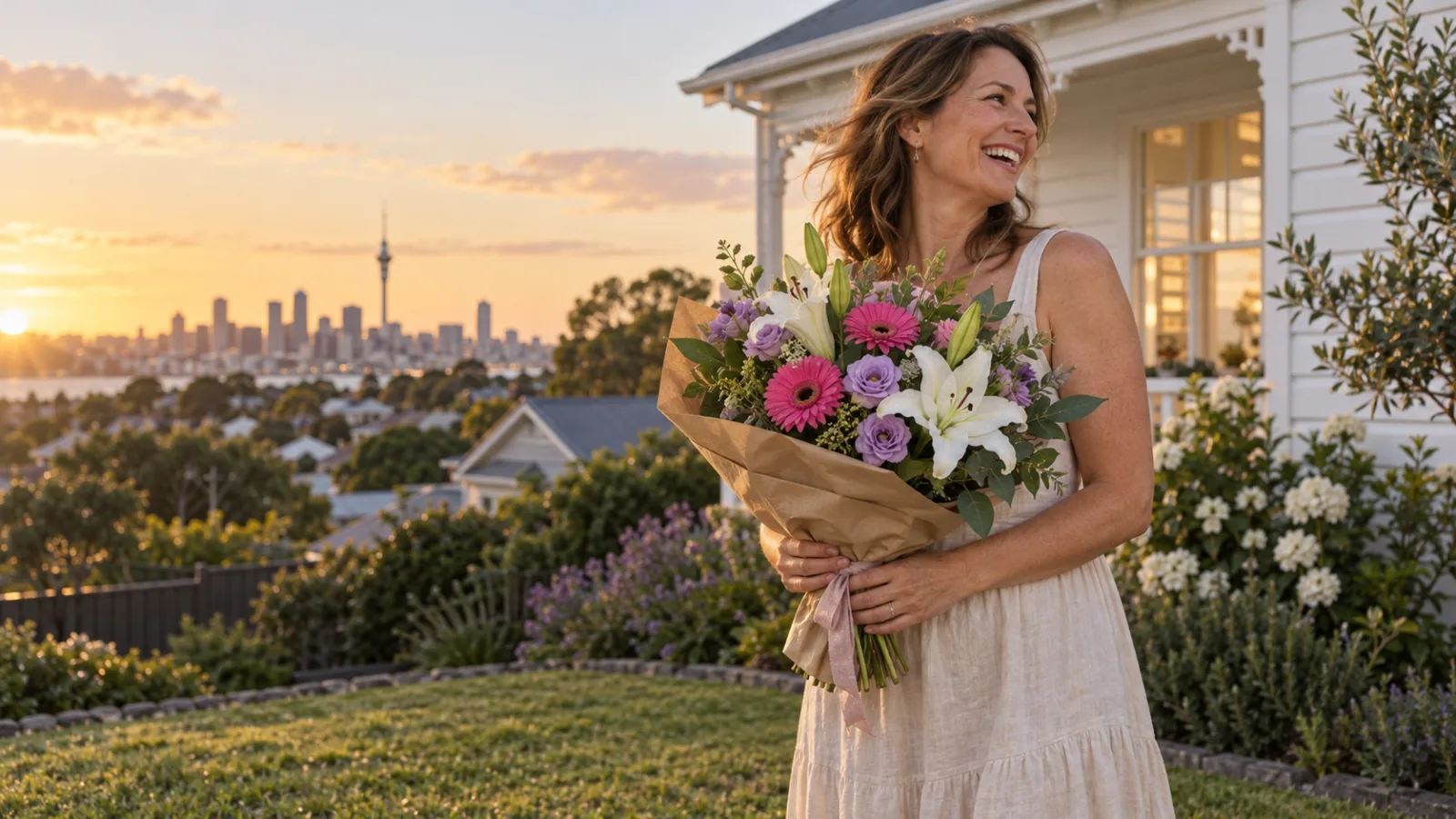
The catalogue behind mixed bouquets in Auckland draws on Ecuadorian and French roses, lilies, gerberas, hydrangeas and lisianthus, and its pairs come from that list. A lily sits beside a gerbera for size and colour, a hydrangea head balances a spray of Misty, and a rose shares the vase with lisianthus for a softer edge.
A spring mix from September, a greenhouse base in any month
Spring in the southern hemisphere runs from September to November, and that is when local roses and peonies are at their best. New Zealand's peonies are cut from mid-October to mid-December, with the biggest flush in November, so a peony-led mix is a short window rather than a year-round option.
Lily, gerbera, lisianthus, carnation, alstroemeria and chrysanthemum are greenhouse-grown and sit in the catalogue every month, which is why the base of a mix barely shifts through the year. The season changes the accent: a rose or a peony steps forward in spring, and the same greenhouse flowers fill in around it the rest of the time. Summer runs from December to February and demand climbs again before Valentine's Day, a rhythm Auckland's flower year tracks across the calendar. Where one kind in several shades is enough, a mono bouquet skips the pairing; a mix is for when two flowers need to sit side by side.
The flower at the centre: lead blooms, filler and vase life
A mass flower at the centre, a rose, a lily or a gerbera, gives the bunch its weight and colour, while filler and greenery close the gaps around it. Hydrangea and lily are generous enough that a handful of stems already reads as a full bouquet before anything else joins them.
Vase life sets the clock on the whole arrangement. A rose lasts around a week, while carnation, chrysanthemum and alstroemeria stretch to two or three weeks. A mix as a whole ages at the pace of its shortest-lived flower, not its longest. Once a lily opens, its anthers are removed so the pollen doesn't mark the petals or a sleeve. A bouquet called Roses with Lisianthus pairs a flower that fades sooner with one that holds on longer, which is the trade a mixed bouquet always makes.
Mixed bouquet delivery in Auckland follows the same routine across the catalogue: the flowers are bought in only after payment, and the finished bouquet is photographed before it leaves the florist. If a flower in the chosen bouquet isn't in that day, the florist swaps it for one close in colour and price, and the substitution shows up in the same photo. Describing the occasion and budget in chat brings back a few options with photos and prices, before any payment is made. How soon it travels shows on the bouquet's own page, and the delivery page covers the rest.
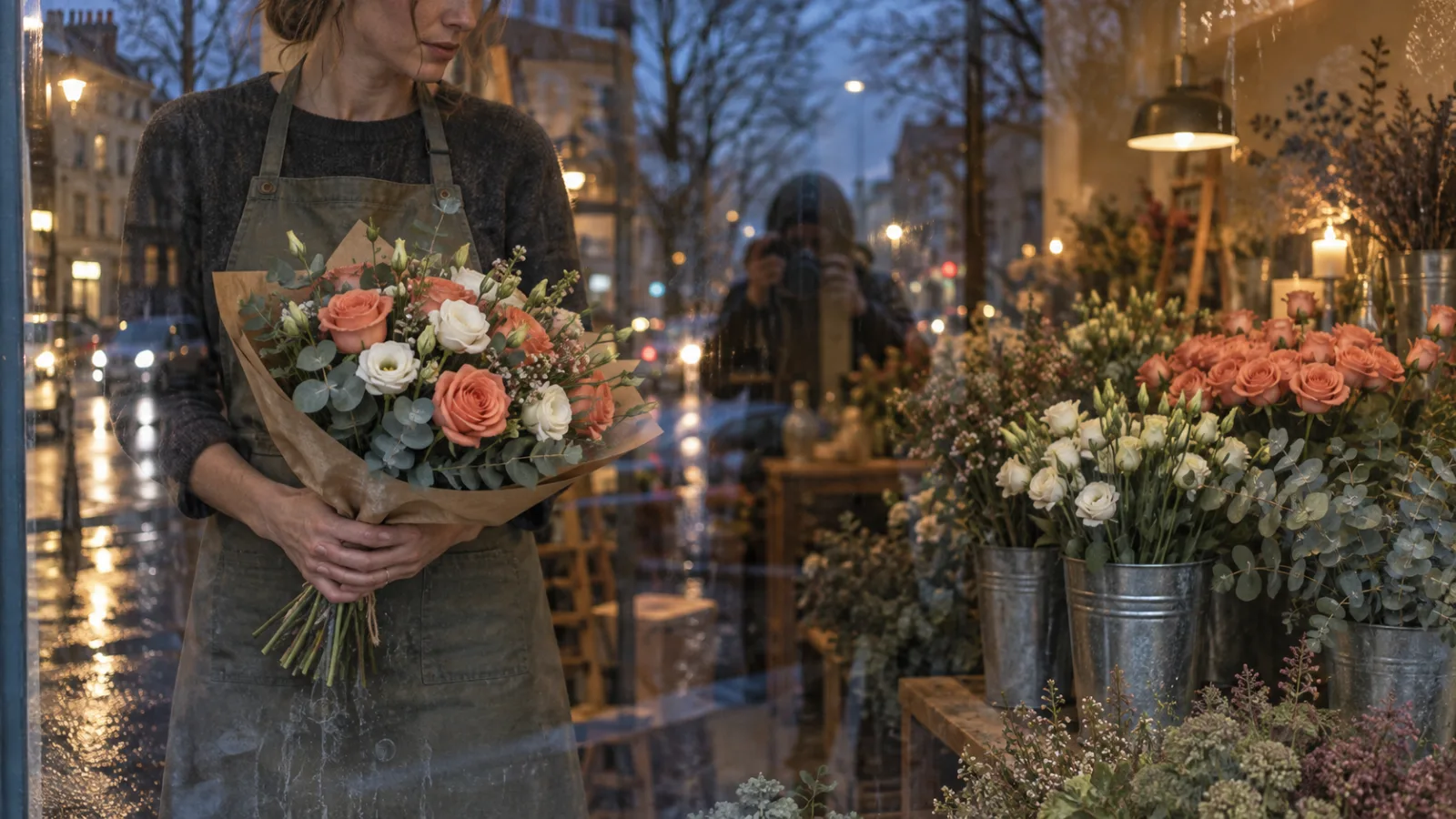
Anyone looking to send mixed flowers in Auckland for the first time can start with the single flower at the centre. Roses hold their shape long enough to anchor almost any pairing, and a designer bouquet is worth a look once the mix needs more than two kinds of flower working together.