
Peonies by stem count: what you are paying for

With most flowers the count is a matter of taste. With peonies it is the main thing that moves the price, and the same number costs very differently depending on the month.
The reason sits in the plant. A peony bush gives its buds over a few weeks in early summer and then nothing until the following year, and no greenhouse persuades it otherwise. Outside that window every stem on the counter has been flown in from a growing region with the opposite season, cut tight and cooled for the journey. Transport, rather than the flower, is most of what you pay for in January.
So a count that feels extravagant in June is ordinary, and an ordinary one in winter is not.
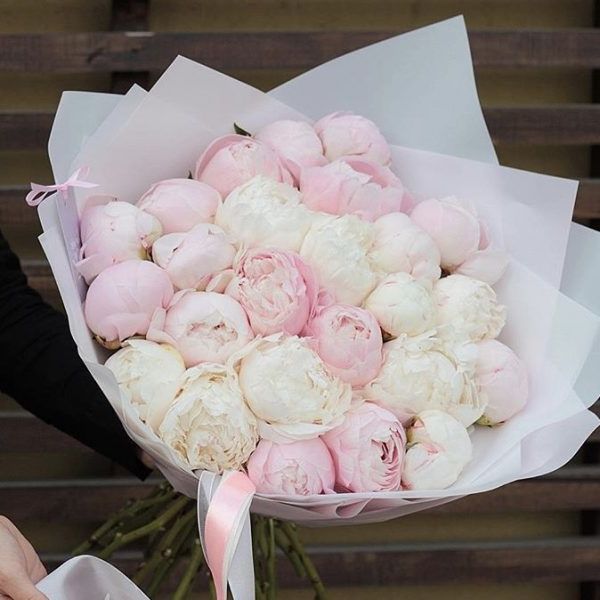
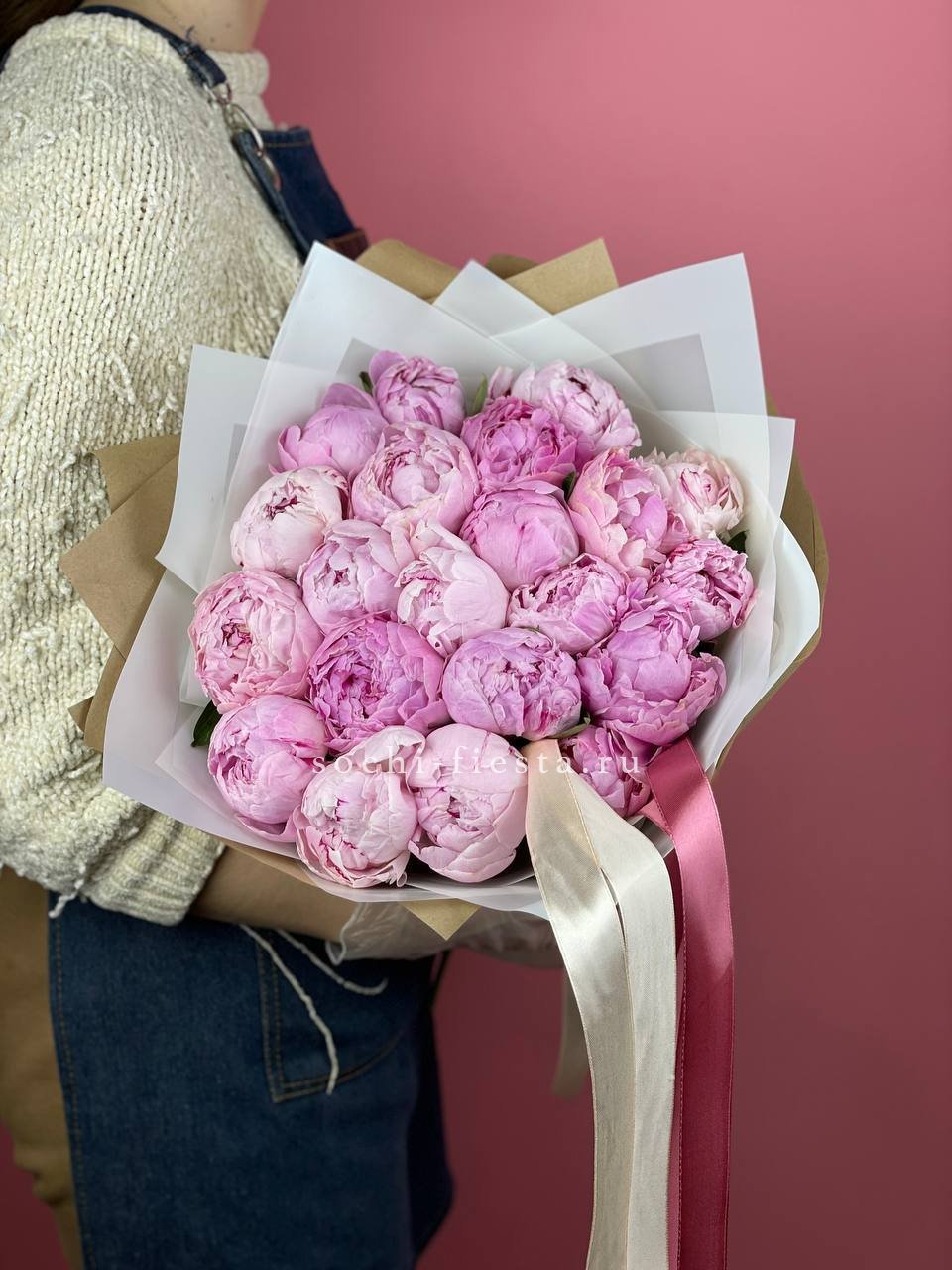
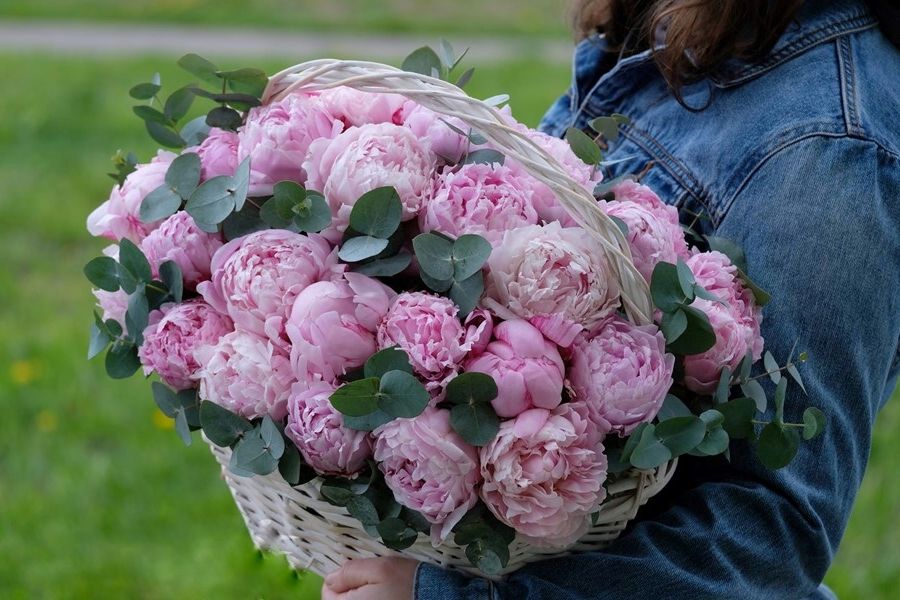
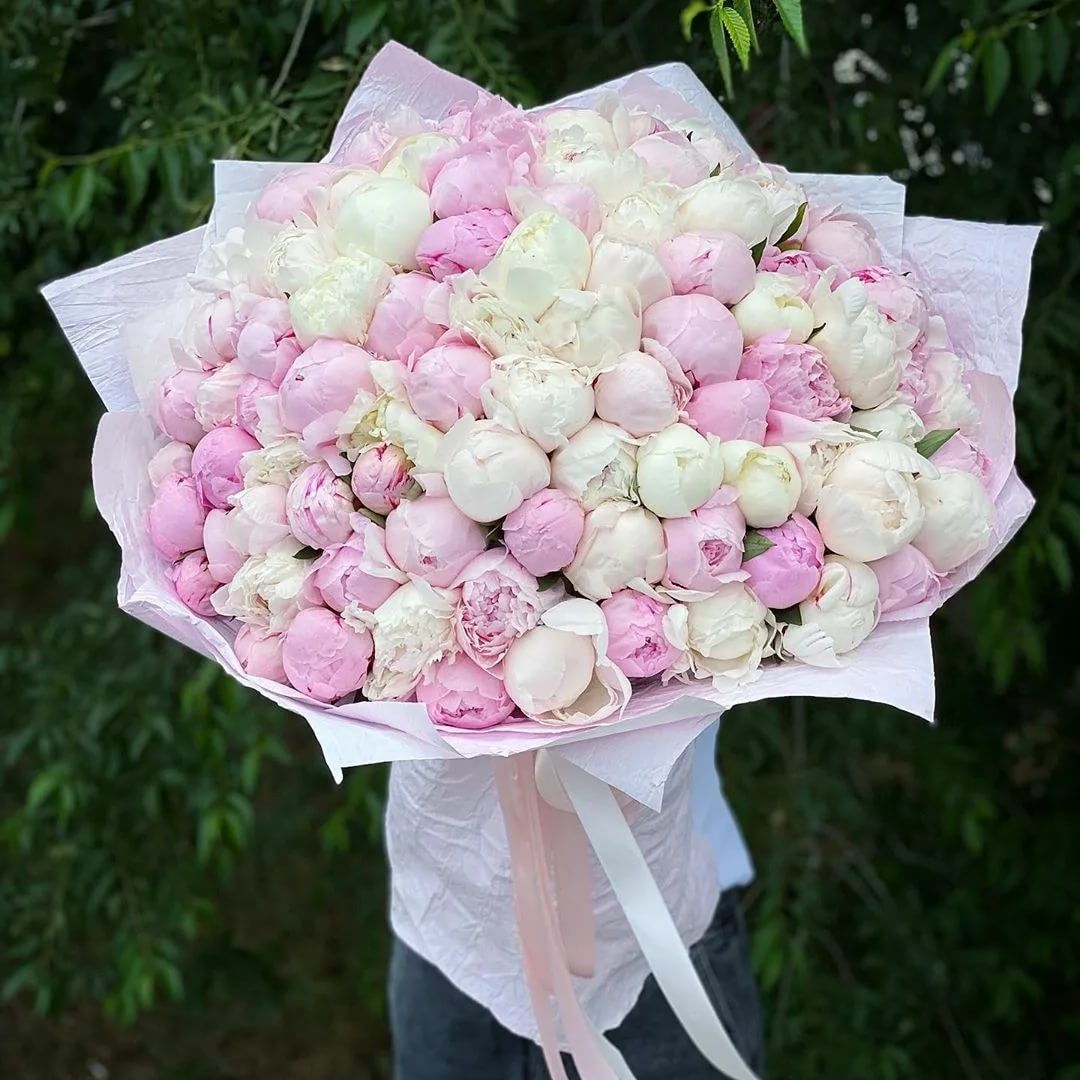
This has a practical consequence for how bunches are put together. In season, when stems are plentiful and heads are large, the sensible build is many stems and almost no greenery, since filler only dilutes something that already fills space. Out of season the same money buys five or seven stems, and those tend to be set among roses or ranunculus so they do not look stranded in the wrapping. Both are honest ways to work. It does mean a number in a product description carries different weight in different months.
Counts do not carry over from roses
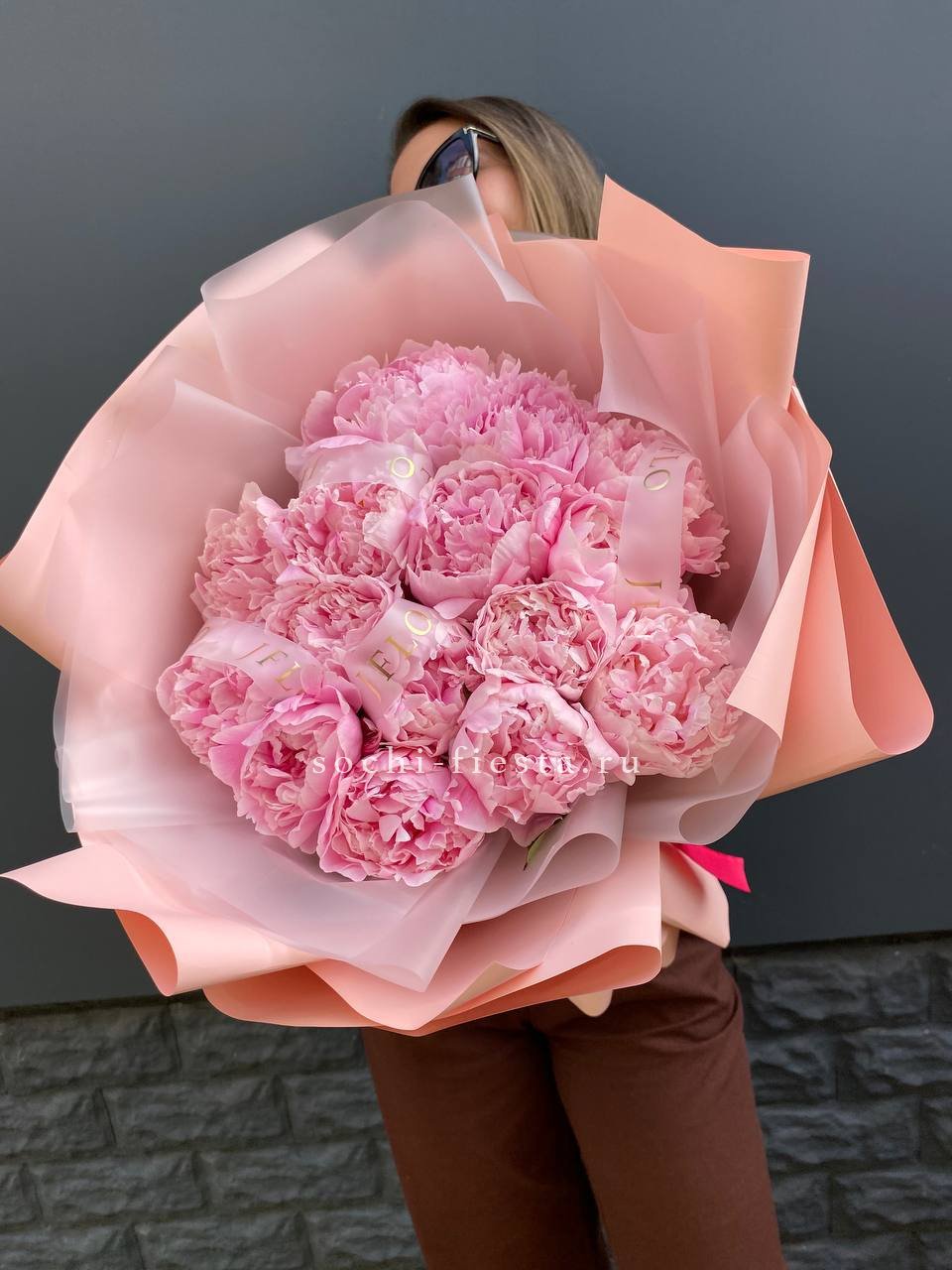
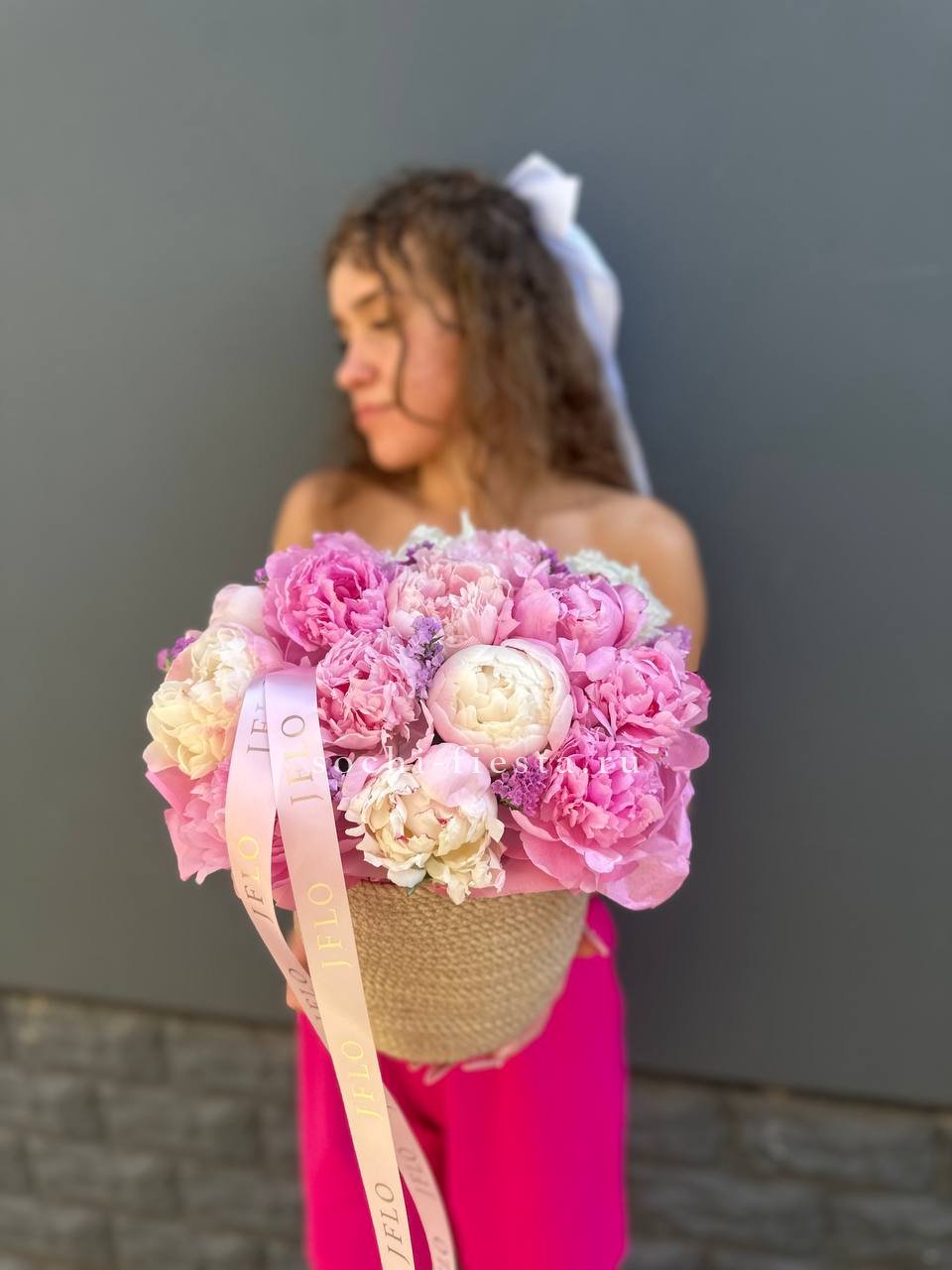
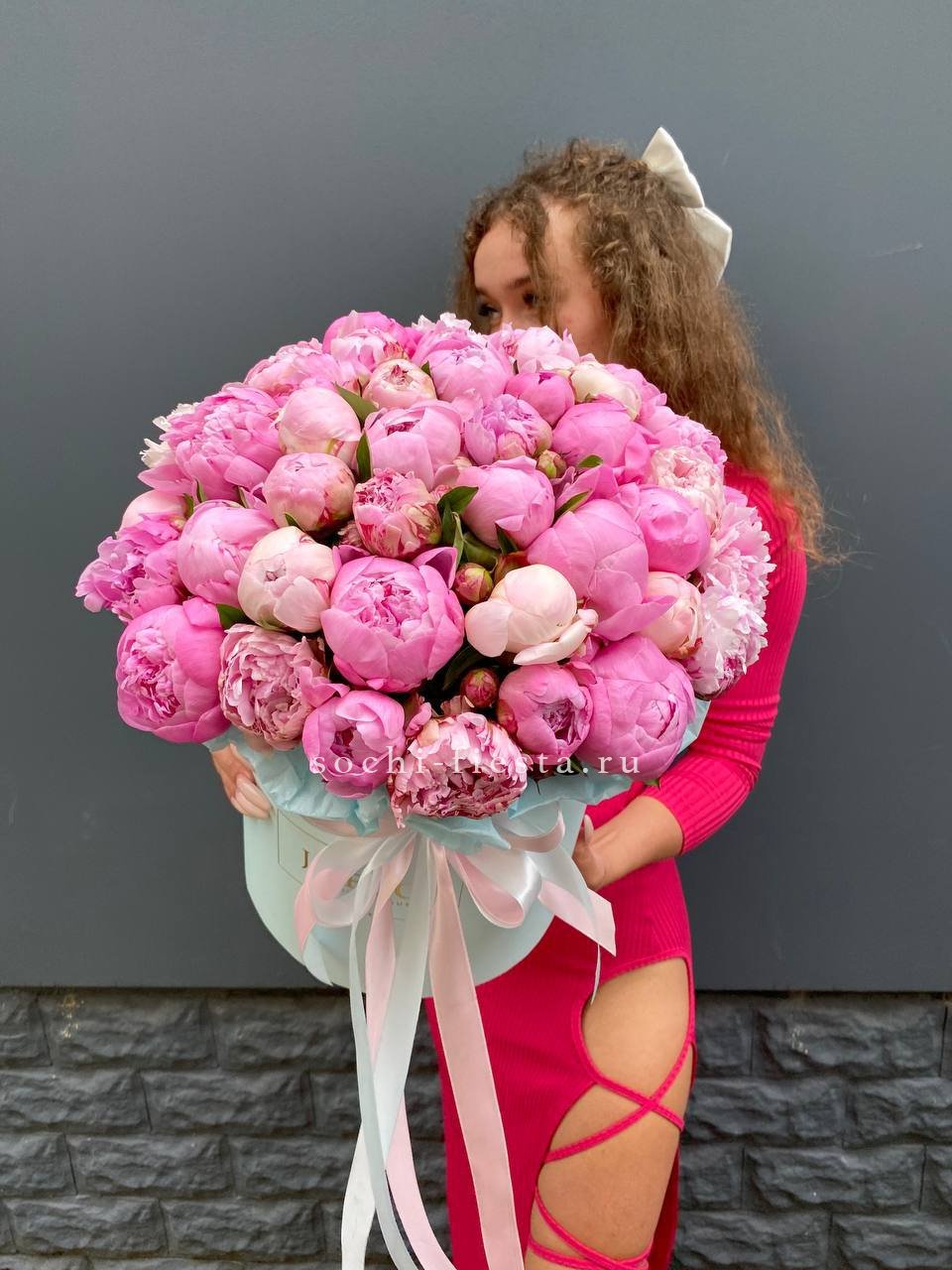
An open peony head is roughly the width of three rose blooms, so numbers borrowed from rose buying overshoot badly. Fifteen peonies make an armful that is genuinely awkward to hold. Twenty-five is a table arrangement pretending to be a bouquet.
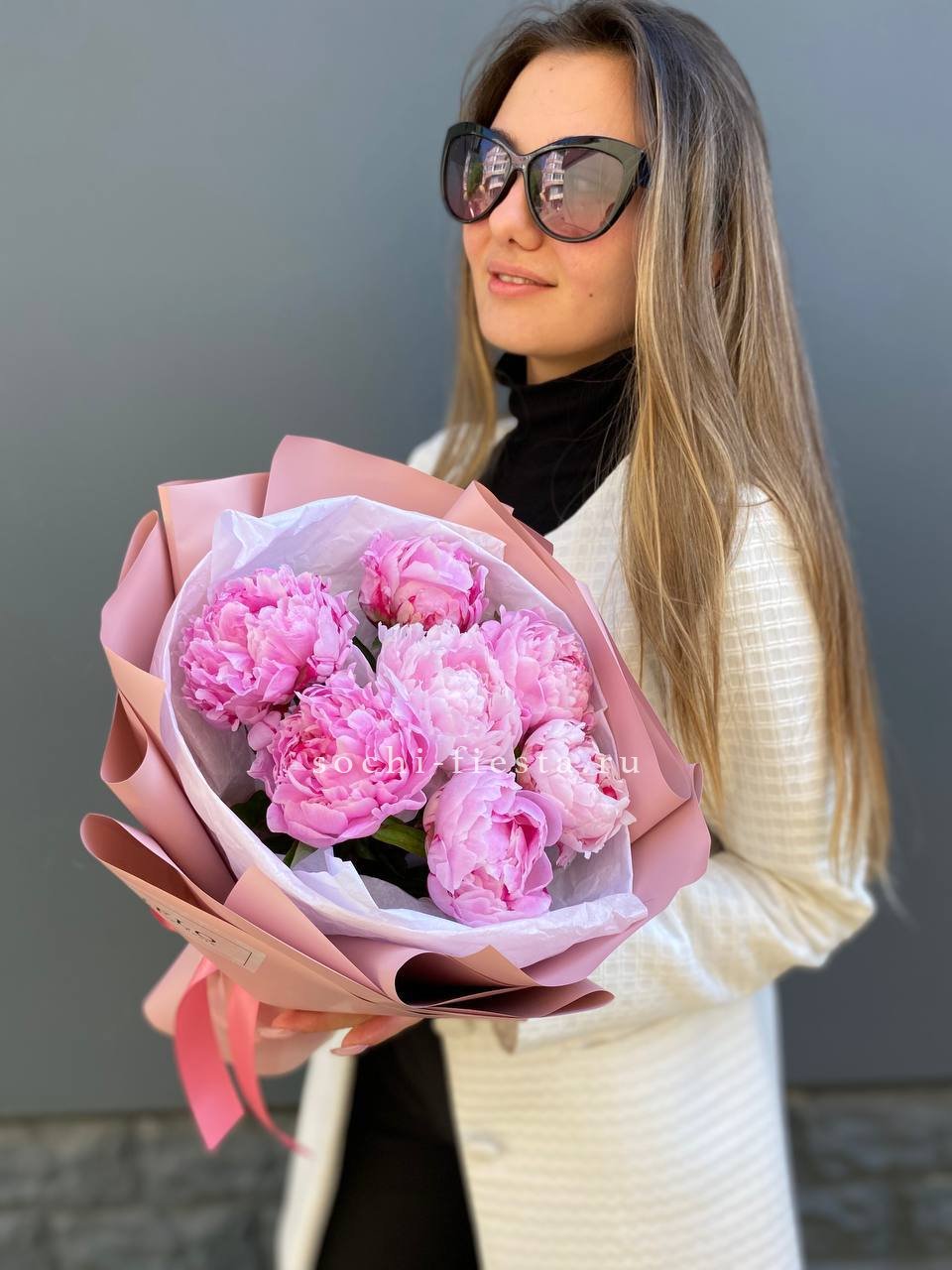
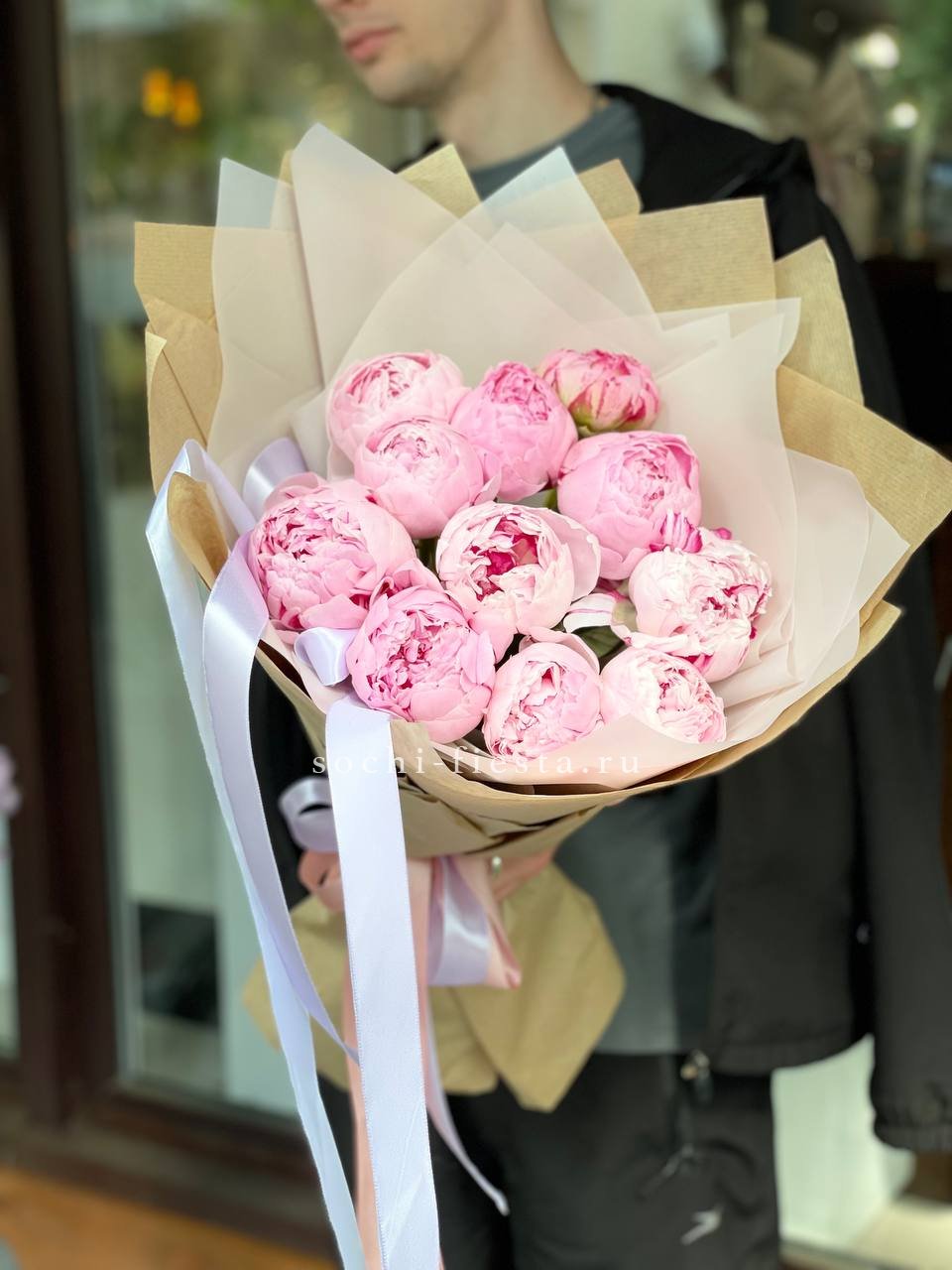
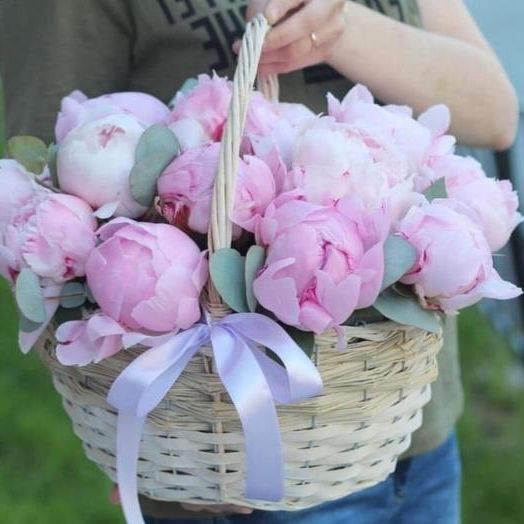
Nine is where most orders land, for good reason. It gives a full dome, it sits in an ordinary vase without rebuilding, and one hand can carry it across a room.
What the count says
A single peony works in a way a single rose does not, because the head is large enough to hold a room on its own. In a narrow glass on a desk it reads as a deliberate object rather than the remains of something bigger. Three or five is the morning gesture, the kind left on a kitchen table or handed over with a card. Above fifteen the message stops being private and becomes public, which is right for a stage and wrong for a quiet dinner.
Weight decides more of this than sentiment does.
The head is heavy and the stem below it is soft, so a large bunch is top-heavy and tips the moment it is set down. Anything above fifteen stems needs a wide, heavy vase waiting at the other end. If you do not know whether the recipient owns one, a smaller count in a container that comes with the flowers is the safer order.
Room to open

Whatever number you settle on, remember that it grows. A closed ball opens to about three times its width on warmth, so a bunch that looks slightly airy in its wrapping will be full within three days, and a bunch that looks perfectly packed will be crushing itself. Judge the density against the vase it is going into rather than against the photograph. This is also why a count that worked last time may behave differently now, since winter stems arrive tighter than summer ones and take longer to get there. The final volume is much the same either way.
One thing is worth confirming before you order peonies by stem count in a mixed bunch. The number usually refers to the peonies alone, with everything else counted as filler, and the difference between five stems in total and five peonies among roses shows the moment the paper comes off.
Season leaves its mark on the stems as well. Field-grown summer flowers often arrive with ants on the buds, drawn to nectar on the outer scales, doing no damage and shaken off outdoors in a second. A recipient in Ras Al Khaimah opening a large summer count is far more likely to meet them than someone unwrapping five imported stems in December.

