





Mono bouquets in Tokyo: the imperial chrysanthemum and a flower for each month
In Japan the chrysanthemum is the flower of the imperial house and the flower of autumn, but white is kept strictly for funerals, so among the mono bouquets in Tokyo a single-variety chrysanthemum bunch is sent in colour, never white. A bouquet built from one flower leaves nothing to distract from its shape, so the right pick turns on the month and on who is meant to receive it.
Chrysanthemums for Japan's autumn, sent in any colour but white
The chrysanthemum carries real weight here: it is the flower of the imperial house, and by long association the flower of the season, so October and November give a bunch of them a reason that needs no card to explain.
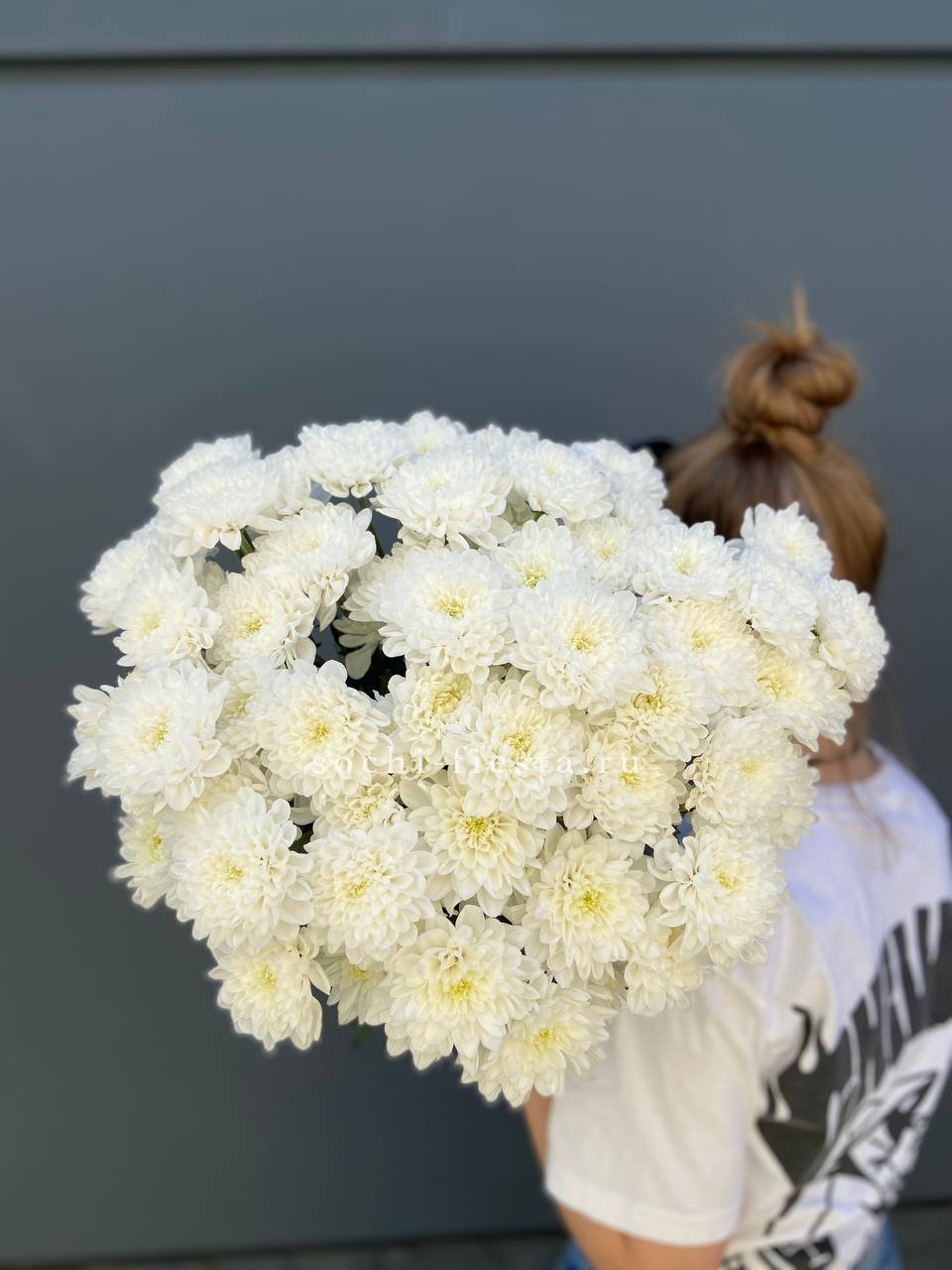
White chrysanthemums, though, belong to funerals in Japan, and giving them to someone living is not done. A coloured chrysanthemum bunch sidesteps the problem entirely: yellow, bronze, pink or deep red all read as a gift rather than a condolence, so pick a colour and leave white alone.
The flower is grown under glass and sold every month of the year; among the countries that supply Tokyo's florists, Malaysia sends more chrysanthemums than any other. In the vase a bunch holds for two to three weeks, though the leaves yellow well before the flower fades, and stripping them off as they go keeps the stems looking fresher for longer.
Mimosa on 8 March, tulips before the sakura, hydrangea by June
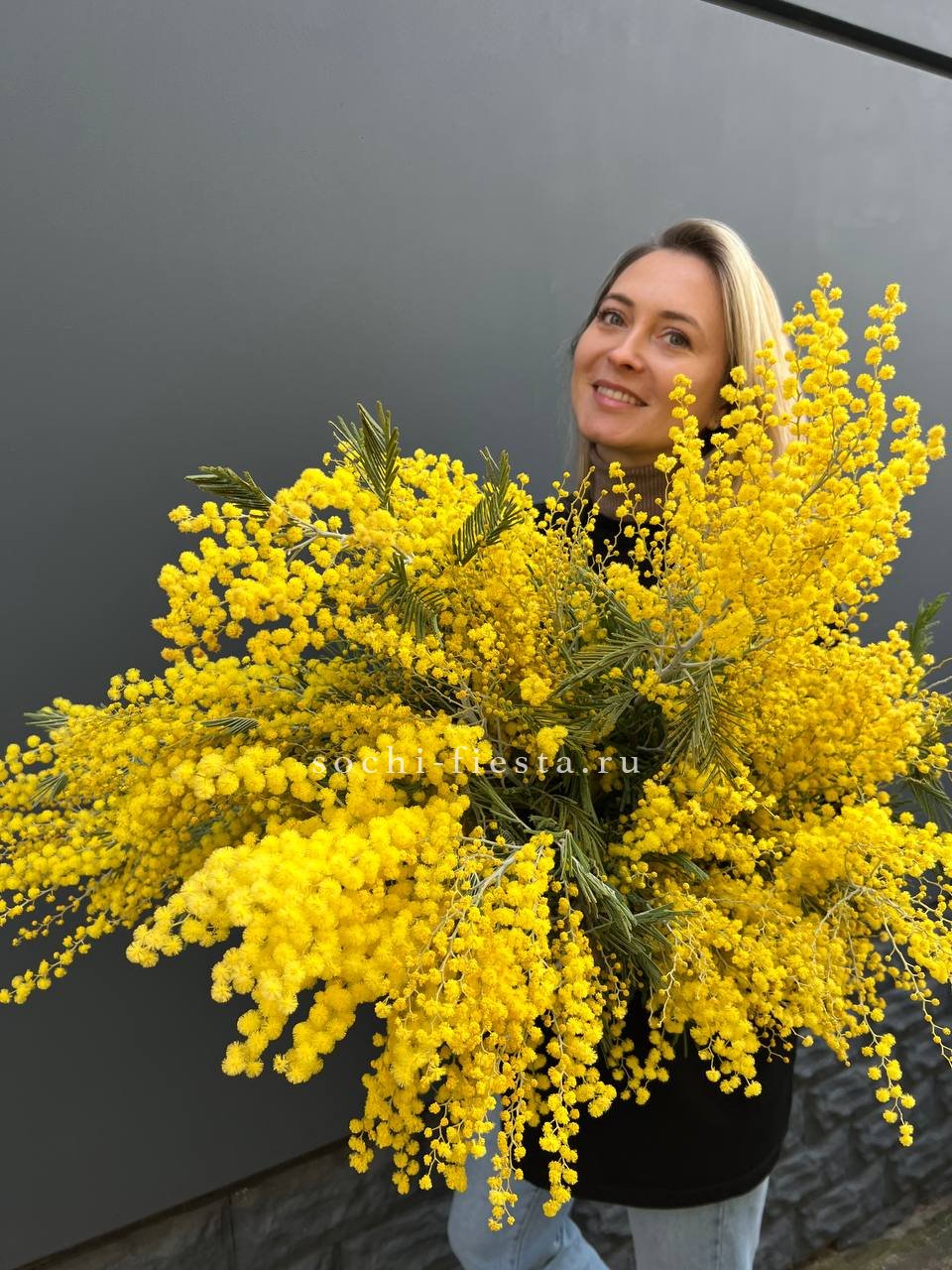
Mimosa flowers from January into March, and 8 March itself is an ordinary working day in Japan, not a public holiday. A number of companies and universities still mark it as Mimosa Day, a custom borrowed from Italy and kept alive in offices rather than observed nationwide; a single-variety mimosa bunch fits that small, specific occasion rather than a general spring gift.
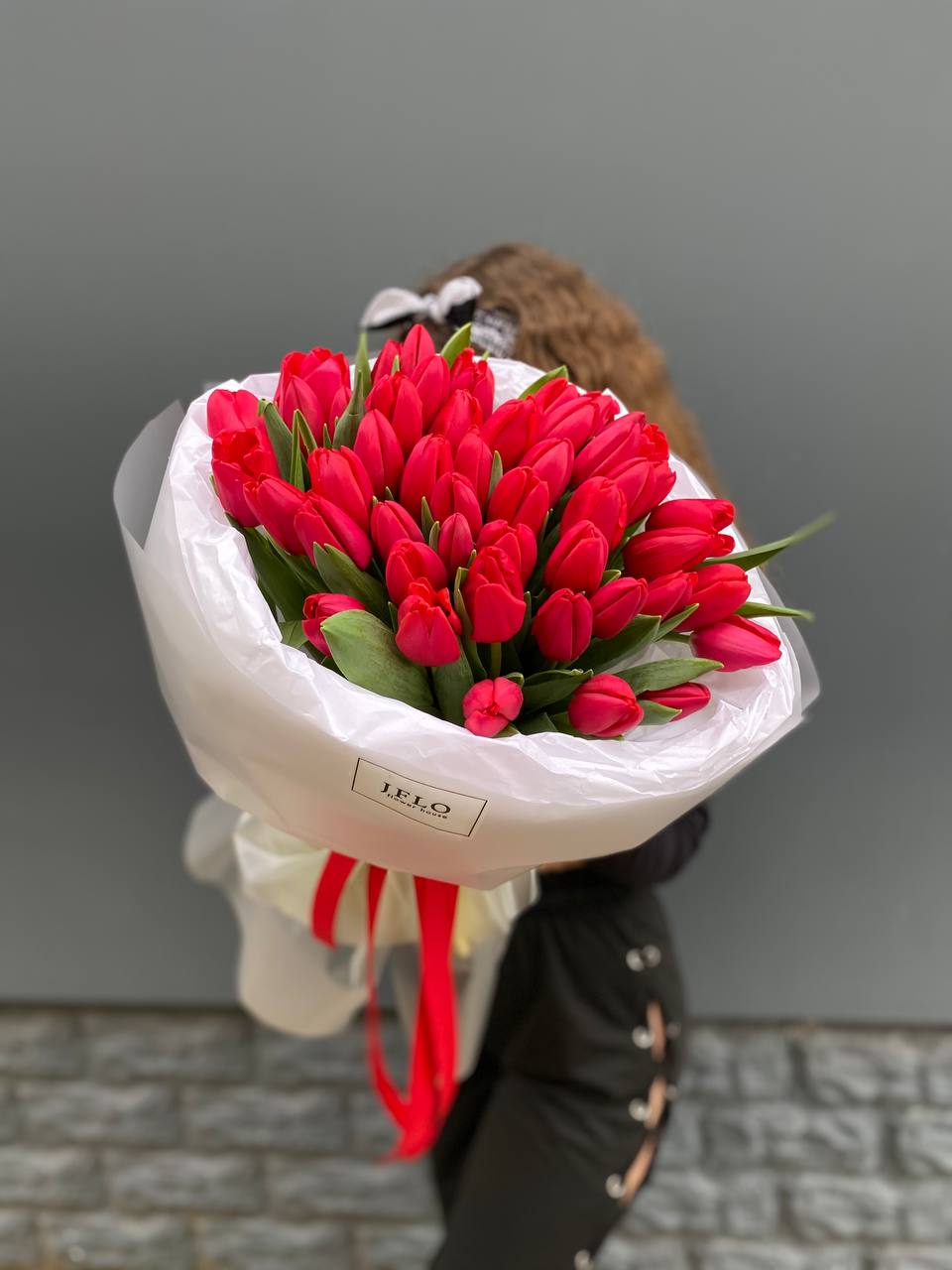
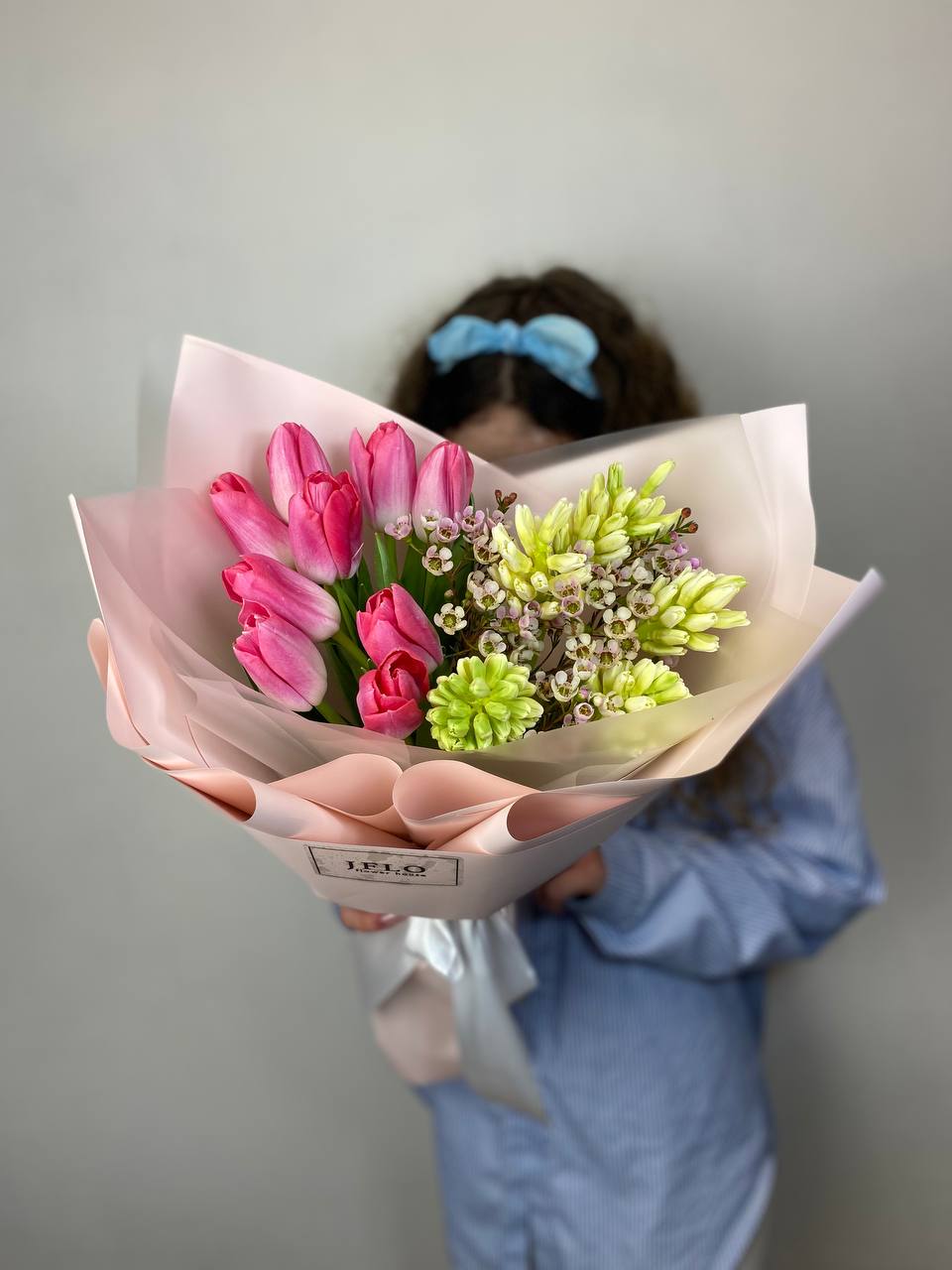
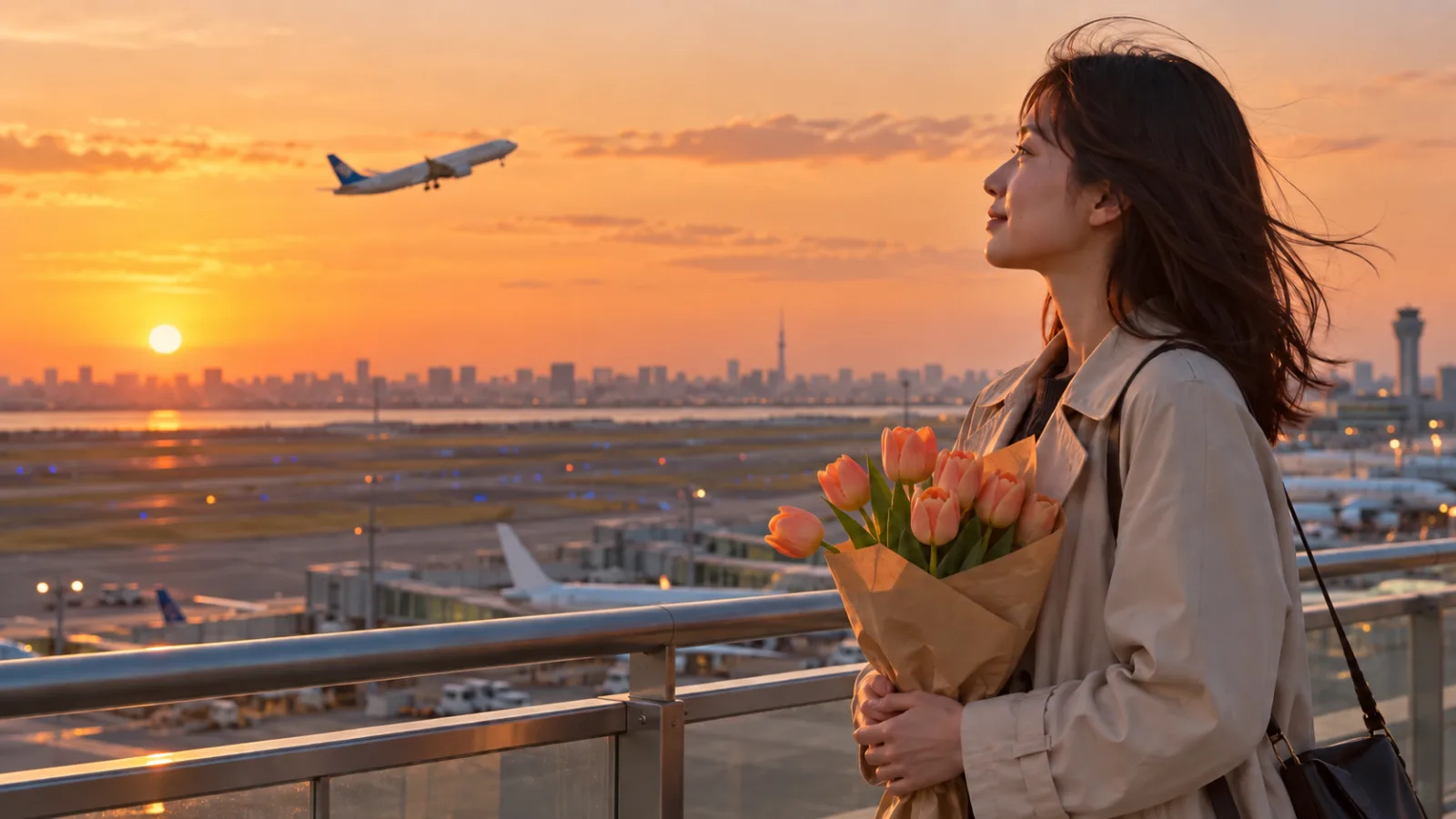
Tokyo measures the start of spring against one reference tree, the Somei-yoshino cherry by Yasukuni Shrine, which on average opens around 24 March. Tulips beat it to the shops because Dutch greenhouses cut them from December through to May, well ahead of any cherry blossom, which makes a single-variety tulips bunch the reliable early-spring choice while the sakura is still a forecast.
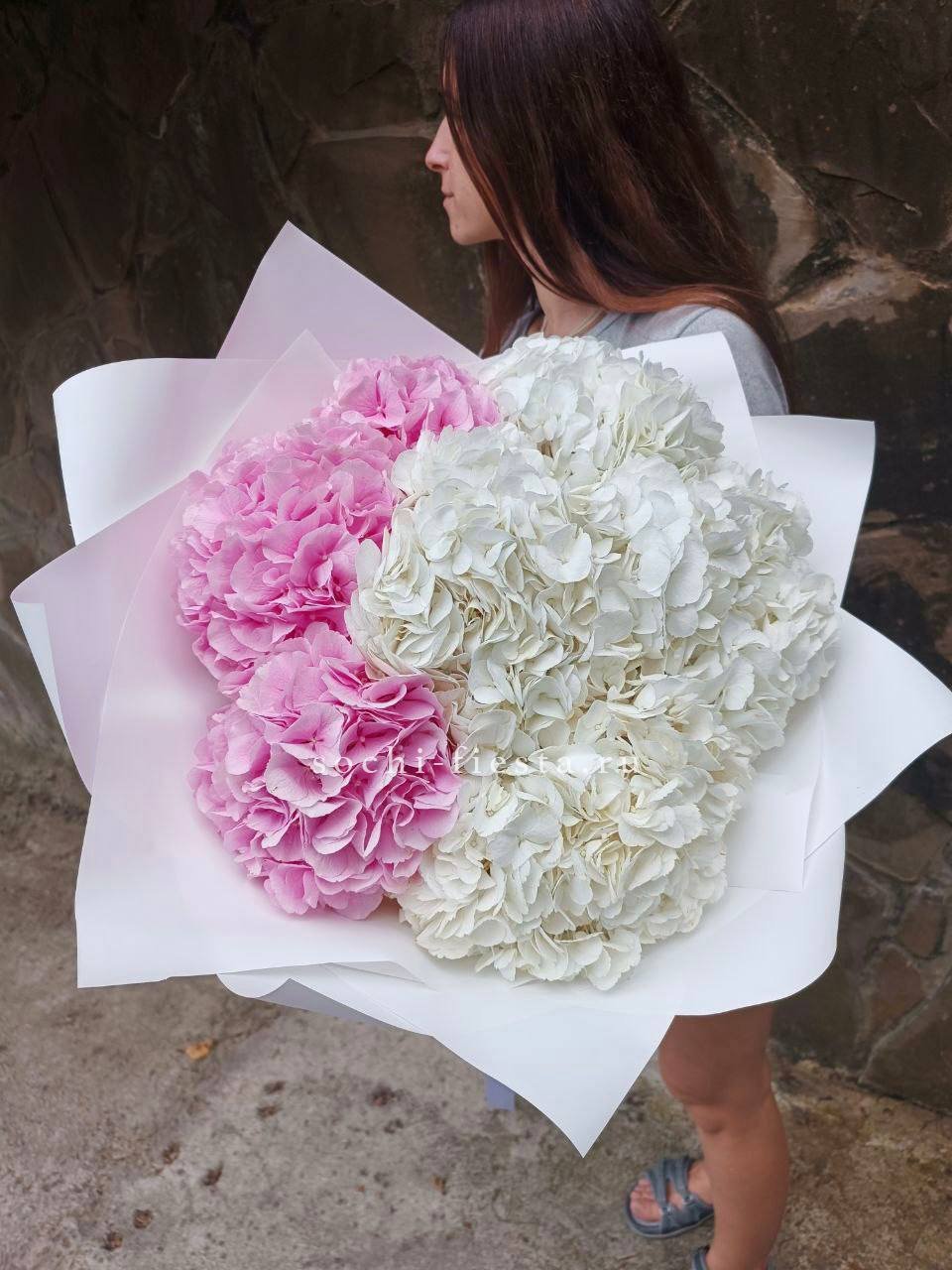
By early June, in the tsuyu rainy season, roughly three thousand hydrangea bushes come into bloom around Hakusan Shrine in Bunkyo. Hydrangea carries its flowers in one large head, so a handful of stems already reads as a full, generous bunch rather than a sparse one.
A busy desk or a home with a cat: which single flower to send
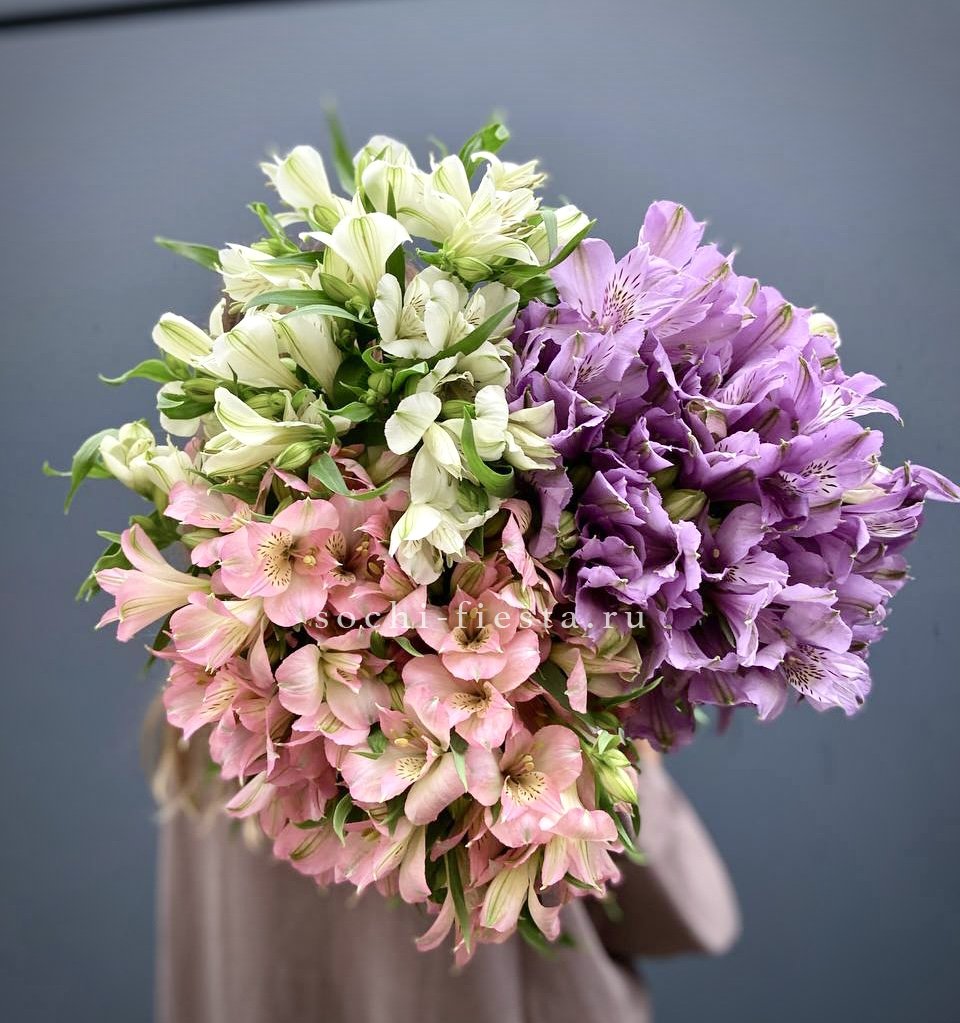
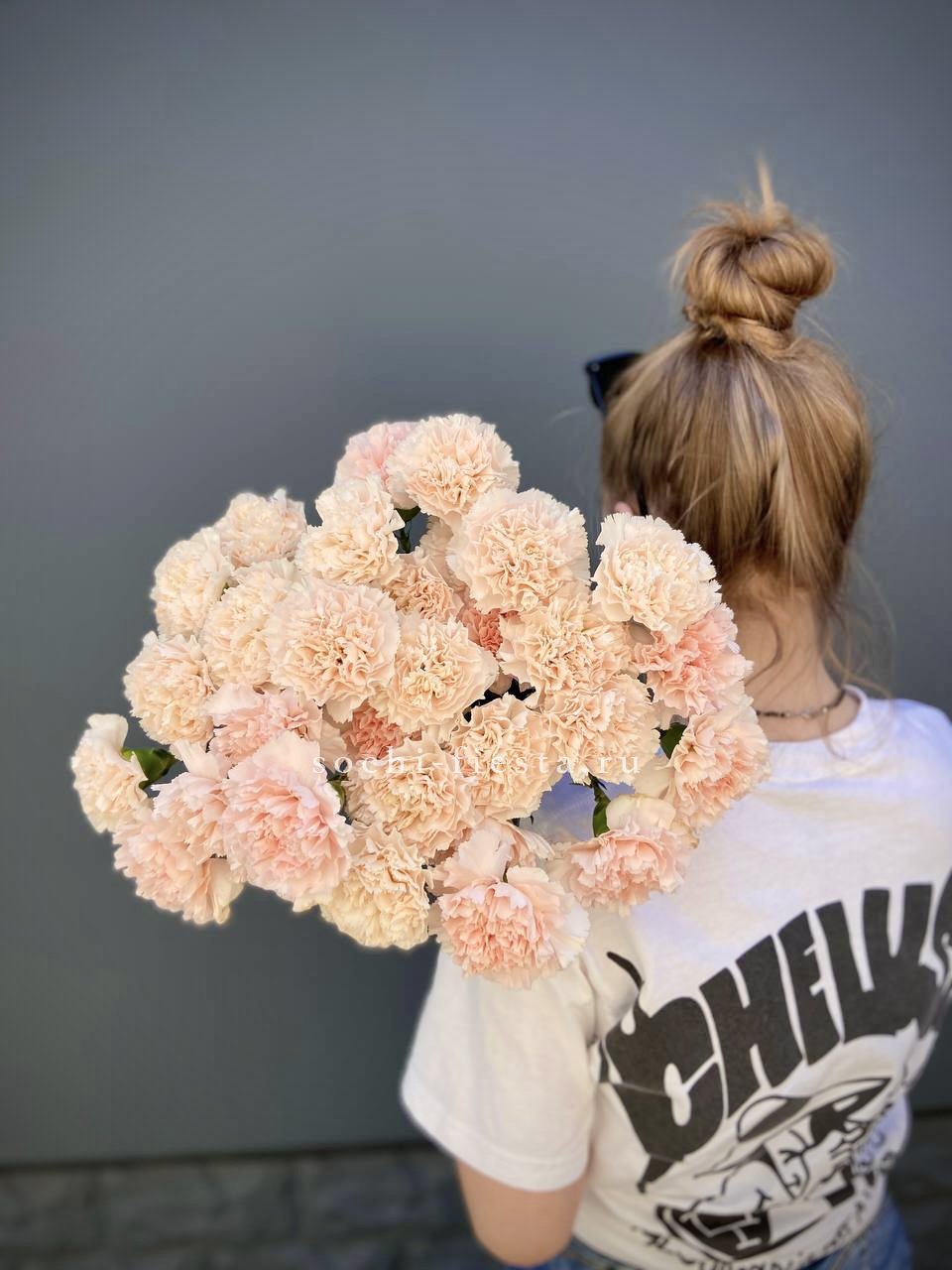
A desk that goes unattended for days still rewards the longer-lived flowers: chrysanthemum, dianthus and alstroemeria all hold in the vase for two to three weeks, well past the week most desk arrangements are expected to survive. Getting one there just takes the company name and floor in the order, as how delivery works explains.
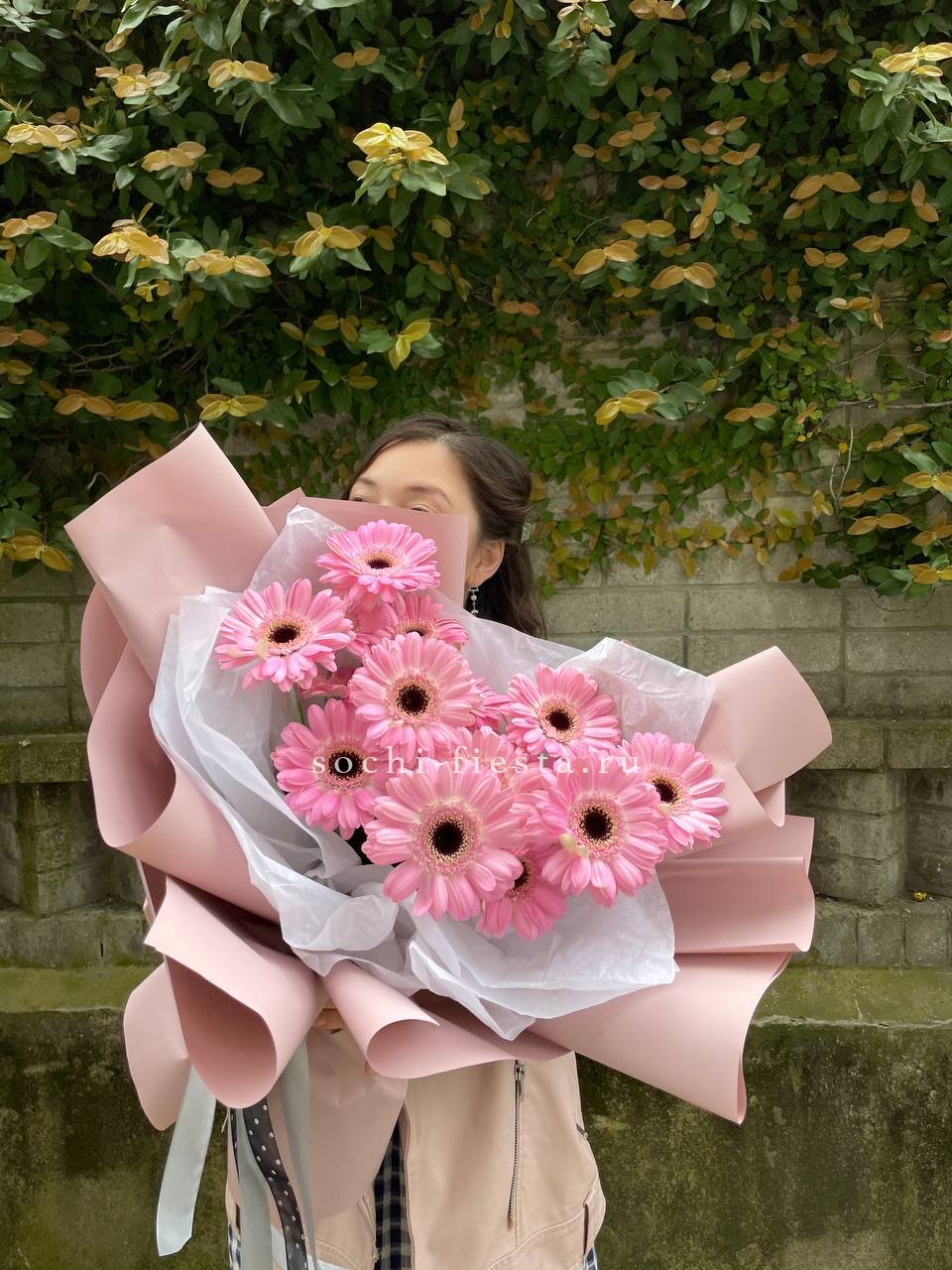
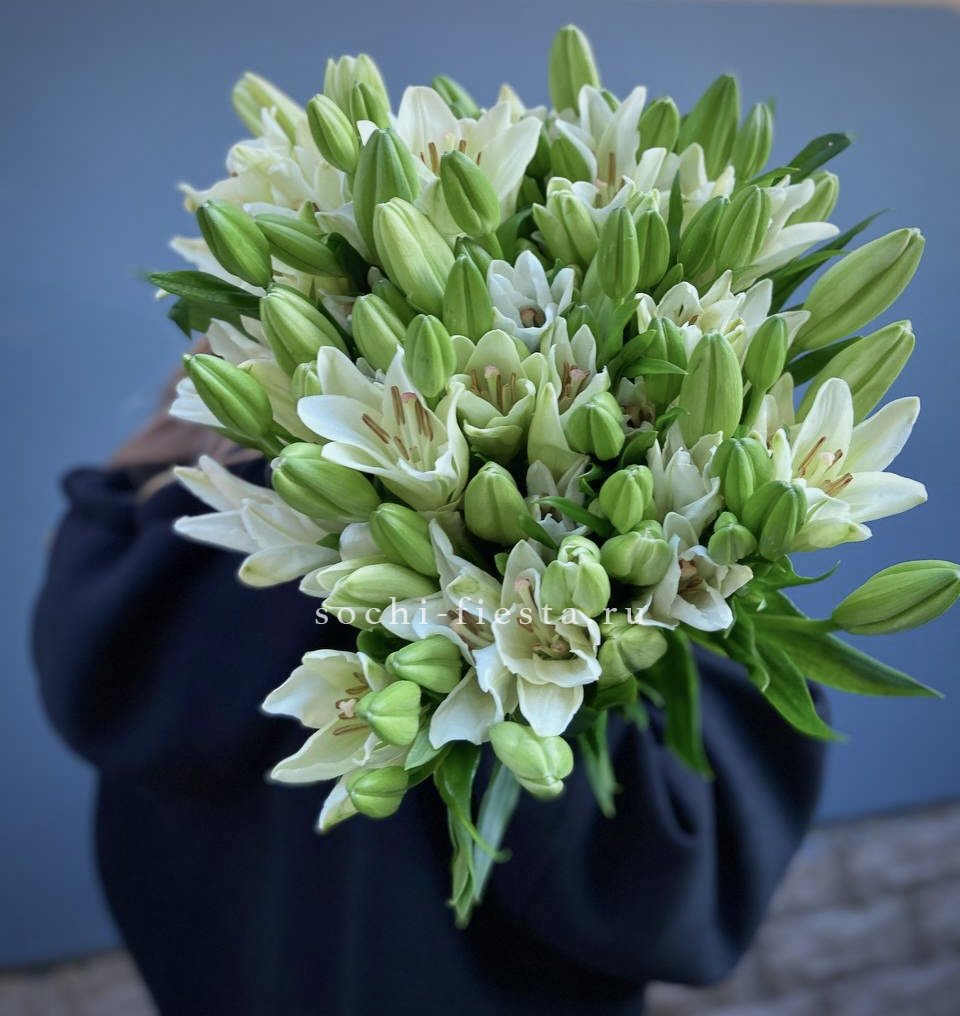
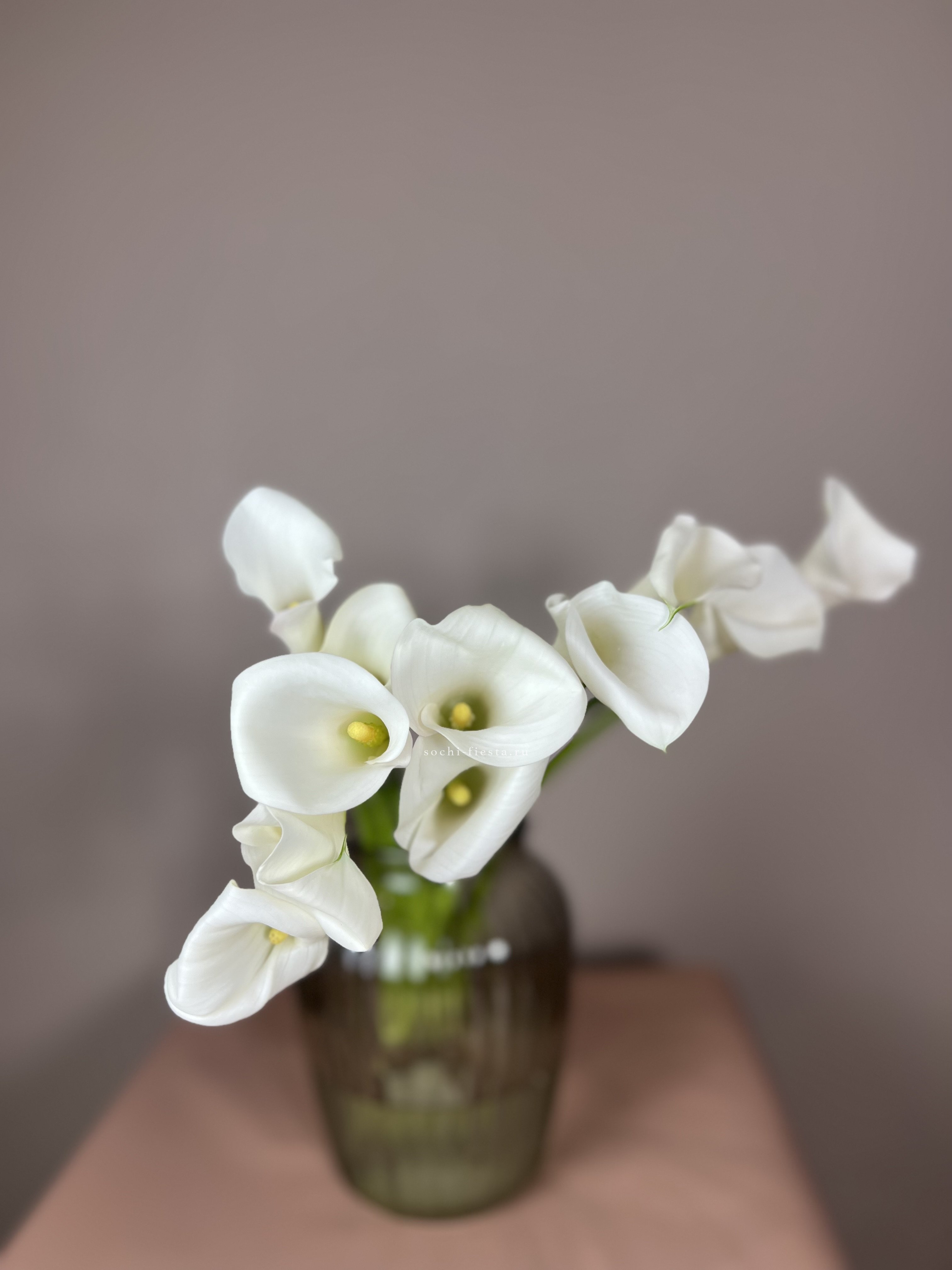
A home with a cat rules out lilies outright: every part of the plant is toxic to cats, including the pollen and even the water left in the vase, so lilies are one flower to avoid rather than manage carefully. Tulips or a gerbera bunch make a straightforward substitute for the same occasion. Ordering a mono bouquet delivery in Tokyo also comes with one quiet habit worth knowing: the florist photographs the finished bouquet before the courier leaves, most orders go out the same day they're placed, and the exact timing is shown on the bouquet's own page. One more custom is worth a single line: gifts in Japan tend to avoid the numbers four and nine, a point covered on the gift customs in Tokyo page.
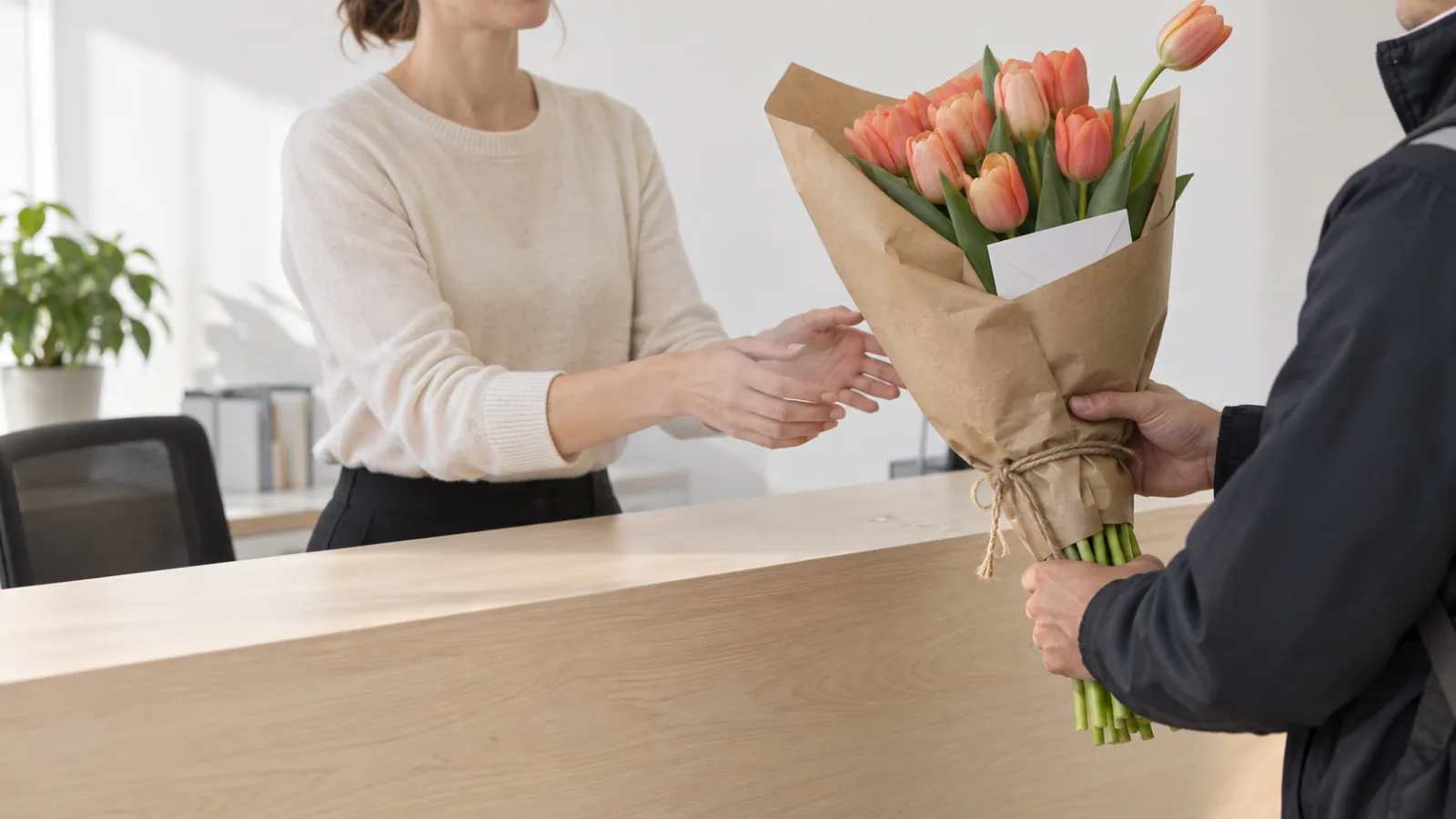
Tulips and chrysanthemums already have their months settled above; what is left is matching the flower to the place it's going. For June, hydrangea gives one full head where a handful of stems is enough. For a desk that needs to outlast the week, alstroemeria is the steadier single-variety pick.