


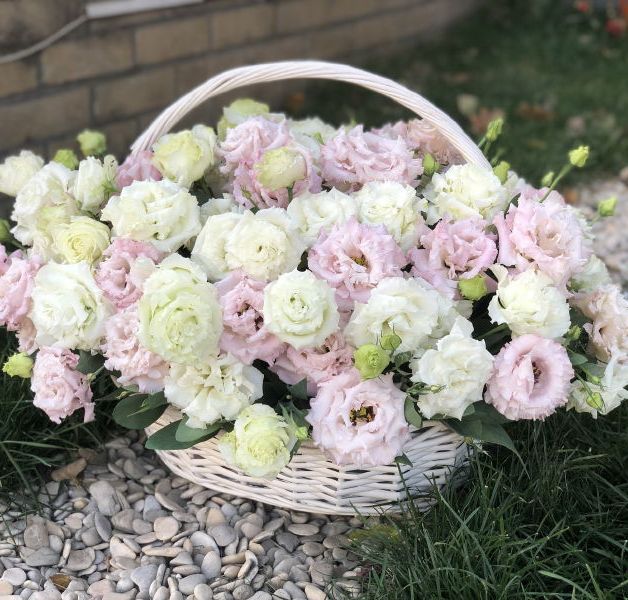


Flower baskets in Singapore: roses and lilies on three import routes
India supplies about 7 per cent of Singapore's cut-flower imports, and roses and lilies are both on that list, which is why flower baskets in Singapore mix stems from several countries rather than just one. Choosing one basket over another comes down to the flower and the size, and both trace back to where the stems were grown.
Roses from China, lilies from India and the Netherlands
Malaysia supplies roughly a quarter of Singapore's cut flowers, and chrysanthemums and gerberas from the Cameron Highlands farms travel down by road rather than by air; these are the flowers that usually fill out a mixed arrangement. China accounts for about another quarter; China and Taiwan supply roses, chrysanthemums and eustoma. The Netherlands sends about a sixth of the total, mostly lilies, tulips and delphinium, while India contributes around 7 per cent, among them roses, lilies and marigolds.
A basket named 101 Ecuadorian Roses in a Basket points to a country that supplied just over 2 per cent of Singapore's cut flowers in 2023. A long Ecuadorian stem, grown high in the Andes, is a deliberate choice for this basket rather than the ordinary source of a rose here. Whichever route a stem takes, the florist buys it only once an order has been paid for, so nothing in the basket is cut before someone asks for it.
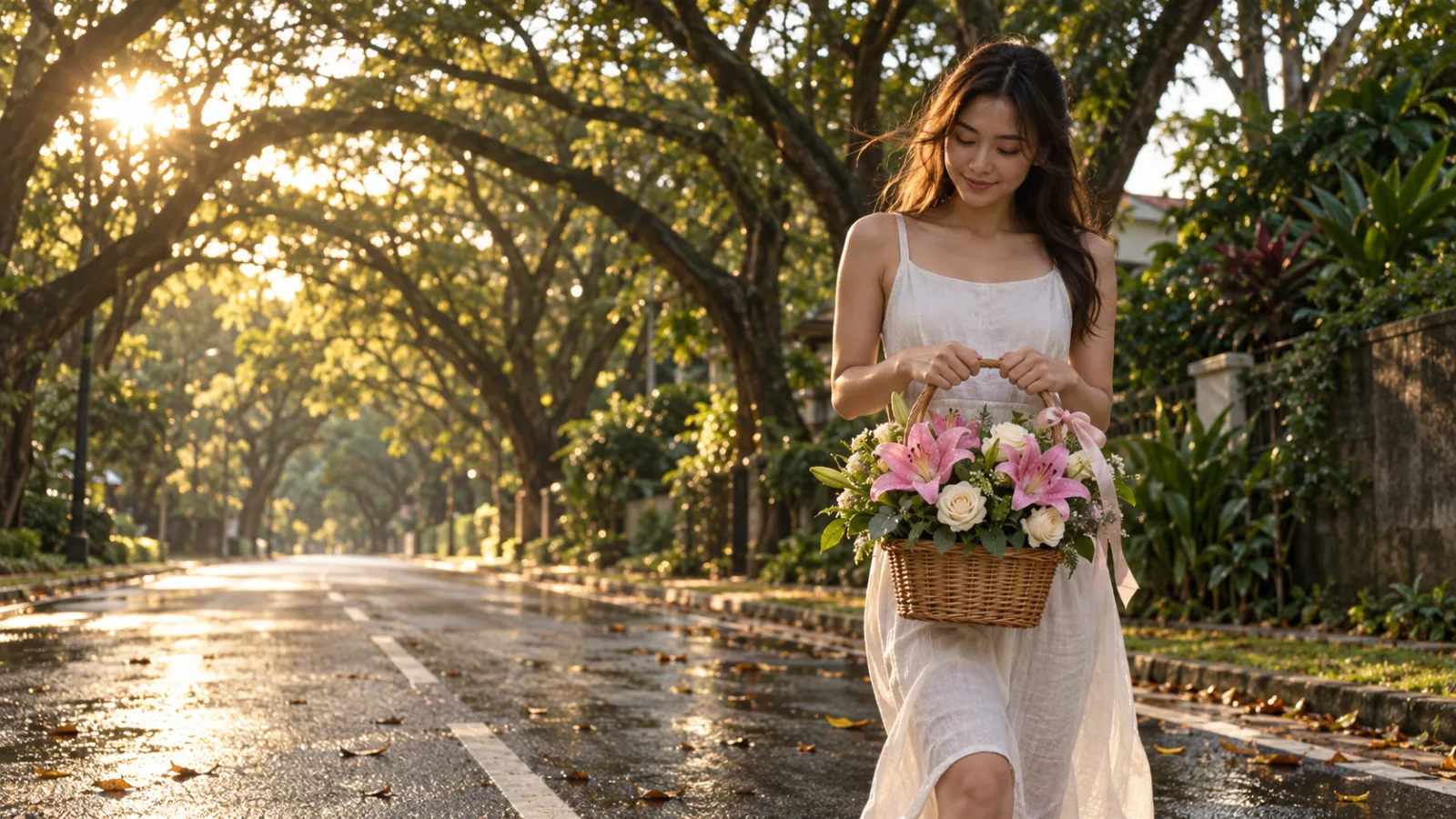
Fifty-one lilies or 201 roses: how big a basket should be
A lily is large-headed, so a handful of stems already reads as a finished arrangement; fifty-one of them makes a generous, clearly large gift rather than a filler. A rose is a flower sold by the hundred, and with roses the stem count does most of the work of setting the scale, which is why the same basket style comes in versions built up to 201 stems. The full range of sizes, from compact to oversized, is sorted by size.
In 201 French Red Roses, "French" describes something the florist does by hand, bending each outer petal back to open the bloom, rather than a separate variety of rose. A basket needs no vase of its own, which suits Singapore, where more than three in four residents live in an HDB flat and a basket can go straight onto a table or a shelf without hunting for a container. A household with a cat is better off with roses than lilies, since lilies are toxic to cats.
Stem-count customs and Singapore's warm, humid climate both shape how a basket is chosen and kept, and that ground is covered separately in what Singapore flowers mean, and when; colour preferences have their own section, baskets by colour.
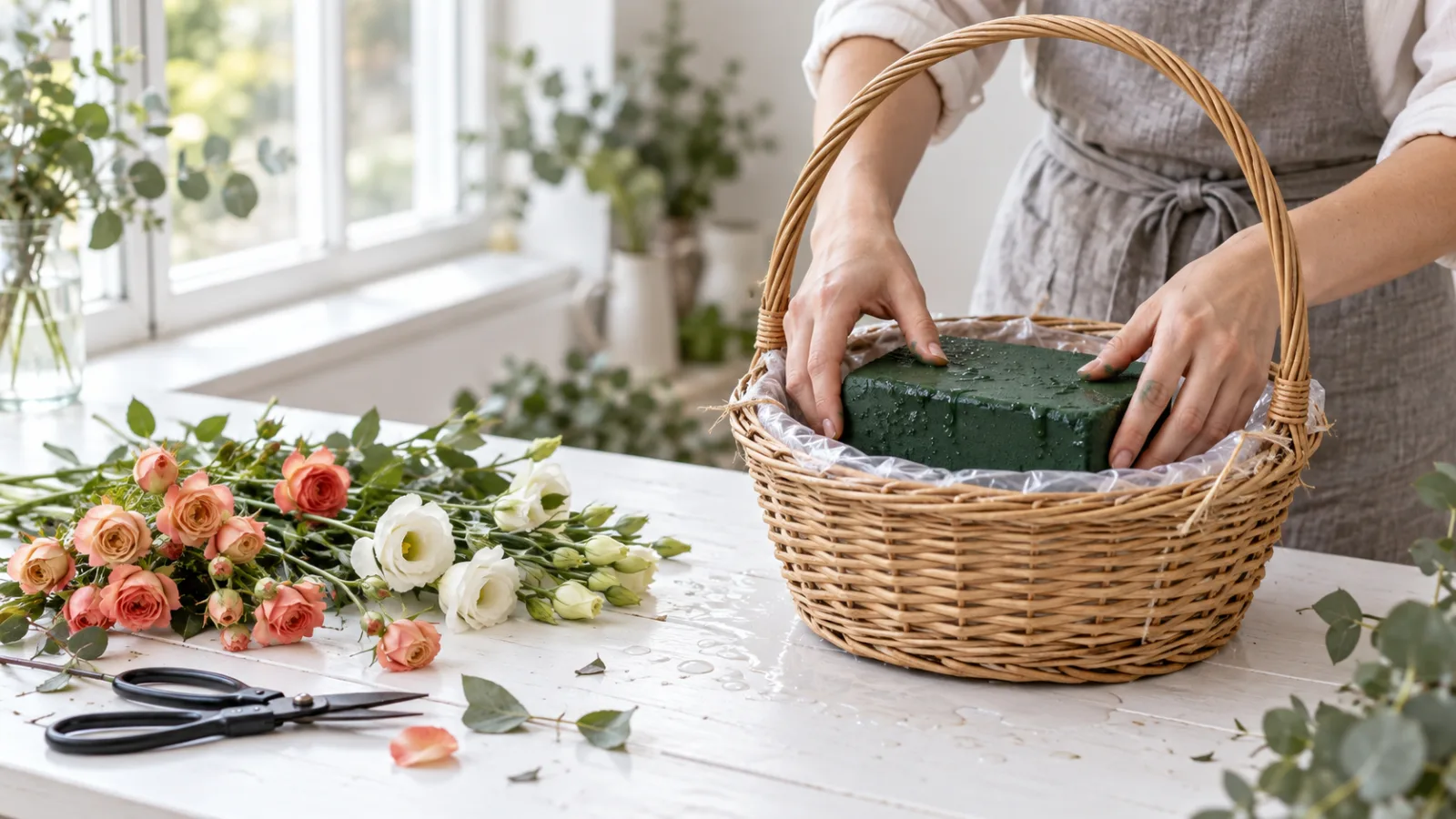
A cake or chocolates in the same basket order
Among the basket-by-type options sits Bento Cake "Happy Birthday", a cake about the size of a palm in its own box, with a message piped onto the icing in cream. Singapore's heat is unkind to that icing: once the temperature passes 32°C, a cream cake is best kept cool and eaten within the hour, the same rule that applies to any perishable food.
Balloons, sweets and a vase can all be added to a basket order, and a card with a written message costs nothing extra; the full list sits with gifts to go with bouquets. A basket can also be put together to match a photograph a customer brings in: the florist will show a few finished examples, with their prices, before the order is confirmed.
Every basket is photographed before the courier leaves the shop, and if a particular stem is out of stock it is swapped for one close in colour and price, with the change visible in that photo. Most orders go out on the day they are placed, though the exact slot is shown against each basket before checkout; zones and timings are set out under delivery terms.
Choosing a basket is easiest by flower first: baskets by flower type lists every rose and lily version side by side, while baskets by type separates the cakes and other add-on formats from the plain arrangements. Size and colour are sorted in their own pages for anyone working to a particular desk, room or recipient.