


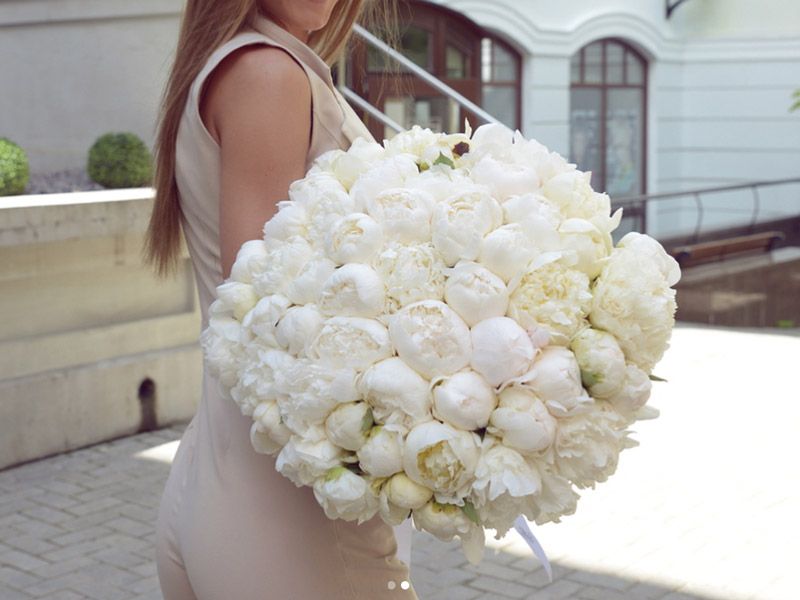


Peonies in Singapore: an imported flower in a city of orchids
Singapore's Botanic Gardens became the first tropical garden on UNESCO's World Heritage list in 2015, and its National Orchid Garden holds more than 1,000 species. Peonies in Singapore tell a different story: the peony is a plant of temperate Asia, Europe and western North America, and the only cut-flower trade the city ever grew for itself was orchids. Every stem sold here has arrived from somewhere else, so choosing a bouquet starts with the same question as booking a flight: where it's coming from, and when.
A temperate flower in an orchid city: which months bring peonies
Singapore's own flower farms never grew peonies. The one cut-flower business the island ran, at Mandai, was orchids, and those gardens closed at the end of 2010.
The peony's trail runs through other countries. The Netherlands grows roughly two-thirds of Europe's cut peonies and supplies about a sixth of Singapore's cut-flower imports; China, home to the wild Paeonia lactiflora across its northern provinces, supplies about a quarter. Neither figure says a particular bouquet came from either country, only that both are large suppliers to the city.
Season follows the growers rather than the calendar. Dutch peonies are cut from late April to June, Chinese ones from late April to May, Chilean stems from October to December: peonies turn up almost all year in Singapore, but not quite every month.
Flowers are bought to order once payment clears, and when the exact peony is out of reach the florist substitutes a close shade at a close price, visible in the photo sent before the courier leaves. Most orders go out the same day they're placed; check the timing on the bouquet's own page, and see the zones on the Delivery page.
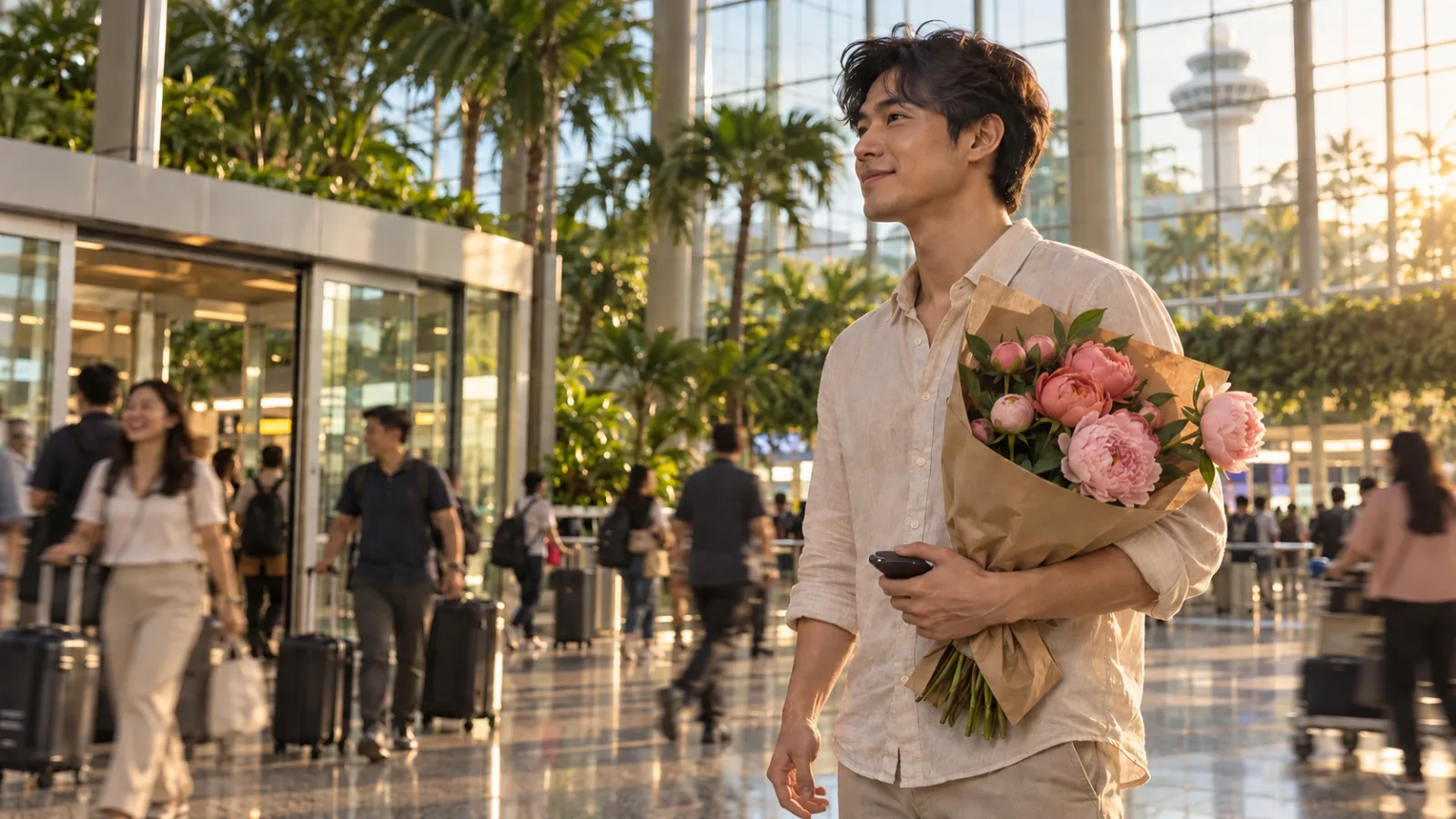
King of flowers: choosing a peony colour for a Singapore gift
In Chinese tradition, which most of Singapore's population shares, the peony carries the title 花王, king of flowers, and the name "flower of wealth and honour"; the Qing dynasty made it China's national flower in 1903.
The same tradition reads colour by occasion. Red marks celebration: weddings, new beginnings, good fortune, and has no place at a funeral. White and yellow chrysanthemums carry mourning instead.
Shade is its own choice, covered under peonies by colour; stem count follows a separate custom of its own, and counting stems and colours in Singapore is covered on one page.
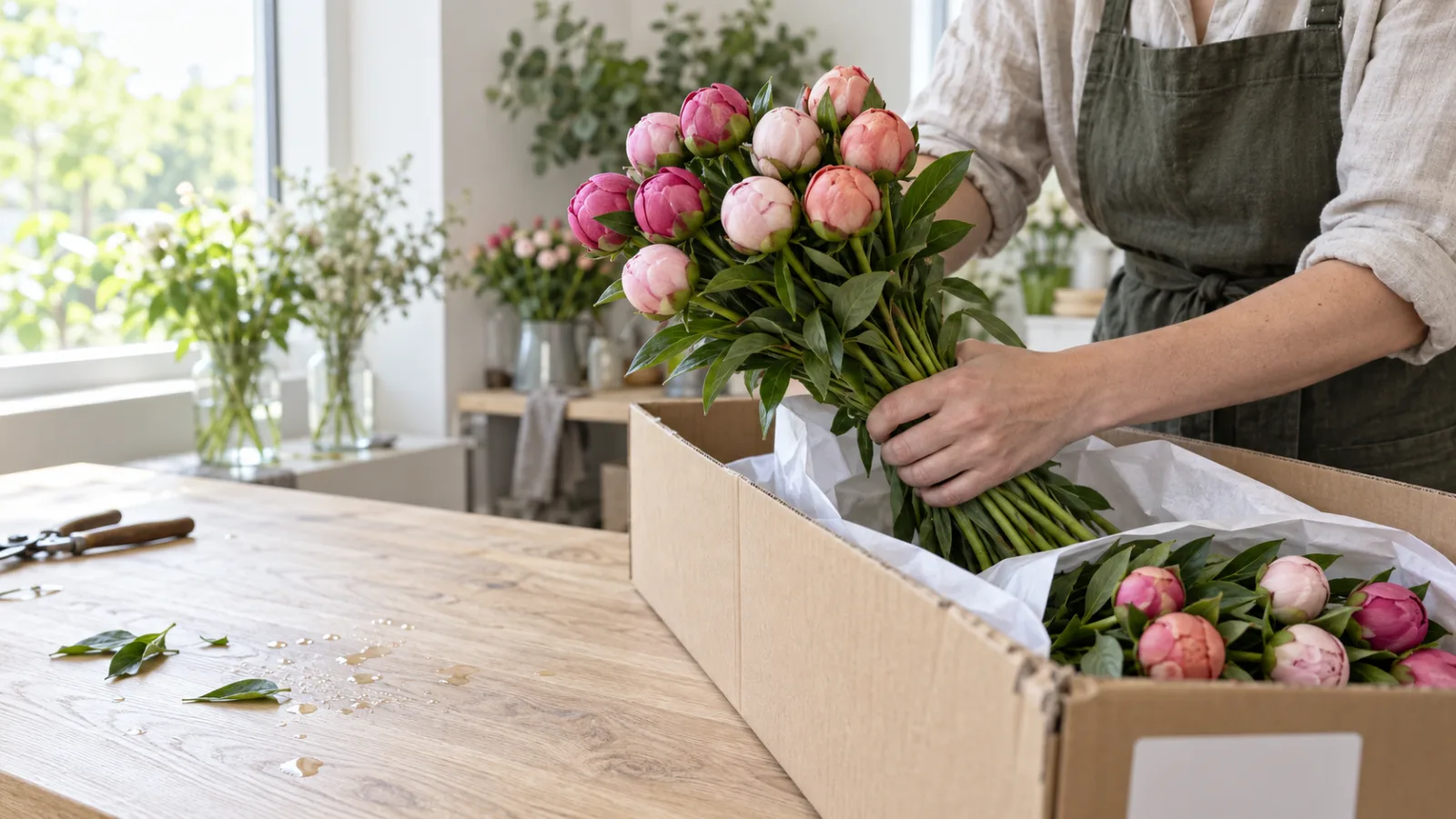
Peonies alone, with matthiola or beside peony roses
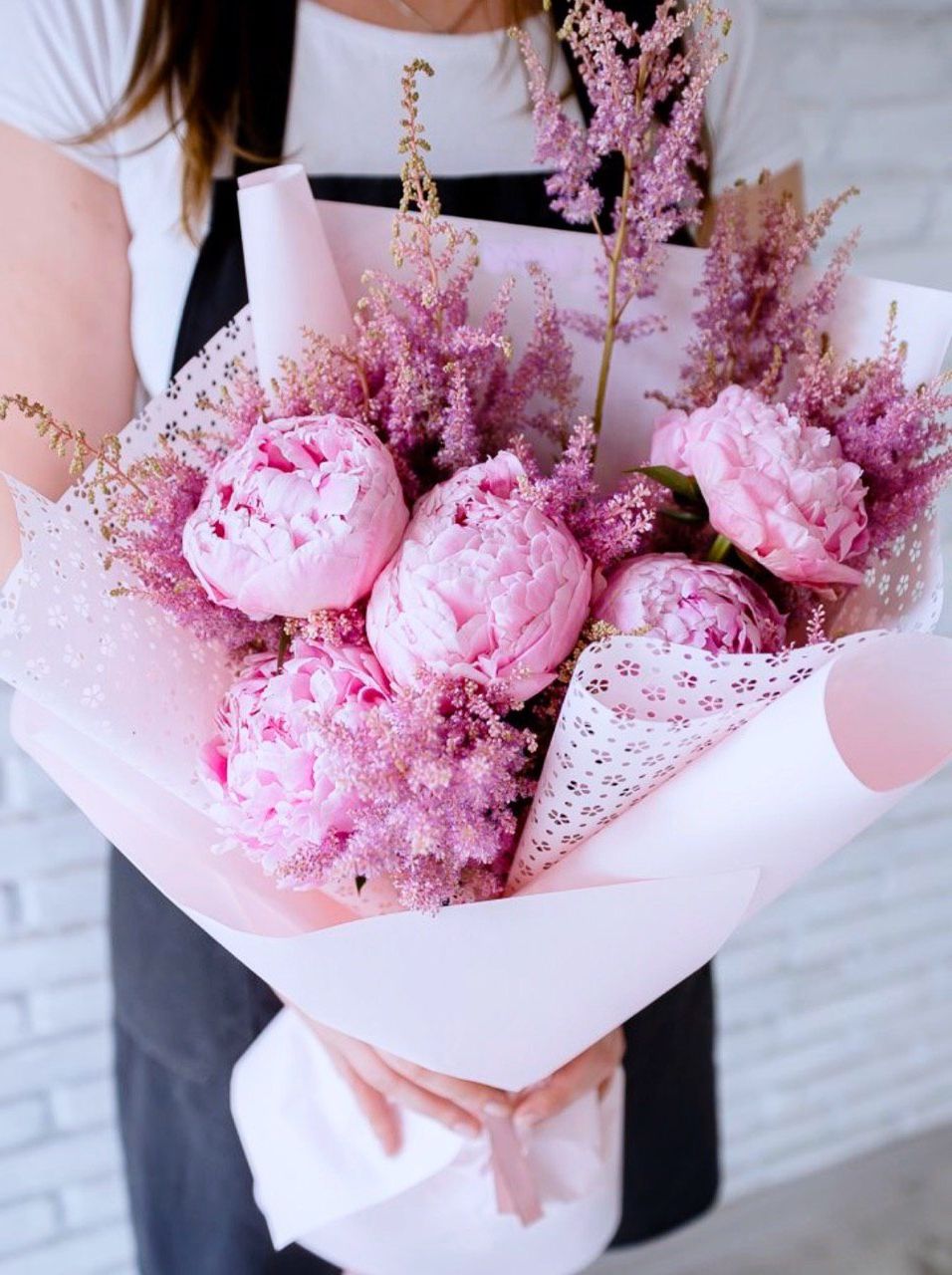
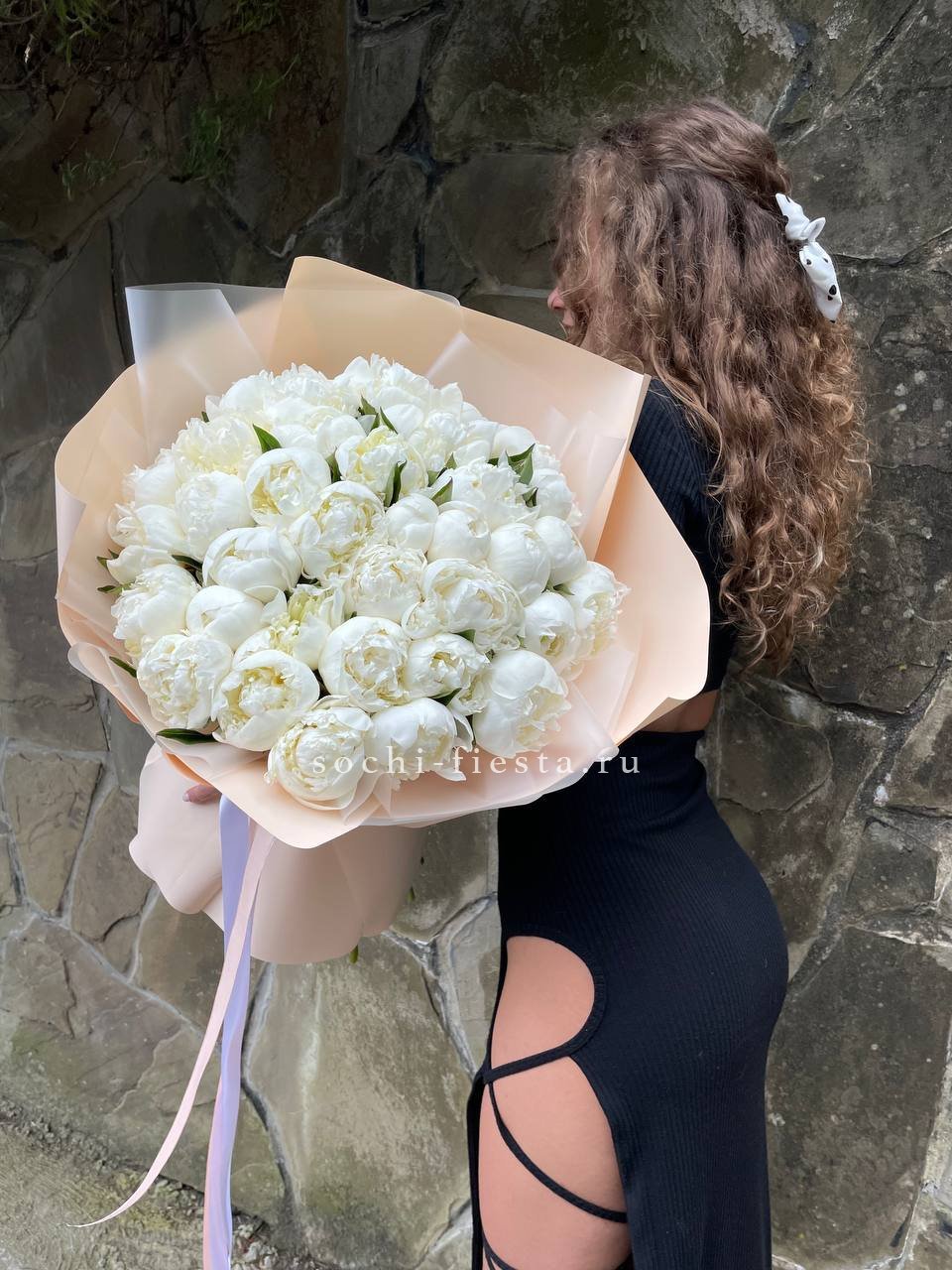
A mono bouquet of peonies alone lets the stem count set the scale, from a handful to a large armful, sorted by the number of stems.
Matthiola, also called stock, is a linear flower: its spike gives height and an outline the round peony heads can't supply alone. Eucalyptus works the other way, filling the gaps between heads. A Peony and Matiola Bouquet pairs the two directly, while 11 White Peonies with Eucalyptus keeps peonies as the only flower and lets the eucalyptus fill in.
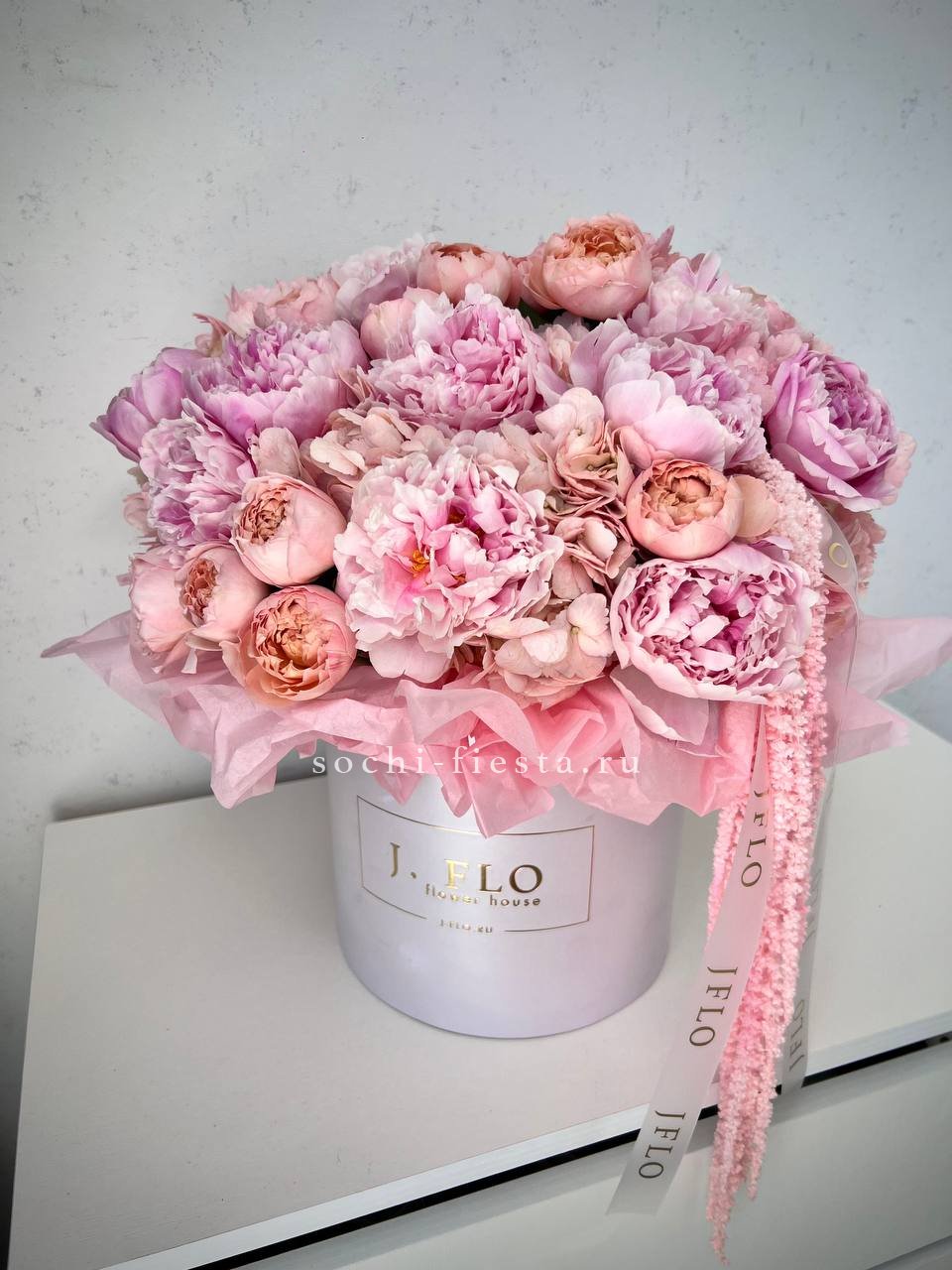
Peony roses are a different flower: a rose bred, most often from the English varieties raised by David Austin, to open into the same dense, many-petalled cup as a true peony. The bouquet "Duo of Peony Roses and Peonies" puts both side by side.
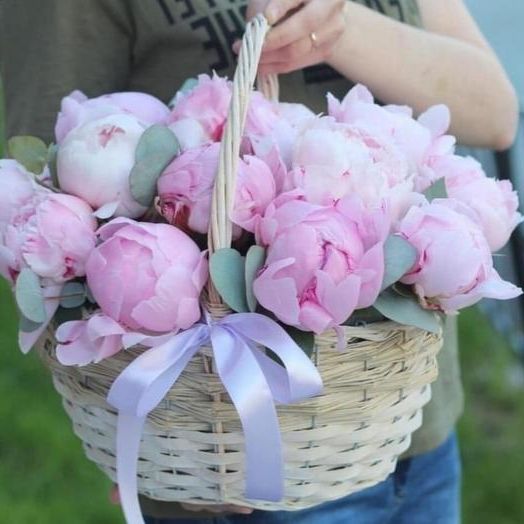
A box holds its stems upright in soaked foam rather than loose in paper, and a basket carries them without any vase; neither changes what's inside, only how it travels and sits once it arrives.
A first order of peonies in Singapore is easiest to start from the format. Bouquets with peonies cover the widest range, a peony box suits a desk or a reception with no vase to hand, and a basket suits a table at home.