






Flowers in Tokyo: from the Yasukuni cherry tree to a bouquet at the door
Tokyo's spring begins on paper before it begins in the air: meteorologists wait for five open blossoms on one benchmark Somei-yoshino tree at Yasukuni Shrine, and the date is different every year. Flowers in Tokyo are chosen the same way the season itself is announced, by date, by address and by a handful of local rules that decide what actually reaches the door.
What Tokyo's delivery zones add
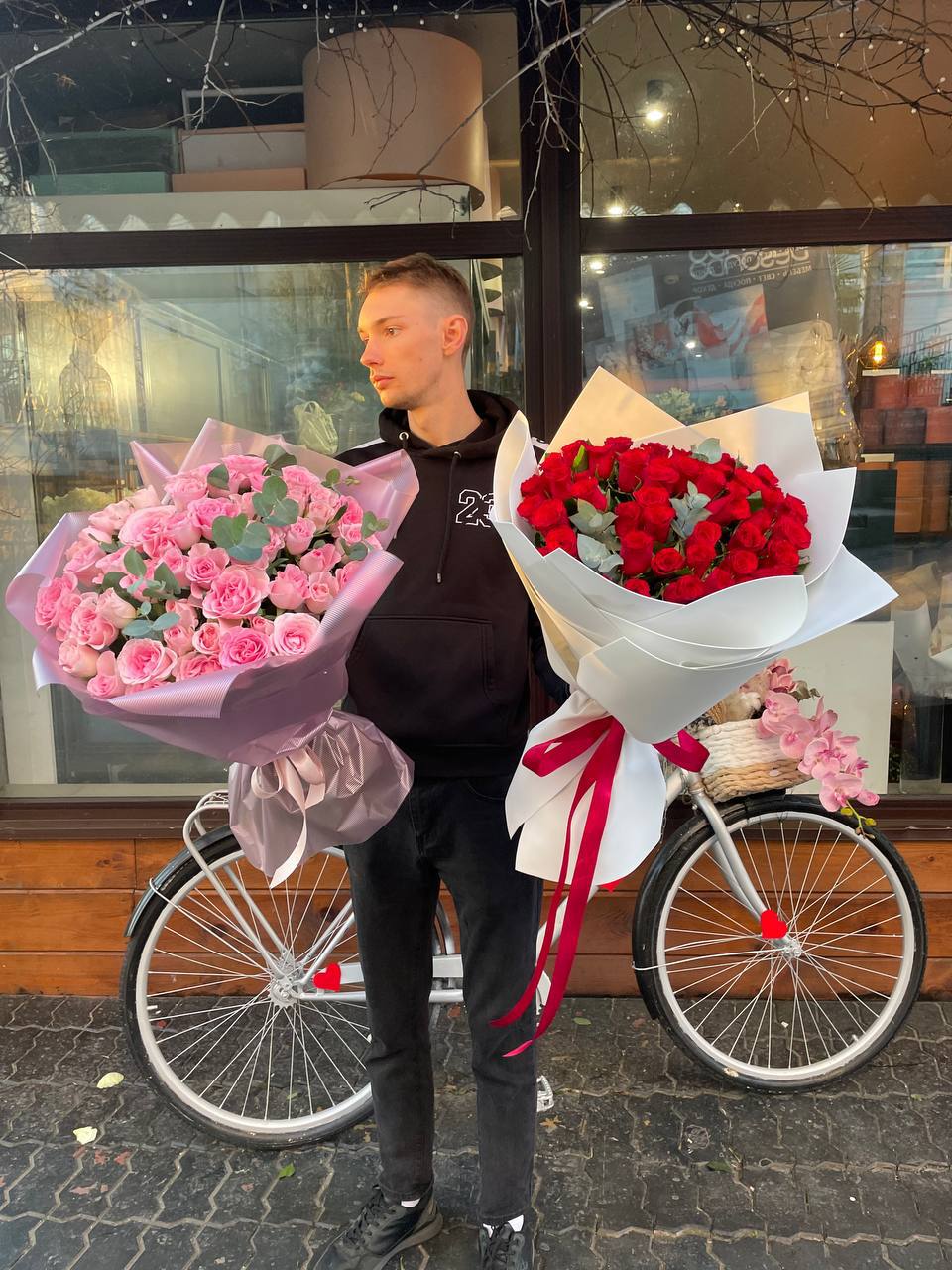
A mono bouquet or a bunch of roses sits at the lower end of the price range, the two simplest formats in the catalogue. Flowers in boxes, mixed bouquets and bouquets of peonies cost more, since a container or a mix of varieties adds to the florist's work, and designer bouquets, built around colour rather than one variety, cost more still.
Delivery in central Tokyo is free between 7am and 11pm, and for an express order, the bouquet card shows the delivery time if the florist already holds the chosen bouquet in stock. Wards further from the centre cost more, and the bouquet card shows how long delivery takes for each:
- Meguro, Setagaya, Ikebukuro, Asakusa and the Skytree area, Arakawa, Kita and Itabashi
- Adachi, Katsushika and Edogawa, Kichijoji, Chofu, Fuchu and Tachikawa, Urayasu and Tokyo Disneyland
Night deliveries outside those hours are arranged separately, and the zone fee is charged once per address, not per item. The total shown at checkout, flowers plus zone fee, is final.
A hotel needs the surname the guest checked in under and the room number, since that is what the desk can match against. An office in Marunouchi or Shinjuku needs the company name and the floor instead, and the box is left with reception rather than carried up by the courier.
Haneda and Narita sit outside the delivery zones altogether, so an airport arrival has to be requested separately; the courier waits at the arrivals exit holding a sign with the recipient's name. Wherever the address itself is missing or uncertain, a phone number is enough to reach the recipient and confirm the details.
Payment is taken by Visa or Mastercard before the florist buys anything. The currency switcher on the site shows the total in other currencies for reference only: a card issued abroad is converted at the bank's own rate, and the service adds nothing on top of it. Before the courier leaves, the finished bouquet is photographed and sent to whoever placed the order.
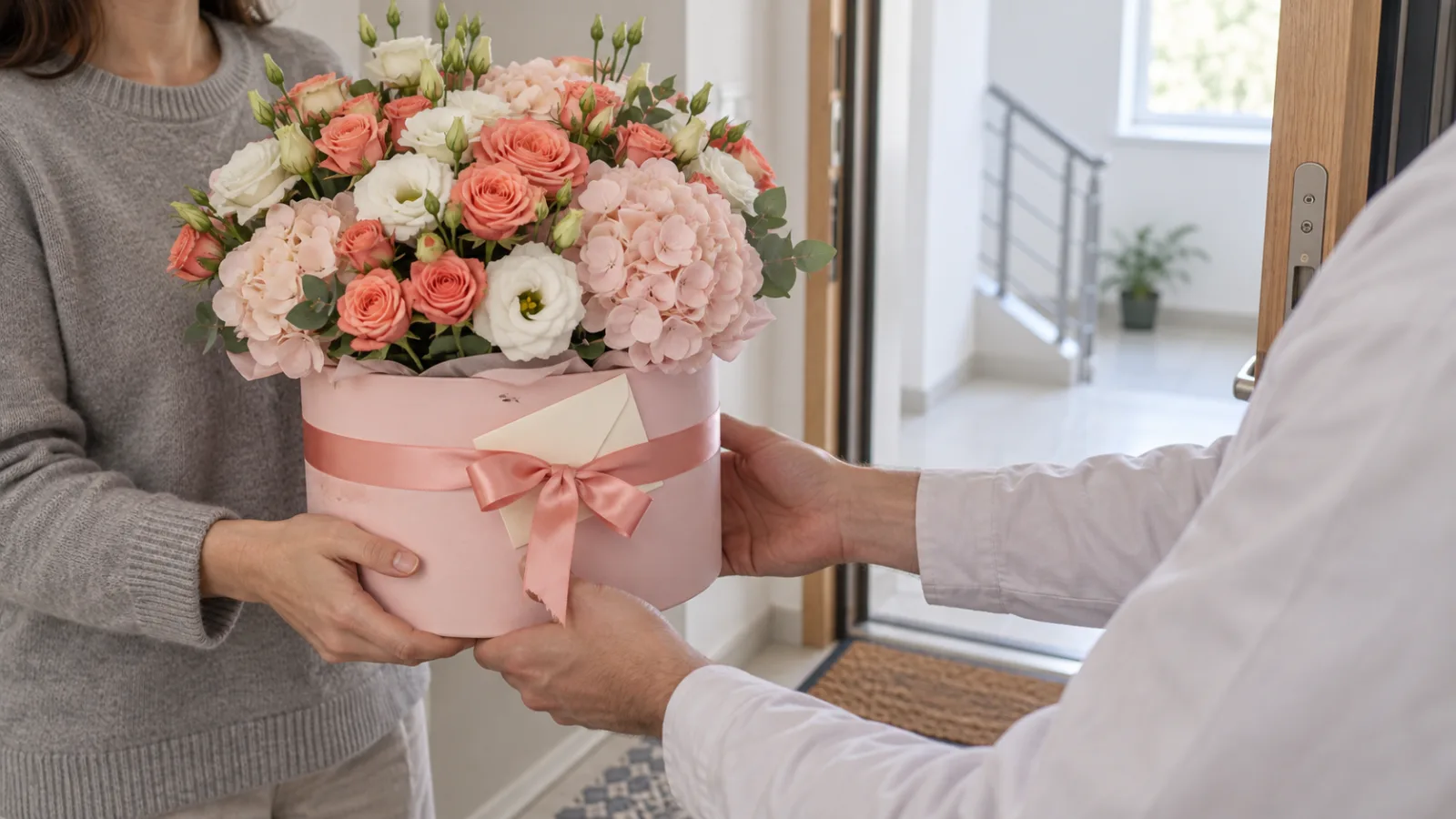
Tokyo's school year starts in April, which makes March the month of goodbyes. Graduation ceremonies, sotsugyoshiki, run from the middle to the end of March, and graduates are routinely sent off with a bouquet from classmates or family.
The same weeks close the financial year, so offices hold sobetsukai, farewell gatherings for colleagues who are leaving or moving on: a bouquet usually goes with a shikishi, a card signed by the whole team. Valentine's Day on 14 February is when women give chocolate, and White Day on 14 March is when men are expected to answer it, often with flowers rather than chocolate again. A quieter Mimosa Day on 8 March is marked in some offices and universities around the same time.
With graduations, farewells, White Day and Mimosa Day landing within four weeks of each other, a March delivery in Tokyo is worth booking ahead rather than on the day itself.
Azaleas in April, hydrangeas in the rainy season
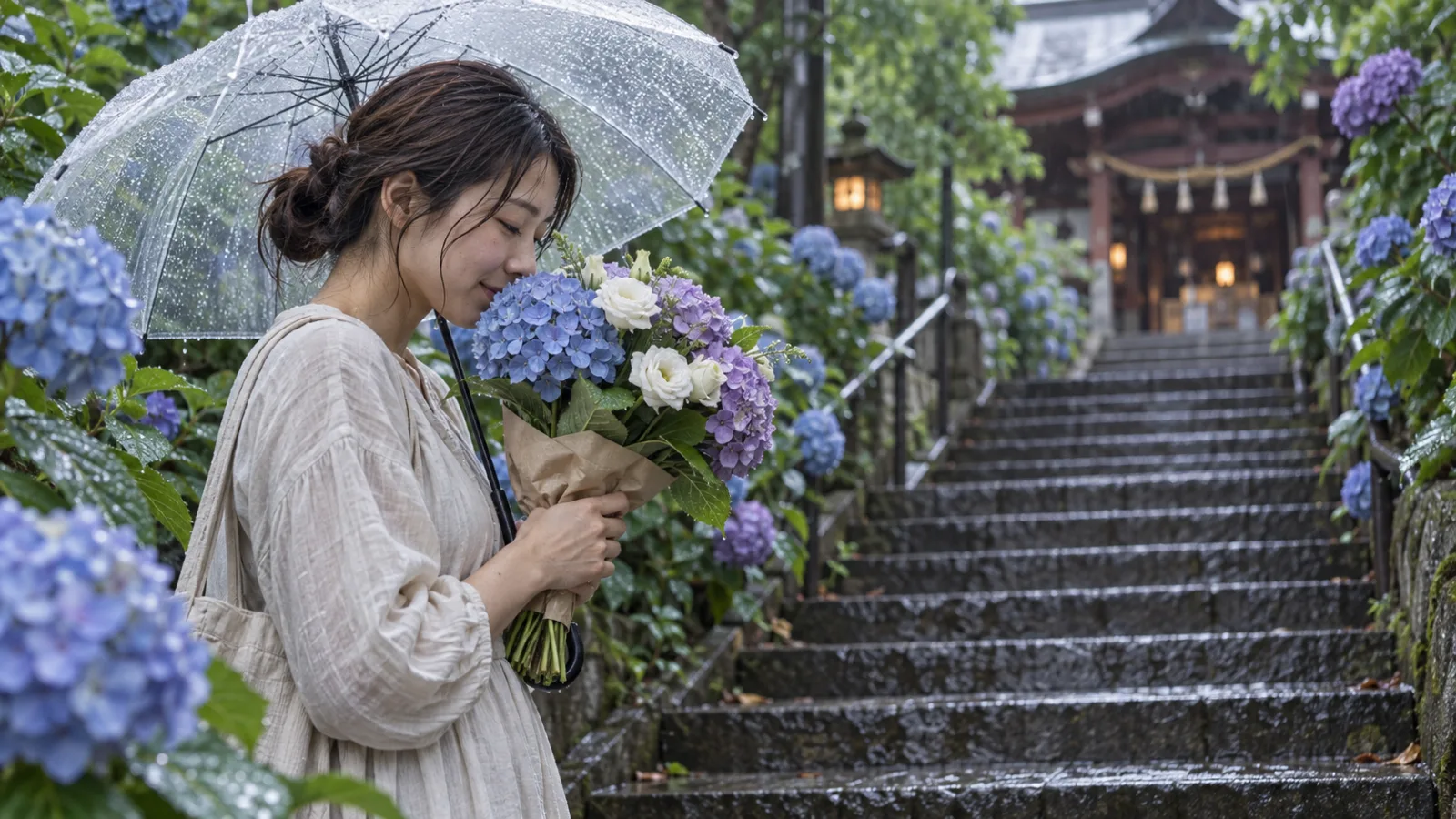
Nezu Shrine keeps around 3,000 azalea bushes, and they reach their peak in the middle of April, shortly after the cherry blossom is gone. Hydrangeas take over from early June, and the Hakusan hydrangea festival runs in June each year, right through the middle of the tsuyu rainy season, when the wet air actually helps the flowers hold up on the way home.
Weddings cluster in spring, April and May, and again in autumn, October and November, with Mother's Day landing in May each year, close to the tail of the spring wedding season.
The climate asks something different of a bouquet at each end of the year. July humidity in Tokyo runs around 76 per cent and August days sit near 27 degrees, so a bouquet left in direct sun by a reception desk wilts fast; shade and a quick trim make more difference than anything else. In January, when days average around 5 degrees, heated flats dry the air just as much as the cold does outside, and a vase is better kept away from the heater than from the window.
White chrysanthemums are associated with funerals in Tokyo, so they sit oddly in a bouquet for any other occasion; coloured chrysanthemums mixed with other flowers carry no such reading. A hospital visit calls for cut flowers rather than a potted plant, since a pot reads as putting down roots, an idea few wards welcome. Some wards refuse flowers altogether, in which case the bouquet is left with staff at the nurses' station instead. The one number to avoid in a stem count is four, which sounds like the word for death, along with nine; any other count is fine.
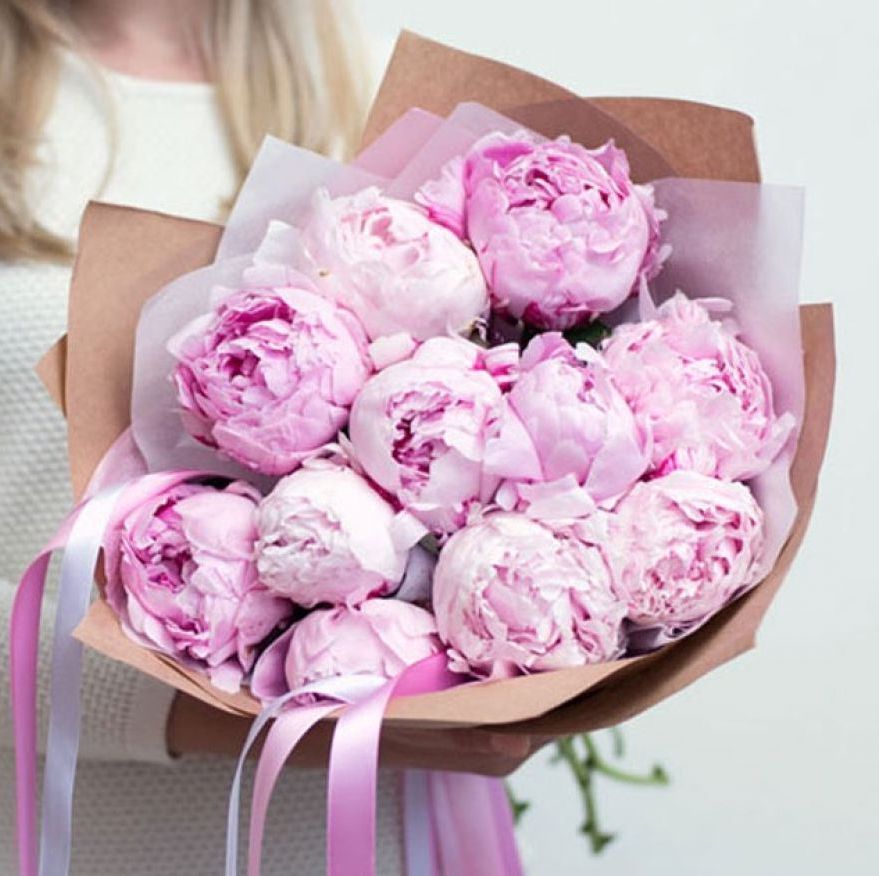
A hotel guest is simplest to reach with a mono bouquet or roses, and a reception desk that might not find a vase in time does better with flowers in boxes. Spring visits pair naturally with peonies once the season opens in late April, and the delivery zones and rates page settles the price and timing for any address in the city before the order is placed.