








Gifts to go with bouquets in Tokyo: a card the whole team signs
Gifts to go with bouquets in Tokyo start with a custom: at the end of the financial year in March, colleagues see off a retiring or transferred co-worker at a sobetsukai. They give a bouquet and a shikishi card the whole team has signed, so the flowers arrive with the words. The right extra depends on what the recipient will actually do with it: read it, celebrate with it, or keep it on a shelf.
A gift that is gone by evening: helium, sweets and a performer
A latex balloon holds its lift for about half a day, while a foil one stays inflated for several days, so the choice decides whether the gift still floats by evening or lasts through the next day as well. Japanese gift-giving also avoids the numbers four and nine, and that habit carries over into the count of balloons added to a bouquet.
For something sweeter, a bouquet of marshmallow stems is added to the same order as the flowers, a second, edible bouquet rather than a garnish on the first. On White Day the return gift is usually something sweet, so a marshmallow bouquet fits the custom.
A performer is a different kind of gift, not an object the recipient keeps but a few minutes that happen in front of them. For a delivery to a restaurant table, the timing is worked out with the venue's staff beforehand, so the moment lands with dessert, with a toast, or just before someone gets up to speak. Book a performer once that detail is settled.

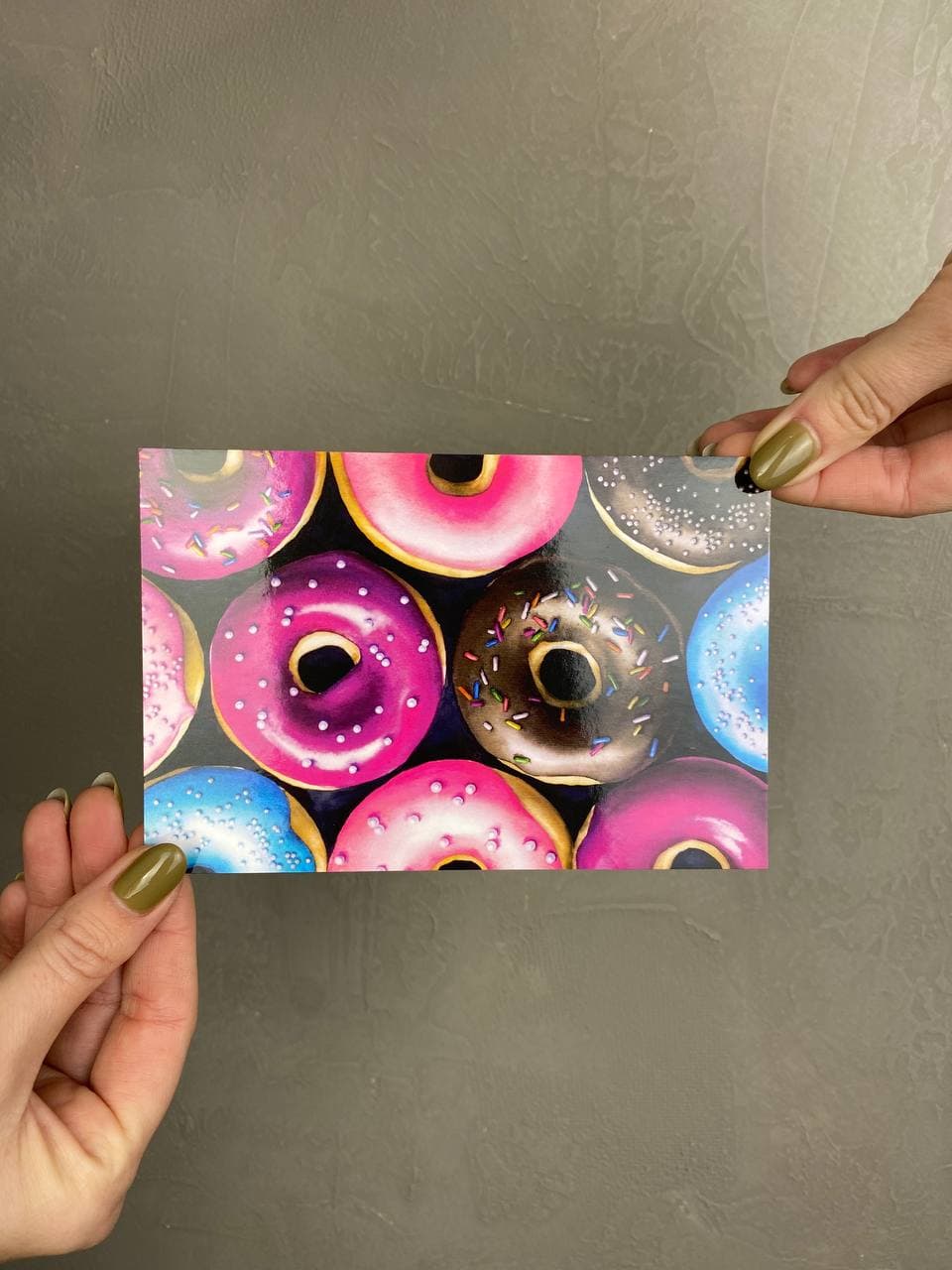
A shikishi card carries the whole office's message in one place, every colleague's line making the handover feel collective rather than individual. Cards made for bouquets do something similar for a single sender in Tokyo, and writing the text costs nothing extra. A topper does the same job in fewer words: one short line on a stick, set among the stems rather than tucked into an envelope.
In Tokyo, a phalaenopsis sent for an opening or a promotion carries a name plate with a greeting and the sender's name. A card can name the sender in the same way, or stay anonymous. Either way, the courier hands the bouquet over in person and passes the card across with it, so the words and the flowers arrive together.
A diffuser on the shelf and a vase that came with the order
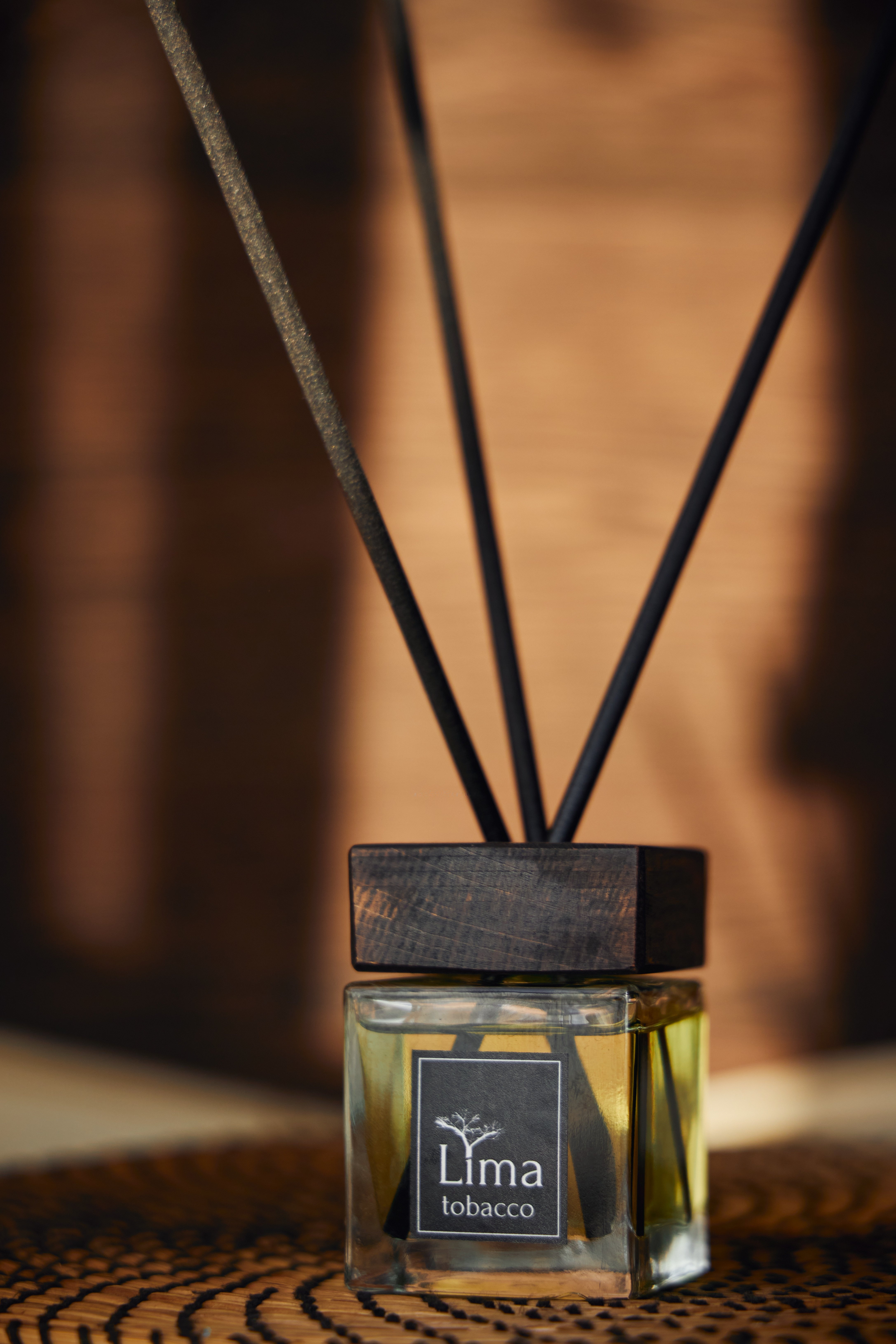
Cut flowers last a week or two in water, with a rose typically holding for about a week before the petals drop. Reed diffusers outlast them by weeks or months: turn the reeds every few days, and one bottle lasts that long.
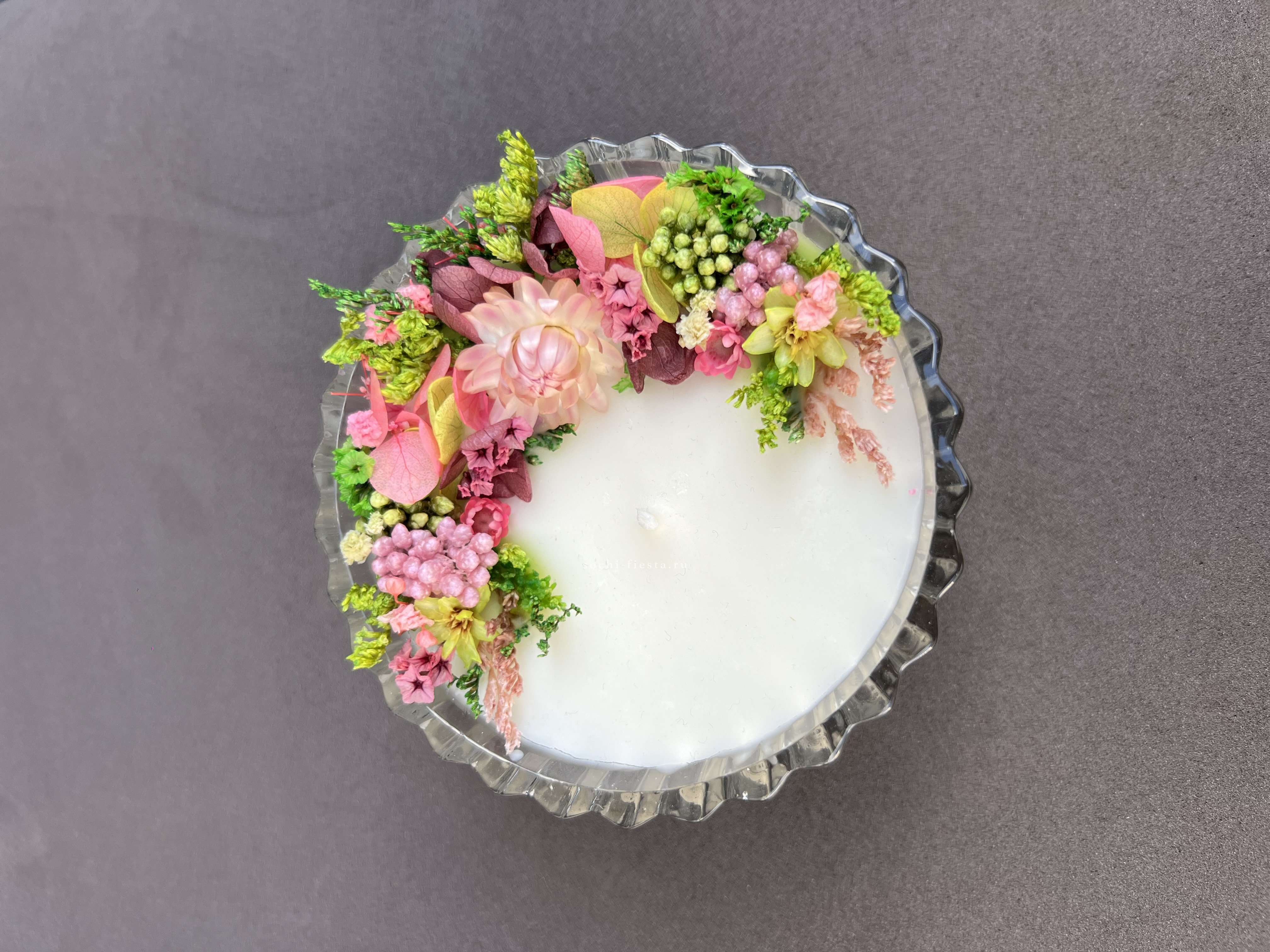
After a sobetsukai, the bouquet is what a colleague carries home that evening. A candle or a vase can be added to the same order instead, and stays on the shelf long after the flowers are gone. The vase also means there is something to stand the bouquet in the moment it arrives, instead of waiting on a windowsill for one.
In winter, heating dries the air in Tokyo flats, and that shortens the life of cut stems, a point that sits alongside the rest of Tokyo's flower customs and seasons.

When you are choosing gifts to go with bouquets in Tokyo, a card is the easiest place to start, since the text is free to write. Add a card, a diffuser or a marshmallow bouquet to the cart, and the courier hands everything over together with the flowers (how the handover works).