










Birthday in Xiamen: what the birth-month flower tradition still gets right
Every month has had a flower attached to it since long before birthday cards existed. Ancient Greeks and Romans linked particular blooms to seasonal festivals and deities, and Victorian florists later turned the idea into a private code: in an era when speaking about feelings openly wasn't quite proper, a flower said what words couldn't. The exact lists vary from source to source, but the instinct behind them still holds: birthday in Xiamen rarely comes down to one flower for everyone. It comes down to the person receiving it.
Who the bouquet is for, and why that changes it
A phrase like "birthday flowers" says nothing about who receives them, and the right choice depends heavily on that. For a colleague or a manager, a modest, well-mannered arrangement works best: calm colours, nothing overtly romantic, nothing that reads as a personal gesture rather than a polite one from the team. If several people are chipping in, it's worth agreeing on the flowers beforehand rather than explaining the choice afterwards.
Parents and older relatives usually do better with volume than with long stems, and a strong scent that fills a small flat within the hour is a nuisance more than a compliment. For a partner, the rules loosen, though a few things still matter: red speaks plainly, blush and cream read softer, and white on its own can feel more formal than the occasion calls for. Size is also worth matching to the home. A fifty-stem arrangement needs a large vase and a clear surface, and in a one-bedroom flat it usually ends up on the floor, which nobody thinks about at the point of ordering.
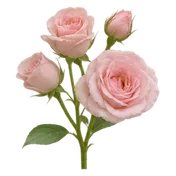
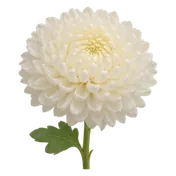
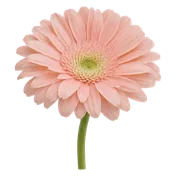
Flowers for a child call for something else entirely: small blooms, short stems that are easy to hold, and nothing pollen-heavy that could stain party clothes or set off sneezing at the table. Chrysanthemums, spray roses and gerberas tend to survive a noisy party far better than delicate cut flowers, which get crushed within the first few minutes.
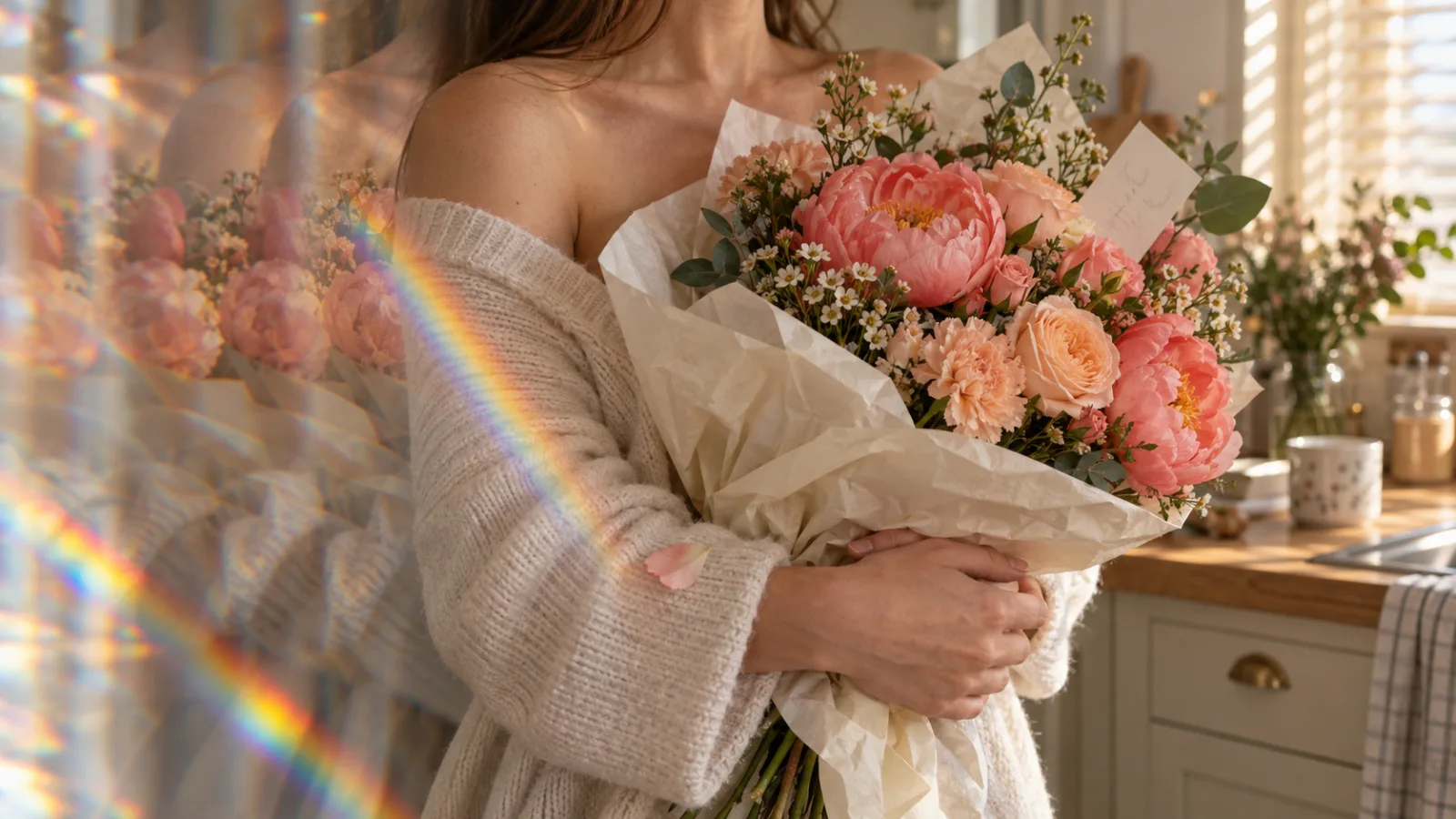
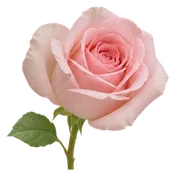
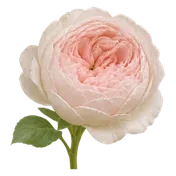
A simpler approach is to choose by character rather than calendar. Roses remain the safest all-round choice, with dozens of colours and shapes, from spray roses carrying several small blooms on one stem to full garden roses. For anyone who would rather not guess a favourite colour, a mono bouquet, built from a single flower type, reads calmer and suits almost any recipient.
Bouquet, box, basket or vase: matching the format to the address
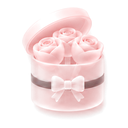
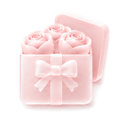
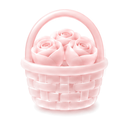
The venue usually decides the shape of a birthday bouquet more than personal taste does. A hand-tied bouquet in paper works well when it's handed over in person and there's a vase waiting at home. At a hotel reception, an office desk or anywhere a vase might not be within reach, flowers in a box or a flower basket travel better.
Ordering a vase alongside the flowers solves the problem of waiting: nobody has to hunt for a container mid-celebration, and something stays in the home long after the flowers themselves are gone.
What to add, and when to order for a milestone birthday
Birthday flowers are often paired with something to eat or something that outlasts the bouquet itself. Cakes and cupcakes cover the table when the celebration happens at home or in the office. For a bigger gesture, a giant bouquet is the one people notice from across the room the moment the courier walks in.
For a round number, a thirtieth or a fortieth, it pays to order a day or two earlier than usual: more people are celebrating on the same date, and the easiest delivery slots go first.
Ordering across borders: anonymous delivery
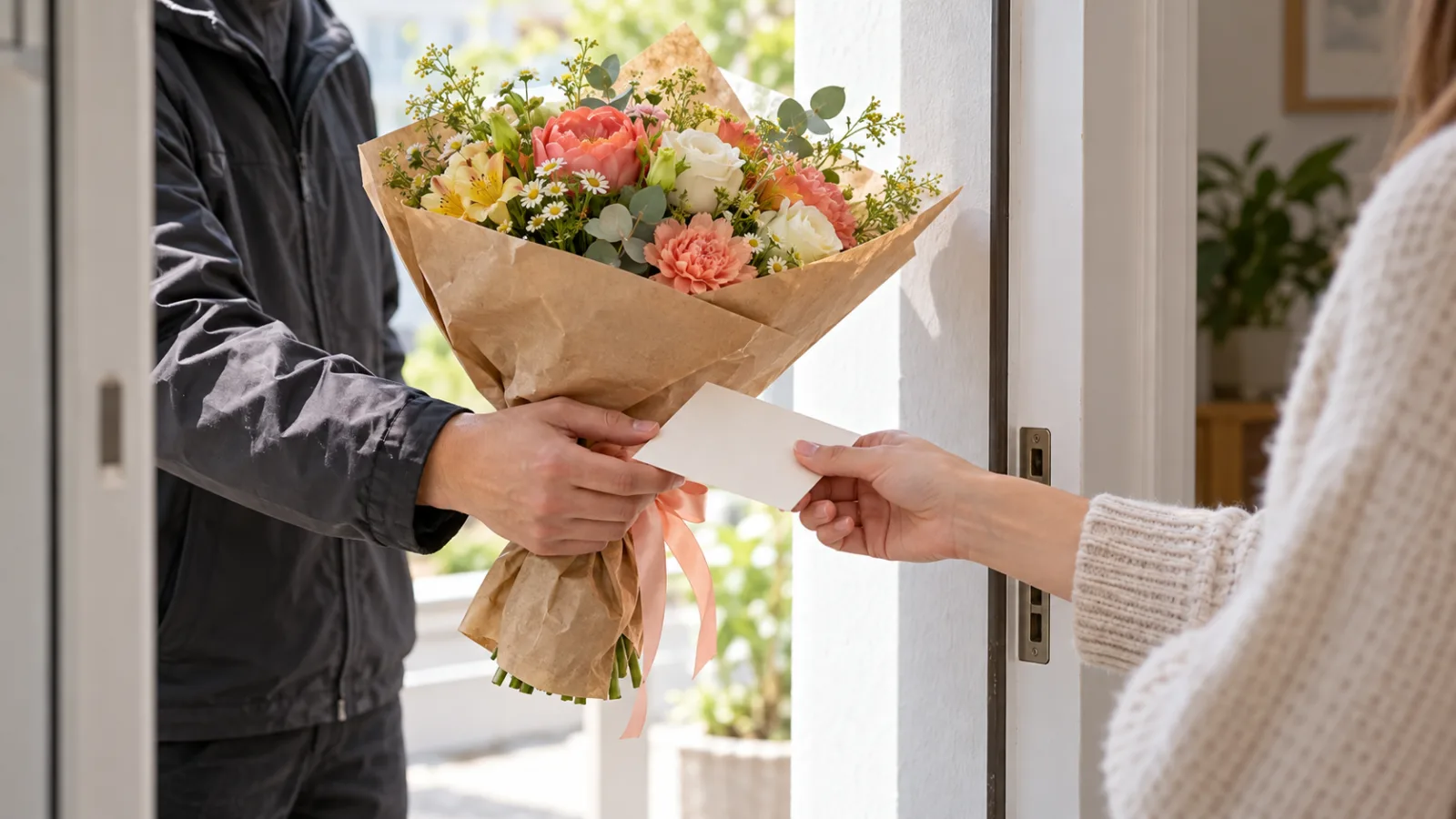
Most birthday bouquets are meant to be a surprise, and delivery is built around that. The recipient isn't called ahead of time unless the sender asks for it: an unexpected bouquet is half the gift. The only exception is a building nobody can enter without a call, in which case the courier rings from the door, not before. The courier knows only the recipient's name and address, and passes on exactly what the card says, nothing more, unless told otherwise.
A precise address isn't essential either: a phone number is enough, and the manager will work out where to deliver without mentioning the sender or the occasion unless asked to.

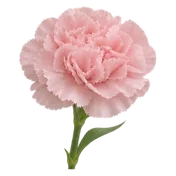
How long a bouquet lasts depends on the variety at least as much as on how it's cared for afterwards. Roses typically hold up for a week to ten days in a vase, while chrysanthemums and carnations often go two to three weeks without losing much of their shape. A few habits stretch that further: trim the stems at an angle on arrival, strip any leaves that would sit below the waterline, change the water daily, and keep the vase away from radiators and direct sun.
Choosing from the birthday section is easier when it starts with the recipient rather than a list of varieties. A quiet mono bouquet suits a colleague, flowers in a box work for a hotel or an office, and roses or a giant bouquet make a bigger statement. When birthday in Xiamen needs to be marked from another country and without a fuss, delivery can be arranged on a phone number alone, and other occasions are gathered on the Occasions page.


