















Burgundy bouquets: the shade changes as the rose opens

A closed burgundy rose is almost black. Its outer petals, darkest of all, wrap tightly over everything else, and at that stage a head reads as a dark ball with no colour in it at all.
Then it opens, and what you delivered stops being what stands on that table.
What the opening reveals
As the outer petals fold back they expose the inner ones, which are younger, thinner and noticeably brighter. The heart is wine red rather than black, so the whole arrangement lightens over several days and gains depth it did not have on day one.
Anyone buying burgundy for a photograph that same day should ask for heads already starting to open. Anyone buying it to live on a table for a week should ask for tighter ones. That first evening looks dark, and by the weekend the bouquet has opened into its real colour.
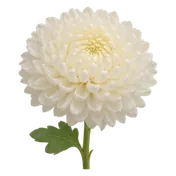
Chrysanthemums and dahlias in the same colour family behave differently again. They open outwards rather than unwrapping, and their darkest point stays at the petal tip throughout, so a mixed burgundy bouquet shifts unevenly and looks livelier for it.
Telling opening from ageing
Both processes darken the petal edge, which is why burgundy is the hardest colour to judge for freshness, and texture rather than tone gives the answer.
A fresh dark edge is velvet. It reflects a little light when you tilt the head, feels supple, and the colour runs smoothly into the petal behind it. An ageing edge is dry and slightly papery to the touch. It is thinner than the rest of the petal and often faintly crimped. Once that crimping appears the flower has a few days left rather than a week.
Check the outer guard petals separately, since our florist leaves one or two in place to protect the head in transit and they are meant to look coarse.
One practical drawback

Burgundy reflects very little light, so it disappears in a dim room and collapses into a black shape on a phone camera. Detail comes back with side light from a window or a lamp, and it comes back completely in daylight.
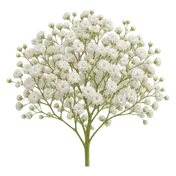
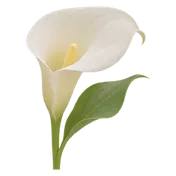
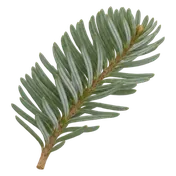
Build around that. Cream or blush flowers, silver foliage and pale wrapping give the eye a reference point next to those dark heads. A burgundy bouquet with light accents survives an evening hallway that a monochrome one does not.
Who it suits
Bright red says one thing loudly. Burgundy says something quieter and older, which is why it works for an anniversary, a long marriage, a serious professional occasion or a recipient who finds scarlet a little theatrical.
Season helps too, since deep tones arrive in quantity with autumn chrysanthemums and dahlias and sit naturally against low autumn light.
For a recipient in Changsha whose home runs on warm evening lamps, ask for a few pale stems in the mix. Depth in a dark bouquet still reads after nightfall when something light sits beside it.


