










Rose bouquet in Qingdao: what makes a rose "French" and how to choose
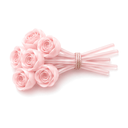
A rose bouquet in Qingdao labelled "French" is not a variety or a country: it names a florist's technique, reflexing, where the outer petals are turned back by hand until a closed bud opens into a wide, layered head. Choosing a rose bouquet then comes down to three things: how the rose is opened, what stands beside it in the wrap, and how many stems, in what colour, go into the bunch.
French, Jumilia or Dutch: what the names on a rose bouquet mean
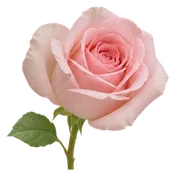
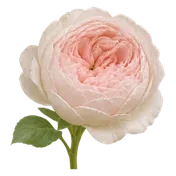
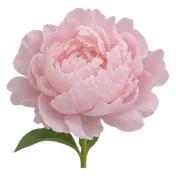
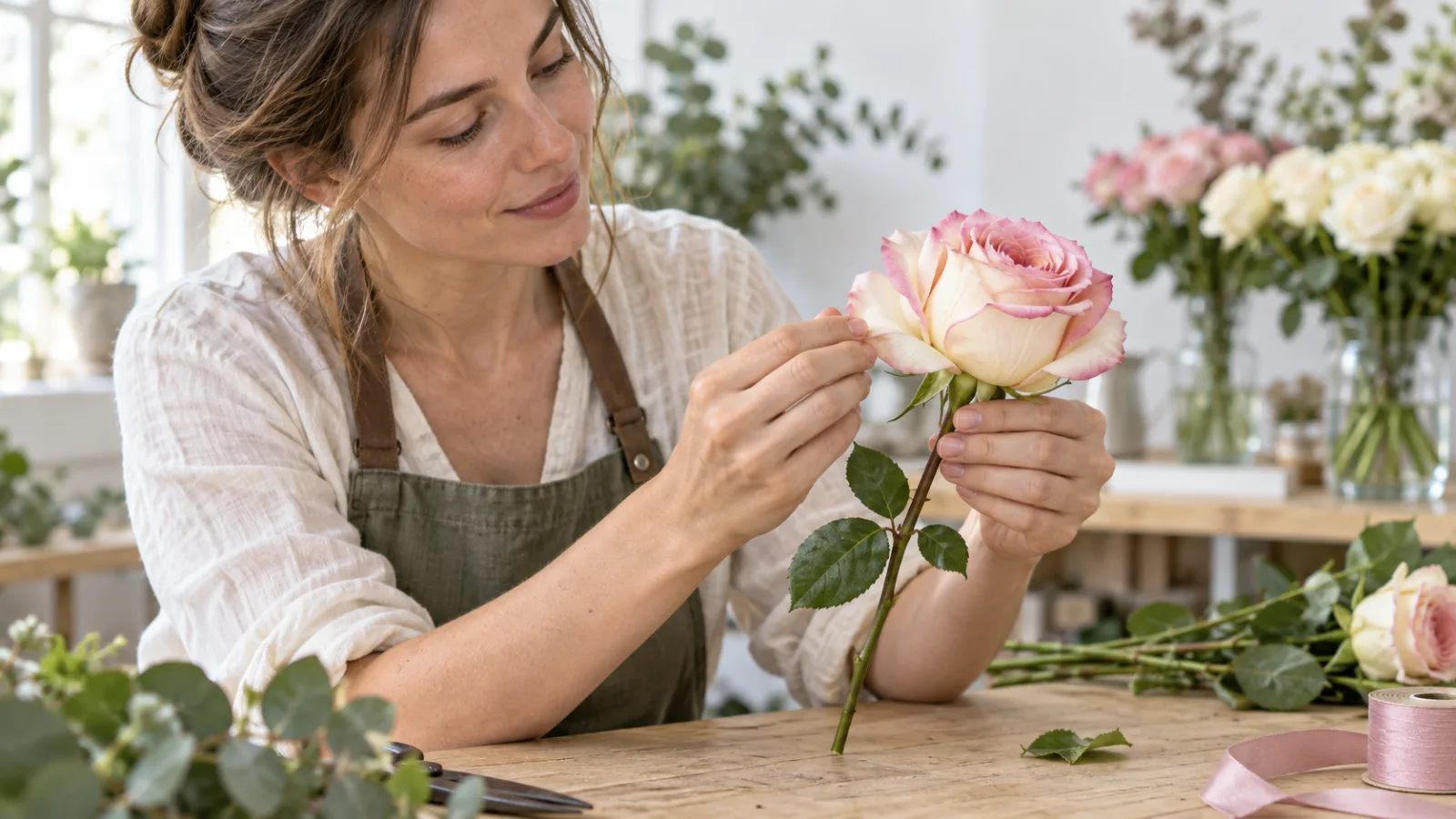
Reflexing explains why one rose sells both as a tight bud and as a wide, many-petalled head: the flower is the same, only the outer petals are folded back by hand before the bunch is tied. On a card reading "French Roses", that is the whole story, not a growing region.
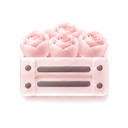
Jumilia is a named variety with a bud up to seven centimetres across, cream at the base and edged in pink; it appears both tied in a bunch and set in a box. Dutch roses are classic varieties grown under glass, and names such as O'Hara refer to the variety on the card.
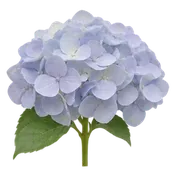
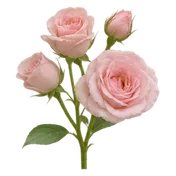
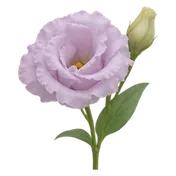
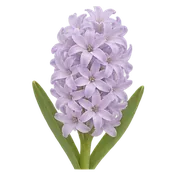
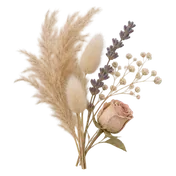
A rose bouquet can stay a single flower or share the wrap with other flowers, and each choice reads differently. In a mixed bunch the rose works as the mass flower, carrying the weight and holding the eye, while smaller blooms and greenery fill the gaps between the heads. A duo of roses and hyacinths, a bouquet built around lisianthus, or a bouquet called "Naomi" all use the rose this way.
Where the bunch keeps to roses alone, in white or in shades of one colour, the effect is a monochrome scheme, which suits a bouquet meant to hold a room on its own rather than compete with anything else in it.
Choosing a colour and a stem count for roses
Colour has carried meaning since Victorian flower language: red for passionate love, pink for a softer feeling, white for purity, yellow for friendship. No single list of meanings survives from that period, and books on the subject disagree, so a colour is a starting point rather than a rule.
Stem count is a matter of local custom: in some countries an odd number is the usual choice, in others a dozen. The number sits right in the name of each bouquet, from eleven to thirty-five stems, and a bunch of white and pink together suits a buyer who would rather not settle on one colour.
How long a rose bouquet lasts in the vase
A cut rose lasts roughly a week in the vase, sometimes stretching to ten days, and Jumilia can hold for up to a fortnight with good care. What happens on the first evening matters more than the variety.
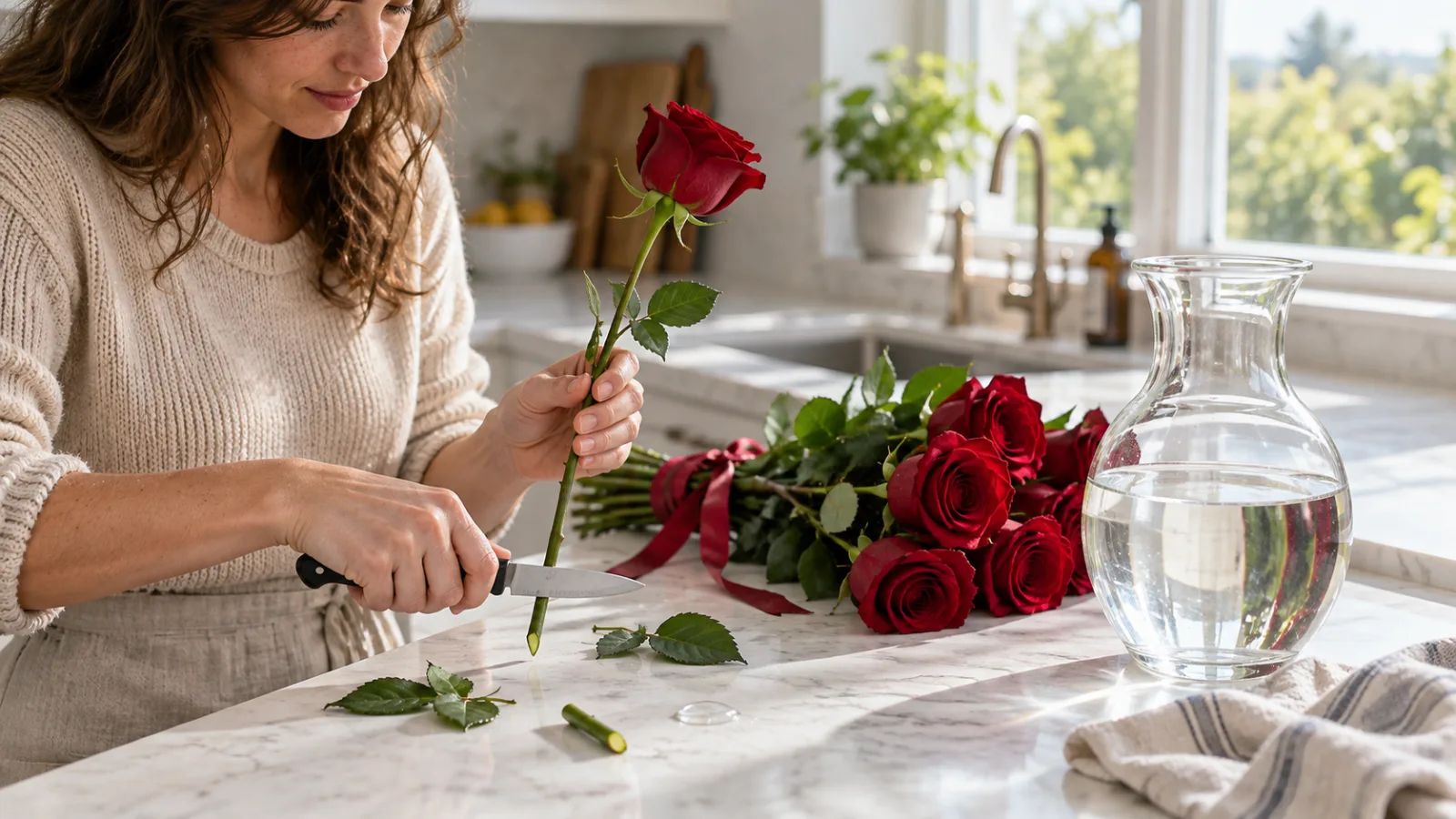
- Slanted cut: trim the stem at an angle as soon as the bouquet is unwrapped.
- Leaves below the waterline: strip them off so nothing rots underwater.
- Fresh water: change it every day or two, since it clouds faster than it looks.
- Placement: keep the vase away from radiators, direct sun and a bowl of ripe fruit.
A rose delivered in a box stands in wet floral foam rather than water, so water it daily in a thin stream over the whole surface and never tilt the box.
Every rose bouquet is put together to order. Before the courier sets off, a photo of the finished bouquet goes to the sender, and any request made against that photo is carried out before dispatch.
If the exact rose named on the card is not available that day, our florist substitutes one close in shade and price, and the change is visible on the same photo, not a surprise at the door. The delivery time for a given bouquet is shown on its own page. The card is free too and can be left unsigned, and a phone number for the recipient is enough where there is no address.
A first look at all our roses is a fair place to start, or at bouquets where roses share the stems with other flowers for a fuller mix. The full bouquet range sits one level up, and the delivery page sets out the card options and delivery zones before checkout.


